Estuary fishing combines the thrill of the catch with the calm of sheltered water, tidal banks, and wildlife-rich shorelines. These mixed freshwater and saltwater areas can hold baitfish, crabs, prawns, and many popular sport fish, which makes them ideal for beginners and experienced anglers alike. To fish an estuary well, you need to understand tidal movement, choose safe access points, match your bait to local food sources, and handle fish responsibly. With the right plan, your next estuary fishing trip can be safer, more productive, and more enjoyable.
Quick Answer
Estuary fishing works best when you fish safe access points near channels, sand flats, drop-offs, weed edges, mangroves, or bait beds. Plan around moving water, especially the incoming tide, use light tackle, match bait or lures to local prey, and always check local fishing rules before you keep a fish.
Key Takeaways
- Estuaries are productive because tides mix nutrients, bait, and cover in a small area.
- The best spots often sit near channels, current seams, drop-offs, sandbars, seagrass, mangroves, and shellfish beds.
- Dawn, dusk, and moving tides usually give you the best chance of finding active fish.
- Light spinning tackle, natural bait, soft plastics, and small hardbody lures cover most beginner estuary situations.
- Safety, local size limits, bag limits, and careful catch-and-release habits protect both you and the fishery.
At a Glance
| Best Time | Dawn, dusk, and periods with steady tidal movement |
| Difficulty | Beginner-friendly, with extra care around tides, mud, rocks, and boat traffic |
| Basic Gear | Light spinning rod, reel, line, leader, hooks, sinkers, jig heads, bait or lures, pliers, and a landing net |
| Best Beginner Targets | Bream, flathead, whiting, mullet, redfish, snook, trout, or other local estuary species |
Understanding Estuaries and Their Importance
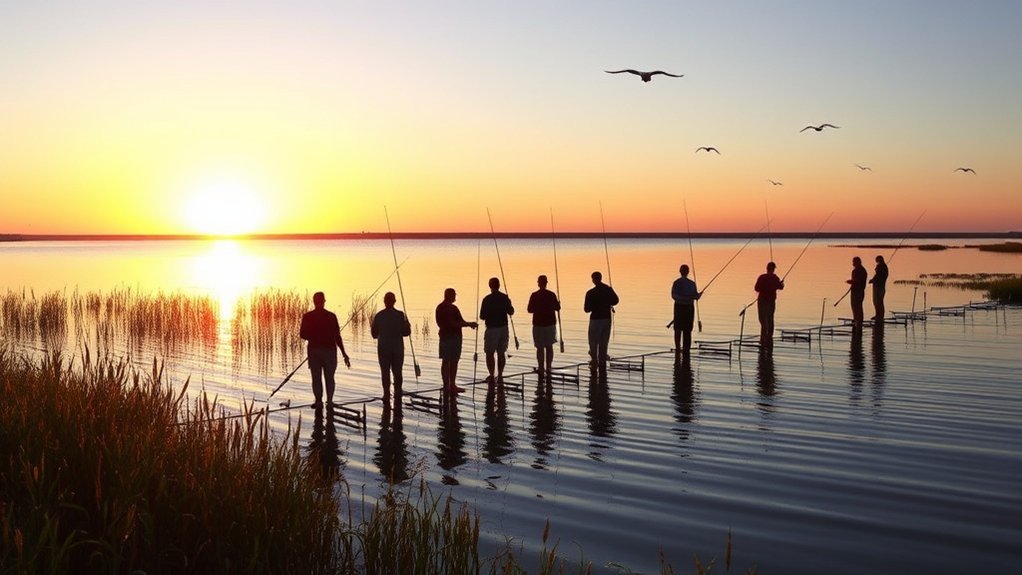
Estuaries are vibrant ecosystems where freshwater meets saltwater, creating unique environments filled with life. These sheltered, tidal, brackish waters support fish, birds, crabs, prawns, shellfish, worms, and many other animals. That mix of shelter, food, and moving water makes estuaries one of the most reliable places to learn fishing.
The meeting point between river water and ocean water creates changing salinity, temperature, depth, and current. Those changes may look confusing at first, but they also create feeding lanes and holding areas. Fish often move with the tide to follow bait, rest behind structure, or push into shallow flats when food becomes available.
As you explore estuaries, you’ll notice how tidal flow influences the ecosystem. Incoming water can bring baitfish and fresh oxygen, while outgoing water can drain food from creeks, mudflats, and mangrove edges. These movements create ideal breeding grounds, nursery zones, and feeding areas for many fish species.
Common estuary areas include rivers, creeks, inlets, lagoons, bays, harbors, canals, and tidal flats. Many sit close to towns or cities, which makes them easy to access for short fishing sessions. By understanding how estuaries work, you can fish more effectively while also respecting the conservation efforts that protect these delicate ecosystems.
Note: Estuary species vary by region. Use this guide as a practical framework, then match your bait, lures, limits, and seasons to your local waterway.
Choosing the Right Location

When choosing the right location for estuary fishing, start with safe, legal, and easy access. Sandy banks, public jetties, rock walls, boat ramps, bridge edges, and accessible harbor entrances can all produce fish. Avoid unstable mud, steep banks, restricted zones, and areas where strong current could cut off your return path.
Pay attention to tidal flow, because moving water carries food and positions fish. Strong but manageable current can improve bait movement and draw predatory fish into feeding lanes. Selecting spots with nearby food sources, structure, and deeper water will greatly increase your chances of a successful catch.
Access Points and Safety
Choosing the right fishing location can greatly affect your success, so prioritize safe and accessible spots. Look for firm sand, stable banks, marked public access, and clear casting room. Stay away from deep, muddy mangrove swamps unless you know the area and have proper safety gear.
Aim for areas with relatively deep water, around 1.5 to 2 meters, within casting range when you want to target fish holding off the edge. You can also fish very shallow water when the tide covers flats, weed beds, or shell banks. The key is finding a safe place where fish can move between feeding water and deeper escape water.
Good fishing conditions are often found near food sources such as cockle beds, pipi beds, weed edges, shrimp drains, small creek mouths, and baitfish schools. Always keep an eye on tide movements, slippery rocks, boat wakes, and rising water. Move along the bank as conditions change, but do it slowly and safely.
Warning: Estuary mud, fast tides, oysters, rocks, and boat traffic can be dangerous. Wear suitable footwear, keep a clear exit route, and never wade into water you cannot read safely.
Tidal Flow Considerations
Understanding the dynamics of tidal flow is essential to improving your fishing success in estuaries. Tidal flow influences fish behavior, bait movement, water clarity, and feeding windows. Fish often become easier to find when the current funnels food through a narrow channel, around a point, or along a drop-off.
Look for areas with strong currents that remain safe to fish. These spots can attract baitfish and create ambush points for larger predators. Pay attention to where tidal flow meets structure, including mangrove roots, bridge pylons, rock walls, sandbars, weed edges, and channel bends.
During low tide, fish may hold in deeper water around 1.5 to 2 meters or more. As the tide rises, they may move into shallower areas to feed. Timing is vital in estuary angling, so observe the tidal patterns each trip and note where you get bites. This simple habit can improve your catch during future outings.
Structure, Cover, and Food Sources
Fish rarely spread evenly across an estuary. They usually gather where food, cover, and current meet. That might be a small drain spilling off a flat, a weed edge beside a channel, a bridge shadow, a rock wall, a shell bed, or a mangrove line with bait flicking nearby.
When you arrive, spend a few minutes watching before you cast. Look for nervous baitfish, birds diving, prawns skipping, fish wakes, bubbles, current seams, and color changes in the water. These clues help you find the productive 10% of water instead of casting blindly across the whole area.
Timing Your Fishing Trips
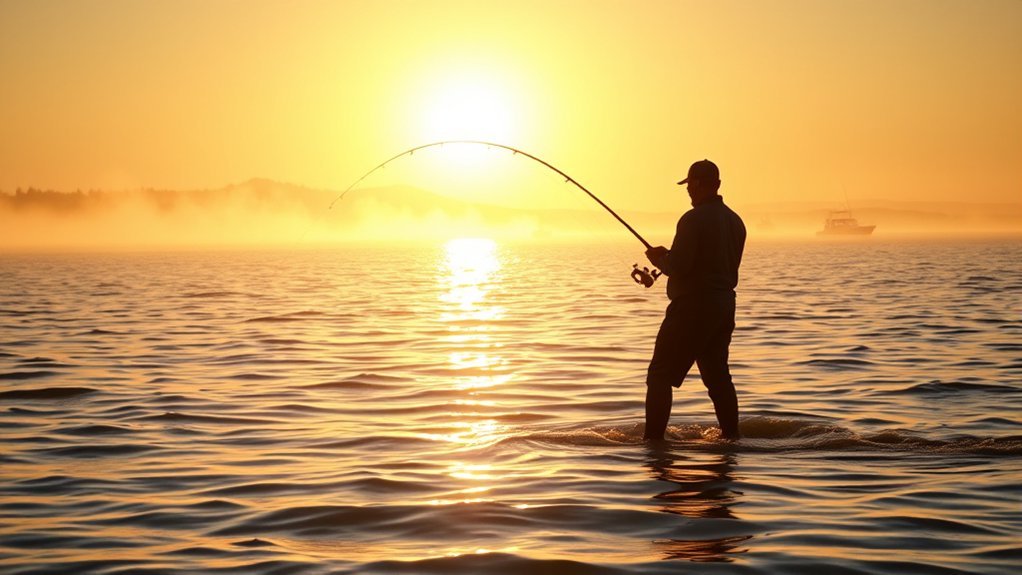
Timing your fishing trips can make all the difference in your success. Focus on peak feeding times like dawn and dusk, and don’t forget to consider the tidal flow. Fish often become more active when water starts moving and bait begins shifting through the system.
Planning your outings around these factors will help you maximize your catch and enjoy your time on the water. You do not need a perfect tide to catch fish, but you do need a plan. A short, well-timed session often beats a long trip during slack, lifeless water.
Peak Feeding Times
While planning your fishing trips, consider that peak feeding times for fish often happen around dawn and dusk. These low-light periods can make fish feel safer in shallow water. They also help you fish around busy daytime activity, especially in popular swimming, boating, and kayaking areas.
To maximize your chances, keep these tips in mind:
- Fish Early or Late: Target early mornings and late evenings when light levels are lower and fish may feed closer to shore.
- Follow the Tide: Fish often feed during the bulk of the incoming tide, especially when water covers fresh ground.
- Watch the Current: Look for areas with good tidal flow where baitfish, shrimp, prawns, worms, and crustaceans gather.
- Avoid Daytime Disruptions: Steer clear of heavy boat traffic, swimmers, and noisy banks when possible.
Tidal Influences
As you plan your fishing trips, the tides play an essential role in your success. Fish are often active during peak feeding periods, especially around dawn and dusk. Timing your outings to coincide with the incoming tide can boost your chances to catch fish because rising water gives them access to banks, flats, and edges.
This period can bring fish closer to shore as they chase bait swept in by the tidal flow. Pay attention to areas with strong currents, because they often attract baitfish, which then draw predators. Aim to have casting access for at least two to three hours during these peak periods when your schedule allows.
Outgoing tides can also fish well. Drains, creek mouths, and channel edges may become productive when water pulls bait off the flats. Instead of treating one tide as the only option, learn how your local estuary fishes on both incoming and outgoing water.
Seasonal Patterns
How can you make the most of your fishing trips throughout the year? Understanding seasonal patterns can greatly improve your success. Weather, rainfall, water temperature, bait movement, and spawning behavior can all affect where fish hold and how aggressively they feed.
Here’s what you need to know:
- Peak Season: Late December to April can be prime in many warm-weather estuaries, with February and March often productive where summer bait is active.
- Tidal Influence: Fish are often more active during the bulk of the incoming tide, making this a useful time to cast your line.
- Timing: Early morning and late evening, when there is a change of light, are ideal for targeting many estuary species.
- Stay Informed: Check local fishing reports, rainfall, water clarity, and temperature trends so you can adjust your strategy.
After heavy rain, some estuaries become dirty, fresh, and fast-flowing. Fish may move closer to cleaner water, deeper holes, bridge areas, rock walls, or the mouth of the system. During dry spells, clear water may call for lighter leaders, longer casts, and more natural presentations.
Essential Techniques for Fishing

Understanding essential techniques for fishing in estuaries can greatly improve your success on the water. Start by using a running sinker rig, which helps present your bait naturally along the estuary floor. This simple rig works well for bottom-dwelling species like flathead, bream, whiting, and other local fish that feed near sand, mud, or shell beds.
Use light tackle equipment with a 6-10 lb line when conditions and target species allow. Lighter tackle boosts sensitivity, making it easier to detect subtle bites. Add a leader suited to the water clarity and structure. You may need a slightly heavier leader near rocks, oysters, bridge pylons, or mangrove roots.
Pay close attention to tidal movements. Fishing during the incoming tide often yields better results because fish become more active in search of food. Don’t hesitate to experiment with different retrieval techniques, like a slow retrieve, gentle jigging, short hops, or long pauses.
Finally, incorporate local bait options such as prawns, yabbies, worms, shrimp, squid strips, small baitfish, or shellfish where legal. Local food sources are familiar to fish and often lead to better results. Get ready to reel in your catch, but keep your presentation natural and your movements controlled.
Basic Estuary Rigs
A few simple rigs cover most estuary fishing situations. A running sinker rig lets bait move naturally while keeping it near the bottom. A float rig keeps bait above weeds, rocks, or shallow structure. A light jig head with a soft plastic works well when you want to search water and cover more ground.
For bait fishing, match your hook to the bait size rather than choosing the largest hook in your box. A hook that is too large can make bait look unnatural. A hook that is too small may miss solid hook-ups or get swallowed too deeply by fish.
Casting and Retrieving
Cast beyond the area you want to fish, then bring your bait or lure back through the strike zone. This approach looks more natural than dropping directly onto fish. It also helps you cover edges, drains, and current seams without spooking fish in shallow water.
With soft plastics, try a slow lift-and-drop retrieve near the bottom. With hardbody lures, use short twitches and pauses around structure. With topwater lures, fish low-light periods and calm water, then pause often so predators can track the lure.
Pro Tip: Keep a simple fishing log with tide stage, time, weather, water clarity, bait seen, lure used, and bites. After a few trips, patterns become much easier to spot.
Bait and Lure Selection

When you’re fishing in estuaries, choosing the right bait or lure can make all the difference in your success. The best choice depends on your target species, water depth, clarity, current, bottom type, and the food fish are already eating.
Here are some effective options to consider:
- Live Bait: Fresh and recognizable bait like prawns, worms, yabbies, shrimp, crabs, or small baitfish can be highly effective where legal.
- Soft Plastics: For beginners, pre-scented options can help because they attract fish even with minimal movement.
- Hook Size: Use a size 1/0 hook paired with a light 1/8 oz jig head when it suits your bait, lure, target species, and current.
- Lure Fishing: Select lures based on the estuary environment; use hardbodies or topwater lures on shallow flats, and soft plastics or blade baits in channels.
Matching the hook size to your bait will increase your catch rates. Make sure the hook point sits clear enough to hook the fish, but do not overload the hook with too much bait. A neat, natural bait usually beats a large, messy bait that spins in the current.
Matching Bait to Common Estuary Species
Different fish feed in different ways. Bream and similar species often pick around structure, shell beds, and edges. Flathead and other ambush feeders may sit along sand drop-offs, channel edges, and drains. Whiting often feed across sand flats and shallow banks. Larger predators may follow bait schools through channels, bridge shadows, and current lines.
If you see small baitfish flicking on the surface, try a small hardbody, soft plastic paddle tail, or lightly weighted bait. If you see prawns or shrimp skipping, use a prawn-style lure or fresh local bait. If the water is dirty, use scent, vibration, or a bait with a stronger smell.
Line, Leader, and Terminal Tackle
A light spinning outfit is enough for many estuary trips. Braided main line gives you sensitivity and casting distance, while a monofilament or fluorocarbon leader adds abrasion resistance near structure. If fish are shy in clear water, try a lighter leader. If you keep losing fish near rocks or oysters, step up your leader strength.
Carry a small box with hooks, split shot, ball sinkers, swivels, jig heads, clips, and spare leaders. You do not need a huge tackle bag to start. A simple, organized kit helps you change quickly when the tide, depth, or fish behavior changes.
Reading the Water
Reading the water is one of the most valuable estuary fishing skills. Instead of casting randomly, look for signs that tell you where fish are feeding or resting. Current seams, eddies, drains, color changes, bait schools, bird activity, and nervous surface movement all deserve attention.
A small drain pouring off a flat can concentrate food as the tide falls. A bridge pylon can break current and create a soft pocket where fish wait. A weed edge beside a channel can hold bait and ambush predators. These small details often matter more than casting far.
Wind can also help. A light breeze may push bait toward one bank and create ripple that hides your approach. Strong wind can make casting harder and muddy the water. When conditions change, adjust your position instead of forcing the same plan all day.
Safety and Conservation Practices
Fishing in estuaries can be a rewarding experience, but it is vital to prioritize safety and conservation. Start by familiarizing yourself with local fishing regulations, including size and bag limits. These rules help protect fish populations and support sustainable fishing practices.
Always be mindful of tide movements and potential hazards to stay safe while fishing. Check whether the tide may rise behind you, cover sandbars, or make a muddy bank harder to cross. Bring drinking water, sun protection, a phone in a dry pouch, basic first aid, and a light if you fish early or late.
When practicing catch and release, use barbless hooks or flatten the barb when practical. Minimize handling time, wet your hands before touching fish, support the fish properly, and return it to the water quickly. If a fish is deeply hooked, follow local guidance and use the safest release method available.
Remember to dispose of waste responsibly. Pack out all trash, including fishing line, bait bags, hooks, food wrappers, and drink containers. Discarded line can injure birds, turtles, fish, and other wildlife.
Respecting wildlife habitats is equally important. Avoid trampling sensitive areas like mangroves, saltmarsh, oyster beds, and seagrass beds. These habitats help maintain ecological balance and support bait, juvenile fish, and larger predators. By following these safety and conservation practices, you’ll improve your fishing experience while helping protect the estuary for future generations.
Common Beginner Mistakes
Many beginners struggle because they fish the wrong water at the wrong time. They arrive at slack tide, cast into featureless water, and leave before the tide starts moving. You can avoid this by planning your session around current, structure, and visible signs of bait.
Another mistake is using tackle that is too heavy. Heavy sinkers, thick line, and oversized hooks can make bait look unnatural. Start light when conditions allow, then increase weight only when current, depth, wind, or structure demands it.
Beginners also move too quickly or make too much noise in shallow water. Fish in estuaries can spook from heavy footsteps, dropped gear, or repeated casts landing on top of them. Approach the bank quietly, cast past your target, and work the bait back through the area.
Frequently Asked Questions
What Is the 80/20 Rule in Fishing?
The 80/20 rule in fishing means most of your success often comes from a small part of your effort. In estuaries, that usually means focusing on the best spots, tides, bait, and techniques instead of casting everywhere without a plan.
What Is the 90/10 Rule in Fishing?
The 90/10 rule in fishing means many fish may hold in a small percentage of the available water. Focus on hotspots like drop-offs, drains, bridge pylons, weed edges, current seams, rock walls, and bait beds to make each cast count.
What Is the Best Tide to Fish in the Estuary?
The incoming tide is often one of the best tides to fish in an estuary because it lets fish move onto shallow feeding areas. Outgoing tides can also be productive near drains, creek mouths, and channels where food gets pulled from the flats.
What Basics Do I Need to Start Fishing?
To start fishing, you’ll need a light spinning rod and reel, suitable line, leader, hooks, sinkers or jig heads, bait or lures, pliers, a landing net, and a valid fishing license if required. Check local rules before keeping any fish.
Can Beginners Catch Fish in Estuaries?
Yes. Estuaries are beginner-friendly because many productive spots are close to shore and hold several species. Start with simple bait rigs or soft plastics, fish around moving water, and focus on safe access points with visible structure or bait activity.
Conclusion
To conclude, estuary fishing is a rewarding adventure that can connect you with nature while teaching you how fish respond to tides, food, and structure. By understanding these essential ecosystems, choosing safe spots, timing your trips, and practicing sustainable techniques, you’ll improve your chances of catching fish and enjoying the day.
Remember, it’s not just about the catch. It’s about reading the water, respecting the environment, learning from each trip, and leaving the estuary better than you found it. So, gear up and cast your line. With patience and care, you’re bound to reel in an unforgettable day by the water.