
You might think fishing regulations are just a hassle, but they protect fish populations, waterways, and your right to keep fishing in the future. When you know the rules before you cast, you avoid fines, choose the right license, follow local size and bag limits, and fish in a way that supports healthier lakes, rivers, and coastal waters.
Quick Answer
Fishing regulations tell you where, when, and how you can fish legally. They cover licenses, seasons, size limits, daily harvest limits, legal gear, protected species, and special waterbody rules. Check your state fish and wildlife agency before every trip because rules can change by species, location, and season.
Key Takeaways
- Most anglers need a valid fishing license, but exemptions vary by age, state, residency, military status, and special fishing days.
- Size limits, bag limits, seasons, and gear rules help prevent overharvest and protect spawning fish.
- Rules can change between freshwater, saltwater, public lakes, rivers, stocked ponds, and protected areas.
- Your state fish and wildlife agency is the best source for current regulations, licenses, and emergency closures.
At a Glance
| Time Required | 10 to 20 minutes to check rules and buy a license online |
| Difficulty | Easy, but you must check the exact waterbody and species |
| Tools Needed | State fish and wildlife website, fishing app or booklet, ID, payment method, measuring device, and stringer or cooler if you keep fish |
| Cost | Varies by state, residency, license length, water type, and required permits |
Importance of Understanding Fishing Regulations
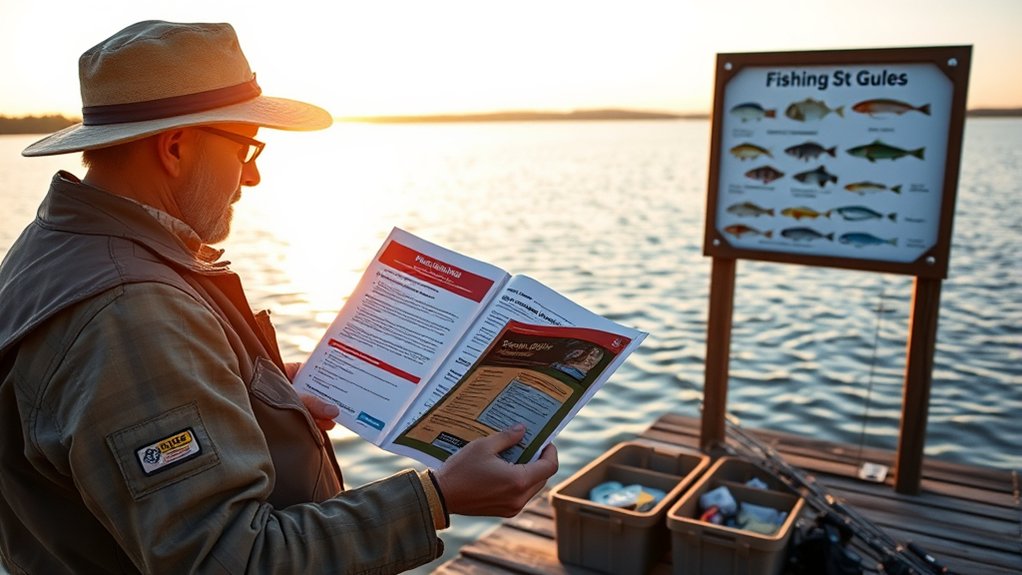
Understanding fishing regulations matters for more than basic compliance. These rules help protect fish populations, spawning areas, sensitive habitats, and the long-term health of aquatic ecosystems.
When you learn the rules for your area, you help keep fishing sustainable. Size and bag limits prevent anglers from taking too many fish or removing fish before they have a chance to reproduce. Seasonal closures can protect fish during spawning periods, while gear restrictions can reduce injury to non-target species.
Rules also protect you from expensive mistakes. Fishing without a license, keeping fish outside the legal size range, using illegal gear, or fishing in a closed area can lead to fines, confiscated gear, or loss of fishing privileges. The exact penalty depends on your state or local agency.
Warning: Do not rely on old screenshots, social media posts, or last year’s booklet. Fishing rules can change during the year because of new surveys, emergency closures, low fish numbers, harmful algal blooms, weather events, or protected-species concerns.
State fish and wildlife agencies make local rules easier to find through online regulation guides, license portals, printed booklets, and mobile apps. Before each trip, check your target species, waterbody, season, legal gear, size range, and daily possession rules.
How to Obtain a Fishing License
To legally fish in most places, you need to choose the right license type based on your fishing habits, residency, age, target water, and trip length. Some states separate freshwater and saltwater licenses, while others require extra permits for trout, salmon, shellfish, or special management areas.
You can usually purchase these licenses online through your state fish and wildlife agency or in person at approved vendors such as tackle shops, sporting goods stores, marinas, and some government offices.
Understanding the available options and where to buy them will streamline your fishing experience and help you stay compliant with local regulations.
License Types Explained
While fishing is a relaxing and rewarding pastime, obtaining the right fishing license is vital for following local regulations.
Fishing licenses come in several types to fit different anglers. Short-term licenses work well for visitors, vacation trips, and occasional anglers. Annual licenses often offer better value if you fish several times a year. Many states also offer multi-year, lifetime, senior, youth, disability, veteran, or military options.
For young anglers, many states offer free licenses, exemptions, or reduced fees, often based on age. Do not assume the age cutoff is the same everywhere. Some places still require registration, a permit, or adult supervision even when the child does not need a paid license.
It’s important to familiarize yourself with local fishing regulations, including species-specific rules, bag limits, seasons, and waterbody restrictions. This information is usually available on your state wildlife management agency website, helping you fish responsibly while enjoying your time outdoors.
Purchase Locations Available
Obtaining a fishing license is straightforward and can be done through several convenient channels. You can often purchase your license online through your state fish and wildlife agency website, which gives you quick access and may let you save a digital copy on your phone.
Alternatively, you can visit approved vendors like tackle shops, sporting goods stores, marinas, and some tax or county offices for in-person transactions. License prices vary by state, residency, license duration, water type, and special permits.
If you’re under 16, many states offer free licenses or license exemptions, encouraging young anglers to get involved. For those who fish frequently, annual licenses may be more economical than buying several short-term licenses.
Remember, it’s essential to familiarize yourself with local regulations regarding size and bag limits. You can usually find that information through the same purchase locations, state websites, printed booklets, or official agency apps.
Get your license before you fish, keep proof with you, and start fishing responsibly.
Steps to Check Before You Buy a License
- Choose your fishing location. Rules may differ between public lakes, rivers, reservoirs, private ponds, coastal waters, piers, and wildlife refuges.
- Know your target species. Trout, salmon, bass, redfish, striped bass, shellfish, and protected species may require special rules or permits.
- Confirm freshwater or saltwater coverage. Some licenses cover only one water type, while others need endorsements or separate permits.
- Check residency rules. Resident licenses usually cost less, but you may need proof such as a driver’s license or state ID.
- Review exemptions. Age, disability, military service, tribal rights, private-property rules, and free fishing days can affect license needs.
- Save proof of purchase. Carry a paper copy, digital copy, or license number as your state requires.
Pro Tip: Save your license, regulation booklet, and emergency closure page on your phone before leaving home. Cell service can be weak near rivers, beaches, reservoirs, and backcountry lakes.
Common Fishing Regulations to Know
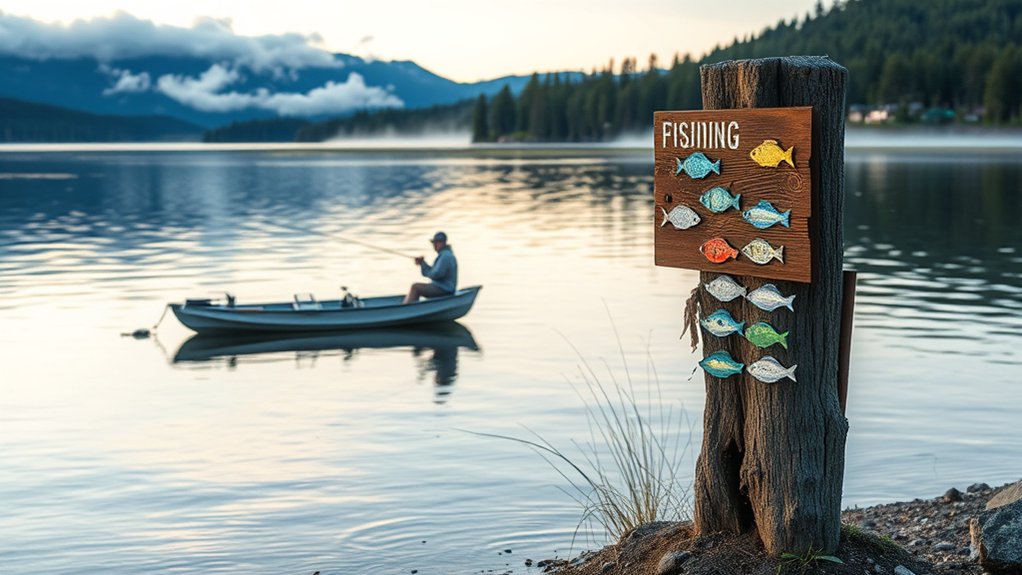
Understanding common fishing regulations is essential for any angler who wants to enjoy the sport responsibly and sustainably.
Familiarizing yourself with fishing regulations helps you protect fish populations, avoid fines, and make better decisions on the water.
Familiarizing yourself with these rules not only keeps you compliant but also supports conservation efforts. Here are some key regulations to keep in mind:
- Fishing License: Most states require you to obtain a fishing license, with short-term, annual, youth, senior, resident, and nonresident options depending on the location.
- Size Limits: Regulations often specify minimum, maximum, or slot sizes for various species, helping fish populations remain healthy.
- Bag Limits: You’ll encounter daily limits on the number of fish you can keep, designed to prevent overfishing.
- Possession Limits: Some areas limit the total number of fish you may have in your cooler, campsite, vehicle, or freezer after more than one day of fishing.
- Season Dates: Many waters have open and closed seasons, especially during spawning periods or stocking schedules.
- Gear Rules: Hook type, number of rods, bait type, net use, snagging, spearing, bowfishing, and trap rules may vary by waterbody.
- Protected Areas: Marine protected areas, refuges, spawning sanctuaries, and private waters may ban or limit fishing.
- Reporting Rules: Some species require harvest tags, catch cards, online reports, or immediate recording after harvest.
Fishing Limits and Species-Specific Rules
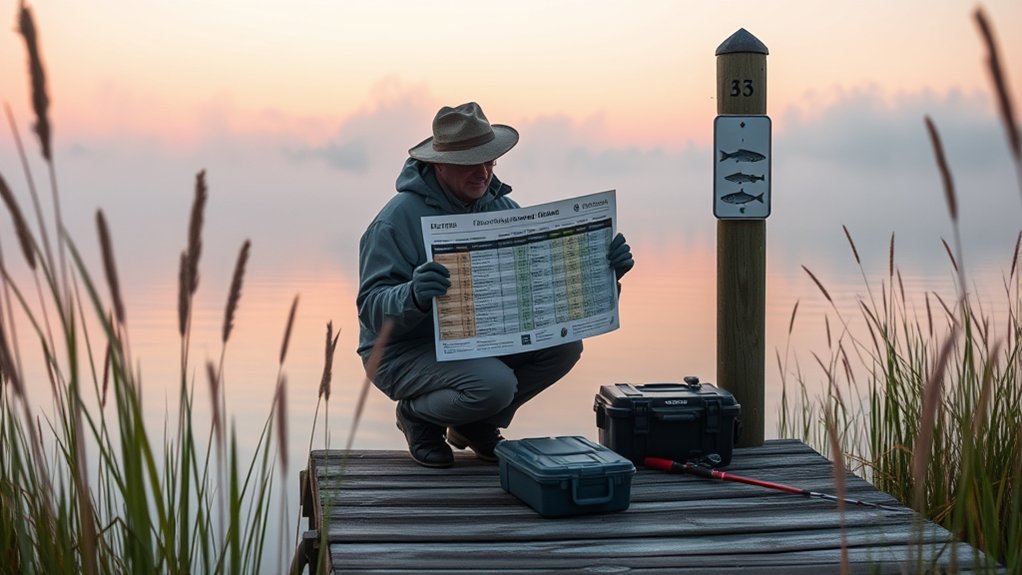
Fishing limits and species-specific rules are essential parts of responsible angling because they directly influence the health of aquatic ecosystems. These limits dictate how many fish you can keep, which sizes are legal, when you can target certain species, and which gear you can use.
For example, a state may allow you to keep a certain number of panfish, set a minimum length for bass, require immediate release of fish inside a protected slot, or close a trout stream during spawning. These rules help juveniles mature and help breeding-size fish remain in the population.
Additionally, many states enforce seasonal regulations that restrict fishing during spawning times, protect stocked fish, or respond to environmental shifts. Ignoring these regulations can lead to hefty fines and penalties, so it’s important to stay informed.
Regularly check local wildlife agency websites or fishing guidebooks for updates, as fishing limits can change annually or during the season. By adhering to these rules, you’re not just following the law; you’re actively contributing to the preservation of aquatic life for future generations.
How to Measure Fish Correctly
Measuring fish the right way matters because even a small mistake can put you over or under the legal limit. Most agencies explain their preferred method, but many use total length from the tip of the closed mouth to the farthest tip of the tail.
- Use a flat measuring board. A flexible tape can bend and give a wrong reading.
- Close the mouth. Place the fish’s nose firmly against the end of the board.
- Pinch or fan the tail only as your local rule allows. Some agencies specify exactly how to position the tail.
- Measure before placing fish on a stringer or in a cooler. Release illegal fish quickly and gently.
- Check slot limits carefully. A slot limit may protect fish between two sizes or allow harvest only inside a certain range.
Note: If a fish is close to the legal line, release it. Shrinkage, tail position, and measurement differences can create problems during a field check.
Resources for Local Fishing Regulations
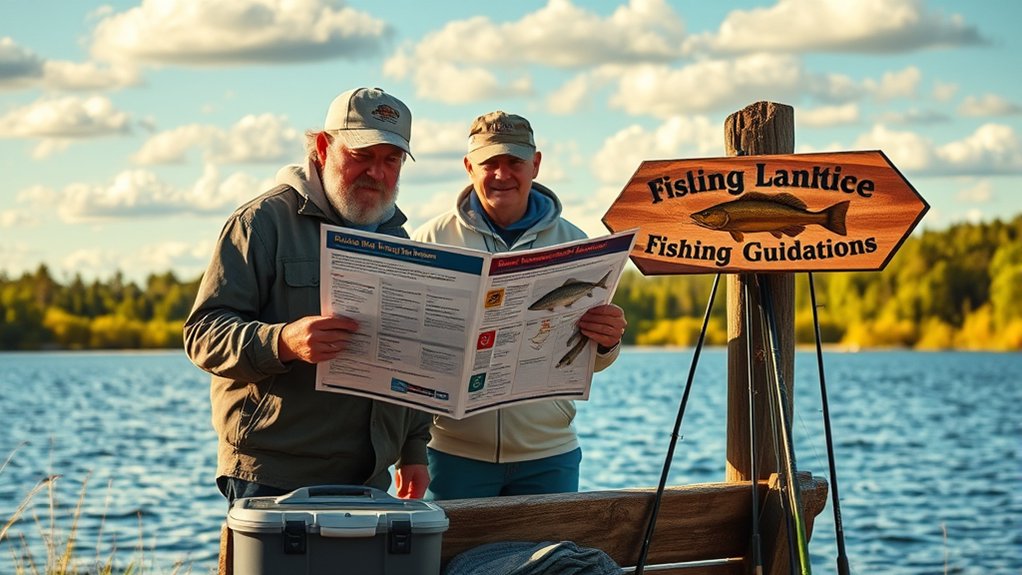
How can you guarantee you’re compliant with local fishing regulations? Staying informed is key, and there are several resources at your fingertips.
Here are three essential options:
- State Wildlife Management Agency Websites: These are the best first stop for current rules, license requirements, emergency closures, stocking updates, and species limits tailored to your area.
- Printed Regulation Booklets: Available at tackle shops, sporting goods stores, marinas, and some government offices, these booklets outline size limits, bag limits, and seasonal restrictions for various species.
- Mobile Apps like Fishbrain: Some fishing apps can help you find fishing spots, log catches, and view local information, but always confirm legal rules with official agency sources before keeping fish.
Official Agencies to Check First
In the United States, fishing rules are usually managed by state fish and wildlife agencies, with federal agencies involved in many coastal, migratory, endangered, and offshore fisheries. Start with your state agency, then check federal guidance when you fish saltwater, tribal waters, national parks, wildlife refuges, or interstate waters.
- State fish and wildlife agencies for licenses, seasons, size limits, bag limits, freshwater rules, and many nearshore saltwater rules.
- NOAA Fisheries for many federal marine fisheries, protected species, and saltwater conservation guidance.
- U.S. Fish and Wildlife Service for national wildlife refuges, protected species, and conservation information.
- National Park Service for fishing rules inside national parks, seashores, lakeshores, and recreation areas.
The Impact of Conservation on Fishing Practices
Understanding sustainable fishing practices is essential for you as an angler, not just for your enjoyment but for the health of aquatic ecosystems.
By adhering to regulations like size and bag limits, you help guarantee that fish populations can thrive and recover.
Your actions, from practicing catch and release to cleaning up litter, play a significant role in protecting these valuable resources for future generations.
Sustainable Fishing Practices
While the allure of fishing often captivates enthusiasts, embracing sustainable practices is essential for preserving aquatic ecosystems and ensuring the longevity of fish populations.
By following these key guidelines, you can contribute to a healthier environment:
- Adhere to regulations: Respect size and bag limits to prevent overfishing and support species survival.
- Practice catch and release: Allow fish to recover and reproduce, boosting local biodiversity.
- Educate yourself: Stay informed about local regulations and seasonal restrictions to protect spawning fish during critical reproductive periods.
- Handle fish gently: Wet your hands before touching fish, avoid squeezing the gills, and keep fish in the water when possible.
- Use proper tackle: Match your rod, line, and hook size to the target species so you can land fish quickly and reduce stress.
These practices not only enhance your fishing experience but also promote stewardship of aquatic resources, ensuring future generations can enjoy the same thrill you do.
Sustainable fishing is a responsibility we all share.
Protecting Aquatic Ecosystems
As you engage in fishing, consider how your actions directly influence the health of aquatic ecosystems. Responsible practices, like following size and bag limits, help maintain sustainable fish populations and protect overall ecosystem health.
Conservation methods, such as catch and release, can support species survival when done correctly. Use barbless hooks when practical, remove hooks quickly, revive tired fish in the water, and avoid long photo sessions in hot weather.
Pollution and habitat destruction pose serious threats, making it vital for you to clean up litter and respect natural habitats while fishing. Never dump bait, line, hooks, plastics, oil, or food waste into the water. Pack out what you pack in, and pick up loose fishing line when you see it.
Catch and Release Best Practices
Catch and release works best when you reduce handling time and return fish to the water in good condition. A fish that swims away strongly has a better chance of surviving than one that has been dropped, squeezed, or kept out of water too long.
- Use the right hook. Circle hooks can reduce deep hooking for many bait-fishing situations.
- Keep fish wet. Wet hands, rubber nets, and in-water handling help protect the fish’s slime coat.
- Support the body. Hold larger fish horizontally with two hands instead of hanging them by the jaw.
- Cut the line if needed. If a fish is deeply hooked, cutting the line may be safer than digging for the hook.
- Avoid fishing during extreme heat when possible. Warm water can stress fish and lower survival after release.
Frequently Asked Questions
What is the 80/20 rule in fishing?
The 80/20 rule in fishing means a large share of your catches often comes from a smaller share of your decisions, spots, or techniques. Focus on learning high-percentage locations, matching bait to local fish, fishing during active feeding windows, and improving your casting and presentation.
What basics do I need to start fishing?
You need a valid license if required, a beginner-friendly rod and reel, fishing line, hooks, sinkers or bobbers, bait or lures, pliers, a measuring tool, and knowledge of local regulations. Start with simple gear, learn a few strong knots, and check size and bag limits before you keep fish.
What is the 90/10 rule in fishing?
The 90/10 rule in fishing suggests that a small group of skilled anglers catch most of the fish because they understand fish behavior, seasonal patterns, water temperature, structure, bait movement, and timing. It is not a legal rule; it is a reminder that knowledge and strategy matter.
What are basic fishing techniques for beginners?
Beginners should learn accurate casting, knot tying, bait selection, hook setting, steady retrieval, and safe fish handling. It also helps to identify likely fish habitat, such as weed edges, docks, current seams, drop-offs, rocks, shaded banks, and deeper pools.
Do I need a fishing license for catch and release?
In many places, yes. Catch and release still counts as fishing because you are attempting to catch fish. License rules vary by state, age, waterbody, and special events, so check your official state agency before you fish.
What happens if I keep an undersized fish?
Keeping an undersized fish can lead to fines, warnings, confiscated catch, or other penalties depending on the agency and violation. If a fish is too small, release it immediately and handle it as little as possible.
Conclusion
In conclusion, navigating the nuanced network of fishing regulations is essential for every aspiring angler. By learning license rules, checking size and bag limits, respecting seasonal closures, and following sustainable practices, you protect aquatic ecosystems and improve your own fishing adventures.
Responsible anglers reap long-term rewards. Check official rules before each trip, measure fish carefully, release protected fish quickly, and leave every shoreline cleaner than you found it. Together, anglers can champion conservation and help create a healthier habitat for generations to come.
Sources
- U.S. Fish and Wildlife Service — conservation, refuges, protected species, and responsible outdoor recreation guidance
- NOAA Fisheries — marine fisheries, protected species, and saltwater conservation information
- National Park Service Fishing — fishing rules and conservation guidance for national parks and related public lands
- Take Me Fishing — beginner fishing, licensing education, and responsible angling basics
1 thought on “Fishing Regulations Basics: Beginner’s Guide”