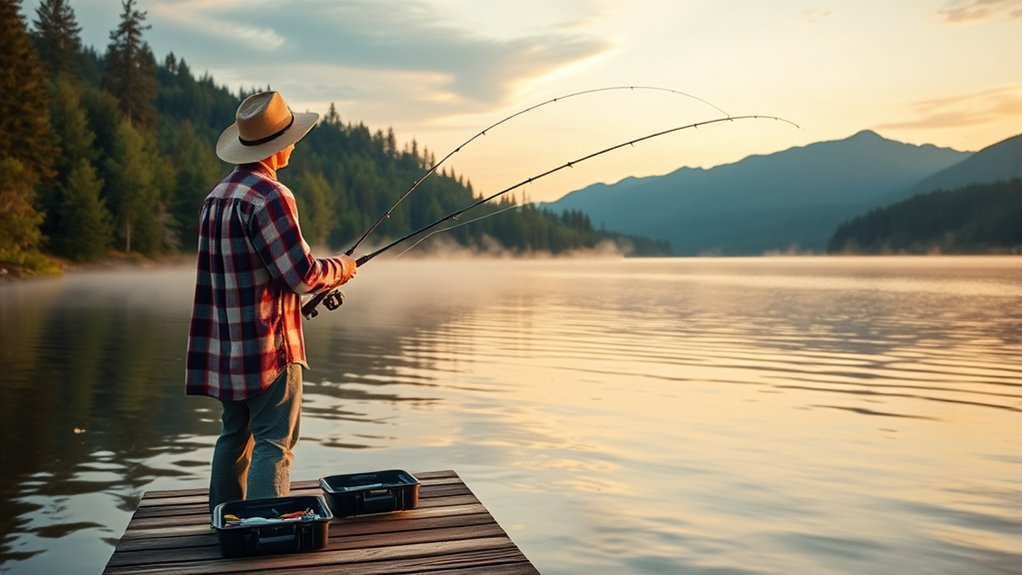
Fishing can feel like a quiet dance with nature, but a good first trip starts with simple preparation. Before you cast your line, you need to know where you can legally fish, what gear to bring, how to choose a beginner-friendly spot, and how to handle a fish safely. This beginner guide walks you through the basics so you can build confidence, avoid common mistakes, and enjoy your first day on the water.
Quick Answer
To start fishing, get the right fishing license, check local rules, choose an easy bank or dock spot, and use a simple spinning rod setup with bait like worms or prepared trout bait. Learn one strong knot, cast gently, set the hook with steady pressure, and handle fish quickly if you release them.
Key Takeaways
- Always check your state or provincial fishing license rules before you fish.
- Begin at calm lakes, ponds, park docks, or easy riverbanks with safe access.
- A medium-light or medium spinning rod and reel combo works well for most beginners.
- Live worms, small hooks, bobbers, and basic sinkers catch many starter species.
- Learn the improved clinch knot, basic casting, hook setting, and safe fish handling.
At a Glance
| Time Required | 30 to 60 minutes to prepare, plus 1 to 3 hours for a relaxed first trip |
| Difficulty | Beginner-friendly |
| Tools Needed | Fishing license, spinning rod and reel, fishing line, hooks, bobbers, sinkers, bait, pliers, net, and tackle box |
| Cost | Varies by location and gear, but many beginners can start with a basic setup and a short-term license |
Getting a Fishing License
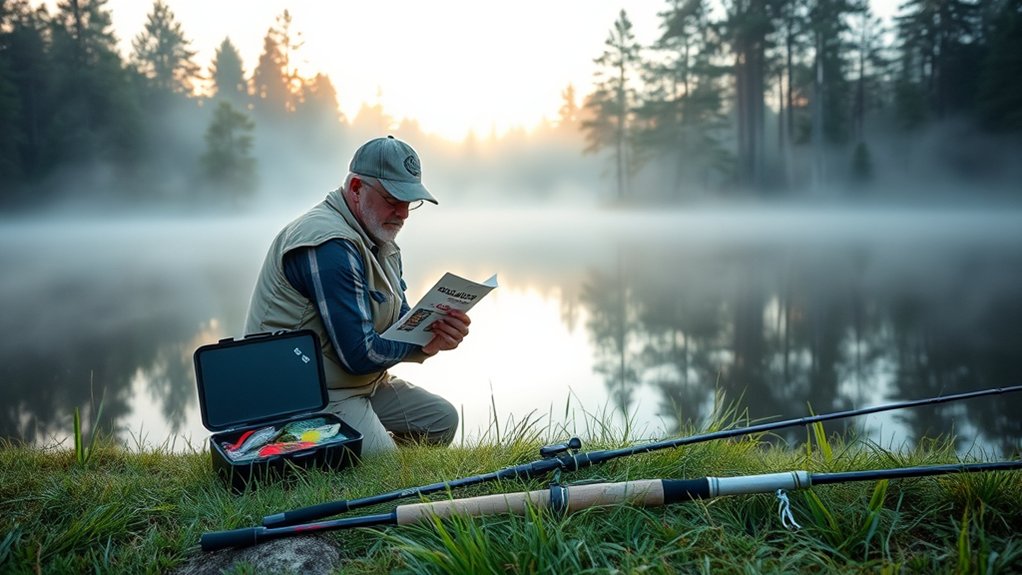
Before you cast your line, get the correct fishing license for the place you plan to fish. Fishing without one can lead to fines and legal trouble, and rules can change by state, province, water body, age, residency status, species, and season.
Start by checking your state fish and wildlife agency or a license finder such as Take Me Fishing’s license resource. You may need a freshwater license, saltwater license, trout stamp, salmon stamp, or extra permit for certain species or areas. Some locations also offer free fishing days, youth exemptions, or senior discounts.
You can usually choose between a day license, a short-term license, and an annual license. A one-day license can be a practical choice for your first trip, while an annual license makes more sense if you plan to fish often. Prices vary widely by state and residency status, so check the official licensing page before you buy.
Purchasing a fishing license is usually simple. Many agencies sell licenses online, and you may also find them at bait shops, sporting goods stores, or local retailers. Keep a printed copy, card, or digital proof with you while fishing, and review the current local regulations before every trip.
Warning: A license does not automatically let you keep every fish you catch. Always check size limits, creel limits, seasons, bait rules, and closed areas before you fish.
Choosing the Right Fishing Location
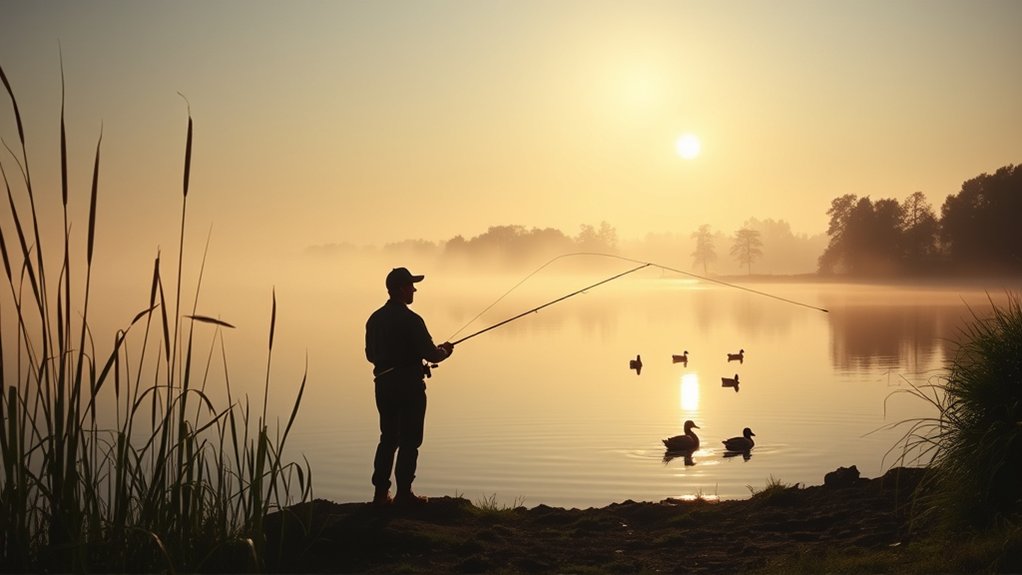
When choosing the right fishing location, start with safety and access. Calm lakes, stocked ponds, park docks, public piers, and slow-moving river edges are usually easier for beginners than fast rivers, rocky shorelines, surf, or deep-water boat fishing.
Lakes and ponds are great starting points because you can often catch beginner-friendly species such as bluegill, crappie, perch, bass, catfish, and rainbow trout from shore. Before you go, check parking, bank access, restroom availability, weather, water conditions, and whether the area allows fishing from docks or piers.
Fishing apps like Fishbrain or FishAngler can help you spot popular local areas, but treat app reports as clues rather than guarantees. Fish move with season, weather, water temperature, food, light, and pressure from other anglers.
Local Angler Insights
Have you ever wondered where to find the best fishing spots in your area? Local anglers can be your best source for practical details. They often know where fish are biting, which baits work, where parking is easiest, and which spots are friendly for beginners.
Ask at local bait shops, fishing clubs, park offices, or public boat ramps. Keep your questions simple: “Where can a beginner fish from shore?” or “What bait works here this week?” Most anglers will share general advice, especially if you show respect for the water and the rules.
Fishing apps like Fishbrain and FishAngler provide user-generated reports on local waters, which can also improve your fishing experience. Use them to compare recent catches, note structure, and save productive areas for future trips.
| Location Type | Common Species |
|---|---|
| Lakes | Bass, Panfish, Trout |
| Rivers | Salmon, Trout |
Starting in lakes is ideal for beginners because they usually offer accessible banks, docks, and calmer water. Rivers can also be productive, but moving water requires more attention to current, footing, casting angle, and line control. Always respect local regulations to support sustainable fishing practices.
Recommended Beginner Lakes
Choosing the right fishing location can make all the difference in your experience as a beginner angler. Recommended beginner lakes often provide easy access and a variety of fish species, making your first catch more rewarding. Here are some tips for finding the perfect spot:
- Look for local parks or recreational areas with bank or dock access.
- Target lakes known for bass, panfish, catfish, stocked trout, or rainbow trout.
- Check out designated fishing spots in state parks or wildlife areas.
- Consult local anglers for recommendations on the best lakes.
- Choose areas with clear signage, safe shoreline access, and room to cast.
- Avoid steep banks, slippery rocks, heavy boat traffic, and fast current on your first trip.
- Always review local regulations regarding catch limits and fishing methods.
Fishing Apps Usage
How can fishing apps elevate your angling experience? These tools, like Fishbrain and FishAngler, offer localized insights that help you select the right fishing location. You’ll find user-generated reports detailing fish activity and conditions at various water bodies, helping you choose a better place and time.
GPS mapping features let you track your favorite locations and share successful catches with fellow anglers. Real-time weather updates and water temperature data can help you plan safer fishing trips. Plus, community forums provide a platform to ask seasoned anglers for tips, including the best fishing knots to use.
Many apps also offer educational resources that can improve your skills and help you understand local fishing regulations. Still, always confirm rules with the official fish and wildlife agency because app information may be incomplete or outdated.
Pro Tip: For your first trip, choose a spot where you can fish from shore, see your bobber clearly, and safely land a fish without climbing over rocks or weeds.
Essential Fishing Gear
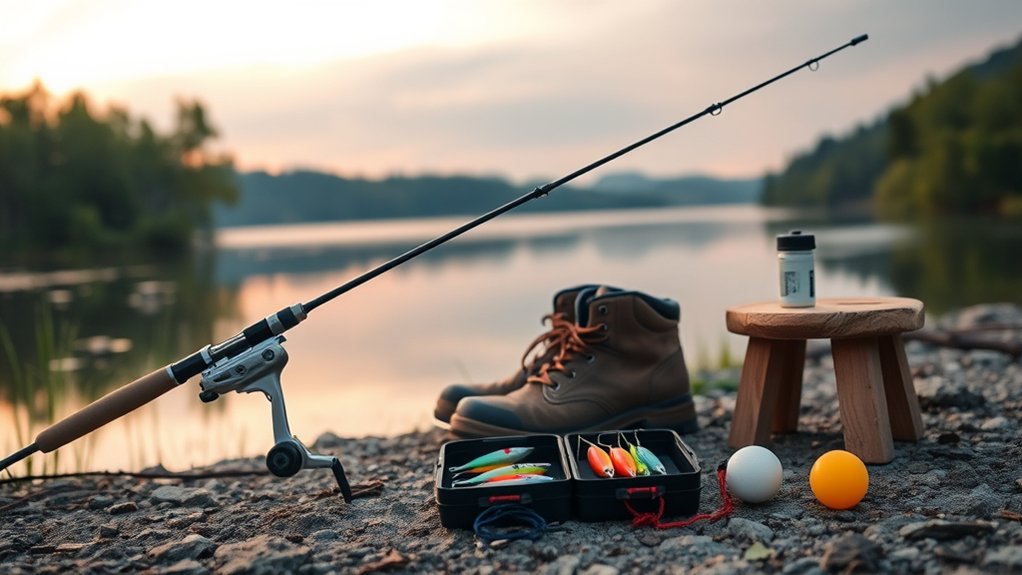
When you’re starting your fishing journey, having the right gear can make all the difference. You do not need expensive equipment to catch your first fish. A simple spinning reel and rod combo is a must-have for many beginners because it is easy to cast, widely available, and versatile enough for panfish, bass, trout, and catfish.
For a first setup, look for a light, medium-light, or medium spinning rod around 5.5 to 7 feet long. Pair it with a matching spinning reel and line that suits your target fish. Many beginner combos come pre-spooled, but you should still check that the line is not twisted, frayed, or old.
You’ll also want to stock up on essential baits like live worms, small pieces of nightcrawler, corn where legal, prepared trout bait, or small artificial lures. Live worms are one of the easiest choices because they attract many common species, including bluegill, perch, bass, and catfish.
Here’s a quick list of additional fishing gear you should consider:
- Bobbers for float fishing
- Small hooks suited to panfish, trout, or bass
- Split-shot sinkers for adding casting weight
- Rubber nets for safe fish handling
- Needle-nose pliers or hemostats for easy hook removal
- Nail clippers or line cutters for trimming knots
- Tackle boxes for organizing equipment
- Polarized sunglasses to reduce glare and protect your eyes
- Sunscreen, drinking water, and weather-appropriate clothing
- A reliable fishing license
Note: Hook size matters. For panfish and trout, smaller hooks often work better than large hooks because the fish can take the bait more naturally.
A Simple Beginner Rig That Works
A basic bobber rig is one of the easiest setups for new anglers. Tie a small hook to the end of your line, pinch one or two split-shot sinkers about 6 to 12 inches above the hook, and clip a bobber 1 to 3 feet above the bait. Adjust the bobber depth until your bait floats near where fish are feeding.
Use a small piece of worm instead of a huge bait ball. The bait should cover the hook enough to look natural, but the hook point should still be able to catch in the fish’s mouth. Cast gently, let the rings on the water fade, and watch the bobber closely.
If the bobber twitches, dips, or moves sideways, wait a brief moment and lift the rod with steady pressure. Do not swing wildly. A controlled hook set works better and helps prevent broken line, pulled hooks, and injured fish.
Useful Skills for Beginners
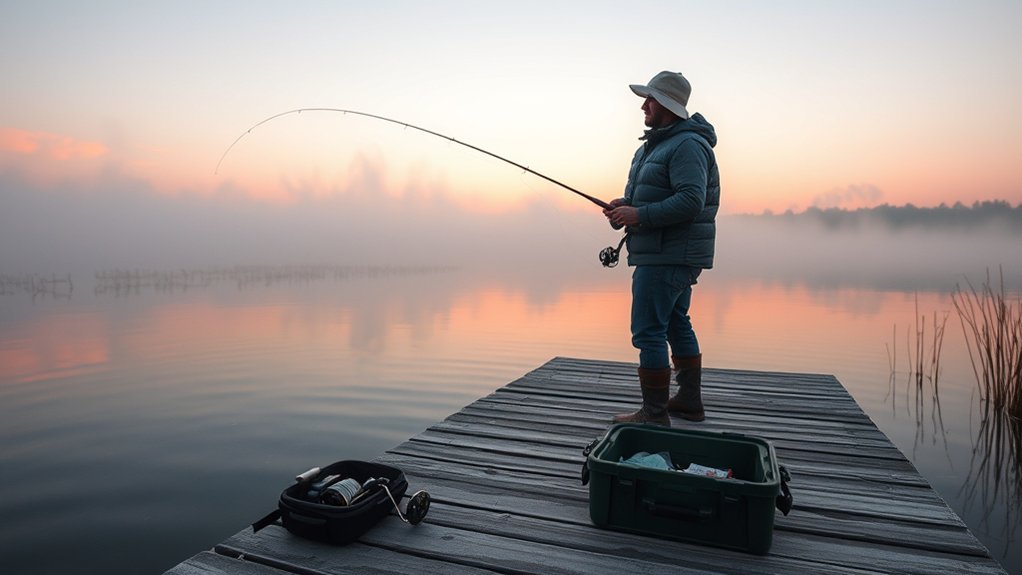
As a beginner, mastering a few essential skills can improve your fishing experience and increase your chances of landing a catch. Start with knot-tying. The improved clinch knot is a reliable beginner knot for tying hooks, swivels, and many small lures.
Practice casting with your spinning reel before your trip. Open the bail, hold the line lightly with your finger, point the rod where you want the bait to go, and use a smooth wrist and elbow motion. Release the line as the rod tip moves forward, then close the bail by hand after the bait lands.
Knowing how to set the hook is critical, too. When you feel a bite or see the bobber go under, pull back with moderate pressure while keeping the rod tip up. Avoid jerking too hard because small hooks can tear loose.
Familiarize yourself with the reel’s drag system before you hook a fish. Drag controls how much resistance a fish feels when it pulls line. If the drag is too tight, the line may break. If it is too loose, you may struggle to reel the fish in.
Finally, embrace catch-and-release techniques when you are not keeping fish. Wet your hands before touching the fish, keep it low over the water, remove the hook quickly, and release it as soon as it can swim away strongly.
Basic Fishing Safety and Etiquette
Fishing should be relaxing, but safety still matters. Check the weather before you leave, and avoid fishing during lightning, high wind, flooding, or unsafe ice conditions. If you fish from a boat, kayak, pier, or steep bank, wear a properly fitted life jacket.
Give other anglers plenty of space, and avoid casting across someone else’s line. Pack out old fishing line, hooks, bait containers, and trash. Discarded line can injure birds, turtles, pets, and fish, so carry a small bag for waste.
Respect private property and posted signs. If a gate, dock, shoreline, or pond is not clearly open to public fishing, ask permission before you fish. Good etiquette protects access for everyone.
The best beginner fishing spot is not always the most famous spot. It is the place where you can cast safely, follow the rules, and learn without pressure.
Catching Your First Fish
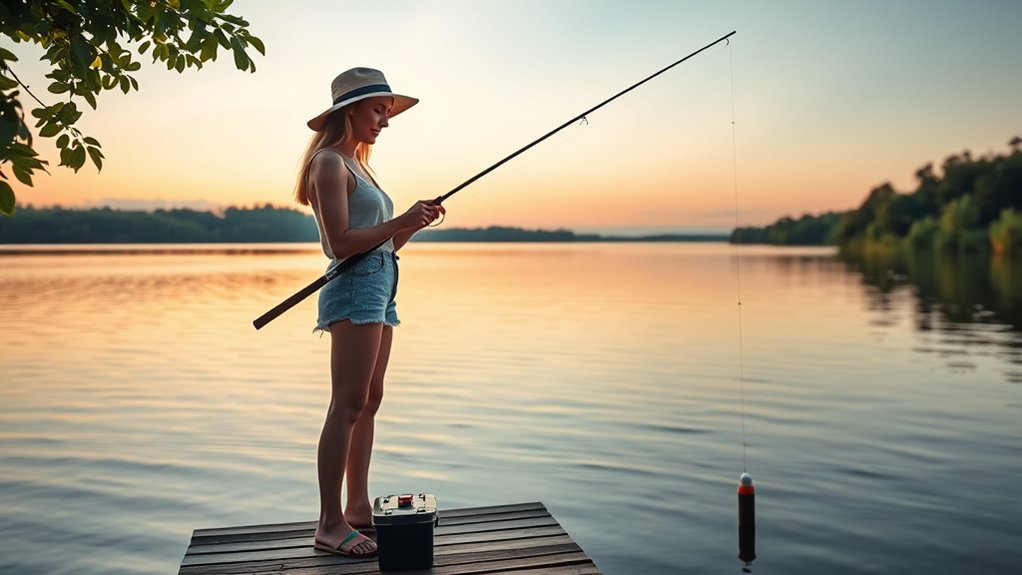
Catching your first fish can be an exhilarating experience, especially if you’ve prepared well. Start by selecting a local lake, pond, or dock where you can target beginner-friendly species like bluegill, perch, bass, stocked trout, or small catfish. Equip yourself with a spinning reel and rod combo, then use live worms or PowerBait-style prepared bait where legal.
Here are some tips to enhance your experience:
- Practice casting with about six inches of line hanging from the rod tip, using smooth wrist and elbow movements.
- Cast near visible cover such as docks, weed edges, fallen branches, rocks, or shaded banks.
- Watch your bobber or line closely for dips, twitches, or sideways movement.
- When you feel a bite, set the hook by pulling back with moderate pressure.
- Keep the rod tip up to tire the fish out effectively.
- Reel steadily, but do not force the fish if it pulls hard.
- Use a landing net to scoop the fish once it’s close, minimizing handling time.
- If you decide to practice catch and release, handle the fish gently to help support its survival.
Embrace the thrill of the catch, and remember that every cast teaches you something. Even a slow day helps you learn how fish respond to weather, bait, depth, and location.
Common Beginner Mistakes to Avoid
Many new anglers struggle because they try to do too much too soon. Keep your first setup simple, fish close to shore, and focus on learning one rig well before switching to more advanced lures or techniques.
- Using hooks that are too large: Smaller fish often need smaller hooks and smaller bait pieces.
- Casting constantly: Sometimes the best move is to let your bait sit long enough for fish to find it.
- Ignoring depth: Move your bobber up or down until your bait reaches active fish.
- Setting the hook too hard: A firm lift is usually better than a violent swing.
- Forgetting regulations: Check rules before keeping any fish.
- Handling fish with dry hands: Wet hands help protect the fish’s slime coat if you release it.
Other Valuable Resources
Building on the excitement of landing your first fish, it’s important to know that the journey does not end there. To enhance your skills, consider hiring a fishing guide who can offer localized knowledge tailored to your area. A good guide can teach casting, fish behavior, safe handling, seasonal patterns, and where beginners should focus.
Local fishing organizations often host clinics and events for beginners, providing hands-on experience and the chance to connect with seasoned anglers. Don’t miss out on fishing derbies and free fishing days organized by state fish and wildlife agencies; these events allow you to practice without much financial pressure, boosting your confidence.
Engaging with experienced anglers through community forums, clubs, or social media can also yield valuable tips to improve your techniques. Additionally, tap into online resources like YouTube for visual tutorials on casting and knot tying. These resources can elevate your fishing skills and enrich your overall experience on the water.
Frequently Asked Questions
How to fish for beginners step by step?
Start by getting your fishing license and checking local regulations. Choose a safe beginner spot, gather a spinning rod, reel, line, hooks, bobbers, sinkers, and bait. Tie an improved clinch knot, cast gently, watch your bobber or line, set the hook with steady pressure, and land the fish with a net if possible.
What is the 80/20 rule in fishing?
The 80/20 rule in fishing is a general idea that much of your success often comes from a smaller portion of your effort. In practice, it means you should focus on high-probability areas such as weed edges, drop-offs, docks, shaded banks, current seams, and other fish-holding structure.
What is the 90/10 rule in fishing?
The 90/10 rule in fishing is another way to say that fish are not spread evenly through the water. A small percentage of the lake, pond, or river usually holds most active fish. Look for structure, food, cover, shade, oxygen, and depth changes to narrow your search.
What basics do I need to start fishing?
You need a valid fishing license where required, a spinning rod and reel, fishing line, hooks, bobbers, sinkers, bait, pliers, line cutters, and a safe place to fish. You should also learn one reliable knot, basic casting, local regulations, and safe fish handling.
What is the easiest fish to catch for beginners?
Panfish such as bluegill, sunfish, perch, and crappie are often easier for beginners because they bite small hooks and simple bait. Stocked trout and small catfish can also be good targets depending on your local waters and regulations.
What time of day is best for beginner fishing?
Early morning and late afternoon are often productive because fish may feed more actively during lower light. That said, beginners can catch fish at many times of day, especially in stocked ponds, shaded areas, or spots with cover and food.
Conclusion
With a license in hand and a simple setup ready, you have unlocked the practical side of fishing. You may still snag a tree branch, miss a bite, or cast a little short, but that is part of learning. Every trip helps you read the water, handle your gear, and understand how fish behave.
Start with a safe beginner spot, keep your bait and rig simple, and follow local rules. If you keep a fish, make sure it is legal. If you release one, handle it gently and return it quickly. With patience, practice, and respect for the water, you can enjoy this age-old pastime for years to come.
Sources
- Take Me Fishing — fishing license guidance for beginners
- Take Me Fishing Improved Clinch Knot Guide — beginner knot reference
- Take Me Fishing Catch and Release Guide — fish handling and release basics
- U.S. Fish & Wildlife Service Fishing — official fishing access and conservation resource
