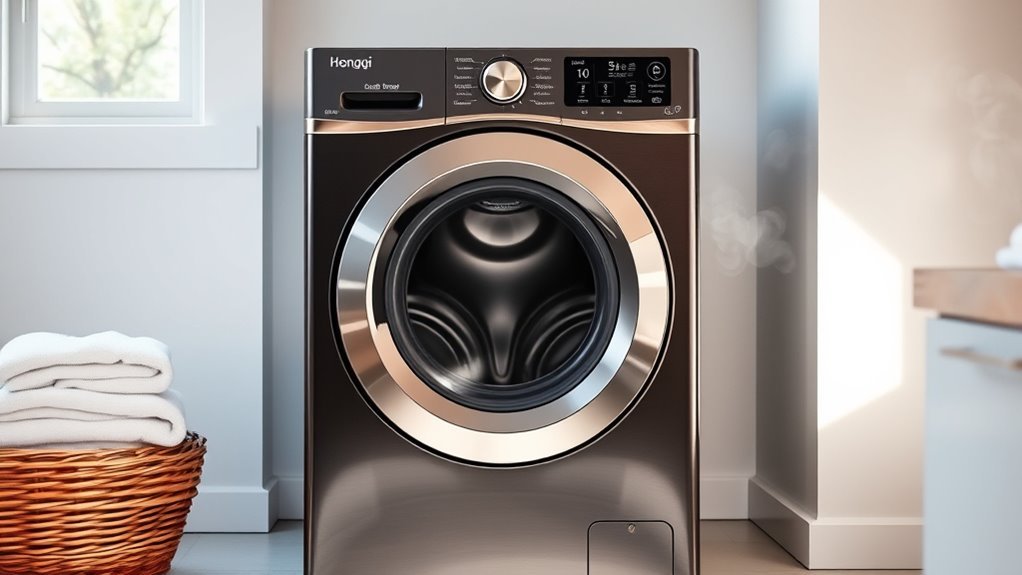
A Hongqi steam function washing machine uses heated moisture during selected wash programs to help loosen dirt, improve fabric freshness, and reduce some wrinkles. Steam may also support hygiene-focused washing, although the results depend on the machine and its program. The right settings matter because excessive heat can damage delicate fabrics and increase operating costs.
Quick Answer
Use the steam function for compatible cotton clothing, bedding, towels, and other washable items that benefit from extra stain treatment or hygiene-focused cleaning. Select an approved steam program, add the recommended detergent, and follow garment care labels. Avoid steam on heat-sensitive materials. Exact settings, temperatures, and cycle availability depend on your washer’s model.
Key Takeaways
- Steam can assist cleaning and wrinkle reduction, but it does not replace detergent or guarantee better stain removal.
- Use steam on suitable cotton, linen, and approved blended fabrics. Follow the garment label and the washer’s supported programs.
- Wool, silk, leather, and clothing with heat-sensitive decorations generally need non-steam care.
- Sanitization and allergen-reduction claims depend on the particular machine and validated wash program.
- Steam may increase cycle time and energy consumption. Reserve it for loads that benefit from the additional treatment.
- Proper installation, correct detergent dosing, and routine cleaning help maintain reliable performance.
What Does the Hongqi Steam Function Do?
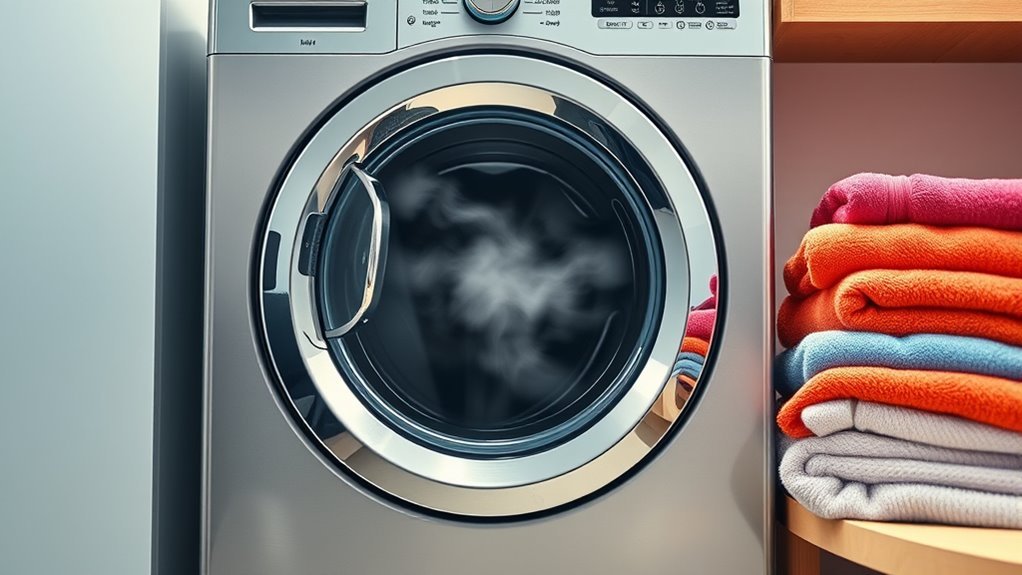
The steam function introduces heated moisture into the wash drum during selected stages of a laundry cycle. It can soften fibers and help loosen some soil before or during the main wash.
Steam-assisted washing may provide several benefits:
- Stain treatment: Heat and moisture can help loosen certain residues before detergent and washing action remove them.
- Wrinkle reduction: Moisture and heat can relax some fabric fibers, making clothes easier to finish.
- Fabric freshness: Suitable programs may help reduce certain odors and refresh washable clothing.
- Hygiene: Certain high-temperature programs are designed to reduce microorganisms or allergens.
These benefits vary by fabric, program, and machine design. Steam alone does not guarantee sanitization or the removal of every stain.
No identifiable Hongqi washer model number or official appliance manual accompanies this article. Therefore, the operating principles below describe steam washing generally rather than confirmed specifications for a particular Hongqi model.
How Does the Hongqi Steam Washer Work?
A steam washer heats a controlled amount of water and introduces the resulting vapor into the drum. The washer then combines heat, moisture, detergent, and mechanical washing action to clean the laundry.
The timing and method vary. Some machines apply steam before the main wash, while others introduce it during specific washing stages.
Steam Cycle Process
A typical steam-assisted wash follows this sequence:
- The washer fills with the water needed for its selected program.
- An internal heating system generates steam or heats the wash water.
- Heated moisture reaches the laundry during the designated treatment stage.
- The main wash continues using detergent and drum movement.
- The machine completes its programmed rinsing, draining, and spinning stages.
The heating stage may extend the total wash time. According to LG’s explanation of steam washing, some models heat a small amount of water before continuing with the main wash.
Steam may not be visible through the door. A lack of visible vapor does not automatically indicate a fault.
Fabric Penetration Method
Steam transfers heat and moisture to the laundry. This treatment can soften certain residues and make them easier to remove during the wash.
However, steam is only one part of the cleaning process. Detergent breaks down and suspends soil, while water and drum movement carry it away.
Steam treatment does not automatically reduce total water consumption. Overall efficiency depends on the complete wash program, not simply the amount of water used to generate vapor.
Wash and Sanitize Modes
A steam wash and a sanitizing cycle are not necessarily the same thing. A regular steam program may focus on soil removal or wrinkle reduction, while a dedicated sanitizing program targets hygiene under specific operating conditions.
For example, Samsung’s Hygiene Steam guidance recommends a temperature of 60°C or higher for its supported hygiene program.
That recommendation applies to the specified Samsung function. It does not establish the temperature or performance of an unidentified Hongqi washer.
For a verified sanitization claim, look for documented testing or certification for the exact machine and program.
The NSF washer certification guidance explains that machines certified under NSF Protocol P172 must reduce microorganisms by 99.9% during their tested sanitization cycle. Its allergen-reduction protocol uses separate performance requirements.
A Steam button alone does not establish either certification.
Hongqi Steam Washer Specs to Check
Before using a Hongqi steam washer, identify its exact model and confirm which programs support steam. The control panel and model-specific manual are more reliable than general descriptions of steam technology.
The most useful specifications are steam availability, compatible programs, drum capacity, temperature options, power requirements, and maintenance instructions.
Steam Cycle Details
Check whether the machine has a dedicated Steam program or an optional Steam button that works with selected cycles.
Look for the following information:
- Which wash programs allow steam.
- Whether steam activates automatically or requires manual selection.
- Whether the option changes the wash temperature or cycle duration.
- Whether steam is available for full loads or only reduced loads.
- Whether a separate hygiene or sanitizing program is provided.
Do not assume that every cycle supports steam. Some machines disable the option automatically when an incompatible program is selected.
Water and Energy Use
Steam heating can increase electricity consumption and extend washing time. Its effect on water consumption depends on the particular washer and program.
In testing conducted by Consumer Reports, one machine’s steam option increased water consumption by 18 gallons and energy consumption by nearly 600% compared with its corresponding non-steam setting.
Those figures describe one tested machine, not the standard consumption of all steam washers.
For an accurate comparison, record the water and electricity used by the same machine on equivalent loads with steam enabled and disabled.
Fabric and Cycle Limits
Every fabric has different heat, moisture, and agitation limits. The safest program depends on the entire garment, including its lining, coating, stitching, and decorative details.
Use this order when selecting a setting:
- Read the garment’s care label.
- Confirm that the fabric is suitable for machine washing.
- Check whether the washer permits steam with the selected program.
- Choose a temperature and load size within both sets of instructions.
A low-temperature wash setting does not automatically mean the steam treatment itself is cool enough for delicate clothing.
How to Set Up Your Hongqi Steam Washer
Correct installation helps prevent vibration, leaks, electrical problems, and poor washing performance. Before the first steam cycle, make sure the washer is level, properly connected, and ready for normal operation.
General washing-machine installation principles are described in LG’s washer installation guidance. Exact requirements must come from your own machine’s manual.
Warning: Never operate the washer with a damaged power cord, leaking electrical components, or an unsuitable power connection. Do not remove the grounding connection or use an extension cord in place of a properly rated outlet.
- Choose a suitable location. Place the washer on a firm, stable surface with the clearances required by its manual.
- Remove shipping restraints. If the machine has transport bolts or shipping supports, remove them as instructed before operating it.
- Level the machine. Adjust the leveling feet until the cabinet is stable and does not rock.
- Connect the water supply. Install the appropriate inlet hoses and confirm that the connections do not leak.
- Secure the drain hose. Position it according to the machine’s installation requirements.
- Connect the power. Use a grounded outlet that matches the electrical rating shown on the appliance.
- Check the detergent compartment. Use the correct compartment and recommended detergent dose.
- Review the steam controls. Confirm which cycles support the function before starting a load.
After installation, run the initial cleaning or test cycle specified in the manual. Check for leaks, unusual vibration, and drainage problems.
| Step | Action | Check |
|---|---|---|
| 1 | Level placement | Cabinet is stable |
| 2 | Hose connection | No visible leaks |
| 3 | Power connection | Correctly rated and grounded |
| 4 | Detergent load | Correct compartment and dose |
| 5 | Manual review | Supported settings confirmed |
Best Steam Cycles for Each Fabric
Cotton, linen, and certain blends are common candidates for steam-assisted washing. Delicate or heat-sensitive clothing needs greater caution.
The following guide describes general fabric-care principles, not verified Hongqi program specifications.
| Fabric | Steam suitability | Recommended approach |
|---|---|---|
| Cotton | Often suitable | Use an approved program within the garment’s temperature limit. |
| Linen | Often suitable | Use steam only when permitted by the care label. |
| Polyester and blends | Depends on construction | Confirm heat resistance and program compatibility. |
| Wool and silk | Generally unsuitable | Use approved delicate care without steam. |
| Leather and decorated items | Avoid | Follow specialist or garment-specific cleaning instructions. |
The FTC’s garment care-label guidance explains why washing instructions must account for the complete garment, including attached components.
Cotton and Linen Cycles
Cotton and linen can often tolerate steam better than delicate fibers. However, the correct temperature depends on the finished garment, its dyes, and its construction.
For example, a supported 60°C hygiene program may suit certain washable cotton items, but that does not mean every cotton garment should be washed at that temperature.
Likewise, a 90°C cotton program should not be treated as a standard setting for everyday clothes.
Use higher-temperature programs only when the garment label permits them and the machine provides the appropriate cycle.
For routine washing, an approved lower-temperature program may provide sufficient cleaning while reducing heat exposure.
Delicate Fabric Steam Settings
Silk, chiffon, wool, and other delicate materials should not automatically enter a steam program, even when the selected wash temperature is low.
Steam exposure can differ from the displayed wash-water temperature. A 30°C wash setting therefore does not establish that steam treatment is safe.
For delicate clothing:
- Use a dedicated delicate or hand-wash program when permitted.
- Choose an approved detergent for the fabric.
- Avoid steam unless both the garment instructions and washer manual allow it.
- Use a reduced spin setting where the care label requires gentler handling.
If the machine does not clearly support steam on a delicate program, leave the steam option off.
Which Fabrics Should Skip Steam?
Heat-sensitive materials, delicate natural fibers, and garments with vulnerable decorations should generally avoid steam washing.
Steam can affect coatings, adhesives, texture, color, and shape. The risk depends on the finished garment rather than fiber content alone.
Leather, faux leather, chamois, feathers, pearls, sequins, and PVC are especially vulnerable to steam damage.
- Leather and faux leather: Heat and moisture may damage the finish or alter the material’s shape.
- Chamois: Steam exposure may affect its soft texture and structure.
- Feathers: Moisture can cause clumping and alter their appearance.
- Pearls, beads, and sequins: Heat and agitation can damage decorative components or loosen attachments.
- PVC and coated materials: Heat may affect their shape, coating, or surface finish.
Be particularly careful with garments containing bonded linings, decorative glue, padding, or plastic details.
When a care label prohibits washing or does not establish that steam is safe, use the specified alternative cleaning method.
Hongqi Steam Washer Tips for Better Results
Steam works best as an additional treatment rather than a substitute for proper washing. Correct sorting, detergent dosing, and stain preparation remain essential.
Use these practical steps to improve results:
- Sort your laundry. Separate garments by color, fabric type, and washing requirements.
- Pre-treat stubborn stains. Apply a suitable detergent or stain remover according to its instructions.
- Respect the load limit. Leave enough room for the machine’s required washing action.
- Measure detergent correctly. Too much detergent can leave residue and increase rinsing demands.
- Select the correct program. Use steam only where the control panel and manual permit it.
- Remove laundry promptly. This can help prevent fresh wrinkles from forming after the cycle.
A steam wash is not a guarantee that every stain will disappear. Some stains need targeted treatment before washing.
To keep the washer clean, follow its maintenance schedule. Use an approved tub cleaner where instructed, and allow the drum and detergent compartment to dry after use.
Manufacturer guidance, such as LG’s tub-cleaning instructions, emphasizes using the appropriate cleaning product rather than ordinary laundry detergent during a cleaning cycle.
Use a descaling product only when your washer’s instructions permit it. Do not assume that every steam system needs the same descaling method.
Do You Need a Steam Washer?
A steam washer can be useful, but it is not essential for clean everyday laundry. Its value depends on how often you use the feature and whether the machine performs well without it.
Households that regularly wash suitable bedding, towels, heavily soiled clothing, or other hygiene-focused loads may find steam convenient.
However, an effective standard washer with appropriate detergent and stain treatment can also provide excellent cleaning.
In Consumer Reports’ testing of seven steam-equipped washers, stain removal was approximately the same with and without steam.
The steam option increased energy consumption on every tested machine and increased water consumption on most of them. It also substantially extended some wash cycles.
These findings do not mean steam has no useful applications. They show why the feature should not be treated as proof of superior overall cleaning.
Consider your priorities:
- Hygiene: Look for documented performance on the exact program.
- Stain removal: Prioritize a washer with strong cleaning performance and use suitable pre-treatment.
- Fabric care: Confirm that your usual clothing is compatible with the available steam settings.
- Operating cost: Compare the machine’s efficiency and the extra demands of steam treatment.
For many households, a good standard washing program will handle most laundry without additional steam.
How to Cut Water and Energy Use
The simplest way to control steam-related operating costs is to use the feature selectively. Choose an ordinary wash when additional heat or hygiene treatment is unnecessary.
The actual difference in consumption depends on the machine, load, and program.
According to ENERGY STAR’s clothes-washer guidance, heating wash water accounts for about 90% of the energy used to operate a washing machine.
ENERGY STAR also advises avoiding high-temperature sanitary cycles when they are unnecessary.
To reduce resource use:
- Wash compatible everyday clothes in cold water.
- Reserve steam and high-temperature settings for appropriate loads.
- Run properly sized loads instead of unnecessary small washes.
- Use the machine’s automatic load-sensing or efficiency settings where available.
- Choose a suitable spin speed to reduce moisture before drying.
- Keep the washer clean and maintain it according to the manual.
Do not assume that a 30°C program with steam uses less energy than a normal 40°C program. The steam heater and longer cycle may change the result.
If the machine provides water and electricity consumption information, compare equivalent programs before deciding which setting is more efficient.
Common Hongqi Steam Washer Problems
Steam-related problems can come from incorrect settings, water-supply issues, scale buildup, or heating-system faults. Start with the simple checks before considering internal repairs.
Use the following guide to identify likely causes.
| Problem | Possible cause | First check |
|---|---|---|
| No visible steam | Normal operation or steam option not selected | Confirm the supported program and selected option. |
| Weak steam performance | Water, heating, or scale-related problem | Check water supply and approved maintenance instructions. |
| Long wash time | Additional steam-heating stage | Compare the displayed time with the normal cycle. |
| Poor stain removal | Unsuitable program, load, or detergent | Review loading, detergent dose, and stain treatment. |
| Unusual noise or vibration | Unstable installation or uneven load | Check leveling and load distribution. |
What to Check Before Requesting Service
- Confirm that the chosen program actually supports steam.
- Check that the water supply is open and the inlet hoses are not kinked.
- Look for an error message on the display.
- Confirm that the machine completes ordinary wash programs normally.
- Follow the approved cleaning procedure if maintenance is due.
- Arrange qualified service if the steam function repeatedly fails.
A faulty heater, temperature sensor, or steam-generating component may require professional diagnosis.
Warning: Do not open electrical panels or dismantle the heating system to investigate a steam fault. If you notice a burning smell, electrical damage, or a significant leak, stop using the machine, disconnect power when safe, and arrange qualified service.
Frequently Asked Questions
When Should I Use the Steam Setting on My Washing Machine?
Use steam for compatible clothing, towels, bedding, and heavily soiled items when extra treatment is useful. Choose a dedicated hygiene program if your machine provides one and the fabric permits it. Ordinary washing is sufficient for many everyday loads, so steam does not need to be used every time.
How Do I Use the Steam Wash Feature on My Washing Machine?
Load suitable fabrics, add the recommended detergent, select a steam-compatible program, and activate the Steam option if required. Start the cycle and allow it to finish. The exact button sequence and available settings depend on your machine, so use its model-specific instructions.
Do I Use Detergent When Steam Washing?
Yes, use the detergent recommended for your washing machine and laundry type. Steam helps with treatment but does not replace detergent during a normal wash. Follow the product’s dosing instructions and the washer’s requirements. Use a detergent-free steam refresh program only if your machine specifically provides one.
Is the Steam Function on a Washing Machine Worth It?
It can be worthwhile if you regularly use compatible hygiene-focused or wrinkle-reduction programs. However, steam does not guarantee better stain removal and can increase cycle time and operating costs. Compare the washer’s normal cleaning performance, fabric compatibility, efficiency, and purchase price before deciding whether the feature adds value.
Why Can’t I See Steam Inside My Washing Machine?
Steam may not be visible because it forms inside the closed drum and depends on internal temperature conditions. This can be normal operation. Confirm that you selected a supported program and that the machine completes its cycle. If steam-related error messages appear or the function repeatedly fails, request qualified service.
Conclusion
A Hongqi steam function washing machine can provide useful additional laundry treatment when the feature is available and used correctly. Its benefits depend on the actual model, wash program, and fabric type.
Start with the garment care label, confirm your machine’s supported steam settings, and use the feature only when it adds value. Proper installation, detergent dosing, and routine maintenance will help preserve cleaning performance and avoid unnecessary operating costs.
Sources
- LG — Using the Steam Function: Steam generation, supported programs, cycle duration, and fabric precautions.
- Samsung — Hygiene Steam Instructions: Supported hygiene program, temperature guidance, and operation.
- NSF — Washer and Dryer Certification: Sanitization and allergen-reduction performance standards.
- Federal Trade Commission — Care Labeling Guidance: Fabric-care instructions and garment-component considerations.
- Consumer Reports — Steam Setting on Washing Machines: Comparative testing of cleaning performance, water use, energy use, and cycle duration.
- ENERGY STAR — Clothes Washers: Efficiency comparisons and practical energy-saving guidance.
- LG — Washing Machine Installation: Installation, leveling, water connections, and power requirements.
- LG — Tub Cleaning Guidance: Washer cleaning and appropriate cleaning-product use.
