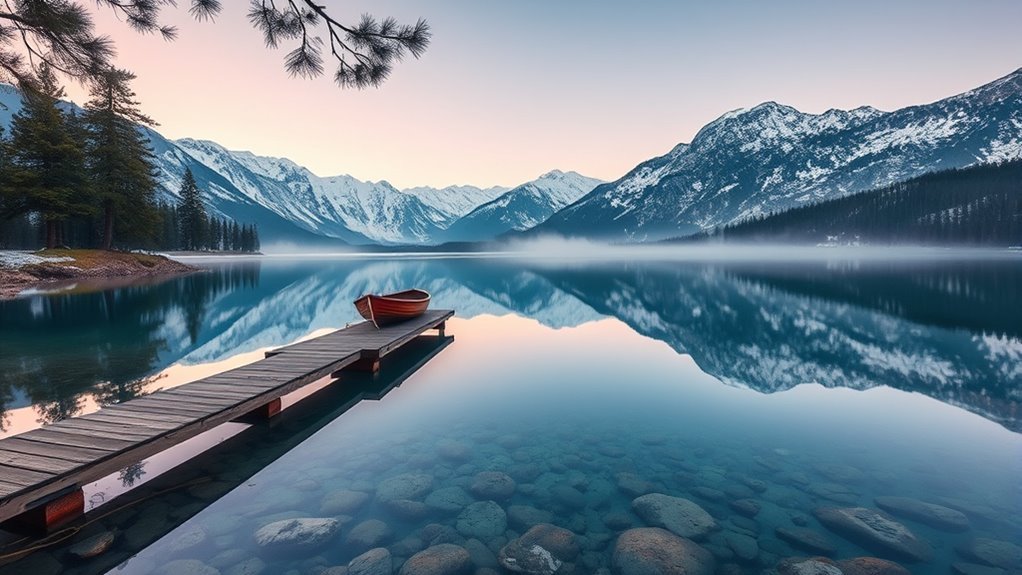
Lake fishing for beginners is one of the simplest ways to learn how to catch freshwater fish. You can start from a public shoreline or fishing pier with basic equipment, a little bait, and a suitable fishing spot. This guide explains what to bring, how to set up your rod, where to find fish, and what to do when you get a bite.
Quick Answer
To start lake fishing, use a spinning or spin-casting rod, monofilament line, a small hook, a bobber, and a worm. Choose an accessible shoreline near weeds, rocks, or a dock. Set the bait at the right depth, cast gently, and watch for bites. Follow local fishing regulations and handle your catch carefully.
At a Glance
| Difficulty | Beginner-friendly |
| Tools Needed | Rod and reel, fishing line, hooks, bobber, weights, bait, pliers, and line cutter |
Key Takeaways
- Bluegill, crappie, and other panfish are useful first targets because many respond to simple bait.
- Choose lighter tackle for small fish and stronger equipment for bass, walleye, or catfish.
- Start with a bobber rig before learning more advanced methods such as jigging and trolling.
- Look for fish near shoreline cover, underwater structure, and changes in depth.
- Water temperature, oxygen, season, and time of day affect where fish gather.
- Check fishing licenses, species limits, bait restrictions, and water-specific regulations before casting.
Why Lake Fishing Is Beginner-Friendly
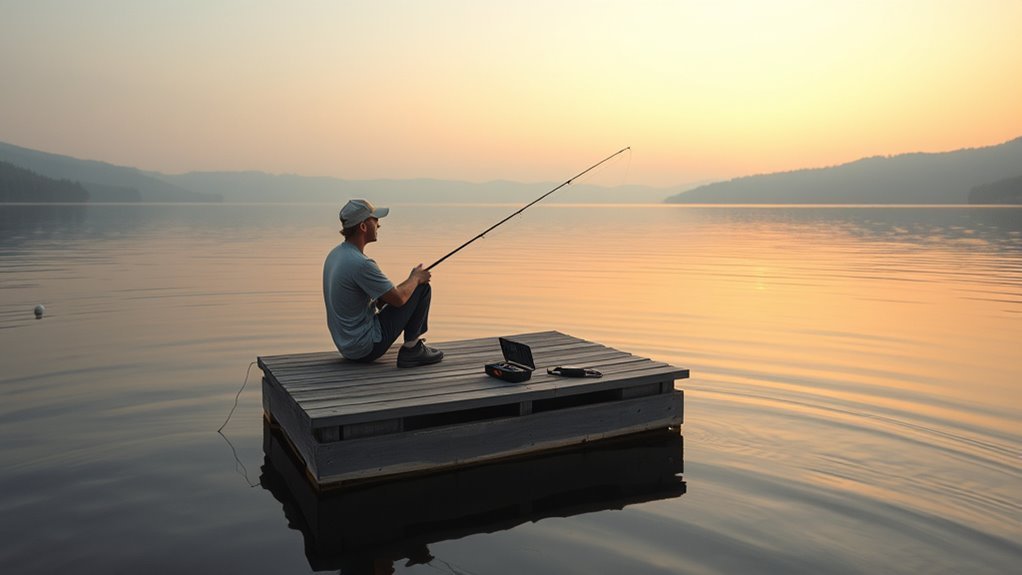
Lake fishing gives beginners room to practice without dealing with strong river currents or ocean surf. Smaller lakes often have accessible banks, fishing piers, and relatively sheltered water.
You do not need a boat to begin. A shoreline with safe footing and enough space to cast is a practical starting point.
The main challenge is learning where fish spend their time. Unlike a small pond, a large lake may contain extensive areas with little visible fish activity.
Start near features that provide food, shelter, or access to deeper water. The Take Me Fishing guide to lakes and ponds identifies docks, submerged logs, rocks, weeds, and underwater structures as useful places to investigate.
Local tackle shops and fisheries agencies can help you identify suitable lakes and the species they contain. Some libraries and wildlife programs also lend beginner fishing equipment.
Ready-made rod-and-reel combinations reduce setup decisions. More importantly, they let you spend your first outings practicing casting, recognizing bites, and retrieving fish.
Lake Fish Species to Target
The best fish to target depends on the lake, season, and equipment you have. For your first outing, choose a common local species rather than starting with a demanding deep-water fish.
Here are the main freshwater fish beginners may encounter in North American lakes.
Bluegill and Other Panfish
Bluegill, crappie, and yellow perch are excellent fish for learning basic techniques.
They often gather near weeds, docks, brush, and other cover. A small hook with a piece of worm beneath a bobber is a practical starting presentation.
Panfish also help you learn to recognize subtle bites and control a fish while reeling.
Bass
Largemouth and smallmouth bass are popular lake fish that respond to both natural bait and artificial lures.
Largemouth bass often use vegetation, docks, and submerged wood for cover. Smallmouth bass commonly associate with rocky areas and underwater structure.
Spring spawning can bring bass into shallow water. However, regulations may restrict fishing during this period, and disturbing nesting fish can affect reproduction.
Trout
Rainbow, brown, brook, and lake trout occur in suitable cool-water lakes.
Trout may feed near shore when water temperatures are favorable. In warmer weather, they often move toward cooler water that still contains enough oxygen.
Small spinners, worms, and other permitted trout baits can work well. Lake trout may require deeper presentations and more specialized equipment.
Walleye
Walleye often use rocky points, drop-offs, and deeper lake structure. They can also move into shallower feeding areas during low-light periods.
Dawn and dusk are useful times to try a jig, minnow, or other suitable bait.
Finding walleye can take more practice than fishing for bluegill. Learning to identify depth changes makes the process easier.
Catfish
Channel, blue, and flathead catfish inhabit many North American lakes, although their distribution varies.
Channel catfish are a practical beginner target where they are common. They can be caught with worms or other locally permitted bait near the bottom.
Look around deeper pockets, channels, and feeding areas. Catfish may also move into shallower water during warmer periods.
Salmon
Some large lakes support salmon fisheries, but not every lake contains salmon.
Chinook and coho salmon are established sport-fishing species in the Great Lakes. They often require trolling or other methods suited to larger waters.
Sockeye salmon are associated with western North American freshwater systems. The Alaska Department of Fish and Game explains that lakes provide important spawning and juvenile-rearing habitat in many sockeye systems.
Salmon fishing is usually a better next step after learning the fundamentals with common shoreline species.
Essential Lake Fishing Gear
You can begin with one balanced rod-and-reel setup and a small collection of tackle. Match the equipment to the fish you intend to catch rather than buying specialized gear immediately.
The U.S. Fish and Wildlife Service beginner fishing guide recommends basic equipment such as monofilament line, hooks, weights, bobbers, and bait.
Bring a valid fishing license when required, along with pliers, a line cutter, and a landing net.
Rods And Reels
A spinning rod and reel is a versatile choice for lake fishing. It handles small bait, common freshwater lures, and a wide range of fish sizes.
A rod around 6 to 7 feet long generally balances casting distance and control for many beginners.
Two reel styles are particularly useful:
- Closed spin-casting reel: Uses a push button to release line. Its simple operation makes it approachable for first-time anglers.
- Open-bail spinning reel: Uses your finger to control the line during casting. It offers flexibility as you learn different fishing techniques.
Baitcasting reels offer additional control but usually require more practice to avoid line tangles.
For common beginner freshwater setups, 4- to 12-pound-test monofilament line is a useful range. Use lighter line for small panfish and heavier line when targeting larger species.
The KastKing Spartacus II Twin-Tip spinning combo is one example of a matched rod-and-reel package. Its available configurations vary in rod length, power, and recommended line weight.
The separately sold KastKing Royale Legend Glory spinning reel is another equipment option mentioned in the original guide.
Whichever equipment you choose, make sure the rod, reel, line, and lure weights are compatible.
Hooks Baits And Tackle
Hooks, bait, weights, and floats determine how your offering sits in the water. A small assortment is enough for basic lake fishing.
Start with the following:
- Hooks: Sizes 6–10 are useful for many small freshwater presentations.
- Natural bait: Worms, red wigglers, crickets, wax worms, and minnows can attract different species where their use is permitted.
- Artificial lures: Small spinners, jigs, soft plastics, and crankbaits help you cover water.
- Bobbers: Hold bait at a selected depth and make bites easier to notice.
- Split-shot weights: Help bait sink and stay at the intended depth.
- Egg sinkers: Are useful for certain bottom-fishing rigs.
- Pliers and scissors: Help remove hooks and trim fishing line.
Small hooks suit bluegill and crappie. Larger hooks may be necessary for bass, walleye, and catfish, depending on the bait and fishing method.
Dough balls and corn are also used for carp where permitted.
Keep these items organized in a tackle box so you can change your presentation without leaving sharp hooks loose.
How to Set Up Your Rod and Bait
A beginner rod setup should be secure, balanced, and easy to cast. Start with a simple bobber rig that suspends a baited hook above the bottom or nearby cover.
You can change the depth later as you learn where fish are feeding.
Rod Assembly Basics
Before tying on a hook, assemble the rod and make sure every guide lines up correctly.
- Secure the reel. Place it in the reel seat and tighten the retaining rings without forcing them.
- Prepare the line. Release line using the reel’s bail or button.
- Thread the guides. Run the line from the reel through each guide toward the rod tip, checking that none are missed.
- Tie on the hook. Use a suitable knot and pull it firmly to test the connection.
- Attach the bobber. Position it so the bait will hang at your chosen depth.
- Add weight if needed. Place split shot above the hook to help the bait sink naturally.
- Check the setup. Make sure the line moves freely and the reel operates smoothly.
A bobber can be moved up or down the line to change fishing depth.
For detailed knot and casting illustrations, the New York State Department of Environmental Conservation fishing basics guide explains a beginner rig and the improved clinch knot.
Bait And Rigging
A worm beneath a bobber is one of the simplest ways to learn bait fishing. It lets you watch for movement while keeping the bait above weeds or the lake bottom.
Try this basic setup:
- Attach a size 6–10 hook to the end of your line.
- Place a small piece of worm securely on the hook.
- Attach a bobber roughly 2–3 feet above the hook as an initial setting.
- Add a small split-shot weight if the bait needs help sinking.
- Lower the rig beside the bank to check that the bait hangs correctly.
- Move the bobber if the hook reaches weeds, snags, or the bottom.
The starting depth is only a guide. Shallow water may require a shorter distance between the bobber and hook.
When using minnows or other live bait, select a hook and rig that keep the bait secure while allowing natural movement.
For artificial lures, tie the lure directly to the appropriate line or leader. Make sure the knot is secure before casting.
How to Tie an Improved Clinch Knot
The improved clinch knot is a practical beginner knot for attaching a hook or lure to monofilament line.
- Pass the line through the hook eye.
- Wrap the loose end around the standing line five or six times.
- Pass the loose end through the small loop near the hook eye.
- Bring it back through the larger loop that forms.
- Moisten the line and pull the knot tight.
- Trim the loose end without cutting into the knot.
Test the knot with a firm pull before making your first cast.
Best Lake Fishing Techniques
The easiest lake fishing techniques are bobber fishing, still-fishing, and casting simple lures. Each works differently, so choose your method based on the fish and the depth you want to reach.
Bobber Fishing
Bobber fishing is particularly useful for bluegill, crappie, and other fish feeding above the bottom.
Cast near weeds, docks, or submerged cover. Watch the float for movement, a sudden tilt, or a complete dip below the surface.
When a fish takes the bait, lift the rod smoothly to set the hook. Keep the line tight while reeling.
Still-Fishing
Still-fishing means placing bait in a selected area and allowing fish to approach it.
It works well for catfish and other bottom-feeding species. A sinker helps hold the bait near the bottom while you watch the rod tip or line.
Use enough weight to maintain the presentation without making the rig unnecessarily heavy.
Casting Artificial Lures
Spinners, jigs, and crankbaits help you search different parts of a lake.
Cast toward a promising feature, retrieve the lure, and observe where fish respond.
A steady retrieve works for many spinners. Jigs can be raised and lowered near the bottom to imitate small prey.
Trolling
Trolling involves pulling bait or lures behind a slowly moving boat.
It allows anglers to cover larger areas and reach fish holding away from shore. Trout and salmon are common targets in suitable lakes.
This technique requires attention to boat speed, lure depth, other water users, and local boating rules.
How to Make Your First Cast
Practice casting with a rubber casting plug instead of a sharp hook. An open area gives you space to learn without endangering anyone nearby.
- Hold the rod comfortably and face your target.
- Reel in until the casting plug hangs a short distance below the rod tip.
- Hold the line with your index finger and open the bail on a spinning reel, or hold the release button on a spin-casting reel.
- Move the rod backward smoothly.
- Bring it forward in one controlled motion.
- Release the line toward the target.
- Close the spinning reel’s bail after the plug lands, then retrieve the line.
If the plug lands too close, adjust your release timing. Aim for smooth, repeatable casts rather than maximum distance.
When and Where to Find Fish
Fish gather where they can find food, cover, suitable temperatures, and enough oxygen. This makes weeds, rocks, docks, drop-offs, and underwater humps useful places to investigate.
Early morning and late evening can be productive because lower light and cooler conditions may encourage fish to move into feeding areas.
However, no single time works best for every species or lake.
How Fishing Changes With the Seasons
Fish location changes throughout the year as water temperatures and feeding patterns shift.
| Season | Likely Depth | Notable Fish Species |
|---|---|---|
| Spring | Shallow bays, shoals, and shoreline cover | Bass, panfish, Rainbow Trout |
| Summer | Shaded cover, deeper structure, or suitable cooler water | Walleye, bass, trout |
| Fall | Shoreline feeding areas, points, and shoals | Bass, trout, walleye |
| Winter | Species-dependent areas with suitable oxygen and temperature | Trout, perch, walleye |
These are general patterns, not fixed depth rules. Fish can remain shallow or move deeper depending on local conditions.
The U.S. Geological Survey’s dissolved oxygen guidance explains that warm water holds less oxygen than cold water. Deep lake water can also become oxygen-poor during summer.
As a result, fish do not necessarily move to the deepest available water. They seek areas that provide both suitable temperatures and enough oxygen.
Where to Cast From Shore
Begin with visible features instead of casting randomly into open water.
- Weed edges: Fish may patrol the boundary between plants and open water.
- Docks: Shade and nearby cover can attract fish.
- Fallen trees and logs: Submerged wood creates hiding and feeding areas.
- Rocky points: Changes in depth provide access to different feeding zones.
- Drop-offs: These are areas where the lake bottom becomes deeper relatively quickly.
- Underwater humps: Submerged rises can attract baitfish and predators.
Try casting along the edge of a feature rather than directly into its thickest cover. This can reduce snagging while keeping bait near fish.
If you are not getting bites, change the bait depth or try another nearby feature before changing all your equipment.
Pro Tip: Watch the line as your bait sinks. If it suddenly stops, moves sideways, or becomes slack before reaching the expected depth, a fish may have taken the bait.
Catch and Release Basics
Catch and release means returning a caught fish to the water instead of keeping it. Proper handling can reduce injury and improve its chance of survival.
Prepare your pliers, net, and camera before lifting the fish from the water.
- Wet your hands before touching the fish.
- Use a rubber or other fish-friendly landing net.
- Keep the fish horizontal and support its body.
- Avoid touching its gills and eyes.
- Remove the hook carefully with pliers.
- Limit the time the fish spends out of water.
- Return it gently rather than throwing it.
Barbless hooks can make removal easier. You can also flatten a hook’s barb with suitable pliers where regulations permit.
If a hook is deeply embedded, forcing it out can cause further injury. Cutting the line close to the hook may be safer than prolonged removal attempts.
The Florida Fish and Wildlife Conservation Commission’s freshwater fishing tips emphasize prompt release, minimal handling, and protecting the fish’s slime coating.
For a photograph, keep the fish supported and return it to the water promptly.
Remember that catch and release does not guarantee survival. Handling, water temperature, hook location, and the fish’s condition all affect the outcome.
Lake Fishing Rules, Safety, and Conservation
Responsible lake fishing starts before your first cast. Regulations protect fish populations, while basic safety habits reduce risks around water and sharp equipment.
Fishing Licenses and Local Regulations
Most adult anglers in the United States need a valid fishing license, although requirements and exemptions vary by state.
Before fishing, confirm the rules for the specific lake and species you intend to target.
Important restrictions may include:
- Open and closed fishing seasons.
- Minimum and maximum fish lengths.
- Daily catch and possession limits.
- Restrictions on bait, hooks, and fishing methods.
- Special rules for individual lakes or protected areas.
- Rules governing catch-and-release fishing.
Some waters have regulations that differ from statewide rules. A species may be open for harvest in one location but restricted in another.
Identify your catch before deciding whether to keep it.
Water Safety
Even calm-looking lakes can become hazardous when wind, weather, or water conditions change.
Wear a properly fitted life jacket when boating. The U.S. Coast Guard’s life jacket guidance explains the importance of choosing suitable equipment and wearing it while on the water.
Warning: Leave exposed shorelines and get to safe shelter when thunderstorms approach. Never assume a lake is safe because its surface looks calm. Avoid unstable banks, slippery rocks, strong currents near dams, and unfamiliar ice.
Fish with a companion when possible, tell someone where you are going, and keep a charged phone accessible.
Check the weather before leaving and stay clear of other people when casting.
Protecting the Lake
Conservation includes more than releasing fish. Small actions help protect aquatic habitats and wildlife.
- Carry out food packaging, bait containers, and other trash.
- Collect discarded fishing line and place it in an appropriate recycling container.
- Remove visible plants, mud, and organisms from equipment before leaving.
- Drain water from boats and other water-holding equipment as required.
- Never release unused live bait into the lake.
- Do not move fish or aquatic plants between water bodies.
The U.S. Fish and Wildlife Service’s Protect Your Waters guidance explains how cleaning equipment and properly disposing of bait help prevent invasive species from spreading.
Following these practices helps keep fishing areas healthy and available for future anglers.
Frequently Asked Questions
What Is the 80/20 Rule in Fishing?
The 80/20 rule is a practical idea that much of your catch may come from a relatively small number of productive spots. It is not a fixed scientific rule. Focus on promising structure, observe where bites occur, and spend more time fishing productive areas.
What Are Some Tips for Starting Out With Lake Fishing?
Start with a simple spinning or spin-casting setup, a small hook, and a worm beneath a bobber. Choose a safe shoreline with visible cover and target common local fish. Practice casting before your trip, follow the fishing regulations, and change bait depth when necessary.
What Is a Hump in a Lake?
A hump is an elevated area of the lake bottom surrounded by deeper water. Its crest and sloping edges can attract baitfish and larger predators. Anglers often fish around these changes in depth because they provide feeding opportunities and access to different water conditions.
Can You Explain What a Lake Is?
A lake is a body of water surrounded by land, usually occupying a natural or artificial basin. Lakes support fish, plants, insects, and other aquatic life. Their depth, temperature, oxygen levels, and underwater features influence where fish live and feed.
Conclusion
Lake fishing becomes easier when you begin with simple gear, target common local species, and learn to recognize productive water. A basic bobber rig can teach you casting, bait presentation, and bite detection before you move to more advanced techniques.
For your first trip, choose an accessible lake, prepare your equipment, and practice one method at a time. Follow local regulations, handle fish carefully, and leave the shoreline clean.
Sources
- U.S. Fish and Wildlife Service — A Guide to Fishing for the First Time: Beginner equipment, rod setup, fishing techniques, and responsible fishing.
- Take Me Fishing — Fishing Lakes and Ponds: Shoreline structures and freshwater fish habitat.
- KastKing — Spartacus II Twin-Tip Spinning Combo: Manufacturer information about the named rod-and-reel combination.
- KastKing — Royale Legend Glory Spinning Reel: Official product identification and specifications.
- New York State Department of Environmental Conservation — Fishing Basics: Rod assembly, hook and bobber setup, knot tying, and casting.
- U.S. Geological Survey — Dissolved Oxygen and Water: Water temperature, oxygen availability, and aquatic habitat.
- Florida Fish and Wildlife Conservation Commission — Freshwater Fishing Tips: Fish handling and catch-and-release practices.
- U.S. Coast Guard — Life Jacket Wear: Life jacket selection and boating safety.
- U.S. Fish and Wildlife Service — Protect Your Waters: Aquatic invasive species prevention and responsible bait disposal.
- Alaska Department of Fish and Game — Sockeye Salmon Species Profile: Sockeye salmon habitat and freshwater life cycle.
