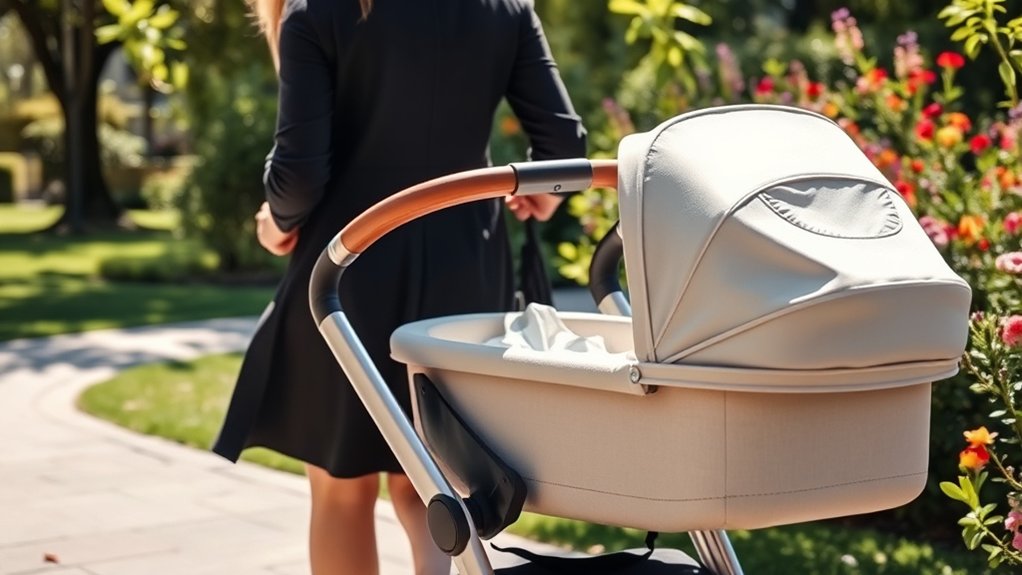
When you first get a bassinet stroller, you might wonder how long your baby can use it safely. Most babies use a bassinet stroller during the newborn stage, often until about 3 to 6 months. The right time to stop depends on your baby’s weight, movement, head control, and the stroller maker’s instructions. Watch your baby’s milestones closely so every walk stays safe, comfortable, and practical.
Quick Answer
You can usually use a bassinet stroller until your baby is around 3 to 6 months old, or until they can roll, push up, sit with support, exceed the weight limit, or look cramped. Always follow the stroller manufacturer’s age, weight, and safety limits first.
Key Takeaways
- Most bassinet strollers work best for newborns until about 3 to 6 months, depending on development.
- Stop using the bassinet when your baby rolls, sits up, pushes up, or reaches the listed weight limit.
- A flat bassinet can be useful for newborn strolls because it keeps your baby lying flat during outings.
- Never use a stroller bassinet for sleep unless the manufacturer clearly says it is approved for that use.
- Car seat attachments, reclining stroller seats, and baby carriers can work as alternatives for short trips.
Understanding the Bassinet Stroller
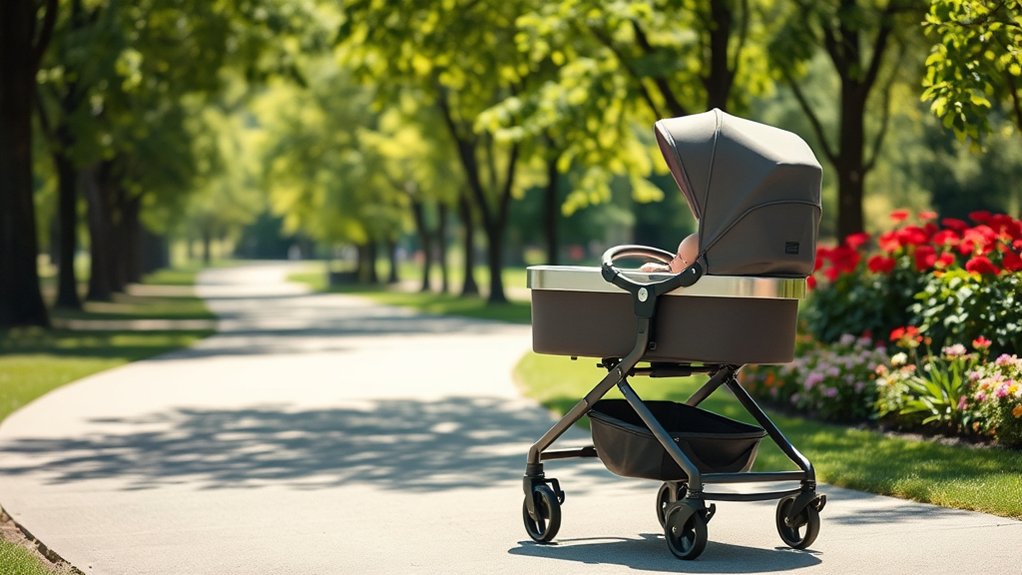
When you’re out and about with your newborn, a bassinet stroller can make walks, errands, and short trips easier for both you and your baby. A stroller bassinet gives your infant a flat, enclosed space instead of an upright seat. That flat position matters because newborns do not yet have strong head and neck control.
Bassinet strollers are made for the earliest stage of baby travel. They help your baby rest in a natural lying position while you walk. They also make it easier to move through your day without placing a very young baby in a seated stroller before they are ready.
Many parents like a bassinet stroller because it feels simple and calm. You can place your baby inside, keep them lying flat, and avoid forcing their body into a seated angle too soon. Some bassinet attachments also lift off the stroller frame, but you should only use them away from the stroller if the manufacturer says that is allowed.
Most bassinet stroller types are suitable until your baby can roll over, push up, or sit up independently, usually somewhere between 3 to 6 months. It’s essential to watch your baby’s development and follow the manufacturer’s weight limits, age limits, and safe-use instructions. By understanding these key points, you can choose the right setup and keep your little one safe and comfortable.
How Long Can You Use a Bassinet Stroller?
Most babies can use a bassinet stroller during the newborn months. For many families, that means from birth until around 3 to 6 months. Some babies outgrow the bassinet earlier because they are tall, active, or quick to roll. Others may fit longer, but the stroller’s printed limits still matter more than age alone.
Do not treat six months as a guaranteed end date for every baby. Instead, use it as a rough guide. Your baby’s size, strength, movement, and comfort all play a role. The safest answer is always the same: stop using the bassinet when your baby reaches any limit listed in the stroller manual or shows any milestone that makes the bassinet less secure.
Note: Age ranges are only general guidance. Your stroller’s manual gives the final rule for weight, height, approved use, and when to stop using the bassinet attachment.
Duration of Use and Transition Indicators
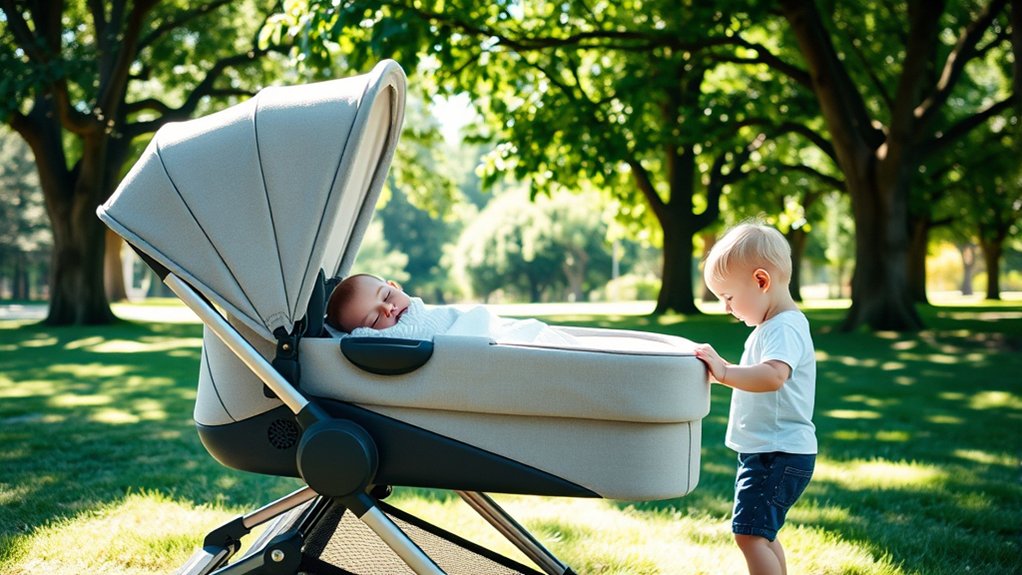
Using a bassinet stroller can make outings with your newborn much easier, but knowing when to switch to a standard stroller seat is just as important. Generally, you can use the bassinet until your baby is around 3 to 6 months old, depending on their growth and development.
Pay close attention to transition timing. Move to the regular stroller seat when your baby has enough head and neck control for the seat position your stroller allows. Some stroller seats recline deeply for younger babies. Others require stronger sitting control before they are safe and comfortable.
You should also stop using the bassinet if your baby can roll over, push up on hands and knees, sit up, or pull at the sides. These movements can make a bassinet less secure because the baby is no longer staying flat and still. Also check whether your baby looks cramped, presses against the sides, or seems uncomfortable during walks.
Weight is another key factor. You should stop bassinet use once your baby reaches the weight limit set by the manufacturer, even if they are still under six months old. By observing these indicators—age, weight, movement, head control, and comfort—you’ll know when it’s time to move your little one into a standard stroller seat for the next stage.
| Transition Sign | What It Means |
|---|---|
| Baby starts rolling | The bassinet may no longer keep your baby safely positioned. |
| Baby pushes up | Stronger movement can make the bassinet less secure. |
| Baby sits with support | It may be time to use a reclined stroller seat instead. |
| Weight limit is reached | Stop using the bassinet right away and follow the manual. |
| Baby looks cramped | The bassinet may no longer offer enough room for comfort. |
Benefits of Using a Bassinet Stroller
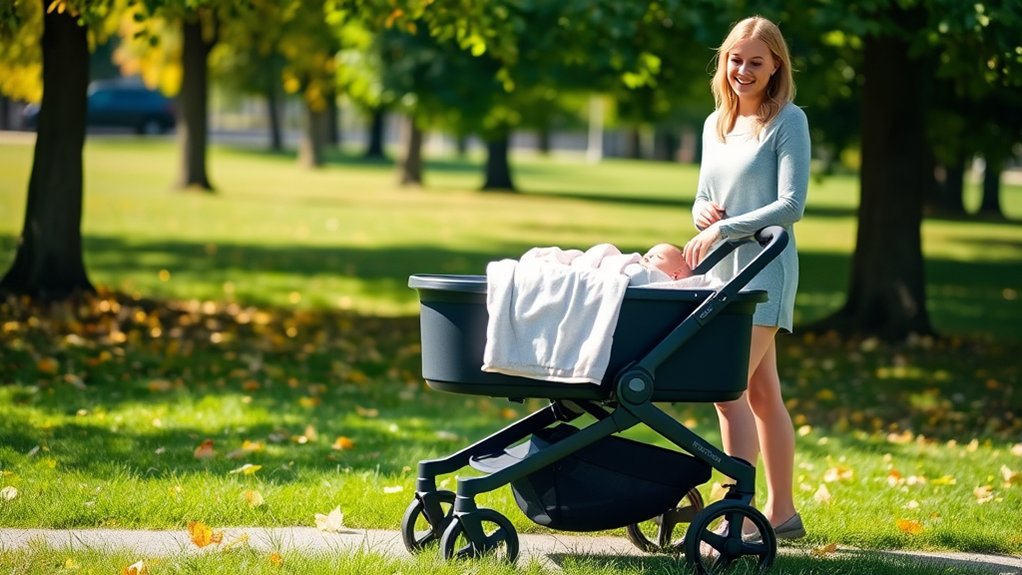
While you might be eager to take your little one on outdoor adventures, a bassinet stroller offers helpful benefits for newborn comfort and everyday convenience. These strollers provide a flat resting area, which can feel more natural for young babies who are not ready for a seated position.
A bassinet stroller can also make early outings less stressful. Your baby can rest while you walk, and you do not have to place them in a more upright seat too soon. For parents who walk often, this setup can make fresh air, light errands, and neighborhood strolls easier to manage.
Using a bassinet stroller may also support your own routine. Getting outside can help you feel refreshed, especially during the busy newborn stage. Many models are portable and attach to stroller frames, giving you travel convenience without carrying several separate pieces of gear.
| Benefit | Description |
|---|---|
| Comfort Features | A flat resting area helps newborns lie in a more natural position. |
| Easy Shifts | Move through short outings with fewer position changes for your baby. |
| Travel Convenience | Lightweight and portable designs can make daily walks easier. |
With these benefits, a bassinet stroller can make outings more enjoyable for both you and your little one.
When a Bassinet Stroller May Not Be the Best Choice
A bassinet stroller is useful, but it is not the right choice for every family or every trip. If you mostly drive and only take very short errands, a compatible infant car seat attached to a stroller frame may feel easier. If you walk on rough ground, you may need a stroller system with better wheels and suspension.
Space also matters. Some bassinet attachments are bulky and need extra storage room at home or in the car. If you live in a small apartment or use public transportation often, check the folded size, weight, and how quickly the pieces attach before you buy.
Your baby’s personality can matter too. Some babies love lying flat and looking around from a bassinet. Others prefer being held close in a carrier for short outings. The best option is the one that fits your baby’s safety needs and your real daily routine.
Alternatives to Bassinet Strollers

If you’re considering alternatives to bassinet strollers, several options can effectively meet your needs. Car seat attachments let you transport your infant without removing them from their car seat, making short changes smoother. This can be helpful for quick errands, though a car seat should not replace a flat sleep space for long periods.
Some strollers come with reclining seats that accommodate young infants safely, providing comfort without requiring a separate bassinet. Before using this option, check the seat’s minimum age, weight, recline angle, and harness instructions.
For shorter outings, baby carriers are a practical choice. They allow you to keep your little one close while you’re on the move. Make sure the carrier supports your baby’s head and neck, keeps their airway clear, and fits your body comfortably.
Models like the Graco Modes and Maxi Cosi Zelia offer bassinet-style options or budget-friendly conversions, catering to parents who want flexibility without breaking the bank. Additionally, exploring second-hand options for popular brands like UPPAbaby can deliver significant savings while still giving you a durable stroller setup.
Pro Tip: If you buy second-hand, confirm the exact model name, check for recalls, inspect the frame and locking parts, and make sure the bassinet attaches securely before using it with your baby.
Embracing these alternatives can give you more freedom to navigate parenthood with ease while keeping your baby secure and comfortable every step of the way.
Safety Guidelines for Bassinet Usage
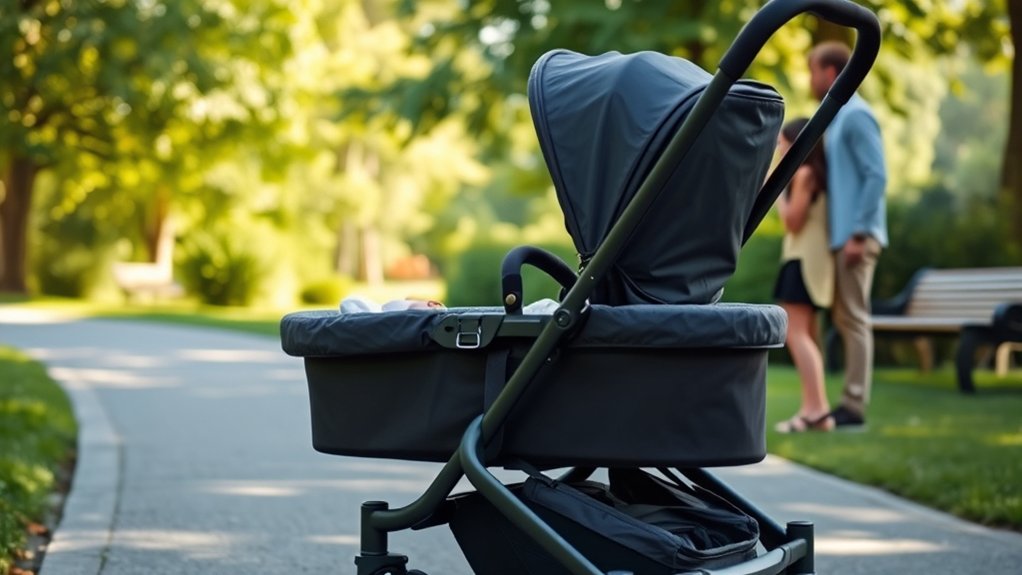
When it comes to keeping your baby safe in a bassinet stroller, following the basic guidelines is essential. First, always place your baby on their back when they are resting. Avoid loose blankets, pillows, toys, or soft items inside the bassinet because they can create a suffocation risk.
Make sure the bassinet has a firm, flat surface and is properly attached to the stroller frame. Check every latch before you start walking. If the attachment feels loose, tilted, or unstable, do not use it until you confirm the setup is correct.
Be mindful of the weight limits specified by the manufacturer. Exceeding these limits can create unsafe situations. You should also keep the stroller on stable ground, use the brake when stopped, and avoid hanging heavy bags from the handlebar because that can make the stroller tip.
Warning: Do not use a stroller bassinet for overnight sleep unless the manufacturer clearly states that the exact bassinet model is approved for unsupervised or overnight sleeping.
| Guideline | Details |
|---|---|
| Safe Sleep Practices | Place baby on their back and keep loose items out. |
| Weight Limits | Follow the manufacturer’s listed limit for your exact model. |
| Monitoring Development | Transition when baby can roll, push up, or sit up. |
| Attachment Check | Confirm the bassinet clicks securely onto the stroller frame. |
| Stroller Stability | Use brakes when stopped and avoid heavy handlebar bags. |
Regularly check your baby’s development to determine the right time to change to a standard stroller seat. This helps your little one stay safe, secure, and comfortable as they grow.
How to Switch From Bassinet to Stroller Seat
The switch from a bassinet to a stroller seat should feel gradual, not rushed. Start by checking your stroller manual. Look for the minimum age, weight range, recline options, and harness instructions for the stroller seat.
Next, test the recline. Younger babies often need a more reclined seat because they may not sit strongly on their own yet. Once your baby has better head control, you can use a more upright position if the stroller allows it.
Always use the harness when your baby moves into the stroller seat. Adjust the straps so they sit snugly across your baby’s shoulders and hips without pinching. If your baby slumps forward, slides to one side, or seems uncomfortable, they may need a deeper recline or more time before using that seat position.
Try the new seat during a short walk first. A quick neighborhood stroll lets you see whether your baby feels settled before you use the setup for longer errands or full-day outings.
Related Guides
Frequently Asked Questions
Can I use the bassinet for twins or multiple infants?
You should only use a bassinet for twins if it is specifically designed and approved for two babies. Most single stroller bassinets are made for one infant only. Check the product manual for twin safety rules, weight limits, and approved use before placing more than one baby inside.
Are there any weight limits for the bassinet?
Yes, bassinet strollers have weight limits. The exact limit depends on the brand and model, so always check the manufacturer’s instructions. Stop using the bassinet once your baby reaches the limit, even if they still seem comfortable inside.
How do I clean the bassinet fabric?
To clean the bassinet fabric, first check the care label. Many fabrics can be spot-cleaned with mild soap and water, then air-dried fully before use. Avoid harsh cleaners unless the manufacturer says they are safe for that fabric.
Can the bassinet be used for overnight sleeping?
Only use the bassinet for overnight sleeping if the manufacturer clearly says that exact bassinet is approved for overnight or unsupervised sleep. Many stroller bassinets are meant for supervised strolling and short rests, not as a replacement for a safe sleep bassinet or crib.
Does the bassinet fit all stroller models?
No, a bassinet does not fit all stroller models. You need to check compatibility with your specific stroller brand and model. Some brands offer adapters, but the connection must be secure before you use it with your baby.
Can I use a bassinet stroller after my baby can roll over?
You should usually stop using the bassinet once your baby can roll over, push up, or sit up. These movements can make the bassinet less secure. Move your baby to the stroller seat when your stroller manual says they are ready.
Is a car seat attachment better than a bassinet stroller?
A car seat attachment can be convenient for quick errands, especially when your baby is already in the car. A bassinet stroller is often more comfortable for longer walks because it lets a newborn lie flat. The better choice depends on your trip length, your baby’s age, and your stroller’s instructions.
Conclusion
In summary, using a bassinet on your stroller can be a wonderful stage for you and your baby, much like a cozy nest that supports them during the newborn months. Most babies use this setup until around 3 to 6 months, but your baby’s milestones matter more than the calendar.
Just like a bird learns to take flight, you’ll know it’s time to transition when your little one starts to support their head, roll, push up, sit up, or outgrow the listed limit. Always prioritize safety, follow the stroller manual, and enjoy every moment of this short but precious stage. The goal is to find the right balance between comfort and growth.

