When it comes to strollers, many parents wonder if there is an expiration date. Unlike car seats, strollers usually do not come with a fixed “use by” timeline. Their safe lifespan depends more on condition, storage, maintenance, recalls, weight limits, and daily wear. Knowing what to inspect helps you decide whether your stroller is still safe or ready to replace.
Quick Answer
Strollers do not usually expire like car seats, but they can become unsafe over time. Replace or stop using a stroller if the frame is damaged, the harness is frayed, the brakes fail, the wheels wobble, it was recalled, or your child exceeds the manufacturer’s weight or height limit.
Key Takeaways
- Most strollers do not have a strict expiration date, but condition matters more than age.
- Check the frame, brakes, wheels, folding lock, harness, seat fabric, and weight limit before each longer outing.
- A stroller that was stored in heat, moisture, or direct sun may wear out faster.
- Always check for recalls before using a hand-me-down or secondhand stroller.
- Replace the stroller if repairs affect safety or cost more than the stroller is worth.
The Lifespan of a Stroller: What to Know and Check
When you invest in a stroller, you want it to stay safe, comfortable, and easy to use for as long as possible. Unlike car seats, strollers do not usually have a printed expiration date because they are not designed to manage crash forces. Instead, a stroller’s usable life depends on its materials, design quality, storage conditions, maintenance, and how often you use it.
A well-built stroller can often last through one child and may serve another child if it has been cared for properly. Still, age alone should never be your only guide. A five-year-old stroller in excellent condition can be safer than a two-year-old stroller with broken brakes, a bent frame, or damaged harness straps.
Always follow the manufacturer’s instructions for weight capacity, height limits, cleaning, folding, wheel care, and approved accessories. These details matter because overloading a stroller or using the wrong attachment can make it unstable. If you no longer have the manual, search the manufacturer’s website using the model name and serial number when possible.
Note: Before using a secondhand stroller, look for the model label, check the recall status, confirm all parts are present, and test the brakes, folding lock, and harness.
Factors Impacting Stroller Lifespan
Several factors affect how long a stroller stays safe and useful. Tire condition, frame strength, fabric wear, brake performance, storage habits, terrain, and regular maintenance all play important roles. A stroller used daily on rough sidewalks will usually wear faster than one used occasionally in smooth indoor spaces.
Tire Condition Importance
Tire condition affects your stroller’s stability, steering, braking, and ride comfort. Worn wheels can make the stroller harder to push and less predictable on uneven ground. Jogging strollers and all-terrain strollers need extra attention because they often face rougher surfaces, higher speeds, and more vibration.
- Inspect tires for cracks, flat spots, wobbling, bald areas, or uneven wear.
- Check air-filled tires for proper inflation if your stroller uses pneumatic wheels.
- Remove hair, string, dirt, and small stones from wheel axles.
- Replace tires or wheels if they are damaged, loose, or no longer roll smoothly.
- Check jogging stroller wheels more often if you use them on trails, gravel, or cracked pavement.
Regular Maintenance Practices
Regular maintenance helps your stroller last longer and keeps small issues from turning into safety problems. Use this checklist as a general guide, then follow your stroller manufacturer’s instructions for model-specific care.
| Task | Frequency | Notes |
|---|---|---|
| Inspect for damage | Monthly | Check the frame, seat, canopy, wheels, and folding joints |
| Clean frame and fabric | Every few weeks | Use mild soap and water unless the manual says otherwise |
| Lubricate moving parts | Every 3 months or as needed | Use only lubricant recommended by the manufacturer |
| Check tire condition | Monthly | Replace wheels or tires if worn, cracked, loose, or unstable |
| Test brakes | Before regular use | Make sure both wheels lock firmly when the brake is engaged |
| Check harness straps | Monthly | Look for fraying, loose stitching, broken buckles, or stuck adjusters |
| Proper stroller storage | Always | Store in a dry, cool place away from long-term sun exposure |
The Importance of Regular Maintenance
Regular maintenance is one of the best ways to keep your stroller safe and functional. By checking parts often, you can catch wear and tear before it causes a bigger problem. A loose screw, sticky brake, or frayed strap may seem small, but each one can affect safety during daily use.
Regular Inspections Matter
Regular inspections help you understand whether your stroller is still safe for your child. Focus on the parts that support weight, control movement, and keep your child secure.
- Tire Condition: Worn or damaged tires can reduce control and make the stroller harder to steer.
- Harness Systems: Straps, buckles, and adjusters should stay intact, smooth, and secure.
- Frame Integrity: Cracks, bends, rust, or loose joints can affect stability.
- Brakes: The brake should engage firmly and release smoothly without sticking.
- Folding Lock: The stroller should lock fully open and should not collapse during use.
- Manufacturer Guidelines: Follow weight limits, cleaning steps, and approved accessory rules.
Warning: Stop using a stroller right away if the frame is cracked, the brakes fail, the harness cannot tighten, or the stroller folds unexpectedly during use.
Cleaning and Lubrication
Maintaining your stroller through consistent cleaning and lubrication helps protect performance and safety. Dirt, crumbs, sand, and sticky spills can build up around hinges, wheels, buckles, and brakes. Over time, that buildup can make parts harder to move or lock.
Use mild soap and water for most surfaces, unless your stroller’s manual recommends a different method. Remove loose debris from wheels and axles, then dry metal parts well to reduce rust risk. If your stroller needs lubrication, apply only a small amount to the parts listed in the manual, such as wheel axles or hinges.
Do not soak parts that should stay dry, and avoid harsh cleaners that can weaken fabric, fade labels, or damage plastic. After cleaning, fold and unfold the stroller, test the brakes, and check the harness before your next outing.
How to Check If Your Stroller Is Still Safe
A stroller can look fine at first glance but still have hidden safety issues. A quick hands-on check helps you spot problems before you place your child inside.
- Read the label: Find the model name, serial number, date of manufacture, and weight limit if available.
- Check for recalls: Search the model number through official recall resources or the manufacturer’s website.
- Open the stroller fully: Make sure the frame locks into place and does not wobble.
- Test the brakes: Engage the brakes and gently push the stroller to confirm the wheels stay locked.
- Inspect the harness: Buckle and adjust it to make sure it holds securely without slipping.
- Check the wheels: Look for wobbling, cracks, loose parts, or uneven rolling.
- Look at fabric and seams: Check for tears, mold, missing padding, or weak stitching.
- Test folding and steering: Fold, unfold, turn, and push the stroller without your child inside first.
Pro Tip: Take a few photos of the model label and serial number. This makes recall checks, replacement part searches, and manufacturer support much easier later.
Signs That Indicate You Need a New Stroller
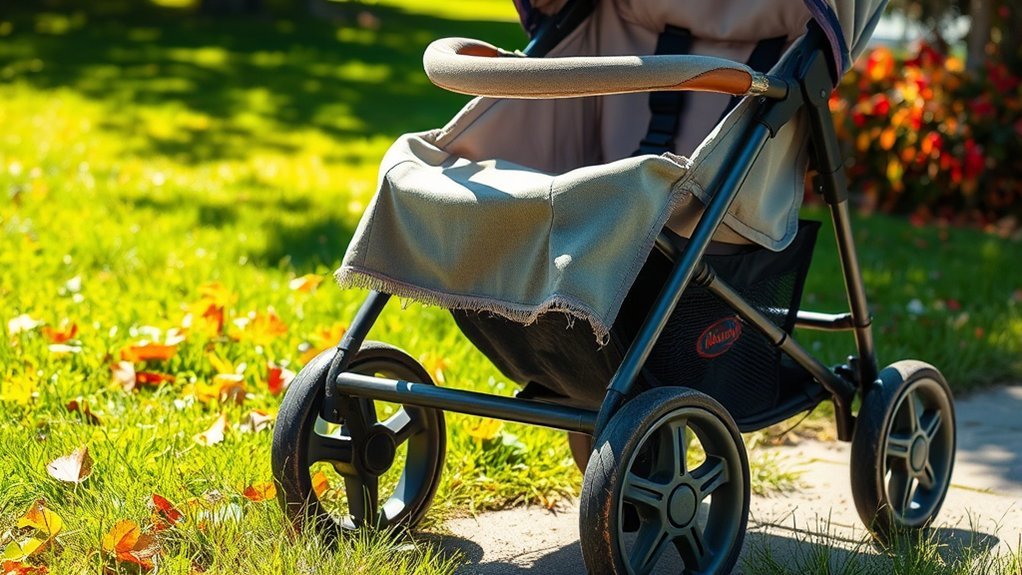
As your child grows, keep a close eye on the stroller’s condition. Some warning signs mean you should repair the stroller, replace a part, or stop using it completely. Prioritizing stroller safety is vital because a weak frame, poor brakes, or damaged harness can create real risk during everyday use.
- Frayed harness straps, loose stitching, or a buckle that does not lock securely
- A bent, cracked, rusty, or unstable frame
- Excessively worn, loose, cracked, or wobbling tires
- Brakes that slip, stick, or fail to lock both wheels properly
- A folding lock that does not stay secure
- Missing screws, loose bolts, or damaged hinges
- Mold, strong odors, or fabric damage that cannot be cleaned safely
- Your child exceeds the manufacturer’s weight or height limit
- The stroller has been recalled and cannot be repaired with an approved fix
- Frequent breakdowns or difficulty folding, steering, or braking
If you notice any of these problems, compare the repair cost with the cost of a newer model. Replacement parts may solve minor issues, but safety-critical damage deserves caution. Newer strollers may also include improved harness systems, better brakes, stronger folding locks, and more stable designs.
Secondhand and Hand-Me-Down Strollers
A secondhand stroller can be a smart way to save money, but only if it is safe, complete, and not recalled. Before using one, check more than the fabric and wheels. You need to confirm that the stroller still has its safety parts, locks correctly, and matches the manufacturer’s original setup.
Avoid a secondhand stroller if the seller cannot identify the model, if key parts are missing, or if the stroller has visible structural damage. Be extra careful with very old strollers because manuals, replacement parts, and recall details may be harder to find.
- Look for the model label, serial number, and manufacturer name.
- Check for recalls before your child rides in it.
- Make sure the harness, brakes, canopy, seat, basket, and wheels are complete.
- Test folding, locking, steering, and braking before use.
- Skip any stroller with a bent frame, broken lock, or unknown repair history.
Advancements in Stroller Design and Safety
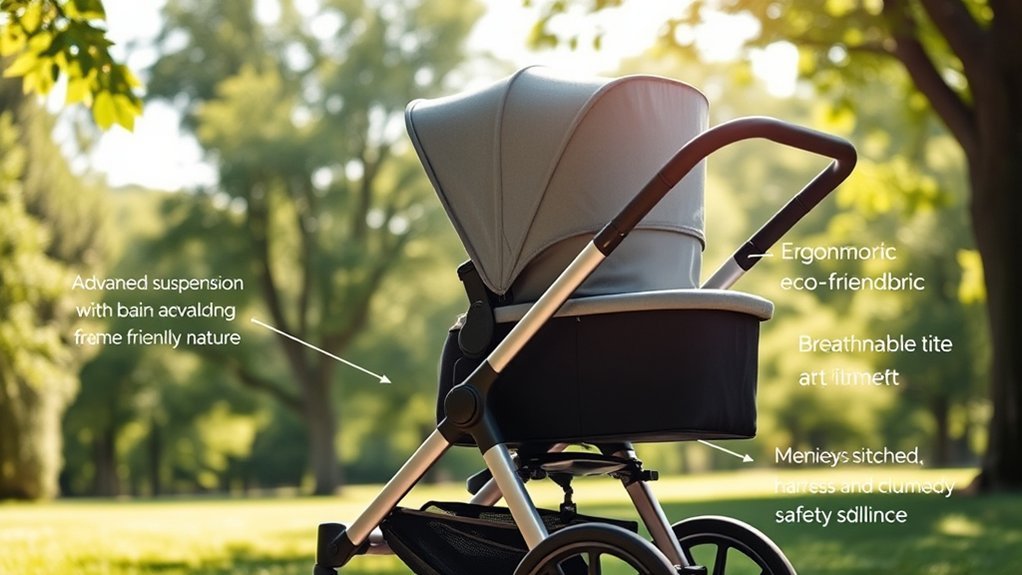
Recognizing the signs that indicate it is time for a new stroller leads naturally to modern stroller design and safety improvements. Today’s strollers often use lighter frames, smoother folding systems, better wheel suspension, and more adjustable seating. These upgrades can make daily use easier for parents and more comfortable for children.
Modern strollers may include improved harness systems, stronger brakes, better stability features, adjustable handlebars, larger canopies, and more compact folding designs. Some models also work with compatible infant car seats, which helps families move from car to stroller without waking a sleeping baby.
Still, newer does not automatically mean safer for every family. The safest choice is a stroller that matches your child’s size, your walking habits, your storage space, and your ability to maintain it. A lightweight travel stroller may be perfect for errands, while a jogging stroller may be better for active outdoor use when your child is old enough and the manufacturer allows it.
Tips for Extending the Life of Your Stroller
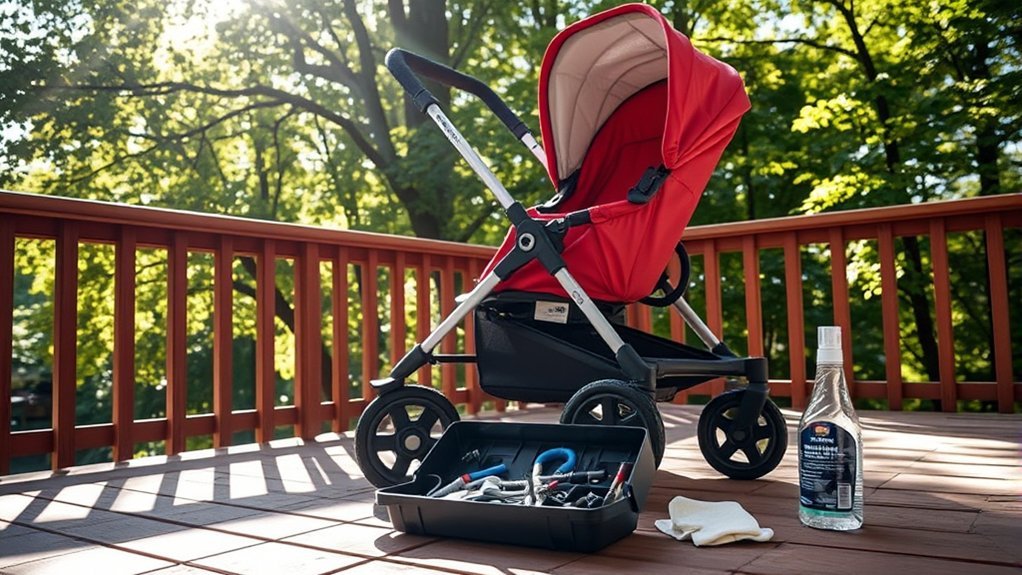
To help your stroller last through different stages of your child’s growth, build simple care habits into your routine. These steps can enhance durability, reduce repairs, and keep your stroller safer for daily use.
- Inspect the harness, tires, brakes, frame, folding lock, and seat fabric regularly.
- Clean crumbs, dirt, and sticky spills before they build up around moving parts.
- Lubricate moving parts only when the manual recommends it.
- Stay within the manufacturer’s weight and height limits.
- Avoid hanging heavy bags from the handlebar because this can increase tipping risk.
- Use only approved accessories that fit your stroller model.
- Store the stroller in a dry, cool place away from long-term sun, rain, and humidity.
- Replace tires, wheels, or small parts when they show real wear.
Good storage matters more than many parents realize. Long-term moisture can encourage rust and mold. Direct sun can weaken or fade fabric and plastic. Heat can also affect some materials over time. If you store your stroller in a garage, basement, or car trunk, check it more often for odor, rust, brittle plastic, and sticky folding parts.
Related Guides
Frequently Asked Questions
Can I use a stroller for more than one child?
Yes, you can use a stroller for more than one child if it is still safe, complete, and within the manufacturer’s limits. Check the frame, wheels, brakes, harness, folding lock, and recall status before reusing it for another child.
What materials affect stroller longevity?
Frame quality, wheel material, seat fabric, stitching, plastic parts, and metal hardware all affect stroller longevity. Strong frames, durable wheels, washable fabric, and rust-resistant hardware usually hold up better with regular care.
Are there specific weight limits for strollers?
Yes, every stroller has manufacturer weight and sometimes height limits. Many everyday strollers support toddlers within a set range, while some larger or specialty models support more. Always use the exact limit listed in your stroller manual or on the product label.
How often should I clean my stroller?
Clean your stroller every few weeks during regular use, or sooner after spills, rain, mud, beach trips, or sickness. Wipe the frame, remove crumbs, clean the wheels, and wash fabric only as the manufacturer recommends.
Can I repair my stroller instead of replacing it?
You can repair some stroller issues, such as worn wheels, missing screws, or removable fabric parts, if the manufacturer offers approved replacements. Replace the stroller if the frame, brakes, harness, or folding lock has serious damage.
Do strollers expire like car seats?
Most strollers do not expire like car seats. Instead of relying on a date, inspect the stroller’s condition, check for recalls, follow weight limits, and stop using it if any safety-critical part fails.
Is it safe to buy a used stroller?
A used stroller can be safe if it has no recall, includes all parts, locks open firmly, brakes properly, and has no frame or harness damage. Avoid used strollers with missing labels, unknown history, or unsafe repairs.
Conclusion
Strollers do not usually have a set expiration date, but they can wear out, break, or become unsafe over time. The safest approach is to inspect your stroller regularly, follow the manufacturer’s limits, clean and store it properly, and check for recalls before using an older or secondhand model.
Remember, “an ounce of prevention is worth a pound of cure.” A few minutes of checking the brakes, harness, wheels, and frame can help you avoid bigger problems later. If your stroller no longer feels stable, secure, or easy to control, replacing it is often the better choice for your child’s safety and your peace of mind.
Sources
- U.S. Consumer Product Safety Commission Recalls — helps parents check whether a stroller or child product has been recalled.
- U.S. Consumer Product Safety Commission Safety Education — supports general child product safety and recall awareness.
- HealthyChildren.org Stroller Safety — supports stroller safety practices, safe use, and parent checks.
