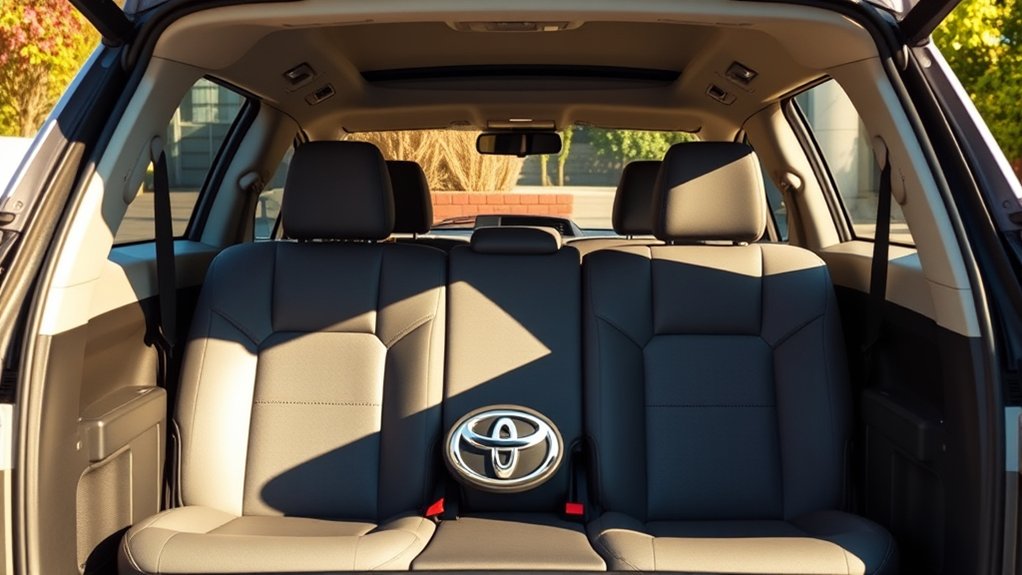
Most Toyota RAV4s seat five people in two rows, but a limited group of older models could carry seven. The factory third-row option was mainly available on certain third-generation RAV4s sold during the 2006–2012 U.S. model years. Fourth-, fifth-, and sixth-generation RAV4s returned to a five-passenger layout.
Quick Answer
A Toyota RAV4 normally seats five people. Certain third-generation 2006–2012 models offered a small optional third row, increasing capacity to seven. The 2013–2018, 2019–2025, and redesigned 2026 RAV4s have two rows and five factory seating positions, with no third-row option.
Key Takeaways
- Most RAV4 model years have five seats arranged in two rows.
- Some third-generation RAV4s offered an optional third row and seating for up to seven.
- Fourth-generation 2013–2018 models do not have a factory third row.
- Fifth-generation 2019–2025 RAV4, RAV4 Hybrid, and RAV4 Prime models seat five.
- The sixth-generation 2026 RAV4 remains a five-passenger, two-row SUV.
- Check the exact model year, market, factory labels, seat belts, and owner’s manual before buying a used seven-seat RAV4.
Toyota RAV4 Seating Capacity by Generation
| Generation | Typical U.S. Model Years | Factory Capacity | Third Row? |
|---|---|---|---|
| First generation | 1996–2000 | Usually four or five, depending on body style and market | No |
| Second generation | 2001–2005 | Five | No |
| Third generation | 2006–2012 | Five standard; up to seven on certain models | Optional in selected markets and configurations |
| Fourth generation | 2013–2018 | Five | No |
| Fifth generation | 2019–2025 | Five | No |
| Sixth generation | 2026 onward | Five | No |
Note: Toyota introduced some generations in Japan or other markets before the corresponding U.S. model year. Body styles and equipment also varied by country, so verify the exact vehicle rather than relying only on its production year.
How RAV4 Seating Changed Over Time
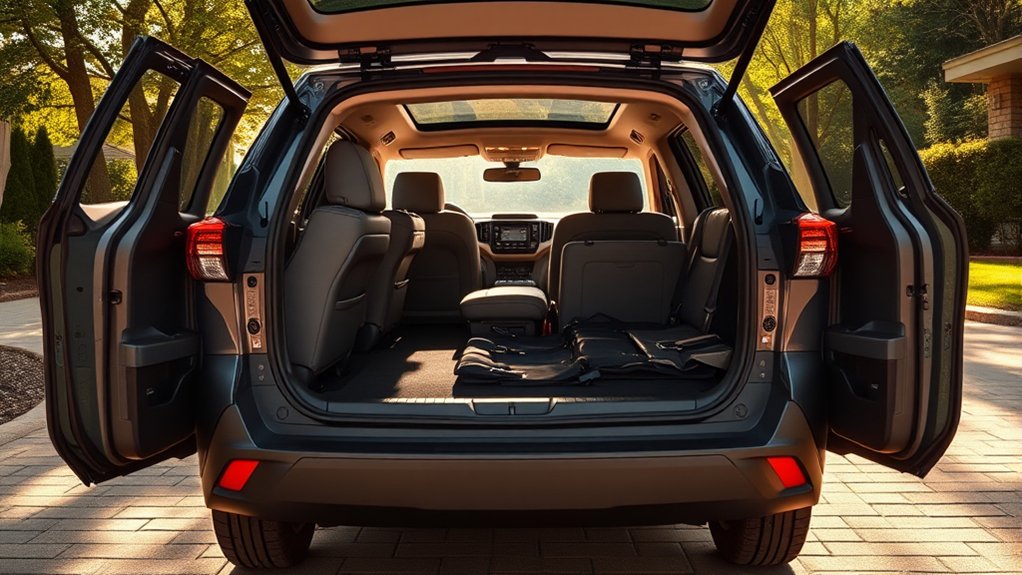
The RAV4 began as a small recreational SUV with short- and long-body versions. Seating depended on the body style and sales market, but the longer models generally provided five seating positions.
The vehicle became larger and more family-focused during its second and third generations. Toyota briefly answered demand for extra passenger capacity by offering a compact third row on selected long-wheelbase third-generation models.
That seven-seat arrangement did not continue into the fourth-generation RAV4. From the 2013 model year onward, Toyota concentrated on a two-row cabin with five seats and more useful passenger and cargo room.
In the United States, a factory seven-passenger RAV4 is mainly a third-generation 2006–2012 exception, not a feature shared by newer models.
First-Generation RAV4 Seating: 1996–2000 U.S. Models
First-generation seating capacity varied with the vehicle’s body style and market. Compact short-body and soft-top versions commonly accommodated four people, while longer five-door versions generally provided seating for five.
The cabin was much smaller than a modern RAV4, so rear legroom and cargo flexibility were limited. Buyers considering one today should check the original seating labels and count the factory-installed seat belts and head restraints.
Second-Generation RAV4 Seating: 2001–2005
The second-generation RAV4 normally seats five people in two rows. Toyota increased the vehicle’s size and interior usefulness while keeping it within the compact-SUV class.
No factory third-row option was offered on the standard second-generation RAV4. Folding the rear seat increased cargo room, but it did not create an additional legal seating position.
Third-Generation RAV4 Seating: 2006–2012
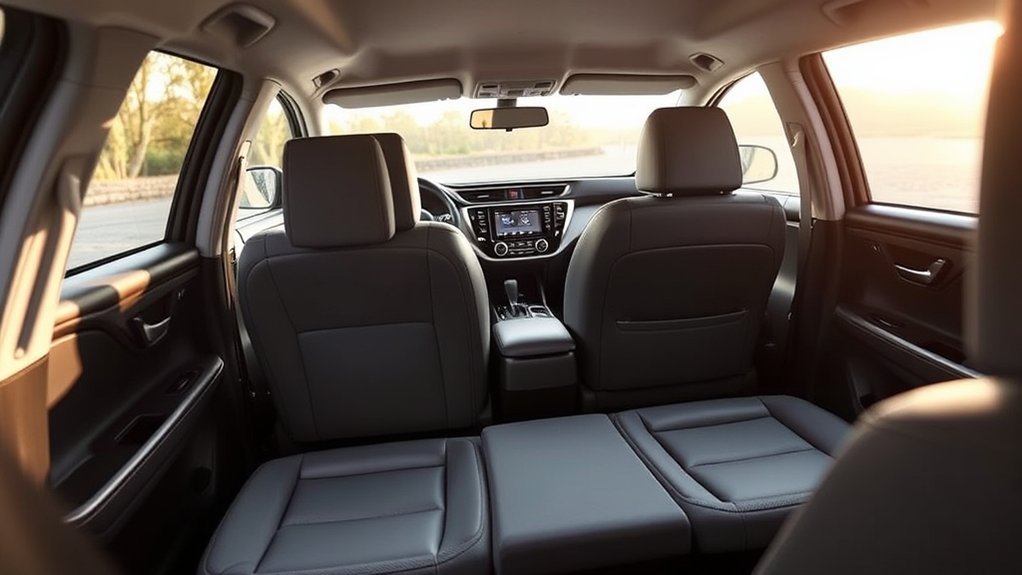
The third-generation RAV4 is the model most shoppers are referring to when they ask whether a RAV4 can seat seven. Five seats remained standard, but Toyota offered an optional compact third row on certain long-wheelbase models in North America and Japan.
Availability depended on the model year, market, trim, and original equipment. A third-generation badge alone does not prove that a specific vehicle has seven factory seating positions.
The optional rear seats were small and reduced usable cargo room when raised. They were more suitable for occasional use than for carrying adults regularly. When folded, they allowed the vehicle to function more like a conventional five-seat RAV4.
Warning: Do not install an improvised or uncertified third-row seat in a RAV4 that was built for five occupants. A safe seating position requires engineered mounting points, approved seat belts, suitable head restraints, and a body structure designed for crash protection.
Fourth-Generation RAV4 Seating: 2013–2018
The fourth-generation RAV4 returned to a straightforward five-passenger layout. It has front seating for two and a rear bench designed for up to three occupants.
Toyota did not offer a factory RAV4 third row for these U.S. model years. Claims that the 2013–2018 RAV4 seats seven may result from confusion with the older third-generation model or with other Toyota vehicles sold under different names.
The rear seat folds to increase cargo room, but the folded area is for belongings, not passengers.
Fifth-Generation RAV4 Seating: 2019–2025
The fifth-generation RAV4 seats five people in two rows. This applies to the gasoline RAV4, RAV4 Hybrid, and RAV4 Prime sold during this generation.
Toyota focused on rear-passenger space, cargo flexibility, and available comfort features instead of adding a third row. Depending on the year and trim, buyers may find fabric or synthetic upholstery, power-adjustable front seats, heated or ventilated front seats, and heated rear outboard seats.
Those comfort upgrades do not change the vehicle’s legal seating capacity. A higher trim still carries a maximum of five occupants.
Toyota’s official fifth-generation launch information is available through the Toyota Global Newsroom.
Rear-Seat and Cargo Flexibility
The split-folding rear seat lets you trade passenger space for cargo room. You can fold part of the bench while retaining one or two rear seating positions, or fold the full rear seat when you need the largest available load area.
Exact passenger-space and cargo measurements differ by model year, drivetrain, trim, spare-tire arrangement, and measurement method. Check the specification sheet for the exact RAV4 you are comparing rather than applying one number to the entire generation.
Sixth-Generation 2026 RAV4 Seating
The redesigned 2026 RAV4 begins the vehicle’s sixth generation. It remains a two-row SUV with seating for five and does not add a factory third row.
Toyota describes a redesigned rear seatback that folds flat to improve cargo usability. The cabin and available upholstery vary by grade, but every version retains front and rear seating rather than a three-row arrangement.
You can review Toyota’s current information on the 2026 RAV4 vehicle page and in its official 2026 launch announcement.
Note: References to a “2026 seven-seat RAV4” are not supported by Toyota’s published U.S. model information. Confirm specifications through Toyota rather than relying on speculative listings or pre-release articles.
Does Any Toyota RAV4 Seat Seven?
Yes, but the choice is limited. Certain third-generation RAV4s from the 2006–2012 U.S. model years could be ordered with a small factory third row, providing up to seven seating positions.
You should not assume that every RAV4 from those years has seven seats. Many were built with the standard five-seat arrangement, and third-row availability differed by trim and market.
Fourth-generation and newer RAV4s seat five. If you regularly carry six or seven people, a Toyota model designed around three-row seating will usually provide easier access, more passenger room, and more cargo space behind the last row.
How to Check a Used RAV4’s Seating Capacity
Use several checks before buying a used vehicle advertised as a seven-passenger RAV4:
- Inspect the cabin: Confirm that the third-row cushions, seatbacks, head restraints, and release mechanisms are present.
- Count the factory seat belts: Every legal seating position must have its own approved restraint.
- Check the vehicle labels: Review the certification and loading labels on the driver-side door or door jamb.
- Read the correct owner’s manual: Use the manual for the exact model year and market. Toyota provides manuals through its owner resources.
- Review the original equipment record: A Toyota dealer may be able to confirm factory equipment from the vehicle identification number.
- Look for unsafe modifications: Avoid added seats that lack factory mounting points, restraints, head protection, or documented approval.
Pro Tip: A cargo-area bench is not automatically a legal passenger seat. Factory seat belts, head restraints, labels, and owner’s-manual instructions are stronger evidence than an online seller’s stated passenger count.
Choosing the Right RAV4 for Your Family
A five-seat RAV4 works well when you normally carry one to four passengers and want flexible cargo space. The rear bench can accommodate up to three occupants, although fitting three child restraints or three adults comfortably depends on their sizes and the exact restraint designs.
For child seats, inspect the rear-seat belt arrangement and lower-anchor positions, then follow both the vehicle manual and the child-restraint manufacturer’s instructions. The National Highway Traffic Safety Administration also provides installation and fit guidance.
A third-generation seven-seat RAV4 may suit occasional extra-passenger needs, but its rear row is compact and leaves less room for cargo. Families that need six or seven seats every day should compare vehicles designed as full-time three-row models.
Before choosing, consider:
- How many people you carry on a typical trip
- Whether adults or children will use the rear seats
- The number and type of child restraints you need
- How much cargo must fit while every seat is occupied
- How easily passengers can enter and leave the rear row
- Whether the vehicle has its original factory seating equipment
Frequently Asked Questions
How many passengers can a 2026 Toyota RAV4 hold?
The 2026 Toyota RAV4 seats five people in two rows. Toyota’s published U.S. information does not list a third-row option.
Which Toyota RAV4 years offered a third row?
Certain third-generation RAV4s sold during the 2006–2012 U.S. model years offered an optional third row. Availability depended on the market, model year, trim, and original configuration.
Does the 2013–2018 RAV4 have seven seats?
No. Fourth-generation 2013–2018 RAV4 models have two rows and seating for five. The factory third-row option ended with the previous generation.
Do the RAV4 Hybrid and RAV4 Prime have a third row?
No. Fifth-generation RAV4 Hybrid and RAV4 Prime models seat five people in two rows. Their electrified powertrains do not add another seating row.
Can the RAV4’s rear seats fold for extra cargo space?
Yes. RAV4 rear seats fold to expand the cargo area, although the split arrangement, release method, and resulting floor shape vary by generation. Toyota specifically describes a redesigned fold-flat rear seatback for the 2026 model.
What seat materials and comfort upgrades are available?
Materials vary by year and trim and may include fabric, synthetic upholstery such as SofTex, or combinations with suede-like inserts. Available comfort features can include power adjustment, heating, ventilation, and driver-seat memory. These upgrades do not increase seating capacity.
Can I add a third row to a five-seat RAV4?
You should not add an improvised third row. The cargo area may lack the engineered seat mounts, restraints, head protection, and crash structure needed for passengers. Choose a factory seven-seat vehicle rather than relying on an uncertified conversion.
Conclusion
Most Toyota RAV4s seat five people, making the vehicle a practical choice for small families, couples, and drivers who need flexible cargo room. The main factory seven-seat exception is the third-generation RAV4, offered during the 2006–2012 U.S. model years with an optional compact third row on certain vehicles.
Fourth-generation 2013–2018 models, fifth-generation 2019–2025 models, and the sixth-generation 2026 RAV4 all use a two-row, five-passenger layout. When shopping for an older seven-seat example, verify its factory equipment, restraints, labels, and owner’s manual before carrying passengers.
Sources
- Toyota USA Newsroom: 2026 Toyota RAV4 — identifies the 2026 redesign and current model generation.
- Toyota USA Newsroom: The Next Adventure Begins, 2026 RAV4 Arrives This Winter — supports current cabin, rear-seat, and cargo information.
- Toyota Global Newsroom: All-New 2019 Toyota RAV4 — supports fifth-generation design and interior information.
- Toyota UK Magazine: History of the Toyota RAV4 — provides a manufacturer overview of the RAV4’s generations and development.
- National Highway Traffic Safety Administration: Car Seats and Booster Seats — provides child-restraint selection and installation guidance.
