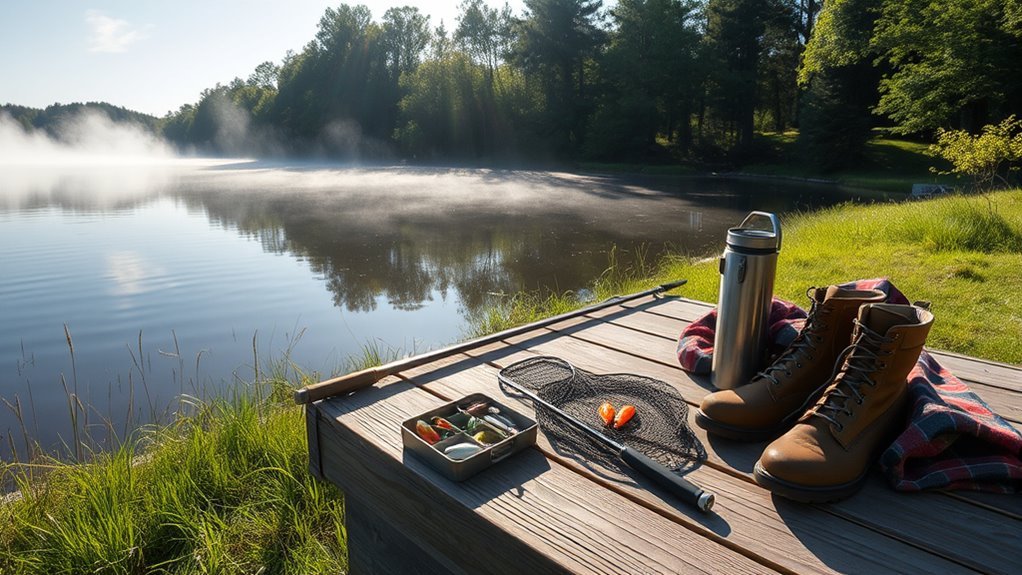
As a beginner angler, you do not need a garage full of gear to start fishing well. You need a simple rod and reel combo, the right fishing line, basic tackle, a few hand tools, and a valid fishing license for your area. Keep your first setup easy to carry, easy to organize, and matched to the fish you plan to catch. That way, you spend less time untangling gear and more time learning how fish bite, fight, and move.
Quick Answer
A beginner fishing checklist should include a 6- to 7-foot medium-action spinning rod and reel combo, monofilament line, hooks, sinkers, bobbers, bait or starter lures, needle nose pliers, line cutters, a tackle box, sun protection, and a fishing license. Start simple, then add gear as your skills grow.
Key Takeaways
- Start with a spinning rod and reel combo because it is easy to cast, forgiving, and useful in many fishing situations.
- Use monofilament line in the 4- to 12-pound range for most beginner freshwater fishing.
- Pack hooks, bobbers, sinkers, bait, pliers, line cutters, and a small first-aid kit before every trip.
- Check your local fishing rules before you fish, since license, size, season, and bag limits vary by location.
- Keep your tackle box organized so you can change rigs quickly and avoid frustration on the water.
At a Glance
| Time Required | 15 to 30 minutes to pack your first basic setup |
| Difficulty | Beginner-friendly |
| Tools Needed | Rod and reel, line, hooks, sinkers, bobbers, bait or lures, pliers, line cutters, tackle box |
| Cost | Low to moderate, depending on brand, license type, and how much tackle you buy |
Essential Fishing Gear
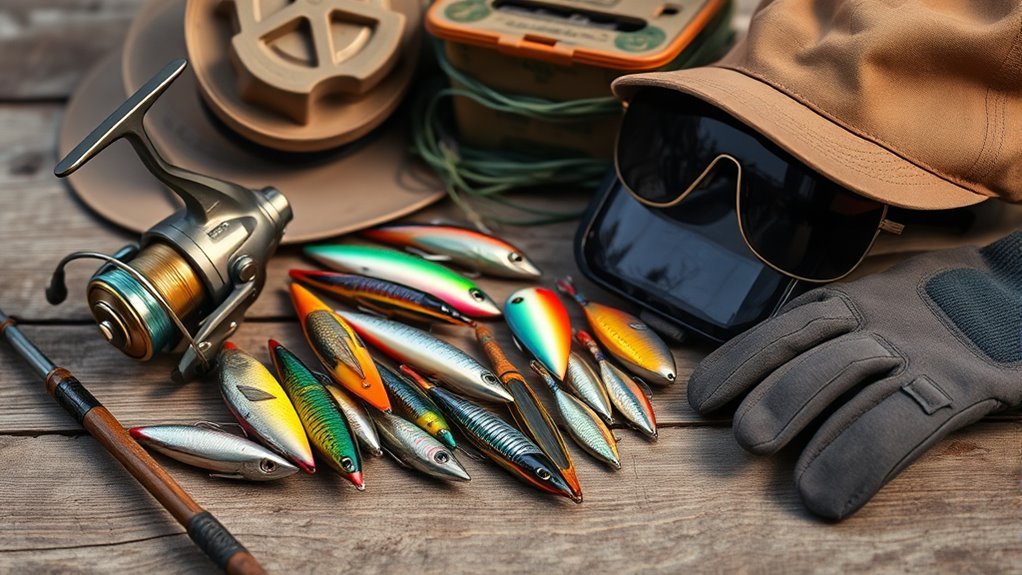
When you’re stepping into the world of fishing, having the right gear can make all the difference. A basic fishing rod and reel combo, typically six or seven feet long, is a smart choice for most beginners. This versatile setup lets you fish ponds, lakes, rivers, docks, and calm shoreline areas with confidence.
Start with a spinning combo instead of a baitcaster. Spinning reels are easier to cast, easier to untangle, and more forgiving while you learn line control. A medium-action rod gives you enough sensitivity to feel light bites, yet enough backbone to handle common fish like bluegill, crappie, trout, bass, and small catfish.
Make sure to grab some pre-spooled fishing line or a spool of beginner-friendly monofilament. If you fish around rocks, docks, brush, or toothy fish, you can add a fluorocarbon leader for extra abrasion resistance.
Don’t forget about your tackle box. A mid-sized one with trays and pockets helps keep your gear organized, reducing frustration. Fill it with essential tackle like hooks, sinkers, bobbers, swivels, and live bait options such as earthworms.
As you gain skills, consider adding soft plastic baits, small crankbaits, inline spinners, and jigs to expand your options. Basic hand tools like needle nose pliers and line cutters are also handy, allowing for safer fish handling and quick line adjustments.
Beginner Fishing Checklist
Before your first trip, use a checklist so you do not leave a key item at home. You can keep this list in your tackle box or save it on your phone.
- Rod and reel combo: A 6- to 7-foot medium-action spinning combo works for many beginner situations.
- Fishing line: Monofilament in the 4- to 12-pound range covers many common freshwater species.
- Hooks: Carry several sizes so you can match the bait and fish.
- Bobbers: Helpful for suspending bait and seeing light bites.
- Sinkers: Add weight so your bait reaches the right depth.
- Swivels: Reduce line twist and help connect simple rigs.
- Bait or lures: Worms, minnows, soft plastics, spinners, and small jigs are good starter choices.
- Pliers and line cutters: Use them for hook removal, trimming line, and quick rig changes.
- Tackle box: Keep hooks, weights, tools, and lures sorted by type.
- License and regulations: Check your local rules before fishing.
- Safety basics: Bring water, sun protection, a small first-aid kit, and a personal flotation device when needed.
Pro Tip: Pack your tackle the night before your trip. Tie one simple rig at home, then carry extra hooks, bobbers, and sinkers so you can adjust quickly once you reach the water.
Choosing the Right Rod and Reel
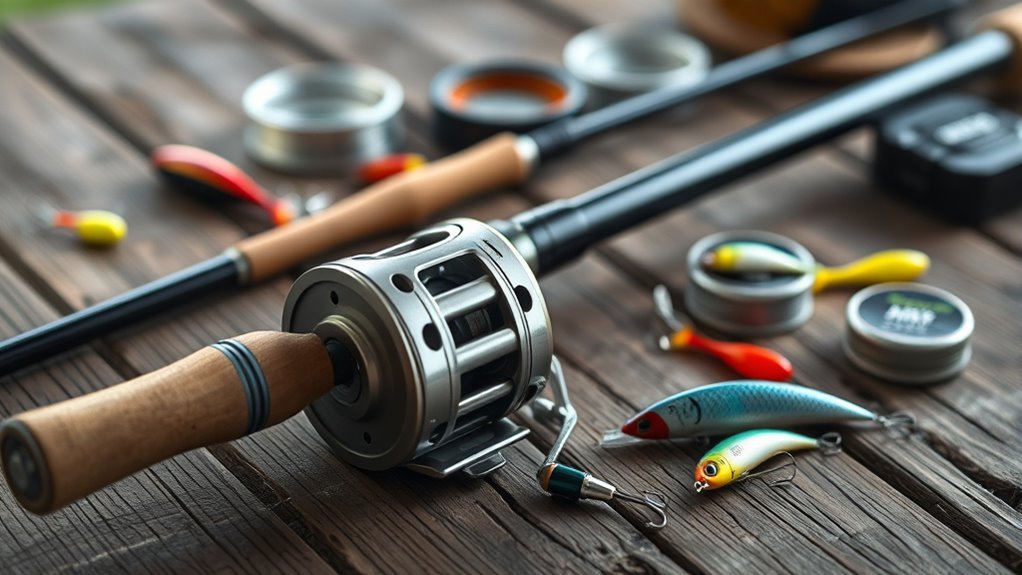
When you’re choosing your rod and reel, consider the length, action, reel size, and the kind of fishing you plan to do.
A medium-action rod around six to seven feet gives you flexibility for many fishing scenarios. Pair it with a spinning reel that has a smooth drag system, and you’ll be ready to handle common beginner catches.
Rod Length Considerations
Choosing the right rod and reel can greatly improve your fishing experience, especially when you are still learning the basics.
For most beginners, a six- to seven-foot medium-action spinning rod is your best starting point. This length offers versatility, making it suitable for freshwater lakes, ponds, rivers, and some shallow saltwater areas.
A longer rod helps with casting distance, while a shorter rod gives you better control in tight spots, such as brushy banks, docks, creeks, and crowded piers.
The medium action also strikes a balance between sensitivity and hook-setting power. You can feel bites without using a rod so stiff that it pulls the bait away too fast.
Spinning rod and reel combos are often pre-assembled, which simplifies your selection process and lets you focus on learning how to cast, retrieve, and fight fish.
Reel Features Overview
Understanding the key features of a fishing reel can make your first trips smoother. For beginners, a spinning reel is ideal because it is easy to cast and works well with light lures, live bait, and simple rigs.
When choosing a rod and reel combo, look for a six- or seven-foot rod with medium action. This setup balances sensitivity and strength for many species.
Confirm the reel features a smooth drag system. Drag controls how much resistance a fish feels when it pulls line from the reel. If the drag is too tight, the line may break. If it is too loose, you may struggle to set the hook or guide the fish away from cover.
Select a reel size based on your target fish. A size 20 or 30 spinning reel works well for panfish, trout, and smaller bass. Larger sizes are better for bigger bass, catfish, inshore species, or heavier lines.
Spincast vs. Spinning vs. Baitcasting
You will see three common reel types when shopping for beginner fishing gear: spincast, spinning, and baitcasting.
- Spincast reels: These push-button reels are simple and good for children or casual pond fishing, but they have less casting distance and less line control.
- Spinning reels: These are the best all-around choice for most beginners because they cast well, handle many line sizes, and work with bait or lures.
- Baitcasting reels: These offer excellent control for experienced anglers, but they require more practice and can backlash if you do not manage the spool correctly.
If you are buying one setup, choose a spinning combo first. You can try baitcasting later once you feel confident with casting, drag control, and lure presentation.
Selecting the Appropriate Fishing Line
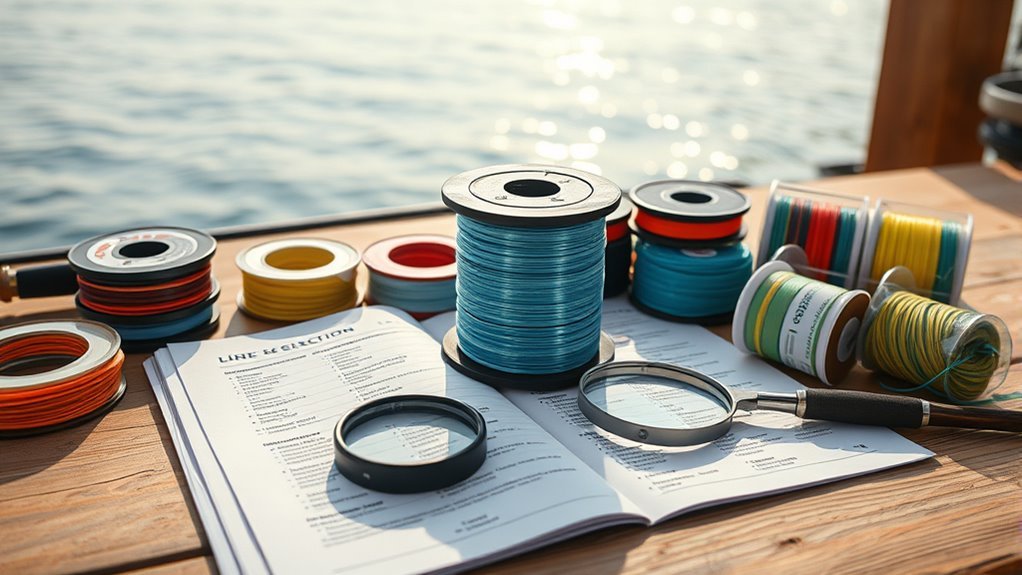
Choosing the right fishing line can make all the difference in your success on the water.
You’ll want to consider the type of line, strength, visibility, stretch, and abrasion resistance based on your target species and fishing style.
Additionally, selecting the appropriate strength and mastering some basic knots will set you up for a better fishing experience.
Types of Fishing Line
Selecting the right fishing line is essential for your success on the water. The three main types to consider are monofilament, fluorocarbon, and braided line.
Monofilament is the most beginner-friendly choice. It is flexible, affordable, easy to knot, and forgiving because it has some stretch. Recommended test strengths between 4 and 12 pounds work for many beginner freshwater trips.
Fluorocarbon is useful in clear water because it is harder for fish to see underwater. It also offers strong abrasion resistance around rocks, docks, and shell beds. Many beginners use it as a leader instead of filling the whole reel with it.
Braided line provides high sensitivity and strength with a thinner diameter. It helps with long casts and fishing around vegetation, but it is less forgiving and more visible in clear water. Beginners can use braid later once they are comfortable with knots and drag settings.
When choosing your fishing line, think about your target species, the fishing environment, the cover in the water, and your personal style.
Choosing Line Strength
When it comes to fishing line, picking the right strength can make all the difference in your success on the water.
For beginners, a monofilament line with a test strength of 4 to 12 pounds is a solid choice. If you’re targeting smaller species like panfish, opt for a lighter 4- to 6-pound test. For larger species like bass or catfish, go for an 8- to 12-pound test line to maintain better control.
Your line strength should match the size and behavior of your target fish. Light line casts small baits well, but it can break if you hook a larger fish or drag the line across rocks and wood. Heavier line offers more power, but it may reduce casting distance and make bait look less natural.
Always check local fishing regulations regarding line type, hook rules, bait rules, and license requirements. Choosing wisely will improve your fishing experience and help you land more fish.
Knot Recommendations for Beginners
Knot tying is an essential skill every beginner angler should master. Good knots keep your hooks, lures, and leaders secure while you cast and fight fish.
Here are three knot recommendations that will improve your fishing trips:
- Improved Clinch Knot: This reliable knot secures hooks, swivels, and many lures to your line. Make several wraps around the standing line, pass the tag end through the loop, moisten the knot, and pull it tight.
- Palomar Knot: This strong, simple knot works well with many hooks and lures. It is also a good option when you want a knot that is easy to remember.
- Double Uni Knot: This knot connects a leader line to your main line. It creates a smooth connection that helps reduce snags and breakoffs.
Practice at home before your trip. When you can tie two or three knots without rushing, you will spend more time fishing and less time fixing gear.
Note: Always wet your knot before tightening it. This reduces friction and helps the knot seat cleanly without weakening the line.
Tackle Essentials for Beginners

Getting started in fishing requires the right tackle essentials to create a successful and enjoyable experience. As a beginner, opt for a spinning rod and reel combo, ideally between six and seven feet in medium action. This setup offers versatility across different fishing environments.
Starting your fishing journey? A spinning rod and reel combo between six and seven feet is your best choice for simple, versatile fishing.
Your fishing checklist should include a selection of hooks. Sizes 6 to 10 work well for panfish, while larger hooks, up to about 2/0, are useful for bass and catfish.
Monofilament fishing line is a smart first choice because it ties strong knots, handles well, and gives you some stretch while fighting fish. A test range between 4 and 12 pounds works for many beginner targets.
Don’t forget basic accessories like bobbers and sinkers. Bobbers help suspend bait and show bites. Sinkers help keep bait in the strike zone. Split shot sinkers, egg sinkers, and small bank sinkers are common beginner options.
Swivels are also helpful because they reduce line twist, especially when using certain lures or rigs. A small pack of barrel swivels can save you from tangled line during a long day.
Finally, a well-organized tackle box will help keep everything in its place, reducing frustration while you fish.
Best Beginner Bait and Lures
Beginners should start with bait and lures that catch many species, not just one. Simple choices help you learn what fish eat and how they react.
- Earthworms: One of the easiest and most reliable baits for bluegill, trout, perch, bass, and catfish.
- Minnows: A strong option for crappie, bass, walleye, and other predatory fish where legal.
- Corn or dough bait: Useful for some stocked trout, carp, and panfish in certain waters.
- Inline spinners: Great for covering water and catching trout, bass, and panfish.
- Soft plastic worms: A good starter lure for bass when rigged simply.
- Small jigs: Effective for crappie, bluegill, trout, and bass when fished slowly.
Use smaller bait when fish are cautious or when you are targeting panfish. Use larger bait when you want bass, catfish, or other bigger species.
Simple Fishing Rigs for Beginners
You do not need complex rigs to catch fish. Learn a few basic setups first, then adjust them as you gain experience.
Bobber Rig
A bobber rig is one of the easiest ways to fish with live bait. Clip a bobber above your hook, add a small split shot weight if needed, and place your bait at the depth where fish are feeding.
This rig works well for bluegill, crappie, trout, perch, and other fish that feed off the bottom. Watch the bobber closely. If it dips, slides, or moves sideways, lift the rod and reel steadily.
Bottom Rig
A bottom rig keeps bait near the lake, river, or pond floor. It is useful for catfish, carp, and other fish that feed low.
Use a sinker to hold the bait down, then tie on a hook with bait such as worms, cut bait, or prepared bait. Keep a light grip on the rod so you can feel taps and steady pulls.
Lure Casting Setup
For lure fishing, tie your lure directly to the line or use a small snap if you plan to change lures often. Cast near visible cover, let the lure sink if needed, and retrieve it at a steady pace.
Start with small spinners, soft plastics, and jigs. These are easier to control than large crankbaits or heavy specialty lures.
Organizing Your Tackle Box
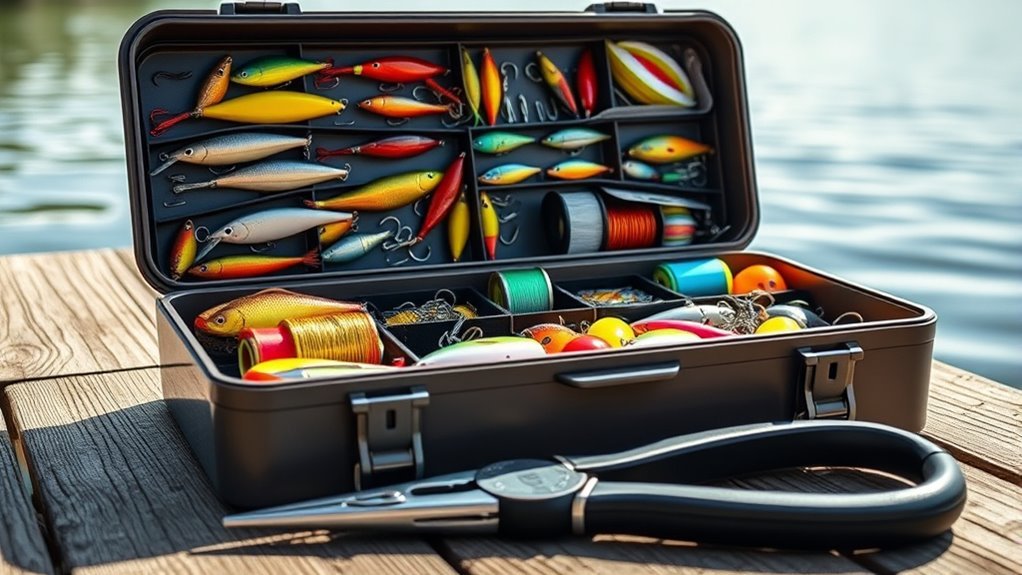
An organized tackle box can make all the difference in your fishing experience. To keep your gear efficient and easy to reach, follow these tips:
- Choose a mid-sized tackle box: Opt for one with trays and pockets to sort your lures, hooks, tools, and weights.
- Use separate compartments: Designate spaces for specific tackle types so you won’t waste time searching during your trip.
- Label each section: This helps you quickly identify contents and streamlines your setup before heading out.
Make sure to keep essential items, like fishing pliers and line cutters, in easy-to-reach pockets. Store sharp hooks in closed compartments so they do not spill into the bottom of the box.
Keep soft plastic baits in their original packaging when possible. Some plastics can react with other lures or tackle box trays, so separating them helps protect your gear.
Regularly clean and reorganize your tackle box after every fishing outing. Replace lost hooks, remove rusty tackle, dry wet items, and restock anything you used.
Necessary Hand Tools for Fishing
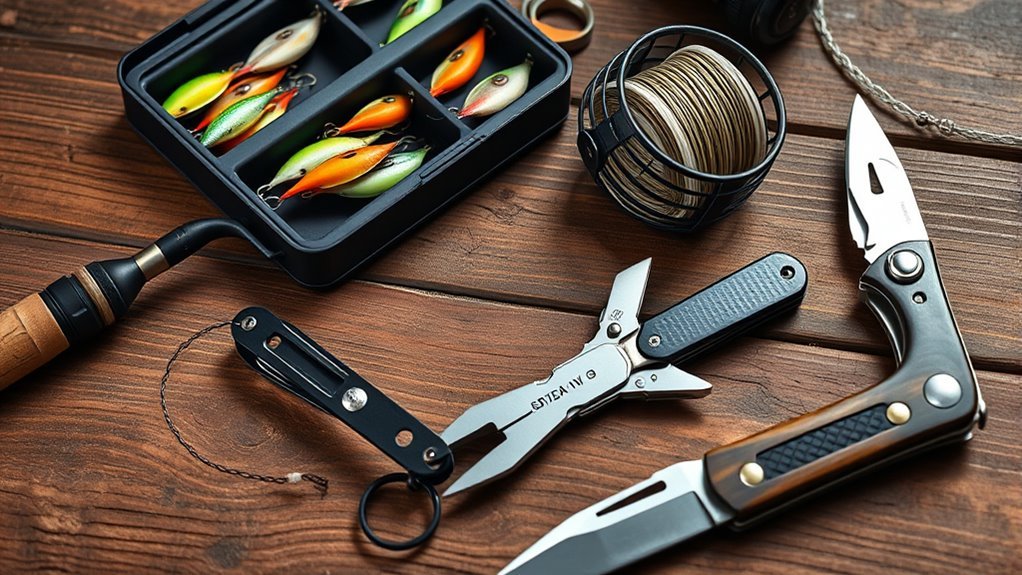
When you head out for a fishing trip, having the right hand tools can make all the difference in your success and enjoyment.
Essential hand tools for beginners include a pair of needle nose pliers, which are useful for safe fish handling, hook removal, and bending small pieces of tackle. You’ll find that a handheld line cutter is vital for quickly and cleanly cutting fishing line.
Essential tools like needle nose pliers and handheld line cutters improve your fishing experience by making hook removal, line trimming, and rig changes easier.
Avoid overly complicated tools at first. Stick to practical items that are easy to use. A multi-tool is another useful addition because it can combine pliers, a small knife, and other functions in one compact tool.
Add a small towel or fish-grip cloth to help control slippery fish. If you plan to release fish, wet your hands before handling them and avoid squeezing the gills or belly.
Finally, keeping your necessary hand tools organized will minimize frustration and guarantee easy access, helping you focus on what really matters: catching fish.
Safety Gear and Comfort Items
Fishing is more enjoyable when you stay safe and comfortable. Even short trips can turn frustrating if you forget sun protection, drinking water, or basic first aid.
- Personal flotation device: Wear one when fishing from a boat, kayak, canoe, pier edge, or fast-moving water.
- Sun protection: Bring sunscreen, sunglasses, a hat, and lightweight clothing.
- First-aid kit: Include bandages, antiseptic wipes, tweezers, and basic supplies for small cuts or hook scrapes.
- Water and snacks: Staying hydrated helps you focus and enjoy longer trips.
- Weather gear: Pack a light rain jacket or extra layer when conditions may change.
- Phone or map: Keep a charged phone or location plan in case you need help.
Warning: Never leave hooks loose in a pocket, bag, or open tray. Store them in closed compartments, and handle fish carefully so sudden movement does not drive a hook into your hand.
Acquiring Your Fishing License
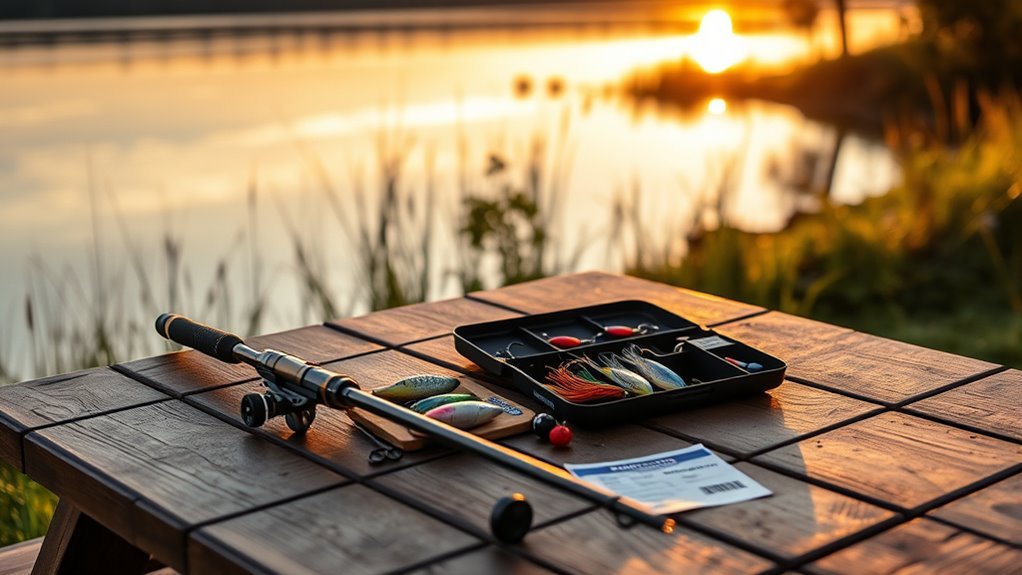
Acquiring a fishing license is an essential step before you cast your line into the water. It keeps you compliant with local laws and supports fishery management, habitat work, and conservation programs.
Here’s what you need to know:
- Purchase Options: You can often buy your fishing license online, through a state or local wildlife agency, or at outdoor retailers and bait shops.
- Cost Considerations: Short-term licenses are useful for occasional trips, while annual licenses can save money if you fish often.
- Age Exceptions: Many places offer free or reduced requirements for young anglers, but age rules vary by location.
License rules can change by state, province, country, waterbody, species, season, and fishing method. Before you fish, check the official local rules for your exact destination.
Understanding Local Fishing Regulations
Fishing regulations protect fish populations and help keep public waters healthy. As a beginner, you should check the rules before each trip, especially when fishing a new lake, river, coastline, or reservoir.
Common rules may include:
- License requirements: Who needs a license and what type they need.
- Bag limits: How many fish you can keep in one day.
- Size limits: The minimum or maximum length of fish you can keep.
- Seasons: Dates when certain species are open or closed to fishing.
- Bait rules: Restrictions on live bait, cut bait, or certain lure types.
- Hook rules: Limits on barbed hooks, treble hooks, or number of hooks.
- Special areas: Catch-and-release zones, protected waters, and access restrictions.
Do not rely only on old signs, social media posts, or advice from another angler. Use the most current official regulation source for your area.
Practicing Responsible Fishing Conservation
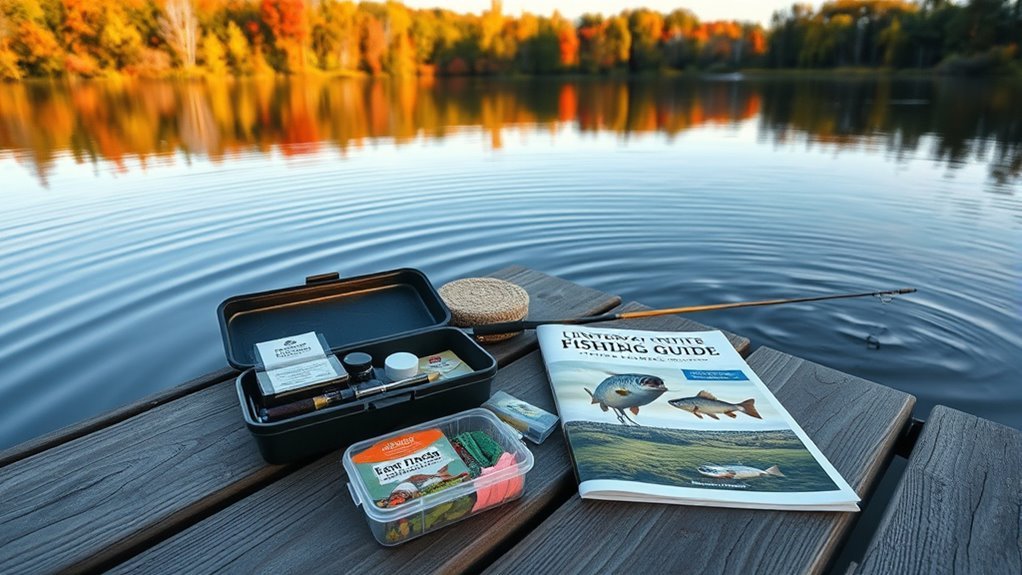
Practicing responsible fishing conservation is essential for maintaining healthy ecosystems and ensuring that future generations can enjoy the sport you love.
Always follow local fishing regulations, including size and bag limits, to help sustain fish populations. When you release fish, use careful catch and release habits. Keep fish in the water as much as possible, use pliers for quick hook removal, and avoid placing fish on hot or dry surfaces.
Only keep what you can use. This prevents waste and supports healthy fish stocks.
After your fishing trip, clean up your area by packing out trash and disposing of fishing line properly. Discarded line can injure birds, turtles, fish, and other wildlife.
You can also take part in local conservation efforts, such as shoreline cleanups, habitat restoration projects, or fish stocking programs. These efforts help protect the aquatic environments that make fishing possible.
Best Times and Places for Beginner Fishing
Beginner anglers usually have the best experience when they choose easy access, active fish, and calm conditions. You do not need a boat to start.
Good beginner spots include:
- Public ponds: Often easy to reach and stocked with panfish, bass, trout, or catfish.
- Fishing piers: Great for shoreline access and deeper water without a boat.
- Lake banks: Look for shade, weeds, rocks, docks, or points.
- Slow river bends: Fish often hold near current breaks, logs, and deeper pools.
- Reservoir coves: Calm coves can hold baitfish and feeding predators.
Early morning and late afternoon are often productive because fish may feed more actively during lower light. Cloudy days, light wind, and gentle rain can also help fish feel more comfortable in shallow areas.
Common Beginner Fishing Mistakes
Every angler makes mistakes while learning. Avoiding a few common ones can make your first trips much more enjoyable.
- Using too much gear: Carrying too many lures and tools makes it harder to stay organized. Start with the basics.
- Fishing too fast: Many beginners reel too quickly. Slow down and let the bait stay where fish can find it.
- Ignoring the drag: Set your drag before fishing so a strong fish can pull line without breaking it.
- Using hooks that are too large: Match hook size to the bait and fish. Small fish need small hooks.
- Making too much noise: Loud footsteps, banging tackle boxes, and splashing can spook shallow fish.
- Skipping regulations: Always check license, size, season, and bag limits before keeping fish.
When a trip does not go well, treat it as practice. Notice where fish were feeding, what bait they ignored, and what conditions helped or hurt your chances.
Frequently Asked Questions
What are the best times of day to fish?
The best times to fish are often early morning and late afternoon. During these lower-light periods, many fish move closer to feeding areas. You can also do well on cloudy days, during light rain, or when wind pushes bait toward a bank.
How do weather conditions affect fishing success?
Weather affects water temperature, light, oxygen, and fish movement. Bright sun can push fish deeper or into shade, while overcast skies may keep them feeding longer in shallow water. Sudden storms, strong wind, or sharp temperature changes can make fishing harder.
Can beginners fish from a boat or kayak?
Yes, beginners can fish from a boat or kayak, but safety comes first. Wear a personal flotation device, keep your gear simple, check the weather, and stay aware of wind, current, other boats, and your launch point. Start in calm, protected water.
What types of bait are best for beginners?
Live bait like worms and minnows is often best for beginners because many fish recognize it as natural food. Simple lures like inline spinners, small jigs, and soft plastic worms are also good because they are easy to cast and retrieve.
How can I find local fishing spots?
You can find local fishing spots by checking official public access maps, visiting bait shops, asking local anglers, joining fishing forums, and exploring nearby lakes, rivers, ponds, reservoirs, and piers. Always confirm access rules before fishing private or restricted areas.
What should a beginner take on a first fishing trip?
A beginner should take a rod and reel, fishing line, hooks, sinkers, bobbers, bait or lures, pliers, line cutters, a tackle box, a license, water, sun protection, and a small first-aid kit. Keep your first trip short and simple.
Conclusion
As you gear up for your fishing adventures, remember that success starts with simple, reliable equipment and good habits. A beginner checklist helps you pack the right gear, follow local rules, stay safe, and enjoy your time outdoors.
Start with a spinning rod and reel combo, basic tackle, beginner-friendly bait, and the tools you need for safe hook removal and line changes. Learn one or two rigs, practice your knots, and keep your tackle box organized after every trip.
With your beginner fishing checklist in hand, you’re ready to enjoy the thrill of the catch while respecting the water, the fish, and the environment around you. Grab your gear, head out, and let each trip teach you something new.
1 thought on “Beginner Fishing Checklist Guide”