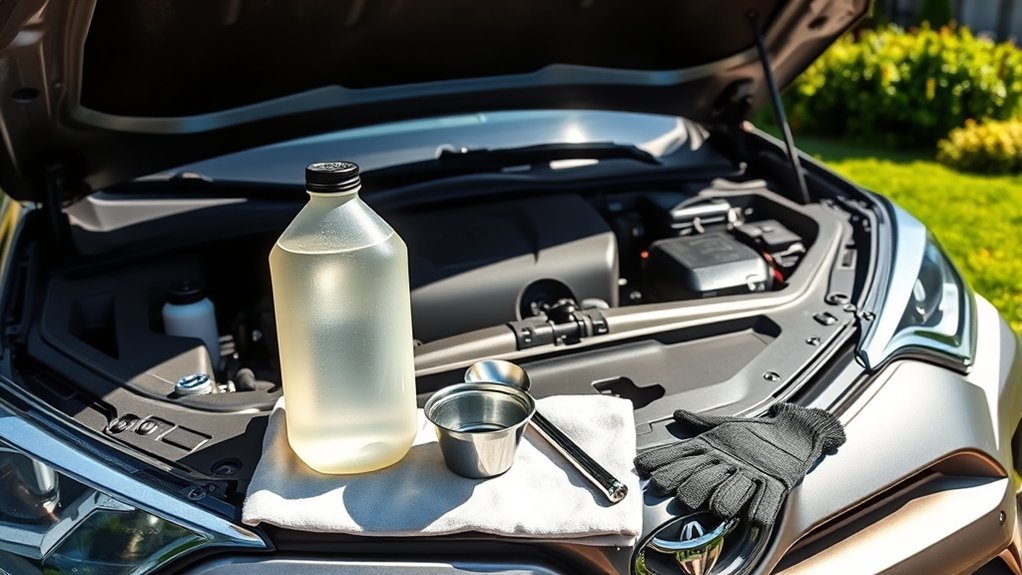
Changing the power steering fluid in an older Toyota RAV4 is a simple maintenance task. You will need a fluid pump, a funnel, and the correct fluid, such as ATF DEXRON III/MERCON or Toyota ATF D-III. To do the job, extract the old fluid from the reservoir using the pump. Temporarily block the return hose, and then refill the reservoir with fresh fluid. Finally, turn the steering wheel a few times to mix the new fluid into the system. If your steering feels heavy or the fluid looks dirty, a change is likely overdue.
Does My RAV4 Even Have Power Steering Fluid?
Before buying fluid or tools, check the year of your vehicle. Not all Toyota RAV4s use power steering fluid.
- 1996 to 2005 models: These first and second-generation RAV4s use traditional hydraulic power steering systems. You need to check and change the fluid regularly.
- 2006 and newer models: Starting with the third generation, Toyota switched the RAV4 to Electric Power Steering (EPS). These models do not use power steering fluid. If your steering feels stiff in a 2006 or newer RAV4, you are likely dealing with an electrical or mechanical issue, not a fluid problem.
Key Takeaways
- Check your year: Only 1996 to 2005 RAV4 models use power steering fluid. Newer models have electric steering.
- Fluid type: Use ATF DEXRON III/MERCON or Toyota ATF D-III for compatible older models.
- Maintenance schedule: Change the fluid every 30,000 to 50,000 miles, or every 2 to 3 years, to keep the pump working well.
- Warning signs: Dark fluid, a burnt smell, or whining noises mean you need a fluid change.
- Required tools: A fluid pump and a funnel make extraction and refilling easy.
How to Change Power Steering Fluid in Your RAV4
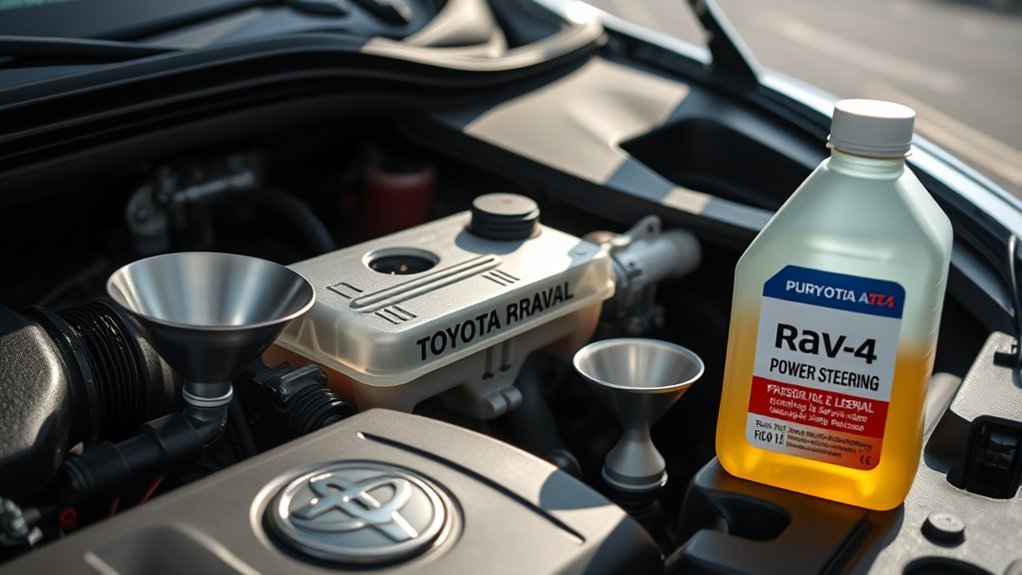
Changing the power steering fluid in a compatible Toyota RAV4 is a simple job that helps the steering system work better.
Start by using a fluid pump or syringe to extract the old fluid from the reservoir. Try to remove as much old fluid as possible. You can temporarily block the return hose to allow for a controlled replacement of about 200 to 250 milliliters of fluid at a time.
Next, fill the reservoir with ATF DEXRON III/MERCON or the Toyota equivalent, ATF D-III. Leave the cap off and turn the steering wheel all the way to the left and right a few times. This forces the new fluid through the system and pushes any trapped air to the top.
While you are working, check the return hose for any cracks or crumbling rubber. Good hoses are critical for keeping the system sealed.
Finally, top off the fluid so it reaches the full line on the reservoir. Check the level again after driving a few miles to make sure it has not dropped.
[Amazon Products Picked for You]

Compatible for 2002-2003 ES300, for 2004-2006 ES330, for 2007-2012 ES350, for 2010-2012 GX460, for 2003-2009 GX470, for 2004-2006 RX330, for 2007-2009 RX350

Engineered Stop Leak Protection: Specially formulated to condition and rejuvenate worn seals, helping stop existing leaks and preventing future fluid loss for smoother steering performance

ALL ASIAN CAR COVERAGE: Fully compatible with all Asian vehicles, including Subaru, Honda, Toyota, Lexus, Acura, and Mitsubishi
Tools You’ll Need for the Fluid Change
You only need a few basic tools to change the power steering fluid in your RAV4.
A fluid pump or large syringe is necessary for pulling the old fluid out of the reservoir. You will also want a small funnel to pour the new fluid cleanly without spilling it on the engine belts.
Make sure you buy the correct fluid. For a 1998 RAV4, you need ATF DEXRON III/MERCON or Toyota ATF D-III.
Ensure you use the correct power steering fluid: ATF DEXRON III/MERCON or Toyota’s ATF D-III for your 1998 RAV4.
A syringe with a long plastic tube helps you reach the bottom of the reservoir so you can measure exactly how much fluid you remove.
If you have trouble reaching the reservoir, safely lifting the front of the vehicle with a jack and jack stands can give you better access. Lifting the front wheels also makes it much easier to turn the steering wheel from side to side when mixing the new fluid.
[Amazon Products Picked for You]

HIGH-CAPACITY TRANSFER - This 200cc fluid extractor pump effectively removes and fills brake fluid, gear oil, antifreeze, and power steering fluid with precise control, making routine maintenance and fluid changes cleaner and more efficient

LONGER REACH - Equipped with two 12-inch extension hard tubes and a 23-inch flexible silicone hose, this oil syringe tool extends over 50 inches, making it effortless to access tight spots in cars, trucks, and motorcycles

Fluid Transfer without Friction - the Thorstone syringe style liquid extractor comes with extension tubes with 0.24 inch OD and 0.32 inch OD, which are up to 40 cm long when connected and are long enough to remove hard-to-reach areas for removing and changing transmission fluid, power steering fluid, transmission oil, frost protection and brake fluid.
Warning Signs Your Power Steering Fluid Is Contaminated
Power steering fluid changes color and texture as it ages. Fresh fluid is usually a clear red color. If the fluid in your reservoir looks dark, brown, or murky, it is contaminated and needs replacing.
Listen for unusual noises. A whining, groaning, or grinding sound when you turn the wheel often means the fluid is either low or too dirty to lubricate the pump properly.
Check the reservoir for foam or bubbles. Bubbles indicate air is getting into the system, which usually points to contamination or a leaking hose. If the fluid smells burnt, it has overheated and degraded.
Finally, if the steering wheel feels heavy or stiff, the fluid has likely lost its lubricating power. A quick fluid change is usually the best first step to fix a stiff steering wheel.
[Amazon Products Picked for You]
50,000 mile fluid life
Helps protect the power steering system for long service life

The service solution for ALL European, North American, and Asian vehicles (Honda fluid recommended for Honda/Acura vehicles)
When to Change Your RAV4’s Power Steering Fluid?
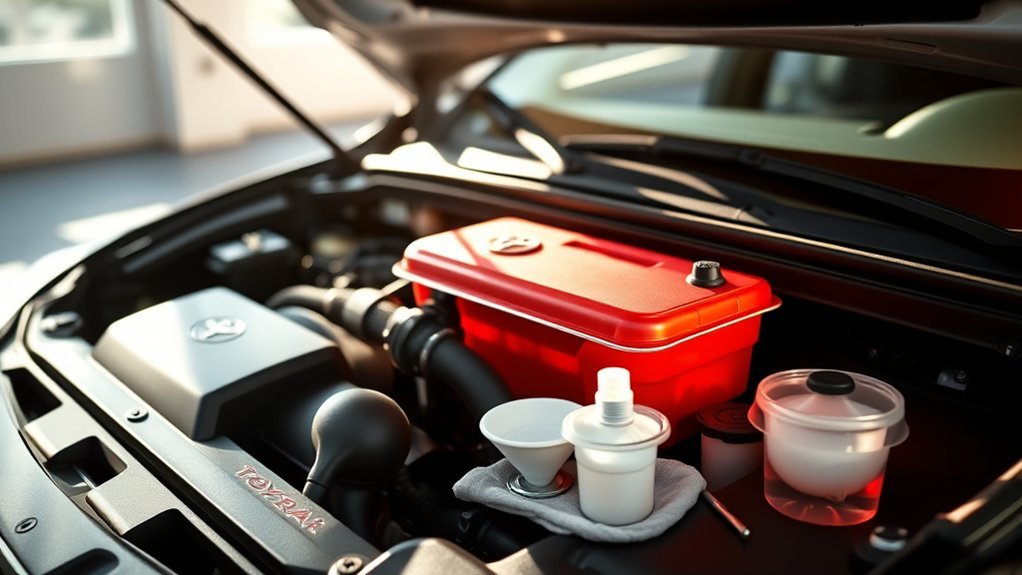
Most mechanics recommend changing your RAV4’s power steering fluid every 30,000 to 50,000 miles, or about every 2 to 3 years. This timeline can shift depending on how much you drive and the conditions of the roads you travel.
You should also change the fluid early if you notice any warning signs. Hard steering, strange noises during turns, or dark fluid are all clear signals. Make it a habit to check the fluid level in the reservoir every few months. A sudden drop in fluid usually means you have a leak.
Running a vehicle on contaminated fluid forces the power steering pump to work harder. This extra friction wears out the pump faster and can lead to expensive repair bills. Replacing the fluid and checking the hoses regularly is an easy way to avoid larger mechanical failures.
What to Expect After Changing Your Power Steering Fluid
You should feel an immediate difference in performance after a fluid change. The steering wheel will feel lighter and more responsive because the fresh fluid moves through the pump and hoses much easier.
You might hear a brief howling or whining noise right after the change. This is normal. It happens as the pump pushes trapped air bubbles out of the fresh fluid. The noise should fade completely after you turn the steering wheel back and forth a few times.
| Observation | Expected Change | Notes |
|---|---|---|
| Noise Level | Brief howling noise | Should disappear after a few turns |
| Steering Feel | Lighter and smoother | Noticeable right away |
| Fluid Color | Clear red | Easy to check on the dipstick |
| System Check | No leaks or drips | Check hoses a few days later |
Related Guides
Frequently Asked Questions
Can I Use Any Power Steering Fluid for My RAV4?
No, you cannot use universal power steering fluid. You must use the specific fluid designed for your vehicle. For 1996 to 2005 RAV4 models, this is typically ATF DEXRON III/MERCON or Toyota ATF D-III. Using the wrong fluid can damage the pump and seals.
Will Changing the Fluid Improve Steering Responsiveness?
Yes. Fresh fluid removes built-up dirt and metal shavings. This clean lubrication allows the internal parts to slide smoothly, which makes the steering wheel feel lighter and respond faster.
How Do I Know if My Power Steering Fluid Is Low?
Look at the plastic power steering reservoir under the hood. It has minimum and maximum lines printed on the side. If the fluid sits below the minimum line, your system is low and likely has a leak.
Is It Safe to Drive With Contaminated Power Steering Fluid?
Driving with dirty fluid is not recommended. It degrades the seals and forces the power steering pump to grind against metal shavings. Eventually, the pump will fail, which will make the car very difficult to steer and lead to a larger repair bill.
Can I Change the Power Steering Fluid Myself?
Yes, swapping out the fluid in the reservoir is an easy job you can do at home. All you need is a fluid extractor syringe, a funnel, and a drain pan. Replacing the fluid yourself saves money and keeps your steering system healthy.
Conclusion
Changing your RAV4’s power steering fluid is a simple way to protect the steering system and keep your car driving smoothly. If you own a 1996 to 2005 model, replacing the old, murky fluid will immediately make the steering wheel lighter and quieter. Check the fluid level and color during your normal oil changes. Catching a leak or degraded fluid early will save you from having to replace the entire power steering pump later. Grab a fluid pump, pick up the correct ATF, and handle this quick maintenance task in your own driveway.
