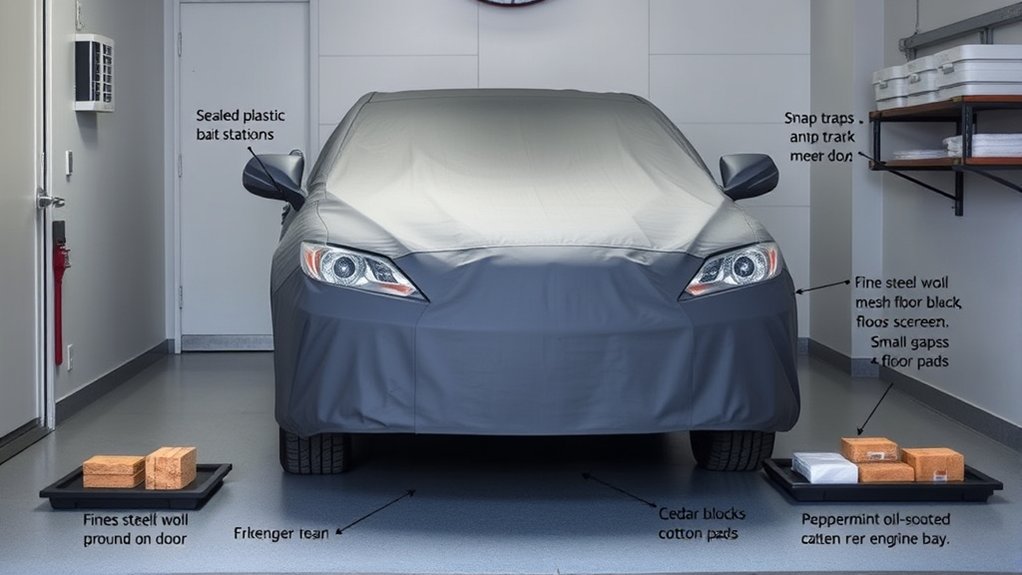
Rodents can turn a stored Toyota Camry into a nesting site, especially when the car sits undisturbed near food, vegetation, clutter, or an active infestation. The most reliable defense is layered prevention: remove attractants, improve the parking area, inspect the vehicle before starting it, use traps correctly, and clean contamination without stirring up dust.
Quick Answer
To keep rodents out of a stored Toyota Camry, remove all food and clutter, park in a clean garage or open area away from vegetation, inspect the engine bay and air intake regularly, and place snap traps along nearby walls. Seal building gaps, not vehicle vents, and disinfect droppings before cleanup.
Key Takeaways
- Clean out food, wrappers, tissues, paper, and other nesting material before storage.
- Inspect the engine bay, cabin air intake, air-filter housing, trunk, and interior before starting a car that has been sitting.
- Use properly placed snap traps around the parking area; do not scatter loose bait near the vehicle.
- Never dry sweep or vacuum rodent droppings or nests before disinfecting them.
- Have a mechanic inspect chewed wiring, hoses, belts, insulation, or blocked air-intake components before driving.
At a Glance
| Time Required | 30–60 minutes for preparation and inspection; longer if cleanup or repairs are needed |
| Difficulty | Easy for prevention; professional help recommended for wiring damage, HVAC contamination, or heavy infestation |
| Tools Needed | Flashlight, gloves, long sleeves, EPA-registered disinfectant, paper towels, sealable bags, snap traps, and a replacement air filter if contaminated |
| Cost | About $15–$50 for basic supplies; repairs vary widely with the damaged component |
Warning: Do not start or drive the Camry if you see chewed wiring, damaged hoses, fluid leaks, a nest near moving or hot parts, or debris in the air intake. Do not dry sweep or vacuum droppings. Disinfect contamination first and arrange a professional inspection when damage is visible or access is limited.
Why Rodents Are Attracted to Your Toyota Camry
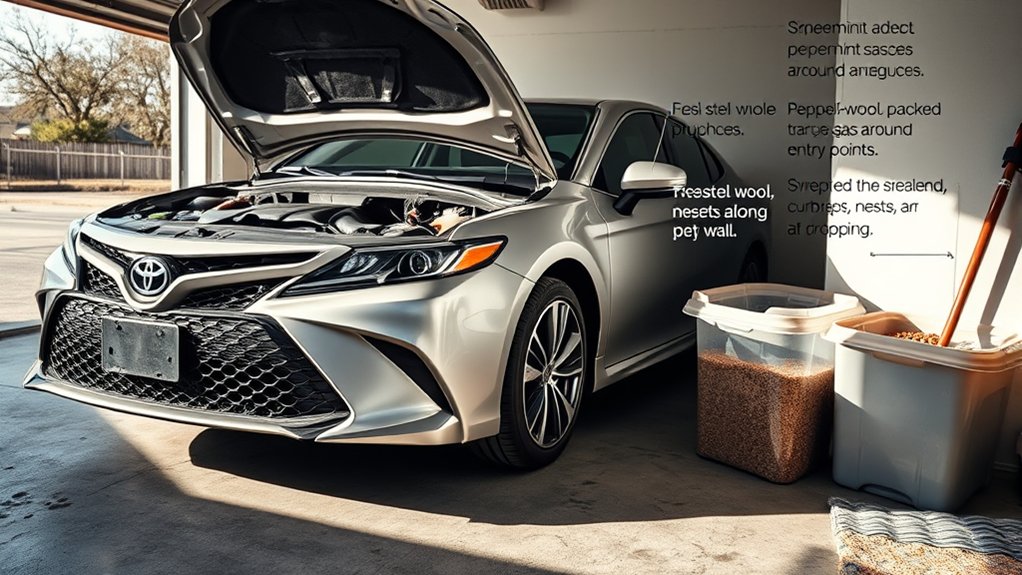
A parked Camry offers what rodents seek: shelter, darkness, quiet, and protection from weather and predators. The engine compartment, cowl area, air-filter housing, trunk, and cabin can provide secluded spaces for nesting, particularly when the vehicle is used infrequently.
Food scraps, pet food, birdseed, trash, and nearby garbage can increase the attraction. Paper, tissues, fabric, hood insulation, and other soft materials may be shredded for nests. Rodents also gnaw many materials, including wiring insulation, hoses, plastic, and sound-deadening material. There is no dependable evidence that a Toyota Camry is uniquely attractive because of “soy-based” components, so prevention should focus on access, shelter, food, and existing rodent activity rather than one material.
Rodents can reach a vehicle from garage walls, shelving, vegetation, wheel wells, underbody openings, ducting, rusted areas, or cable routes. Because some of these openings are necessary for drainage, ventilation, cooling, or component movement, vehicle-specific exclusion should be evaluated by a qualified mechanic rather than blocked at random.
Common Signs of Rodent Infestation in Vehicles
Look for several clues together rather than relying on one sign. Fresh droppings after a safe cleanup, new gnaw marks, disturbed insulation, repeated nesting material, or an odor that returns after cleaning suggests current activity.
Droppings and Nest Presence
Small dark droppings, urine staining, shredded paper, fabric, leaves, grass, food caches, or seed shells may appear under the hood, near the cowl, inside the air-filter housing, in the trunk, beneath seats, or in storage pockets. Nesting material in an air intake or blower housing can reduce airflow and spread odor through the cabin.
Do not judge droppings by sight alone or handle them dry. Wear gloves, wet them thoroughly with a compatible disinfectant, allow the label-specified contact time, and wipe them up with paper towels. After cleaning, monitor for new droppings to determine whether activity continues.
Chewed Wiring and Insulation
Check visible wiring looms, connectors, hoses, belts, insulation, and plastic covers for tooth marks, missing sections, exposed conductors, or shredded edges. Warning lights, a no-start condition, rough running, electrical faults, fluid leaks, or a burning smell can indicate hidden damage.
Do not tape over exposed conductors and assume the repair is complete. Modern vehicle circuits can be safety-critical, and a damaged harness may require testing, repair, or replacement by a trained technician.
Unpleasant Odors and Sounds
A musky or ammonia-like odor may come from urine, nesting material, or a dead rodent. Scratching, rustling, or movement sounds can point to an animal in the cowl, dashboard, ducts, trunk lining, or engine compartment. An odor that becomes stronger when the fan runs may indicate contamination in the cabin air intake, filter, blower housing, or ductwork.
If a live rodent may be trapped in the vehicle, avoid reaching into blind spaces. Open the vehicle in a safe, ventilated area and use traps around the parking location or contact a pest professional.
Prepare Your Camry Before Storage
Rodent prevention works best when it begins before the car is parked. Complete these steps before a long storage period:
- Remove every food source. Take out snacks, gum, pet treats, drink cups, wrappers, grocery residue, and trash.
- Remove nesting material. Clear tissues, napkins, loose paper, reusable bags, clothing, blankets, and cardboard.
- Clean the cabin and trunk. Vacuum ordinary crumbs only when there is no sign of rodent waste. If droppings or nests are present, follow the wet-cleaning procedure below instead.
- Inspect the engine bay and cowl. Look around the battery area, fuse boxes, air intake, air-filter housing, strut towers, and insulation.
- Reduce nearby attractants. Store birdseed, pet food, grass seed, and trash in sturdy containers with tight lids.
- Follow year-specific storage guidance. Use the owner’s manual for battery maintenance, tire pressure, fluids, parking-brake use, and hybrid-specific precautions.
Pro Tip: Photograph the engine bay, cowl, air-filter housing, trunk, and cabin after cleaning. During later inspections, side-by-side photos make new nesting material, disturbed insulation, or shifted wiring easier to spot.
How to Set Traps and Deterrents for Your Camry
When you see signs of activity, use snap traps in the surrounding garage or parking area rather than placing loose food near the car. Choose traps sized for the rodent, follow the manufacturer’s instructions, and keep every trap inaccessible to children and pets.
- Place traps along walls, behind stored items, or near droppings and gnaw marks.
- For mice, position the trigger end next to the wall so the trap forms a “T” with the wall.
- Use only a small amount of bait, such as a thin smear of peanut butter, on the trap’s bait pan.
- Check traps at least daily and dispose of rodents using gloves and the safe cleanup method.
- Continue until there are no captures and no new signs for at least one week.
Do not place an unsecured trap, bait, mothball, or repellent in the engine compartment where it could move into belts, fans, hot surfaces, or electrical parts. Glue traps and live traps can prolong distress and increase contact with urine. If trapping fails, consult a licensed pest professional.
Poison bait is not the first choice around a stored vehicle because a rodent may die in an inaccessible cavity, and rodenticides can harm children, pets, and wildlife. If poison is necessary for a persistent infestation, use only an EPA-registered product in a tamper-resistant bait station and follow the label exactly.
Rodent Prevention: Best Parking Practices
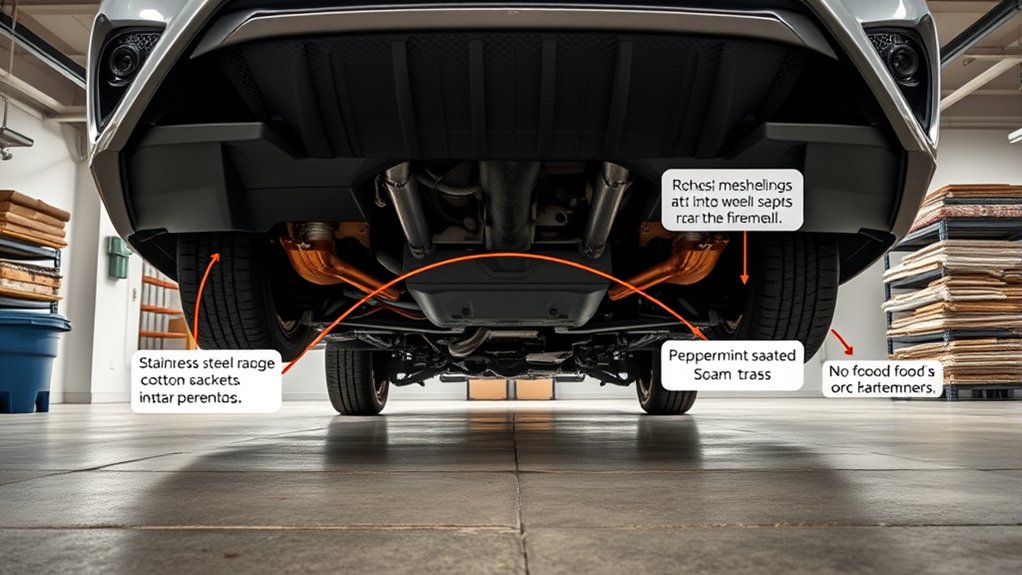
Where and how you park can lower the chance of an infestation, but no location is completely rodent-proof. Use these practices together:
- Choose a clean, sealed garage when possible. Repair door sweeps, gaps around utility lines, and openings in walls before storage.
- Keep the perimeter open. Avoid dense vegetation, brush, woodpiles, cardboard, feed, and debris beside the car.
- Move and inspect the car regularly. An undisturbed vehicle gives rodents time to build a nest. A brief start is not a substitute for inspection or for a proper drive that brings the vehicle to operating temperature.
- Use lighting as a supporting measure only. Good visibility helps inspections, but light alone does not exclude rodents.
- Use a fitted, breathable car cover only for its intended purpose. A cover can protect the finish but is not a rodent barrier; inspect underneath it regularly and never cover a wet or contaminated vehicle.
- Keep the hood closed unless a controlled storage plan calls for otherwise. Some owners open the hood to make the engine bay less sheltered, but this is not a proven standalone control and can create safety, moisture, or access problems.
Why Keeping Your Camry Clean Matters
Cleanliness removes food odors, crumbs, and nesting material, making the vehicle less rewarding to explore. It also makes fresh signs easier to detect during routine checks.
Remove Food Sources
- Remove food, cups, wrappers, gum, and trash immediately.
- Clean spills and sticky residue from cup holders, seat rails, door pockets, and floor mats.
- Keep pet food, birdseed, grass seed, and emergency snacks outside the vehicle in sealed containers.
- Clean the cabin and trunk after road trips, picnics, and grocery runs.
- Vacuum ordinary crumbs only when no rodent waste is present; disinfect droppings and nests before any vacuuming or shampooing.
Eliminate Nesting Materials
Remove paper, tissues, cloth, cardboard, and other loose items that rodents can shred. Keep the glove box, trunk, under-seat areas, and cargo organizers uncluttered. Inspect stored emergency gear and reusable bags, especially when the vehicle will sit for weeks.
Clean the garage as well as the car. Cluttered shelves, cardboard boxes, pet bedding, and feed bags can support a nearby rodent population even when the cabin is spotless.
Effective Use of Natural Rodent Repellents
Peppermint oil, cedar, cloves, cayenne pepper, dryer sheets, and ultrasonic devices are often promoted as rodent repellents, but they should not replace sanitation, exclusion, inspection, or trapping. Scent-based effects may be weak, short-lived, or inconsistent, and rodents may tolerate them when food and shelter remain available.
- Peppermint or clove oil: Treat as an optional scent deterrent only. Keep oils away from painted surfaces, upholstery, plastics, electrical components, hot parts, children, and pets.
- Cedar products: A mild scent may be used around the storage area, but loose shavings should not be placed in the engine bay or air intake.
- Cayenne pepper: Avoid powders in or around the vehicle because they can irritate eyes and lungs, contaminate ventilation, and blow onto people or animals.
- Dryer sheets: They may add odor but are not a dependable barrier and can become nesting material.
- Ultrasonic devices: Do not rely on them as the only control; placement, obstructions, and habituation can limit results.
If you use any commercial repellent, choose one labeled for the intended location and target species, and follow all directions. Refreshing a scent does not solve an entry point or an active infestation.
How to Seal Entry Points in Your Vehicle
Start with the building and parking area. Mice can fit through an opening about 1/4 inch wide, so inspect garage door corners, utility penetrations, vents, wall gaps, and damaged weather stripping. Use durable, rodent-resistant materials appropriate for the structure and keep food and trash sealed.
Vehicle openings require more caution. Rodents may use ducting, rusted areas, cable routes, cowl openings, damaged grommets, or missing shields, but some openings are essential for airflow, water drainage, heat management, and component movement. Ask a mechanic to identify damaged seals, missing clips, loose liners, or safe locations for model-appropriate screening.
Note: Do not pack foam, steel wool, wire mesh, tape, or aluminum flashing into random openings under the hood or undercarriage. Do not wrap tires or leave loose barriers beneath the car. Improvised materials can retain moisture, block drains or ventilation, contact hot parts, or interfere with steering, suspension, brakes, belts, and fans.
How Do Seasonal Changes Affect Rodent Activity?
Rodent pressure often rises when weather, food availability, or habitat changes push animals toward shelter. Fall and winter commonly bring more attempts to enter garages and vehicles, but risk can also rise after heavy rain, flooding, landscaping, harvest activity, construction, or a sudden loss of outdoor food.
- Fall: Rodents may gather food and nesting material and investigate sheltered spaces.
- Winter: Warm, dry, undisturbed compartments can become attractive shelter.
- Spring: Breeding and dispersal can bring young rodents into new areas.
- Summer: Heat does not eliminate risk, especially near food, water, shade, or active nests.
Maintain prevention year-round and increase inspections whenever the vehicle sits longer than usual or local rodent signs increase.
Regular Inspection Tips for Early Detection of Damage
Inspect the Camry before storage, at least weekly during a high-risk storage period, and again before starting it after an extended idle period. Use a flashlight and look without reaching into blind areas.
- Open the hood, doors, and trunk in a well-ventilated area and allow the vehicle to air out.
- Check the cowl, cabin air intake, engine air-filter housing, fuse boxes, battery area, insulation, and visible wiring.
- Look under seats, in the trunk, around the spare-tire well, and inside storage compartments.
- Check beneath the vehicle for nesting debris, leaks, or damaged splash shields.
- Smell for urine, decay, fuel, or burning odors.
- Compare current conditions with reference photos and record any new droppings, gnaw marks, or moved material.
If you plan to inspect near electrical components or disconnect a battery, follow the owner’s manual for the exact Camry year and powertrain. Hybrid vehicles contain high-voltage systems that owners should not service or approach beyond the manual’s user-level instructions.
How to Clean Rodent Droppings and Nests Safely
Rodent urine, droppings, saliva, dead animals, and nesting material can carry disease. The CDC provides vehicle-specific cleanup guidance. Use this safer sequence:
- Ventilate first. In a well-ventilated location, open the hood, doors, and trunk and let the vehicle air out for about 20 minutes.
- Wear protection. Put on rubber or plastic gloves and a long-sleeved shirt. Heavy infestations require additional protective equipment and professional guidance.
- Do not stir up dust. Do not dry sweep, vacuum, or use compressed air or a high-pressure sprayer on waste or nests before disinfection.
- Wet the material. Spray droppings, urine, nests, and surrounding surfaces with an EPA-registered disinfectant that is compatible with the vehicle surface. Keep the material wet for the product’s label-specified contact time; CDC guidance uses five minutes when applicable.
- Wipe and bag. Pick up material with paper towels. Seal waste in a bag; double-bag dead rodents and nests.
- Clean the surrounding area. Apply additional compatible disinfectant and wipe hard surfaces. Do not saturate electrical connectors or sensitive electronics.
- Replace contaminated filters. If nesting material is in an air intake or filter housing, discard the contaminated filter and install the correct replacement after the area is safely cleaned.
- Wash up. Wash gloved hands before removing gloves, then wash bare hands with soap and warm water.
Bleach solutions can discolor or corrode vehicle materials and must never be mixed with ammonia or other cleaners. A compatible EPA-registered disinfectant is often the safer choice for automotive surfaces. For contaminated upholstery, ducts, inaccessible cavities, or a heavy infestation, use a qualified detailer, duct-cleaning specialist, pest professional, or mechanic familiar with rodent contamination.
The safest first move is not to start the car—it is to ventilate, inspect the air intake and engine bay, and wet-disinfect any rodent waste before disturbing it.
Starting a Stored Camry After Suspected Rodent Activity
Before turning the key or pressing the start button, confirm that no nest or loose material is near the serpentine belt, pulleys, cooling fans, exhaust, or other hot and moving parts. Inspect the engine air intake and cabin air filter, and look for exposed wiring, damaged hoses, disconnected sensors, and fluid leaks.
If the inspection is clean, remove all tools and traps, close the hood, and start the vehicle in a ventilated location. Watch for warning lights, unusual sounds, smoke, burning odor, weak airflow, or rough operation. Shut the vehicle off immediately if anything seems abnormal and arrange professional service.
When to Seek Professional Help for Rodent Issues
Professional help is appropriate when contamination or damage is beyond a simple, visible cleanup. A pest professional addresses the rodent population and access points; a mechanic diagnoses vehicle damage; and a qualified cleaner may be needed for contaminated ducts or upholstery.
Signs of Infestation
- New droppings or nesting material after cleanup
- Repeated captures or sightings
- Gnaw marks on wiring, hoses, belts, insulation, or filters
- Strong odor from the dashboard, vents, trunk, or engine bay
- Nesting material inside an air intake, blower housing, or inaccessible cavity
- Warning lights, starting trouble, electrical faults, fluid leaks, or burning smells
Extensive Damage Assessment
Repair cost depends on the vehicle year, powertrain, affected circuit, labor time, contamination, and parts availability. Avoid a fixed dollar estimate until the vehicle is inspected.
| Damage Sign | Immediate Action | Who to Call |
|---|---|---|
| Exposed or severed wiring | Do not start or drive | Toyota dealer or qualified automotive electrician |
| Damaged hose, belt, or fluid leak | Keep the engine off | Qualified mechanic or towing service |
| Nest in air intake or HVAC system | Do not run the fan; ventilate and disinfect | Mechanic and qualified cleaning professional |
| Heavy waste or dead-animal odor | Avoid disturbing contaminated material | Pest professional and qualified detailer |
Professional Inspection Services
Ask the technician to inspect the engine wiring harness, connectors, fuse and relay boxes, hoses, belts, hood insulation, engine air intake, cabin air intake, filters, blower housing, splash shields, and accessible ducts. Request photographs of damaged areas and an itemized estimate before repair.
Document the condition before cleanup when it is safe to do so. Animal damage may be covered under some comprehensive auto policies, but coverage, deductibles, exclusions, and documentation requirements vary. Contact the insurer before authorizing major work when practical.
Frequently Asked Questions
How do I keep rodents away from a stored car?
Remove food and nesting material, clean the storage area, seal garage gaps, keep vegetation and feed away, inspect the car regularly, and place snap traps along nearby walls. Before starting the car, check the engine bay, cowl, air intakes, filters, trunk, and cabin.
How do I keep mice out of a Toyota Camry?
Use layered prevention rather than a single product. Remove attractants, improve garage exclusion, monitor for droppings and gnawing, trap rodents around the parking area, and have a mechanic repair damaged seals or evaluate safe screening points without blocking drains, vents, or moving components.
Do dryer sheets keep rodents out of cars?
Dryer sheets are not a reliable rodent barrier. Their scent may fade, rodents can ignore it, and the sheets may become nesting material. Use sanitation, structural exclusion, regular inspection, and correctly placed traps as the primary controls.
What natural methods can repel rodents from my car?
Peppermint, clove, or cedar scents may be used as optional short-term deterrents around the storage area, but evidence for dependable vehicle protection is limited. Keep oils and loose materials away from pets, children, upholstery, paint, electrical parts, hot surfaces, and air intakes.
Should I leave the hood open to deter mice?
An open hood may make the engine bay feel less sheltered, but it is not proven as a standalone solution. It can also create safety, moisture, contamination, and access problems. Use it only in a secure, dry, controlled location and never instead of cleaning, exclusion, inspection, and trapping.
Can I vacuum mouse droppings from my Camry?
Not while they are dry. Ventilate the vehicle, wear gloves, soak the droppings and surrounding area with a compatible EPA-registered disinfectant, wait for the label-specified contact time, and wipe them up with paper towels. Vacuum or shampoo only after contaminated material has been disinfected and removed.
What should I do if I find chewed wires?
Do not start or drive the vehicle. Photograph the damage, keep hands away from exposed conductors, and arrange a tow or inspection by a Toyota dealer or qualified automotive electrician. Hidden damage may extend beyond the visible bite marks.
Conclusion
Keeping rodents out of a stored Toyota Camry requires more than one scent, cover, or parking trick. Remove food and nesting material, reduce rodent activity around the storage area, use snap traps safely, and inspect the engine bay and air intake before every startup after storage. If you find waste, wet-disinfect it before cleanup; if you find damage, keep the car off until a professional evaluates it. Consistent prevention is far safer and less expensive than discovering a nest after a wiring, airflow, or starting problem appears.
Sources
- CDC: How to Clean Up After Rodents — vehicle inspection, ventilation, disinfection, filter replacement, and cleanup safety.
- CDC: How to Trap Up to Remove Rodents — snap-trap selection, placement, monitoring, and child/pet precautions.
- CDC: How to Seal Up to Prevent Rodents — entry-point size, exclusion, sanitation, and outdoor attractant control.
- U.S. EPA: Options for Dealing With Rodent Infestations — trap and bait-station options and safety requirements.
- National Pesticide Information Center: Rodenticides — risks to people, pets, and wildlife and the role of sanitation and exclusion.
- Toyota Manuals and Warranties — year- and model-specific storage, battery, maintenance, and safety guidance.
