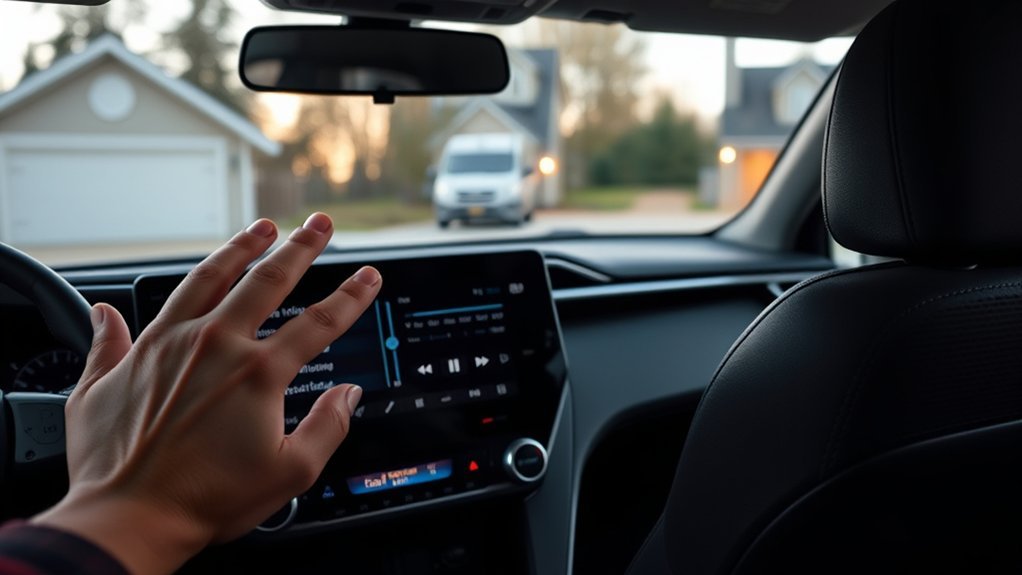
To increase rear speaker output in a Toyota RAV4, the first step is to check the fader and reset front-to-rear balance in small increments. Rear speakers should then be isolated by fading fully backward to confirm they function. Speed-sensitive volume, surround processing, and app-specific loudness settings should be disabled or compared across sources. If rear output stays weak, inspect for software faults, speaker limitations, wiring resistance, or amplifier issues. The following steps narrow the cause efficiently.
Check the RAV4 Fader First
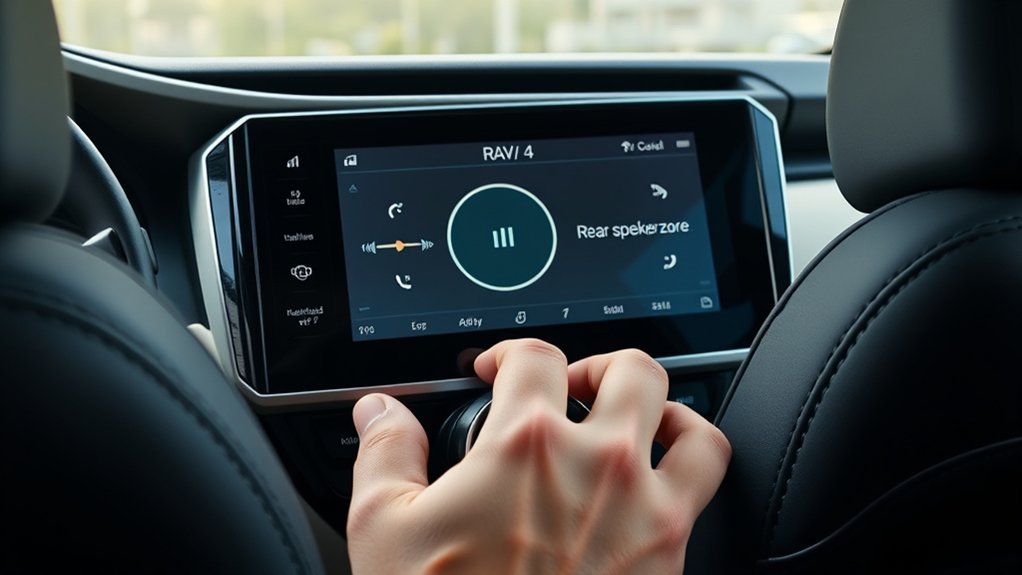
Check the RAV4 fader setting first, as it directly controls the balance between the front and rear speakers and can make the rear output seem abnormally low. In the 2022 Toyota RAV4 Hybrid XLE, this parameter determines how audio energy is distributed across the cabin. A forward-biased setting often creates the false impression of weak rear speakers, restricting a balanced listening environment and limiting passenger autonomy during travel.
Access to the fader is handled through the vehicle’s audio menu, where rear output can be increased with precise adjustment. A methodical approach is recommended: change the setting incrementally, then evaluate response using multiple audio sources, including speech-heavy content and full-range music.
This diagnostic process isolates whether the low-volume complaint is simply a balance issue rather than a hardware fault. Regular fader verification supports consistent sound quality on long drives. Even a driver managing a new account of preferences benefits from this controlled calibration and acoustic independence.
Reset Front-to-Rear Balance
Reset the front-to-rear balance through the 2022 Toyota RAV4 Hybrid XLE infotainment audio settings to restore proper rear speaker contribution. This procedure isolates the fader control, the primary variable governing front versus rear output.
If rear door speakers sound restrained, shifting the fader incrementally toward the rear can counter their naturally lower perceived volume. Practical fader calibration tips include making one-step changes, listening, and stopping before front-stage detail collapses. This approach gives the cabin a more liberated, evenly distributed sound field without unnecessary hardware changes.
- Open Audio settings in the infotainment menu.
- Locate Fader and verify center position first.
- Move balance rearward in small diagnostic increments.
- Recheck settings after updates or system resets.
Regular verification matters because saved balance values may change unexpectedly. Speaker positioning adjustments can refine perceived output further, but the reset begins with software control.
Also account for audio source effects when evaluating consistency daily.
Compare Rear Volume Across Audio Sources
A rear volume comparison should be performed across Bluetooth, radio, CarPlay, and Android Auto to identify source-dependent output differences.
If the rear speakers remain consistently lower than the front speakers across all inputs, the pattern may indicate a system-level imbalance rather than a single-source fault.
Streaming app volume variation should also be checked, since app-level output limits and source gain differences can affect perceived rear speaker performance.
Bluetooth Vs Radio Levels
When rear speaker output in the 2022 Toyota RAV4 Hybrid seems inconsistent, the audio source should be compared directly because Bluetooth playback often produces lower rear volume than FM/AM radio.
Diagnostic checks show source-dependent gain differences affecting cabin balance and rear fill.
- Test Bluetooth and radio at matched head-unit volume levels.
- Review fader, balance, and Radio audio settings carefully.
- Apply Bluetooth performance tips on the paired device.
- Use Speaker calibration methods to verify rear response.
Reports indicate Bluetooth commonly sounds quieter through the rear channels, even after fader adjustment.
That means liberation from guesswork requires controlled comparison, not assumption.
Owners often must recalibrate manually whenever sources change. A repeatable procedure—switching between FM/AM and Bluetooth, then documenting output—helps identify the strongest configuration for consistent rear speaker performance.
CarPlay And Android Auto
Source-to-source variation does not stop at Bluetooth versus radio; CarPlay and Android Auto introduce another layer of gain and processing differences that can alter rear speaker output in the 2022 Toyota RAV4 Hybrid.
Diagnostic comparisons show that rear volume may shift depending on whether playback routes through factory radio or phone integration protocols. Reports commonly note lower rear presence through CarPlay than through radio under identical head-unit volume positions.
A practical correction path includes reviewing CarPlay settings, checking Android Auto features that affect balance, and adjusting the system fader toward the rear.
Testing for audio app compatibility can expose source-dependent level behavior without changing hardware. Community evidence also indicates that updating infotainment firmware and smartphone operating software can reduce inconsistencies, giving users more control over rear-stage output and a more liberated listening baseline.
Streaming App Volume Differences
Although the head-unit volume setting may remain unchanged, streaming apps often apply different loudness normalization, dynamic compression, and EQ profiles, causing rear speaker output in the 2022 Toyota RAV4 Hybrid XLE and Highlander Hybrid to measure lower than radio or CD playback.
- Spotify and Apple Music often show lower rear-channel presence than broadcast or disc sources.
- Variations in streaming quality and audio compression alter perceived balance between front and rear speakers.
- Adjusting fader and balance can partially correct source-specific rear volume discrepancies.
- Equalizer changes and lossless tiers may improve clarity, rear fill, and user experiences.
A precise diagnosis compares identical tracks across sources at matched volume.
If radio sounds fuller, the issue likely originates in app processing rather than speaker hardware.
That distinction gives owners control and practical liberation through targeted adjustments.
Turn Off Settings That Lower Rear Volume
The next diagnostic step is to disable Speed Volume in the 2026 Toyota RAV4 audio settings, as automatic compensation can alter channel balance and reduce perceived rear output.
Surround processing and related sound-enhancement functions should then be reset or turned off, since these modes may bias staging toward the front speakers.
If rear volume improves after these adjustments, the attenuation is likely configuration-based rather than a speaker or amplifier fault.
Disable Speed Volume
Many rear-volume complaints trace to speed-sensitive volume control, which automatically changes output with vehicle speed and can disrupt rear speaker balance in a 2026 Toyota RAV4.
Disabling speed volume in the audio settings often restores consistent rear output and tighter sound balance. The feature compensates for road noise, yet its automatic gain changes can suppress rear presence and limit a freer, more even cabin response.
- Open the infotainment audio settings and locate speed volume control.
- Switch the feature off to stop speed-based output changes.
- Test rear speakers at city and highway speeds for consistency.
- Recheck preferences after software updates, which may reset settings.
Field reports indicate better uniformity across front and rear channels after deactivation.
For drivers seeking control, this adjustment removes an unnecessary variable from the signal path.
Reset Surround Processing
Disable surround processing and related sound-enhancement features in the 2022 Toyota RAV4 Hybrid XLE to remove DSP routines that can attenuate rear-channel output or alter front-to-rear balance.
Within the head unit, inspect surround settings, virtual staging modes, and any enhancement presets that may suppress rear speakers through unintended processing effects.
After disabling those functions, verify that the fader is shifted rearward enough to confirm actual gain improvement rather than tonal change alone.
Automatic volume compensation should remain off, since speed-based adjustment can mask diagnostic results.
This reset procedure restores a cleaner signal path, improves audio clarity, and allows the rear channels to operate with fewer algorithmic constraints.
If imbalance persists, a firmware update for the audio system should be considered, because revised software can correct output mapping or sound-balance anomalies.
Test Whether the Rear Speakers Work
Before any adjustments are made, rear speaker operation should be verified by playing audio at a moderate volume and confirming that sound is produced from all channels. This establishes a clean baseline and prevents wasted effort.
The vehicle’s fader control should then be shifted fully toward the rear, isolating output and confirming whether both rear speakers respond correctly and without distortion.
Shift the fader fully rearward to isolate output and confirm both rear speakers respond cleanly, evenly, and without distortion.
- Shift the fader rearward to isolate rear-channel output.
- Verify audio source compatibility across radio, Bluetooth, USB, or media playback.
- Apply wiring inspection methods if rear output is absent.
- Check speaker grilles and cones for blockage or visible damage.
If front speakers function normally while rear speakers remain silent, speaker troubleshooting tips indicate checking for loose connections at the speaker terminals.
A physical inspection should also identify torn cones, obstructions, or impact damage. This diagnostic sequence helps liberate the system from guesswork and reveals whether the fault is configuration, source limitation, or hardware failure.
Check for Software Bugs After an Update
If the rear speakers pass baseline testing but output remains low after a recent software update, the next diagnostic step is to inspect the head unit for update-related bugs or reset settings.
In the 2022 Toyota RAV4 Hybrid XLE, software updates can restore factory defaults, altering audio settings such as fade, balance, surround processing, or speed-sensitive volume. A systematic review of every menu is required before assuming hardware failure.
If settings appear correct, the next action is to verify whether Toyota has released firmware patches addressing infotainment or amplifier-control faults. These patches can resolve low rear-channel gain caused by buggy software behavior.
If no patch is available, a factory reset of the audio system is a controlled method for clearing corrupted configuration data. Community forums also provide useful case reports on software-induced rear speaker issues, reinforcing collective vigilance.
Ongoing checks for software updates help preserve stable performance and reclaim intended rear output levels.
Upgrade Weak RAV4 Rear Speakers
Upgrade paths become relevant once software and settings checks confirm that the 2022 Toyota RAV4 Hybrid XLE rear speakers are the limiting factor.
Factory rear drivers often underperform relative to the front stage, restricting cabin balance and perceived loudness. In this case, aftermarket speaker options offer a direct route to stronger output, cleaner mids, and improved high-frequency extension.
Audio upgrade benefits include better rear fill, higher usable volume, and reduced strain at elevated playback levels.
- Replace stock rear speakers with efficient coaxial models matched to factory impedance.
- Add a compact rear-channel amplifier to increase power reserve and dynamic headroom.
- Recheck fader position after installation to verify front-rear balance under real listening conditions.
- Use community forum reports for model fitment, sensitivity data, and practical speaker installation tips.
When liberation from weak rear output is the goal, these hardware changes typically produce the most measurable improvement without relying on temporary software-side adjustments.
Visit a Dealer for Wiring or Amp Faults
Schedule a dealer inspection when rear output remains low after settings verification and speaker evaluation. In a 2022 Toyota RAV4 Hybrid XLE, diminished rear volume can originate from harness resistance, poor terminal contact, grounding irregularities, or partial signal loss between the head unit and rear channels.
Authorized service departments apply wiring diagnostics with factory scan tools and circuit measurement equipment to isolate faults quickly and accurately. Dealers also perform amplifier testing to confirm whether the amp is delivering sufficient power to the rear speakers under load.
A weak or intermittently failing amplifier can suppress output without obvious distortion, limiting system freedom and clarity. Routine dealership inspections may uncover concealed faults before they become permanent failures.
Through dealership expertise, technicians can also verify module communication, inspect connectors, and install factory-recommended software updates when available. That process offers a disciplined path to restored rear speaker performance, freeing the system from hidden electrical constraints and preserving balanced cabin audio.
Frequently Asked Questions
What Are the Available Speaker Upgrade Options for the 2026 RAV4?
Available upgrades include Speaker brands like JBL, aftermarket component replacements, rear-door sound deadening, and subwoofers. Sound quality improves through higher sensitivity and power handling. Installation tips emphasize professional wiring, calibration, and fitment verification for maximum performance.
How to Adjust Speakers on RAV4?
To adjust speakers on a RAV4, one accesses audio settings, then modifies speaker balance and fader positions. Equalizer presets should be tested to optimize sound quality. If output remains constrained, manual-guided diagnostics are recommended.
How to Upgrade RAV4 Speakers?
Like freeing a caged choir, one upgrades RAV4 speakers by selecting suitable speaker types, adding amplification, and applying installation tips precisely; this elevates rear output, minimizes distortion, and restores balanced, liberated sound quality throughout.
Is the 2026 RAV4 Quieter Than the 2025 RAV4?
Yes, the 2026 RAV4 appears quieter than the 2025 model, due to improved sound insulation, reduced engine noise, and updated damping materials; this enhances audio clarity, while volume comparison reports indicate a more subdued overall cabin experience.
Conclusion
Increasing rear speaker output in a Toyota RAV4 is usually a matter of structured diagnosis: verify fader position, normalize balance, compare sources, disable processing that attenuates rear channels, and confirm speaker function. If output remains weak, software irregularities, aging drivers, or amplifier and wiring faults become the likely causes. Like a metronome in a steam engine room, each test isolates variables efficiently. Where adjustments fail, component replacement or dealer-level electrical inspection is the precise next step.
