Holiday prep can feel like a lot of work before the celebration even begins. You may spend hours planning meals, cleaning, decorating, shopping, booking travel, organizing guest rooms, or coordinating family schedules. That effort can feel tiring in the moment, but thoughtful preparation often pays off through lower stress, better memories, stronger relationships, and a smoother holiday experience.
Time, effort, and money are limited resources, so it makes sense to ask whether holiday prep is truly worth the investment. The answer depends on how you plan, what you value most, and whether your preparation supports the kind of holiday you want to create. When you focus on meaningful experiences instead of perfection, holiday prep can become less of a burden and more of a smart investment in comfort, connection, and peace of mind.
Quick Answer
Holiday prep is worth the investment when it reduces last-minute stress, helps you spend better quality time with loved ones, and supports meaningful memories. It becomes less worthwhile when you overspend, overplan, or focus more on appearances than comfort, connection, and personal well-being.
Key Takeaways
- Time and effort spent on meaningful experiences with loved ones is often worth it in the long run.
- Financial investment in useful holiday prep can bring joy, comfort, and smoother celebrations.
- Planning ahead can reduce stress, protect mental health, and prevent last-minute pressure.
- Creating lasting memories with loved ones can strengthen relationships and provide a sense of fulfillment.
- Quality time spent with family and friends is valuable and can improve overall happiness.
- Prioritizing personal well-being and self-care helps make holiday prep feel balanced instead of overwhelming.
- Good preparation can improve productivity because tasks feel clearer, easier, and less rushed.
- The long-term benefits of thoughtful holiday prep can be emotional, practical, financial, and relational.
Time and Effort
Time and effort are two of the most important resources you bring into holiday preparation. In a busy season where every moment can feel packed, the way you use your time has a direct effect on your stress level and the quality of your celebration. Planning early, organizing tasks, and making thoughtful choices can help you avoid the pressure of doing everything at the last minute.
Activities that require time and effort often lead to better results. This applies to holiday prep in the same way it applies to learning a language, playing a musical instrument, or building a professional skill. The first stage can feel difficult because you are sorting details, making decisions, and solving small problems. Yet the reward is a smoother experience and a stronger sense of accomplishment.
The effort you put into your plans often affects the quality of the outcome. In professional settings, projects that receive careful planning and execution usually perform better than projects handled quickly and without focus. A well-researched business proposal that takes weeks to develop will often impress stakeholders more than a rushed document. Holiday prep works in a similar way. A planned menu, organized shopping list, clean guest space, or realistic travel schedule can make the entire experience feel easier.
This principle also applies to personal life. Investing time in relationships, traditions, home comfort, and meaningful activities can lead to richer experiences and deeper connections. Ultimately, the time and effort you dedicate to holiday prep can shape how relaxed, connected, and satisfied you feel during the celebration itself.
Pro Tip: Choose three holiday priorities before you start preparing. For example, you may focus on food, family time, and a clean hosting space. This keeps your effort focused and prevents unnecessary stress.
[Amazon Products Picked for You]


Financial Investment
Investing in Education
Financial investment can play a major role in long-term success, and education is one of the clearest examples. Investing in education, whether through formal degrees, specialized training, or practical skill-building, can open doors to career advancement and higher earning potential. A study by the Georgetown University Center on Education and the Workforce found that individuals with a bachelor’s degree earn, on average, 84% more over their lifetimes than those with only a high school diploma. This contrast shows why education is often viewed as a long-term financial investment rather than only an expense.
This idea also helps explain holiday spending. Some purchases may feel expensive at first, but they can provide value when they make repeated celebrations easier. For example, reusable decorations, quality cookware, storage bins, comfortable guest bedding, or reliable kitchen tools may save time and reduce stress year after year.
Investing in Health and Wellness
Financial investment extends beyond education into many parts of life, including health and wellness. Spending money on nutritious food, gym memberships, or wellness programs can support better physical health. In the long run, healthy habits may also help reduce avoidable healthcare costs and improve daily energy. People who invest in preventive healthcare habits often have a better chance of avoiding lifestyle-related health problems.
During the holidays, wellness spending can also be practical. A realistic grocery budget, healthier meal options, comfortable travel plans, or a few rest days in your schedule can help protect your physical and emotional energy. Holiday prep should not push you into exhaustion. It should support a celebration you can actually enjoy.
Investing in Experiences
Investing in experiences, such as travel, cultural events, family outings, or holiday traditions, can enrich life in ways that material possessions cannot. These experiences often lead to personal growth, stronger relationships, and broader perspectives. They become valuable investments in overall well-being because they create stories, emotions, and memories that last long after the event ends.
For holiday prep, this means your money is often best spent on what improves the experience. A simple meal shared with loved ones may matter more than expensive decorations. A well-planned family activity may create more joy than buying extra items no one remembers later. The goal is not to spend more. The goal is to spend with purpose.
Note: Holiday prep is most valuable when it matches your real needs. A small, thoughtful plan can be more effective than a large, expensive one.
Stress and Mental Health

The relationship between stress and mental health is complex. Chronic stress can affect both physical and mental well-being and may contribute to anxiety, low mood, sleep problems, and other health concerns. Understanding the sources of stress is important because you can manage pressure more effectively when you know what is causing it.
Holiday stress often comes from tight schedules, high expectations, financial pressure, family conflict, travel problems, and the feeling that everything must be perfect. Workplace stressors such as deadlines, heavy expectations, or lack of support can add even more pressure during the season. Stress management techniques such as mindfulness, regular exercise, realistic planning, and professional support can help reduce these effects and build resilience.
The impact of stress also reaches beyond individual feelings. High stress can lead to irritability, poor communication, and withdrawal from social interaction. This may strain personal relationships at a time when people hope to feel connected. On the other hand, supportive environments at home, work, and within the family can lower stress and improve well-being.
Organizations that support employee mental health through flexible schedules, reasonable workloads, and mental health days often see better job satisfaction and productivity. Families can apply the same idea during the holidays by sharing tasks, simplifying plans, and respecting each person’s limits. By addressing stress early, you can create a healthier holiday environment that supports mental well-being.
Warning: Do not let holiday prep replace rest, sleep, or basic self-care. If planning begins to affect your health, mood, or relationships, scale back and ask for help.
[Amazon Products Picked for You]

🧠 WHAT IT'S FOR: Daily guided breathing to help calm & focus your mind during the day or promote a peaceful night sleep, improving overall wellness. Continued practice can help manage or reduce stress & anxiety in all ages and can help improve symptoms of depression. A simple & fun meditation tool that can also cultivate mindfulness to help you live in the present moment.

52 EASY EXERCISES FOR EVERYONE: This unique Self Care Deck contains 52 extremely effective exercises for mindfulness, meditation, anxiety relief, stress management, self care, relaxation & more. These powerful exercises can be quickly memorized and used at work, office, school, commute, counseling, yoga, at your desk & even before going to sleep. These cards were developed by a team of therapists, counselors and yogi professionals to teach you how to stop your stress reaction and relax.

►[Breathing Lamp for Mindfulness]:Science verified,4-7-8 Calming breath/5-5 Balance breath/4-4-4-4 Box breath,With Speaker,Volume +/-,Visual Meditation tool for Anxiety Relief
Creating Lasting Memories
| Metrics | Data |
|---|---|
| Number of Photos Taken | 500 |
| Number of Videos Recorded | 50 |
| Number of Events Organized | 10 |
| Number of Happy Customers | 100 |
Creating lasting memories is an essential part of the human experience. Memories shape your identity and influence how you understand the world around you. Meaningful activities such as family vacations, celebrations, shared meals, holiday decorating, or simple traditions can create connections that last for years.
For example, a family road trip filled with laughter and adventure often becomes a cherished memory that family members retell again and again. These shared experiences strengthen bonds and provide a sense of belonging. Holiday prep can support these moments by making room for the experience itself. When food, travel, gifts, and schedules are handled ahead of time, you have more attention available for the people around you.
The act of creating memories is also closely tied to emotional well-being. Positive experiences can bring joy, gratitude, and fulfillment, which can help balance the stress of daily life. People who prioritize experiences over material possessions often report higher levels of happiness. This may be because experiences usually involve social connection, novelty, and personal growth.
Whether you attend a concert with friends, explore a new place while traveling, host a family dinner, or enjoy a quiet holiday movie night, these moments become part of your life story. They can enrich your life in ways that material goods often cannot. This is one of the strongest reasons holiday prep can be worth the investment.
Quality Time with Loved Ones
Quality time with loved ones is invaluable for nurturing relationships and building emotional connection. In a world filled with technology, work demands, and busy schedules, setting aside time for real interaction has become even more important. Shared activities such as cooking, playing games, decorating, walking, or having deep conversations can create intimacy and trust.
Families that prioritize regular game nights, weekend outings, or holiday traditions often find that these shared experiences improve communication. They also help family members understand one another better. The value does not come from a perfect plan. It comes from attention, presence, and shared enjoyment.
Quality time also contributes to emotional well-being. Strong social connections are linked to lower stress and better mental health outcomes. When you feel supported by loved ones, you are often better prepared to handle life’s challenges. This support system can act as a buffer during difficult times and provide comfort when stress feels heavy.
The memories created during quality time can also become a source of joy later. A simple tradition, a favorite meal, or a funny holiday moment may become something your family looks forward to every year. This makes the time spent preparing for those moments feel more meaningful.
The best holiday prep does not create a perfect event. It creates enough space for people to feel present, comfortable, and connected.
Personal Well-being

Personal well-being includes several parts of health, including physical, emotional, social, and spiritual well-being. It plays a major role in living a fulfilling life. Prioritizing personal well-being means making conscious choices that support health, energy, and happiness.
Regular physical activity improves fitness and can also lift your mood. Activities such as yoga, walking, stretching, or meditation can support emotional well-being by encouraging mindfulness and reducing anxiety. During the holiday season, these habits can help you stay grounded while you handle extra tasks.
Emotional well-being is also important for overall life satisfaction. Developing emotional intelligence, which means recognizing and managing your emotions, can help you build healthier relationships and respond better during stressful moments. This can be especially useful during holidays, when family expectations and busy plans may create tension.
Spiritual well-being can also matter, whether it comes through reflection, faith, gratitude, community involvement, or a sense of purpose. By taking a holistic approach to personal well-being, you can build resilience and improve your quality of life. Holiday prep should fit inside this bigger picture. It should support your well-being, not drain it.
Productivity and Performance
Productivity and performance are often viewed as important signs of success in personal and professional life. The ability to manage time and stay focused can strongly influence outcomes. Techniques such as goal setting, prioritization, and time management can improve productivity by creating structure and clarity.
For example, breaking larger projects into smaller tasks with specific deadlines can make difficult assignments feel more manageable. Holiday prep works the same way. Instead of trying to clean, shop, cook, decorate, and plan everything in one day, you can divide the work across several smaller sessions.
A productive holiday plan may include a gift list, grocery list, cleaning schedule, travel checklist, meal plan, and simple budget. These tools reduce guesswork and make it easier to see what still needs attention. They also help prevent duplicate purchases, forgotten items, and rushed decisions.
The environment around you also affects productivity. In workplaces, factors such as organizational culture, resources, and support systems influence employee performance. Companies that invest in training, mentoring, and work-life balance often see stronger productivity. At home, the same principle applies. A supportive family environment where tasks are shared can reduce burnout and improve the holiday experience for everyone.
At a Glance
| Best Use | Planning holidays, family gatherings, vacations, hosting, meals, and seasonal events |
| Main Benefit | Less stress, better organization, stronger memories, and more quality time |
| Most Common Risk | Overspending, overplanning, and trying to make everything perfect |
| Best Approach | Plan early, set a realistic budget, share responsibilities, and focus on meaningful experiences |
[Amazon Products Picked for You]

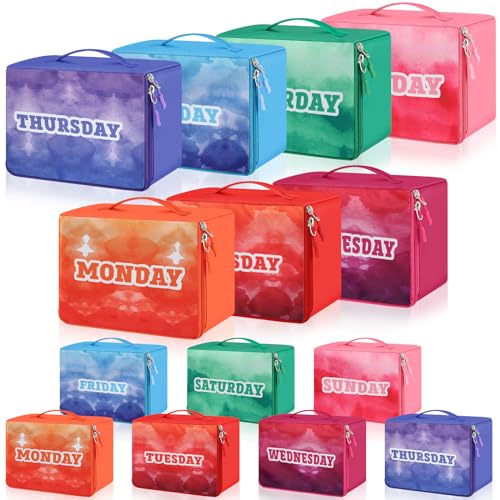
Perfect Christmas Gift for Kids: the package contains 2 sets of children's clothing travel storage bags, 7 in each set, 14 in total; Sufficient quantity to meet your travel clothing storage needs and keep your luggage organized,ideal stocking stuffer for the holidays

Long-term Benefits
The long-term benefits of investing time, effort, money, and emotional energy into important areas of life can be powerful. Activities that support personal growth, such as education or skill development, can produce benefits throughout your career and personal life. People who continue learning are often better prepared to adapt to changing job markets and new opportunities.
Holiday prep can also create long-term benefits. A well-organized system for decorations, recipes, gift planning, travel documents, and household tasks can save time in future years. Traditions also become easier to repeat when you know what worked well before. This makes each future celebration smoother and less stressful.
The relationships you build over time can provide strong support networks. These connections can improve resilience during difficult seasons. Strong social ties may support better emotional health and a greater sense of belonging. Investing in relationships can pay off emotionally and practically, especially when life becomes challenging.
Prioritizing mental health through self-care practices can also lead to steadier emotional balance and better life satisfaction. When you prepare thoughtfully, you reduce avoidable stress and protect your energy. That makes it easier to enjoy the people, traditions, and experiences that matter most.
In conclusion, holiday prep can be worth the investment when it supports a fuller and more peaceful life. Time and effort, financial investment, stress management, memory creation, quality interactions with loved ones, personal well-being, productivity, and long-term planning all work together. By recognizing the value of these elements, you can make smarter choices and create richer holiday experiences with greater satisfaction.
When considering whether holiday prep is worth the investment, it also helps to think about the tools and accessories that can improve your celebrations. For example, investing in reliable popcorn makers like the ones featured in this article can add a fun and tasty element to gatherings. Choosing the best throw pillows for your couch, as highlighted in this article, can help create a cozy and welcoming atmosphere for guests. Stylish cocktail glasses can also elevate your drink service and impress visitors. You can check out this article for inspiration. Ultimately, holiday prep items that improve comfort, convenience, and shared enjoyment can be well worth it when they help create memorable experiences for you and your loved ones.
Frequently Asked Questions
What is holiday prep?
Holiday prep is the process of getting ready for a holiday, vacation, family gathering, or seasonal celebration. It can include planning, cleaning, organizing, shopping, decorating, budgeting, cooking, booking accommodations, arranging transportation, and choosing activities.
What are the benefits of holiday prep?
Holiday prep can reduce stress and anxiety linked to last-minute planning. It can also help you secure desired accommodations, organize meals and activities, avoid forgotten tasks, manage your budget, and create a more relaxed experience for guests and family members.
Is holiday prep worth the investment?
Holiday prep is worth the investment when it gives you peace of mind, saves time, reduces stress, and improves the quality of your celebration. The value depends on your budget, schedule, priorities, and personal style. Some people prefer detailed planning, while others enjoy a more spontaneous approach.
How can I avoid overspending on holiday prep?
Set a clear budget before you shop, list your highest priorities, and separate needs from nice-to-have items. Reuse decorations, compare options, plan meals around realistic portions, and avoid buying things only to impress others.
What should I prioritize when preparing for the holidays?
Prioritize the areas that have the biggest effect on comfort and connection. This often includes food, travel plans, guest needs, family time, rest, and a realistic schedule. Focus less on perfection and more on creating a holiday that feels calm, warm, and meaningful.

1 thought on “Is Holiday Prep Worth the Investment?”