
The best smart bike trainers make indoor cycling feel more natural while helping you follow structured workouts. A good direct-drive trainer should deliver accurate power readings, responsive resistance, stable bike support, and reliable app connections.
For the most immersive experience, the Garmin Tacx NEO 3M is our top choice thanks to its built-in motion plates and road-surface simulation. The Garmin Tacx FLUX 2 is our value-focused pick for riders who want capable resistance without premium motion features.
We compared manufacturer specifications, bike compatibility, setup requirements, training features, and reported ownership concerns. These recommendations are based on research, not an original hands-on test.
Best Smart Bike Trainers Compared
All four models are direct-drive smart trainers. You remove your bike’s rear wheel and attach the drivetrain to the trainer. Their biggest differences are resistance capacity, simulated climbing ability, power accuracy, and ride realism.
| Product | Best for | Max resistance | Simulated incline | Power accuracy |
|---|---|---|---|---|
|
Premium
|
Most immersive ride | 2,200 W | Up to 25% | Within 1% |
|
Premium
|
Sprints and power training | 2,200 W | Up to 25% | Within 1% |
|
Mid-range
|
Mid-range performance | 2,000 W | Up to 16% | Within 2.5% |
|
Entry-level features
|
Beginners and steady training | 1,500 W | Up to 10% | Within 3% |
Note: Resistance and incline figures are manufacturer-rated maximums, not guarantees for every riding speed or rider weight. The simulated gradient depends on the conditions used to calculate it.
Best Smart Bike Trainers: Our Top Picks
1. Garmin Tacx NEO 3M

Bottom line: The Garmin Tacx NEO 3M is the best fit for riders who prioritize realistic road sensations, movement, and precise training data. Its motion system is the biggest reason to choose it over the other trainers here.
Key Specs
- Max resistance: 2,200 W, suited to powerful sprint efforts.
- Max simulated incline: 25%, for demanding virtual climbs.
- Power accuracy: Within 1%, for precise workout tracking.
- Resistance system: Magnetic motor with virtual flywheel and Road Feel.
- Calibration: No spin-down calibration required.
The NEO 3M has integrated motion plates that allow movement during indoor riding. You can switch the motion function on or off, depending on your preference and available space.
Its virtual flywheel simulates changing road surfaces, including cobblestones and gravel, in supported software. The trainer also adjusts resistance to represent climbs and descents.
The included Shimano/SRAM 11-speed cassette reduces setup work for compatible bikes. Riders with other drivetrain systems may need a different cassette, freehub body, or adapter.
What Makes It Different?
Most direct-drive trainers hold your rear axle in a fixed position. The NEO 3M adds controlled movement that can make longer indoor sessions feel less rigid.
It also measures power, cadence, and speed without requiring a routine spin-down calibration. This is useful when you want to begin a structured session without an extra calibration step.
Owner Feedback Considerations
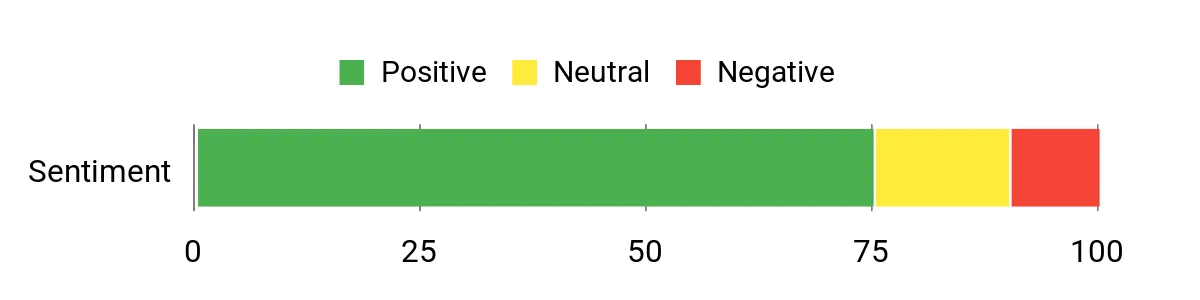
The original article highlights favorable ride-feel feedback. However, the underlying review sample was not documented, so the following graphic should be treated as illustrative rather than verified customer research.
Pros and Cons
- Integrated multidirectional movement
- Virtual road-surface simulation
- Within 1% manufacturer-rated power accuracy
- Preinstalled 11-speed cassette
- No routine spin-down calibration
- Premium cost compared with FLUX models
- Heavy unit to move between rooms
- Different drivetrains may need extra parts
Training Benefits
The NEO 3M supports structured endurance sessions, threshold intervals, and short sprint work. Its precise power output helps you follow repeatable workouts and compare your training over time.
For longer rides, the motion feature offers another way to adjust comfort. You can disable it when you prefer a more fixed setup.
2. Garmin Tacx NEO 2T

Bottom line: The Garmin Tacx NEO 2T delivers high resistance capacity and precise power measurements without the NEO 3M’s integrated motion plates. It suits cyclists focused on sprint intervals, climbing workouts, and structured training.
Key Specs
- Max resistance: 2,200 W, suitable for demanding sprint workouts.
- Max simulated incline: 25%, for steep virtual climbing.
- Power accuracy: Within 1%, for detailed workout tracking.
- Resistance system: Magnetic motor with virtual flywheel.
- Calibration: No spin-down calibration required.
The NEO 2T uses a magnetic resistance system designed for responsive changes during hard efforts. It supports both sustained power targets and rapid resistance changes.
Its virtual flywheel provides dynamic inertia and compatible road-surface effects. The trainer also measures cadence and supports detailed pedal-stroke analysis with compatible Garmin equipment.
The standard configuration requires a compatible cassette. Garmin also offers a separate NEO 2T configuration with Zwift Cog and Click, but that should not be confused with the model linked here.
Why Choose It Instead of the NEO 3M?
Both NEO trainers share the same manufacturer-rated maximum resistance and simulated gradient. Their main difference is the NEO 3M’s integrated motion system and revised design.
If movement is not essential to you, the NEO 2T offers a strong combination of magnetic resistance, training accuracy, and virtual ride features.
Owner Feedback Considerations
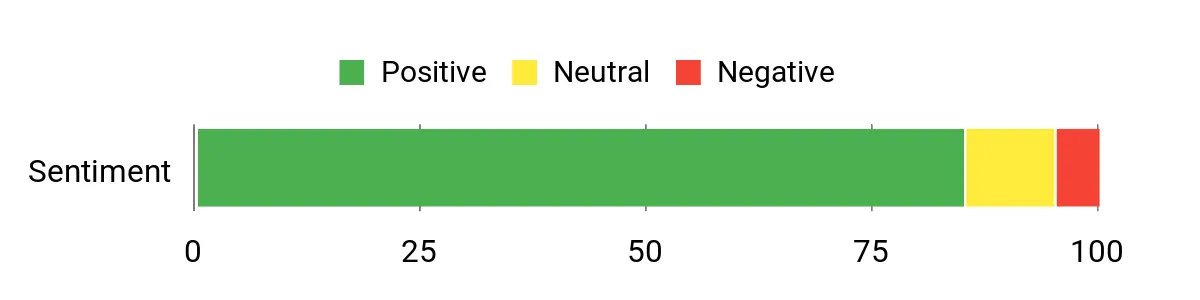
Some rider discussions mention drivetrain noise, vibration, and cassette setup difficulties. These reports do not establish how common those problems are, but they are worth considering when comparing used and new units.
Pros and Cons
- High resistance capacity for sprinting
- Within 1% power accuracy
- Realistic virtual flywheel behavior
- Detailed pedal-stroke analysis support
- No regular spin-down calibration needed
- No integrated motion plates
- Standard configuration requires a cassette
- Some owners report vibration or drivetrain noise
Training Benefits
The NEO 2T works well for short, intense intervals and long endurance rides. Its accurate resistance feedback can also help you pace threshold workouts.
It is particularly attractive when you want high training performance without paying specifically for an integrated motion system.
3. Garmin Tacx FLUX 2

Bottom line: The Garmin Tacx FLUX 2 is a practical middle ground between basic direct-drive trainers and premium NEO models. It offers strong resistance and a substantial physical flywheel without the NEO series’ extra motion features.
Key Specs
- Max resistance: 2,000 W, for demanding training sessions.
- Max simulated incline: 16%, for challenging virtual climbs.
- Power accuracy: Within 2.5%, for structured workout tracking.
- Resistance system: Electromagnetic resistance with a 16.8 lb flywheel.
- Calibration: Spin-down calibration required.
The FLUX 2 uses a 16.8-pound physical flywheel to help create smoother pedaling resistance. It supports steady endurance rides, hard intervals, and virtual training routes.
With more simulated climbing resistance than the FLUX S, it is better suited to riders who regularly use hilly virtual courses. It also offers a higher rated resistance ceiling.
Bluetooth and ANT+ connectivity support popular third-party training platforms. The trainer measures speed, cadence, and power, although it is not rated as precisely as the NEO models.
What Should You Know Before Buying?
The FLUX 2 requires a compatible cassette, which is not included in the standard package. You also need to check your rear-axle setup and freehub compatibility.
Its spin-down calibration matters for consistent readings. If power results seem unusual, check calibration, firmware, and whether another app is controlling resistance.
Owner Feedback Considerations
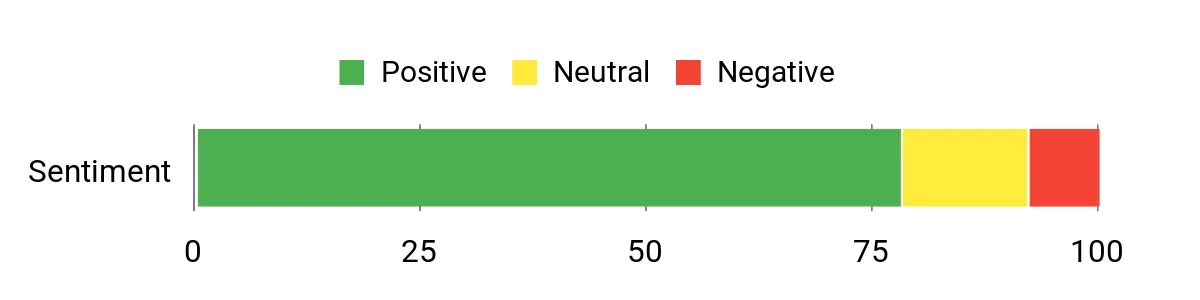
Independent retailer feedback includes reports of inconsistent ERG-mode resistance and calibration difficulties on some units. These are reported experiences, not proof that every FLUX 2 behaves the same way.
Pros and Cons
- Strong maximum resistance capacity
- More climbing range than FLUX S
- Substantial physical flywheel
- Bluetooth and ANT+ connectivity
- Suitable for different indoor workout styles
- Less precise rated power measurement than NEO trainers
- Cassette must be purchased separately
- Requires spin-down calibration
Training Benefits
The FLUX 2 gives you enough resistance capacity for structured endurance and interval training. Its heavier flywheel also helps maintain a more natural pedaling sensation during changing workloads.
It is a balanced option when you want reliable training functions but do not need advanced road-surface simulation or integrated motion plates.
4. Garmin Tacx FLUX S

Bottom line: The Garmin Tacx FLUX S is the simplest trainer in this comparison by capability. It is a good fit for riders who want direct-drive indoor training without needing extreme resistance or premium simulation features.
Key Specs
- Max resistance: 1,500 W, suitable for most recreational training.
- Max simulated incline: 10%, for moderate virtual climbing.
- Power accuracy: Within 3%, for everyday training measurement.
- Resistance system: Electromagnetic resistance with a 15.4 lb flywheel.
- Calibration: Spin-down calibration required.
The FLUX S offers the main benefits of direct-drive training: no rear-tire contact, electronically controlled resistance, and integration with cycling apps.
Its physical flywheel helps maintain smooth pedaling through steady intervals and endurance rides. Bluetooth and ANT+ connectivity allow it to work with compatible phones, computers, and cycling equipment.
The main limitation is its narrower resistance and climbing range. It cannot reproduce the same steep simulated gradients as the FLUX 2 or NEO models.
Is It Enough for Everyday Training?
For many recreational cyclists, the FLUX S offers sufficient resistance for endurance work, recovery rides, and common interval sessions.
The differences become more important if you race virtually, perform especially powerful sprints, or need greater resistance during steep simulated climbs.
Owner Feedback Considerations
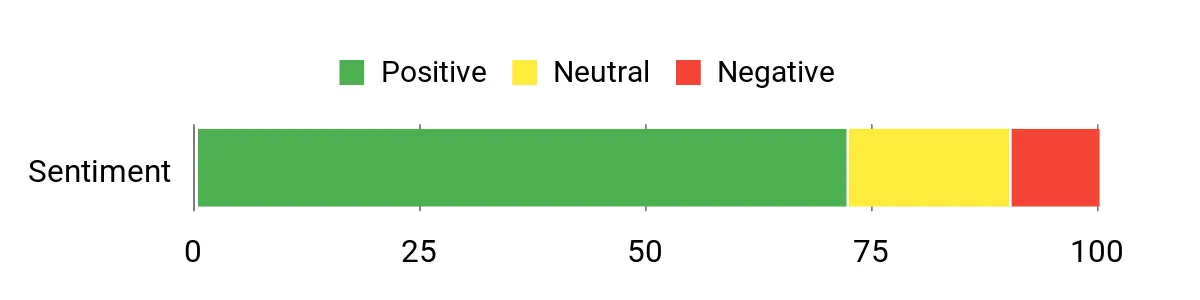
The original article describes generally favorable impressions of ride smoothness. Some independent discussions also report mechanical noise on individual units. The original sentiment graphic below has no documented sample or methodology.
Pros and Cons
- Direct-drive design avoids rear-tire wear
- Smooth resistance from a physical flywheel
- Supports mainstream training apps
- Suitable for steady endurance workouts
- Lower resistance requirements suit recreational use
- Lowest simulated gradient in this comparison
- Less precise rated power measurement
- Cassette and spin-down setup add steps
Training Benefits
A basic direct-drive smart trainer can make indoor cycling easier to fit into your schedule. You can complete controlled workouts without depending on weather or daylight.
Consistent sessions are more important to long-term progress than buying the most advanced hardware. If the FLUX S meets your workout needs and is competitively priced, it can be a sensible choice.
Garmin Tacx NEO 3M vs FLUX 2: Is the Upgrade Worth It?
The NEO 3M is worth considering when realistic movement, road simulation, and more precise power data matter to you. The FLUX 2 covers the core needs of structured indoor cycling at a lower product tier.
- Ride movement: The NEO 3M includes integrated motion plates; the FLUX 2 does not.
- Power accuracy: NEO 3M is rated within 1%, compared with 2.5% for FLUX 2.
- Climbing: NEO 3M simulates up to 25%, compared with 16% for FLUX 2.
- Setup: NEO 3M includes an 11-speed cassette and needs no regular spin-down; FLUX 2 needs a cassette and calibration.
Which Smart Bike Trainer Should You Buy?
- For the most realistic road feel: Get the Garmin Tacx NEO 3M.
- For strong sprint performance: Get the Garmin Tacx NEO 2T.
- For balanced performance and value: Get the Garmin Tacx FLUX 2.
- For beginner-friendly training requirements: Consider the Garmin Tacx FLUX S.
- For the simplest cassette setup: Choose the Garmin Tacx NEO 3M if your bike works with its included cassette.
How We Chose
We compared the four trainers using manufacturer information, setup documentation, drivetrain requirements, and published rider experiences. The original article provided product descriptions and sentiment graphics but did not document independent laboratory testing.
- Power measurement: We compared the manufacturer’s stated accuracy and calibration requirements.
- Resistance capability: We examined maximum power, climbing simulation, and flywheel design.
- Ride realism: We considered virtual inertia, road-surface effects, and motion features.
- Compatibility: We checked Bluetooth, ANT+, cassette requirements, and axle support.
- Practical ownership: We considered weight, setup work, potential noise, and reported reliability concerns.
Specifications were checked against Garmin’s smart trainer feature comparison, NEO 3M specifications, and Garmin’s FLUX 2 and FLUX S specification pages.
Smart Bike Trainer Buying Guide
Before buying a direct-drive smart trainer, check more than its maximum wattage. Your bike’s drivetrain, available room, preferred apps, and training goals usually matter more than the biggest advertised number.
Power Accuracy: How Precise Do You Need?
Power accuracy tells you how closely the trainer’s reported wattage is expected to match actual output under specified conditions.
The NEO 3M and NEO 2T are rated within 1%. The FLUX 2 is rated within 2.5%, while the FLUX S is rated within 3%.
For casual riding, the differences may have limited practical importance. For regular FTP testing and closely controlled intervals, better accuracy can help you compare sessions more consistently.
Maximum Resistance and Simulated Climbing
Maximum resistance is the highest load the trainer can produce under specified conditions. It is not the amount of power you must generate during ordinary riding.
The NEO models support higher stated resistance than the FLUX models. They also offer steeper simulated climbing. Remember that actual simulated gradients depend on factors including rider weight and riding speed.
Virtual Flywheel vs Physical Flywheel
A physical flywheel stores rotational energy to smooth changes in pedaling speed. The FLUX models use substantial physical flywheels.
The NEO trainers use a virtual flywheel system that changes resistance electronically. This allows features such as simulated road surfaces and variable inertia.
Neither design automatically makes one trainer better for every cyclist. Choose based on the ride sensation and training features you value.
Bluetooth, ANT+, and Training Apps
All four trainers support Bluetooth and ANT+ communication. They can work with compatible platforms such as Zwift and TrainerRoad.
Before purchase, confirm that your chosen app supports the trainer and the control mode you need. Connecting for power readings is not always the same as allowing an app to control resistance.
If the connection drops during a workout, check for competing device connections and wireless interference before assuming the trainer is defective.
Cassette and Axle Compatibility
Direct-drive trainers require your bike’s chain to engage with a compatible cassette or another supported drivetrain arrangement.
The NEO 3M includes an 11-speed Shimano/SRAM cassette. The standard NEO 2T, FLUX 2, and FLUX S configurations generally require a separately purchased cassette.
Check your bike’s speed count, freehub body, rear dropout spacing, and axle type. Some 12-speed systems need specific cassette bodies or adapters, even when the trainer supports the frame.
Noise, Space, and Portability
Direct-drive trainers avoid the roller-on-tire noise of traditional wheel-on trainers. However, your chain, cassette, bike frame, cooling fans, and floor can still produce sound.
Use a stable surface and an appropriate trainer mat where needed. Keep enough room around the bike for pedaling, mounting, and dismounting.
All four trainers are relatively heavy. The NEO 3M includes a carry handle, but none should be treated as lightweight travel equipment.
Calibration and Firmware
The NEO 3M and NEO 2T do not need routine spin-down calibration. The FLUX 2 and FLUX S use spin-down calibration to help maintain their measurements.
Manufacturer firmware updates can improve compatibility and address known issues. Use the supported Garmin or Tacx application when setting up your trainer.
Long-Term Costs and Training Benefits
The trainer is only part of your indoor cycling setup. You may also need a cassette, mat, fan, device stand, compatible adapters, or a paid training-app subscription.
Reliable indoor access can help you maintain training consistency when weather or daylight limits outdoor rides. Structured exercise may support cardiovascular fitness and cycling endurance, but improvement depends on training load, recovery, and regular use.
Mistakes to Avoid When Buying Smart Bike Trainers
- Ignoring drivetrain compatibility: Check the cassette, freehub, and axle before ordering.
- Buying for maximum wattage alone: Match resistance capability to your actual workouts.
- Assuming every app feature is included: Verify compatibility and any required software subscription.
- Forgetting setup accessories: Account for the cassette, mat, and any required adapters.
- Skipping calibration instructions: Follow the correct process for your specific trainer.
Smart Bike Trainer FAQs
Which Smart Bike Trainer Is Best for Most Riders?
The best choice depends on your training priorities. The NEO 3M has the most advanced ride-realism features in this comparison, while the FLUX 2 offers a strong balance of resistance and basic training functions. The NEO 2T suits demanding power workouts, and the FLUX S suits less demanding riding. Your drivetrain and app compatibility should help determine the final choice.
How Do I Set Up and Pair a Smart Trainer?
Place the trainer on a stable surface, install a compatible cassette if required, and use the correct axle adapters. Attach the bike securely according to the manufacturer’s instructions. Connect power where required, install available firmware updates, and pair the trainer with your preferred training app using Bluetooth or ANT+. Confirm resistance control works before starting a demanding workout.
How Do I Use a Smart Trainer to Improve Cycling Performance?
Use structured workouts that match your fitness and goals. Endurance sessions help develop aerobic capacity, while controlled intervals support threshold and higher-intensity performance. Track power and cadence consistently, allow recovery between demanding workouts, and increase training loads gradually. Repeating comparable workouts over time can help you assess progress without relying only on how hard a session feels.
Do Smart Bike Trainers Need a Cassette?
Most conventional direct-drive trainers need a compatible cassette. The NEO 3M includes an 11-speed cassette, while the standard NEO 2T and FLUX models generally require one separately. Certain newer trainer packages use a single-cog system with virtual shifting instead. Always check the exact configuration, because a trainer name alone does not guarantee which drivetrain parts are included.
Can I Use a Smart Trainer Without a Paid Subscription?
Yes, smart trainers can offer basic training functions without a paid virtual cycling service. However, access to structured plans, route videos, competitions, and advanced app features varies by platform. Some functions may require an account or subscription. Check what your preferred application offers before choosing a trainer based on software features.
Do Tacx Smart Trainers Need Calibration?
Calibration depends on the model. Garmin identifies the NEO 3M and NEO 2T as trainers that do not need routine spin-down calibration. The FLUX 2 and FLUX S use a spin-down procedure. If your readings seem inconsistent, confirm the correct setup, firmware, and measurement method before comparing power data from separate devices.
Why Does My Smart Trainer Keep Disconnecting?
Wireless disconnections can come from competing app connections, interference, outdated software, or an incompatible setup. Restart the trainer and connected device, check firmware, and make sure only the intended application controls resistance. Moving a Bluetooth or ANT+ receiver closer may help. Persistent problems should be diagnosed using the manufacturer’s model-specific troubleshooting instructions.
Can I Use a Mountain Bike on a Direct-Drive Trainer?
Many mountain bikes work with direct-drive trainers, but compatibility depends on the rear axle, dropout spacing, drivetrain, cassette, and frame clearance. Thru-axle bikes may require specific adapters. Some mountain-bike cassettes also require a different freehub body. Check the trainer’s compatibility documentation against your actual bike before buying.
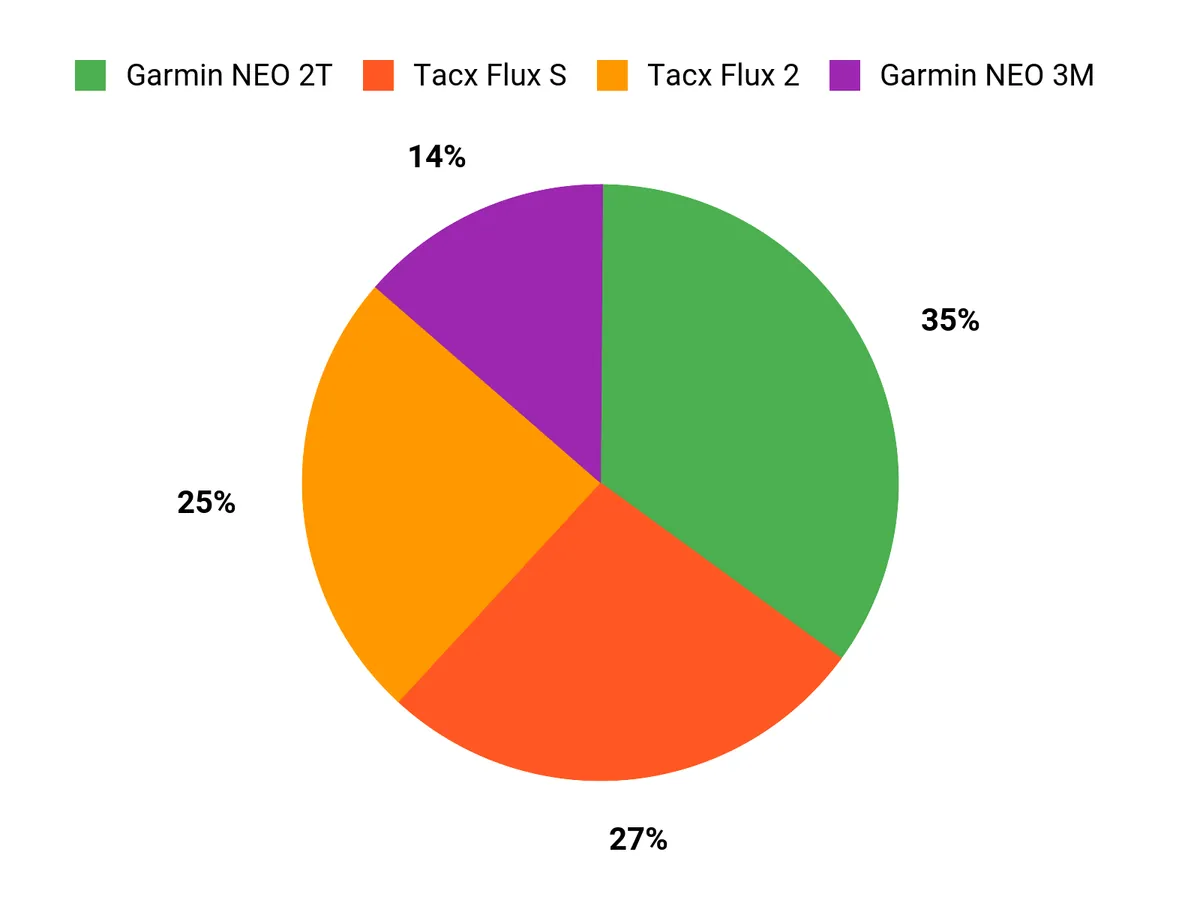
Customer Preferences
When choosing a trainer, riders often weigh realistic resistance, power measurement, app compatibility, noise, and setup effort. The best balance depends on whether you prioritize indoor racing, structured workouts, or general fitness.
The following original preference graphic has been preserved. Its source data and methodology were not supplied, so it should not be interpreted as a verified survey result.
Final Verdict
The best smart bike trainer is the one that matches your bicycle, training goals, and available space. Among these four models, the Garmin Tacx NEO 3M delivers the most complete combination of realistic movement, resistance capability, and power accuracy.
It is particularly appealing if you spend many hours training indoors and value a more natural riding sensation.
For a more value-focused choice, compare the Garmin Tacx FLUX 2. If your training includes powerful sprint efforts and you do not need integrated motion plates, the Garmin Tacx NEO 2T is also worth considering.
| Product Name | Image | Rating | Resistance Mechanism | Load Capacity | Weight |
|---|---|---|---|---|---|
| Garmin TacX NEO 3M Smart Trainer |
|
See reviews on Amazon | Magnetic | 2200 watts | 52 pounds |
| Garmin TacX Neo 2T Smart Trainer |
|
See reviews on Amazon | Magnetic | 2200 watts | 47.4 pounds |
| Tacx T2980.60 Flux 2 Smart Trainer |
|
See reviews on Amazon | Electronic | 104 pounds | 52 pounds |
| Tacx Flux S Smart Bike Trainer |
|
See reviews on Amazon | Electromagnetic | 300 pounds | 50 pounds |

