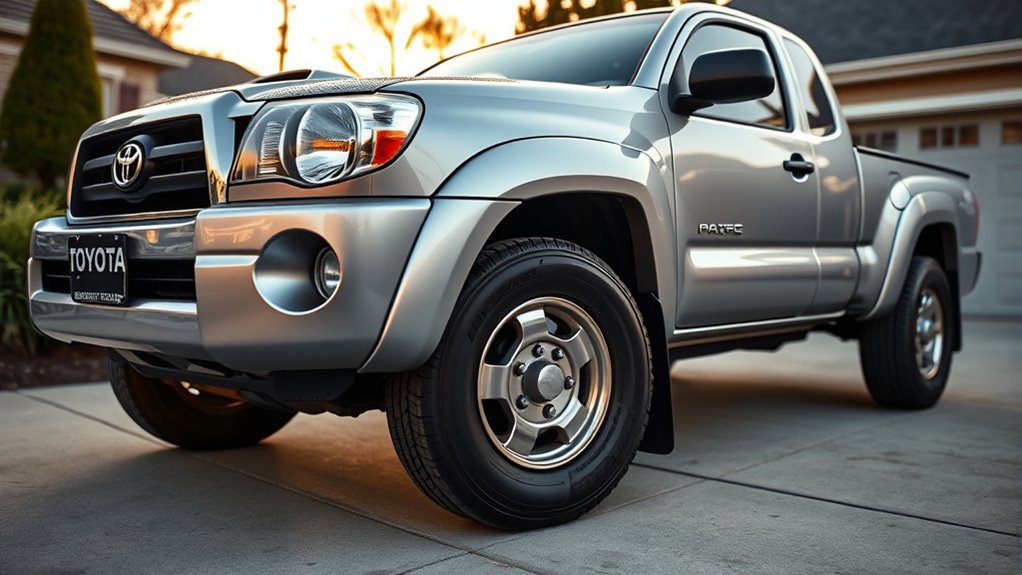
A 2006 Toyota Tacoma soft brake pedal can signal trapped air, a brake-fluid leak, poor rear-drum adjustment, or a failing hydraulic component. The pedal may feel spongy, travel farther than normal, or slowly sink while you hold it down. These symptoms need prompt attention because they can affect your ability to stop safely.
The key is to identify how the pedal behaves before replacing parts. A soft pedal, sinking pedal, and unusually hard pedal can point to different problems.
Quick Answer
A soft brake pedal on a 2006 Toyota Tacoma commonly results from air in the brake lines, fluid leakage, excessive rear-drum shoe clearance, or internal hydraulic problems. Check the fluid level and visible leaks first. If the pedal remains soft, inspect the brakes and follow the correct bleeding procedure for your truck’s braking system.
Why Your 2006 Tacoma Brakes Feel Soft
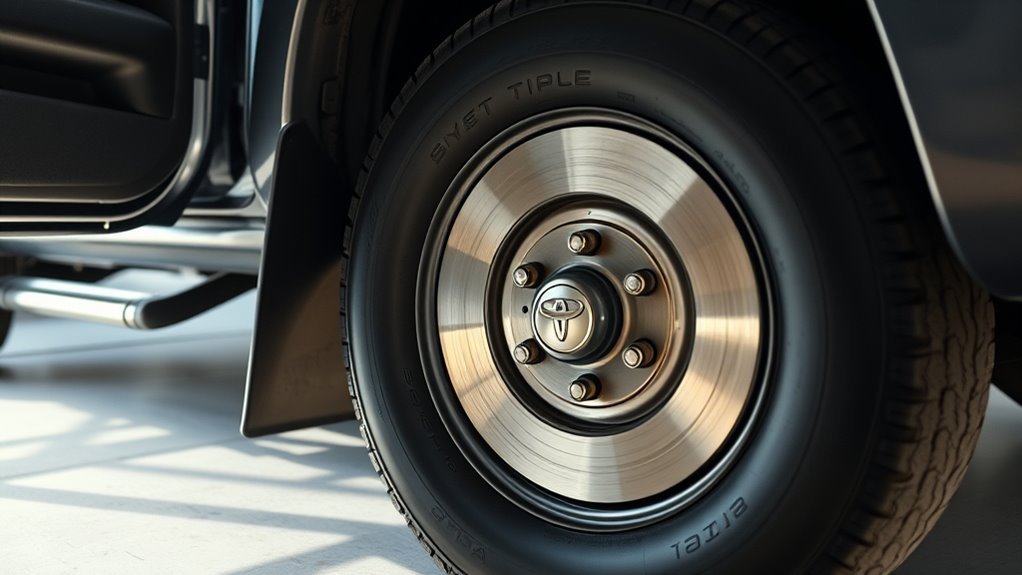
A 2006 Toyota Tacoma usually develops a spongy brake pedal when something prevents normal hydraulic pressure or increases pedal travel. Air in the lines is a common cause because air compresses when you press the pedal. Brake fluid normally transfers that pressure to the wheel brakes.
Leaks, internal master-cylinder problems, and excessive rear brake-shoe clearance can also cause an unusually low pedal. However, not every braking problem creates the same sensation.
Warning: Do not drive your Tacoma if the brake pedal reaches the floor, stopping power is weak, fluid is leaking, or the brake warning light appears with abnormal braking. Stop safely and arrange professional inspection or towing. Do not use public roads to test an unreliable braking system.
Pay attention to the following differences:
- Spongy pedal: The pedal feels springy or compressible. Air or vapor in the hydraulic system is a possible cause.
- Low pedal that improves after pumping: Excessive brake-shoe clearance, trapped air, or another mechanical or hydraulic problem may be present.
- Pedal that slowly sinks: An external leak or internal master-cylinder pressure bypass is possible.
- Very hard pedal: Brake-assist problems are more likely than the usual causes of a spongy pedal.
- Shaking or pulsation while braking: Rotor variation, loose components, or ABS operation may be involved. This differs from a consistently soft pedal.
Your Tacoma’s equipment also matters. Toyota used different brake-assist arrangements depending on whether the truck has Vehicle Stability Control (VSC). The 2006 Tacoma owner’s manual explains the different systems and their warning behavior.
Identifying the symptom helps prevent unnecessary replacement of pads, calipers, boosters, or the master cylinder.
Check Brake Fluid Level and Leaks
Start by checking the brake fluid reservoir while the Tacoma is parked on level ground. The fluid should be within the specified range. A low level may reflect normal brake-pad wear, but an unexplained or rapid drop can indicate leakage.
Toyota specifies SAE J1703 or FMVSS No. 116 DOT 3 brake fluid for the 2006 Tacoma. Use clean fluid from a sealed container when service requires additional fluid.
- Check the reservoir. Inspect the fluid level and look for cracks, seepage, or damage around the reservoir and master cylinder.
- Inspect accessible brake lines. Look for corrosion, wet connections, physical damage, and fluid stains.
- Inspect flexible hoses. Check for cracking, bulging, leaks, and damage near the wheels.
- Check the front calipers. Look around the piston seals, hose connections, and bleeder screws for fluid.
- Check the rear wheel cylinders. Brake fluid can leak inside the drum assembly without leaving an obvious puddle beneath the truck.
Inspect brake lines, the master cylinder, flexible hoses, calipers, and rear wheel cylinders for signs of fluid loss.
Do not assume the hydraulic system is healthy just because the reservoir is full. A master cylinder can develop an internal pressure leak without losing fluid externally.
Also, avoid diagnosing brake-fluid condition by color alone. Dark fluid can indicate aging or contamination, but appearance cannot reliably measure its moisture content.
According to HELLA’s brake-fluid maintenance guidance, moisture lowers the fluid’s boiling point. During heavy braking, vapor bubbles may form and create a soft pedal because vapor is compressible.
If you discover a leak, the damaged component must be repaired or replaced before the system is properly bled. Adding fluid without fixing the cause is not a safe repair.
Inspect Pads, Rotors, and Calipers
Inspect the front brake pads, rotors, and calipers for damage, uneven wear, and sticking parts. These components can reduce braking performance, although worn pads or rotors alone do not usually cause the classic air-filled, spongy pedal.
The 2006 Tacoma uses front disc brakes, but caliper designs and rotor specifications can differ by configuration.
Check Brake Pad Thickness
Measure the remaining friction material without including the metal backing plate. Look for uneven wear between the inner and outer pads.
Toyota’s 2006 Tacoma PreRunner brake-pad specifications show a minimum lining thickness of 1.0 mm (0.039 inch). Pads approaching that limit require replacement, and earlier service may be appropriate when wear is uneven or the vehicle sees demanding use.
As pads wear, caliper pistons extend farther, which can gradually lower the reservoir level. Normal pad wear does not automatically mean the hydraulic system contains air.
Inspect Rotors for Damage
Check both rotor surfaces for deep grooves, cracks, heavy corrosion, heat damage, or uneven wear.
Rotor thickness and runout must be measured against the correct specifications for your Tacoma configuration. A rotor that exceeds its service limits should be replaced or serviced only when the manufacturer permits it.
Brake pulsation commonly points toward rotor thickness variation or related movement rather than trapped hydraulic air.
Check Calipers and Brake Hardware
Caliper pistons must move correctly and maintain a reliable hydraulic seal. Sticking pistons can cause dragging, uneven pad wear, and poor braking performance.
Where sliding calipers are fitted, inspect and lubricate the guide pins using suitable brake lubricant. Some Tacoma configurations use fixed multi-piston calipers instead, so do not assume every front caliper has sliding guide pins.
Check retaining hardware, anti-rattle parts, and the condition of the flexible brake hoses.
Replace damaged components as needed. If the pedal still feels soft after these checks, the investigation should return to the hydraulic system and rear-drum adjustment.
Bleed the Tacoma Brake Lines
Bleeding removes trapped air from the brake hydraulic system. However, the 2006 Toyota Tacoma does not have one universal bleeding procedure for every configuration.
Before beginning, determine whether your truck has Vehicle Stability Control. Toyota provides different procedures for vehicles with and without VSC.
The original article’s two different wheel sequences should not be treated as interchangeable factory instructions. Use the procedure for the truck’s actual equipment.
Note: Brake bleeding is safety-critical work. If you cannot identify the truck’s brake system, have no experience handling hydraulic brakes, or suspect air inside the brake actuator, use a qualified technician with the correct Toyota service information and diagnostic equipment.
Bleeding a Tacoma Without VSC
Non-VSC models use a conventional vacuum-assisted brake system. Toyota’s 2006 Tacoma non-VSC bleeding procedure describes bleeding the hydraulic lines and, when necessary, the master cylinder.
For an appropriate conventional pedal-and-helper bleeding operation, the basic process is:
| Step | Action |
|---|---|
| 1 | Confirm the non-VSC configuration and use clean DOT 3 brake fluid. |
| 2 | Connect a suitable clear hose and have an assistant depress and hold the pedal. |
| 3 | Open the bleeder to release fluid and air, then close it before the pedal is released. |
| 4 | Repeat as specified for each wheel until no air bubbles remain, while maintaining the reservoir level. |
Keep the reservoir from running dry. If it empties, air can enter the master cylinder and additional bleeding may be required.
Follow the correct Toyota service procedure for wheel order, master-cylinder bleeding, and bleeder tightening. Do not rely solely on a generic farthest-to-nearest rule.
Bleeding a Tacoma With VSC
VSC-equipped Tacomas use a hydraulic brake booster with an accumulator pump assembly. This is different from a conventional vacuum booster.
Toyota’s VSC bleeding instructions include specific steps involving the electric pump and accumulator.
If the master cylinder has been opened, its fluid supply has emptied, or air may have entered the hydraulic control assembly, additional procedures can be necessary.
The Toyota master-cylinder solenoid bleeding procedure uses a compatible diagnostic tester’s active-test functions.
Simply pumping the pedal and opening bleeders may not remove air from every part of a VSC-equipped system.
How to Know Whether Bleeding Worked
After completing the correct procedure, the technician should check for leaks, confirm the specified fluid level, and evaluate pedal travel and firmness using Toyota’s service checks.
Bleeding is not complete merely because the outgoing fluid looks clean. The fluid must be free of air bubbles, and the hydraulic system must operate correctly.
If the pedal remains low or spongy, investigate rear-brake adjustment, master-cylinder pressure retention, and possible air remaining in the hydraulic assembly.
Check the Master Cylinder and Brake Booster
If the brake pedal remains soft after the hydraulic lines and wheel brakes have been checked, examine the master cylinder and the truck’s brake-assist system.
The master cylinder converts pedal force into hydraulic pressure. Internal seal problems can allow pressure to bypass the seals without an obvious external leak.
Signs of a Failing Master Cylinder
A pedal that slowly moves toward the floor under steady pressure can indicate internal master-cylinder bypass. However, a hidden external leak or another hydraulic fault can produce similar symptoms.
Look for:
- A pedal that gradually sinks while firm pressure is held.
- Fluid around the master cylinder or its line fittings.
- A soft pedal that remains after the correct bleeding procedure.
- Inconsistent braking response without an obvious explanation.
A technician can isolate the fault using the appropriate hydraulic pressure and master-cylinder tests. Do not replace the master cylinder based on pedal feel alone.
Check the Brake Booster for Your Tacoma Configuration
The brake booster reduces the effort needed to stop the truck. However, loss of brake assist usually creates a harder pedal, not the classic spongy feel caused by trapped air.
On a Tacoma without VSC, the booster uses engine vacuum. The inspection includes checking vacuum supply, hose condition, the check valve, and booster operation.
A conventional booster often allows the pedal to move slightly downward when the engine starts while steady pressure is applied. This small movement can be normal.
On a Tacoma with VSC, the hydraulic booster uses pressurized brake fluid from an electrically powered pump. Its behavior and testing requirements differ from those of a vacuum booster.
Toyota provides a separate hydraulic brake booster inspection procedure for these vehicles.
A brake warning light with a continuous buzzer on a VSC-equipped Tacoma may indicate a serious hydraulic booster problem. The truck should be stopped safely and inspected.
Fix Rear Drum Brakes on a Tacoma
The rear drum brakes are especially important when diagnosing a low brake pedal on a 2006 Toyota Tacoma. Excessive clearance between the shoes and drums can increase the distance the pedal travels before braking begins.
This problem may feel similar to a hydraulic fault, even when no brake fluid is leaking.
Inspect Brake Shoes and Drums
Remove the rear drums using the correct service procedure and inspect the shoes for worn, cracked, loose, or contaminated friction material.
Toyota lists a minimum rear brake-shoe lining thickness of 1.0 mm (0.039 inch) in the 2006 Tacoma service specifications. Replace shoes that reach the limit or show severe or uneven wear.
Inspect the drum’s inner braking surface for heavy scoring, cracks, heat spots, and excessive wear.
Measure the drum’s inside diameter against the specification for the truck’s brake configuration. Do not assume that every Tacoma version has the same drum size.
Check the Rear Brake Adjusters
Rear drum adjusters maintain the proper distance between the brake shoes and the drum. If an adjuster becomes stuck or stops maintaining clearance, the pedal may travel farther before the shoes make contact.
Inspect the adjuster mechanism, springs, levers, and related hardware for rust, binding, missing parts, and incorrect installation.
Clean and service reusable parts as permitted by the repair instructions. Replace damaged or seized hardware.
Adjust the shoe-to-drum clearance using the correct Toyota procedure. Overadjusting can cause brake drag and overheating.
Inspect the Rear Wheel Cylinders
Each rear wheel cylinder pushes the brake shoes against the drum when hydraulic pressure is applied.
Inspect for:
- Fluid leakage around the cylinder and rubber boots.
- Rust, scoring, or seized pistons.
- Brake fluid on the shoes or inside the drum.
- Damaged return springs, backing-plate contact points, or related hardware.
Leaking wheel cylinders require repair or replacement. Brake shoes contaminated with hydraulic fluid should also be replaced rather than reused.
Once the mechanical work is complete, bleed the system whenever hydraulic components have been opened, and verify correct pedal operation.
Proper rear drum adjustment can reduce excessive pedal travel, but it cannot fix trapped air or a failing master cylinder.
Check Suspension Wear That Affects Brake Feel
Suspension problems can affect how a 2006 Tacoma behaves while braking. Worn joints, shocks, or springs may cause unstable weight transfer, vibration, pulling, or excessive body movement.
However, suspension wear does not normally create a hydraulically spongy brake pedal. Treat suspension checks as a separate part of the diagnosis when the truck feels unstable during stopping.
Worn Control Arms
Worn control arms and bushings can allow unwanted wheel movement under braking. This may affect steering stability and make the vehicle feel less predictable.
Inspect the front suspension for:
- Cracked, separated, or excessively worn bushings.
- Loose ball joints or damaged mounting points.
- Unusual wheel movement under load.
- Uneven tire wear or changes in alignment.
Replace damaged components and complete any required alignment work.
Correcting control-arm wear can improve vehicle stability, but it will not remove air from the brake lines or restore lost hydraulic pressure.
Loose Leaf Springs
The Tacoma’s rear leaf springs support the truck’s weight and help control rear suspension movement. Broken leaves, loose hardware, and worn bushings can affect stability during braking.
Check for cracks, heavy corrosion, sagging, broken spring leaves, damaged shackles, and looseness at mounting points.
Also inspect the spring clamps and U-bolts for damage or incorrect fitment.
Carrying excessive loads can worsen existing suspension problems and change how the truck responds when braking.
Repairing loose or damaged leaf-spring components improves chassis stability. It should not be presented as a cure for a soft hydraulic pedal.
Strut Condition
Worn front shock absorbers or coilover assemblies can allow excessive bouncing and nose dive under braking. They affect how the vehicle settles and maintains tire contact, rather than directly controlling hydraulic pedal pressure.
Inspect the front damping assemblies for:
- Fluid leakage or damaged shock bodies.
- Excessive bouncing after bumps.
- Loose or damaged mounting hardware.
- Broken springs or visibly damaged suspension parts.
Repair worn components that affect handling or stability.
If the Tacoma still has a soft pedal while parked, the cause is more likely within the braking system than the suspension.
Prevent Soft Tacoma Brakes With Regular Maintenance
Regular inspection helps prevent many problems that contribute to a soft brake pedal. The most useful maintenance includes checking hydraulic components, monitoring fluid condition, inspecting brake wear, and keeping rear drum adjusters working correctly.
Use the following checklist during routine brake service:
- Brake fluid: Check the reservoir level and investigate unexplained fluid loss.
- Brake lines and hoses: Inspect for corrosion, cracking, deformation, and leakage.
- Front pads and rotors: Check friction material, rotor condition, and uneven wear.
- Calipers: Inspect seals, pistons, and applicable guide or retaining hardware.
- Rear drum brakes: Check shoe wear, wheel cylinders, adjusters, and springs.
- Master cylinder: Investigate leaks or abnormal pedal movement under steady pressure.
- Brake-assist system: Inspect the vacuum booster or hydraulic booster according to the Tacoma’s equipment.
- Brake warnings: Investigate abnormal warning lights, buzzers, and changes in pedal feel promptly.
Brake-fluid replacement every two years is a common preventive recommendation, but the appropriate schedule should follow the vehicle’s maintenance information and fluid condition. Frequent heavy braking or moisture exposure may justify additional inspection.
Do not bleed the brakes simply because a pad inspection finds ordinary wear. Bleeding is necessary when air is present or the applicable service procedure calls for it.
Brake fluid loss requires diagnosis, rear drum brakes need correct adjustment, and hydraulic repairs must end with a verified firm pedal.
After any brake repair, confirm fluid level, inspect for leaks, and verify pedal travel and braking performance before returning the truck to normal service.
Key Takeaways
- A pedal that becomes firmer after repeated applications deserves inspection for air and excessive rear brake-shoe clearance.
- A slowly sinking pedal can indicate master-cylinder bypass or hidden hydraulic leakage.
- VSC-equipped Tacomas may require diagnostic equipment and additional brake-actuator bleeding steps.
- Brake booster failures usually affect pedal effort, while suspension wear more commonly affects stability and handling.
- A completed repair must restore correct pedal operation, not merely eliminate visible fluid leaks.
Frequently Asked Questions
What Can Cause Brakes to Go Soft?
Brakes can feel soft when air enters the hydraulic lines, brake fluid leaks, or internal components fail to hold pressure. Excessive rear-drum shoe clearance can also increase pedal travel. Other possible problems include deteriorated hoses and vapor formation from overheated brake fluid. The cause must be identified before driving normally.
How Do I Bleed the Brakes on a 2006 Toyota Tacoma?
First identify whether your 2006 Tacoma has Vehicle Stability Control. Non-VSC models use a conventional hydraulic bleeding procedure, while VSC-equipped models have additional pump and actuator requirements. Use clean DOT 3 brake fluid and the correct Toyota procedure. Some VSC repairs require a compatible diagnostic tester to remove trapped air.
Why Does My Toyota Brake Pedal Feel Spongy?
A Toyota brake pedal often feels spongy because compressible air or vapor is present in the hydraulic system. Fluid leaks, improper bleeding, or internal hydraulic faults may also be involved. On a drum-equipped Tacoma, excessive shoe clearance can make the pedal travel farther. A complete diagnosis separates these possible causes.
Why Is My Brake Pedal Spongy Even Though There Are No Leaks?
A spongy pedal without visible leaks can result from trapped air, overheated brake fluid, excessive rear-drum clearance, or internal master-cylinder bypass. Some leaks may also be hidden inside rear brake drums. A full reservoir does not prove the system is healthy. Proper testing should identify whether pressure or mechanical adjustment is responsible.
Is It Safe to Drive a 2006 Tacoma With a Soft Brake Pedal?
Do not continue driving a 2006 Tacoma with an unexplained soft pedal or reduced braking performance. A hydraulic fault can increase stopping distance or worsen without warning. If the pedal approaches the floor, braking becomes inconsistent, or fluid leaks are present, stop safely and arrange towing or professional inspection.
Conclusion
A 2006 Toyota Tacoma soft brake pedal should never be dismissed as normal wear. Begin with fluid level and leak inspection, then check the front brakes, rear drum adjustment, and hydraulic pressure retention.
Use the proper bleeding and brake-assist procedures for the truck’s VSC configuration. If the pedal remains soft, have the system professionally diagnosed and repaired before returning the Tacoma to normal driving.
Sources
- Toyota 2006 Tacoma Owner’s Manual: Brake fluid specifications, brake booster differences, warning indicators, and brake safety information.
- HELLA Tech World: Changing Brake Fluid: Moisture contamination, fluid condition, braking symptoms, and preventive maintenance.
- Toyota 2006 Tacoma Brake Pad Specifications: Minimum pad lining thickness.
- Toyota 2006 Tacoma Brake Bleeding Without VSC: Conventional bleeding and master-cylinder service requirements.
- Toyota 2006 Tacoma Brake Bleeding With VSC: Accumulator pump and hydraulic bleeding requirements.
- Toyota VSC Master-Cylinder Solenoid Bleeding Procedure: Diagnostic tester and active-test requirements.
- Toyota 2006 Tacoma Hydraulic Brake Booster Inspection: VSC-equipped hydraulic booster diagnostic information.

