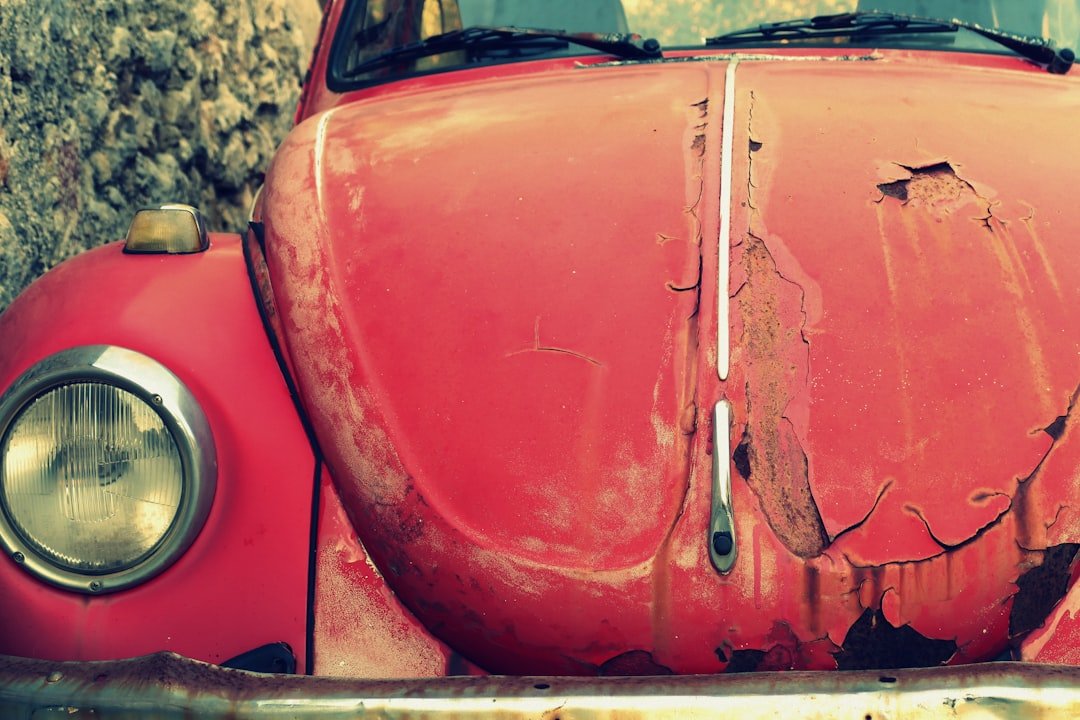
Rust is one of the most common problems car owners face, especially if you drive in wet weather, coastal air, or areas where road salt is used in winter. It forms when iron or steel reacts with oxygen and moisture, creating iron oxide. Once rust starts, it can spread under paint, weaken metal, and make repairs more expensive if you ignore it.
Small rust spots may look harmless at first, but they can grow into larger corrosion patches that affect body panels, wheel wells, undercarriage parts, suspension mounts, and even structural areas. Rust can also hurt your car’s appearance and lower its resale value. The good news is that many early rust spots can be treated at home with the right tools, safe prep work, and careful follow-up protection.
Quick Answer
To remove rust from a car, first inspect and clean the affected area. Treat light surface rust with vinegar, baking soda, sanding, or a rust remover. For deeper rust, use a rust converter, primer, paint, and clear coat. Severe rust near structural parts should be repaired by a professional.
Key Takeaways
- Rust can reduce your car’s structural strength, appearance, and resale value if you do not treat it early.
- Surface rust is usually easier to fix than bubbling paint, flaking metal, or holes.
- Vinegar and baking soda can help with small surface rust spots, but they are not enough for deep corrosion.
- Commercial rust removers, sanding, primer, paint, and clear coat give better protection when used correctly.
- Rust near the frame, suspension, brake lines, or load-bearing areas needs professional inspection.
At a Glance
| Best For | Small to moderate car rust spots, paint bubbles, and early surface corrosion |
| Time Required | 30 minutes for light cleaning; several hours to multiple days for sanding, priming, painting, and curing |
| Difficulty | Easy for surface rust; moderate for paint repair; professional level for structural rust |
| Tools Needed | Gloves, safety glasses, cleaner, brush, sandpaper, rust remover or converter, primer, automotive paint, clear coat, microfiber cloths |
| Cost | Low for small DIY spots; higher if repainting or professional metal repair is needed |
Understanding How Rust Affects Your Car
Rust starts when exposed metal meets moisture and oxygen. Paint normally protects your car’s steel panels, but scratches, chips, trapped dirt, and road salt can break that barrier. Once the protective layer fails, rust can creep under nearby paint and continue spreading.
At first, rust may appear as small orange or brown dots. Over time, you may see bubbling paint, rough patches, flaking metal, or holes. This deterioration can affect critical parts such as the frame, suspension, and body panels, leading to safety concerns.
Warning: Do not treat frame rust, suspension rust, brake-line corrosion, or large holes as a simple cosmetic repair. These areas can affect vehicle safety and should be inspected by a qualified technician.
Identifying Rust Spots on Your Car
Identifying rust spots on your car is the first step in controlling the damage. Rust can show up in several forms, from light surface discoloration to bubbling paint, flaking metal, and deep corrosion. Common rust-prone areas include wheel wells, rocker panels, door edges, undercarriages, trunk seams, hood seams, and areas around windshield or window seals.
Inspect these areas at least once a month, especially if you drive on salted roads or park outdoors. Look for discoloration, chipped paint, bubbling paint, rough texture, stains below trim pieces, or soft metal. These signs can mean rust is forming under the surface.
You can gently tap suspicious metal with a small tool to listen for dull or weak areas, but avoid hitting painted panels hard enough to damage them. If metal feels soft, flakes away, or crumbles, the rust has likely moved beyond a simple surface issue. Early detection is key because small spots are easier and cheaper to repair than large corroded areas.
Clean and Prepare the Rusty Area First
Before you use any rust treatment, wash the affected area with car-safe soap and water. Remove mud, grease, wax, loose paint, and road salt so the rust remover, sanding paper, or converter can contact the metal directly. Dry the area completely before moving to the next step.
Use painter’s tape to protect nearby trim, rubber seals, headlights, and undamaged paint. If you plan to sand or spray paint, work in a well-ventilated area and wear gloves, safety glasses, and a dust mask. Proper prep helps prevent uneven results and reduces the chance of damaging good paint around the rust spot.
Note: Rust repair works best when the metal is clean and dry. Moisture left under primer or paint can cause rust to return.
Using Vinegar and Baking Soda to Remove Rust

For small surface rust spots, vinegar and baking soda can be a natural and low-cost option. Vinegar contains acetic acid, which can help loosen light rust when it stays in contact with the affected area. This method works best on minor rust, small parts, or early stains. It is not the right choice for deep rust, holes, or structural corrosion.
To use vinegar for rust removal, soak a cloth in white vinegar and place it over the rusty spot. Let it sit for several hours or overnight, depending on the severity of the rust. After that, scrub the area gently with a brush or steel wool to remove loosened rust. Rinse and dry the area fully when you finish.
Baking soda can also help because it acts as a mild abrasive. Mix baking soda with water until it becomes a thick paste. Apply the paste to the rusty area and let it sit for about 30 minutes. Then scrub the spot with a brush, wipe it clean, rinse, and dry it completely.
Vinegar and baking soda are most useful for small surface rust spots. They can loosen light corrosion, but they do not rebuild damaged metal or replace proper primer and paint protection.
Applying a Commercial Rust Remover
| Product Name | Effectiveness | Application Time | Surface Coverage |
|---|---|---|---|
| Commercial Rust Remover A | High | 15 minutes | Metal surfaces |
| Commercial Rust Remover B | Medium | 30 minutes | Iron and steel |
| Commercial Rust Remover C | Low | 1 hour | Various metals |
Natural remedies can help with small rust spots, but more stubborn corrosion may need a commercial rust remover. These products are designed to break down rust faster than household methods. Some use stronger acids or chemical agents, so you should choose a product that matches your vehicle’s material and follow the label directions carefully.
To apply a commercial rust remover, clean the affected area first. Then apply the product as directed, either by spraying, brushing, or wiping it onto the rusty surface. Let it sit for the recommended time. Do not leave it longer than the label allows because some formulas can affect surrounding finishes.
After the waiting period, scrub the treated area with a brush or cloth to remove loosened rust. Rinse thoroughly if the product instructions require it, then dry the metal completely. After the rust is removed, protect the bare metal quickly with primer, paint, rust inhibitor, or another suitable coating.
Pro Tip: Test any rust remover on a small hidden area first. This helps you check whether it affects paint, trim, or nearby finishes before you treat a visible panel.
Sanding and Repainting Rusty Areas
Once you remove the rust, sanding and repainting help restore the surface and protect the metal from future corrosion. Sanding smooths rough edges, removes loose material, and gives primer a better surface to grip. Start with a coarser grit, such as 80-grit sandpaper, for remaining rust. Then move to finer grits, up to about 400-grit, to smooth the repair area.
After sanding, wipe away dust with a clean cloth. The surface should be dry, smooth, and free of residue. Apply automotive primer to bare metal because paint alone does not provide enough long-term protection. Let the primer dry according to the product directions.
Next, apply thin coats of automotive touch-up paint that match your car’s color. Several light coats usually look better and last longer than one heavy coat. After the paint dries, finish with a clear coat for extra protection against moisture, sunlight, and road grime.
Using a Rust Converter to Treat Rust

When rust has moved deeper into the metal but has not caused major structural damage, a rust converter can be useful. Rust converters react with iron oxide and turn it into a more stable surface that can often be primed and painted. This does not make damaged metal new again, but it can help stop light to moderate rust from spreading.
To use a rust converter, clean the area thoroughly. Remove loose rust, flaking paint, dirt, and grease. Apply the converter according to the manufacturer’s instructions, usually with a brush or spray applicator. Cover the affected area fully, including small edges where rust may continue spreading.
Allow the converter to dry for the full recommended time. Some products may need more than one coat. Once dry, you can sand lightly if the directions allow it, then apply primer, paint, and clear coat for a better finish.
A rust converter is a treatment, not a structural repair. If metal is thin, cracked, soft, or perforated, replacement or professional repair may be safer than coating over the damage.
Preventing Future Rust with Rust Inhibitors
Preventing future rust is just as important as removing existing corrosion. Rust inhibitors create a protective barrier that helps keep moisture and oxygen away from metal surfaces. These products come as sprays, paints, coatings, and waxes, and each type offers a different level of protection.
Before applying a rust inhibitor, make sure the surface is clean and dry. Follow the product directions for application thickness, drying time, and reapplication. Focus on rust-prone areas such as wheel wells, undercarriage sections, door bottoms, rocker panels, and seams where water can sit.
Reapply protection as needed, especially after winter driving, pressure washing, or long exposure to rain and road salt. A regular protective routine can slow corrosion and help extend your vehicle’s useful life.
Regular Maintenance to Keep Rust at Bay
Regular maintenance helps prevent rust before it starts. Wash your car often enough to remove dirt, grime, and salt. Pay special attention to the undercarriage, wheel wells, door edges, and lower body panels because these areas collect moisture and debris.
Waxing your car can also help protect the paint. A healthy paint layer reduces the chance that moisture will reach bare metal. If you see rock chips or scratches, touch them up quickly before rust forms underneath.
Inspect your car after winter, after beach trips, and after driving on muddy roads. Look closely around seams, bolts, trim edges, and drain holes. Keeping drain holes clear is important because trapped water can sit inside doors and panels, creating hidden rust.
When DIY Rust Repair Is a Good Choice
DIY rust repair is a good choice when the rust is small, shallow, and limited to non-structural areas. Surface rust on a small paint chip, a light patch near a wheel well, or a minor spot on a body panel can often be cleaned, treated, primed, and painted at home.
DIY repair is not a good choice when the rust affects safety-related parts. Avoid home repairs on rusted frames, suspension mounting points, brake lines, fuel lines, seat belt anchor areas, or large holes in load-bearing metal. These problems need proper inspection because cosmetic patching can hide serious damage.
Seeking Professional Help for Severe Rust Issues
In some cases, rust damage may be too extensive for DIY methods. If you notice large holes, deep flaking, cracked metal, soft panels, or corrosion near structural areas, seek professional help. Automotive body shops have the tools and experience to assess whether the metal can be repaired safely.
Professional repairs may include cutting out damaged metal, welding in new sections, sealing seams, treating hidden corrosion, and repainting the affected area. Although this costs more than a DIY fix, it can prevent further deterioration and help keep your vehicle safe and reliable.
You should also get a professional opinion if rust keeps returning in the same place after repeated repairs. Recurring rust may mean moisture is trapped behind the panel, inside a seam, or under previous body filler.
Exploring DIY Rust Removal Techniques
If you enjoy hands-on maintenance, several DIY rust removal techniques can help with small parts and light corrosion. Beyond vinegar and baking soda, some people use electrolysis for removable metal parts. This method uses electrical current and an electrolyte solution to loosen rust from metal. It is better suited for parts removed from the vehicle, not painted body panels.
Commercial products such as naval jelly may also help with heavier rust on certain metal surfaces. These products are stronger than household methods, so you must follow safety directions, wear protective gear, and keep them away from surfaces they are not designed to treat.
Another common DIY approach involves using aluminum foil dipped in cola or another mild acidic liquid as a light abrasive on chrome or small metal areas. This can help with very light surface rust, but it should not replace sanding, rust remover, converter, primer, and paint when bare steel is exposed.
Common Rust Repair Mistakes to Avoid
One common mistake is painting directly over rust. Paint may hide the spot for a short time, but rust can continue spreading underneath. Always remove loose rust or use the correct converter before priming and painting.
Another mistake is skipping primer. Bare metal needs a protective base layer before paint. Without primer, the repaired area may peel, bubble, or rust again sooner.
Do not ignore moisture traps. Rust often returns when water sits behind trim, inside seams, or under dirt-packed wheel wells. Clean the area well and make sure water can drain away properly.
Finally, avoid using body filler as a substitute for metal repair. Filler can smooth a cosmetic surface, but it does not restore structural strength. If the metal has holes or serious weakness, the damaged section may need proper metal repair.
Keeping Your Car Rust-Free
Keeping your car rust-free takes regular inspection, quick repairs, and consistent protection. Start by understanding where rust forms and checking those areas often. Treat small spots early with safe DIY methods, commercial rust removers, sanding, primer, paint, or rust converters when appropriate.
For long-term protection, wash away salt and grime, keep paint chips sealed, apply rust inhibitors where needed, and inspect the undercarriage regularly. If rust affects structural parts or keeps coming back, get professional help before the damage spreads.
Rust can be frustrating, but it is easier to manage when you act early. With the right repair method and routine maintenance, you can protect your vehicle’s appearance, safety, and resale value for years to come.
Related Guides
FAQs
What causes rust on a car?
Rust on a car is caused by oxidation. This happens when iron or steel comes into contact with moisture and oxygen. Salt can speed up the process, which is why vehicles in snowy regions or coastal areas often develop rust faster.
How can I remove rust from my car?
You can remove rust from a car by cleaning the area, sanding loose rust, using a rust remover or rust converter, applying primer, and repainting the surface. The best method depends on whether the rust is light surface rust, moderate corrosion, or severe structural damage.
Can I prevent rust from forming on my car?
Yes. You can reduce the risk of rust by washing your car regularly, removing road salt, waxing the paint, touching up chips, keeping drain holes clear, and applying rust inhibitors or protective coatings to vulnerable areas.
Is it possible to repair rust damage on a car?
Yes, many rust problems can be repaired. Light rust can often be handled with sanding, rust treatment, primer, and paint. More serious rust may require patching, welding, or replacing damaged metal. Structural rust should be inspected by a professional.
Can vinegar remove car rust?
Vinegar can help loosen light surface rust because it contains acetic acid. It works best on small spots or removable parts. It is not strong enough for deep rust, holes, or major corrosion, and the area still needs protection afterward.
Should I use a rust remover or a rust converter?
Use a rust remover when you want to dissolve and remove rust from the metal. Use a rust converter when light to moderate rust remains and you want to stabilize it before priming and painting. Always follow the product instructions.
When should I call a professional for car rust?
Call a professional if rust affects the frame, suspension, brake lines, fuel lines, seat belt mounting points, or large sections of metal. You should also get help if the metal is soft, cracked, perforated, or badly flaking.
