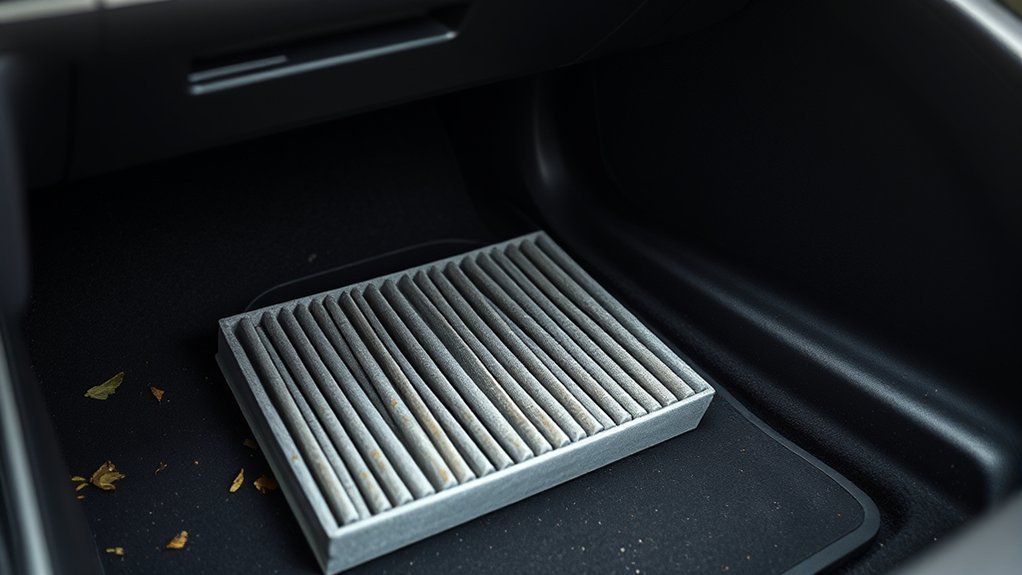
If your Toyota Camry smells musty when you turn on the A/C, start with the cabin air filter, then check for moisture inside the HVAC system. A dirty filter can trap dust, pollen, leaves, and moisture. If the smell returns after a fresh filter, the evaporator drain, vents, or evaporator case may need attention.
Quick Answer
A Toyota Camry cabin air filter usually smells because dirt, pollen, leaves, and moisture are trapped in or near the filter. Replace the filter first, check for damp carpet near the passenger footwell, confirm the A/C drain is flowing, and clean the vents or evaporator area if the odor returns.
Key Takeaways
- A musty Camry A/C smell often starts with a dirty cabin air filter, but moisture in the evaporator case or drain line can keep the smell coming back.
- Check your Toyota owner’s manual or maintenance guide for the correct filter service interval for your model year.
- Wet carpet, gurgling sounds, or water near the passenger footwell can point to a blocked A/C drain.
- Use only automotive HVAC cleaners as directed, and do not spray household bleach or mixed cleaners into the vents.
At a Glance
| Time Required | 15–45 minutes for basic inspection and filter replacement; longer if the drain or evaporator needs service. |
| Difficulty | Easy for filter inspection; moderate if you need to inspect drainage or clean the evaporator area. |
| Tools Needed | Replacement cabin air filter, flashlight, gloves, shop towel, vacuum with crevice tool, and an automotive HVAC cleaner if needed. |
| Cost | Usually low for a DIY filter change; professional HVAC cleaning or drain service costs more if the smell comes from deeper inside the system. |
Identifying and Solving Odors From Your Toyota Camry Cabin Air Filter
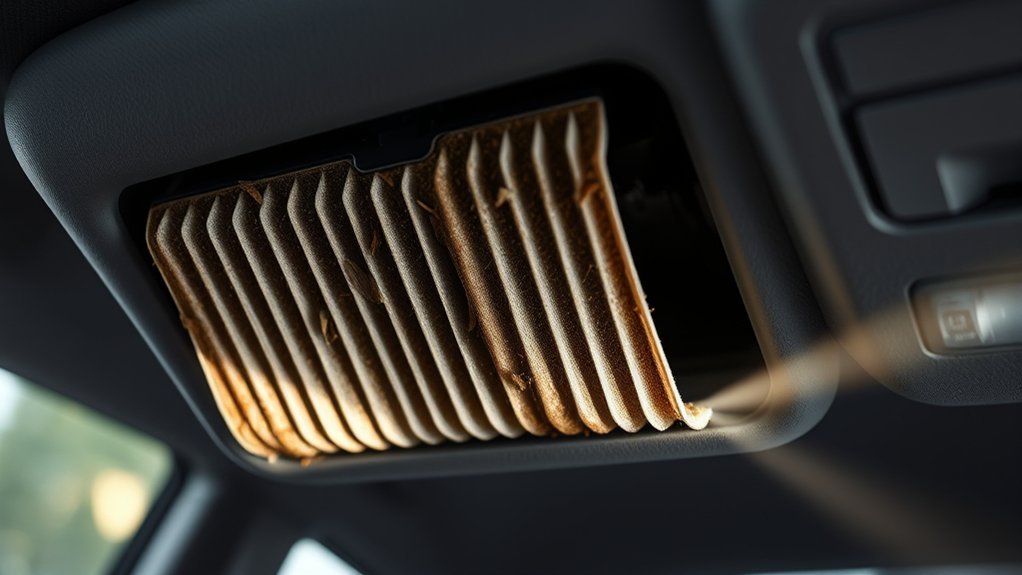
A bad smell from your Toyota Camry vents usually means one of three things: the cabin air filter is dirty, moisture is sitting in the A/C system, or debris is trapped near the air intake or evaporator. The filter is the easiest place to start because it sits in the airflow path and collects dust, pollen, leaves, and road debris.
Check your model-year maintenance guide before setting a fixed replacement schedule. Toyota’s official manuals and warranties page lets owners select their vehicle and access the correct manuals for their Toyota. As a practical rule, many drivers inspect or replace the cabin air filter around 12,000 to 15,000 miles or once a year, but dusty roads, heavy pollen, humid weather, pets, and frequent city driving can shorten that interval.
If the odor disappears after a filter change, you likely solved the main problem. If it comes back within days, the source is probably moisture or buildup deeper inside the HVAC system, especially around the evaporator or drain tube.
Why Does Your Cabin Air Filter Stink?
Your cabin air filter can stink when trapped debris becomes damp. Dust, pollen, leaf fragments, and other organic material can hold moisture. That damp material can create a musty odor when the blower pushes air through the filter and into the cabin.
A filter can also smell bad when the A/C system does not dry well after use. Cold evaporator surfaces create condensation during normal A/C operation. If that water does not drain properly, or if the car is parked while the evaporator is still wet, stale odors can build up.
- Musty or mildew smell: Often points to damp filter media, evaporator moisture, or mold-related buildup.
- Dusty smell: Often points to an old filter, clogged filter, or debris in the intake area.
- Sour smell when A/C first starts: Often points to moisture around the evaporator or vents.
- Odor plus weak airflow: Often points to a clogged cabin air filter or airflow restriction.
Pro Tip: Before you park, turn the A/C compressor off and run the fan for two to three minutes. This can help dry the evaporator area and reduce the damp conditions that feed musty odors.
How Mold and Bacteria Contribute to Cabin Odors
Mold and odor-causing microbes need moisture to grow. The CDC explains that mold can smell musty and grows where moisture is present. In a Camry, moisture can come from normal A/C condensation, a restricted drain, wet debris, or water intrusion.
For most drivers, a musty A/C smell is a maintenance issue first. Still, you should take it seriously if you have allergies, asthma, chronic lung disease, or immune concerns. The CDC notes that damp or moldy environments may cause symptoms such as stuffy nose, sore throat, coughing, wheezing, burning eyes, or skin rash for some people.
If you see visible mold, smell a strong persistent odor, or feel symptoms that improve when you leave the car, do not keep masking the smell with air fresheners. Replace the filter, fix moisture problems, and consider professional inspection if the odor persists.
Warning: Do not spray household bleach, ammonia, or mixed cleaners into your Camry’s vents. Use only products labeled for automotive HVAC systems, follow the label, and ventilate the car during and after use.
How to Identify Clogged Drain Lines in Your A/C System
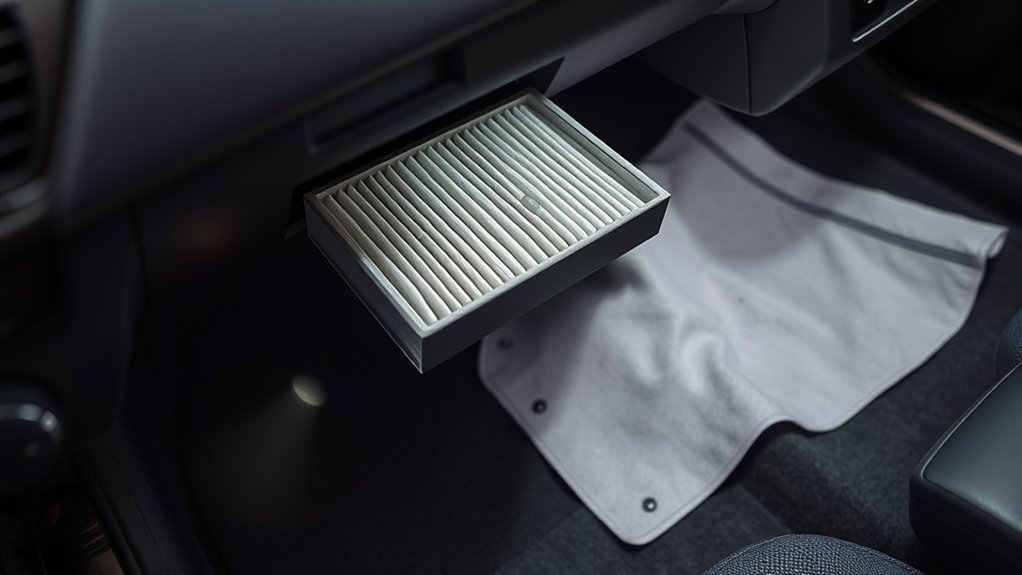
Your Camry’s A/C system should drain condensation outside the vehicle. When the drain line clogs, water can sit near the evaporator case or leak into the passenger area. The EPA recommends keeping air-conditioning drip pans clean and drain lines unobstructed because moisture control is key to mold control.
Signs of Clogged Drain
| Sign | What It Can Mean | What To Do Next |
|---|---|---|
| Water pooling near the passenger footwell | Condensation may not be draining outside | Check carpet, floor mat, and drain outlet area |
| Gurgling or bubbling sound with A/C on | Water may be trapped in the case or drain tube | Inspect for water under the vehicle after A/C use |
| Musty odor after filter replacement | Odor source may be deeper than the filter | Inspect drain flow, vents, and evaporator area |
| Weak airflow plus odor | Filter or intake may be clogged with debris | Replace filter and vacuum loose debris carefully |
Inspection Techniques Explained
Use a simple order so you do not waste time chasing the wrong source:
- Check the cabin air filter first. Remove the old filter and look for dirt, leaves, dark spots, dampness, or a sour smell.
- Look for wet carpet. Press a dry towel near the passenger footwell and lower dash area. Dampness can point to a drain or water-leak issue.
- Run the A/C and check for water outside. After several minutes of A/C use, you should often see condensation dripping under the vehicle in warm, humid weather.
- Smell the vents with the fan on. If the filter is new but the odor remains, the buildup may be inside the vents or evaporator case.
- Stop before forcing tools into the drain. A drain tube can be damaged by hard metal picks or aggressive probing. If you cannot clear it safely, use a technician.
Note: A dry day may produce less visible A/C condensation under the car. Use odor, wet carpet, airflow, and drain inspection together instead of relying on one sign.
Regular Maintenance Tips to Keep Your Cabin Odor-Free
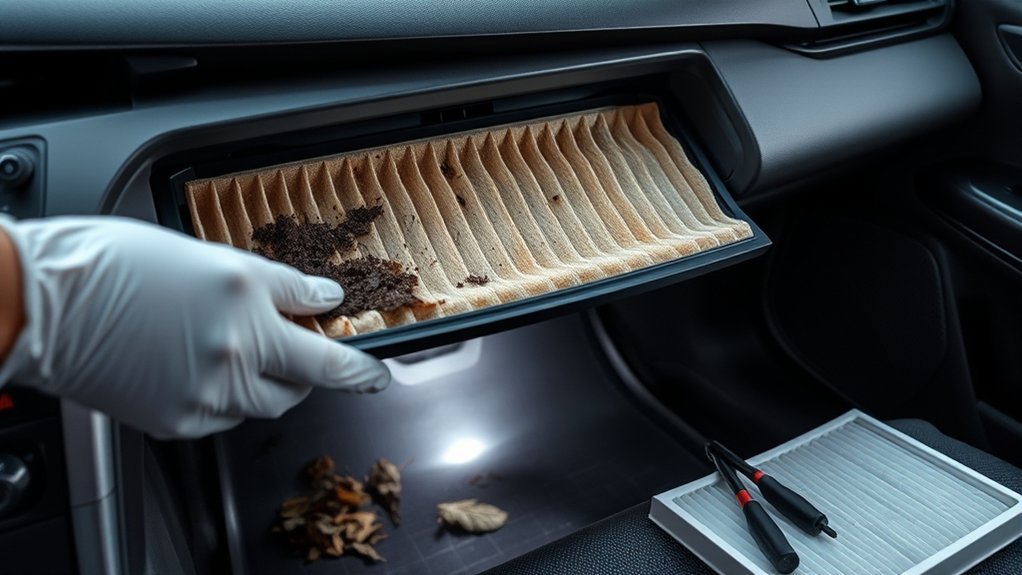
Regular maintenance keeps odors from returning. The main goal is simple: keep the filter clean, keep moisture draining, and keep debris out of the air intake path.
Schedule Regular Filter Changes
Inspect the cabin air filter at least once a year, and check it sooner if you drive on dusty roads, park under trees, carry pets, or live in a humid area. Replace it if it looks dark, clogged, damp, torn, or smells musty.
Most Camry cabin filters sit behind the glove box, but the exact access steps can vary by model year. Check your owner’s manual before pulling panels or tabs so you do not crack the glove box stops or filter door.
- Install the filter in the correct airflow direction.
- Vacuum loose leaves near the filter slot without pushing debris deeper into the duct.
- Use the correct filter size for your Camry model year.
- Replace the filter sooner if weak airflow and odor appear together.
Clean the A/C System When Odors Return
If a fresh filter does not solve the smell, clean the system more carefully. Start with the vents and intake area. Remove visible debris, run the fan, and use an automotive HVAC cleaner only as directed by the product label.
Do not rely on perfume sprays or vent clips to fix the source. They can hide the odor for a short time, but they do not remove damp debris or clear a blocked drain.
Inspect Drainage Lines Regularly
Check the A/C drainage pattern during warm weather. After running the A/C, look for a normal condensation drip under the vehicle. Also check the passenger footwell for dampness, especially after long A/C use.
- Keep the cowl and windshield-base area clear of leaves.
- Watch for wet carpet, stale smells, or foggy windows.
- Have a technician clear the drain if you suspect a blockage but cannot access it safely.
- Fix leaks quickly, because moisture problems can make odors return after cleaning.
Effective Solutions for Eliminating Cabin Odors in Your Toyota Camry
Use this order to remove cabin odors without guessing:
- Replace the cabin air filter. This is the easiest and most common first step.
- Remove loose debris. Vacuum leaves or dust near the filter slot and intake area without damaging the duct.
- Dry the evaporator area. Run the fan without A/C for a few minutes before parking, especially in humid weather.
- Check for drainage problems. Look for water outside the vehicle after A/C use and check for damp carpet inside.
- Clean vents and evaporator area if needed. Use only automotive HVAC products and follow the label.
- Schedule service if the smell persists. A technician can inspect the evaporator case, drain tube, blower housing, and water leaks.
The fastest fix is a new cabin air filter. The lasting fix is removing the moisture source that made the smell appear in the first place.
When to See a Mechanic
DIY maintenance can solve many cabin odor problems, but some signs need professional help. Book service if the smell returns right after a filter change, the passenger carpet is wet, the blower motor sounds strained, water drips inside the cabin, or you suspect mold in the evaporator case.
You should also get help if anyone in the car has asthma, chronic lung disease, immune concerns, or symptoms that seem worse during A/C use. A technician can check the drain, evaporator, blower housing, and water leaks without damaging HVAC parts.
Related Guides
Frequently Asked Questions
Why does my Toyota Camry A/C smell bad?
Your Camry A/C may smell bad because the cabin air filter is dirty, damp debris is trapped near the filter, or moisture is sitting around the evaporator. Replace the filter first. If the smell returns, inspect the drain line, vents, and passenger-side carpet for moisture.
Can a bad cabin air filter cause a smell?
Yes. A dirty or damp cabin air filter can hold dust, pollen, leaves, and moisture. When the blower pushes air through that material, the cabin can smell musty, dusty, or sour. If airflow is weak too, the filter is a strong first suspect.
Can I fix stinky air from my Camry A/C myself?
Often, yes. Start by replacing the cabin air filter, cleaning loose debris near the filter slot, running the fan to dry the evaporator, and checking for water near the passenger footwell. If the smell stays after those steps, the drain or evaporator case may need service.
What is the Toyota smell lawsuit?
The phrase usually refers to legal claims involving HVAC odors in certain Toyota Camry vehicles. Lawsuit and settlement details can change by model year, state, ownership date, and repair records. Treat it separately from a safety recall, and check official settlement notices or court documents for eligibility.
Is a musty A/C smell the same as a recall?
No. A musty smell, a lawsuit, and a safety recall are different things. To check recalls, use the NHTSA recall lookup with your VIN or vehicle details. For lawsuit or settlement questions, review official legal notices.
How do I stop the smell from coming back?
Replace the filter on schedule, keep leaves out of the intake area, run the fan briefly after A/C use, and fix any blocked drain or water leak quickly. If the smell keeps returning, have the evaporator case and drain system inspected.
Conclusion
A smelly Toyota Camry cabin air filter is usually a sign of trapped debris, moisture, or both. Replace the filter first, then check the A/C drain, passenger footwell, vents, and evaporator area if the odor returns. With a clean filter, proper drainage, and a few drying habits after A/C use, your Camry’s cabin can stay fresher and more comfortable.
Sources
- Toyota Manuals and Warranties — supports checking the correct owner’s manual and maintenance guide for your model year.
- U.S. EPA: A Brief Guide to Mold, Moisture and Your Home — supports moisture control, mold prevention, HVAC drain guidance, and safe cleanup principles.
- CDC: Mold — supports mold odor, moisture, and possible health-effect information.
- NHTSA Recall Lookup — supports VIN-based recall checks and the distinction between recalls and other claims.
