
The Toyota RAV4 spark plug interval is 120,000 miles on recent U.S. models, which use long-life iridium plugs. Your exact model year and engine decide the final number, so always confirm it in Toyota’s warranty and maintenance guide. Do not wait for the mileage if the engine misfires, idles roughly, or starts hard, because worn plugs can show symptoms earlier.
Quick Answer
- Replacement interval: Toyota’s U.S. maintenance schedule for recent RAV4 models (2019 and newer) lists spark plug replacement at 120,000 miles or 12 years. Older generations used different engines and plugs, so check the guide for your model year.
- Common symptoms: Rough idle, hard starting, hesitation, worse fuel economy, and a check engine light.
- Installation tip: Install new plugs dry. NGK states that anti-seize is unnecessary on its plugs and can change torque values.
Key Takeaways
- Follow the interval printed in the maintenance guide for your exact RAV4 instead of relying on a generic number.
- A flashing check engine light usually means an active misfire. Reduce driving and have the vehicle inspected promptly.
- Worn spark plugs are only one cause of misfires. A failing ignition coil, a fuel problem, or a vacuum leak can produce similar symptoms.
- Use the correct plug for your engine and tighten it to the torque specification in the service manual.
Understanding the Role of Spark Plugs in Your RAV4
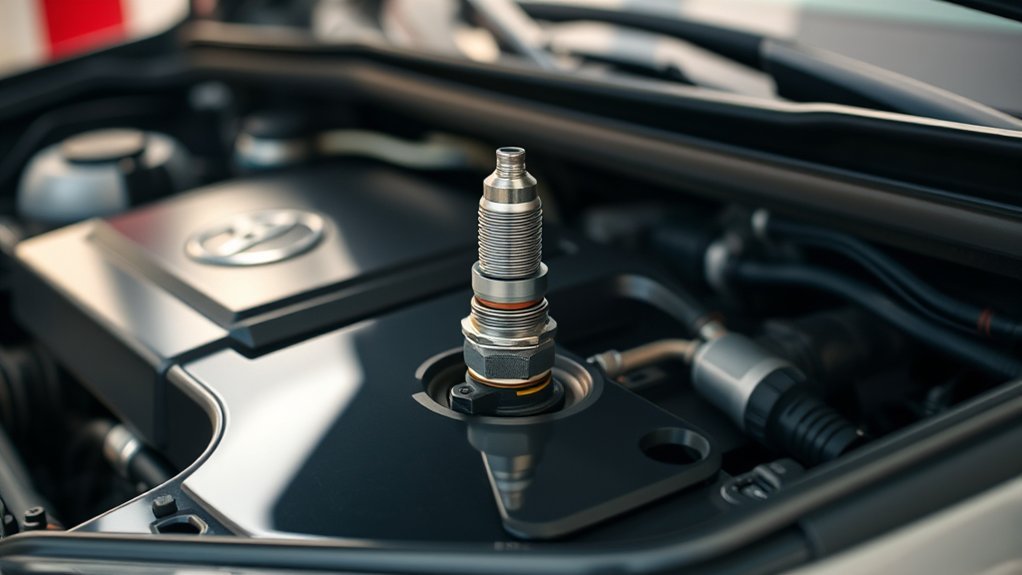
Spark plugs ignite the air-fuel mixture in each cylinder. The electrode material, such as copper, platinum, or iridium, affects how long a plug lasts and how well it keeps firing as the electrode wears. Iridium plugs are used by most modern Toyotas because they hold their shape longer than copper plugs.
When plugs wear out, the spark has to jump a larger gap and the ignition system works harder. The result can be a rough idle, a hard start, hesitation under load, or a misfire that triggers the check engine light.
Toyota RAV4 Spark Plug Interval: How Often to Change Them
For recent U.S. RAV4 models, Toyota lists spark plug replacement at 120,000 miles or 12 years, with no separate inspection step in the schedule. Earlier RAV4 generations used different engines and plug types, so do not assume the same number applies. Look up the warranty and maintenance guide for your model year on Toyota’s owner manuals page, or check the printed booklet that came with the vehicle.
What Can Shorten Spark Plug Life
- Plug type: Iridium plugs outlast copper plugs by a wide margin.
- Fuel quality: Poor fuel or heavy deposits can foul the plug tip.
- Short trips and heavy idling: Engines that rarely reach full operating temperature tend to build up more deposits.
- Other engine faults: A failing ignition coil, an oil leak into the spark plug wells, or a vacuum leak can make good plugs misfire or wear faster.
Signs You Need to Replace Your Spark Plugs
Watch for these symptoms, especially after 100,000 miles:
- Check engine light: A misfire code is a common trigger. According to Edmunds, a flashing check engine light signals an urgent problem such as a misfire, and continued driving can damage the emissions system.
- Rough idle or shaking: The engine feels unstable at a stoplight.
- Hard starting or stalling: The engine cranks longer than usual before it starts.
- Poor fuel economy: Incomplete combustion wastes fuel.
- Weak acceleration: The engine hesitates or feels sluggish.
These symptoms also appear with other faults, so have the stored trouble codes read before you buy parts. A misfire code that points to one cylinder often means a bad ignition coil rather than worn plugs.
When to Replace Spark Plugs for Best RAV4 Performance
Replace the plugs at the interval in your maintenance guide, which is 120,000 miles for recent U.S. models. Replace them sooner if a mechanic finds heavy wear, carbon fouling, or oil contamination on the electrodes. Inspecting the plugs when the engine shows misfire symptoms is reasonable, but pulling healthy iridium plugs early only adds cost.
Tips for Replacing and Maintaining Your Spark Plugs

Use the plug specified for your engine and avoid mixing brands within a set. Do not use anti-seize on the threads. NGK states that its plugs leave the factory with a plating that makes anti-seize unnecessary, and that a lubricant can change the applied torque and increase the risk of over-tightening. Tighten each plug to the torque figure in the service manual for your engine.
Take a photo of each old plug when you remove it. The condition of the electrode can point to other issues, such as oil on the plug or heavy carbon, and a code reader helps confirm whether the misfire is limited to one cylinder.
Basic Steps for DIY Spark Plug Replacement
Replacing the plugs on a RAV4 is a manageable job for owners with basic tools and a torque wrench. Procedures differ by engine, so follow the service manual for your model year. The general sequence looks like this:
- Let the engine cool completely and disconnect the negative battery cable if the manual calls for it.
- Remove the engine cover to expose the ignition coils.
- Disconnect the connector and unbolt each ignition coil, then pull it straight out.
- Clear any debris from the spark plug wells before removing the plugs.
- Remove each plug with a spark plug socket and extension.
- Compare the new plug with the old one and confirm it is the correct part. Do not force a gap tool onto fine-wire iridium electrodes.
- Thread each new plug in by hand to avoid cross-threading, then tighten to the specified torque.
- Reinstall the coils, reconnect the electrical connectors, and refit the engine cover.
If you are not comfortable with this work, a dealership or independent shop can do it. Ask for the work order to list the plug part number and the torque method used.
How Much Does Spark Plug Replacement Cost?
Cost depends on the engine, the plug brand, and local labor rates. A four-cylinder generally takes less labor than a V6, and doing the job yourself leaves only the cost of the plugs. Ask the shop for a written quote that includes parts and labor before authorizing the work.
Frequently Asked Questions
Can I Replace Spark Plugs Myself, or Should I Hire a Professional?
You can replace them yourself if you have basic hand tools, a spark plug socket, and a torque wrench. If you are uncomfortable working around the ignition coils or lack the right tools, a professional can do the job quickly and correctly.
What Type of Spark Plugs Does the Toyota RAV4 Use?
Recent RAV4 models use long-life iridium plugs. Earlier models may use different plug types, so check your owner’s manual or the maintenance guide for the exact part number for your engine.
Will Changing Spark Plugs Improve My RAV4’s Fuel Efficiency?
It can, if the old plugs were worn enough to cause misfires or incomplete combustion. Fresh plugs in a healthy engine will not transform fuel economy, but they restore smooth, complete combustion.
Can Worn Spark Plugs Cause Damage to the Engine?
Persistent misfires send unburned fuel into the exhaust, which can overheat and damage the catalytic converter. Address a flashing check engine light promptly.
Should I Use Anti-Seize on RAV4 Spark Plugs?
No. NGK says its plugs do not need anti-seize or any other lubricant, and that using it can change torque values and raise the risk of thread damage. Follow the torque specification for your engine.
Conclusion
The Toyota RAV4 spark plug interval for recent U.S. models is 120,000 miles, but the right number depends on your model year and engine. Check the maintenance guide, watch for symptoms such as rough idle or a check engine light, and diagnose misfires before replacing parts. Installing the correct plugs dry and tightening them to specification is the simplest way to avoid problems.
Sources
- Toyota Owners: Manuals and Warranties — model-specific maintenance guides and owner’s manuals.
- NGK Spark Plugs: 5 Things You Should Know About Spark Plugs — guidance on anti-seize and torque.
- Edmunds: What Your Check Engine Light Is Telling You — steady versus flashing check engine light.
