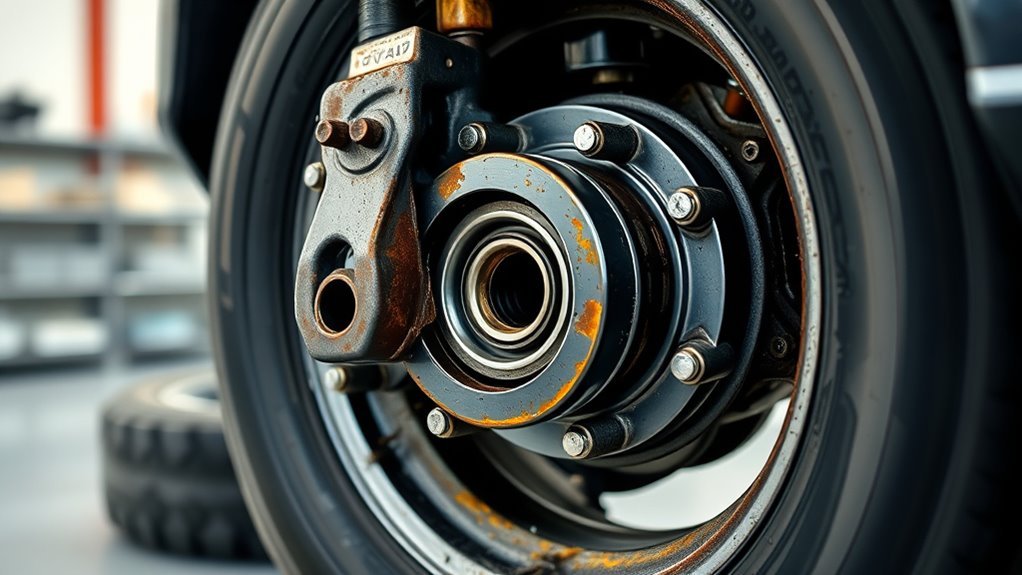
When a Toyota RAV4 arrives at Out Zone with a suspected wheel bearing issue, the first step is a focused inspection of the noise pattern, tire wear, and suspension response. Technicians look for clues that separate bearing wear from road noise or uneven tread. Mileage alone does not determine the outcome. The diagnosis depends on evidence, and the next step often reveals whether repair is needed or another cause is to blame.
RAV4 Wheel Bearing Noise Signs
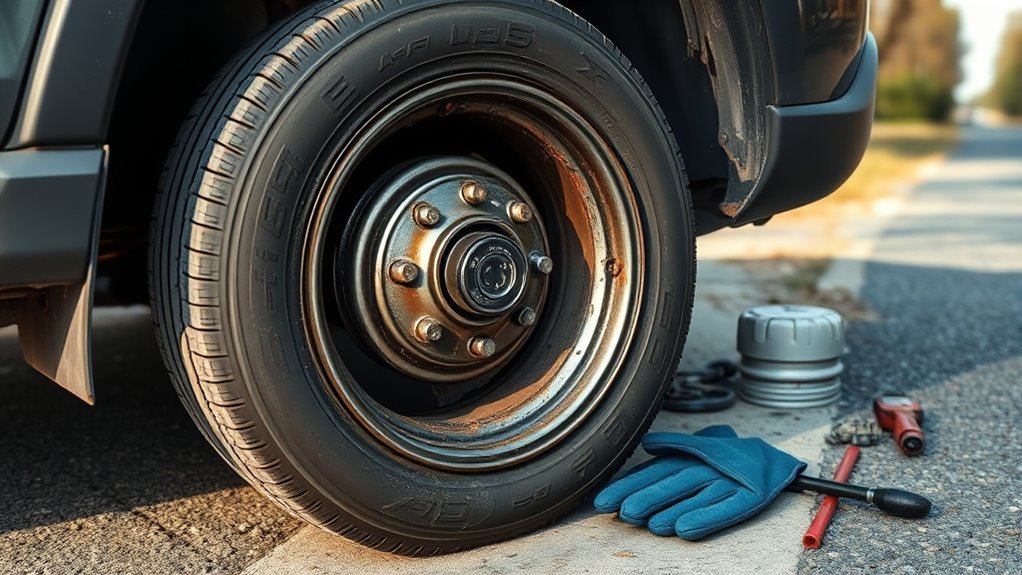
Common signs of wheel bearing noise in a Toyota RAV4 typically include a whirring sound that rises with vehicle speed and a rhythmic thunk while the vehicle is moving. These signs often point to wheel bearing noise at the left front wheel, though tire wear can produce similar symptoms.
Uneven tread or low tread depth may generate humming that resembles bearing failure, so a careful inspection is essential. A failing bearing may also produce a grinding or humming tone during turns, when load shifts and internal damage becomes more apparent.
Such behavior deserves prompt attention because early detection supports safer, more independent mobility and can limit repair costs. Regular vehicle checks help identify abnormal sound patterns before they spread to other components.
For a practical assessment, note when the noise appears, whether it changes with speed, and whether cornering alters it. Clear observation is the first step toward informed action.
How We Diagnose RAV4 Noise
Diagnosis begins with a targeted inspection of the RAV4’s front wheel area to identify likely noise sources, including the wheel bearings, tires, and related components.
Technicians then use vibration and noise-measurement equipment, along with tread-depth and wear-pattern checks, to distinguish bearing noise from tire noise.
Mileage and maintenance history are also reviewed to support an accurate, practical diagnosis.
Noise Source Checks
When evaluating a Toyota RAV4 for wheel bearing noise, mechanics typically begin at the front wheel area, where bearing failure is most likely to present. They listen for a whirring tone or rhythmic thunk, then compare it with road-speed changes and steering input.
A thorough inspection follows, because the source is not assumed; each noise pattern is verified before parts are replaced. Tire tread depth and wear patterns are checked time to time, since uneven wear can imitate bearing symptoms.
A second mechanic may provide a new account of the complaint, reducing bias and improving diagnostic freedom. The AI from the post is not required here; direct mechanical evidence matters more than guesswork.
This method supports accurate repair decisions and limits unnecessary component changes.
Bearing Vs Tire Noise
Distinguishing wheel bearing noise from tire noise is essential during a Toyota RAV4 inspection, since tire wear can produce sounds that closely resemble a failing bearing.
Mechanics typically begin with tire tread depth and wear pattern checks, because uneven wear, cupping, or pressure issues can create road noise that masks the real fault.
Bearing noise is usually a whirring or rhythmic thunk that changes with speed and load, while tire noise often shifts with tread design and pavement texture.
Careful noise detection requires examining both components, not one or the other. This method supports tire maintenance decisions and preserves bearing longevity by preventing premature replacement.
Prompt professional assessment keeps diagnosis accurate and gives the driver a clearer, more autonomous path to repair.
RAV4 Wheel Bearing vs Tire Noise
Tire noise is often mistaken for wheel bearing noise on a RAV4, so a careful inspection is essential before any repair is approved. A precise noise assessment should begin with tire wear checks, since uneven tread, cupping, or feathering can generate sounds that resemble bearing faults.
Diagnostic tools, including a lift, tread gauge, and road test, help isolate whether the sound changes with speed, load, or turning. Wheel bearing failure usually presents as a whirring or rhythmic thunk, yet these cues can overlap with tire-related noise if the tires are neglected.
Some owners report very high mileage, even 250k miles, without bearing replacement, which reinforces the need to inspect tires first. Consulting multiple mechanics can sharpen the diagnosis and reduce unnecessary part swaps.
For drivers seeking freedom from guesswork, disciplined testing preserves money, avoids false repairs, and directs attention to the real source of the noise.
Why Mileage Doesn’t Decide Replacement
Wheel bearing replacement on a Toyota RAV4 is not determined by mileage alone; the deciding factor is evidence of failure.
Diagnosis should be based on the actual noise pattern and related symptoms, since wear rates vary widely between vehicles.
Tire defects can produce similar sounds, so the tire condition must be checked before a bearing is replaced.
Mileage Isn’t the Trigger
Mileage, by itself, is not a reliable trigger for replacing a Toyota RAV4 wheel bearing. Replacement decisions should follow symptoms, inspection, and professional assessment, not a fixed odometer point. Owner experiences show well-maintained RAV4s running beyond 145,000 miles without bearing failure. Bearing maintenance tips and noise prevention strategies focus on regular checks, tire condition, and early attention to unusual sounds. This approach prevents unnecessary parts replacement and preserves mechanical independence.
| Factor | Practical meaning | Action |
|---|---|---|
| Mileage | Not decisive | Monitor condition |
| Noise | Possible clue | Inspect source |
| Assessment | Required | Confirm before repair |
Mechanics note that tire noise can imitate bearing wear, so misdiagnosis must be avoided. Real freedom comes from evidence-based maintenance, not arbitrary mileage rules.
Diagnose The Actual Noise
Before any Toyota RAV4 wheel bearing is replaced, the actual source of the noise should be identified, because mileage alone does not establish failure.
Effective noise identification techniques include controlled road tests, load changes during turns, and close listening for pitch shifts that indicate a bearing rather than another component. Sound testing methods should document when the noise appears, its speed range, and whether it changes under acceleration or deceleration.
Vibration analysis tools can add objective evidence by isolating frequencies associated with bearing wear. Mechanics should also inspect tread condition and wear patterns, then compare findings with results from multiple shops when needed.
A 2015 RAV4 with 145,000 miles can still operate without bearing damage, so replacement should follow diagnosis, not habit.
Tires Can Mimic Bearings
Tire noise can closely resemble the hum or growl of a failing wheel bearing, so diagnosis must account for tread depth, wear patterns, and tire pressure before any replacement decision is made.
Tire wear often creates rhythmic droning that shifts with road texture, while bearing noise usually changes with load transfer. Careful diagnosis techniques compare noise patterns at different speeds, on smooth pavement, and during gentle lane changes.
Mileage alone does not justify replacement, because bearing condition depends on load, contamination, and maintenance history, not odometer count. Regular monitoring can expose early tire-related faults and prevent unnecessary repairs.
When uncertainty remains, consulting multiple mechanics can provide independent assessments and reduce the risk of misdiagnosis. Precision preserves resources and keeps owners free from avoidable expense.
When a RAV4 Bearing Needs Repair
A Toyota RAV4 wheel bearing typically needs repair only after clear symptoms of failure appear, not simply because the vehicle has accumulated a certain number of miles. A technician should evaluate noise, play, and heat before authorizing service.
Whirring or rhythmic thunking near the left front wheel is a common trigger for inspection. Bearing maintenance tips emphasize routine tire checks, because uneven tread or cupping can imitate bearing noise and distort the diagnosis.
- Confirm the sound during turns and steady-speed driving.
- Inspect tire condition and tread depth first.
- Use professional diagnosis to isolate the source.
- Track wheel bearing lifespan and RAV4 repair frequency.
When symptoms are verified, replacement restores safe rotation and prevents collateral damage to the hub and axle assembly.
A precise diagnosis supports informed repair choices and keeps maintenance tied to evidence, not guesswork.
What Other RAV4 Owners Have Seen
What do owner reports suggest about RAV4 wheel bearings? In owner experiences, the pattern is mixed. Many drivers describe a whirring or rhythmic thunk from the front wheel area, yet some vehicles pass 250,000 miles without bearing replacement.
Owner reports on RAV4 wheel bearings are mixed, with some hearing front-end noise and others driving 250,000 miles without replacement.
Others report noise appearing near 145,000 miles, showing that wear can vary widely. Community noise comparisons often reveal a second possibility: tire tread hum can mimic bearing failure, so sound alone is not enough for diagnosis.
Practical maintenance tips from owners focus on monitoring changes early, recording when the noise occurs, and checking tires, brakes, and suspension before assuming a bearing is out of zone.
Several recommend consulting multiple mechanics when the symptom persists, because independent inspections reduce misdiagnosis and support informed decisions.
The overall record suggests that careful observation and disciplined maintenance preserve mechanical freedom, lower repair risk, and help owners act before a minor noise becomes a larger failure.
Frequently Asked Questions
How Long Do Wheel Bearings Last in a RAV4?
A Toyota RAV4 wheel bearing often lasts the vehicle’s life, commonly exceeding 145,000 miles when driving conditions are moderate and wheel bearing maintenance is consistent.
There is no fixed replacement frequency; service is driven by signs of failure such as whirring, rhythmic thunking, or front-end growling.
Professional diagnosis is recommended before replacing parts.
Regular tire and suspension checks help preserve autonomy, reduce unnecessary repairs, and keep the vehicle operating safely.
Is It Bad to Drive When Your Wheel Bearings Are Going Out?
Yes, it is bad to drive with wheel bearings going out.
Wheel bearing symptoms such as whirring, rhythmic thunking, or play in the wheel can signal reduced driving safety and possible hub or suspension damage.
Proper noise diagnosis matters because tire noise can mimic bearing failure.
Continued driving may increase repair costs and accident risk.
A professional inspection should occur promptly to preserve control, stability, and mechanical freedom.
What Is the Most Common Problem With the Toyota RAV4?
The Toyota RAV4 is most commonly reported to have front-wheel noise, often tied to wheel bearings.
Though brake issues, engine troubles, and electrical problems also appear in owner reports.
Technicians should verify tire wear first, since tread noise can imitate bearing failure.
Practical inspection of hubs, brakes, and suspension helps isolate the source.
For those seeking reliable mobility, routine maintenance remains the simplest route to freedom from preventable faults.
How Much Does It Cost to Replace a Wheel Bearing on a Toyota RAV4?
Replacing a Toyota RAV4 wheel bearing typically costs $300 to $800, depending on labor, parts, and location.
Wheel bearing symptoms such as humming, play, or vibration usually justify diagnosis before the replacement process begins.
Labor often runs $100 to $150 per hour, while genuine Toyota parts cost more than aftermarket options.
A DIY guide may reduce expense, but alignment and proper tools remain essential for reliable, independent repair.
Conclusion
For Toyota RAV4 owners, wheel bearing concerns should be confirmed by diagnosis, not assumption. A common objection is that high mileage alone means replacement is due, but mileage does not identify the failed component. Out Zone uses targeted inspection, road testing, and tread analysis to separate bearing noise from tire noise and other issues. This evidence-based approach supports only necessary repairs, helping preserve safety, avoid wasted parts, and keep the RAV4 operating reliably.
