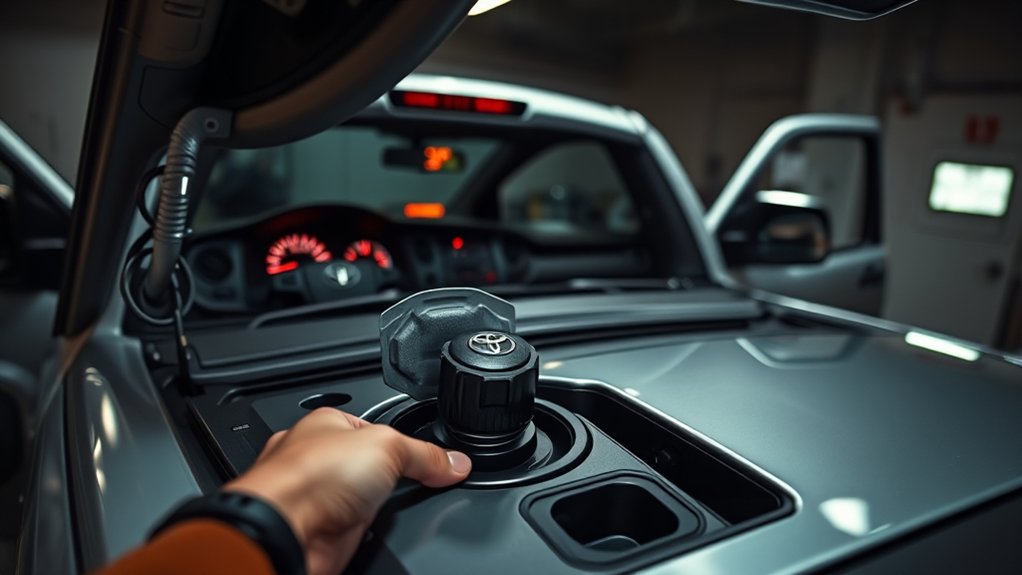
A Toyota Tundra gas cap warning usually appears because the fuel cap is loose, installed incorrectly, damaged, or unable to seal the evaporative-emissions system. Some model years may display a fuel-cap message, while others may only turn on the check engine light. Start with the cap, but use the stored diagnostic code before blaming or replacing other parts.
Quick Answer
Park safely, remove the gas cap, inspect its seal and the filler-neck surface, then reinstall it as directed in your model-year owner’s manual. If the warning remains, read the OBD-II code before clearing it. A persistent warning can indicate another EVAP-system leak or component fault.
Key Takeaways
- A loose, missing, damaged, or incorrect gas cap is a common cause, but it is not the only possible cause.
- Read and save the diagnostic trouble code before clearing the check engine light.
- Do not disconnect the battery simply to hide the warning; that can erase useful data and reset emissions readiness monitors.
- A flashing check engine light, fuel leak, strong fuel odor, or rough-running engine needs prompt professional attention.
At a Glance
| Time Required | 10–30 minutes for an initial inspection and code scan |
| Difficulty | Easy for cap inspection; moderate for EVAP diagnosis |
| Tools Needed | Clean lint-free cloth, flashlight, and optional OBD-II scanner |
| Cost | No cost if the cap only needs reseating; replacement and professional diagnosis vary |
Warning: Stop driving when it is safe if you see leaking fuel or smell a strong, persistent fuel odor. If the check engine light is flashing, reduce load and seek prompt service because the warning may involve an active misfire rather than the gas cap.
What the Toyota Tundra Gas Cap Warning Means

Your Tundra’s evaporative-emissions system, often called the EVAP system, is designed to contain fuel vapors. The truck can turn on a warning or malfunction indicator light when its self-test detects that the system cannot hold the expected pressure or vacuum.
The wording and behavior vary by model year. A message that specifically mentions the fuel cap points you toward the cap first. A check engine light alone does not prove the cap caused the fault, so you should read the stored code before buying parts.
Use the Toyota owner’s manual for your exact model year to confirm the cap-tightening procedure and warning-light instructions.
Common Causes of a Gas Cap or EVAP Warning
Begin with the simple causes, especially when the warning appeared soon after refueling:
- Loose or cross-threaded cap: The cap may look installed while sitting unevenly on the filler neck.
- Missing cap: A cap left at the fuel pump creates a large EVAP leak.
- Cracked, hardened, swollen, or dirty seal: Damage or debris can prevent an airtight seal.
- Incorrect replacement cap: A cap with the wrong pressure, venting, thread, or sealing design may not work correctly.
- Damaged filler-neck sealing surface: Rust, dents, scratches, or debris can keep a good cap from sealing.
- EVAP-system fault: A leaking hose, purge valve, vent valve, charcoal canister, pressure sensor, or related connection can produce similar warnings.
A cap is a sensible first check, but replacing it repeatedly will not repair a leak elsewhere in the system.
How to Troubleshoot the Warning Step by Step
- Park safely and switch off the engine. Work outdoors or in a well-ventilated area, away from flames, sparks, and smoking materials.
- Remove the cap. Check the threads, tether, ratcheting mechanism, and rubber sealing ring for damage.
- Inspect the filler neck. Wipe loose dirt from the sealing surface with a clean, lint-free cloth. Do not push debris into the tank.
- Reinstall the cap correctly. Turn it until it is secure according to the owner’s manual. Many Toyota caps click when fully tightened, but the correct procedure is model-year specific.
- Read the diagnostic code. Connect a compatible OBD-II scanner and save the stored, pending, and permanent codes plus freeze-frame data before clearing anything.
- Monitor the truck after the repair. If the cap was the only problem, the warning may turn off after the EVAP monitor completes successful tests during normal driving. The timing varies with fuel level, temperature, speed, and other conditions.
Pro Tip: Photograph or write down every code and the freeze-frame data before clearing it. That record can help you or a technician distinguish a cap leak from a purge, vent, canister, wiring, or sensor problem.
Common OBD-II Codes Related to EVAP Leaks
The exact diagnostic path depends on the model year and engine. These generic codes often appear during EVAP troubleshooting:
| Code | General Meaning | What It Does Not Prove |
|---|---|---|
| P0440 | General EVAP-system malfunction | It does not identify the failed part |
| P0441 | Incorrect purge flow | It is not automatically a gas-cap fault |
| P0442 | Small EVAP leak detected | The leak may be in the cap, hose, valve, or another connection |
| P0455 | Large or gross EVAP leak detected | A loose cap is possible, but not guaranteed |
| P0456 | Very small EVAP leak detected | Visual inspection alone may not locate it |
| P0457 | EVAP leak associated with a loose or missing fuel cap | The cap and sealing surface still need inspection |
Do not replace an oxygen sensor merely because the check engine light remains on. An oxygen-sensor repair should be based on the actual code, test results, wiring checks, and model-specific service information.
Should You Reset the Check Engine Light?
Fix the cause before resetting the light. Turning the light off without repairing the fault does not solve the leak, and the warning may return when the monitor runs again.
Preferred Reset Methods
- Allow the system to verify the repair: After reseating or replacing the cap, drive normally and let the truck complete its self-tests.
- Use a scan tool after recording the data: Clear the code only when the fault has been repaired and you understand that emissions readiness monitors must run again.
- Have a technician confirm the repair: A shop can perform an EVAP smoke or pressure test when the code returns or the leak is too small to see.
Why Battery Disconnection Is Not the First Choice
Disconnecting the battery may turn off the light temporarily, but it can erase diagnostic information, reset readiness monitors, and affect learned settings or electronic features. It also cannot prevent the warning from returning if the fault remains.
Note: If your truck needs an emissions inspection soon, avoid clearing codes unless the repair is complete. A vehicle with incomplete readiness monitors may not be ready for inspection even when the warning light is off.
Signs Your Gas Cap Needs Attention
Inspect or replace the cap when you notice one or more of these signs:
- The cap will not tighten, ratchet, release, or sit evenly.
- The rubber seal is cracked, flattened, hardened, swollen, or missing.
- The cap or filler neck has visible impact damage, corrosion, or heavy contamination.
- A fuel-cap message or EVAP leak code returns soon after refueling.
- The cap is an unknown or incorrect replacement that does not match the truck’s model year.
Do not apply oil, petroleum grease, or an unapproved lubricant to the seal. Clean it gently, and follow Toyota service information if lubrication is specifically required for your model.
OEM vs. Aftermarket Gas Caps for a Toyota Tundra

A Toyota Genuine fuel cap is designed for a specific application, so it can reduce uncertainty about thread fit, sealing pressure, tether design, and compatibility. That makes an OEM cap a practical choice when you want the closest match to the original part.
A high-quality aftermarket cap can also work when its manufacturer lists your exact Tundra year, engine, and fuel-system application. Avoid universal caps or parts with unclear compatibility.
Choose a cap for verified fit and sealing performance, not because a brand label alone guarantees the repair.
Using a non-OEM part does not automatically cancel a U.S. consumer warranty. The Federal Trade Commission’s warranty guidance explains that a warrantor generally cannot require a particular branded part to keep coverage, although damage caused by an unsuitable part may be excluded.
What Owner Experiences Can Tell You
Owner reports commonly describe three outcomes: tightening the original cap solves the warning, replacing a worn cap solves it, or the warning returns because another EVAP component is leaking. These patterns are useful starting points, but they do not diagnose your truck.
If a replacement cap fixes the warning for only a short time, inspect the filler-neck sealing surface and retrieve the code again. Repeatedly clearing the light or replacing caps without testing can hide the pattern a technician needs to locate an intermittent leak.
Use forum experiences as troubleshooting ideas, then confirm the cause with codes, model-specific procedures, and test results.
Preventive Maintenance Tips for Your Toyota Tundra
- Reinstall the gas cap immediately after every refueling stop and confirm that it is seated evenly.
- Stop adding fuel when the pump nozzle shuts off automatically. Repeated topping off can send liquid fuel where only vapor should travel.
- Keep the cap and filler-neck sealing surface clean without using harsh solvents.
- Inspect the seal during routine maintenance and replace the cap when its mechanism or gasket is damaged.
- Use a scan tool to investigate a new warning instead of waiting for drivability problems.
Early attention can prevent a minor sealing problem from becoming a failed emissions inspection or a longer diagnostic visit.
How to Check TSBs, Recalls, and Service Campaigns
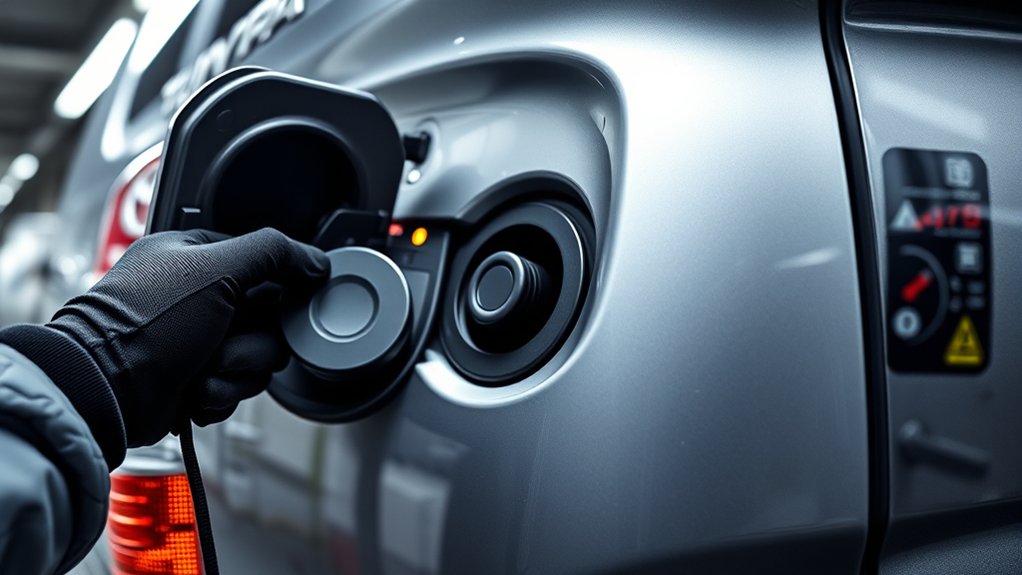
A Technical Service Bulletin, or TSB, gives technicians repair guidance for a known pattern. It is not the same as a safety recall, and it does not automatically mean the repair is free or that every Tundra is affected.
Check your 17-digit VIN through the Toyota Safety Recalls and Service Campaigns lookup and the NHTSA recall lookup. For TSBs or model-specific repair procedures, ask a Toyota dealer or qualified technician to search by model year, engine, build date, VIN, and stored code.
Do not rely on a bulletin number copied from a forum or unrelated model. Confirm that the document applies to your exact truck before using its diagnosis or parts list.
What to Bring to a Service Appointment
- Your Tundra’s model year, engine, mileage, and VIN
- The exact dashboard message and whether the light is steady or flashing
- All stored, pending, and permanent codes
- Freeze-frame data and the fuel level when the warning appeared
- Recent work, refueling events, cap replacements, or battery disconnections
When Should You Call a Professional?
Schedule professional diagnosis when the warning returns after the cap has been inspected and correctly installed, or when the scanner shows a code that does not specifically point to a loose cap.
Seek help promptly when you notice:
- A flashing check engine light
- Rough running, stalling, loss of power, or unusual engine noise
- A strong fuel odor, visible fuel, or a damaged filler neck
- Several EVAP codes, electrical codes, or repeated monitor failures
- A warning that returns after a verified correct replacement cap
- An upcoming emissions inspection and monitors that will not complete
A technician may use a bidirectional scan tool, wiring tests, component commands, or an EVAP smoke test to find a leak that is too small or hidden for a visual inspection.
Why Regular Fuel-System Inspections Matter
The gas cap is only one sealing point in the fuel-vapor system. Regular inspection can catch a damaged seal, corroded filler neck, split hose, loose connection, or impact damage before it creates a recurring warning.
Do not open fuel lines or test the system with compressed shop air unless you have the correct service information and equipment. Fuel vapor is flammable, and excessive pressure can damage EVAP components.
During routine service, ask for further diagnosis when the light returns, fuel economy changes unexpectedly, the truck fails an emissions inspection, or you notice fuel odor around the vehicle.
Frequently Asked Questions
Why does my Toyota Tundra keep saying “Check Fuel Cap” when the cap looks fine?
The cap may be cross-threaded, its seal may be worn, or the filler-neck surface may be dirty or damaged. The warning can also come from another EVAP leak or component fault. Read the stored code before assuming the cap is good or bad.
How do I get rid of the Check Fuel Cap message?
Remove and inspect the cap, clean the sealing surface, and reinstall the cap according to the owner’s manual. If the message remains, scan the truck for codes and repair the identified fault. Do not clear the message repeatedly without diagnosing the cause.
Will the check engine light reset itself after I tighten or replace the gas cap?
It may turn off after the truck completes enough successful self-tests, but the timing is not a fixed number of trips. EVAP testing depends on operating conditions such as fuel level and temperature. A scanner can show whether the code is stored, pending, or permanent.
Can I disconnect the battery to reset the warning?
Battery disconnection may clear useful data and reset emissions readiness monitors without repairing the problem. A better approach is to record the codes, fix the cause, and then let the system verify the repair or clear the code with a scan tool.
Do I need an OEM Toyota gas cap?
An OEM cap reduces fitment uncertainty, but a verified, high-quality aftermarket cap can work. Match the exact year and application. In the United States, using an aftermarket part alone does not automatically void a consumer warranty, although damage caused by an unsuitable part may not be covered.
Can I drive with a steady check engine light caused by an EVAP leak?
A steady light with normal operation is usually less urgent than a flashing light, but you should scan it soon because the cause is not confirmed until you read the code. Stop and seek help for a flashing light, fuel leak, strong fuel odor, or serious drivability symptoms.
Sources
- Toyota Manuals and Warranties — model-year-specific operating and warning information
- Toyota Warning Lights — official guidance to consult the correct owner’s manual and seek service when needed
- Toyota Safety Recalls and Service Campaigns — VIN-based campaign lookup
- National Highway Traffic Safety Administration Recall Lookup — official U.S. safety-recall search
- Federal Trade Commission: Businessperson’s Guide to Federal Warranty Law — branded-part and warranty rules
Conclusion
Start a Toyota Tundra gas cap warning diagnosis with a careful cap and filler-neck inspection, then use the stored code to decide what comes next. A loose or damaged cap is often easy to correct, but a returning warning may involve another EVAP component. Record the diagnostic data, avoid battery-disconnect shortcuts, and arrange professional testing when the fault persists or any safety warning appears.
