
A hard thump when an 08 Tundra is shifted from Park into Drive usually points to a transmission or driveline issue, not just normal behavior. Cold fluid, delayed hydraulic pressure, worn mounts, or excessive lash can all make the engagement feel abrupt. A fluid check is the first step, but calibration updates and deeper diagnosis may be needed if the jolt persists. The next clue is often hidden in a simple test.
Why Does My 08 Tundra Hit Hard in Drive?
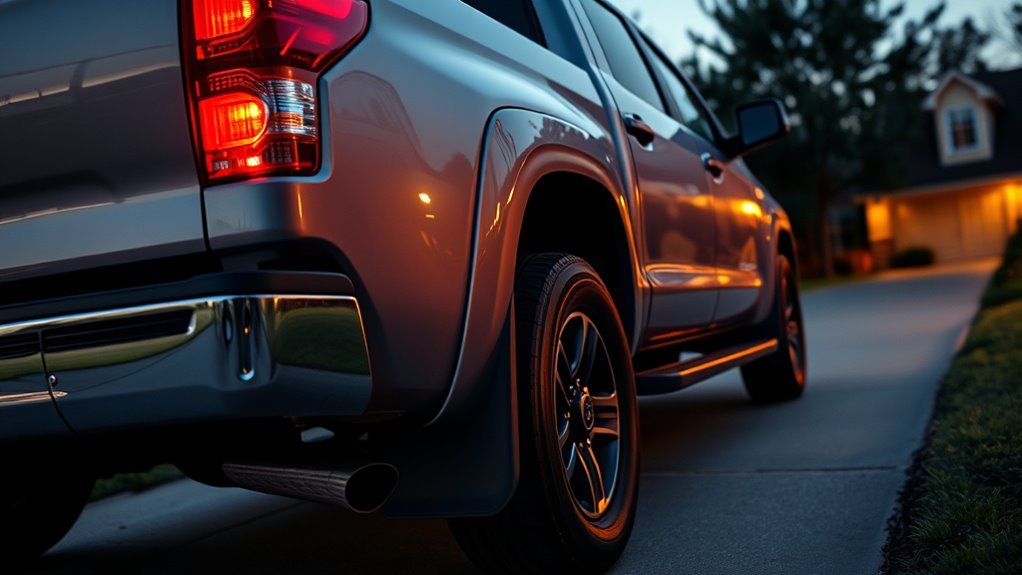
A hard engagement when shifting an 08 Tundra from Park to Drive is often most noticeable during cold starts, when thicker transmission fluid can delay smooth hydraulic response and make drivetrain lash more apparent.
In this condition, the hard shift can feel abrupt because the transmission is not yet at operating temperature. Mechanical clearance throughout the driveline, including drivetrain play, can add a distinct thump as load transfers from the parking mechanism to the wheels.
As the truck warms, the owner’s experience often improves, because fluid viscosity drops and engagement becomes more controlled.
Regular maintenance matters: fresh transmission fluid supports consistent pressure, and inspection of U-joints can reduce avoidable impact.
Some drivers lessen the event by idling briefly before selecting Drive, giving components time to stabilize.
If the behavior persists, documenting it during service visits can help determine whether a corrective repair is warranted.
What Causes the Park-to-Drive Thump?
The park-to-drive thump in a 2008 Tundra is commonly traced to drivetrain play, especially slack in the slip yoke or other driveline components that allow a brief loading jolt when the transmission takes up force. This hard shift is often magnified by mechanical tolerances in a heavy truck, where small gaps become audible, felt resistance.
| Cause | Diagnostic note |
|---|---|
| Slip yoke slack | Primary source of thump |
| Driveline lash | Adds take-up impact |
| Fluid condition | Affects shift smoothness |
| Stop position | A complete stop helps |
| Maintenance state | Fresh transmission fluid reduces harshness |
A complete stop before selecting Drive can lessen the impact, because the drivetrain enters load more cleanly. Regular maintenance, including inspection and replacement of transmission fluid, supports more controlled engagement. Precision diagnosis should focus on wear, play, and fluid condition rather than assuming a major failure.
Why Is It Worse on Cold Starts?
Cold starts often make the park-to-drive thump more noticeable because transmission fluid is thicker at low temperatures, so hydraulic pressure builds and clutch or gear engagement occurs more abruptly. On cold starts, this can feel like a hard shift rather than normal operation, especially after the truck has sat long enough for components to drain down.
- Thick transmission fluid delays smooth flow.
- Limited initial lubrication increases harsh engagement.
- Cold temperatures widen mechanical tolerances and drivetrain play.
- As heat rises, the shift usually softens and normal operation returns.
That pattern suggests the condition is temperature-sensitive, not necessarily a permanent fault. A short warm-up can reduce the abruptness by letting the transmission fluid circulate and reach a more effective viscosity.
The pattern points to a temperature-sensitive condition, and a short warm-up can help soften the abruptness.
For a driver seeking freedom from unwanted jolts, the key point is simple: cold starts amplify an already present engagement event, making the park-to-drive shift feel harsher until the drivetrain stabilizes.
What Should You Check First?
First, the transmission fluid level and condition should be verified, since low or degraded fluid can directly affect shift quality.
Next, the shift linkage should be inspected for excessive play, binding, or misalignment that could delay or harden engagement into Drive.
Any cold-start pattern should then be noted, because shifts that improve after warm-up can indicate a temperature-sensitive hydraulic or mechanical issue.
Check Transmission Fluid
Checking the transmission fluid should be the first diagnostic step when a Tundra shifts harshly from Park to Drive. A technician should check transmission fluid level with the vehicle warm and parked on level ground. The transmission fluid condition must also be evaluated.
- Confirm low fluid is not present.
- Inspect for signs of contamination, such as dark coloration or a burnt odor.
- Verify the correct type specified by the manufacturer is installed.
- Examine leaks around transmission pan and lines.
Cold fluid can also produce firmer engagement, so temperature should be considered during testing. When level, condition, and specification are correct, harsh shifting is less likely to stem from fluid faults, allowing a more liberated, exact diagnosis.
Inspect Shift Linkage
The shift linkage should be inspected next, with attention to visible wear or damage on the bushings, connectors, and pivot points, since any looseness or binding can interfere with smooth engagement from Park to Drive. A focused inspection should verify alignment and mounting-point security, because misalignment or corrosion can create excessive play and rough shifting.
| Check | Condition | Result |
|---|---|---|
| Bushings | Worn or cracked | Replace |
| Connectors | Loose or bent | Repair |
| Pivot points | Dry or seized | Lubricate |
The shift linkage should move freely after adjustment. Any resistance warrants cleaning, then lubricate the joints and confirm that transmission fluid remains full and clean, since fluid condition can intensify shift complaints. This inspection supports reliable control and mechanical freedom.
Note Cold Start Behavior
Cold-start conditions can intensify a hard shift from Park to Drive, especially in lower ambient temperatures, so the initial check should focus on whether the complaint appears only before the engine and transmission begin to warm up.
- Verify the symptom during a cold start.
- Confirm the vehicle is fully stopped before selecting Drive.
- Hold the foot brake briefly after the shift to reduce harsh shifts.
- Recheck transmission fluid level and condition as part of regular maintenance.
If shifting issues fade as the engine warms up, the behavior points toward temperature-related viscosity effects rather than a major fault.
If the jerk remains hot, further diagnosis is warranted. This method preserves freedom from guesswork and narrows the cause with disciplined, technical observation.
Can a TSB or TCM Update Fix the Jolt?
A TSB for 22–23 models addresses clunking and hard shifts, indicating a manufacturer-recognized fix path for the jolt.
Reprogramming the TCM may further refine shift timing and reduce harsh engagement between Park and Drive.
Dealer diagnosis is stronger when the TSB reference is documented, since reported results vary but often improve after the update.
TSB Hard Shift Fix
When the Tundra exhibits a pronounced jolt or clunk during shifting, a Technical Service Bulletin and a Transmission Control Module reflash become primary diagnostic paths.
Toyota Tundra owners facing hard shifts should ask a dealer to verify TSB 111 applicability and confirm whether a TCM update is available. The goal is liberation from abrupt engagement, not guesswork.
- Inspect cold-start behavior.
- Check for clunking on Park-to-Drive.
- Review TSB guidance.
- Request TCM reprogramming.
Reports indicate that following the TSB can reduce harsh shifts and improve transmission smoothness.
On earlier models, the bulletin may still offer a useful reference for diagnosis. A precise dealer conversation can narrow the fault path quickly and restore controlled shifting behavior.
TCM Update Effects
A TSB-guided TCM reflash can materially reduce the Park-to-Drive jolt in affected Tundra models by recalibrating shift logic and line-pressure behavior.
In diagnostic terms, the TCM may be issuing an overly aggressive apply command, creating a hard shift that feels abrupt at low speed.
Toyota’s TSB-backed reprogramming addresses known transmission-related issues by updating control parameters rather than replacing hardware.
Reported outcomes include smoother engagement, less driveline shock, and fewer jolts during cold start conditions, when calibration errors often appear most obvious.
Service departments typically need the specific TSB reference to authorize the update, so clear symptom reporting matters.
For drivers seeking mechanical relief, this firmware correction can be a practical path toward a more controlled, liberated shift event.
What Simple Fixes Can Smooth the Shift?
Ensuring the vehicle is fully stopped before any reverse-to-drive change reduces clutch and gear clash, and a brief pause with the foot brake still applied after moving out of park can further smooth engagement into drive.
For a 2008 Tundra Compatible with 2007-2021 Toyota, these simple checks often restore smooth shifting and limit harsh shifts without invasive repair.
- Hold the brake for two to three seconds after selecting drive.
- If parking, select neutral, apply the parking brake, then shift to park.
- Keep up regular maintenance: inspect transmission fluid level, condition, and service intervals.
- Consider warming up the vehicle; many drivers note fewer harsh shifts once operating temperature stabilizes.
These steps improve hydraulic response and reduce delayed engagement. They support regular maintenance habits, preserve transmission fluid quality, and help the drivetrain move with more predictable control.
When the shift becomes controlled rather than abrupt, the vehicle feels freer, more composed, and easier to drive.
When Should You See a Dealer?
Persistent hard shifting from park to drive, especially during cold starts, warrants dealer inspection of the transmission system.
A dealer should evaluate repeatable shifting issues, note any clunking or lurching sensations, and determine whether internal wear, fluid concerns, or valve body faults are present. If the condition remains after warm-up, the Transmission Control Module (TCM) may require reprogramming or related calibration updates.
Technicians should also review Technical Service Bulletins (TSBs) to identify known fixes tied to this behavior. Drivers benefit from recording when the symptom occurs, vehicle temperature, and whether the engagement delay changes with load or throttle input.
When maintenance visits fail to correct the fault and drivability is affected, escalation is justified. At that point, the dealer must treat the complaint as a systems-level diagnostic case, not an inconvenience.
Timely inspection preserves mechanical control and restores freedom from unpredictable engagement harshness.
Frequently Asked Questions
Why Does My Transmission Shift Hard From Park to Drive?
A hard park-to-drive shift usually points to low or degraded transmission fluid, a lazy shift solenoid, or clutch wear inside the transmission.
Excessive throttle response at idle, worn engine mounts, or drivetrain lash can magnify the jolt. A scan for diagnostic codes helps isolate control faults.
Correct fluid level, service history, and warm shift behavior should be verified before deeper diagnosis, restoring smooth, liberated motion.
Why Does My Toyota Tundra Clunk When I Shift Gears?
Like a hammer on an anvil, the clunk usually indicates gear engagement issues in the Tundra’s drivetrain.
It may stem from driveline vibrations, low fluid levels, worn mounts, differential noise, or faulty shift solenoids. A technician would verify fluid levels, inspect mounts and U-joints, and scan the transmission control system.
When these constraints are corrected, the truck regains smoother, more liberated shifting and reduced mechanical shock.
What Are Some Common Transmission Problems in a 2008 Toyota Tundra?
Common 2008 Toyota Tundra transmission problems include hard shifting, delayed engagement, slipping, and clunking.
Diagnosis often points to low or degraded transmission fluid, worn gears, valve body wear, faulty shift solenoids, clutch issues, or failed electronic controls. A technician may also inspect TCM calibration and fluid condition.
Liberation from drivetrain uncertainty begins with complete-stop shifting, proper maintenance, and prompt service before minor faults become costly mechanical subjugation.
How to Reset Toyota Tundra Transmission?
To reset a Toyota Tundra transmission, the operator turns the ignition to ON, holds the accelerator fully down for about 10 seconds, releases it, then switches the ignition off for 30 seconds.
This ritual, like a gate realigning its hinges, may restore gear engagement and throttle response.
Check transmission fluid, vehicle maintenance, shift solenoid function, and driving habits.
If the fault persists, dealership diagnostics and TCM reprogramming are advisable.
Conclusion
In a 2008 Tundra, a hard Park-to-Drive engagement is often tied to cold transmission fluid, delayed hydraulic fill, or excessive drivetrain lash. A proper fluid-level and condition check should be the first step, followed by inspection for related TSBs, TCM updates, and mount wear. If the thump is limited to cold starts, it may soften as temperatures rise. If the jolt remains pronounced, dealer diagnosis is warranted before small issues become a bigger headache.
