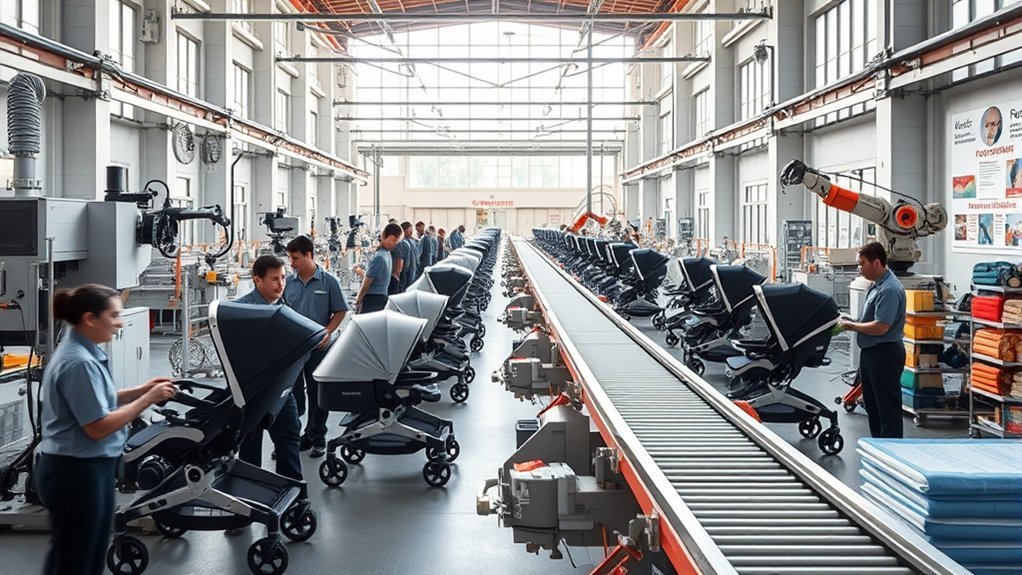
The Mockingbird stroller is designed in the United States by Mockingbird LLC and manufactured in China through overseas production partners. For parents, that matters because manufacturing location can affect price, quality control, supply chain transparency, and the way a brand handles safety concerns. Mockingbird positions itself as a more affordable alternative to premium stroller brands while still emphasizing safety, modern design, and family-friendly function.
Quick Answer
Mockingbird strollers are designed by Mockingbird LLC, a New York-based company, and manufactured in China. The brand uses international production to keep prices lower than many premium stroller competitors, while relying on quality control, safety testing, and customer support to address product standards and recall-related concerns.
Key Takeaways
- Mockingbird strollers are designed in the United States and manufactured in China.
- The brand’s overseas manufacturing helps keep the stroller more affordable than many high-end alternatives.
- Parents should consider safety history, recall information, accessory costs, and real customer feedback before buying.
- Mockingbird has faced frame-cracking recall concerns, so affected owners should follow official recall guidance and use any required reinforcement kit.
- The stroller can still be a practical choice for families who want modular features at a lower price point, but it is not the same as buying a luxury stroller with more included accessories.
Overview of Mockingbird Stroller Manufacturing
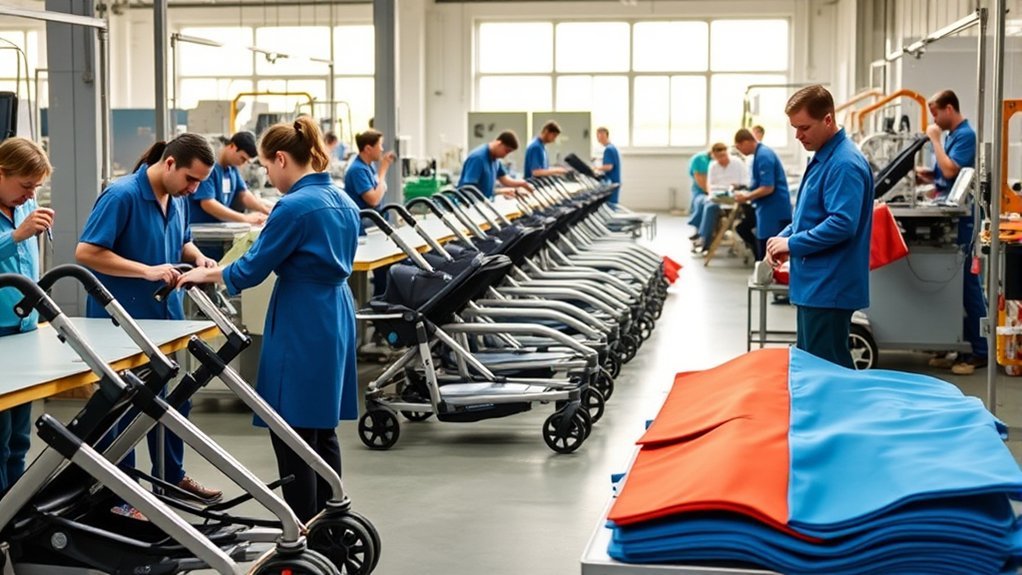
When you consider the Mockingbird stroller, it helps to understand how the brand balances design, cost, and production. Mockingbird LLC is based in New York and focuses on creating strollers for modern families who want a practical, stylish, and more budget-friendly option than many luxury stroller systems.
The stroller is manufactured in China, a common production location for many baby gear and stroller brands. This does not automatically mean a product is low quality, but it does make quality control, safety testing, and brand oversight especially important. For parents, the real question is not only where the stroller is made, but how carefully the company monitors production and responds when problems are reported.
Mockingbird entered the stroller market with a direct-to-consumer approach and later expanded through major retail channels, including online sales and store partnerships. The brand gained attention because it offered a modular stroller system with a clean design, convertible seating options, and a price that was much lower than several premium alternatives.
Production Location and Facilities
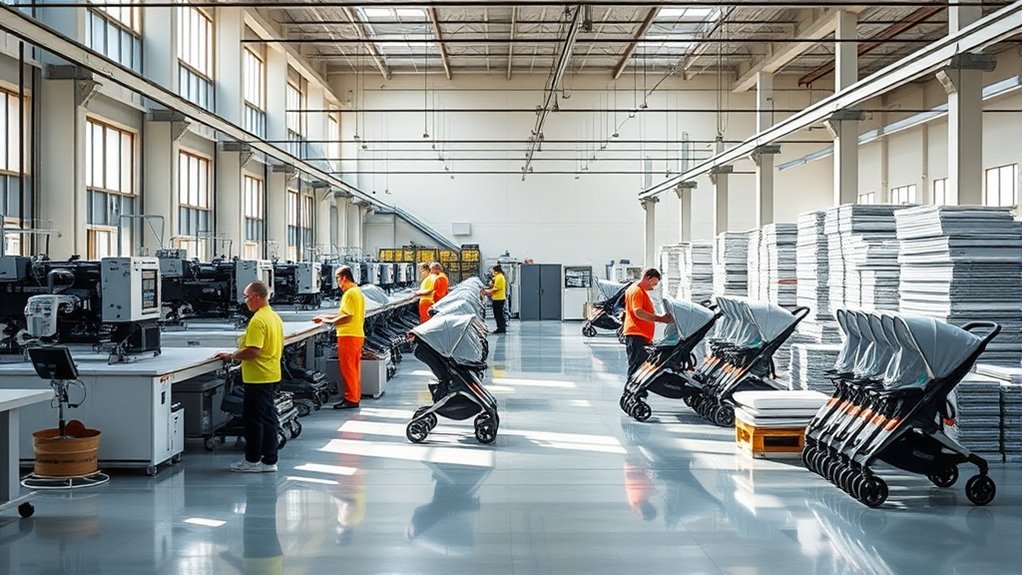
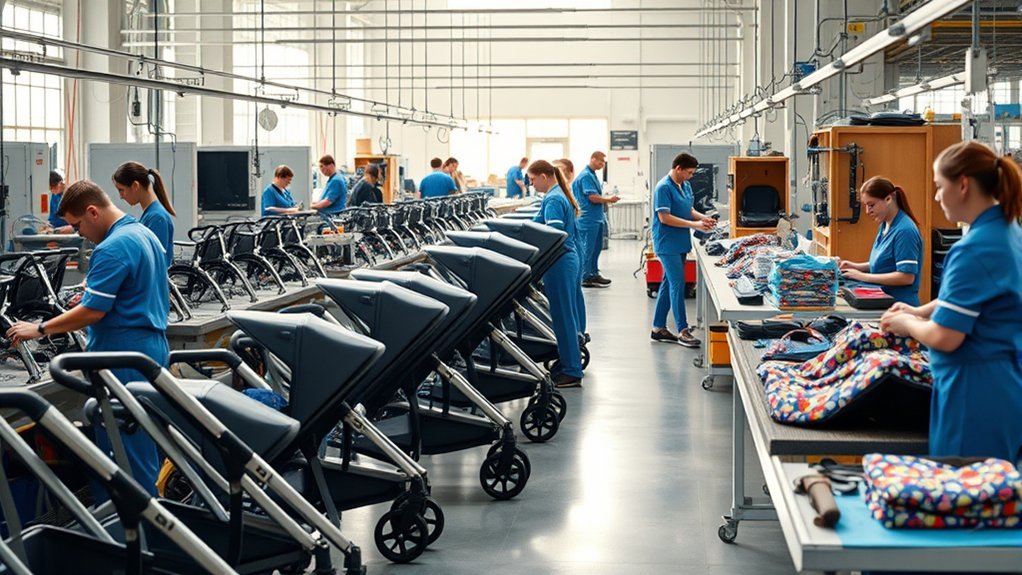
Mockingbird strollers are produced in China through manufacturing facilities that work with the brand’s design and product requirements. Mockingbird LLC designs and distributes the stroller from the United States, while the physical production takes place overseas.
Many stroller companies use international manufacturing because it can reduce labor, material, and assembly costs. Those savings can then support a lower retail price. However, parents should understand that overseas production requires strong oversight. A brand must clearly define product specifications, inspect materials, test finished units, and respond quickly if customers report defects.
Mockingbird’s manufacturing model is built around affordability and scalability. By producing in China, the company can offer a stroller that competes visually and functionally with higher-priced systems, while still remaining more accessible for many families. The tradeoff is that buyers should pay close attention to recall history, warranty support, and current product updates before making a final decision.
Note: Manufacturing in China is common in the stroller industry. What matters most for parents is whether the brand has strong safety testing, reliable customer service, clear recall communication, and consistent quality control.
Quality Control and Safety Standards
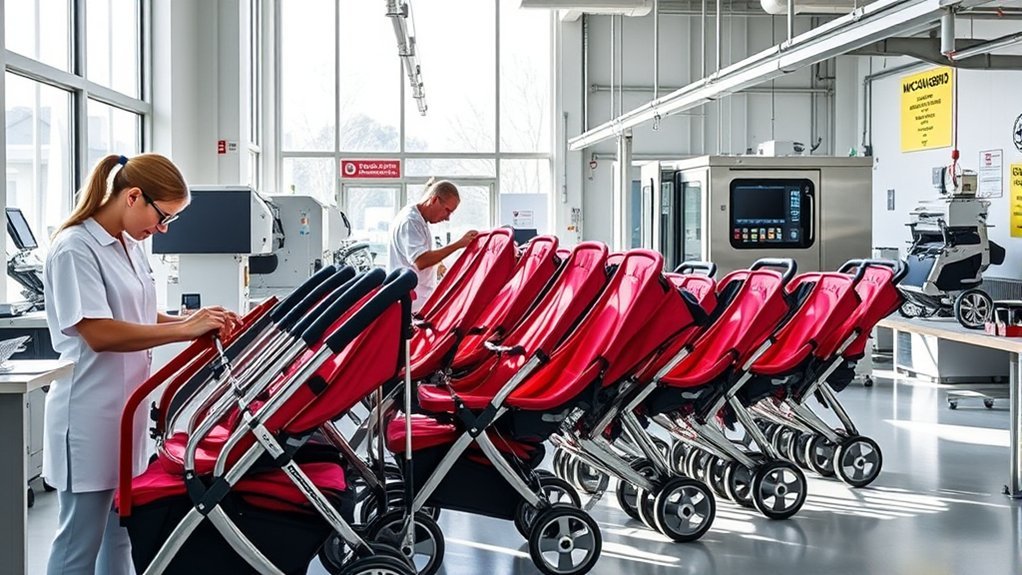
Mockingbird states that its strollers are built with attention to safety, function, and durability. Like other baby gear brands, it must design products that can handle daily folding, lifting, curb bumps, storage weight, seat adjustments, and repeated use with a child on board.
That said, the brand’s safety history is an important part of the buying decision. The U.S. Consumer Product Safety Commission announced a recall involving Mockingbird strollers because of reports that stroller frames could crack. A frame problem is serious because it may affect the stroller’s structural stability and create a fall risk.
In response to the recall, Mockingbird offered a free frame reinforcement kit for affected customers. This kind of response matters because baby gear safety depends not only on the original design, but also on how quickly and clearly a company communicates when a problem appears.
Warning: If you own a Mockingbird stroller that may be affected by a recall, stop using it until you confirm whether your model is included and follow the brand’s official recall instructions. Do not ignore frame cracks, unusual movement, or visible stress marks.
Commitment to Ethical Manufacturing Practices
Mockingbird presents itself as a brand that wants to combine practical parenting products with responsible production values. The company highlights thoughtful design, accessible pricing, and family-focused features. Because its strollers are manufactured overseas, ethical manufacturing depends on supplier standards, factory oversight, material selection, and ongoing accountability.
Parents who care about ethical buying should look for clear information about working conditions, factory standards, material safety, and environmental practices. A brand’s claims are strongest when they are backed by transparent documentation, third-party certifications, detailed product testing, and clear customer communication.
Mockingbird’s affordability is one of its biggest selling points, but affordability should not be the only factor. For a stroller used with infants and young children, ethical manufacturing and quality control both matter. A lower price is helpful only when the product remains safe, durable, and properly supported after purchase.
Comparison to Other Stroller Brands
When comparing the Mockingbird stroller to other brands, you’ll notice differences in manufacturing locations, price, included accessories, safety history, and long-term durability. Many stroller brands manufacture in China or other overseas locations, while some premium brands emphasize European design, specialized factories, or more expensive materials.
Mockingbird’s main appeal is value. It gives parents a stylish modular stroller at a lower starting price than many luxury competitors. However, the lower base price can be less simple once you add accessories such as a second seat, riding board, snack tray, cup holder, rain cover, or bassinet-style add-ons.
Stroller Manufacturing Locations
Stroller manufacturing locations can influence cost, quality perception, and supply chain control. Mockingbird, like many competitors, relies on Chinese manufacturing. This approach supports competitive pricing, but it also requires consistent inspection and strong communication between the brand and factory partners.
Other brands use different production models. Some may manufacture in Europe, Taiwan, or other regions, often using that location as part of their premium brand identity. For buyers, the manufacturing country can be useful context, but it should not be the only deciding factor. Safety testing, recall history, warranty coverage, replacement parts, customer support, and real user reviews matter just as much.
Quality and Safety Standards
Mockingbird’s approach reflects a balance between affordability and safety-focused design. The stroller offers features that many parents want, including a large basket, reversible seating, expandable configurations, and a modern look. However, the frame-cracking recall means buyers should evaluate safety history carefully.
Compared with some higher-end stroller brands, Mockingbird may offer fewer included accessories and less of a premium feel. Premium competitors may have stronger brand reputations, more refined suspension, smoother folding systems, or more established long-term durability. Still, those benefits usually come at a much higher price.
| Brand | Manufacturing Oversight |
|---|---|
| Mockingbird | Moderate, with recalls noted |
| Bugaboo | High, with certifications |
| Uppababy | High, consistent quality |
| Joie | Moderate, safety focused |
Price Comparison With Alternatives
Although many parents seek budget-friendly options, the Mockingbird stroller’s lower starting price highlights a significant gap compared to higher-end competitors like the UPPAbaby Vista line. Mockingbird’s advantages include affordability, a modern design, and a stroller weight of about 26.5 pounds, depending on configuration.
Parents should also consider additional costs. Accessories can raise the total price beyond the base stroller cost. In contrast, some premium stroller systems may include more accessories or offer higher-end materials, smoother handling, and stronger resale value. The best choice depends on whether you prioritize upfront savings or long-term premium features.
Pro Tip: Compare stroller prices by total setup cost, not just base price. Add the second seat, infant insert, bassinet, snack tray, cup holder, rain cover, and any adapters you actually need before deciding which stroller is the better value.
Consumer Transparency and Communication
Clear communication is essential when parents are choosing baby gear. Mockingbird has been transparent that its strollers are manufactured in China and distributed by a U.S.-based company. That information helps parents understand the brand’s business model and why the stroller costs less than many premium alternatives.
Transparency becomes even more important when a product has a recall history. A stroller company must make it easy for customers to identify affected models, request repair kits, contact support, and understand whether it is safe to continue using the product. Parents should not have to guess when a child’s safety is involved.
Mockingbird’s customer service line, recall support, and reinforcement kit program are important parts of its consumer communication. Still, customer experiences vary. Some parents report helpful support, while others mention long wait times or frustration during recall-related communication. That mixed feedback is worth considering before purchase.
Impact of International Manufacturing on Pricing
International manufacturing greatly influences the pricing of products like the Mockingbird stroller. By producing overseas, the brand can reduce production costs and offer a stroller that feels more accessible to families who want premium-style features without a premium price tag.
- Lower Production Costs: Manufacturing in China can reduce labor, material, and assembly expenses compared with some domestic or European production models.
- Competitive Pricing: Mockingbird’s pricing makes it more accessible than many luxury stroller systems.
- Quality Control Pressure: Overseas production requires careful inspection, testing, and factory oversight to maintain consistency.
- Hidden Costs: The lower starting price may increase once families add needed accessories.
- Supply Chain Dependence: International production can be affected by shipping delays, parts availability, and changing import costs.
Navigating these factors requires a practical understanding of price, safety, and long-term value. A stroller is not just a style purchase. It is a daily-use product that must protect your child while fitting your budget and routine.
Customer Experiences and Feedback
Customer feedback on the Mockingbird stroller is mixed, which is common for popular baby gear. Many parents like the stroller’s large storage basket, easy-to-clean fabrics, modular seating options, and lower price compared with premium stroller systems. These features make it attractive for growing families who want flexibility without spending close to luxury-brand prices.
At the same time, some users report concerns about bulkiness, transport, folding, durability, and customer service wait times. Complaints about frame cracking and overall durability are especially important because they connect directly to safety and long-term reliability.
Parents who live in apartments, use small car trunks, or frequently lift a stroller in and out of a vehicle should pay close attention to weight and folded size. A stroller can look appealing online but feel inconvenient if it is too bulky for your daily routine.
Recent Recall and Its Implications
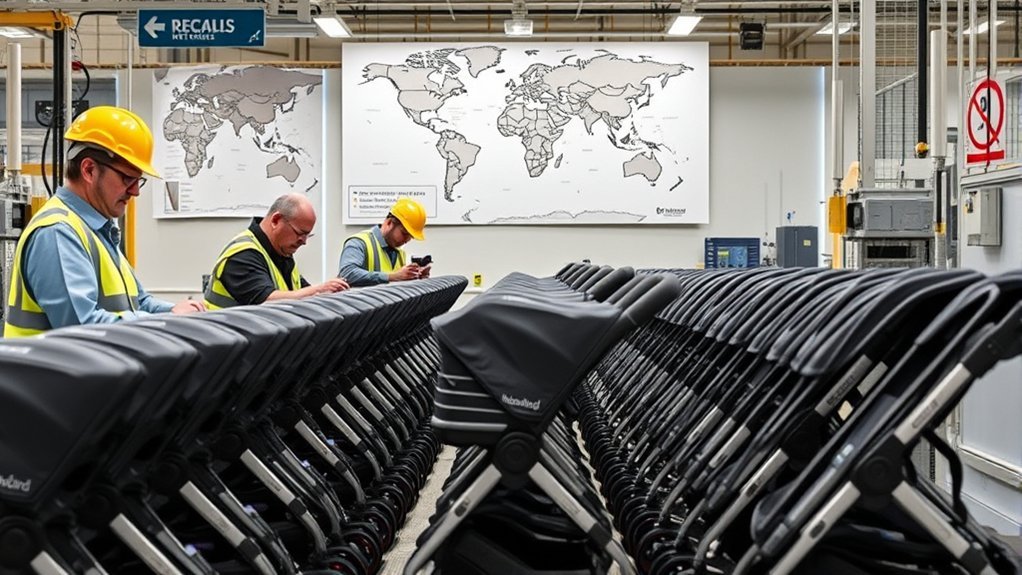
On November 10, 2022, the U.S. Consumer Product Safety Commission announced a recall involving approximately 149,000 Mockingbird strollers due to reports of cracked frames. The concern was that frame cracking could create a fall hazard for children. This recall is one of the most important safety details for parents researching where Mockingbird strollers are made and whether they are reliable.
The recall does not mean every Mockingbird stroller is unsafe, but it does mean parents should take model numbers, production dates, and official repair instructions seriously. If you are buying secondhand, this becomes even more important because the stroller may not come with updated parts or proof that the recall fix was completed.
Recall Details and Impact
While many parents rely on the Mockingbird Single-to-Double Stroller for its versatility and convenience, the recall raised serious safety concerns. Approximately 149,000 strollers were recalled due to cracked frames, and injuries were reported. Here are key recall implications and safety measures you should consider:
- Immediate Action: Stop using any stroller that is confirmed to be part of the recall until the required remedy is completed.
- Injury Reports: Be aware that frame cracking was reported multiple times and was serious enough to trigger official recall action.
- Free Reinforcement Kit: A free frame reinforcement kit was made available for affected customers.
- Customer Assistance: Owners were directed to contact Mockingbird and reference recall information for help.
- Secondhand Buyer Caution: If buying used, confirm the stroller’s recall status before placing a child in it.
Staying informed about these developments is essential for ensuring your child’s safety and avoiding preventable risks.
Safety Concerns Raised
Concerns about safety increased after the recall of approximately 149,000 Mockingbird Single-to-Double Strollers due to cracked frames. The U.S. Consumer Product Safety Commission issued the recall after reports of frame cracking and child injuries. This situation highlights the importance of robust safety features, strong quality control, and consumer awareness.
| Issue | Action Taken |
|---|---|
| Cracked frames | Recall of 149,000 strollers |
| Reported injuries | Child injuries reported |
| Recall date | November 10, 2022 |
| Reinforcement kit | Free kit with clamps offered |
| Customer assistance | Recall support provided by Mockingbird |
You should stop using a recalled stroller immediately until you confirm the proper remedy has been completed.
How to Check if a Mockingbird Stroller Is Safe to Use
If you already own a Mockingbird stroller or plan to buy one secondhand, take a few minutes to check its safety status. This is especially important because a stroller may look normal from a distance even if the frame has stress damage or recall-related concerns.
- Find the model information: Look for the stroller’s model label, serial number, production date, or any identifying sticker on the frame.
- Check recall eligibility: Compare your stroller’s identifying information with the official recall details from Mockingbird or the CPSC.
- Inspect the frame: Look closely for cracks, bending, loose joints, unusual movement, or stress marks near connection points.
- Confirm repair status: If the stroller was part of a recall, make sure the reinforcement kit was requested, received, and installed correctly.
- Contact support if unsure: Do not guess. If the frame looks suspicious or the recall status is unclear, contact Mockingbird before using the stroller.
Warning: Never continue using a stroller with visible frame cracks, loosened joints, or unusual wobbling. A stroller frame problem can increase the risk of collapse or falls.
What Parents Should Consider Before Buying
Before buying a Mockingbird stroller, think beyond the manufacturing country. The better question is whether the stroller fits your child, your routine, your budget, and your comfort level with the brand’s safety history.
- Daily use: Consider whether you need the stroller for sidewalks, errands, daycare drop-off, public transit, or longer walks.
- Storage space: Check whether the folded stroller fits your car trunk, closet, hallway, or apartment entryway.
- Child age and size: Make sure the seat, harness, and weight limits match your child’s current and future needs.
- Accessories: Add up the cost of any extras you need before comparing it with other brands.
- Recall status: Confirm whether the model you are buying was affected by any recall and whether the remedy was completed.
- Customer support: Read recent customer feedback about replacement parts, response times, and warranty help.
Mockingbird can make sense for parents who want an expandable stroller at a lower price. It may be less ideal for parents who want a premium build, a lighter fold, smoother suspension, or a long-established luxury stroller reputation.
Future Manufacturing Plans and Innovations

As Mockingbird looks to the future, it may continue improving its manufacturing processes by focusing on production efficiency, safer materials, stronger testing, and better customer feedback loops. For a stroller brand, innovation is not only about adding features. It is also about preventing failures, improving durability, and making the product easier to use every day.
- Increased Automation: More consistent production systems can help reduce variation between units.
- Sustainable Sourcing: Better material choices can support safety, durability, and lower environmental impact.
- Customer-Centric Design: Feedback from parents can help refine folding, storage, seating, and safety features.
- Quality Assurance Enhancements: Stronger inspection and testing can reduce the chance of future recalls.
- Clearer Recall Communication: Faster customer alerts and simpler model-checking tools can help parents act quickly.
These strategies would strengthen Mockingbird’s position as a value-focused stroller brand while addressing the safety and transparency concerns that matter most to parents.
Related Guides
Frequently Asked Questions
Where is the Mockingbird stroller made?
The Mockingbird stroller is designed by Mockingbird LLC in the United States and manufactured in China. This international production model helps the brand offer lower pricing than many premium stroller competitors.
What materials are used in the Mockingbird stroller?
The Mockingbird stroller uses a metal frame, durable seat fabrics, plastic components, wheels, and padding designed for everyday stroller use. The exact materials can vary by model and accessory, so parents should check the current product details before buying.
How does Mockingbird ensure environmental sustainability in manufacturing?
Mockingbird emphasizes thoughtful design and responsible production, but parents should look for clear, current details about materials, sourcing, recyclability, and factory standards when evaluating sustainability claims.
Are there any specific certifications for Mockingbird’s factories?
Some stroller brands publish detailed factory or quality certifications, while others provide more general safety and quality claims. If factory certifications matter to you, ask Mockingbird directly for the most current documentation before buying.
What is the average production time for the strollers?
Production and availability can vary based on inventory, shipping, model demand, retailer stock, and supply chain conditions. Check the current product page or retailer listing for the most accurate delivery estimate.
Does Mockingbird offer customization options for their strollers?
Yes, Mockingbird offers style choices and accessories that let parents personalize the stroller. Options may include color selections, seating configurations, and add-ons, depending on the current model and availability.
Is a Mockingbird stroller worth buying?
A Mockingbird stroller may be worth buying if you want an expandable, modern-looking stroller at a lower price than many premium brands. However, you should review recall history, total accessory cost, folded size, customer support feedback, and your own daily-use needs before deciding.
Conclusion
To sum up, the Mockingbird stroller is designed by a U.S.-based company and manufactured in China. That production model helps keep the stroller more affordable while still offering features many families want, such as modular seating, a large storage basket, and a clean modern design.
Still, parents should look beyond price. The brand’s recall history, frame-cracking concerns, customer service feedback, and accessory costs all matter. If you are considering a Mockingbird stroller, confirm the current recall status, inspect the frame carefully, compare the full setup cost, and decide whether its value-focused design matches your safety expectations and daily routine.