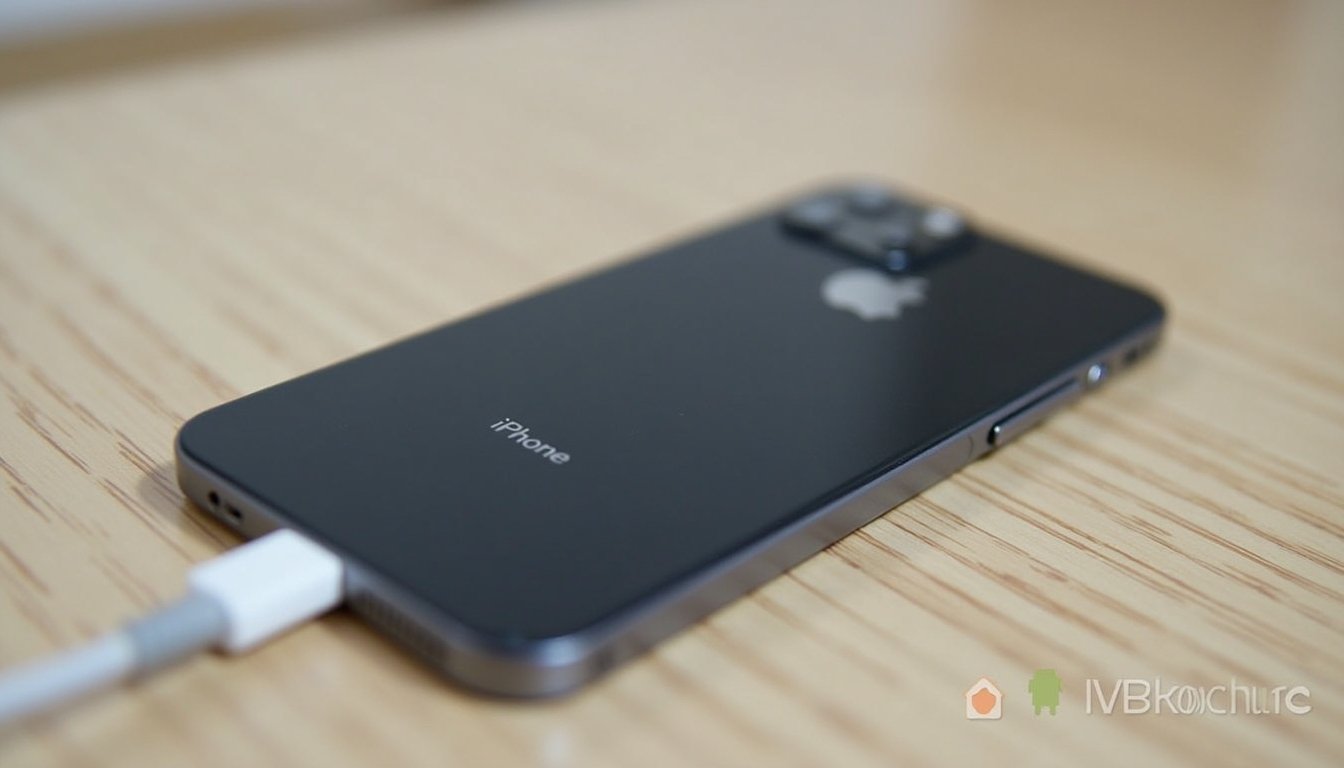
Selling a locked iPhone can feel confusing, especially when you need to know who buys locked iPhones near you and what kind of buyer will treat the sale fairly. A locked iPhone may still have value, but the best place to sell it depends on the type of lock, the phone’s condition, and whether you can prove the device belongs to you.
The good news is that you have several options. Local phone repair shops, second-hand electronics stores, pawn shops, online marketplaces, and phone buyback companies may buy locked iPhones. You just need to be clear about the lock status before you accept an offer.
Before you sell, take time to understand what “locked” means. A carrier-locked iPhone is different from an iCloud Activation Locked iPhone, and buyers treat those devices very differently. Knowing the difference helps you avoid wasted time, low offers, and unsafe transactions.
Quick Answer
Locked iPhones are usually bought by local repair shops, used electronics stores, pawn shops, online marketplace buyers, and some buyback services. Carrier-locked phones are easier to sell than iCloud-locked phones. Always disclose the lock, erase your data when possible, and bring proof of ownership.
Key Takeaways
- Local repair shops often buy locked iPhones for parts, screens, cameras, batteries, and other reusable components.
- Carrier-locked iPhones usually have better resale value than iPhones locked by iCloud Activation Lock.
- Online marketplaces can bring higher offers, but they require honest descriptions, safe payment methods, and scam prevention.
- Some automated kiosks and buyback services may reject locked phones or reduce the quote after inspection.
- You should remove personal data, sign out of accounts when possible, and keep proof that the phone is legally yours.
At a Glance
| Best Local Buyers | Phone repair shops, used electronics stores, pawn shops, and local marketplace buyers. |
| Best Online Options | eBay, Facebook Marketplace, Craigslist, Gazelle, Decluttr, BuyBackWorld, and similar resale services. |
| Main Risk | Buyers may reject the phone or lower the offer if the lock status is unclear. |
| Before You Sell | Back up your data, erase the phone if possible, remove accounts, and prepare proof of ownership. |

Credit: www.reddit.com
Understanding Locked iPhones
Many people search for places that buy locked iPhones, but the word “locked” can mean more than one thing. A phone may be locked to a carrier, locked by iCloud Activation Lock, locked with a passcode, or restricted by unpaid financing. Each situation affects the phone’s value.
A buyer will usually ask what kind of lock the iPhone has before giving a serious offer. If you do not know, check the phone carefully and describe what you see on the screen. Honest details protect both you and the buyer.
What Does Locked Mean?
A carrier-locked iPhone is tied to one wireless network. It may work only with that carrier’s SIM or eSIM until the carrier unlocks it. These phones can still be valuable if the buyer uses the same carrier, sells parts, or knows how to request an eligible carrier unlock.
An iCloud-locked iPhone is different. This usually means Activation Lock is still connected to an Apple ID. Many buyers avoid these phones because they cannot be fully used without the correct Apple ID and password. Repair shops may still buy them for parts, but offers are usually lower.
A passcode-locked iPhone may simply need the owner to erase it and remove the Apple ID. If you own the device, try to remove the passcode and sign out before selling. If you cannot unlock the phone yourself, explain the situation clearly in your listing or in person.
Warning: Never sell a phone that is stolen, found, or still tied to someone else’s account. Reputable buyers may reject it, and selling a device you do not legally own can create serious problems.
Common Types of Locked iPhones
- Carrier locked: The iPhone works only with one carrier until it qualifies for unlocking.
- iCloud Activation Locked: The phone is tied to an Apple ID and cannot be fully used without the owner’s credentials.
- Passcode locked: The phone screen is locked with a device passcode.
- Finance or blacklist issue: The phone may have unpaid balances, loss reports, or network restrictions.
- MDM locked: The iPhone may be controlled by a school, business, or organization profile.
Reasons People Buy Locked iPhones
Some buyers purchase locked iPhones because they cost less than unlocked models. A buyer who already uses the same carrier may not care about a carrier lock. Others buy locked devices for parts, repair training, resale, or screen and battery replacement jobs.
Repair shops may need parts from damaged or locked phones. Screens, cameras, charging ports, speakers, buttons, and frames can all have value. This is why a cracked or locked iPhone may still attract offers.
Buying or selling locked iPhones can make sense when everyone understands the limits. The key is transparency. You should never describe a locked iPhone as fully unlocked, factory unlocked, or ready for any carrier unless you have confirmed that status.

Credit: www.facebook.com
Local Buyers For Locked iPhones
Finding local buyers for locked iPhones can be simple when you know where to look. Local buyers may inspect the phone in person, give you a quote, and pay the same day. Offers vary based on model, storage size, battery health, damage, and lock type.
Before visiting any local buyer, call ahead and ask whether they buy locked iPhones. Tell them whether the phone is carrier locked, passcode locked, iCloud locked, cracked, water damaged, or not turning on. This saves time and avoids surprises.
Tech Repair Shops
Tech repair shops often buy locked iPhones. These shops may use locked devices for parts or refurbishment. They understand the difference between a carrier lock, a cracked screen, a passcode lock, and an iCloud lock.
Selling your iPhone to a repair shop can be a good option if you want a quick local sale. The shop will usually inspect the screen, camera, frame, buttons, charging port, battery health, and lock status before making an offer.
Repair shops are often found in malls, shopping plazas, downtown areas, and near college campuses. Smaller independent shops may be more flexible than large chains, especially if the phone has parts they need.
Second-hand Electronics Stores
Second-hand electronics stores buy and sell used gadgets. Some of these stores accept locked iPhones, especially if the device is a newer model or has reusable parts. Others may only buy phones that can be tested and reset.
Selling to an electronics store is usually faster than creating an online listing. The tradeoff is that the offer may be lower because the store needs room for repair costs, testing, and resale profit.
Pawn Shops
Some pawn shops buy locked iPhones, but policies vary by location. A pawn shop may ask for a government ID and proof that the phone belongs to you. They may also check the serial number, IMEI, or device condition before making an offer.
Pawn shops often pay less for locked devices because resale is harder. Still, they can be useful when you want a local cash offer and do not want to ship the phone.
Local Marketplace Buyers
Facebook Marketplace, Craigslist, OfferUp, and local community groups can connect you with buyers nearby. These buyers may include repair technicians, resellers, students, or people who need a phone for a specific carrier.
Local marketplaces can bring better prices than trade-in services, but they also require more caution. Meet in a public place, avoid unusual payment requests, and clearly state the lock status in your listing.
Pro Tip: When posting locally, include the iPhone model, storage size, carrier, lock type, battery health if visible, damage, included accessories, and whether you can remove the Apple ID.
Online Platforms To Sell Locked iPhones
Selling a locked iPhone online can be practical if local offers are too low. Online platforms give you access to more buyers, including repair businesses and parts resellers. The main downside is that you must describe the phone accurately and protect yourself from disputes.
Take clear photos of the front, back, sides, camera area, charging port, screen messages, and any cracks or dents. If the phone turns on, photograph the lock screen or carrier information without showing private data.
Popular E-commerce Websites
Sites like eBay and Amazon can help you reach a large audience. eBay is more common for used, damaged, parts-only, and locked iPhones because sellers can write detailed condition notes. Amazon may have stricter listing rules depending on the product condition and seller account.
When listing a locked iPhone, use honest wording. Say “carrier locked,” “for parts,” “iCloud locked,” or “passcode locked” if that is true. Avoid vague phrases such as “easy fix” unless you can prove it.
Include detailed descriptions and images to attract the right buyers. Always check selling fees, shipping costs, return rules, and buyer protection policies before listing. A higher sale price can disappear quickly if fees and returns are not planned.
Specialized Buyback Services
Several services focus on buying used phones. Companies like Gazelle, Decluttr, and BuyBackWorld may provide quotes after you enter your phone’s model, storage, condition, carrier, and lock details. Some services offer prepaid shipping labels.
These services can make the process simple, but not every locked iPhone qualifies. Some companies may reject iCloud-locked, financed, blacklisted, or heavily damaged devices. Others may revise the quote after inspection.
Read each service’s condition rules before sending your phone. Keep photos, tracking details, and any quote confirmation until payment is complete.
Buyback Kiosks
Automated phone buyback kiosks can be convenient, but they may not accept every locked device. Kiosks often need to test the phone, verify the device, and confirm that it is eligible for resale or recycling.
If your iPhone is passcode locked or iCloud locked, the kiosk may reject it or offer very little. Check the company’s rules before going, and bring a valid ID if required.
Tips For Selling Locked iPhones
Finding buyers for locked iPhones nearby can be easier when your listing is clear and your phone is prepared. Local electronics shops and online marketplaces can both work, but your final offer depends on trust, condition, and lock type.
Selling a locked iPhone can seem challenging, but many buyers are interested. A few simple steps can help you protect your data, reduce buyer confusion, and negotiate a fair deal.
Preparing Your iPhone For Sale
Before selling, check whether the iPhone turns on and charges. Clean it gently with a soft cloth. Remove the case, screen protector, and SIM card if needed. Check the screen, camera, speakers, buttons, and charging port.
If you can access the phone, back up your data first. Then sign out of your Apple ID, turn off Find My iPhone, erase all content and settings, and remove the device from your Apple account. This makes the phone more attractive to buyers.
If you cannot access the phone, be honest. Say exactly what appears on the screen. A buyer may still want the phone for parts, but they need to know what they are buying.
Gather original accessories if you still have them. A box, charger, cable, receipt, or carrier paperwork can increase buyer confidence. Proof of ownership is especially helpful when selling a locked device.
Checking Your iPhone’s Lock Status
Try to identify the lock before asking for quotes. If the phone works but only accepts one carrier, it is likely carrier locked. If it asks for an Apple ID after reset, it may have Activation Lock. If it asks for a screen passcode, it is passcode locked.
You can also check whether the phone shows carrier restrictions in settings if you can access the device. If the phone is damaged or will not power on, explain that the lock status is unknown.
Note: A buyer may offer more for a carrier-locked iPhone than for an iCloud-locked iPhone because carrier locks are usually easier to understand and sometimes easier to resolve.
Writing A Clear Listing
A good listing saves time and reduces disputes. Mention the model, storage size, color, carrier, battery health, visible damage, included accessories, and lock status. Use plain language and avoid exaggerated claims.
For example, write: “iPhone 13, 128GB, carrier locked to AT&T, works, screen has light scratches, no iCloud lock, includes box.” That tells buyers what they need to know.
If the phone is for parts only, say that clearly. A parts-only listing attracts buyers who repair phones and helps prevent complaints from buyers expecting a fully working device.
Negotiating The Best Price
Know your phone’s likely value before you negotiate. Compare similar locked iPhones online, but pay attention to the same model, storage size, carrier, condition, and lock type. An unlocked phone is not a fair comparison for a locked one.
Set a realistic asking price. Be open to offers, but do not hide problems to get more money. Highlight useful features, such as a clean screen, working camera, good battery health, original box, or no iCloud lock.
Stay firm but polite. If several buyers make similar offers, that may be the true local market value. If one buyer offers much more but asks for unusual payment steps, treat it carefully.
Legal Considerations
Buying or selling a locked iPhone can be tricky. Legal considerations matter because locked phones may involve carrier agreements, unpaid balances, lost-device reports, or account ownership issues. A clean, honest sale protects you and the buyer.
Understanding Local Laws
Different areas may have different rules for second-hand electronics, pawn transactions, and proof of ownership. Some buyers must record your ID or keep transaction records. This is normal for pawn shops and some resale businesses.
Before selling, make sure the phone is legally yours. Check whether it is tied to a carrier payment plan, insurance claim, workplace account, school profile, or someone else’s Apple ID. If you are unsure, contact the carrier or original owner before selling.
Ignoring ownership issues can lead to payment disputes, rejected sales, or legal trouble. A receipt, carrier account record, box with matching serial number, or purchase confirmation can help prove the phone belongs to you.
Avoiding Scams
Scams are common when selling locked iPhones online and locally. Always verify the buyer’s profile, reviews, or transaction history when possible. Avoid deals that seem too good to be true.
For in-person sales, meet in a safe public place. Many police stations and shopping centers have safe exchange areas. Bring someone with you if the item is valuable. Do not hand over the phone until payment is confirmed.
For online sales, use tracked shipping and keep proof of the phone’s condition. Photograph the device, packaging, serial number area if appropriate, and shipping label. Avoid buyers who ask you to move outside the platform’s normal payment system.

Credit: support.apple.com
Alternative Solutions
Selling is not your only option. If the offer is too low, you may be able to unlock, repair, recycle, trade, or sell the phone for parts instead. The right choice depends on the type of lock and the phone’s condition.
Unlocking Services
If your iPhone is carrier locked, start with the carrier. Many carriers have official rules for unlocking phones after payment, account requirements, or waiting periods are met. This is usually safer than paying a random third-party service.
Some local phone shops may offer help with carrier unlock requests or device setup. Be careful with services that promise to bypass iCloud Activation Lock. If they cannot explain the process clearly and legally, avoid them.
If the phone is still connected to your Apple ID, remove it yourself through the device settings or your Apple account. This can turn a low-value locked phone into a much easier sale.
Using The Phone For Parts
Another solution is selling the phone for parts. Not everyone considers this, but it can be useful when the phone is iCloud locked, passcode locked, cracked, or not worth repairing.
Some buyers need specific components. They may pay for screens, batteries, cameras, speakers, charging ports, buttons, housings, or logic-board repair practice. Local repair shops may buy the whole phone because they can reuse parts across repair jobs.
This option also supports reuse. A locked iPhone still holds value when its parts help repair other devices and reduce electronic waste.
Trading Or Recycling
If no buyer offers a fair price, check whether a trade-in or recycling program will accept the device. Some programs accept damaged or older phones for recycling even if they do not offer much cash value.
Recycling is worth considering when the phone has no working parts, heavy water damage, or account restrictions that make resale difficult. It keeps electronics out of drawers and may keep some components out of landfills.
Related Guides
Frequently Asked Questions
Where can I sell my iPhone if it is locked?
You can sell a locked iPhone to local phone repair shops, second-hand electronics stores, pawn shops, Facebook Marketplace buyers, Craigslist buyers, or online resale platforms. You can also try services such as Gazelle, Decluttr, or BuyBackWorld, but always check whether they accept your specific lock type.
Does anyone buy locked iPhones?
Yes, people do buy locked iPhones. Repair shops, parts resellers, and some private buyers purchase them for parts, repairs, or use on the same carrier. Carrier-locked iPhones usually attract more buyers than iCloud-locked iPhones.
Can you sell locked iPhones at ecoATM?
ecoATM rules can depend on the device, condition, and lock status. Some locked phones may be rejected or valued lower because the kiosk needs to verify and test the device. Check the kiosk company’s current requirements before visiting, and remove your personal data whenever possible.
Can you sell a locked iPhone to a pawn shop?
Yes, some pawn shops buy locked iPhones, but offers are often lower because the phone is harder to resell. Bring proof of ownership, a valid ID, and any original box or receipt. Call first because each pawn shop sets its own rules.
Is a carrier-locked iPhone the same as an iCloud-locked iPhone?
No. A carrier-locked iPhone is limited to one wireless carrier. An iCloud-locked iPhone is tied to an Apple ID through Activation Lock. Carrier-locked phones are usually easier to sell, while iCloud-locked phones are often bought only for parts.
How do I get more money for a locked iPhone?
You can usually get more money by removing your Apple ID, erasing the phone, confirming the carrier, including accessories, cleaning the device, taking clear photos, and proving ownership. If the phone is only carrier locked, ask the carrier whether it qualifies for unlocking before selling.
Conclusion
Finding places that buy locked iPhones near you can be simple when you know which buyers to contact. Local repair shops, used electronics stores, pawn shops, and marketplace buyers are often the best starting points. Online platforms and buyback services can also work if you describe the phone honestly.
The most important step is understanding the lock type. A carrier-locked iPhone can still be useful to many buyers, while an iCloud-locked phone usually has lower value and may only sell for parts. Clear details help you avoid disputes and attract serious buyers.
Before selling, protect your data, remove your accounts when possible, and prepare proof of ownership. Compare offers, meet safely, and never hide the lock status. With a little preparation, you can turn a locked iPhone into cash without unnecessary stress.
Sources
- Apple Support for iPhone — general iPhone account, device, and support guidance.
- Apple Legal — official Apple legal and service information.
- Federal Trade Commission Consumer Advice — consumer safety and scam-prevention guidance.
- ecoATM — kiosk-based phone selling and recycling service information.