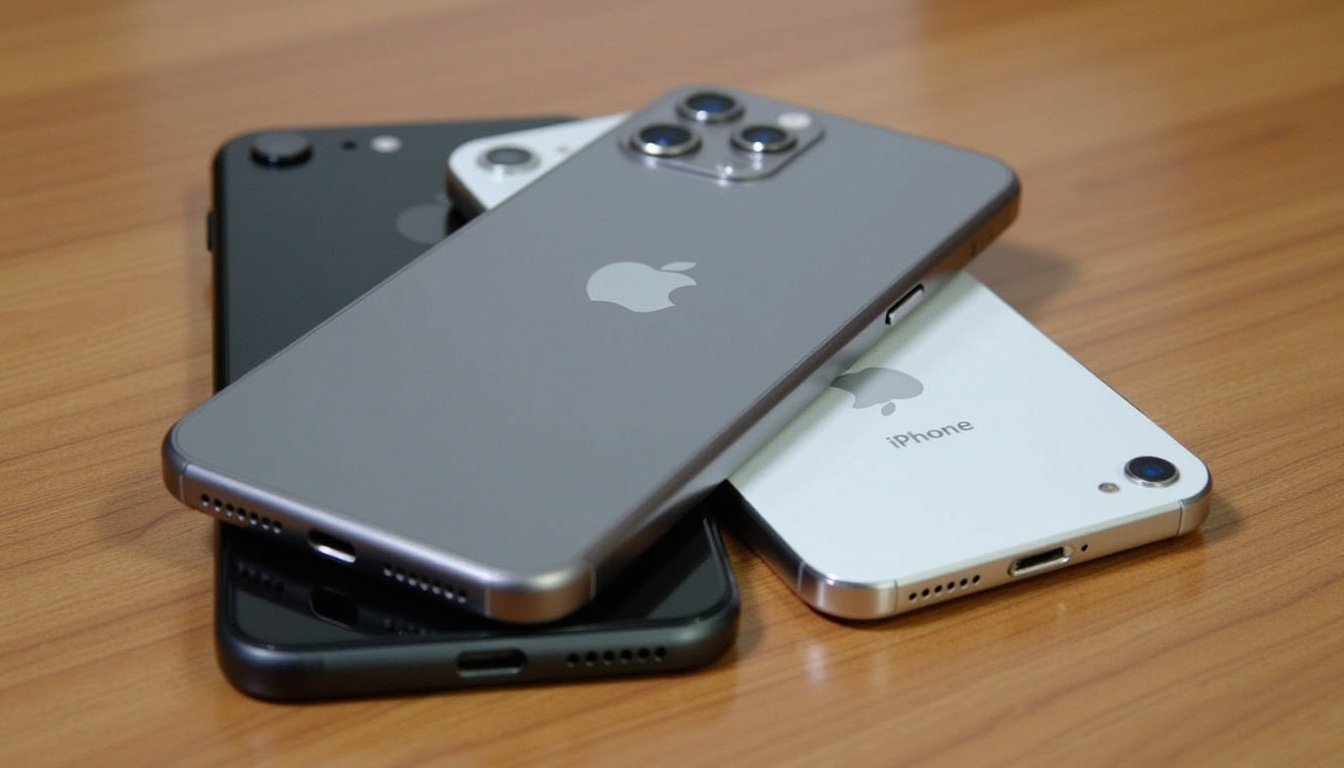
Have you ever found yourself with a locked iPhone and wondered, “Who buys locked iPhones near me?” You still have options, but the best buyer depends on the type of lock, the phone’s condition, and whether you can prove the device is yours.
Many people run into this problem after forgetting a passcode, buying a second-hand phone, switching carriers, or discovering an unpaid balance on a device. A locked iPhone may be worth less than an unlocked one, but it can still have resale value for repair shops, refurbishers, parts buyers, pawn shops, and some online buyback companies.
Before you sell, you need to understand what kind of lock is on the phone. A carrier-locked iPhone is different from an iCloud Activation Locked iPhone, and buyers treat them very differently. This guide explains who buys locked iPhones near you, how to compare offers, how to avoid scams, and how to sell safely.
Quick Answer
Local phone repair shops, electronics stores, pawn shops, parts buyers, and some online buyback platforms may buy locked iPhones. Carrier-locked phones are easier to sell than iCloud Activation Locked phones. Always disclose the lock status, remove your personal data when possible, and bring proof of ownership.
Key Takeaways
- Carrier-locked iPhones usually have better resale value than iCloud Activation Locked phones.
- Phone repair shops, pawn shops, electronics stores, and online buyback sites are common buyers.
- A locked iPhone should be legally yours, not reported lost or stolen, and described honestly before sale.
- Compare several offers because lock type, model, storage size, battery health, and condition all affect value.
- Meet local buyers in safe public places and use secure payment methods.
At a Glance
| Best Local Buyers | Phone repair shops, electronics stores, pawn shops, and local device resellers |
| Best Online Options | Marketplace listings, buyback sites, and parts-focused buyers that accept locked devices |
| Main Risk | Selling a phone that is unpaid, blacklisted, stolen, or still linked to an Apple ID |
| What To Bring | Photo ID, proof of purchase if available, charger or box if you have them, and a clear description of the lock |

Credit: support.apple.com
Reasons For Selling Locked Iphones
Many people sell locked iPhones because the device still has value even when it cannot be used normally. A locked phone may be restricted to one carrier, tied to an Apple ID, blocked by a passcode, or limited because of an unpaid balance. Each situation affects who will buy it and how much they may offer.
Some buyers purchase locked iPhones for parts. Others refurbish them, repair them, or resell them after confirming the device can be legally activated. That is why you should know the lock type before asking for quotes.
Quick Cash Needs
Emergencies happen, and unexpected expenses can arise at any time. Selling a locked iPhone can provide quick cash if the phone is legally yours and a buyer accepts its condition. Local repair shops and pawn shops may inspect the phone and make an offer on the spot.
The process can be fast, but speed should not replace caution. Bring proof of ownership if you have it, describe the lock honestly, and avoid buyers who pressure you into a rushed transaction.
Upgrade To Newer Models
Technology advances quickly, and many iPhone users upgrade when they want a better camera, longer battery life, more storage, or newer software support. Selling an old locked iPhone can help reduce the cost of a newer model.
Even if the phone cannot be activated by a regular buyer, it may still be useful to someone who repairs screens, replaces batteries, recovers parts, or buys devices in bulk. A clean, undamaged iPhone usually attracts better offers than one with cracks, water damage, or missing parts.

Credit: www.facebook.com
Understanding Locked Iphones
Understanding locked iPhones can feel confusing because “locked” can mean several different things. One buyer may accept a carrier-locked iPhone but reject an iCloud Activation Locked device. Another buyer may only want the phone for parts.
Before you sell, identify the exact lock type. This helps you avoid bad offers, rejected sales, and disputes after the transaction.
What Makes An Iphone Locked
An iPhone is locked when something limits normal use. A carrier lock ties the phone to one wireless provider. A passcode lock prevents access to the device screen. Activation Lock links the phone to an Apple ID and helps protect it if it is lost or stolen.
These lock types are not equal. A carrier lock may be removed by the carrier if the phone meets unlocking requirements. Activation Lock usually requires the Apple ID and password used on the device, or valid proof of ownership through Apple support. Buyers know this, so they often pay less for phones with stronger restrictions.
Common Reasons For Locking
There are several common reasons why iPhones get locked. A phone purchased through a carrier may stay locked until the service contract, installment plan, or unlocking requirements are complete. This prevents the device from being used freely on another network.
A phone can also be locked if it is reported lost or stolen. In that case, the device may be blacklisted, and most legitimate buyers will refuse it. Contractual agreements, unpaid balances, forgotten passcodes, and second-hand purchases can also create lock problems.
Warning: Do not sell an iPhone that is not legally yours. A lost, stolen, blacklisted, or fraud-linked device can create legal problems and may be rejected by reputable buyers.
Carrier Lock Vs. Activation Lock
The difference between a carrier lock and Activation Lock matters because it affects the phone’s resale value. Many sellers use the word “locked” without explaining which type they mean, but buyers will check before paying.
Carrier-Locked Iphones
A carrier-locked iPhone works only with a specific wireless provider or network until it is unlocked. For example, a phone bought through one carrier may not accept another carrier’s SIM or eSIM right away.
These phones can still attract buyers, especially if the device is paid off, not blacklisted, and in good condition. Some buyers may use the same carrier, request an unlock from the carrier, or resell the phone clearly as carrier locked.
Icloud Activation Locked Iphones
An iCloud Activation Locked iPhone is linked to an Apple ID through Find My. This security feature helps stop unauthorized use if the phone is lost or stolen. A buyer generally cannot set up or use the device without the original Apple ID credentials or valid proof of ownership.
Because of that, many local shops and buyback companies will not buy Activation Locked iPhones except for parts. If you own the phone, try removing Activation Lock before selling. This can raise the offer and make the sale easier.
Passcode-Locked Iphones
A passcode-locked iPhone is blocked at the screen because the passcode is unknown. If the device belongs to you, you may be able to erase it and set it up again. However, erasing the phone may still trigger Activation Lock if Find My was enabled.
Tell buyers if the phone is passcode locked. A buyer who expects a ready-to-use phone may back out if the device cannot be tested properly.
Where To Sell Locked Iphones
Looking to sell your locked iPhone? You have several options. Selling a locked iPhone can be easy if you find the right buyer, describe the lock clearly, and compare offers before accepting cash.
Local businesses may offer convenience because they can inspect the phone in person. Online buyers may offer more reach, but they often require shipping and stricter condition checks.
Local Electronics Shops
Many local electronics shops buy locked iPhones. They may refurbish devices, use them for parts, or resell them after testing. Visit shops in your area to discuss selling your device and ask whether they accept your specific lock type.
Some stores may give an instant quote. Others may require an inspection first. These shops often understand phone values and can offer competitive prices based on the model, storage size, battery health, lock status, and physical condition.
Phone Repair Shops
Phone repair shops are often strong local buyers because they can reuse screens, cameras, batteries, charging ports, housings, and other parts. They may accept phones that regular buyers reject, especially if the display and internal parts still work.
Call ahead and ask, “Do you buy carrier-locked, passcode-locked, or iCloud-locked iPhones?” This saves time and helps you avoid visiting shops that only buy unlocked devices.
Pawn Shops
Pawn shops are another option for selling locked iPhones. They often deal with electronics and may provide quick cash after checking the phone. Bring your iPhone to the shop for evaluation, and expect the offer to reflect the lock status.
Selling to a pawn shop is straightforward, but offers can vary widely. Some pawn shops accept locked phones only if you provide proof of ownership. Others may refuse Activation Locked or blacklisted devices.
Carrier Stores And Trade-In Programs
Some carrier trade-in programs accept older iPhones, but many require the device to meet specific rules. A phone with Activation Lock usually must be removed before trade-in. A phone with unpaid financing may also be rejected or valued lower.
Carrier stores are not always the best choice for cash, but they may be useful if you want account credit, upgrade credit, or help checking whether the phone is eligible for unlocking.
Online Platforms For Selling Locked Iphones
Finding a buyer for locked iPhones might seem tough, but several online platforms make the process easier. These platforms connect sellers with buyers who understand locked devices, parts phones, and repair value.
Online selling works best when your listing is honest and detailed. Include the iPhone model, storage size, carrier, lock type, battery health if available, damage, included accessories, and whether Find My is still active.
Popular Marketplaces
eBay is a common choice for selling locked iPhones because it reaches many potential buyers. The auction system can attract repair shops, parts buyers, and resellers. List the phone accurately and state the lock type in the title and description.
Amazon also has a marketplace for used phones, but selling requirements can be stricter than casual marketplaces. If you choose this route, check the platform rules, fees, and condition requirements before listing a locked device.
Facebook Marketplace, Craigslist, and OfferUp may also connect you with local buyers. These platforms can work well for in-person sales, but they require extra caution. Meet in public, avoid shipping to unknown buyers, and do not accept overpayment schemes.
Specialized Buyback Sites
Several buyback sites specialize in used phones, damaged phones, or locked devices. Some buy carrier-locked phones, while others may accept only unlocked devices. Read each site’s lock policy before sending your iPhone.
Gazelle buys many used iPhones and provides online quotes, but acceptance depends on the device condition and lock status. SellLocked focuses on locked devices and may be useful if the phone does not qualify for standard buyback programs.
Buyback sites can simplify the sale with instant quotes and shipping instructions. However, the final payout may change after inspection if the phone’s lock type, damage, or condition differs from your description.
Pro Tip: Get quotes from at least three buyers before accepting an offer. One buyer may value the phone as a parts device, while another may pay more for the same model if it is only carrier locked.
Evaluating Offers For Locked Iphones
Finding a buyer for a locked iPhone can be tricky because not all buyers offer the same value. Evaluating offers requires careful comparison of lock type, phone condition, payment method, and buyer reputation.
Do not judge an offer by price alone. A slightly lower cash offer from a trusted local shop may be safer than a higher offer from an unknown buyer who wants unusual payment terms.
Factors Affecting Value
The condition of your iPhone plays a major role. A phone in good shape usually attracts better offers. Model and age matter too. Newer models tend to bring higher prices than older ones, especially if the screen, cameras, Face ID, buttons, and charging port work.
Locked status can lower value compared with an unlocked phone. A carrier-locked iPhone may still sell well if it is clean and paid off. An Activation Locked iPhone may be worth only its parts unless you can remove the lock.
Storage size also matters. Higher-storage models often sell for more. Accessories like the original box, cable, or receipt may increase trust and slightly improve the offer.
Comparing Different Offers
Different buyers have varied offers. Some may offer cash, while others provide store credit, upgrade credit, or mailed payment after inspection. Compare these options to find what suits you best.
Online platforms may have competitive rates, but shipping, inspection delays, return risk, and platform fees can reduce the final benefit. Local shops may offer convenience with immediate payment, but their offer may be lower because they need resale margin.
Check multiple sources so you do not miss a better deal. Review the terms and conditions of each offer carefully. Some buyers may adjust the payout if they discover a different lock type, hidden damage, or missing parts.
Credit: www.bankmycell.com
How To Prepare A Locked Iphone Before Selling
Preparing the phone properly can protect your privacy and improve your chances of getting a fair offer. Even if the phone is locked, take every step you safely can before handing it to a buyer.
Check The Lock Type
Start by identifying whether the phone is carrier locked, passcode locked, Activation Locked, financed, or blacklisted. A buyer may ask for the IMEI or serial number to check eligibility and status.
If the phone turns on, check settings when possible. If you cannot access settings, tell the buyer exactly what screen appears. Honest details reduce disputes and help buyers quote correctly.
Remove Personal Data When Possible
If you can access the iPhone, back up anything you need and erase your personal data before selling. Sign out of your Apple ID, turn off Find My, and remove the device from your Apple account when possible.
If you cannot access the phone, do not guess. Tell the buyer that the device is locked and may still contain data. Reputable buyers should explain what they can and cannot do with the device.
Gather Proof Of Ownership
Proof of ownership can make buyers more comfortable. A receipt, carrier bill, original box with matching information, or trade-in paperwork can help show that the phone is legally yours.
Some shops may require ID or documentation before buying locked electronics. This protects both the buyer and seller and helps prevent stolen-device resale.
Risks And Considerations
Finding buyers for locked iPhones nearby involves real risks. Some buyers may offer very low prices, use questionable payment methods, or reject the device after discovering the lock type. Research buyers before meeting and protect yourself from scams and legal trouble.
Purchasing or selling locked iPhones can be tempting, especially when the device still looks valuable. However, the transaction is not always simple. You need to understand the legal, privacy, and payment risks before you sell.
Legal Aspects
When selling or buying a locked iPhone, you must consider the legal implications. Locked phones may be tied to carrier agreements, installment plans, Apple IDs, or lost-device reports. If a phone is still under contract or has not been paid off, the carrier may restrict activation or unlocking.
Make sure the phone is not reported lost or stolen. Ask for proof of ownership if you are buying one, and provide proof if you are selling one. Check the IMEI status through reliable channels when possible. This step can help you avoid legal problems and failed activation.
Potential Scams
Scams are a significant risk when selling or buying locked iPhones. Some sellers misrepresent the phone’s condition or lock status. Some buyers may claim a false problem after receiving the phone and try to force a refund.
If you sell locally, meet in a public place where you can safely complete the transaction. If the buyer wants to test the device, stay present. Do not hand over the phone before payment clears.
Be cautious with online transactions. Avoid buyers who overpay, ask you to refund the difference, send fake payment emails, or demand shipping before payment is confirmed. If the deal seems too good to be true, it probably is.
Note: A buyer who accepts locked iPhones should still care about ownership. Reputable shops usually avoid phones that appear stolen, blacklisted, or linked to fraud.
Tips For Selling Locked Iphones
Searching locally can help you find buyers for locked iPhones. Check with repair shops, electronics stores, pawn shops, and local marketplace buyers nearby. Online classifieds and marketplace apps can also work if you use safe selling practices.
Selling a locked iPhone can be tricky, but the right approach can still help you get a reasonable deal. Focus on honest details, buyer safety, and value comparison.
Maximizing Sale Value
To get the most value from your locked iPhone, start by researching current market prices. Check online marketplaces to see what similar models are selling for, especially listings that match your model, storage size, condition, and lock type.
Clean your phone carefully and remove any case, dust, or grime before taking photos. A device in good condition will usually fetch a higher price. Show clear photos of the front, back, sides, camera area, lock screen, and any damage.
Include original accessories if possible. Chargers, cables, and the original box can increase buyer confidence. If you have proof of purchase, mention it in the listing or bring it to the meeting.
Safe Transaction Practices
Safety should be a priority when selling your locked iPhone. Choose local buyers you can meet in person when possible. Arrange to meet in a public place such as a coffee shop, mall, phone shop, or police-station exchange area.
Use secure payment methods. Cash is simple for local sales. If using a digital payment app, confirm the money is actually in your account before handing over the phone. Do not rely on screenshots or email confirmations.
Trust your instincts. If something feels off about a buyer, walk away. Your safety and peace of mind matter more than making a fast sale.
What To Say In Your Listing
Your listing should be clear enough that buyers know exactly what they are considering. Mention the model, storage size, carrier, color, condition, battery health if known, lock type, and whether the phone powers on.
For example, you might write: “iPhone 13, 128GB, carrier locked to AT&T, powers on, clean screen, no cracks, not iCloud locked, selling as locked.” Clear wording attracts serious buyers and reduces wasted messages.
Related Guides
Frequently Asked Questions
Where can I sell my iPhone if it is locked?
You can sell a locked iPhone to local phone repair shops, electronics stores, pawn shops, parts buyers, marketplace buyers, or specialized buyback sites. Always disclose whether the phone is carrier locked, passcode locked, or iCloud Activation Locked before accepting an offer.
Does anyone buy locked iPhones?
Yes, people buy locked iPhones for parts, repair, refurbishment, or resale. Carrier-locked phones are usually easier to sell than iCloud Activation Locked phones. Prices are usually lower than unlocked phones because the buyer accepts more risk and limited usability.
Will ecoATM buy locked iPhones?
ecoATM requirements can depend on the device status and kiosk checks. In general, you should remove personal data, disable security locks, and make sure the phone is legally yours before using any kiosk or buyback service. Check the current ecoATM requirements before visiting.
Can you sell a locked iPhone to a pawn shop?
Yes, some pawn shops buy locked iPhones, but policies vary. Many shops pay less for locked devices, and some may reject iCloud Activation Locked, blacklisted, or unpaid phones. Bring proof of ownership and call ahead before visiting.
Can I sell an iCloud locked iPhone?
You may be able to sell an iCloud locked iPhone only if it is legally yours and the buyer accepts it, often as a parts device. Many legitimate buyers reject Activation Locked phones because they cannot be set up without the Apple ID credentials or valid ownership proof.
How do I get the best offer for a locked iPhone?
Compare quotes from local repair shops, pawn shops, marketplace buyers, and online buyback sites. Clean the phone, describe the lock accurately, include accessories if available, and provide proof of ownership. Removing carrier or Activation Lock before selling can improve the offer.
Conclusion
Finding a buyer for locked iPhones is easier when you know the lock type and choose the right sales channel. Local repair shops, electronics stores, pawn shops, online marketplaces, and specialized buyback sites may all be options, but each buyer has different rules.
A locked iPhone can still bring value, especially if it is legally yours, in good condition, and honestly described. Compare several offers, protect your personal data, avoid suspicious buyers, and choose the safest payment method. With careful preparation, you can turn a locked iPhone into cash without unnecessary risk.
Sources
- Apple Support: Activation Lock for iPhone and iPad — explains Activation Lock and why Apple ID ownership matters.
- Apple Support: What to do before you sell, give away, or trade in your iPhone or iPad — backs up steps for removing personal data and account access.
- Apple Support: How to unlock your iPhone for use with a different carrier — explains carrier unlocking basics.
- Federal Communications Commission: Cell Phone Unlocking — provides consumer information about phone unlocking.
- Federal Trade Commission: How to Avoid a Scam — supports safe transaction and scam-prevention advice.