
Winter rooftop camping can keep you above wet, frozen ground and make overnight stops faster, but a rooftop tent is not automatically warmer, insulated, or storm-proof. The right budget model should match your vehicle’s roof system, carry enough weather protection for your expected conditions, ventilate well, and remain manageable to mount and pack.
This guide compares six affordable inflatable, soft-shell, and hard-shell rooftop tents. The recommendations emphasize vehicle compatibility, listed weight, setup style, moisture control, and realistic winter limitations so you can choose a tent without relying on vague “four-season” labels alone.
Affiliate disclosure:. As an Amazon Associate I earn from qualifying purchases. This roundup is reader-supported. When you click an Amazon link, we may earn a referral commission on qualifying purchases at no additional cost to you.
Quick Verdict
Best overall value: The BAMACAR Naturnest combines a hard shell, fast opening, an anti-condensation layer, lighting, storage, and a ladder, but its listed weight makes roof compatibility the first check.
Best lightweight hard shell: The ILANDER is substantially lighter than many full-size hard-shell models and is the easiest option here to justify on a lower-capacity rack—provided your vehicle and rack manufacturer approve the installation.
Best lower-cost inflatable: The HOMEFUN is appealing for mild-winter trips and compact storage, but it should not be treated as a substitute for a rigid shelter in heavy snow or severe wind.
Top Picks
| Category | Product | Best For | Main Limitation |
|---|---|---|---|
| 💰 Best Budget Inflatable | HOMEFUN Inflatable | Mild-winter road trips and compact storage | Inflatable structure is less reassuring for severe wind or snow |
| 🏆 Best Affordable ABS Hardshell | WTRAVEL Naturnest | Couples wanting basic hard-shell protection | Heavy; instructions and mattress comfort may be basic |
| 🔰 Best Lightweight Softshell | SAN HIMA Alpine | Two-person trips where lower mounted weight matters | Soft cover and fabric need more care in wind and snow |
| 💼 Best Feature-Rich Hardshell | BAMACAR Naturnest | Frequent winter road trips and accessory value | Very heavy installation |
| 🏕️ Best for Two Adults and a Child | VEVOR Hardshell | Family car camping in moderate winter weather | Seller warns against severe extreme weather |
| 🚀 Best Lightweight Hardshell | ILANDER HardShell | Quick stops and vehicles with less roof-load headroom | Newer listing with less long-term ownership history |
How We Picked These Tents
This is a specification- and buyer-guidance-based roundup, not a claim of hands-on testing. We compared the information supplied in the linked listings with the concerns that matter most for winter rooftop camping: tent and ladder weight, hard-shell versus soft-shell construction, waterproof materials, ventilation, mattress and condensation layers, setup method, included mounting components, sleeping dimensions, and realistic weather limitations.
We gave more weight to clear fitment information and practical winter features than to changing star ratings, review counts, promotional language, or unverified “four-season” labels. No rooftop tent in this guide should be assumed to have a certified snow-load or high-wind rating unless the manufacturer provides one for the exact model.
Compatibility and Safety Check
- Confirm the vehicle roof, rack, feet, crossbars, and mounting hardware are all approved for a rooftop tent.
- Use the lowest dynamic load rating in the entire system while driving, and include the weight of the tent, rack, mounting parts, and any accessories.
- Confirm the parked static capacity can support the tent, occupants, bedding, and ladder loads.
- Check required crossbar spread, bar width and thickness, roof type, hatch clearance, antenna clearance, and whether panoramic glass roofs are excluded.
- Re-torque mounting hardware after initial use and inspect it before long drives or rough-road travel.
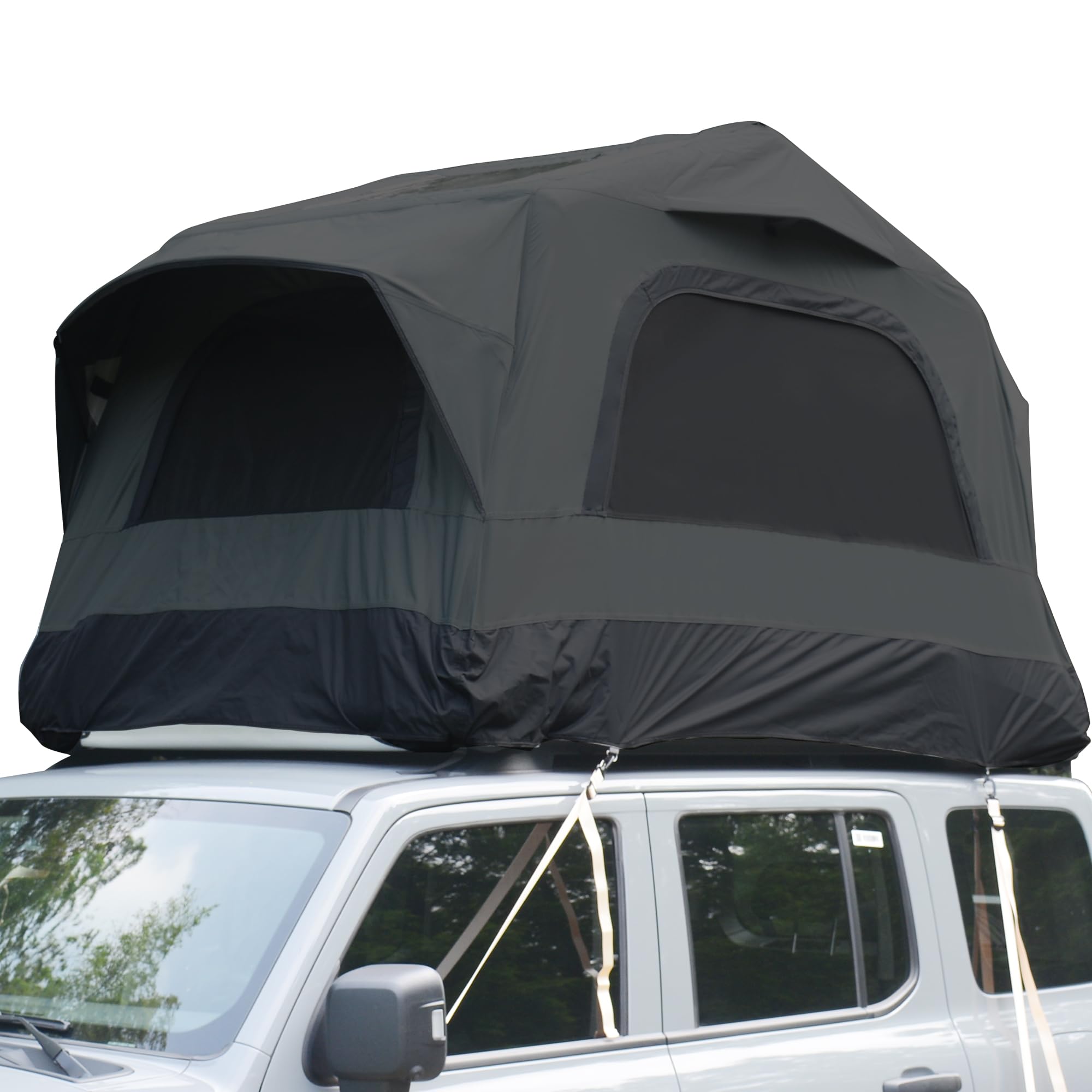
The HOMEFUN solves the biggest hassle of a conventional soft-shell rooftop tent: a bulky pole-and-frame setup. Its inflatable structure can be useful for quick road trips, and the listed interior dimensions give two adults a more realistic sleeping plan than relying on the broader three-person occupancy field.
Winter use note: Treat this as a mild-winter or shoulder-season option. The listing uses all-season language, but no verified snow-load or severe-wind rating is provided. Clear snow promptly, avoid exposed campsites in strong wind, and inspect the air structure and valves before every trip.
Who Should Buy This
Couples who prioritize lower cost, compact storage, and a fast inflatable setup for sheltered campsites and moderate winter conditions.
Who Should Avoid This
Campers expecting heavy wet snow, severe wind, remote subzero travel, or a rigid shell that can remain mounted for frequent highway use.
Key Listed Details
| Sleeping plan | Best treated as a two-adult tent |
|---|---|
| Listed dimensions | About 86.6 x 57.1 x 52.4 inches |
| Structure | Inflatable body and base |
| Listed fabric | 300D polyester fabric |
| Weight | Not clearly specified; confirm before purchase |
Why You’ll Like It
- Inflatable setup avoids a conventional rigid pole frame
- Thick air base can reduce the need for a separate mattress
- Mesh windows and skylight support ventilation and condensation control
- Can be easier to store off the vehicle than a full-size hard shell
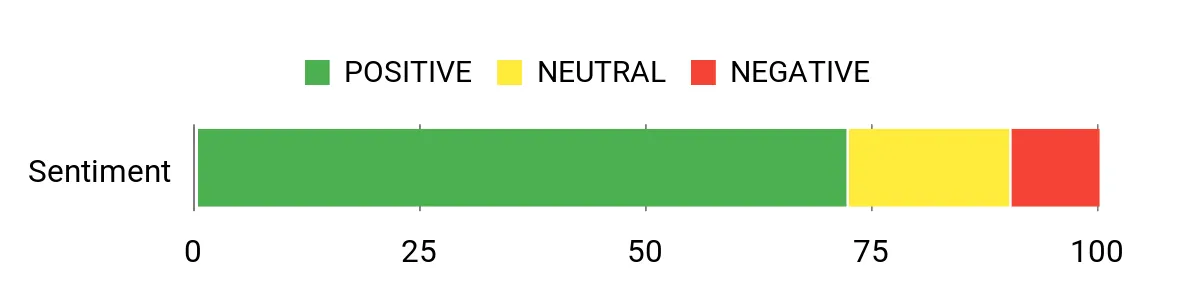
Listing Feedback Snapshot
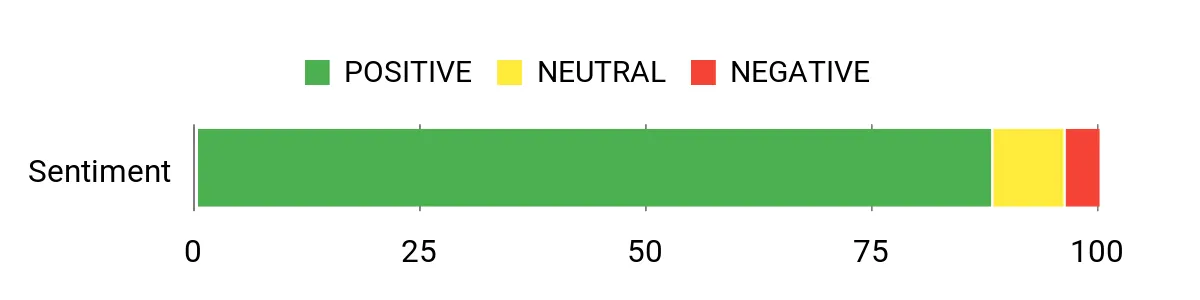
The source article characterized early feedback as positive, but the listing has limited long-term ownership data. Treat the chart below as a historical snapshot, not a current rating or durability guarantee.
Check Product Details on Amazon

This model is the straightforward choice for buyers who want a rigid travel shell without stepping up to a heavily accessorized aluminum tent. The ABS top should shed rain and road debris more cleanly than a fabric transit cover, while the included ladder and mattress reduce the number of separate items needed to get started.
Winter use note: A hard shell helps with transport and wind shedding, but the seller’s all-season wording should not be read as a certified heavy-snow rating. The mattress may need a topper and an anti-condensation layer in freezing weather.
Who Should Buy This
Couples who want basic hard-shell convenience, a direct product listing, and a simpler feature set than the heavier BAMACAR option.
Who Should Avoid This
Buyers whose rack cannot support a roughly 150-pound-class tent, or anyone who needs premium instructions, a thick sleep system, or verified extreme-weather engineering.
Key Listed Details
| Sleeping plan | Two adults; child capacity depends on dimensions and comfort expectations |
|---|---|
| Shell | ABS hard shell |
| Listed fabric | Oxford body with polyester rain protection |
| Listed weight | Approximately 155 pounds; verify exact item versus package weight |
| Included | Telescopic ladder and mattress |
Why You’ll Like It
- Rigid ABS cover protects the folded tent during travel
- Simple two-person layout suits couples and solo campers with gear
- Included ladder and mattress lower the initial accessory burden
- Hard-shell format is quicker to close than many traditional soft-shell tents
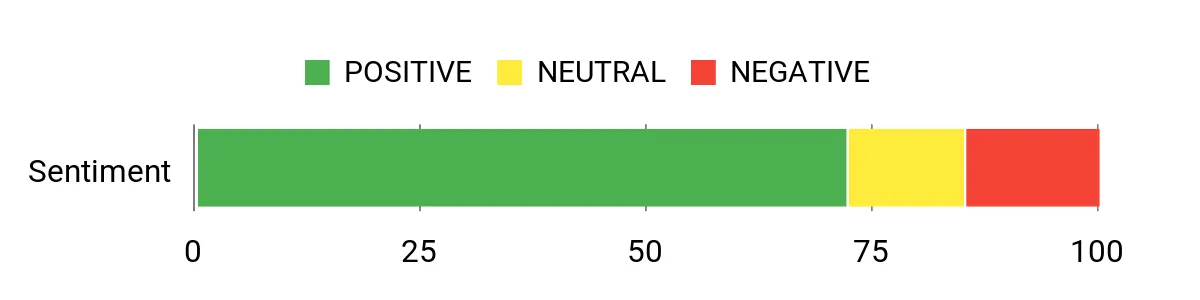
Listing Feedback Snapshot
The source article reported good value and weather protection as recurring themes, with mattress thickness and instructions as common concerns. Ratings and review counts change, so verify the current listing before purchasing.
Check Current Amazon Availability
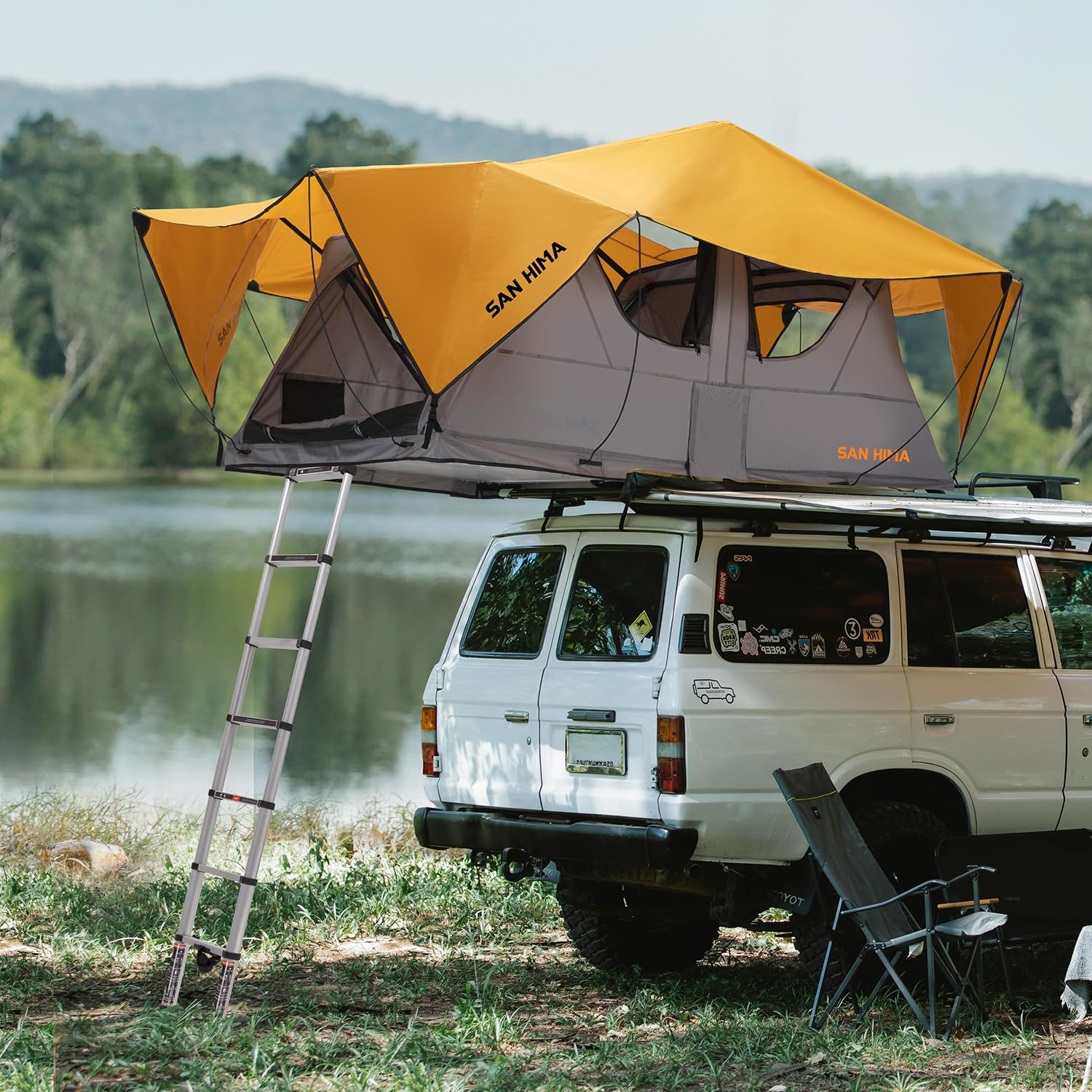
The Alpine is the most sensible soft-shell choice here for buyers who want a lower listed tent weight and a bright, airy interior. Its approximately 82 x 54-inch sleeping platform is best viewed as comfortable for two adults rather than automatically spacious for three.
Winter use note: The seller lists 3,000 mm waterproofing, but soft-shell tents require more attention to wind direction, snow clearing, transit-cover care, and drying before storage. Add an insulated layer under the mattress for freezing conditions.
Who Should Buy This
Couples who value lower mounted weight, ventilation, stargazing windows, and a wider fold-out sleeping area.
Who Should Avoid This
Campers who leave the tent mounted year-round, regularly drive through harsh winter road conditions, or want the fastest possible pack-down in snow and wind.
Key Listed Details
| Sleeping platform | About 82 x 54 inches |
|---|---|
| Listed weight | Approximately 81 pounds |
| Listed fabric | 300D PU-coated polyester |
| Listed waterproofing | 3,000 mm |
| Included | Foam mattress, ladder, shoe storage, and transit cover |
Why You’ll Like It
- Lower listed weight than the full-size hard-shell options in this guide
- Large openings and skyview panels improve airflow
- Honeycomb aluminum floor adds stiffness without excessive bulk
- Transit cover, ladder, and mattress are included
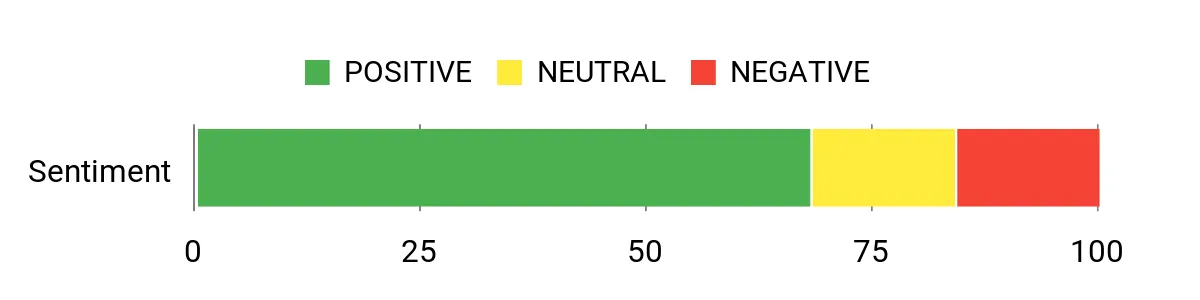
Listing Feedback Snapshot
The source article highlighted interior space and skyview windows as strengths, while transit-cover durability and high-wind confidence were the main cautions. Confirm current warranty and replacement-cover support before buying.
Check Product Details on Amazon

The BAMACAR earns the strongest overall recommendation because its included condensation mat and storage features directly address common winter rooftop-tent frustrations. It also opens quickly once mounted, making it useful for frequent overnight stops.
The tradeoff is significant weight. At about 176 pounds before extra cargo, it may exceed the dynamic roof rating of many passenger vehicles and rack systems. Do not rely on a universal-fit statement; obtain approval for your exact vehicle, roof type, rack, and crossbar configuration.
Who Should Buy This
Frequent car campers with a properly rated SUV, truck, van, trailer, or bed-rack system who want a nearly turnkey hard-shell setup.
Who Should Avoid This
Owners of vehicles with low dynamic roof limits, unsupported factory crossbars, panoramic glass roofs, or no safe method for lifting and mounting a 176-pound tent.
Key Listed Details
| Listed dimensions | About 83 x 51 x 59 inches when open |
|---|---|
| Listed weight | 176 pounds |
| Sleeping plan | Two adults comfortably; a third occupant will be tight |
| Shell and base | Aluminum hard shell and base |
| Included | Mattress, condensation mat, ladder, LED/USB, storage, and top crossbars |
Why You’ll Like It
- Anti-condensation layer is useful in cold, damp weather
- Hard-shell opening and closing suit frequent overnight stops
- LED lighting, USB power, storage, ladder, and crossbars are included
- Low closed profile can reduce bulk compared with taller hard shells
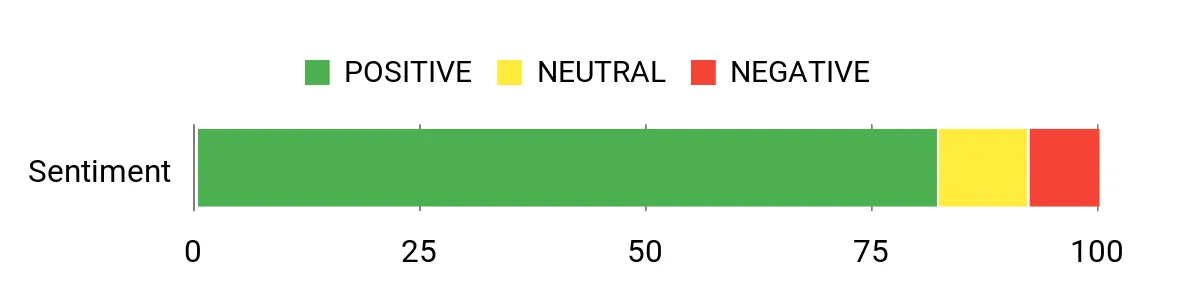
Listing Feedback Snapshot
The source article emphasized the accessory bundle, quick opening, and general build quality. The recurring hesitation is not day-to-day setup but the initial lift, vehicle fitment, and long-term serviceability of struts, latches, and mounting parts.
Check Current Amazon Availability
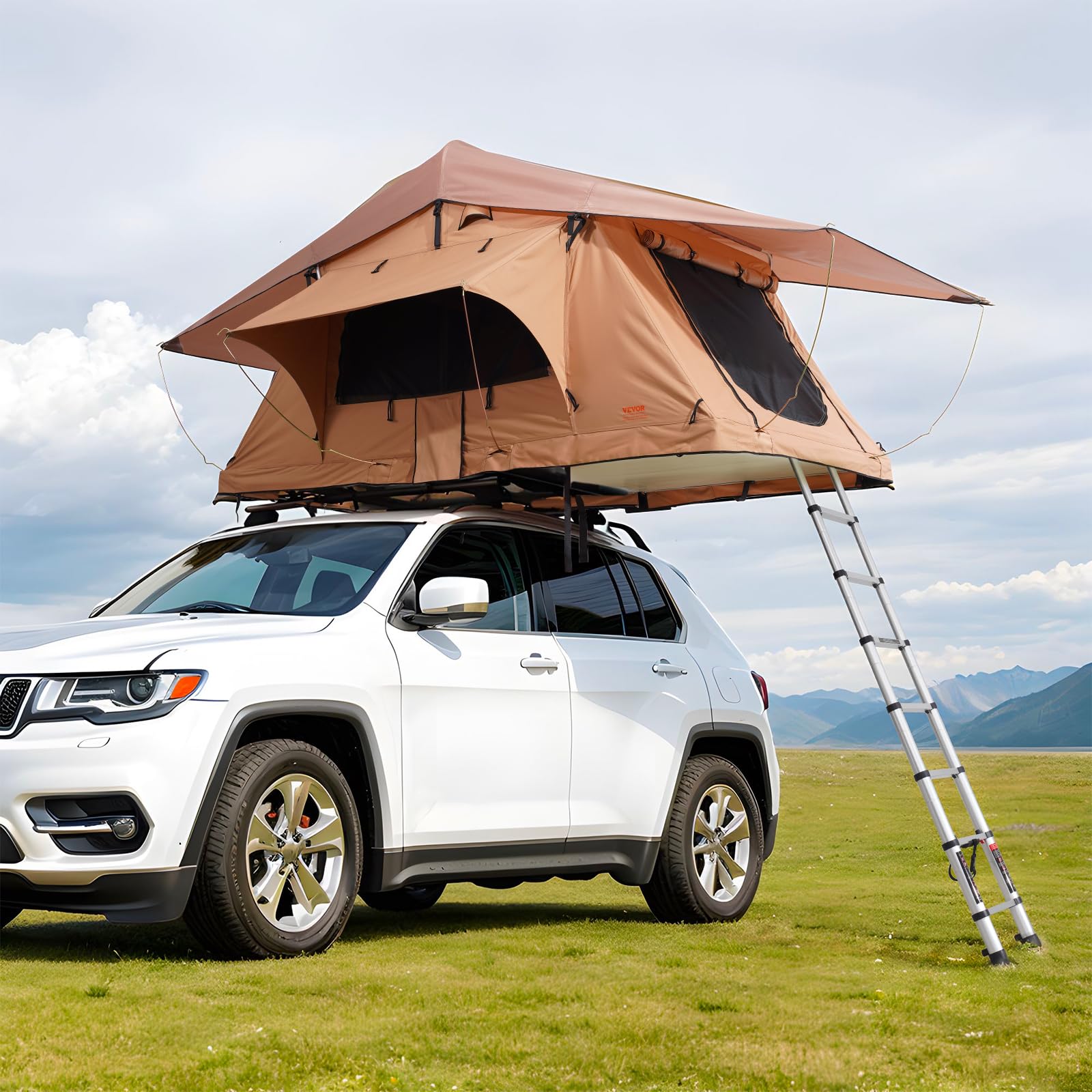
The VEVOR is the clearest family-oriented option in the group because the listing specifically frames the sleeping plan as two adults and one child rather than three full-size adults. Its roughly 120-pound listed weight is more manageable than the BAMACAR, although installation still requires multiple people and a properly rated rack.
Winter use note: The listing describes waterproof and UV-resistant materials but also warns against severe extreme weather. That makes it a better fit for maintained campgrounds, moderate snow, and forecast-stable trips than exposed winter storms.
Who Should Buy This
Small families using a suitably rated Jeep, SUV, or truck who want a lighter hard-shell-style setup with a mattress, ladder, and lighting included.
Who Should Avoid This
Three-adult groups, severe-weather campers, or anyone interpreting the seller’s high parked-load language as permission to ignore the vehicle’s lower dynamic roof limit.
Key Listed Details
| Sleeping plan | Two adults and one child |
|---|---|
| Listed weight | About 120.2 pounds |
| Rainfly | 420D Oxford, seller-listed 2,000 mm waterproofing |
| Main body | Polyester-cotton, seller-listed 1,500 mm waterproofing |
| Included | Foam mattress, LED light, storage, and telescopic ladder |
Why You’ll Like It
- More realistic family capacity guidance than generic “three-person” wording
- Lower listed weight than the full-size BAMACAR
- Multiple ventilation points help manage condensation
- Mattress, lighting, storage, and ladder are included
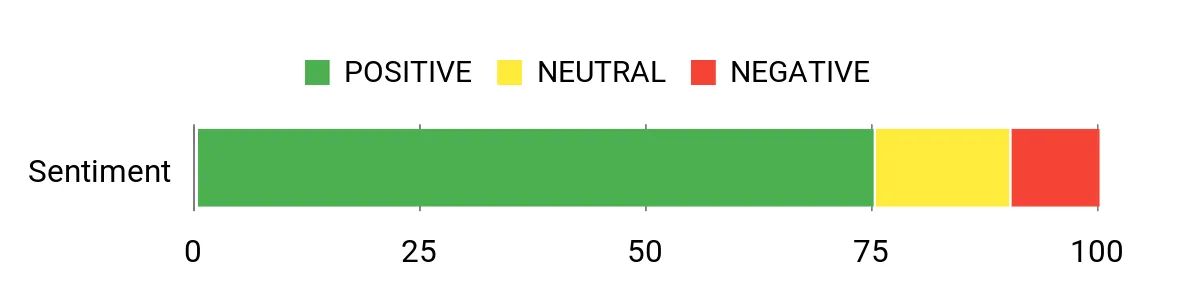
Listing Feedback Snapshot
The source article described weather resistance and everyday opening as strengths, while instructions, mattress depth, and occasional LED concerns were the main limitations. Verify current seller support and replacement-part availability.
Check Product Details on Amazon
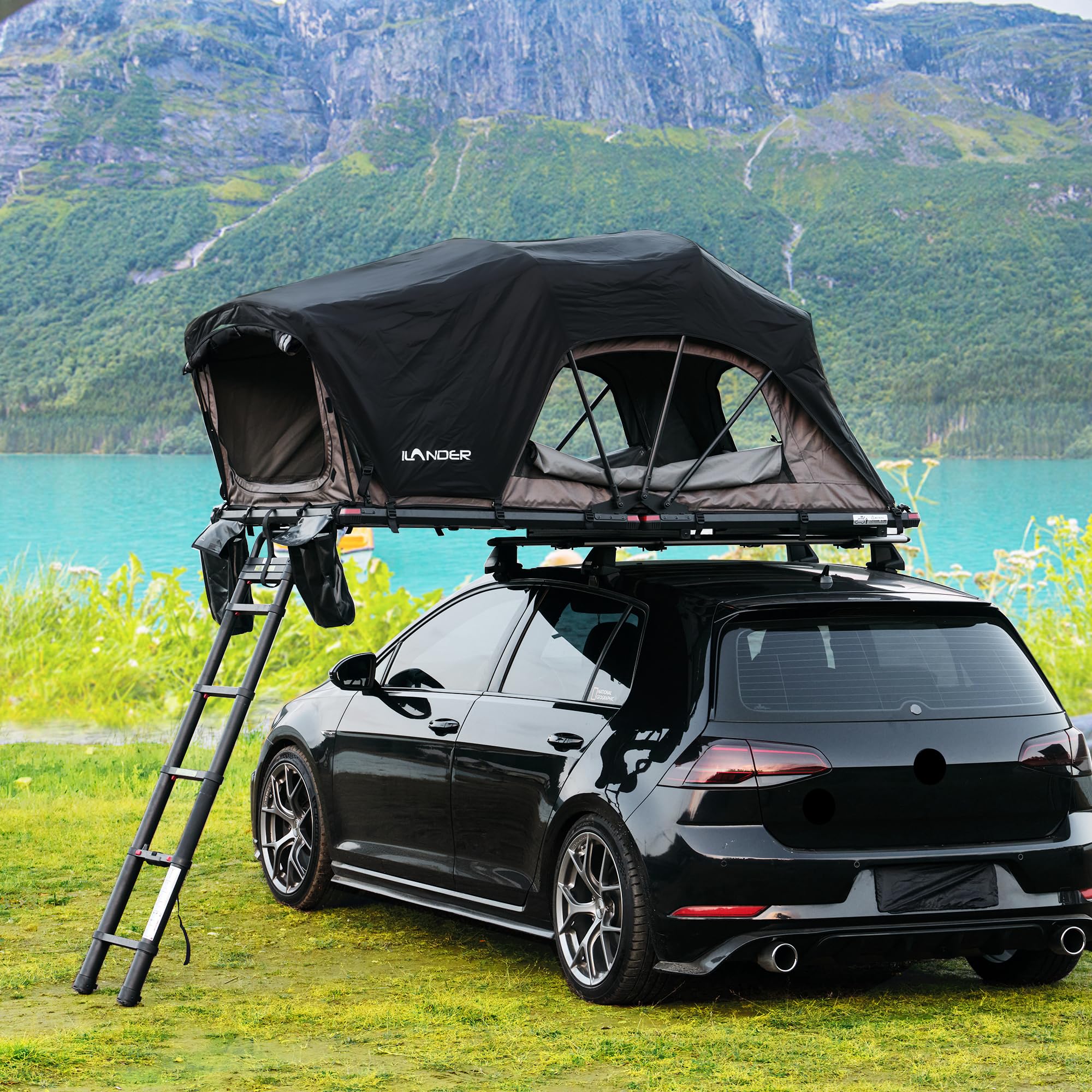
The ILANDER stands out because its listed tent weight is roughly 96 pounds, with the seller separately indicating a higher total when the ladder is included. That does not make it universally compatible, but it creates substantially more roof-load headroom than the 150- to 176-pound options.
Winter use note: The seller lists 2,000 mm water resistance and all-weather use, but the same general winter cautions apply: no verified snow-load rating, no reason to remain open in severe wind, and no substitute for an insulated sleep system.
Who Should Buy This
Couples or small families who want a hard shell, quick opening, and a lower mounted weight for frequent road travel.
Who Should Avoid This
Buyers who require years of established ownership history, a wider two-adult mattress, or manufacturer-confirmed compatibility with an unusual factory roof system.
Key Listed Details
| Listed dimensions | About 85.3 x 49.2 x 37.4 inches for the listed configuration |
|---|---|
| Listed weight | 43.5 kg item weight; seller also lists about 45.5 kg total with ladder |
| Stored thickness | About 10.3 inches |
| Listed waterproofing | 2,000 mm |
| Included | Tent, ladder, mattress, lighting, storage, and support poles |
Why You’ll Like It
- Lower listed weight than most hard-shell tents in this roundup
- Compact closed profile reduces roof bulk
- Fast opening suits frequent one-night stops
- Mattress, storage, lighting, ventilation, and ladder are included
Listing Feedback Snapshot
The source article described strong early impressions of the shell, windows, and quick setup. Because the listing is newer and long-term data is limited, pay particular attention to warranty terms, mounting hardware, replacement struts, and seller support.
Check Current Amazon Availability
How to Choose a Budget Rooftop Tent for Winter Camping
1. Start With Dynamic Roof Capacity
The most important number while driving is the lowest dynamic load rating among the vehicle roof, rack feet, crossbars or platform, mounting kit, and tent hardware. Subtract the rack and mounting components from that limit before deciding whether a tent fits. A parked static capacity is a different number and should not be substituted for the dynamic driving limit.
2. Check the Roof Type and Crossbar Geometry
Confirm the required bar spread, bar width, bar height, mounting-channel position, hatch clearance, and antenna clearance. Factory rails, clamp-on bars, flush rails, rain gutters, truck-bed racks, fiberglass caps, and panoramic glass roofs do not share the same load or installation rules.
3. Choose the Right Shell Style
Hard shells usually open and close faster, protect the folded fabric better, and shed wind and road debris more cleanly. Soft shells can provide more floor space for their mounted weight but take longer to cover and dry. Inflatable tents are compact off the vehicle and simple to erect, but they rely on air chambers and are the least convincing choice for severe winter exposure.
4. Treat “Four-Season” as a Starting Point
Look beyond the label. Useful winter details include fabric denier, hydrostatic-head claims, seam construction, rainfly coverage, shell rigidity, ventilation, replaceable struts, condensation mats, and manufacturer guidance for wind and snow. Unless a specific snow-load or wind rating is published for the exact tent, do not assume one.
5. Plan the Sleep System Separately
A rooftop tent keeps you off cold ground but does not create insulation by itself. Use a cold-rated sleeping bag or quilt, an insulated layer beneath or above the stock mattress, dry sleep clothing, and a vapor-management routine. A thin factory mattress may be comfortable in summer but inadequate below freezing.
6. Manage Condensation Every Night
Keep at least two vents partially open when weather permits, avoid breathing directly into bedding, dry wet clothing outside the sleep area, and air out the tent each morning. Use an anti-condensation mat or open-cell spacer beneath the mattress, then dry the tent fully before long-term storage.
Critical Heater Safety
Do not sleep with a fuel-burning heater, lantern, stove, grill, or running vehicle engine operating in or next to an enclosed rooftop tent. Carbon monoxide is odorless and can be fatal. Use an appropriately rated sleeping system as the primary source of warmth. Any electrical warming product should be used only according to its manufacturer’s instructions, kept dry, and powered by a properly protected electrical system.
Before You Buy Checklist
- Exact tent item weight, ladder weight, and mounted accessory weight
- Vehicle dynamic and static roof limits from the vehicle manufacturer
- Rack, crossbar, feet, and mounting-kit ratings from their manufacturers
- Minimum and maximum crossbar spread
- Compatibility with sunroofs, panoramic glass, factory rails, and roof antennas
- Closed footprint, garage clearance, hatch opening, and highway height
- Mattress dimensions and realistic adult sleeping capacity
- Warranty length, return freight terms, replacement struts, latches, covers, and mounting parts
- Manufacturer limits for wind, snow, off-road use, and severe weather
FAQ
Are Budget Rooftop Tents Actually Suitable for Winter?
Some are suitable for moderate winter camping when mounted correctly and paired with an insulated sleep system. “Four-season” wording alone does not prove snow-load capacity, high-wind safety, insulation, or extreme-cold performance. Choose sheltered sites, monitor forecasts, clear snow, and leave before severe weather arrives.
Can a Rooftop Tent Make My Vehicle Top-Heavy?
Yes. A rooftop tent raises the vehicle’s center of gravity and can affect braking, cornering, crosswind response, fuel economy, and off-road stability. Stay within every load limit, reduce speed, avoid abrupt maneuvers, and follow the vehicle, rack, and tent manufacturers’ driving guidance.
How Many People Can Sleep in a “Three-Person” Rooftop Tent?
Use the mattress dimensions rather than the marketing label. Many three-person rooftop tents are comfortable for two adults, or two adults and a child, but cramped for three adults. Also check the tent’s static occupant limit and ladder rating.
Should I Choose a Hard Shell, Soft Shell, or Inflatable Tent?
Choose a hard shell for fast deployment and better travel protection, a soft shell for more sleeping area per pound, or an inflatable model for compact off-vehicle storage and mild-weather flexibility. For repeated winter use, a rigid hard shell is usually the more confidence-inspiring format, but only when its weight fits the vehicle and rack.
How Do I Keep a Rooftop Tent Dry in Winter?
Ventilate during sleep, use an under-mattress condensation layer, brush off snow before it melts, keep wet clothing out of the bedding, and dry the tent completely before closing it for storage. Carry absorbent cloths, a small brush, seam repair supplies, and zipper lubricant suitable for cold conditions.
Can I Use a Heater Inside a Rooftop Tent?
Do not sleep with a fuel-burning heater or other combustion appliance operating in an enclosed tent. Use an appropriately rated sleeping bag, insulated mattress layers, warm sleep clothing, and manufacturer-approved electrical warming products used exactly as directed.
Final Recommendations
Choose the BAMACAR Naturnest when your vehicle and rack can safely handle its weight and you want the strongest bundle of winter-friendly accessories.
Choose the ILANDER when reducing mounted weight and speeding up overnight stops are the priorities.
Choose the SAN HIMA Alpine when you prefer a lighter soft shell with generous ventilation and a two-adult sleep platform.
Choose the VEVOR for two adults and a child in moderate winter conditions—not severe storms.
Choose the WTRAVEL Naturnest for basic hard-shell protection at a simpler feature level.
Choose the HOMEFUN for mild-winter trips where low cost and inflatable setup matter more than rigid-shell storm confidence.
Full Comparison
| Product | Image | Realistic Capacity | Listed Weight | Best For | Main Winter Caution | Amazon |
|---|---|---|---|---|---|---|
| HOMEFUN Inflatable Rooftop Tent |
 |
Two adults | Not clearly specified | Budget mild-winter trips | No verified severe-wind or snow-load rating | Check on Amazon |
| WTRAVEL Naturnest Hard Shell |
 |
Two adults | Approx. 155 lb; verify item weight | Basic hard-shell value | Heavy and no verified snow-load rating | Check on Amazon |
| SAN HIMA Alpine |
 |
Two adults | Approx. 81 lb | Lightweight soft-shell travel | Fabric and cover need more winter care | Check on Amazon |
| BAMACAR Naturnest |
 |
Two adults; tight for three | 176 lb | Accessory-rich hard-shell use | Requires a high-capacity approved rack | Check on Amazon |
| VEVOR Rooftop Tent Hard Shell |
 |
Two adults and one child | 120.2 lb | Small-family car camping | Seller says to avoid severe extreme weather | Check on Amazon |
| ILANDER Hard-Shell Rooftop Tent |
 |
Two adults; tight for three | Approx. 96–100 lb with listed components | Lower-weight hard-shell travel | Limited long-term listing history | Check on Amazon |
Final reminder: Specifications, seller details, warranties, and availability can change. Confirm the exact ASIN, current product dimensions, included mounting hardware, and compatibility with your vehicle and rack before ordering.
This roundup is reader-supported. When you click through Amazon links, we may earn a referral commission on qualifying purchases.