Picking the right tent shapes every cold-weather thru hike: it affects the weight on your back, how quickly you can establish shelter, and how well you can manage wind, precipitation, and condensation. The three tents in this guide cover three useful approaches—an easy-to-pitch freestanding shelter, a lightweight two-person trekking-pole tent, and a compact solo option.
Important: These are primarily three-season backpacking tents. They are best considered for protected, below-treeline routes in mild winter or shoulder-season conditions. They are not substitutes for a purpose-built four-season tent when substantial snowfall, exposed terrain, severe wind, or sustained subzero weather is expected.
Affiliate disclosure:. As an Amazon Associate I earn from qualifying purchases. This roundup is reader-supported. When you use the Amazon links in this article, we may earn a referral commission on qualifying purchases at no additional cost to you.
Quick Verdict
|
Your Priority |
Best Match |
|---|---|
|
Simple freestanding setup and sturdier-feeling materials |
Kelty Grand Mesa 2P |
|
Low packed weight with room for one or a close-fitting pair |
Featherstone Backbone 2P |
|
A dedicated ultralight shelter for solo hiking |
Featherstone Backbone 1P |
Top Picks
|
Category |
Product |
Best For |
Main Tradeoff |
|---|---|---|---|
|
🏆 Best for Easy Setup |
Hikers who prefer a conventional freestanding tent |
Heavier and less packable than trekking-pole options |
|
|
🚀 Best Ultralight 2P |
One roomy occupant or two weight-conscious hikers |
Requires trekking poles, secure anchors, and a practiced pitch |
|
|
🎯 Best Solo Ultralight |
Solo thru-hikers minimizing packed bulk |
Less forgiving floor and limited room compared with a 2P shelter |
How We Picked
For mild-winter and shoulder-season thru-hiking, a useful shelter must balance carried weight, dependable pitching, ventilation, weather management, interior room, and material durability. We compared the tents by shelter style, setup requirements, floor protection, vestibule utility, likely condensation management, and the practical compromises each design asks the hiker to make.
We gave extra consideration to how quickly each tent can be pitched in poor weather, whether it depends on trekking poles and secure stakes, how realistic the stated occupancy is with winter gear, and whether the shelter is better suited to a careful ultralight user or someone who prefers a more forgiving conventional setup.
Before You Buy
- Check your route: Exposed ridges, alpine terrain, major snowfall, and severe wind call for a true four-season shelter.
- Plan your anchors: Standard stakes may not hold in frozen soil, loose snow, sand, or wooden tent platforms.
- Account for condensation: Single-wall tents require careful ventilation, site selection, and moisture management.
- Confirm the exact variation: Verify current weight, dimensions, included stakes, poles, seam treatment, and warranty details on the product page.
- Consider a footprint: A groundsheet can help protect lightweight floors from abrasion and frozen debris.
- Practice before the trip: Pitch the tent with gloves and the exact stakes, poles, guylines, and anchors you intend to carry.

If you prefer a familiar pole-and-clip setup, the Kelty Grand Mesa is the most forgiving option in this group. Its freestanding structure lets you establish the basic shape before fully staking and guying it out, which can be helpful when you are tired, wearing gloves, or working on a campsite where perfect stake placement is difficult.
The tradeoff is pack weight and bulk. This is better suited to hikers who place more value on convenience, floor durability, and predictable setup than on cutting every possible ounce. It offers generous solo room, while two adults should expect a closer fit once bulky sleeping systems and cold-weather gear are included.
Why You’ll Like It
- A conventional freestanding design is easier to reposition before final staking
- Dedicated aluminum poles do not require you to leave trekking poles at camp
- The vestibule provides a separate place for boots and compact wet gear
- Heavier fabrics may feel more reassuring than ultralight materials on rough campsites
Who Should Buy This
Choose the Grand Mesa if you want a straightforward backpacking shelter for protected shoulder-season routes, quick overnights, or mild cold-weather trips where setup convenience matters more than minimum trail weight.
Who Should Avoid This
Skip it if your priority is an ultralight thru-hiking base weight, you need comfortable living space for two people and bulky winter gear, or your route may expose the tent to meaningful snow loading or severe alpine wind.
What People Say
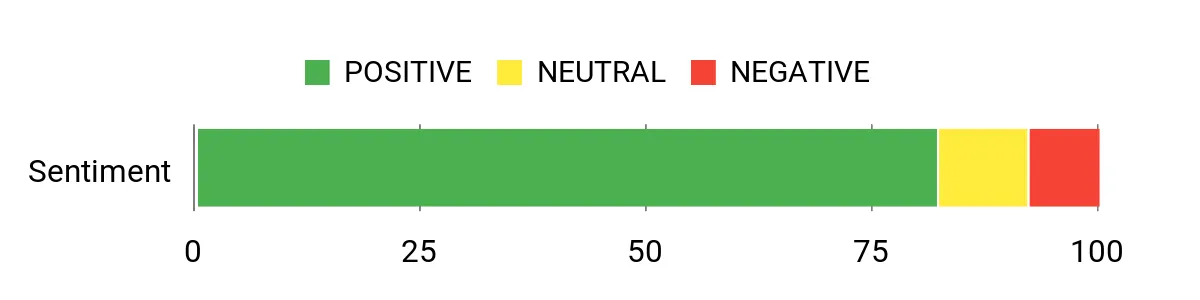
Feedback summarized for this guide tends to emphasize the approachable setup, familiar pole structure, and practical pack-up design. The most common limitations are the close two-person interior, the single-door layout, and the additional weight compared with trekking-pole shelters.
Overall Sentiment: POSITIVE
|
Pros |
Cons |
|---|---|
|
✅ Freestanding structure simplifies the initial pitch |
❌ Heavier than the trekking-pole tents in this guide |
|
✅ Dedicated poles remain with the shelter |
❌ Two-person space may feel tight with winter equipment |
|
✅ Bathtub-style floor and full rainfly support ordinary three-season weather protection |
❌ Single door is less convenient for two occupants |
|
✅ Vestibule keeps some wet gear outside the sleeping area |
❌ Not engineered as a high-snow or alpine winter shelter |
Use Cases
|
Situation |
How It Helps |
|---|---|
|
Protected Cold-Weather Camps |
The conventional frame is easier to establish on calm, below-treeline sites where major snow accumulation is not expected. |
|
Solo Backpacking |
One occupant gains extra room for a cold-weather sleep system and clothing without relying entirely on the vestibule. |
|
Trips With Day Hikes |
Your trekking poles remain available because the tent has its own support poles. |
|
Hard or Awkward Campsites |
The freestanding body can be positioned before you locate the best available anchor points, although the fly still needs secure staking. |
Durability
The polyester body and dedicated aluminum pole structure prioritize everyday usability over extreme weight savings. Even so, campsite preparation matters: remove sharp debris, avoid dragging the tent, and consider a correctly sized footprint when camping on abrasive or frozen ground. Confirm current warranty coverage and included components with the manufacturer or retailer.
Key Benefits
- Beginner-friendly freestanding architecture
- No trekking poles required for structural support
- Practical vestibule and interior organization
- Better suited to convenience-focused hikers than strict ultralight users
- A useful mild-weather option when pitched in a protected location
Check Current Amazon Availability

The Featherstone Backbone 2P is the more weight-conscious two-person choice. It replaces a dedicated pole set with trekking poles and uses a single-wall layout, reducing packed components and allowing the shelter to be raised as one main structure.
That efficiency demands more from the user. The tent must be tensioned correctly, the anchors must match the ground, and the campsite must provide enough room for the complete footprint and guylines. It is most appealing for one hiker wanting generous room or two experienced hikers willing to trade personal space and setup forgiveness for a lighter shared shelter.
Why You’ll Like It
- Uses equipment many thru-hikers already carry
- Dual entrances reduce the need to climb over a partner
- Vestibule areas help separate packs and footwear from sleeping space
- A roomy solo setup can accommodate more cold-weather gear
Who Should Buy This
Choose the Backbone 2P if you already hike with trekking poles, are comfortable with a stake-dependent pitch, and want a lightweight shelter for one person plus gear or a close-fitting two-person setup.
Who Should Avoid This
Avoid it if you frequently camp on wooden platforms, frozen surfaces, or rocky ground where anchoring is difficult; if you need your trekking poles for use away from camp; or if you prefer the ventilation separation of a double-wall tent.
What People Say
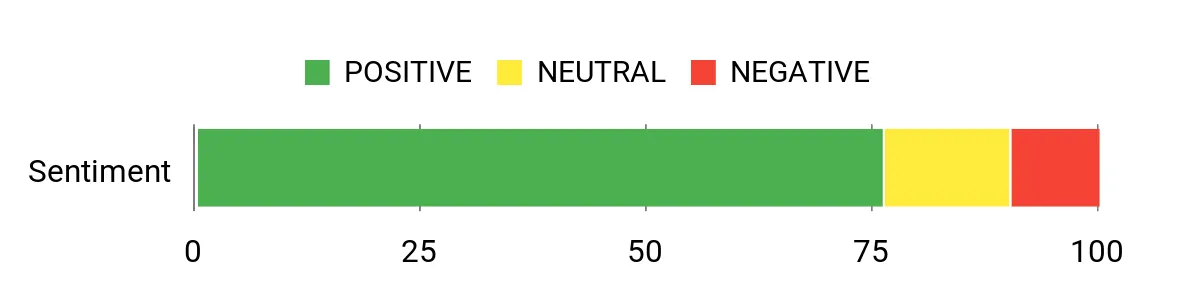
Feedback summarized for this guide commonly highlights the compact packed form, generous solo space, and convenient dual-entry arrangement. Common concerns include the lightweight floor, small included stakes, dependence on a precise pitch, and condensation that can occur in humid or poorly ventilated conditions.
Overall Sentiment: POSITIVE
|
Pros |
Cons |
|---|---|
|
✅ Eliminates the need to carry a dedicated pole set |
❌ Cannot stand properly without trekking poles and secure anchors |
|
✅ Dual doors improve access for two occupants |
❌ Thin floor benefits from careful campsite selection or a groundsheet |
|
✅ Single-wall structure can reduce the number of setup steps |
❌ Condensation requires active ventilation and moisture management |
|
✅ Generous space when used by one person |
❌ Not intended for meaningful snow loading or severe alpine weather |
|
✅ Reflective guylines help make anchor points more visible |
❌ Included stakes may not suit snow, frozen soil, or loose ground |
Use Cases
|
Situation |
How It Helps |
|---|---|
|
Roomy Solo Thru-Hiking |
One person gains more room for a winter sleep system, damp clothing management, and gear organization. |
|
Weight-Conscious Two-Person Trips |
Two hikers can share the shelter load while using trekking poles as the structural supports. |
|
Drizzly Shoulder-Season Setup |
The main shelter rises as a single structure, reducing the time separate inner components might otherwise remain exposed. |
|
Protected Below-Treeline Camps |
A sheltered site can reduce wind exposure, but every required anchor should still be used and checked. |
Durability
The lightweight silnylon construction prioritizes packability and requires more careful handling than heavier tent fabrics. Clear sticks, ice, and sharp stones before pitching, avoid overtensioning individual points, and inspect seam tape and guylines before longer trips. Check the current product listing for included stakes, seam-treatment instructions, replacement parts, and warranty terms.
Key Benefits
- Lightweight trekking-pole architecture
- More generous solo room than a dedicated 1P shelter
- Dual-entry access for shared use
- Vestibule space for footwear and compact packs
- A practical choice for experienced hikers in moderate conditions
Check Current Amazon Availability

The Backbone 1P is the most focused option in the roundup. It is intended for a solo hiker who wants a compact single-wall shelter and already carries trekking poles. Compared with the 2P version, it gives up spare floor area in exchange for a narrower campsite footprint and less unnecessary interior volume.
That makes it attractive for long-mile days, but it also leaves less room for bulky winter clothing, a large pack, or extended storm time. Gear organization and ventilation become especially important when cold temperatures encourage condensation and more equipment must remain close at hand.
Why You’ll Like It
- Dedicated solo dimensions avoid carrying unused two-person space
- Uses trekking poles instead of a separate pole system
- Compact footprint can fit smaller protected campsites
- Vestibule storage helps preserve interior sleeping space
Who Should Buy This
Choose the Backbone 1P if you hike alone, already understand trekking-pole shelter setup, and want a compact tent for mild-winter or shoulder-season routes where severe wind and significant snow are not forecast.
Who Should Avoid This
Look elsewhere if you want room to bring a large pack inside, expect to spend prolonged storm-bound time in the tent, regularly camp without dependable anchor points, or need a shelter engineered for substantial snow loading.
What People Say
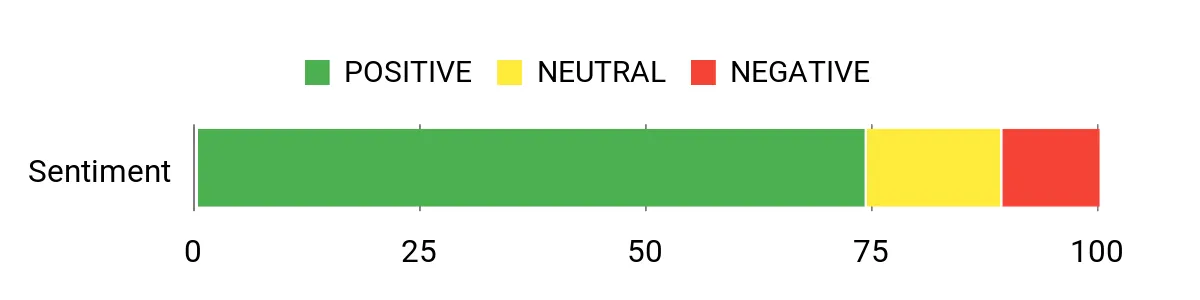
Feedback summarized for this guide generally favors the solo room, compact packed form, and trekking-pole setup. Recurring concerns involve the lightweight floor, included stakes, pitch dependency, and the moisture management expected from a single-wall shelter.
Overall Sentiment: POSITIVE
|
Pros |
Cons |
|---|---|
|
✅ Purpose-sized for one hiker |
❌ Less interior room for bulky cold-weather gear |
|
✅ Compact shelter footprint |
❌ Lightweight floor needs careful protection |
|
✅ Trekking-pole support reduces dedicated components |
❌ Requires dependable anchors and an accurate pitch |
|
✅ Single-wall layout can be established as one main unit |
❌ Condensation may be more noticeable in cold, humid weather |
|
✅ Vestibule helps separate footwear from sleeping space |
❌ Not a four-season or high-snow shelter |
Use Cases
|
Situation |
How It Helps |
|---|---|
|
Solo Thru-Hiking |
The shelter is dedicated to one occupant, helping avoid the extra bulk of unused two-person space. |
|
Small Campsites |
A narrower footprint can be easier to place among trees, vegetation, or established tent pads. |
|
Fast Overnight Trips |
Hikers familiar with the pitch can establish the shelter without assembling a separate freestanding pole frame. |
|
Protected Shoulder-Season Routes |
It provides a lightweight enclosed shelter when significant snow, exposed wind, and alpine conditions are not expected. |
Durability
The silnylon body is designed around weight efficiency rather than carefree handling. Use a smooth campsite, protect the floor from sharp frozen debris, distribute tension evenly, and dry the shelter thoroughly after trips. Current packed weight, supplied hardware, seam-care requirements, and warranty coverage should be confirmed for the exact variation being purchased.
Key Benefits
- A focused shelter for solo long-distance hiking
- Compact packed form and campsite footprint
- Trekking-pole support avoids a separate pole system
- Vestibule storage preserves limited sleeping space
- Best suited to experienced users in moderate conditions
Check Current Amazon Availability
FAQ
Are These Tents Suitable for Winter Thru-Hiking?
They can be considered for protected mild-winter or shoulder-season routes when substantial snow, severe wind, and exposed alpine conditions are not expected. The Kelty Grand Mesa is a freestanding three-season tent with dedicated poles, while the Featherstone Backbone models are stake-dependent single-wall shelters supported by trekking poles.
For heavy snow, severe storms, exposed ridges, mountaineering, or sustained subzero conditions, use a purpose-built four-season shelter selected for the expected wind and snow loads. A warm sleeping bag and pad cannot compensate for a tent structure that is inappropriate for the weather.
How Do You Choose Between a Freestanding Tent and a Trekking-Pole Tent?
Choose a freestanding model when you value easier repositioning, dedicated support poles, and a more forgiving pitch. Choose a trekking-pole shelter when lower packed weight matters more and you are comfortable selecting anchor points, adjusting pole height, and tensioning multiple guylines.
Also consider whether you need your trekking poles for day hikes after establishing camp. A trekking-pole tent may need to be lowered or supported with optional replacement poles before the hiking poles can be removed.
Should a Solo Hiker Choose a 1P or 2P Tent?
A 1P tent reduces unused volume and may fit smaller campsites, while a 2P tent gives a solo hiker more room for bulky insulation, wet clothing management, and extended time inside. The better choice depends on whether minimum packed size or interior comfort is more important for your route.
How Can You Manage Condensation in a Single-Wall Tent?
Keep available vents open, avoid pitching immediately beside open water or in low damp depressions, maintain space between your sleeping bag and the shelter wall, and avoid bringing unnecessary wet gear inside. A breeze-protected campsite with some airflow is usually preferable to a completely sealed pitch.
What Anchors Work in Snow or Frozen Ground?
Ordinary stakes may be unreliable in crusted snow or frozen soil. Depending on the conditions, hikers may use snow stakes, suitable hard-ground stakes, or buried deadman anchors made from approved equipment. Test every anchor before relying on the shelter, and check guylines again after wind, temperature changes, or fresh snow.
What Practical Steps Improve Cold-Weather Comfort?
Use an insulated sleeping pad with an appropriate R-value, carry a sleeping bag rated for the expected conditions, protect dry sleep clothing from moisture, and keep ventilation open enough to limit condensation. Clear sharp debris before pitching, protect lightweight floors, and fully guy out the shelter where conditions require it.
Safety note: Never operate a fuel-burning stove, lantern, or unapproved heater inside a tent. Fire, burns, fabric damage, and carbon monoxide exposure can occur even when a shelter appears ventilated.
Mild-Winter and Shoulder-Season Picks
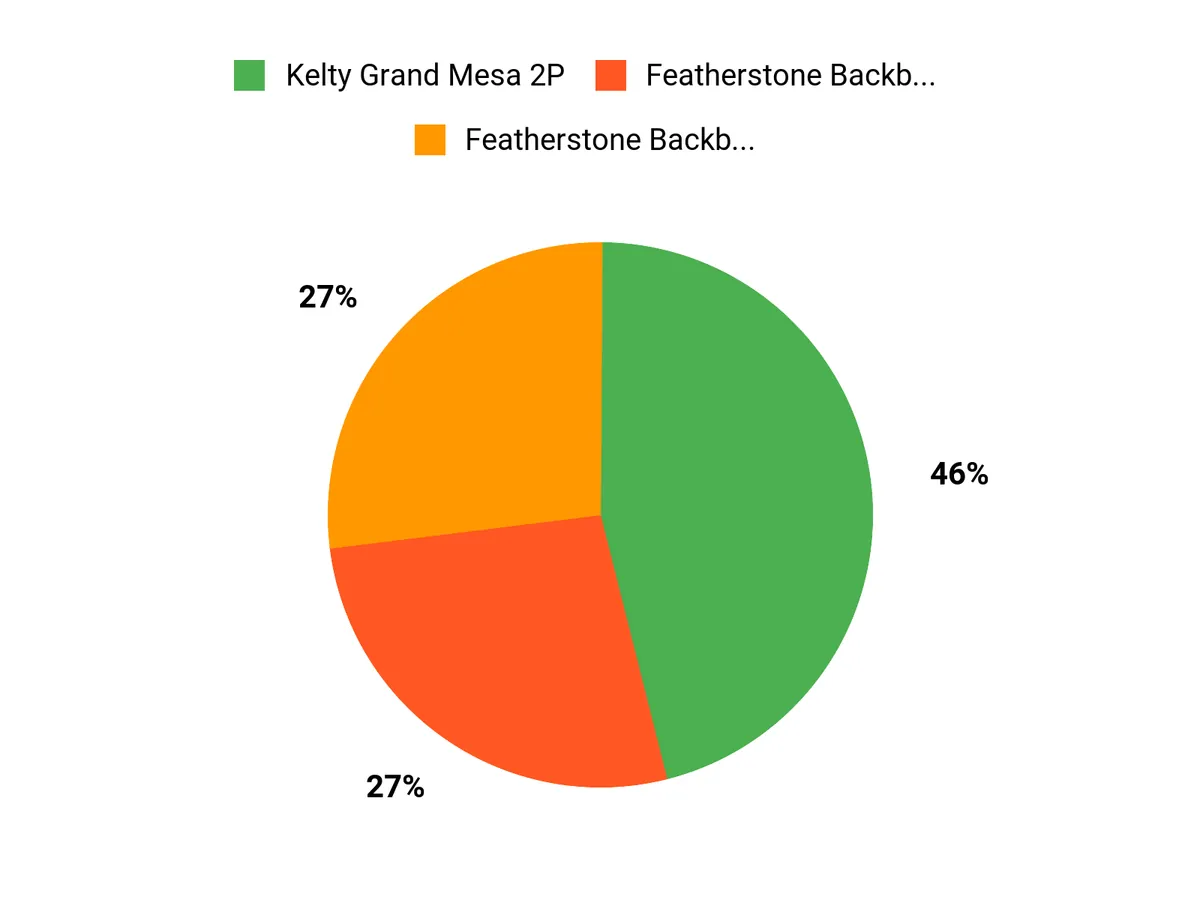
Your best choice depends on whether you prioritize straightforward setup, shared low-weight shelter, or solo efficiency. The Kelty Grand Mesa 2P is the most conventional and forgiving option. The Featherstone Backbone 2P favors weight-conscious hikers who want additional interior room or shared use. The Backbone 1P is the focused solo option for hikers willing to manage a smaller interior and more technical pitch.
Wrapping Up
Choose the shelter that matches both your hiking style and the forecast. Pick the Kelty Grand Mesa if easy freestanding setup and conventional poles matter most. Pick the Featherstone Backbone 2P if you want a lighter trekking-pole shelter with room for a solo hiker and extra gear or a close-fitting pair. Pick the Backbone 1P if you hike alone and prioritize compact shelter volume.
Whichever model you choose, treat it as a three-season shelter with limited mild-winter use. Check the route forecast, avoid exposed campsites, carry appropriate anchors, protect the floor, manage ventilation, and move to a true four-season design when serious snow or alpine weather is possible.
| Kelty Grand Mesa 2P Backpacking Tent | Featherstone Backbone Ultralight Tent (2 Person) | Featherstone Backbone Ultralight Tent (1 Person) | |
|---|---|---|---|
 |
 |
 |
|
| Shelter Style | Freestanding, double-wall-style backpacking tent with dedicated poles | Two-person single-wall trekking-pole shelter | One-person single-wall trekking-pole shelter |
| Best For | Easy setup and conventional tent users | Roomy solo use or a weight-conscious pair | Solo hikers minimizing packed bulk |
| Setup Requirement | Included support poles plus stakes and guylines | Trekking poles, suitable stakes, and careful tensioning | Trekking poles, suitable stakes, and careful tensioning |
| Main Strength | More forgiving freestanding structure | Low-weight design with dual-access shared space | Compact shelter tailored to one occupant |
| Main Limitation | Higher packed weight and close two-person space | Anchor-dependent pitch and single-wall condensation | Limited interior room and anchor-dependent pitch |
| Cold-Weather Fit | Protected mild-winter and shoulder-season camps | Protected mild-winter use by experienced pitchers | Protected solo mild-winter use by experienced pitchers |
| Not Intended For | Heavy snow loading or severe alpine storms | Heavy snow loading or severe alpine storms | Heavy snow loading or severe alpine storms |
| Check Details on Amazon | Check Details on Amazon | Check Details on Amazon |
This Roundup is reader-supported. When you click through links we may earn a referral commission on qualifying purchases.