Winter backpacking puts more stress on a tent than an ordinary summer trip. Strong wind, drifting snow, frozen ground and overnight condensation can expose weaknesses in the pole structure, fly coverage, ventilation and anchoring system. The right shelter should give you dependable weather protection without becoming an unreasonable load on the trail.
This guide focuses on three backpacking tents that are specifically positioned for four-season or cold-weather use. They suit different priorities: a compact all-season shelter, a long solo tent and a roomier two-person model with a snow skirt. For winter use, look beyond the waterproof number and consider pole strength, fly coverage, guy-out points, ventilation and the amount of snow the structure may need to support.
Affiliate disclosure:. As an Amazon Associate I earn from qualifying purchases. This roundup is reader-supported. When you click an Amazon link, we may earn a referral commission from qualifying purchases at no additional cost to you. Product specifications, variants and availability can change, so verify the current listing before ordering.
Quick Verdict
Choose the OneTigris Stella when you want the best balance of packability, all-season construction and manageable solo setup.
Choose the Camppal 1P when you camp alone, want extra sleeping length and prefer a simple ridge-pole structure.
Choose the GEERTOP TopRoad 2 when two-person space, dual vestibules and a full snow skirt matter more than minimizing weight.
Top Picks
|
Category |
Product |
Best Use |
|---|---|---|
|
🏆 Best Overall Lightweight Winter Pick |
Solo winter backpacking or a snug two-person setup where packability matters |
|
|
🎯 Best Solo Winter Tent |
Taller solo campers who want a long sleeping area and straightforward setup |
|
|
❄️ Best for Two Campers |
Two campers, short winter approaches and trips where a snow skirt is useful |
How We Chose These Winter Tents
We narrowed the original list to tents that are specifically presented as four-season or cold-weather shelters. General three-season tents were removed because their mesh-heavy bodies, lighter structures or limited winter documentation did not match the main buying intent.
For the remaining tents, we compared:
- Structure: Aluminum support, snow-shedding shape and usable guy-out points.
- Weather protection: Full fly coverage, sealed seams, raised floors and snow-management features.
- Ventilation: Vents, doors and inner-wall construction that help moist air escape.
- Carry burden: Packed weight, packed dimensions and whether two campers can divide the load.
- Winter livability: Sleeping length, vestibule storage, entry design and room for bulky cold-weather gear.
- Limitations: Whether the tent is better suited to protected winter camps than exposed alpine conditions.
Winter safety note
These are budget-oriented cold-weather shelters, not expedition tents. A “four-season” label does not guarantee safe performance in every storm. Avoid exposed camps when severe wind, heavy wet snow, freezing rain or avalanche danger is forecast. Use every structural guy point, clear accumulating snow and carry a shelter appropriate to the consequences of failure.

The Stella is the strongest all-around choice here when you want winter-oriented coverage without carrying the heaviest tent in the comparison. Its freestanding dome structure is easier to manage in cold hands than a complicated multi-pole shelter, while the full outer layer helps block wind and spindrift.
The interior is most practical for one camper plus winter gear. Two people may fit in the applicable two-person variant, but thick sleeping pads, insulated clothing and wet equipment make winter capacity feel tighter than summer capacity. Store boots and damp layers away from sleeping insulation whenever the vestibule configuration allows it.
Why You’ll Like It
- Better balance of winter coverage and carry weight than the heavier two-person option
- Freestanding structure is relatively straightforward to pitch on frozen ground
- Full outer coverage helps reduce wind exposure and blowing snow
- Multiple ventilation options help manage moisture when properly opened
- Compact enough for backpacking, motorcycle travel and short cold-weather approaches
Best For
Solo winter backpackers, motorcycle campers and cold-weather campers who want more protection than a mesh-heavy three-season tent without moving to a large expedition shelter.
Who Should Avoid It
Skip it for exposed alpine camps, severe snow-loading conditions or trips where two adults need generous room for bulky winter gear. Buyers should also verify the exact capacity, packed weight and included components because Stella specifications vary by version.
What Buyers Commonly Mention
The supplied review summary emphasizes straightforward setup, a protected feel in blustery conditions and a compact packed form. Common limitations include a thin-feeling floor and a snug interior for two people. A correctly sized footprint can help protect the floor, but it must not extend beyond the tent body where it could collect water.
Review-data note: The chart below reflects the sentiment data included in the original roundup. It is not a live representation of current Amazon ratings or review totals.
Overall Sentiment in the Supplied Data: Positive

Check Current Amazon Availability

The Camppal is the most focused solo shelter in this comparison. Its approximately 8.2-foot inner length gives taller campers more room than many compact one-person tents, and the narrow profile presents less broad surface area to the wind than a roomy cabin-style shelter.
A single ridge pole simplifies setup, but the structure still depends on careful staking and guyline tension. On snow, replace ordinary stakes with buried deadman anchors, snow stakes or other anchors suited to the snowpack. The narrow interior is efficient for one sleeper, though it leaves limited room for spreading out wet clothing or a large pack.
Why You’ll Like It
- Long sleeping area is useful for taller solo campers
- Simple ridge-pole layout reduces setup complexity
- Aluminum support is preferable to basic fiberglass for cold-weather use
- Raised floor and sealed construction help manage wet ground and precipitation
- Moderate listed weight makes it more practical for solo carrying than the GEERTOP
Best For
Solo backpackers who prioritize sleeping length, simple setup and a relatively manageable winter shelter weight.
Who Should Avoid It
Avoid it when you need room to sit with a partner, store substantial gear inside or remain tent-bound through a long storm. The single-pole architecture should not be treated as equivalent to a multi-pole expedition structure.
What Buyers Commonly Mention
The supplied review summary highlights fast pitching, good rain protection and useful length. The most common cautions involve the narrow one-person interior and condensation beneath the fly when airflow is restricted.
Review-data note: The chart below reflects the sentiment data included in the original roundup. It is not a live representation of current Amazon ratings or review totals.
Overall Sentiment in the Supplied Data: Positive

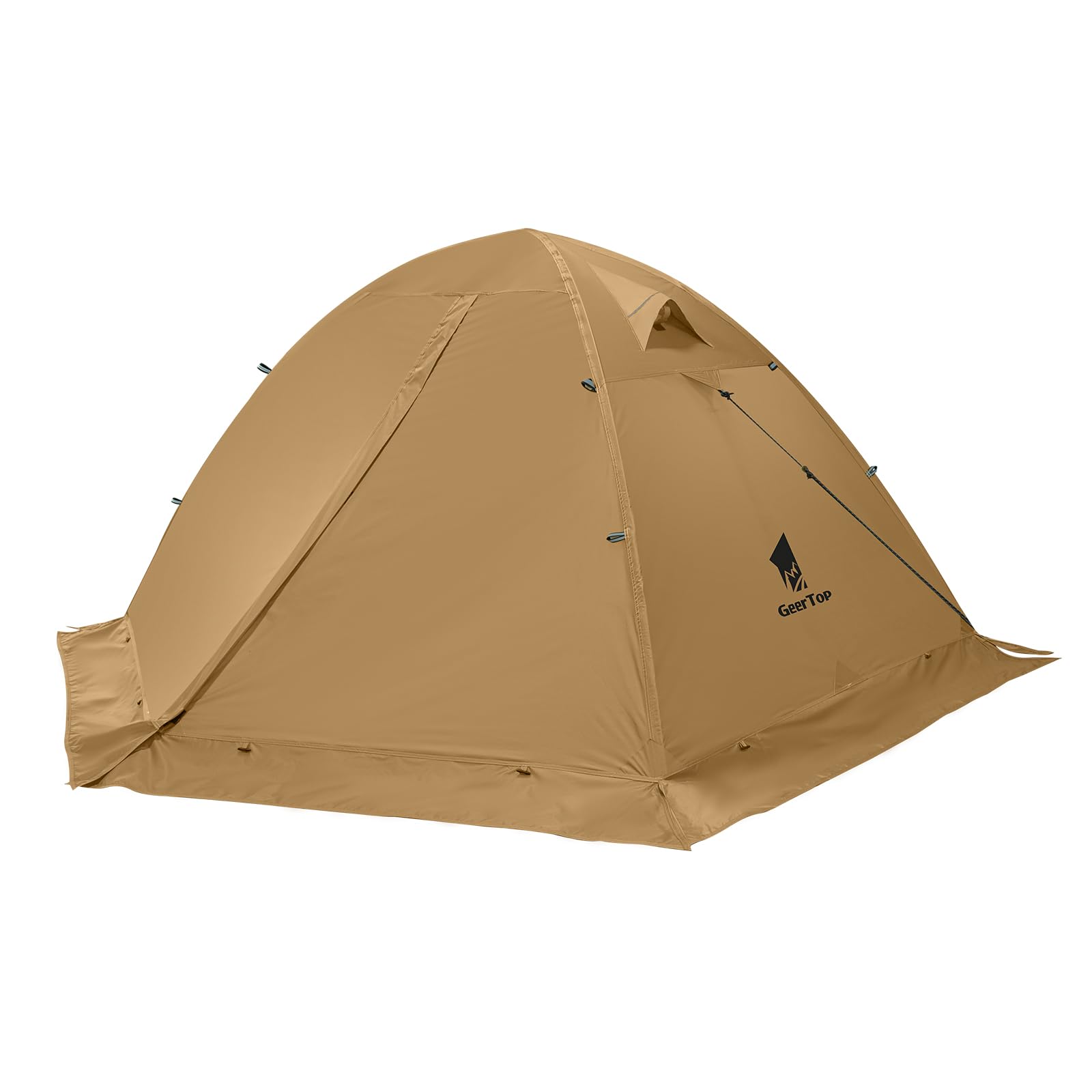
The GEERTOP TopRoad 2 is the most substantial winter shelter in this shortened roundup. The low-reaching outer layer and snow skirt help limit blowing snow around the perimeter, while two vestibules provide valuable storage for boots, packs and damp equipment.
The trade-off is weight. At approximately 6.8 pounds, it is not an ultralight backpacking tent. It makes more sense for two campers who can divide the poles, body and fly, or for shorter approaches where stronger winter coverage matters more than minimizing every ounce.
Why You’ll Like It
- Full snow skirt offers better spindrift management than an ordinary high-cut fly
- Two doors reduce climbing over a partner in a tight winter interior
- Dual vestibules provide covered storage for wet boots and packs
- Double-wall construction creates a ventilation gap between the sleeper and fly
- Aluminum poles and multiple guy points improve structural support when properly anchored
Best For
Two campers sharing the load, motorcycle campers, short winter backpacking approaches and protected camps where snow skirts and generous vestibule storage are useful.
Who Should Avoid It
Solo hikers covering long distances may find the weight excessive. It is also not a substitute for a technical mountaineering tent when failure would have serious consequences.
What Buyers Commonly Mention
The supplied review summary emphasizes straightforward setup, useful two-person floor space and good protection in rain or ordinary snowfall. The main cautions concern weight, included stakes and the need to inspect seams and guy points before demanding trips.
Review-data note: The chart below reflects the sentiment data included in the original roundup. It is not a live representation of current Amazon ratings or review totals.
Overall Sentiment in the Supplied Data: Positive

How to Choose a Backpacking Tent for Winter Camping
Match the Tent to the Consequences of the Trip
A protected forest campsite with a stable forecast is very different from an exposed ridge, alpine basin or remote route with no easy exit. The farther you travel from shelter and the more severe the expected weather, the less room you have for marginal equipment.
For meaningful snowfall or strong wind, prioritize a true cold-weather structure with dependable poles, a low-reaching fly and multiple guy points. Do not rely on a high waterproof number alone to compensate for a weak frame.
Compare Packed Weight and Trail Weight Carefully
Manufacturers and retailers may publish packed weight, minimum weight or trail weight. Packed weight normally includes more of the supplied stakes, bags and accessories, while minimum weight may include only the tent body, fly and poles. Compare like with like and verify the exact variant before ordering.
A heavier two-person winter tent can still be reasonable when two campers divide the components. For a solo hiker, every extra pound is carried by one person, so a smaller shelter may be the safer overall choice if it leaves enough energy for travel and camp tasks.
Do Not Confuse Waterproofing With Snow Strength
A hydrostatic-head rating describes resistance to water pressure. It does not tell you how much snow the poles can support, how well the shape sheds wind or whether the fly will flap against the inner tent.
Look at the complete system: pole material, pole crossings, fabric coverage, seam construction, guy points, fly tension and roof shape. Even a strong tent should be cleared when snow begins to accumulate.
Plan for Winter-Sized Living Space
A two-person tent that feels comfortable in summer may be tight when both campers bring thicker pads, bulkier sleeping bags, insulated clothing and snow-covered boots. Vestibules become especially valuable because they keep damp equipment away from sleeping insulation.
Solo campers often benefit from using a compact two-person model, but the added room usually means more weight. Decide whether you value minimum carry weight or extra space during long winter nights.
Keep Ventilation Open
Closing every vent traps moisture from breathing, damp clothing and snow brought into the shelter. That moisture can freeze on the fly or dampen sleeping insulation. Keep high and low vents open when conditions permit, tension the fly away from the inner wall and avoid pressing sleeping bags against wet fabric.
Use the Right Anchors
Ordinary summer stakes may not hold in loose snow. Depending on conditions, use snow stakes, skis, poles, buried bags or purpose-built deadman anchors. Test every anchor before relying on it and retension guylines as snow settles or wind direction changes.
Before You Buy
- Confirm that the linked size and season rating match the version discussed.
- Check whether the stated weight is packed, minimum or trail weight.
- Compare the floor width with the exact widths of your sleeping pads.
- Check how many structural guy points and stakes are included.
- Verify whether a footprint is included or sold separately.
- Practice pitching while wearing gloves before the trip.
- Inspect seams, pole joints, cords and zippers before leaving home.
- Carry repair tape, a pole sleeve, spare cord and appropriate snow anchors.
FAQ
Do I Always Need a Four-Season Tent for Winter Camping?
Not for every mild winter night, but trip conditions matter more than the calendar. A sturdy three-season tent may be adequate below tree line when the forecast is calm and little or no snow is expected. A four-season structure is the safer category when you expect strong wind, drifting snow, heavy accumulation or an exposed campsite.
Will a Four-Season Tent Keep Me Warm?
A tent blocks wind and precipitation, but it does not create significant heat by itself. Most sleeping warmth comes from an appropriately rated sleeping bag, an insulated pad with sufficient R-value, dry base layers and good site selection. A smaller, less drafty winter tent may feel more comfortable, but it cannot replace a proper sleep system.
How Do I Reduce Condensation in Freezing Weather?
Open protected vents, keep the fly tensioned away from the inner wall and store wet clothing in the vestibule or a dry bag. Avoid cooking inside the tent because combustion adds moisture and creates carbon-monoxide and fire hazards. Brush snow from clothing before entering and do not allow sleeping insulation to rest against damp walls.
Should I Use a Footprint on Snow?
A footprint can protect the floor from ice, buried debris and abrasion. It should be slightly smaller than the tent floor so it does not collect meltwater. A footprint does not replace an insulated sleeping pad and does not materially increase the warmth of the sleeping system.
How Should I Anchor a Tent When Normal Stakes Will Not Hold?
Use anchors suited to the snowpack, such as snow stakes or buried deadman anchors. Skis, poles or filled stuff sacks may also work when correctly buried and compacted. Allow the anchors to set, test them, and retension the guylines after the snow settles.
Can I Cook Inside a Winter Tent?
Do not operate a stove or open flame inside these tents. Fire, melting fabric and carbon-monoxide buildup can become life-threatening quickly. Cook outside in a ventilated location protected from the wind without enclosing the stove in the sleeping area.
Which Tent Is Best for a Solo Winter Backpacker?
The Camppal offers a long, narrow solo sleeping area, while the OneTigris Stella provides a more conventional dome layout and may offer additional usable room depending on the linked variant. Choose the Camppal when sleeping length and solo efficiency matter most. Choose the Stella when you prefer freestanding livability and a broader all-around design.
Which Tent Is Best for Two People?
The GEERTOP TopRoad 2 is the clearest two-person choice because it combines two doors, two vestibules and a snow skirt. Its weight makes the most sense when the load can be divided between both campers.
Final Recommendation
Best overall: The OneTigris Stella offers the most balanced combination of packability, all-season coverage and straightforward setup.
Best for one person: The Camppal 1P is the better fit for a solo camper who values sleeping length and a narrow, efficient footprint.
Best for two people: The GEERTOP TopRoad 2 provides more winter-specific storage and perimeter protection, but its weight is best shared.
Whichever tent you choose, match it to the forecast, terrain and consequences of equipment failure. Practice setup before the trip, bring proper snow anchors, keep ventilation open and use a sleep system rated for the conditions. A conservative campsite and the ability to turn back are more important than any waterproof rating or marketing label.
Winter Backpacking Tent Comparison
| Product | Image | Listed Capacity | Listed Weight | Key Winter Feature | Amazon |
|---|---|---|---|---|---|
| OneTigris Stella 4 Season Camping Tent |
 |
Varies by linked Stella version; verify listing | Varies by version; verify current packed weight | Compact all-season dome with full outer coverage | Check Details |
| Camppal 1 Person Tent |
 |
1 person | Approximately 3.75 lb in listing copy; verify variant | Long solo interior and simple ridge-pole setup | Check Details |
| GEERTOP TopRoad 2 Person Tent |
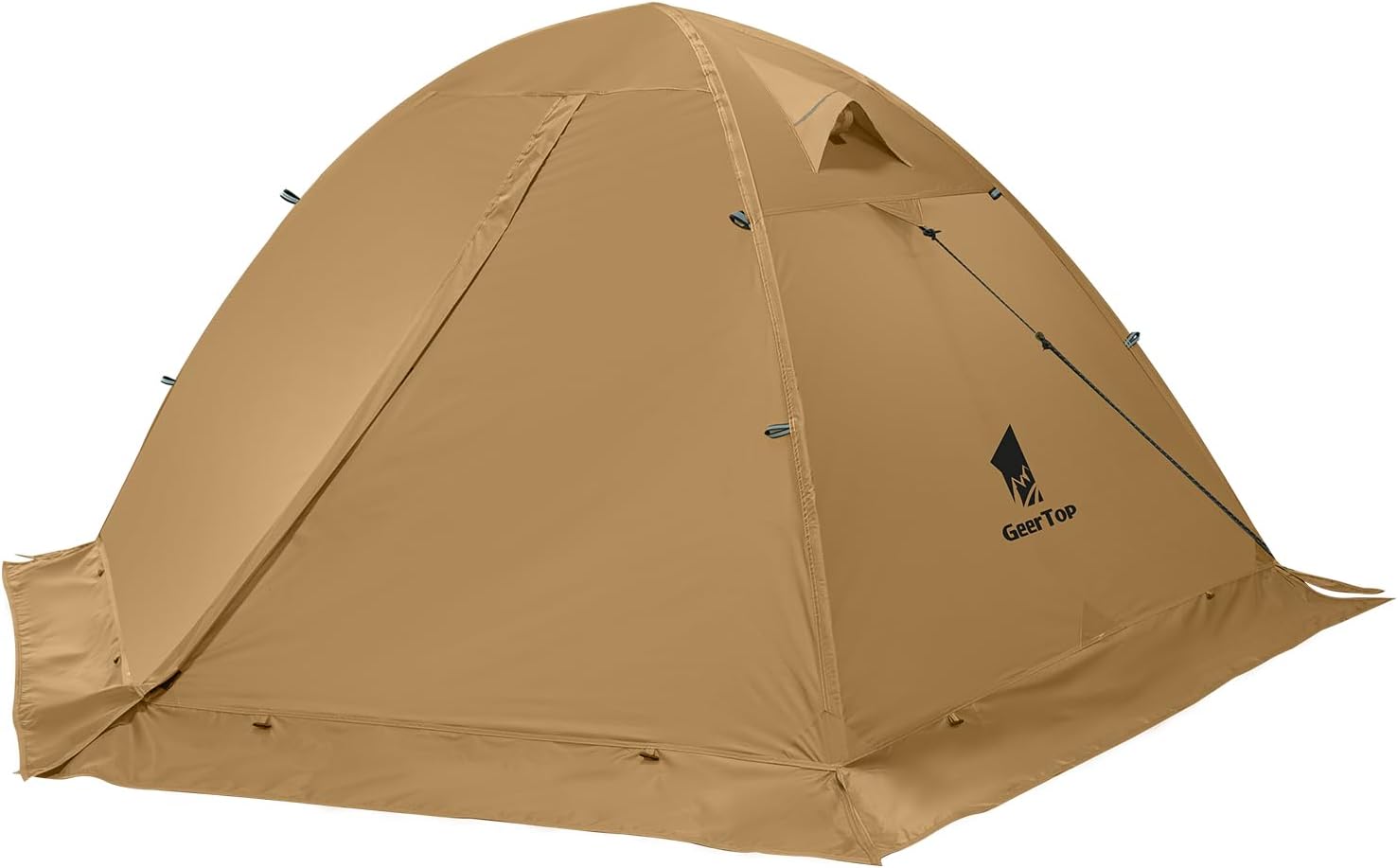 |
2 people | Approximately 6.8 lb | Snow skirt, two doors and dual vestibules | Check Details |
This roundup is reader-supported. When you click through Amazon links, we may earn a referral commission on qualifying purchases. Prices, specifications, product variants and availability can change.