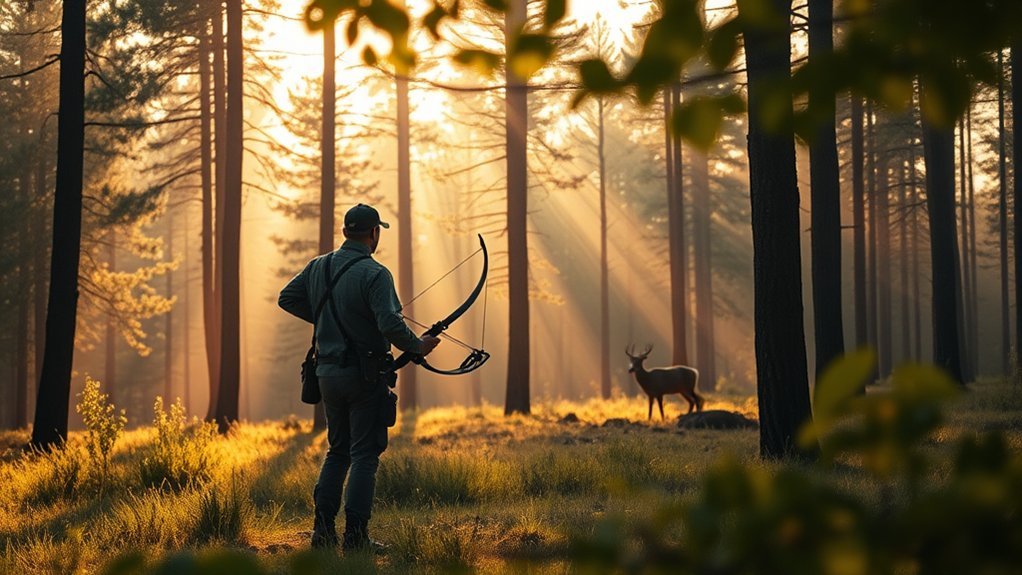
As a hunter, you understand that fair chase principles shape more than a successful day in the field. They guide how you prepare, pursue game, use technology, and respect wildlife. Fair chase protects the integrity of hunting by keeping the pursuit challenging, lawful, humane, and rooted in conservation. It also helps you balance long-standing hunting traditions with modern tools and changing wildlife-management needs.
Quick Answer
Fair chase means pursuing game in a lawful, ethical way that gives the animal a reasonable chance to escape. It asks hunters to use skill, patience, restraint, and respect instead of relying on unfair advantages. The goal is a responsible hunt that supports humane harvests, wildlife conservation, and public trust in hunting.
Key Takeaways
- Fair chase is built on respect for wildlife, legal hunting methods, personal restraint, and the challenge of the pursuit.
- Ethical hunters avoid shortcuts that remove an animal’s reasonable chance to detect danger, escape, or behave naturally.
- Technology can support safety and humane shots, but it should not replace woodsmanship, scouting, judgment, or patience.
- Conservation, habitat protection, and wildlife management help keep hunting sustainable for future generations.
- Fair chase looks different across big game, small game, and waterfowl, but the core standard remains the same: hunt legally, humanely, and responsibly.
The Origin of Fair Chase Principles

When you explore the origins of fair chase principles, you’ll find a long tradition built around ethical hunting practices, restraint, and respect for the natural world. Early hunters relied on patience, tracking, wind awareness, and knowledge of animal behavior. The hunt demanded skill because the animal still had a meaningful chance to escape.
As hunting culture developed, these values became more formal. Organizations, wildlife agencies, and hunting communities began using fair chase to describe a responsible approach to the pursuit of wild game. The idea is simple but powerful: hunting should never become a guaranteed kill created by an unfair advantage.
Fair chase is not just about following the law. It also asks you to think about the spirit of the hunt. You honor the animal, respect the land, and accept that walking away without taking a shot can be the most ethical choice. That mindset keeps hunting connected to conservation, sportsmanship, and personal responsibility.
What Fair Chase Means in Practical Terms
Fair chase can sound abstract until you apply it in the field. In practical terms, it means you hunt within legal seasons, follow bag limits, use lawful equipment, and avoid methods that remove the animal’s normal ability to escape. You also make choices that reduce suffering and protect the resource.
A fair chase hunter prepares carefully before the hunt. You study regulations, confirm property access, understand the species you plan to pursue, and practice enough to make an ethical shot. You also decide ahead of time which conditions would make you pass, such as poor visibility, excessive distance, unsafe backstops, or uncertain target identification.
Note: Fair chase standards do not replace state, provincial, tribal, or local hunting laws. Always treat the law as the minimum standard, then use ethics and restraint to guide the choices the law does not fully cover.
Key Components of Fair Chase

Understanding the key components of fair chase is essential for any ethical hunter who wants to honor both the quarry and the natural world. Fair chase hinges on respect, balance, legality, humane judgment, and skill.
You should always give game a reasonable chance to escape. That means avoiding methods that create an unfair advantage, such as using tools or tactics that disrupt natural wildlife behavior, corner animals without escape, or turn the hunt into a remote-controlled outcome. The pursuit should still require scouting, patience, fieldcraft, and sound decision-making.
You also need to understand the environment. Learn the habitat, feeding patterns, breeding seasons, bedding areas, migration routes, and pressure patterns of your quarry. This knowledge makes you a better hunter without stripping the hunt of its challenge. Practicing patience and restraint is vital because not every legal opportunity is an ethical opportunity.
- Legality: Follow seasons, tags, licenses, bag limits, access rules, and equipment restrictions.
- Respect for the animal: Avoid reckless shots, unnecessary suffering, and waste of harvested meat.
- Reasonable chance to escape: Do not use methods that remove the animal’s natural defenses.
- Skill-based pursuit: Let scouting, tracking, marksmanship, calling, concealment, and patience matter.
- Safety: Confirm your target, what lies beyond it, and whether the shot is safe for people, property, and wildlife.
- Conservation: Support sustainable harvests and healthy habitats.
Ethical Considerations in Hunting

Respecting the principles of fair chase naturally leads to deeper ethical considerations in hunting. You must recognize that hunting is not just about the thrill. It is also about your responsibilities as a hunter, conservation supporter, land user, and member of a wider community.
Consider the animal’s suffering and the impact of your actions on the ecosystem. Make sure your methods are humane and your choices reflect respect for wildlife. A rushed shot, poor angle, excessive distance, or unclear target can turn a legal hunt into an unethical one. Ethical hunting requires you to pass when the conditions do not support a quick, clean harvest.
Think about how your decisions affect not only the hunted animal but also other hunters, landowners, non-hunters, and future generations. You have the power to advocate for sustainable practices, mentor beginners, and educate others on ethical hunting. By embracing these values, you enhance your experience and uphold the dignity of the sport. Hunting ethically is not just about rules; it is about your character as a steward of nature.
Warning: Never take a shot unless you can clearly identify the animal, confirm it is legal to harvest, and know what is beyond your target. Ethical hunting always begins with safety.
Fair Chase Decision Checklist Before the Shot
Before you take a shot, pause long enough to judge the moment honestly. A fair chase mindset helps you avoid preventable mistakes and keeps your harvest aligned with ethical standards.
- Is the animal legal? Confirm species, sex, size, season, tag, and local rules.
- Is the shot distance realistic? Stay within the range you have practiced under field conditions.
- Is the angle ethical? Wait for a shot that gives you the best chance of a quick, humane kill.
- Is the animal calm enough for a clean shot? Avoid forcing shots at running, heavily obscured, or poorly positioned animals.
- Is the backstop safe? Know what lies beyond the target before you touch the trigger or release an arrow.
- Can you recover the animal? Consider terrain, daylight, weather, property boundaries, and tracking conditions.
- Will you use the meat responsibly? Plan field dressing, cooling, transport, and processing before the hunt.
This checklist does not slow down a skilled hunter; it sharpens judgment. Over time, these questions become part of your natural field routine.
The Role of Conservation in Fair Chase
Conservation plays an essential role in ensuring that hunting remains ethical and sustainable. By actively participating in wildlife management and habitat preservation, you contribute to a balanced ecosystem that supports diverse species. Embracing sustainable hunting practices not only respects the animals but also safeguards the future of natural resources.
Ethical Wildlife Management
While hunting often evokes images of skill and strategy, it is vital to recognize that ethical wildlife management serves as the backbone of fair chase principles. By understanding and supporting effective management practices, you help maintain sustainable populations and ecological balance. This commitment enriches your hunting experience and fosters a deeper connection to nature.
| Principle | Description | Impact on Wildlife |
|---|---|---|
| Sustainable Harvesting | Taking only what the ecosystem and regulations can support | Helps prevent overharvest, crowding, and habitat strain |
| Species Monitoring | Tracking population trends, age structure, health, and movement | Informs responsible hunting seasons and harvest limits |
| Habitat Restoration | Rehabilitating damaged ecosystems and improving cover, food, and water sources | Enhances biodiversity, resilience, and carrying capacity |
| Education and Advocacy | Promoting ethical practices among new and experienced hunters | Inspires future generations to value wildlife and conservation |
Habitat Preservation Efforts
Habitat preservation is crucial for maintaining the delicate balance of ecosystems that support wildlife populations. As a hunter, you have a unique responsibility to advocate for conservation efforts that protect these essential habitats.
By supporting initiatives like reforestation, wetland restoration, invasive-species control, native grassland improvement, and sustainable land management, you help ensure that wildlife thrives for generations to come. When natural habitats are preserved, you are not just protecting a hunting area. You are helping create a healthier ecosystem that benefits game species, nongame species, pollinators, soil, water, and local communities.
Engage with local conservation groups, participate in habitat clean-up days, volunteer for wildlife projects, and educate others about the importance of preserving these spaces. Your commitment to habitat preservation reflects your dedication to ethical hunting practices and the principles of fair chase, allowing you to enjoy the outdoors while protecting it.
Sustainable Hunting Practices
As you engage in habitat preservation efforts, it is essential to recognize how sustainable hunting practices play a key role in upholding the principles of fair chase. By adhering to ethical hunting regulations, you are not just pursuing game. You are contributing to a balanced ecosystem.
Sustainable hunting helps keep wildlife populations healthy and habitats protected. It also encourages respect for animal life and the places animals depend on. When harvest levels are guided by sound management, hunting can support conservation goals while preserving the challenge and meaning of the pursuit.
When you hunt sustainably, you participate in a cycle of renewal. You help ensure that future generations can experience the hunt while respecting nature’s delicate balance. Your choices today can safeguard tomorrow’s wildlife and habitats.
Fair Chase and Technology: Finding the Balance
Technology has transformed the hunting landscape, offering tools that can improve safety, navigation, communication, and shot confidence. However, it is essential to find a balance between leveraging advancements and maintaining the principles of fair chase. Using technology should never compromise the ethical responsibilities you hold as a hunter.
The key question is not whether a tool is modern. The better question is whether the tool removes too much challenge, disrupts natural wildlife behavior, or gives you an advantage that no longer feels fair. Some tools, such as rangefinders, can help prevent wounding by confirming distance. Others, such as drones used to locate or pressure game, may violate laws or fair chase expectations in many places.
| Technology | Benefits | Fair Chase Impact |
|---|---|---|
| Drones | Can scout hard-to-reach areas and provide aerial views | Can create an unfair advantage and may be restricted or illegal for hunting use |
| GPS Systems | Help with navigation, boundaries, routes, and emergency safety | Usually useful for safety, but should not replace field awareness and woodsmanship |
| Trail Cameras | Monitor animal activity and movement patterns | Can raise fair chase concerns, especially with real-time transmission or heavy reliance |
| Rangefinders | Improve distance judgment and shot confidence | Can support an ethical shot when used within practiced limits |
Pro Tip: Before using any hunting technology, ask three questions: Is it legal here, does it improve safety or humaneness, and does it still leave the animal a reasonable chance to escape?
Common Fair Chase Mistakes to Avoid
Many fair chase problems happen because hunters focus only on what is legal and forget to ask what is ethical. A method may be allowed in one place, restricted in another, and still questionable depending on how you use it. Your judgment matters.
- Relying too heavily on technology: Tools should support your decisions, not replace field skill.
- Pushing shot distance beyond your ability: Long shots can increase the risk of wounding if you have not practiced enough.
- Ignoring recovery conditions: Thick cover, rain, snow, steep terrain, or fading light can make tracking harder.
- Hunting too close to property boundaries without permission: Fair chase includes respect for landowners and access rules.
- Pressuring animals in extreme weather: Severe cold, heat, drought, or deep snow can make wildlife more vulnerable.
- Letting competition override restraint: A trophy, social media post, or group pressure should never outweigh ethics.
A fair chase hunter accepts limits. Those limits protect the animal, the land, the hunting community, and your own reputation.
Fair Chase Principles Across Different Species
When you consider fair chase principles across different species, it is essential to adapt your approach based on the unique challenges and behaviors of each game animal. Big game hunting demands a deep respect for the animal’s strength and survival instincts, while small game requires precision and ethics to ensure a humane experience. Waterfowl hunting calls for an understanding of migratory patterns and habitat, emphasizing responsible practices that honor both the sport and the species.
Big Game Considerations
Understanding fair chase principles is essential for any ethical hunter, especially when pursuing big game across various species. Deer, elk, bear, moose, antelope, and similar animals present unique challenges that require respect for the animal and the environment.
- Know the species’ behavior, habitat, movement patterns, and seasonal needs to support a fair chase.
- Use appropriate weapons and gear that meet legal standards and match the animal pursued.
- Hunt during designated seasons to help manage populations sustainably.
- Respect all local regulations, tag rules, access boundaries, and reporting requirements.
- Prioritize shot placement for a quick, humane kill.
- Plan recovery before the shot, especially in steep, remote, or heavily wooded terrain.
- Use the meat responsibly and avoid waste.
Big game hunting often carries high emotional and physical stakes. The fair chase standard helps you stay grounded, patient, and honest when the pressure rises.
Small Game Ethics
While small game hunting may seem less intimidating than pursuing big game, it still demands a commitment to fair chase principles that uphold ethical standards. Every time you step into the field, you have an opportunity to respect wildlife and the environment.
Focus on humane methods that support a quick, clean kill and avoid unnecessary suffering. Understand the habitat and behaviors of your quarry, whether it is rabbits, squirrels, upland birds, or other small game, so you can make informed decisions in the field.
Fair chase is not just about the harvest. It is about building a responsible relationship with nature and fellow hunters. By following ethical practices, you improve your skills and contribute to the conservation of small game species for future generations.
Waterfowl Hunting Practices
As you venture into waterfowl hunting, embracing fair chase principles becomes essential for respecting both the birds and their habitats. You are not just pursuing a sport. You are engaging in a tradition that values conservation and ethical behavior.
Waterfowl hunting requires special attention to migration, weather, wetlands, decoy placement, calling pressure, retrieval, and habitat disturbance. Because these birds often depend on fragile wetland systems, your choices can affect more than one hunt.
- Choose appropriate gear that minimizes harm to the environment.
- Scout your hunting area while avoiding disruption to nesting, resting, or sensitive habitat areas.
- Follow local regulations, shooting hours, species identification rules, and quotas to support sustainable populations.
- Practice patience, waiting for ethical shot opportunities rather than forcing low-percentage shots.
- Use a trained retriever or solid recovery plan when conditions make retrieval difficult.
- Pick up spent shells, damaged gear, and trash before leaving the area.
- Share your knowledge with fellow hunters to promote ethical practices.
Promoting Fair Chase Among Hunting Communities
Promoting fair chase among hunting communities is essential for preserving both the integrity of the sport and wildlife conservation efforts. You can lead by example by embracing ethical practices that prioritize respect for wildlife, landowners, other hunters, and the environment.
Engage with fellow hunters and share knowledge on sustainable methods, legal responsibilities, and the importance of fair chase principles. Encourage discussions about ethical dilemmas, such as technology use, long-range shooting, real-time scouting tools, baiting rules, wounded-game recovery, and hunting pressure near property lines.
Consider organizing workshops that educate newcomers about responsible hunting and conservation. Mentorship matters because new hunters often learn ethics from what experienced hunters do, not just what they say. Support local conservation initiatives, volunteer for habitat work, and reinforce the idea that fair chase enhances the hunting experience while protecting natural resources for future generations.
By fostering a culture of respect, you inspire others to uphold the values that make hunting a responsible and rewarding pursuit.
How to Teach Fair Chase to New Hunters
Fair chase values become stronger when experienced hunters teach them clearly. New hunters may understand licensing and safety rules, but they often need help recognizing the gray areas where ethics matter most.
Start by explaining why fair chase exists. It is not meant to make hunting harder for no reason. It protects the animal’s dignity, preserves the challenge of the hunt, and helps the public see hunters as responsible conservation partners.
- Model restraint: Let beginners see you pass questionable shots or poor conditions.
- Explain your decisions: Talk through wind, distance, angle, backstop, animal behavior, and recovery concerns.
- Review local regulations together: Show new hunters how to confirm rules before each trip.
- Practice before the season: Build marksmanship, gear familiarity, and realistic field judgment.
- Discuss meat care: Teach field dressing, cooling, transport, and respect for the harvested animal.
- Encourage humility: Make it clear that an unfilled tag can still mean a successful hunt.
Good mentorship keeps fair chase alive. It also gives new hunters the confidence to make ethical choices when no one is watching.
Conclusion
In the world of hunting, fair chase principles are like a compass guiding you through the wilderness. They keep your decisions aligned with respect, patience, responsibility, and conservation. Just as a skilled archer respects the flight of an arrow, you must honor the spirit of your pursuit.
Remember the story of a hunter who patiently tracked a deer for hours, only to let it escape when the moment was not right. That respect for life does not weaken the hunt. It strengthens it. Passing an uncertain shot, following the law, caring for the meat, protecting habitat, and mentoring others all help ensure a sustainable future for wildlife.
Embrace fair chase because it is the heart of ethical hunting. When you hunt with restraint and respect, you preserve not only the resource but also the meaning of the tradition itself.
Sources
- Boone and Crockett Club — Fair Chase — background on the fair chase concept and ethical hunting principles.
- U.S. Fish & Wildlife Service — Hunting — general hunting, conservation, and wildlife-management context.
- NRA Hunters’ Leadership Forum — Hunter Education — hunter education, safe practices, and responsible hunting guidance.
- Hunter-ed.com — Hunter Education — hunter safety and ethical hunting education resources.

