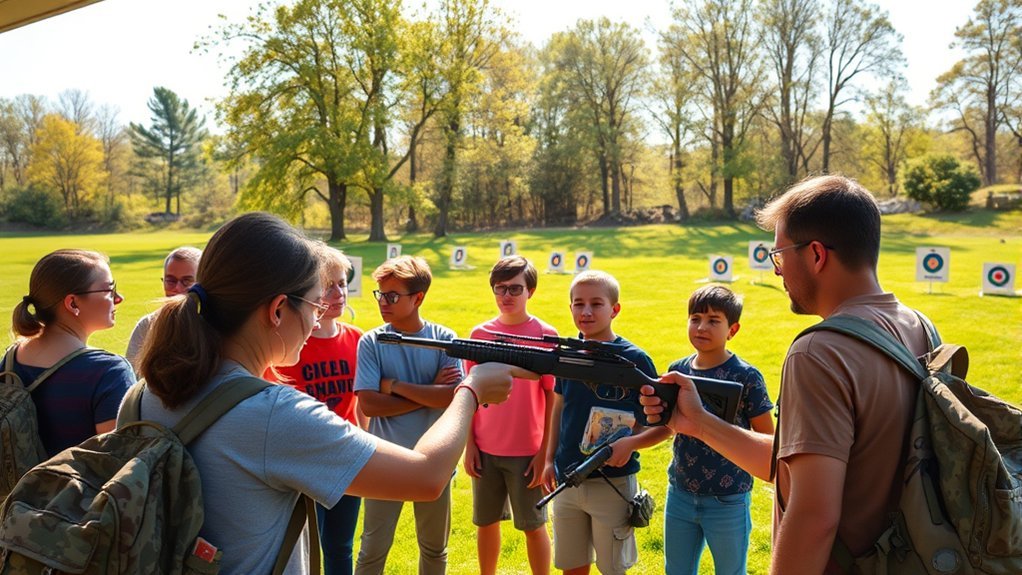
Hunter education gives new and returning hunters the safety knowledge, legal awareness, and ethical mindset they need before entering the field. These courses usually cover firearm handling, safe storage, wildlife conservation, hunting laws, fair chase, survival basics, and practical field skills. Whether you plan to hunt alone, with family, or in a group, the right training helps you make safer decisions from the first lesson to the final harvest.
Quick Answer
Hunter education courses teach you how to handle firearms safely, follow hunting laws, identify game, practice ethical hunting, protect wildlife habitat, and respond to outdoor emergencies. Many states require hunter education before issuing a hunting license, especially for younger or first-time hunters.
Key Takeaways
- Hunter education focuses on safety, responsibility, wildlife conservation, and legal hunting practices.
- Most courses explain firearm handling, safe storage, range behavior, field safety, and ethical shot decisions.
- State rules vary, so you should always check your local licensing, age, season, and bag-limit requirements.
- Hands-on training can help you build confidence before you hunt in real field conditions.
Importance of Hunter Education
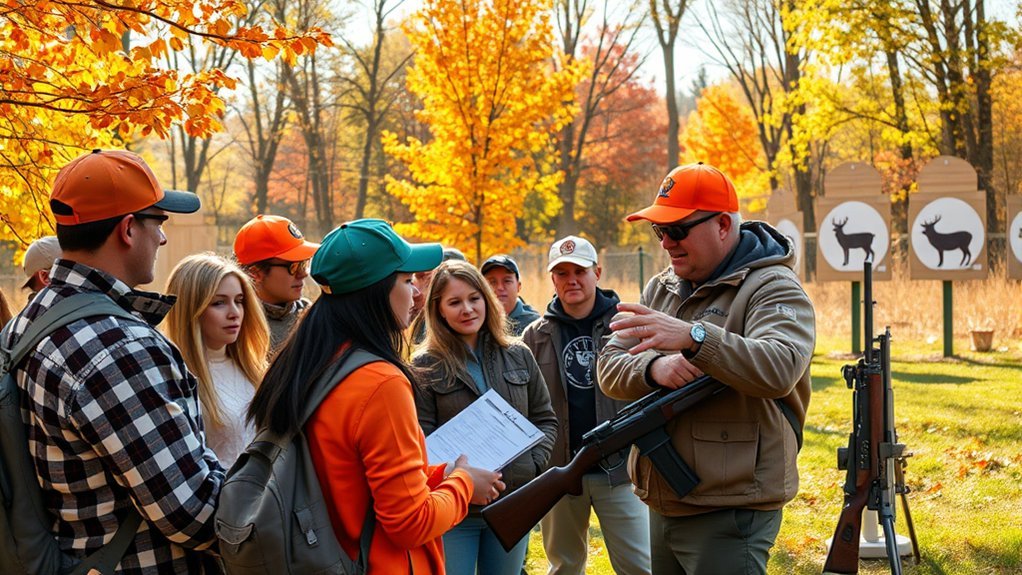
When you consider the excitement of hunting, safety and responsibility should always come first. Hunter education gives you the knowledge and habits needed to hunt with more confidence. You learn how to handle firearms, respect wildlife, understand conservation, and make careful choices in the field.
This training also helps protect other hunters, landowners, hikers, and nearby communities. A safe hunter does more than avoid accidents. You also follow rules, respect property, identify your target clearly, and understand what lies beyond it before you ever take a shot.
Hunter education also helps you understand local laws and regulations. Many states require proof of hunter education before issuing certain hunting licenses or permits. Even when a course is not required for your situation, completing one can make your outdoor experiences safer, more respectful, and more enjoyable.
Note: Hunter education requirements can vary by state, age, hunting method, and license type. Always check your state wildlife agency before buying a license or planning a hunt.
Overview of Course Content

Hunter education courses cover a thorough range of topics so you feel better prepared for the field. You learn the basics of hunting, including common game animals, their habitats, and the role hunters play in responsible wildlife management.
You also study wildlife management, which helps you understand why regulated hunting can support balanced ecosystems. This part of the course often explains habitat needs, population control, conservation funding, and the importance of following science-based seasons and limits.
Most courses also cover hunting laws and regulations. You learn why seasons, bag limits, legal shooting hours, hunter orange rules, land access rules, and tagging requirements matter. These rules protect wildlife populations and help keep hunting fair and safe.
Ethical hunting practices are another major part of the course. You learn how to respect animals, avoid waste, choose responsible shots, and recover game properly. Many programs also introduce outdoor survival skills, including basic navigation, weather awareness, emergency planning, and what to do if you become lost.
At a Glance
| Typical Course Focus | Firearm safety, hunting laws, wildlife conservation, ethics, survival basics, and field skills |
| Difficulty | Beginner-friendly, with clear lessons for first-time hunters |
| Best For | New hunters, youth hunters, returning hunters, and anyone who wants safer field habits |
| Requirement Status | Often required for licensing, depending on your state, age, and hunting method |
Firearm Safety Principles
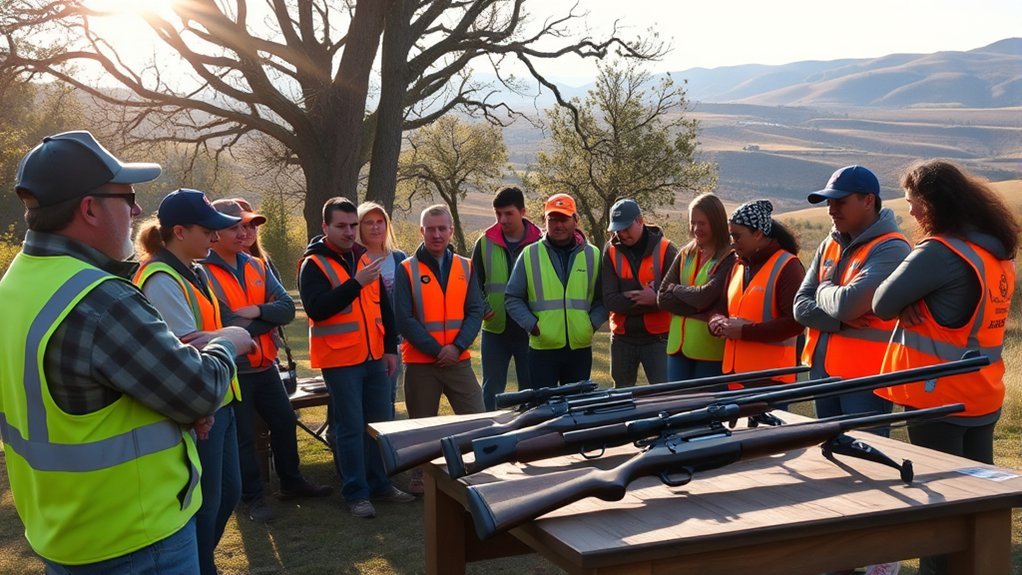
Understanding firearm safety principles is vital for anyone who handles guns. Hunter education courses usually teach basic handling rules, safe storage practices, and range etiquette guidelines that protect you and others around you.
Basic Firearm Handling Rules
Four essential firearm handling rules form the foundation of safe and responsible gun use. First, always treat every firearm as if it is loaded. This mindset keeps you alert and reduces careless handling.
Second, keep your finger off the trigger until you are ready to shoot. This habit helps prevent unintentional discharges. Third, never point a firearm at anything you do not intend to shoot. This rule protects people, animals, vehicles, homes, and anything else in the area.
Finally, be certain of your target and what is beyond it. You need to know exactly what you are shooting at and what could be hit if the bullet passes through or misses. These simple rules can greatly improve safety during hunting and shooting activities.
Warning: Never rely on a firearm’s safety mechanism as your only protection. Mechanical safeties can fail, and safe muzzle control remains your responsibility at all times.
Safe Storage Practices
When it comes to safe storage practices, securely storing firearms helps prevent accidents, theft, and unauthorized access. Always keep firearms unloaded when not in use, unless your local law and personal safety plan require a different lawful approach.
A quality gun safe or lockbox can help keep firearms inaccessible to children, visitors, and untrained individuals. You can also use trigger locks or cable locks as an added layer of security. Store ammunition separately when appropriate, especially in homes with children or new shooters.
Regularly check your storage setup to make sure locks, safes, and access controls work properly. Educate family members about firearm safety and access restrictions. Safe storage is not just a personal habit; it is part of responsible firearm ownership.
Range Etiquette Guidelines
While visiting a shooting range, following proper etiquette helps protect everyone’s safety and enjoyment. Always treat your firearm as if it is loaded, and never point it at anything you do not intend to shoot.
Keep your finger off the trigger until you are ready to fire. When you arrive, review the range rules and follow all instructions from the range officer. Wear appropriate eye and ear protection at all times.
If someone is downrange, stay behind the firing line and wait for the clear signal before handling or firing your firearm. Be respectful, avoid distracting others, and clean up your area before leaving. Dispose of trash, targets, and spent casings according to range rules.
Wildlife Conservation and Management
Understanding wildlife conservation and management is essential for preserving natural ecosystems and supporting sustainable hunting practices. Responsible hunters play an important role in conservation by following seasons, respecting limits, reporting harvests when required, and supporting habitat protection.
Conservation also helps maintain a healthy balance between wildlife populations and the land that supports them. When animal populations grow too large for available habitat, food sources can decline, disease can spread more easily, and conflicts with people may increase.
Here are a few key aspects to consider:
- Habitat Protection: Supporting initiatives that protect and restore natural habitats is vital for wildlife survival.
- Population Monitoring: Engaging in data collection and reporting helps track species health and population dynamics, informing management decisions.
- Community Involvement: Collaborating with local wildlife organizations allows you to contribute to conservation efforts and educate others about the importance of preserving nature.
Hunter education courses often connect these ideas to real field decisions. You learn why legal seasons matter, why some animals cannot be harvested, and why proper reporting helps wildlife agencies make better management choices.
Ethical Hunting Practices
When you are out in the field, understanding ethical hunting practices is essential for both your experience and wildlife conservation. Ethical hunting means following the law, respecting the animal, respecting the land, and making choices that reflect well on the hunting community.
By embracing fair chase principles, you respect animals and their habitats while promoting sustainable hunting. This mindset also helps you avoid shortcuts that may be legal in some places but still feel careless, wasteful, or unsporting.
Fair Chase Principles
Ethical hunting practices, often described through Fair Chase Principles, emphasize respect for wildlife and the environment. These principles encourage you to honor the animals you pursue and the land you hunt on.
Here are some key aspects of Fair Chase Principles:
- Respect for the animal: Always aim for a quick, humane kill to minimize suffering.
- Fair play: Avoid taking unfair advantage, such as using technology or methods that remove the animal’s reasonable chance to escape.
- Environmental stewardship: Protect habitats, avoid littering, and maintain the natural balance while hunting.
Fair chase also includes knowing your personal limits. If a shot is too far, too rushed, or blocked by brush, the ethical choice may be to wait. Passing on a poor shot is often one of the strongest signs of a responsible hunter.
Wildlife Conservation Importance
Wildlife conservation plays an essential role in maintaining healthy ecosystems, and as a hunter, you can be an important part of this effort. By practicing ethical hunting, you help make sure wildlife populations remain balanced and sustainable.
This means respecting hunting regulations, understanding species populations, and harvesting only what you can use responsibly. It also means learning how to identify legal game, avoid protected species, and reduce waste after a successful hunt.
Participating in conservation initiatives, such as habitat restoration or wildlife research, also improves your impact. Educating yourself about local ecosystems helps you make informed decisions that benefit both wildlife and your community.
Responsible hunters contribute to the preservation of nature, making it possible for future generations to enjoy these resources. When you embrace your role in wildlife conservation, you improve your hunting experience while protecting the environment you value.
Hands-On Training Components
While classroom knowledge is essential, hands-on training components in hunter education courses give you the practical skills needed for safer and more effective hunting. These activities help you apply what you have learned in realistic situations.
You can expect to engage in activities such as:
- Firearm Handling: Learn proper techniques for loading, unloading, carrying, and handling firearms safely.
- Shooting Practice: Gain experience at the range while improving accuracy, control, stance, and safe muzzle direction.
- Field Scenarios: Participate in mock hunts to develop tracking, game identification, communication, and ethical decision-making skills.
Some courses may also include tree stand safety, safe firearm carries, blood-trailing basics, map reading, compass use, and emergency planning. These practical lessons can be especially helpful if you have never hunted with an experienced mentor.
Pro Tip: Treat hunter education as your starting point, not your final step. Practice at the range, review local regulations each season, and hunt with an experienced mentor when possible.
Requirements and Regulations
Before heading into the field, you need to understand the requirements and regulations that govern hunting in your area. Each state sets its own rules, so check for specific age restrictions, licensing requirements, and mandatory hunter education courses.
In many places, you need a valid hunting license, and that license may require proof of completing a hunter safety course. Some states also offer online coursework, in-person field days, apprentice licenses, or exemptions for certain age groups. These details can change, so your state wildlife agency should always be your final source.
You should also review hunting seasons, bag limits, legal hunting hours, tagging rules, harvest reporting rules, permitted equipment, and land access requirements. If you plan to hunt on private property, get permission before entering. If you hunt public land, learn the area rules before you go.
Staying informed keeps you lawful and promotes safety and ethical hunting practices. These details are essential for a responsible hunting experience and can help you avoid fines, lost privileges, or unsafe situations.
Benefits of Completing a Hunter Education Course
Completing a hunter education course offers many advantages that improve your hunting experience and support safety in the field. You gain knowledge and skills that can improve your confidence, judgment, and preparation.
Here are some key benefits:
- Increased Safety: You learn essential safety protocols, reducing the risk of accidents while hunting.
- Legal Compliance: Completing the course often fulfills state requirements, helping you qualify for a hunting license.
- Confidence Boost: A deeper understanding of hunting techniques and ethics helps you feel more prepared during your hunts.
- Better Field Decisions: You learn when to take a shot, when to wait, and how to respond to changing conditions.
- Respect for Wildlife: You understand how hunting connects to conservation, habitat protection, and responsible harvests.
Hunter education also helps create a stronger hunting community. When hunters train properly, follow the law, and practice ethical behavior, they help protect the future of hunting for everyone.
Common Mistakes New Hunters Learn to Avoid
Hunter education courses also help beginners avoid common mistakes that can create unsafe or frustrating experiences. These mistakes may seem small, but they can affect your safety, your legal compliance, and your success in the field.
- Not checking regulations before every season: Rules can vary by species, location, weapon type, and date.
- Poor target identification: You must clearly identify the animal before deciding to shoot.
- Ignoring what is beyond the target: A missed shot can still travel far enough to cause harm.
- Forgetting weather and survival planning: Cold, heat, storms, and poor visibility can quickly change a hunt.
- Failing to communicate with hunting partners: Clear plans reduce confusion and improve safety.
Learning these lessons before your first hunt can save time, prevent accidents, and help you build good habits from the beginning.
How to Prepare Before Taking a Course
You do not need to be an expert before taking a hunter education course. Still, a little preparation can help you get more from the training. Start by reviewing your state wildlife agency’s website so you understand the license pathway in your area.
Bring any required identification, course confirmation, notebook, and safety gear if your course provider requests it. If the course includes live-fire practice, follow the instructor’s instructions about firearms, ammunition, eye protection, and ear protection.
You can also write down questions before class. Ask about safe firearm carries, public land rules, hunting with a mentor, and how to identify legal game in your area. Good instructors expect beginners to ask questions, and clear answers can help you feel more prepared.
Conclusion
Completing a hunter education course is one of the best steps you can take before entering the field. You gain essential knowledge that helps you become a safer and more responsible hunter, while also supporting wildlife conservation and ethical outdoor traditions.
With lessons on firearm safety, laws, fair chase, field skills, and conservation, hunter education gives you a stronger foundation for every hunt. Sign up for an approved course, review your local rules, and keep learning after the class ends. Responsible hunting starts with preparation, and hunter education is where that preparation begins.
Sources
- International Hunter Education Association-USA — hunter education standards and safety education background
- U.S. Fish & Wildlife Service Hunter Education — hunter education and responsible hunting guidance
- U.S. Fish & Wildlife Service North American Model of Wildlife Conservation — conservation principles tied to regulated hunting
- NSSF Firearm Safety Rules — core firearm safety rules and safe handling principles

