Baitcasting fishing gives you more casting control, better lure placement, and stronger contact with your bait once you learn the basics. It can feel tricky at first, but the learning curve becomes much easier when you set the reel correctly, spool the line with steady tension, adjust the brakes, and practice with heavier lures before moving to lighter setups.
Quick Answer
To start baitcasting, spool your reel tightly, set the spool tension and brakes higher than normal, tie on a practice lure, and cast with smooth thumb control. Begin with heavier lures because they load the rod better and help prevent backlash while you build timing and confidence.
Key Takeaways
- A baitcasting reel works best when the line is loaded evenly and kept under steady tension.
- Beginners should start with tighter brake settings, then loosen them slowly as casting control improves.
- Thumb pressure is the most important skill for stopping backlash and controlling lure speed.
- Sidearm casts and underhand pitches help you place lures under docks, trees, and tight cover.
- Regular cleaning, drag checks, and dry storage help your baitcasting reel last longer.
At a Glance
| Time Required | 30 minutes to set up the reel; 1 to 2 hours of practice for basic casting control |
| Difficulty | Beginner to moderate |
| Tools Needed | Baitcasting rod and reel, fishing line, practice lure, scissors or line cutters, and optional line-winding jig |
| Cost | Varies by rod, reel, and line choice |
Setting Up Your Baitcasting Reel
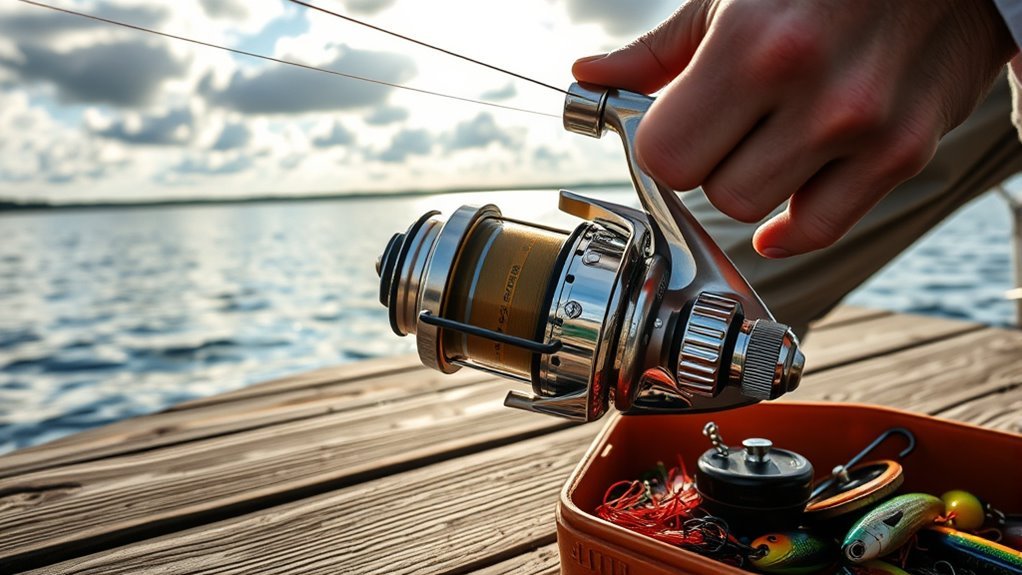
Setting up your baitcasting reel correctly helps you cast smoother, reduce backlash, and handle fish with more control.
Start by matching your rod, reel, line, and lure weight. A medium or medium-heavy baitcasting rod with a lure in the 3/8-ounce to 1/2-ounce range is usually easier for beginners than an ultralight setup.
Next, make sure the line comes off the retail spool in the same direction it goes onto the reel spool. This simple step helps reduce line twist and uneven loading during setup.
Use an arbor knot to attach the line securely to the spool. Keep steady tension on the line while you reel so the wraps sit tight and even.
For braided lines, add a short monofilament backing or place athletic tape over the knot before spooling. Braid can slip on a bare spool, so this extra grip helps the line wind properly.
Maintain steady pressure as you load the line. A line-winding jig can make this easier because it adds resistance and keeps the spool stable.
Stop filling the reel when a small rim remains visible at the edge of the spool. Overfilling can cause loose coils and backlash, while underfilling can reduce casting distance.
Warning: Do not practice casting with an exposed hook in your yard or near other people. Use a hookless plug or remove the hook from an old lure until your control improves.
[Amazon Products Picked for You]

BERKLEY PORTABLE LINE SPOOLER STATION: The Berkley Portable Line Spooling Station makes it quick and easy to spool line wherever you go, saving you valuable time and effort.

One-Person Fishing Line Spooling:Piscifun Speed E fishing line spooler helps you respool fishing reels by yourself without asking another person to hold the supply spool. It is designed for quick line changes at home, on the boat, at the dock, or on the bank

Durable and Compatible with Multiple Reel Types: The fishing line spooler is constructed with a strong and durable nylon body, ensuring long-lasting use for all your fishing needs. Suitable for spincast, baitcasting, spinning, trolling and fly reels
Understanding Baitcasting Reel Components
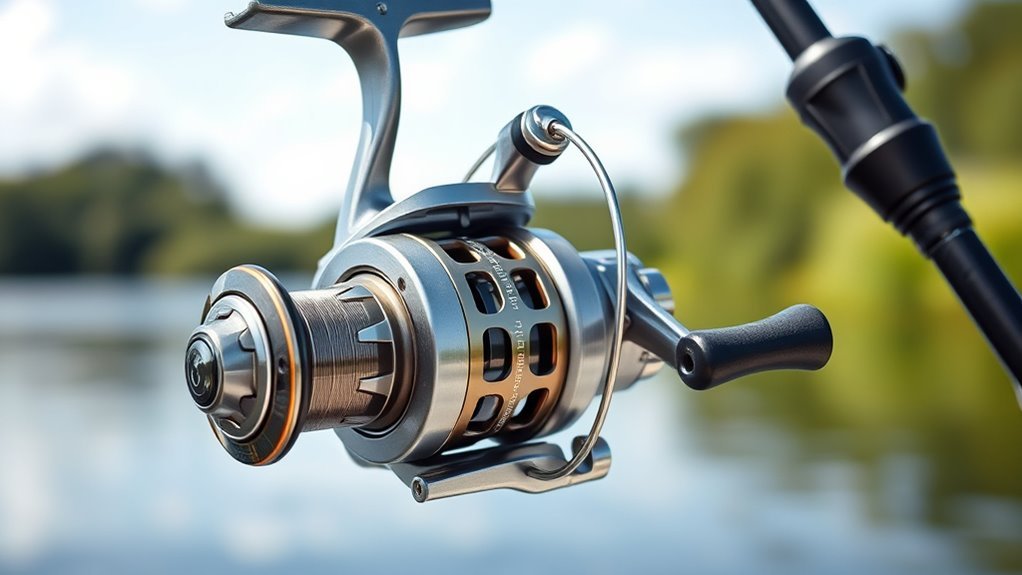
Understanding the main parts of a baitcasting reel makes setup, casting, and troubleshooting much easier.
Each part, from the spool to the drag system, affects how your reel casts and how well it handles a hooked fish.
Once you know what each control does, you can adjust your reel with confidence instead of guessing on the water.
Key Components Overview
When you start baitcasting fishing, get familiar with the key components before you focus on long casts.
The spool holds your fishing line and spins during the cast. Its speed affects distance, accuracy, and the chance of backlash.
The brakes help control spool speed during the cast. They slow the spool so it does not keep spinning faster than the lure pulls line.
The spool tension knob fine-tunes how freely the spool starts. Beginners should set it tighter at first, then reduce tension as their thumb control improves.
The drag system controls how much pressure a fish feels before line slips from the reel. A smooth drag helps protect your line during sudden runs.
The handle, gear system, clutch bar, levelwind, and side plate also matter. Together, they control retrieve speed, line lay, spool release, and access for adjustments.
Functionality of Each Part
Each part of a baitcasting reel plays a clear role in your fishing success.
The spool holds the line and controls how quickly line leaves the reel. A clean, evenly loaded spool casts better than a loose or uneven one.
The brake system controls rotation around the spool. Good brake settings help you cast farther while reducing tangles and bird nests.
The drag system protects your line during a fight. Set it firm enough to drive the hook, but loose enough to let a strong fish pull line without breaking it.
The gear mechanism determines how quickly you retrieve line. Higher gear ratios bring in line faster, while lower ratios can feel stronger for deep or heavy baits.
The side plate gives you access to the spool and internal brake system on many reels. This makes cleaning, spooling, and brake changes easier.
Spooling Line on a Baitcasting Reel
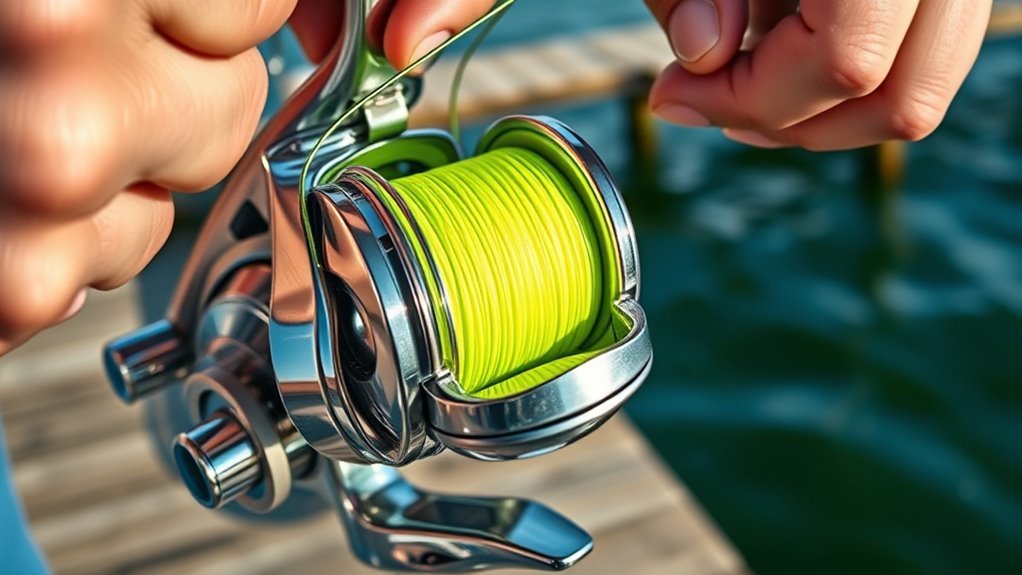
When spooling line on a baitcasting reel, proper loading helps prevent loose wraps, line dig, and casting problems.
Using monofilament backing can also improve your setup, especially when you plan to use braided line.
Take your time during this step. A reel that is spooled poorly will cause problems even if your casting motion is good.
[Amazon Products Picked for You]
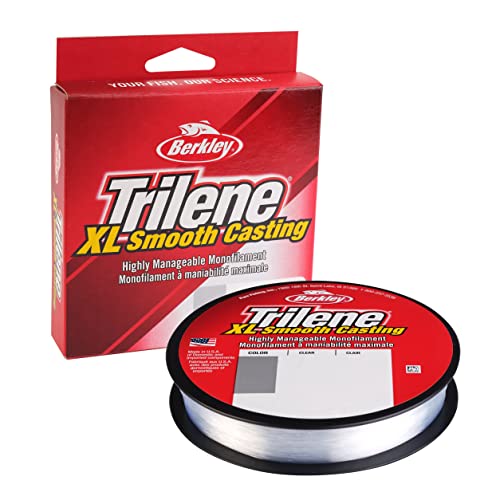
BERKLEY TRILENE XL: Don't let fish off the hook. Stronger and smoother than ever before, this versatile clear fishing line offers exceptional performance with a wide variety of baits and techniques.
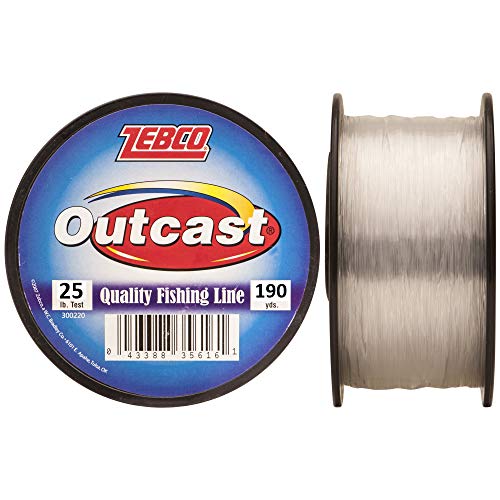
VERSATILE USE: Fabricated for all types of fishing situations with low memory and stretch while providing high tensile strength

Strength That Holds When It Counts: The KastKing Premium Monofilament Line delivers dependable tensile strength and rock-solid knot hold. Whether you’re setting the hook on a trophy bass or working through a long day of high-action fishing, this monofilament fishing line keeps you locked in without the worry of break-offs.
Proper Line Loading Techniques
Loading line onto your baitcasting reel correctly is essential for smooth performance on the water. Start by confirming the line comes off the retail spool in the same direction it goes onto the reel spool. Use an arbor knot to attach the line securely, then apply steady tension while reeling to keep the wraps tight. For braided lines, place athletic tape over the knot or use monofilament backing to help prevent slippage. Leave a small rim of the spool visible so the line has room to move during casting.
| Step | Action | Tip |
|---|---|---|
| 1 | Align the line direction | Prevent twists |
| 2 | Use an arbor knot | Confirm tightness |
| 3 | Add athletic tape for braids | Minimize spool slippage |
| 4 | Leave a rim visible | Support smoother casting |
Monofilament Backing Benefits
Using monofilament backing on your baitcasting reel offers several advantages, especially if you fish with braided main line.
For many anglers, monofilament backing helps fill the spool efficiently and gives braid something to grip. This reduces slipping, loose wraps, and frustrating casting issues.
It is also a cost-effective solution because you do not need to fill the entire spool with more expensive braided line.
The stretch of monofilament can absorb shock during hooksets and short fights, giving you a slightly more forgiving connection.
When you spool braided line over monofilament backing, the braid sits more securely and can cast more consistently.
Monofilament backing also makes reel maintenance easier because you can replace only the top section of line when it becomes worn.
Pro Tip: After spooling, pull several yards of line off the reel and reel it back under finger pressure. This helps settle loose wraps before your first real cast.
How to Adjust the Spool Shaft Brake
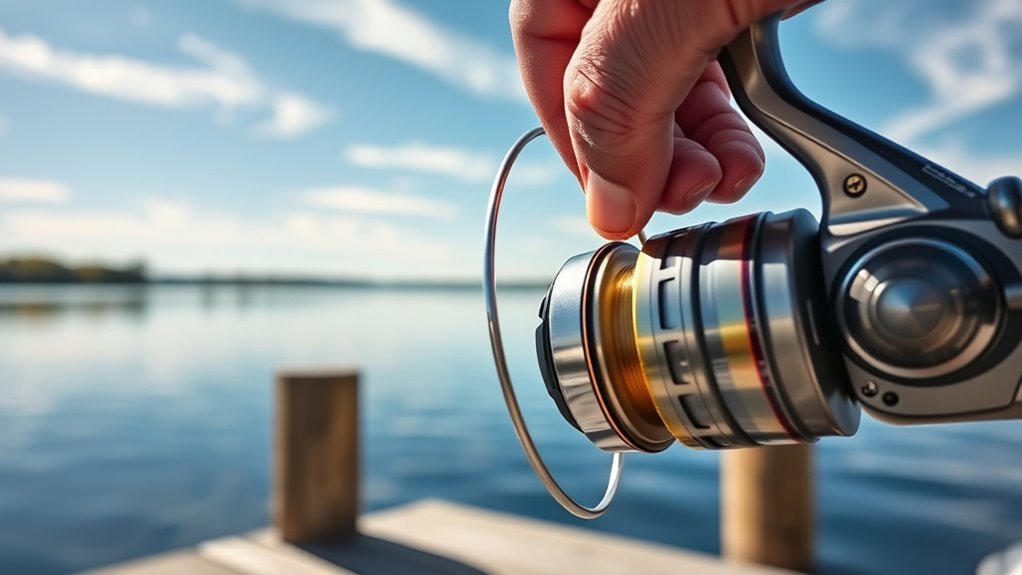
Adjusting the spool shaft brake is one of the most important beginner steps in baitcasting. A good starting point gives you smooth, controlled casts without letting the spool spin wildly.
Start by tying on the lure you plan to use. Hold the rod tip up, press the clutch bar, and let the lure drop. Tighten the spool tension if the lure falls too fast. Loosen it slightly if the lure does not fall at all.
A beginner-friendly setting allows the lure to drop slowly and stop without causing a major overrun when it reaches the ground. This setting may limit casting distance, but it helps you learn control.
| Adjustment Stage | Description |
|---|---|
| Initial Setting | Set the brake tighter for beginners to manage line release. |
| During Use | Make small changes when you switch lure weights or casting styles. |
| Skill Improvement | Loosen tension slowly as your thumb control improves. |
| Ideal Performance | Adjust for better control, longer casts, and fewer tangles. |
Check for minimal horizontal movement of the spool with your fingertips. A little movement can be normal on some reels, but excessive side-to-side play can make control harder.
Remember that spool tension and braking systems are different controls. Spool tension affects how easily the spool starts, while the brake system controls spool speed during the cast.
[Amazon Products Picked for You]

【KEY PARAMETERS】Diameter: 0.73 inches (18.5 mm); Height: 0.39 inches (10 mm); Material: Aircraft-grade Aluminum 7006; Item Weight: 0.1 oz (2.7 g); Accessory: Copper Washer X 1, Rubber Washer X 1

Compatibility: Compatible with Shimano SLX and SLXDC baitcasting reels for precise tension control and smooth operation.

【KEY PARAMETERS】Series Name: TK-ABU1; Thread Size: M14*0.5; Diameter: 0.67'' (17 mm); Height: 0.39'' (10 mm); Item Weight: 2.2 g; Material: Anodized Aircraft-grade Aluminum 7006; Pre-installed Accessories: Copper Washer X 1, Rubber Washer X 1
Learning to Cast: Techniques and Tips
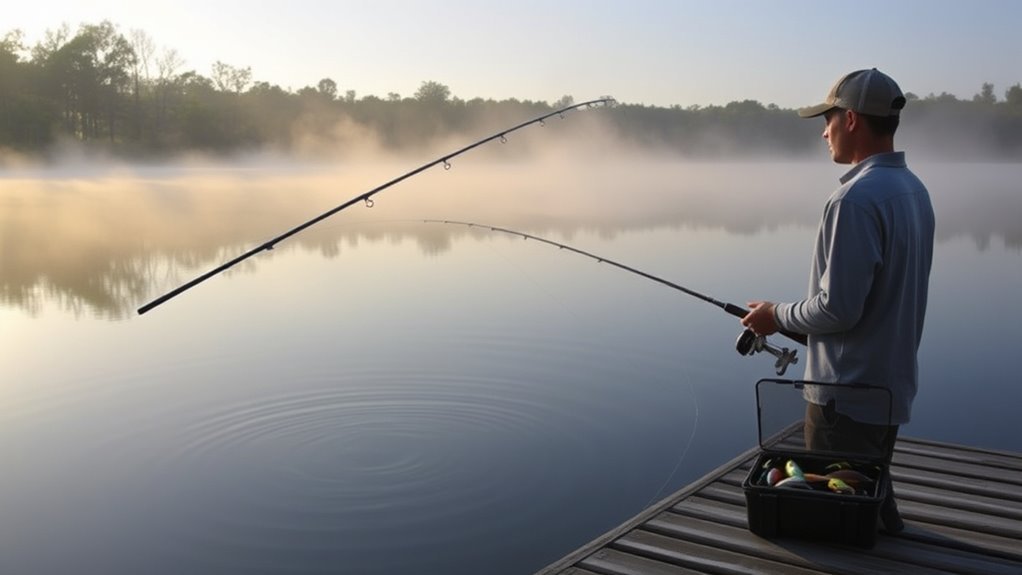
With the spool shaft brake properly adjusted, you are ready to practice basic casting.
Start in an open area with no people, pets, windows, vehicles, or overhead branches nearby. Tie on a hookless practice plug or remove the hooks from an old lure.
Use smooth motion instead of force. Most backlashes happen when the rod loads poorly, the lure slows suddenly, or your thumb does not stop the spool in time.
Focus on these essential casting techniques:
- Overhead Cast: This beginner-friendly method uses a straight back-and-forward motion. Stop the rod sooner than expected so the lure projects forward instead of down.
- Sidearm Cast: Keep your rod more parallel to the water. This smooth action helps you reach targets and cast under low obstacles.
- Underhand Pitch: Lower the rod and swing the lure outward and upward for quiet, low casts near cover.
- Practice with Heavier Lures: Begin with lures over 10 grams because they are easier to control. Move to lighter lures as your timing improves.
- Thumb Control: Use your thumb to slow the spool during flight and stop it just before the lure lands.
Take your time, stay patient, and expect a few tangles while you learn. Baitcasting rewards steady practice more than raw casting power.
Note: Wind changes everything. Cast with the wind while practicing, then learn crosswind and headwind casts after you can control the spool consistently.
Overhead Cast: Mastering the Basics
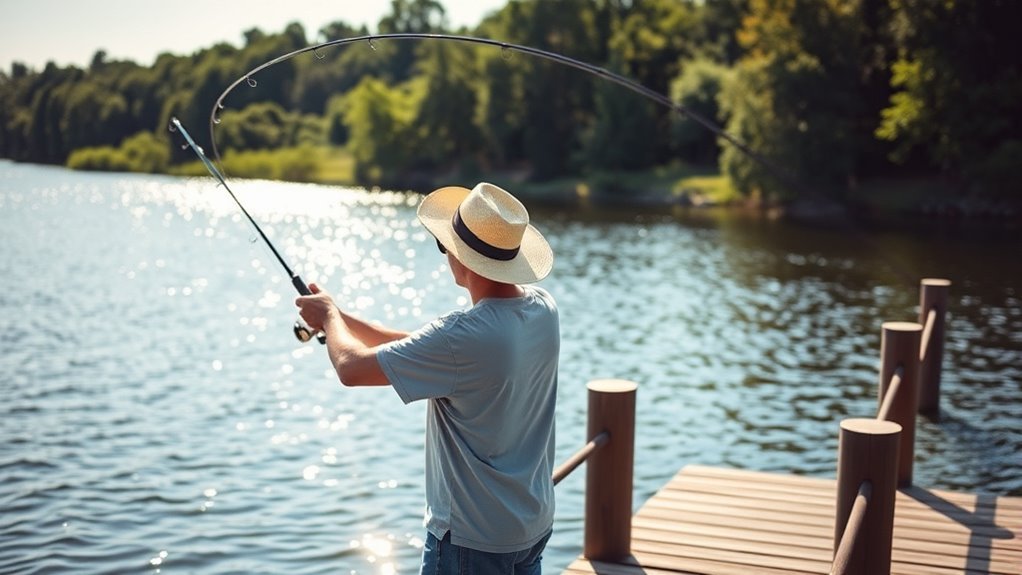
Mastering the overhead cast can improve your baitcasting skills and help you cover open water more effectively.
Start with the lure hanging 8 to 12 inches from the rod tip. Press the clutch bar and keep your thumb on the spool so the lure does not drop unexpectedly.
Move the rod back smoothly, then bring it forward with a controlled motion. Do not snap the rod too hard. A baitcaster responds better to timing than brute force.
Release thumb pressure as the rod comes forward, then feather the spool lightly while the lure travels. Press your thumb down fully just before the lure lands.
It is essential to stop the rod sooner than many beginners expect during the forward motion. This helps the rod launch the lure forward and reduces downward slaps into the water.
Practicing with a hookless lure builds confidence and control without the risk of snagging grass, clothing, or nearby objects.
Adjust your reel’s spool tension and brakes to match your lure’s weight. A heavier lure may need less brake than a lighter lure, but beginners should make changes slowly.
With regular practice, your overhead casting distance and accuracy will improve, and your lure will land with fewer overruns.
Sidearm Cast: Versatility and Control
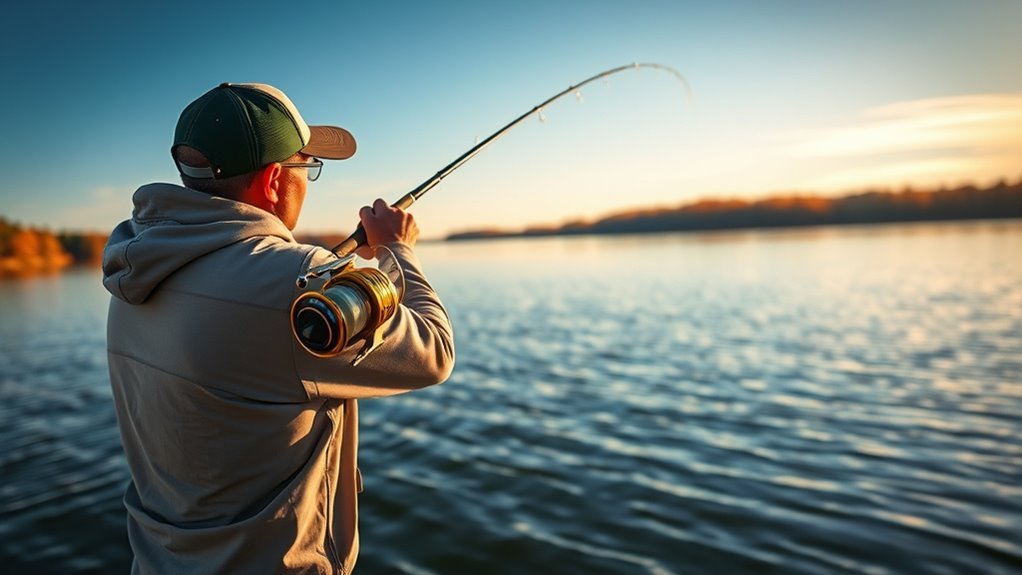
While the overhead cast is a strong starting point, the sidearm cast adds control and versatility to your baitcasting skills.
This technique keeps the rod lower and more horizontal, which makes it useful when you need to cast under branches, docks, pontoon boats, or shoreline cover.
Use a smooth, fluid motion with the rod held to the side of your body. Keep the lure on a flatter path instead of throwing it high into the air.
The sidearm cast is especially useful for fishing under obstacles because the lure travels low and reaches tight targets more easily.
Here are some key benefits of the sidearm cast:
- Targets specific areas with better precision.
- Works well around docks, laydowns, and shoreline cover.
- Improves accuracy with steady practice.
- Simplifies control while shore fishing.
- Adapts well to different lure weights and short-distance targets.
Mastering the sidearm cast takes repetition, but the payoff is worth it. You will hit targets more consistently, reduce tangles, and place your lure where fish are likely to hold.
Underhand Pitch: Finesse Casting Techniques
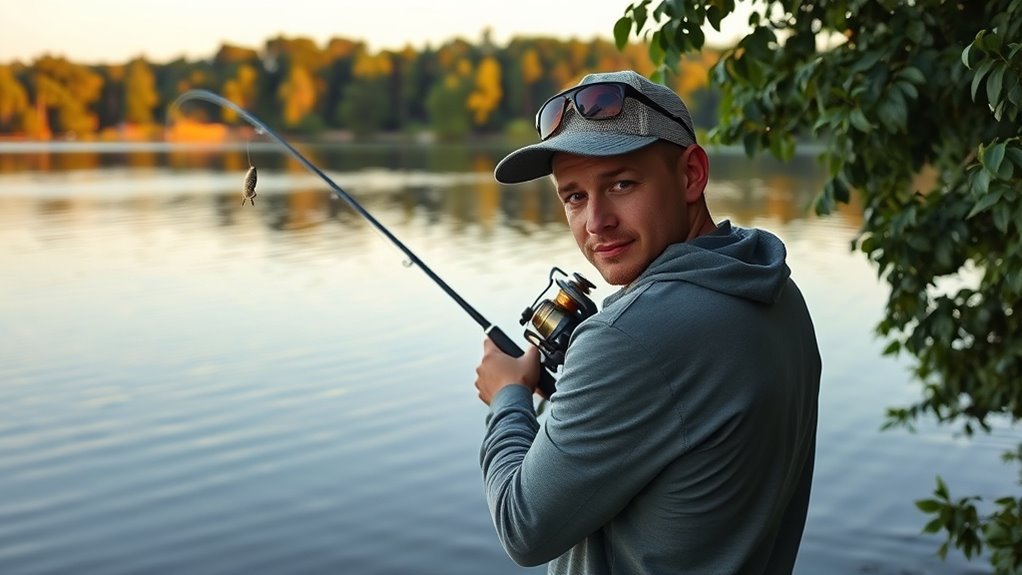
The underhand pitch is a valuable finesse casting technique for short, quiet presentations near cover.
This method helps you make low-flying casts under branches, docks, and overhanging vegetation without splashing the lure too hard.
To execute the technique, lower your rod and hold the lure close to the rod tip. Swing the lure outward and upward, then release the line at the right moment so the bait glides toward the target.
For longer pitches, use a flip technique by swinging the rod down and letting the lure load the rod slightly before release. This creates enough energy for a controlled, low presentation.
With one to two hours of focused practice, many beginners can learn the basic motion. Accuracy improves when you practice at short distances first, then extend the target range.
To build accuracy and confidence, practice with a hookless lure. Once your thumb control improves, you can use the same motion with weighted lures in real fishing situations.
Common Issues and Troubleshooting

When you are baitcasting, you may run into common issues like bird nests, line dig, short casts, and sudden tangles.
These problems are normal for beginners and usually come from loose line loading, poor brake settings, casting too hard, or releasing thumb pressure too early.
By checking your line, adjusting your brakes, and practicing smoother motion, you can improve your casting experience quickly.
Birds Nests Prevention Techniques
To keep bird nests under control, start by making sure your fishing line is spooled correctly. Tight, even line gives you the best chance at smooth casting.
Use these techniques to avoid tangles:
- Adjust the spool shaft brake tighter at first for better control.
- Use heavier lures over 10 grams to improve casting stability.
- Maintain light thumb pressure on the spool while the lure is flying.
- Press your thumb down firmly just before the lure lands.
- Practice with your reel’s braking system until you understand how each setting changes spool speed.
- Make sure the line comes off the retail spool in the same direction it loads onto the reel spool.
If a bird nest happens, do not pull hard immediately. Press your thumb on the spool, pull line gently, and work the loops out slowly to avoid tightening the knot.
Line Loading Errors
Even experienced anglers can make line loading errors, and those errors can hurt casting performance.
Make sure the line comes off the retail spool in the correct direction so it does not twist as it loads. Use an arbor knot to secure the line, then keep steady tension while reeling.
If you use braided line, add backing or athletic tape to reduce slipping. Braid can spin around the spool if it has nothing to grip.
Regularly check for spool play with your fingertips and adjust the spool shaft brake if the spool moves too much from side to side.
Finally, inspect the spool fill level. Line should fill the spool evenly while leaving a small rim visible. Proper loading supports better casting and braking.
Brake Adjustments Troubleshooting
Proper brake adjustments are essential for a smoother baitcasting experience.
If the reel backlashes early in the cast, add more braking or increase spool tension slightly. If it backlashes near the end of the cast, use more thumb pressure before the lure lands.
Keep these troubleshooting tips in mind:
- Adjust the spool shaft brake to reduce excessive horizontal spool movement.
- Start with more brake than you think you need when you are learning.
- Keep the spool shaft brake tighter as a beginner and loosen it gradually as your skills improve.
- Check the brake system regularly so dirt, water, or wear does not affect performance.
- Match spool tension and braking settings to your lure weight and casting technique.
- Increase braking when casting into wind or using lighter lures.
Maintenance Tips for Your Baitcasting Reel
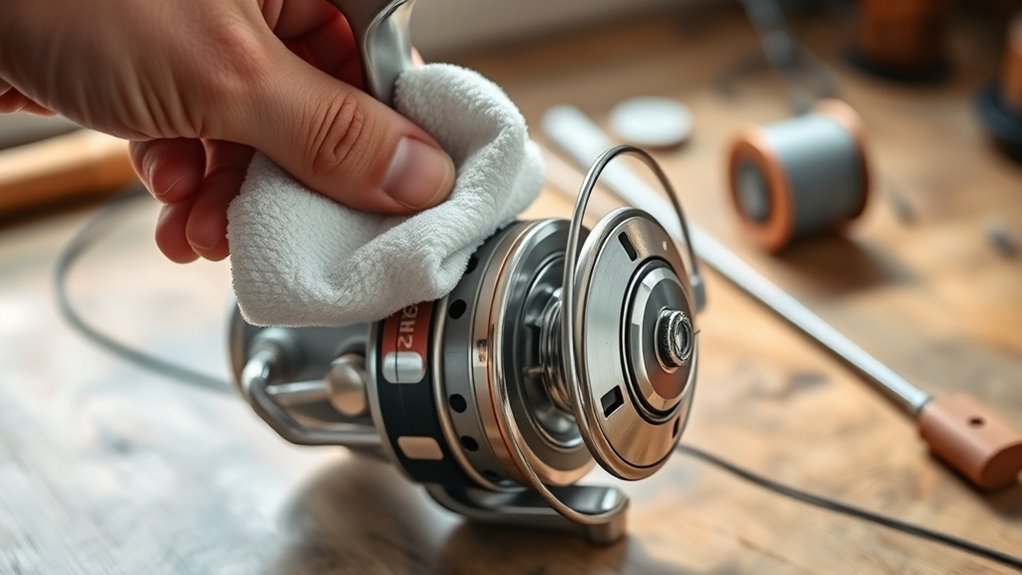
Maintaining your baitcasting reel is vital if you want it to perform smoothly and last for years.
Start by wiping the reel after each trip, especially if it gets wet, muddy, or exposed to sand. Dirt and moisture can affect braking, drag, and spool movement.
Regularly clean and lubricate the moving parts according to your reel manual. Use reel-safe oil and grease instead of heavy household lubricants.
Inspect the drag system for signs of wear or roughness. A sticky drag can cause broken line or lost fish when a fish surges suddenly.
Check the brakes to make sure they function properly. Proper brake adjustment gives you better control over spool rotation and line release.
Make sure the spool is aligned and loaded correctly. Poor loading can lead to casting issues, uneven line lay, and annoying tangles.
After fishing, loosen the drag slightly before storage. This can help reduce long-term pressure on drag washers.
Finally, store your reels in a cool, dry place. Moisture and temperature swings can affect performance, especially if the reel sits unused for a long time.
Related Guides
Frequently Asked Questions
Should a beginner use a baitcaster?
Yes, a beginner can use a baitcaster, but it takes patience. A baitcaster gives you strong control, accurate lure placement, and good sensitivity. Start with heavier lures, tighter brakes, and short practice casts before trying long casts on the water.
Is a 10lb line good for baitcasters?
A 10lb line can work on a baitcaster for smaller freshwater fish and lighter lures, but it may not be the easiest beginner choice. Many beginners find slightly heavier line easier to manage because it handles backlash and casting practice better.
What is the best line for a baitcaster beginner?
For a baitcaster beginner, a manageable monofilament or braided line with backing can both work. Monofilament is forgiving and easier to untangle, while braid offers sensitivity and casting distance. Choose a line that matches your rod, reel, lure weight, and target fish.
How hard is it to learn a baitcaster?
Learning a baitcaster is moderately challenging at first because you must control spool speed with your thumb. Most beginners improve quickly after focused practice with a hookless lure, heavier bait, and conservative brake settings.
Why does my baitcaster keep backlashing?
A baitcaster usually backlashes because the spool spins faster than the lure pulls line. Tighten the brake, increase spool tension, use a heavier lure, cast smoother, and stop the spool with your thumb just before the lure lands.
Can you use a baitcaster from the bank?
Yes, you can use a baitcaster from the bank. Sidearm casts and underhand pitches work well from shore because they help you cast around trees, grass, rocks, and tight openings without needing a wide casting lane.
Conclusion
Baitcasting becomes much easier when you break it into simple steps. Set up the reel correctly, spool the line with steady tension, adjust the brakes, and practice with a hookless lure before you fish around cover.
Expect a few tangles in the beginning. They are part of the learning process, not a sign that baitcasting is too hard. With steady practice, your thumb control, casting accuracy, and confidence will improve.
Once the basics feel natural, you can use overhead casts, sidearm casts, and underhand pitches to place your lure where fish are holding. Keep your reel clean, store it dry, and enjoy the extra control that baitcasting brings to your fishing.