Catfish fishing can be a thrilling way to spend your time outdoors, especially when you learn how these fish feed, where they hide, and what gear helps you handle them safely. With their size, strength, and wide range of habitats, catfish give beginners a unique challenge without making the sport too complicated. Whether you’re fishing from a bank, boat, kayak, or quiet dock, the right setup can make your first trip easier and more productive. This guide walks you through the essential gear, bait choices, rig setup, locations, timing, safety steps, and beginner strategies you’ll need to hook your first catfish with more confidence.
Quick Answer
To start catfish fishing, use a medium-heavy rod, strong reel, 15- to 30-pound line, circle hooks, sinkers, and scent-heavy bait such as cut bait, chicken liver, nightcrawlers, or stink bait. Fish near deep holes, current breaks, log piles, rocky banks, and river bends, especially during low light or warm-weather feeding periods.
Key Takeaways
- Channel, blue, and flathead catfish behave differently, so match your bait, location, and tackle to the species you want to catch.
- A medium-heavy to heavy rod, durable reel, strong line, circle hooks, sinkers, swivels, and pliers cover most beginner catfishing needs.
- Fresh, scent-rich bait usually works best because catfish rely heavily on smell and taste when feeding.
- Look for deeper water, cover, current seams, river bends, and structure where catfish can rest, ambush prey, or follow scent trails.
- Check local fishing rules before every trip because bait restrictions, size limits, bag limits, and licensing rules vary by waterway.
At a Glance
| Time Required | 2 to 4 hours for a beginner-friendly trip; longer sessions can help when fish are slow. |
| Difficulty | Beginner-friendly, but landing large catfish requires patience, strong tackle, and safe handling. |
| Tools Needed | Rod, reel, line, hooks, sinkers, swivels, bait, pliers, landing net, measuring tool, license, and a safe light source for night fishing. |
| Cost | Low to moderate. Beginners can start with basic tackle, natural bait, and a simple bank-fishing setup. |
Understanding Catfish Varieties
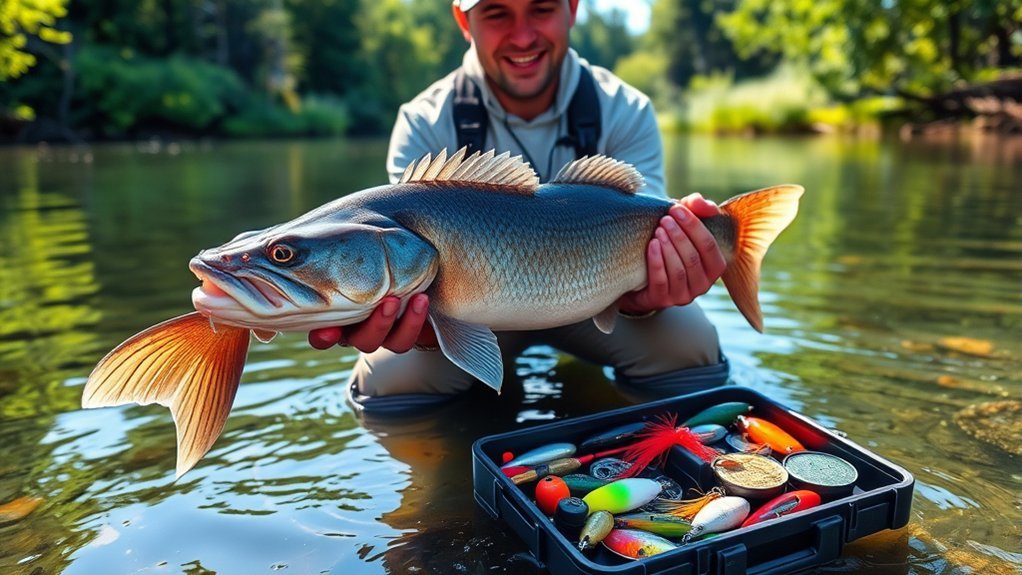
When it comes to catfish fishing, understanding the different varieties can make all the difference in your success on the water. The three species beginners hear about most often are Channel Catfish, Blue Catfish, and Flathead Catfish. Each one feeds a little differently, uses different parts of the water, and may respond better to certain bait styles.
Channel Catfish are often the most accessible choice for new anglers. They usually live in rivers, ponds, reservoirs, and lakes, and they feed on insects, small fish, worms, clams, and dead or decaying food. Because they often respond well to stink bait, chicken liver, worms, and prepared bait, they make a great starting point if you’re learning basic catfishing skills.
Blue Catfish are known for their size and strength. They often prefer larger rivers, reservoirs, and deeper water, especially where current, ledges, channels, or deep holes give them room to move. If you’re after a trophy fish, blue catfish can become much larger than typical channel catfish. Cut bait from oily fish such as shad or herring is often a strong choice because it releases scent into the water.
Flathead Catfish behave differently from channel and blue catfish. They are often more solitary, more cover-oriented, and more likely to target live prey. You may find them near log jams, undercut banks, deep pools, bridge pilings, and slow-moving water with heavy cover. Live bait such as sunfish, where legal, is a common choice when anglers target larger flatheads.
Note: Catfish names, size limits, harvest rules, and live-bait rules can vary by state and waterway. Always check your local fishing regulations before choosing bait or keeping fish.
Essential Fishing Gear for Beginners

Knowing the types of catfish you’ll be targeting sets the stage for selecting the right gear. You do not need a complicated tackle collection to begin, but you do need equipment strong enough to handle hard runs, rough cover, and fish that may be heavier than expected.
For most beginners, a medium-heavy to heavy power rod between 7 and 9 feet gives you a useful mix of casting distance, leverage, and backbone. A longer rod can help you cast from the bank and keep line away from rocks or brush. A shorter, stronger rod may feel easier to manage from a boat, kayak, or tight shoreline.
Pair the rod with a reliable baitcasting reel or sturdy spinning reel. Baitcasting reels are popular with many catfish anglers because they often provide strong drag systems, good line capacity, and solid cranking power. Spinning reels can also work well for beginners, especially when you’re using lighter rigs for channel catfish.
Use monofilament or braided fishing line with a test strength of 15 to 30 pounds for many beginner setups. Monofilament is affordable, easy to tie, and forgiving because it stretches under pressure. Braided line offers better sensitivity and a smaller diameter, but it can cut into cover and may need a leader in rough areas.
For hooks, circle hooks in sizes from 2/0 to 10/0 are popular, depending on bait size and target species. Smaller hooks work for worms, liver, and prepared bait aimed at channel catfish. Larger hooks work better for big cut bait or live bait when targeting blue or flathead catfish. Add sinkers, swivels, beads, and leaders so you can adjust your rig for depth, current, and bottom type.
Beginner Catfish Tackle Checklist
- Rod: Medium-heavy or heavy power, usually 7 to 9 feet.
- Reel: Baitcasting or spinning reel with a smooth drag and enough line capacity.
- Line: 15- to 30-pound monofilament or braid for most beginner situations.
- Hooks: Circle hooks, kahle hooks, or strong bait hooks matched to your bait size.
- Weights: Egg sinkers, no-roll sinkers, bank sinkers, or split shot depending on current and bottom structure.
- Terminal tackle: Barrel swivels, beads, leaders, and sinker slides.
- Tools: Long-nose pliers, line cutters, fish grippers, gloves, a landing net, and a measuring tool.
- Safety gear: Headlamp, first-aid kit, life jacket near deep water, and weather-appropriate clothing.
Pro Tip: Start simple. A sturdy rod, strong reel, circle hooks, sinkers, swivels, and two bait options are enough for your first few trips. Add specialized gear only after you learn your local water.
Setting Up Your Fishing Rig
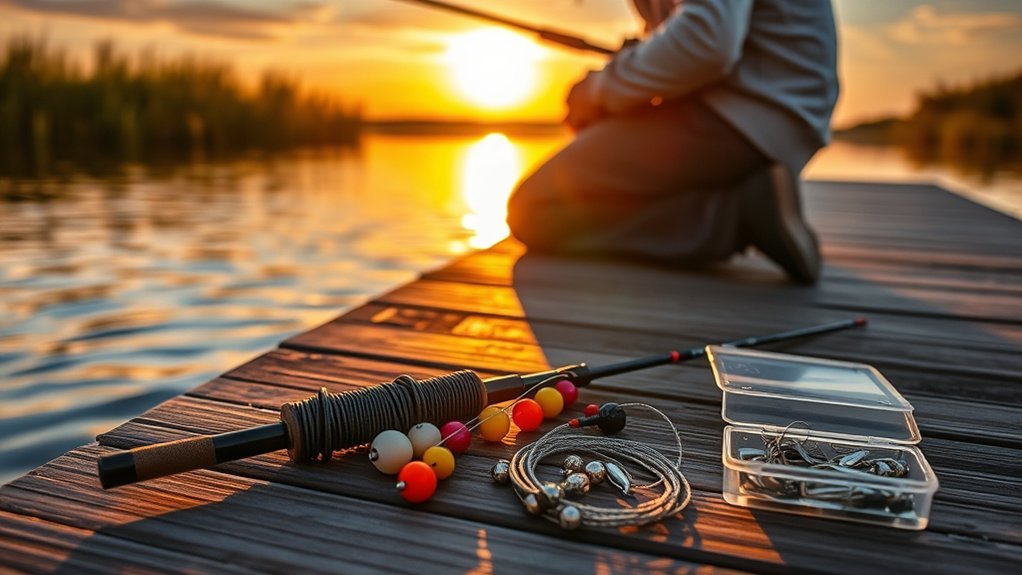
Setting up your fishing rig is essential for catching catfish, so start by choosing the right rod and reel that match your fishing style. You’ll also want to focus on the line, hook, sinker, and leader so your rig is strong, easy to cast, and able to keep bait where catfish can find it. By getting these elements right, you’re setting yourself up for a successful day on the water.
Choosing the Right Rod
Choosing the right rod is essential for your catfish fishing success, as it directly impacts your ability to handle these powerful fish. Opt for a medium-heavy to heavy power rod, typically between 7 and 9 feet long, to manage the strength and size of catfish during fights. If you plan to fish from shore, the extra length can help you cast farther and control line angle. If you fish from a kayak or small boat, a rod closer to 7 feet may feel easier to handle.
Pair your rod with a reliable baitcasting reel or a strong spinning reel with a smooth drag. Your reel should hold enough line for long casts and hard runs. As you set up, thread the fishing line through each rod guide from the bottom guide to the tip. Before tying your rig, check the guides for cracks or rough spots that could weaken your line.
Selecting Appropriate Reel
When you’re catfishing, selecting the right reel is essential for tackling these strong fish effectively. A reliable baitcasting reel provides the strength and durability needed to handle larger catfish species. Look for reels with high line capacity and strong drag systems, as they’ll help you manage powerful runs during a fight.
Make certain the reel matches your line’s test strength, typically between 15 and 30 pounds for general catfishing applications. Master proper spooling techniques to avoid tangles and keep line retrieval smooth. Do not overfill the spool, and make sure the line comes off the filler spool in the correct direction to reduce twist. Familiarize yourself with the reel’s gear ratio and braking system to enhance both casting distance and accuracy when targeting catfish.
Line and Hook Setup
With the right reel in hand, it’s time to focus on your line and hook setup for catfishing. Start by threading your fishing line through the guides on your rod for a smooth casting flow. Next, tie your chosen hook to the end of the line using a secure knot, like an improved clinch knot or Palomar knot, ensuring reliable strength.
Attach a sliding sinker about 12 to 36 inches above the hook, adjusting the weight for ideal bait presentation based on water depth and current. In many situations, a slip-sinker rig works well because a catfish can pick up the bait without immediately feeling heavy resistance. Incorporate a swivel between the main line and leader line to help prevent line twisting and tangles.
Finally, regularly check your setup for wear and tear. Catfish often live near rocks, logs, shells, and other abrasive cover. Run your fingers along the last few feet of line before each cast. If you feel nicks, rough spots, or frays, retie before you lose a fish.
Simple Slip-Sinker Rig for Catfish
- Slide an egg sinker or no-roll sinker onto your main line.
- Add a small bead below the sinker to protect the knot.
- Tie the main line to a barrel swivel.
- Attach a 12- to 36-inch leader to the other end of the swivel.
- Tie your hook to the leader using a strong knot.
- Add bait, cast near structure, and keep the line slightly tight so you can detect movement.
Warning: Never wrap fishing line around your hand when landing a catfish. A sudden run can cut your skin or pull you off balance, especially near rocks, docks, or moving water.
Optimal Bait Choices for Catfish

When it comes to catching catfish, your bait choice can make all the difference. Catfish rely heavily on scent and taste, so fresh, oily, or strong-smelling bait often gets more attention than bait that looks perfect but carries little scent. Live baits like small sunfish and threadfin shad can mimic natural prey, while prepared baits such as cheese-based stink bait, blood bait, chicken liver, and cut bait can draw fish from a distance.
Live Bait Options
Many anglers find that using live bait can greatly enhance their catfishing success. For targeting Flathead Catfish, small sunfish are particularly effective where they are legal to use. Blue Catfish often respond well to shad because shad are common forage in many large rivers and reservoirs. Nightcrawlers are a versatile option that can attract various catfish species, making them a staple choice for beginners.
The movement and scent of live bait mimic natural prey, increasing your chances of a catch. If you’re aiming for bigger fish, consider using larger live baits like shad, minnows, or sunfish during warmer months when catfish are more active. Just remember to check local regulations regarding live bait to protect native fish populations and avoid fines.
Prepared Bait Techniques
Prepared baits can transform your catfishing experience, making it easier to draw in fish without catching live bait first. Effective options include stink baits, chicken liver, dip bait, punch bait, and cut baits. Chicken liver has a strong scent and soft texture, which can attract both Channel and Blue Catfish, though it can be hard to keep on the hook. Use bait thread, mesh, or a small piece of elastic wrap if it keeps flying off during casts.
For larger catfish, cut baits from oily fish like shad or herring release potent scents that travel through the water. Fresh cut bait usually works better than old, dried-out bait. You might also try homemade bait by mixing fish parts, cornmeal, cheese, and other scent-heavy ingredients, allowing customization to local catfish preferences. Remember, freshness is key. Stale prepared baits can lose their effectiveness or fall apart too quickly.
Matching Bait to Catfish Species
| Catfish Type | Good Beginner Baits | Where to Try Them |
| Channel Catfish | Nightcrawlers, stink bait, chicken liver, dip bait, shrimp, cut bait. | Ponds, creek mouths, lake edges, docks, riprap, and slow current seams. |
| Blue Catfish | Fresh cut shad, herring, skipjack, or other legal oily baitfish. | Deep channels, ledges, river bends, reservoir flats, and current breaks. |
| Flathead Catfish | Live sunfish, live shad, minnows, and other legal live bait. | Log jams, deep holes, undercut banks, bridge pilings, and heavy cover. |
Best Locations for Catfish Fishing
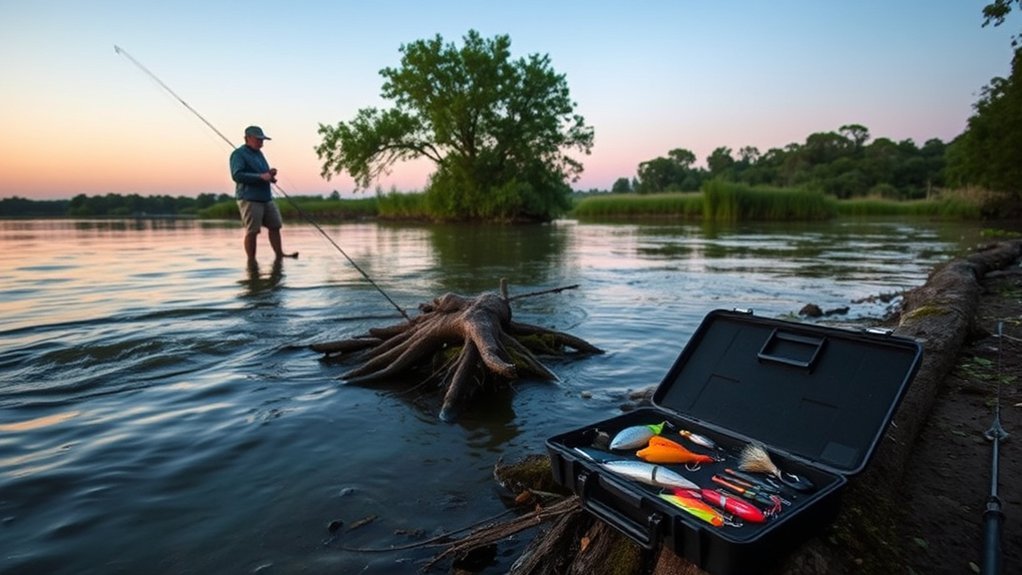
Finding the best locations for catfish fishing can greatly enhance your chances of landing a big catch. Catfish live in many types of water, including farm ponds, creeks, rivers, reservoirs, backwaters, and large lake systems. Instead of casting randomly, look for spots where food, cover, depth, and current come together.
In Texas, hotspots like Lake Texoma, Lake Lewisville, and the Sabine River are known for strong Blue Catfish opportunities. Louisiana also offers prime fishing spots along the Mississippi River and Toledo Bend, home to populations of both Blue and Channel Catfish. Still, you do not need a famous destination to catch catfish. Many local ponds, neighborhood lakes, and slow-moving rivers hold channel catfish that are perfect for beginners.
When targeting catfish, focus on deeper waters of lakes and main river sections, as Blue Catfish often use those areas. Flatheads, on the other hand, may move into shallower waters near structures during the night. Look for areas with natural cover, such as log piles, rock formations, brush, bridge pilings, and river bends, which attract catfish seeking shelter and food.
Shoreline Spots to Try First
- Creek mouths: These areas bring food, cooler water, and scent into the main lake or river.
- Riprap banks: Rocks hold baitfish, crawfish, and insects that catfish may feed on.
- Outside river bends: Current often cuts deeper holes where catfish can rest and feed.
- Docks and piers: Shade, cover, and food scraps may attract smaller fish and catfish.
- Dam tailwaters: Moving water can concentrate baitfish, but safety and access rules matter.
- Fallen trees: Wood cover gives flatheads and channel catfish a place to hide.
Boat, Kayak, and Canoe Locations
If you fish from a boat, kayak, or canoe, you can reach deeper holes, channel edges, and cover that shore anglers cannot always reach. Move quietly, anchor safely, and cast baits along the edge of structure instead of directly into the thickest branches. This gives catfish a chance to find your bait while reducing snags.
Kayaks and canoes work well in calm backwaters, small rivers, and sheltered lake coves. However, catfish can pull hard, so keep your gear organized and avoid anchoring in fast current unless you have the right equipment and experience. Wear a life jacket, keep a light visible in low-light conditions, and avoid crowded boat lanes after dark.
Tips for a Successful Catfish Fishing Experience
A successful catfish fishing experience hinges on a few key strategies that can greatly boost your chances of landing a trophy catch. First, choose the right bait. Small live sunfish can work well for Flatheads where legal, while stink bait, worms, liver, shrimp, and dip bait often attract Channel Cats. Fresh cut bait is a strong choice when you want larger blue catfish.
Next, fish during the summer months, early morning, late evening, or at night when catfish may move shallower to feed. Catfish can bite during the day, especially in deeper water, muddy water, or current, but low-light periods often give beginners more action from the bank.
Make certain your tackle box includes a sturdy rod and reel with a line strength of 20- to 30-pound monofilament or a comparable braided line, especially when fishing near cover. Use the right size of hook based on your bait and target fish. A hook that is too small may not hold a large bait well, while a hook that is too large can reduce bites from smaller channel catfish.
Focus on structures like fallen trees and deep holes, as these spots offer catfish places to hide and ambush food. Pay attention to water depth, current direction, and scent movement. Cast upstream or upwind when possible, so the scent from your bait travels toward fish instead of away from them.
How to Detect a Catfish Bite
Catfish bites can feel different depending on species, bait, and rig. Sometimes you’ll see a slow rod-tip bend as a fish moves away with the bait. Other times, the rod may bounce, tap, or load heavily. With circle hooks, avoid a hard hookset. Instead, let the fish pull steady pressure into the rod, then start reeling while keeping the rod loaded.
If you use J-hooks or traditional bait hooks, you may need a firmer hookset after the fish has the bait. Do not swing too early if the bite feels like small taps. Give the fish a moment to take the bait, especially when using large cut bait or live bait.
Landing and Handling Catfish Safely
Catfish are tough fish, but you still need to handle them carefully. Smaller catfish have sharp pectoral and dorsal spines that can puncture your hand if you grab them carelessly. Larger catfish can twist hard, so use a landing net, fish grippers, or both when needed.
To release a catfish, keep it close to the water, remove the hook with pliers, and avoid holding it by the gills. If the fish seems tired, hold it upright in the water and let water pass over its gills until it swims away under its own power. If you plan to keep fish, place them on ice quickly and follow all size and bag limits.
Note: Night fishing can be productive, but it adds risks. Bring a headlamp, backup light, phone, insect protection, and a clear plan for walking safely near water.
Common Beginner Mistakes to Avoid
Beginners often struggle because they make catfishing more complicated than it needs to be. One common mistake is using tackle that is too light. Even if most fish in your area are small, catfish often live around rough cover where weak line can break quickly.
Another mistake is using old bait with little scent. Catfish may eat strong-smelling food, but that does not mean rotten bait always works better. Fresh cut bait, lively bait, and properly stored prepared bait usually perform more consistently than bait left in the sun too long.
Many new anglers also cast once and wait in the same spot for hours, even when nothing happens. Give a spot enough time for scent to spread, but be willing to move if you get no taps, no bait loss, and no signs of feeding fish. Changing depth, cover, or bait can turn a slow trip around.
- Using hooks that do not match the bait: Match hook size to bait size, not just fish size.
- Ignoring current: Current moves scent, so position your bait where fish can find it.
- Leaving slack everywhere: Too much slack makes bites harder to detect.
- Setting circle hooks too hard: Steady pressure usually works better than a sharp jerk.
- Skipping regulations: Rules can change by waterway, season, species, and bait type.
Related Guides
Frequently Asked Questions
What time of day is best for catfish fishing?
The best times for catfish fishing are often early morning, late evening, and night. During these low-light periods, catfish may move into shallower water to feed. You can still catch them during the day, especially near deep holes, current seams, shaded cover, and muddy water.
How do weather conditions affect catfish behavior?
Weather conditions can affect catfish behavior by changing water temperature, oxygen levels, current, and feeding activity. Overcast skies, rising water, and light rain can improve the bite in some waters. Sudden cold fronts or major pressure changes may slow feeding, so adjust your bait, depth, and location.
Can I catch catfish from a kayak or canoe?
Yes, you can catch catfish from a kayak or canoe. Move quietly, cast near structures or deep holes, and keep your deck clear so the line does not tangle. Wear a life jacket, use lights after dark, and avoid anchoring in strong current unless you have the right safety setup.
What are common mistakes beginners make in catfish fishing?
Common beginner mistakes include using weak tackle, choosing the wrong bait, fishing away from structure, ignoring current, setting circle hooks too hard, and staying too long in an unproductive spot. Start simple, check your rig often, and change bait or location when the fish are not responding.
How do I safely handle and release catfish?
To safely handle and release catfish, control the fish firmly behind the head or use fish grippers, avoid the sharp pectoral and dorsal spines, and remove the hook with pliers. Keep the fish close to the water, support larger fish properly, and let it regain strength before release.
What is the easiest catfish species for beginners to catch?
Channel catfish are often the easiest catfish species for beginners because they live in many ponds, lakes, rivers, and reservoirs. They also respond to simple baits such as worms, stink bait, chicken liver, shrimp, and small pieces of cut bait.
Do I need special gear to start catfish fishing?
You do not need expensive specialty gear to start. A medium-heavy rod, reliable reel, strong line, circle hooks, sinkers, swivels, bait, pliers, and a landing net are enough for many beginner trips. Upgrade later if you begin targeting larger blue or flathead catfish.
Conclusion
Now that you’re armed with the basics of catfish fishing, you’re ready to cast your line into adventure. Picture yourself on the water, feeling the tug of a catfish as it battles for freedom. That thrill is just a fishing trip away. Keep your gear simple but strong, choose your bait wisely, and focus on locations where food, cover, depth, and current come together.
Most of all, be patient. Catfishing rewards anglers who observe the water, adjust their setup, and learn from each outing. Respect local regulations, handle fish safely, and keep notes on what works in your area. With practice, you’ll turn quiet evenings, muddy banks, and deep river bends into memories that last a lifetime. Happy fishing!