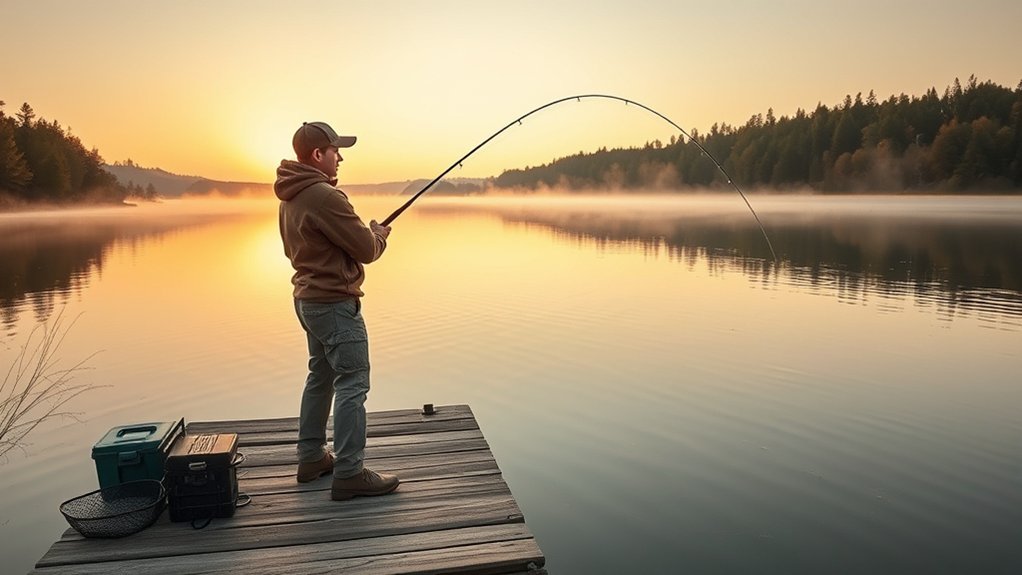
Lake fishing gives you a simple way to enjoy the outdoors while learning real angling skills. You can catch Bass, Trout, Walleye, Panfish, Catfish, Pike, and other freshwater species, but your success depends on where you fish, when you go, and how well you match your gear and technique to the lake. Use this guide to understand the basics, prepare safely, and build confidence before your next fishing trip.
Quick Answer
Lake fishing works best when you choose the right target species, fish during active feeding windows, cast near cover or depth changes, and use simple gear like a medium spinning rod, 8–10 lb line, hooks, floats, sinkers, bait, and lures. Always check local regulations, carry safety gear, and adjust your approach by season.
Key Takeaways
- Start with beginner-friendly lake species like Bluegill, Crappie, Largemouth Bass, and stocked Trout.
- Fish early morning, late evening, cloudy periods, and seasonal transition times for better action.
- Cast near weeds, docks, rocks, drop-offs, fallen trees, and other cover where fish feed or hide.
- Use simple bait rigs for still-fishing, and try spoons, spinners, crankbaits, or topwater lures when fish are active.
- Check your fishing license, size limits, bag limits, weather, and safety gear before every trip.
At a Glance
| Best For | Beginners, families, casual anglers, and anyone learning freshwater fishing basics |
| Difficulty | Easy to moderate, depending on target species and conditions |
| Basic Gear | Spinning rod and reel, fishing line, hooks, floats, sinkers, bait, lures, pliers, tackle box, and landing net |
| Best Times | Early morning, late evening, overcast days, and seasonal feeding periods |
| Safety Must-Haves | Life jacket, first aid kit, sun protection, drinking water, weather plan, and communication device |
What Fish Species Can You Catch in a Lake?
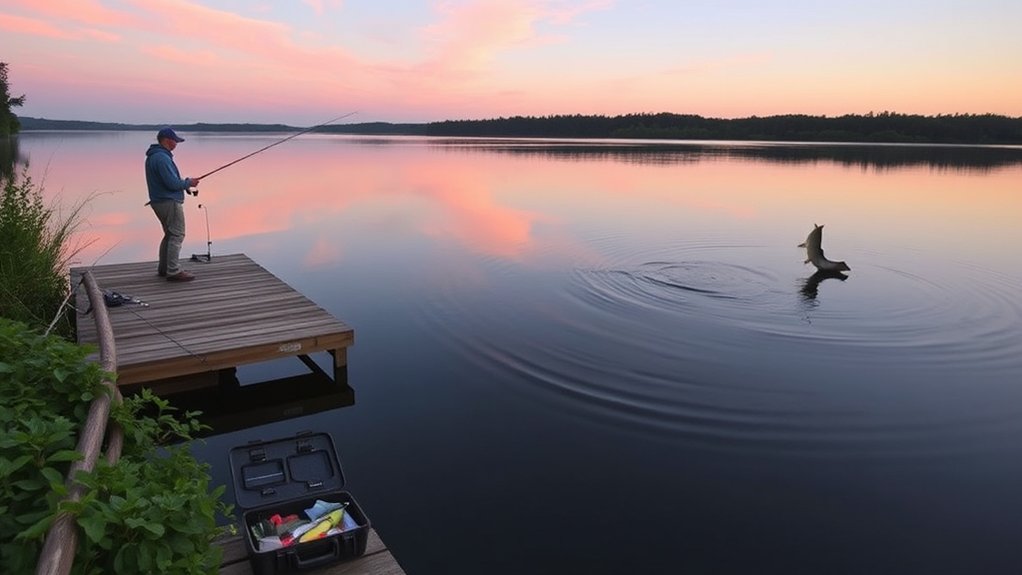
When you cast your line into a lake, you enter a diverse freshwater habitat. The species you can catch depend on the lake’s region, water temperature, depth, oxygen levels, stocking program, and local food chain.
Many lakes hold Largemouth Bass and Smallmouth Bass, which are popular because they strike many lures and often live near shorelines, docks, weed beds, rocks, and submerged wood. If you’re just starting out, Bass and Panfish are often easier targets than deep-water species.
Trout enthusiasts may target Rainbow, Brook, Brown, Cutthroat, or Lake Trout, depending on the lake. Cold, clear lakes usually support Trout better than warm, shallow lakes. Lake Trout often stay deeper than other Trout, especially during warm weather.
Start with species that match your skill level. Bluegill, Crappie, stocked Trout, and Bass give beginners more action while they learn casting, hooksets, and fish handling.
Some lakes also hold Salmon, including landlocked or stocked populations. Sockeye, Coho, and Chinook may appear in certain lake systems, but they are not present in every freshwater lake. Always check your local fish and wildlife agency’s species list before planning a trip around Salmon.
For deeper or low-light fishing, Walleye become active around dawn, dusk, night, and cloudy conditions. They often relate to points, drop-offs, gravel, weed edges, and current areas where baitfish gather.
You may also encounter Catfish, Bluegill, Northern Pike, Perch, Muskie, White Bass, and Crappie. Each species adds a different challenge. Catfish often respond to scent bait, Bluegill bite small hooks and worms, Pike attack flashy lures, and Crappie gather around brush, docks, and suspended cover.
How to Read a Lake Before You Fish
Reading the water helps you choose better casting spots before you waste time. Instead of casting randomly, look for places where fish can feed, hide, or move between shallow and deep water.
- Weed edges: Bass, Pike, Bluegill, and Perch often patrol the edges of aquatic vegetation.
- Docks and shade: Shade gives fish cover, especially during bright sun.
- Points: Underwater points guide fish between shallow flats and deeper water.
- Drop-offs: Depth changes attract Walleye, Trout, Bass, and baitfish.
- Rocks and riprap: Hard cover holds crayfish, insects, and baitfish.
- Fallen trees and brush: Wood provides ambush cover for Bass, Crappie, and Panfish.
- Windblown banks: Wind can push plankton and baitfish toward shore, bringing predators with them.
If you can see baitfish flickering, insects hatching, birds diving, or fish breaking the surface, start there. Visible activity often tells you more than a map.
Pro Tip: Make your first casts parallel to the shoreline before casting straight out. Many fish cruise close to the bank, and a quiet side cast can reach them without spooking them.
Fishing Techniques: From a Boat, On Foot, and More
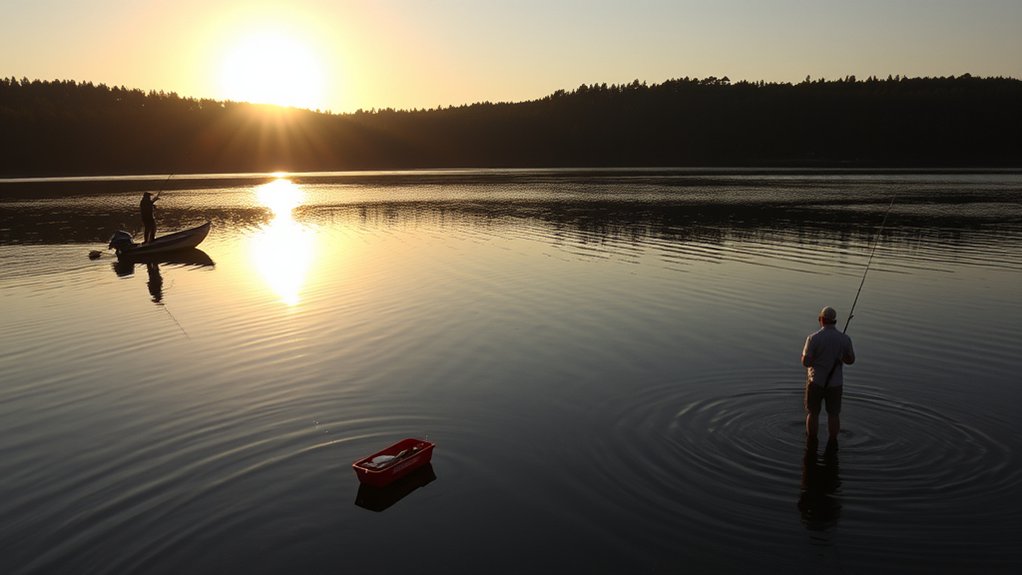
When you head out to fish, the method you choose can make all the difference. Boat fishing, shoreline fishing, wading, kayak fishing, dock fishing, and ice fishing each offer different advantages.
Choose your approach based on the lake’s access points, your comfort level, the weather, and the species you want to catch. Beginners often do best by starting from shore, docks, piers, or easy-access bank areas before moving to boats or ice setups.
Boat Fishing Advantages
Fishing from a boat gives you mobility. You can reach deeper water, offshore humps, weed lines, points, and areas that shoreline anglers cannot cast to easily.
You may also cover more water with trolling, which means pulling bait or lures behind the boat at a controlled speed. Trolling can help you target larger fish such as Trout, Salmon, Walleye, and Pike when they are spread out.
Boat fishing also helps you adjust quickly. If fish stop biting in one area, you can move to another depth, structure, or shoreline. Guided boat trips can also simplify gear choices and teach you local patterns faster.
Warning: Wear a properly fitted life jacket whenever you fish from a boat, kayak, canoe, or float tube. Weather can change quickly on open water, and cold water or strong wind can make small mistakes dangerous.
Shoreline Techniques Explained
Shoreline fishing opens up a world of possibilities without the cost or planning of a boat. It’s perfect for beginners because you only need basic gear and access to a public bank, dock, fishing pier, dam area, or park shoreline.
When fishing on foot, cast near structures like rocks, fallen trees, vegetation, docks, culverts, and shaded banks. These spots provide food and cover for fish.
Use waders only where it is legal and safe. They can help you reach shallow flats where Catfish, Bass, Bluegill, and Crappie gather, especially during spring and early summer. Avoid soft mud, deep drop-offs, strong current, and slippery rocks.
For still-fishing, suspend bait at different depths with a float. This works well for Trout, Bluegill, Crappie, and other fish feeding mid-water. For bottom feeders like Catfish, try a sinker rig with bait resting near the bottom.
Early mornings and late evenings are often your best bets along shore because fish may move shallow to feed when light levels drop.
Dock and Pier Fishing
Docks and fishing piers are great places to learn because they give you stable footing and easy access to deeper water. Fish often use dock posts, shadows, and nearby vegetation as cover.
Drop a small bait rig straight down beside pilings for Bluegill, Perch, and Crappie. Cast a soft plastic, spinner, or small crankbait along the edge of the dock for Bass. If the water is clear, stand back from the edge so you do not spook fish holding in the shade.
Always give other anglers space. Avoid casting across someone else’s line, and keep hooks, bait, and tackle boxes out of walkways.
Kayak and Canoe Fishing Basics
Kayaks and canoes let you reach quiet coves, weed beds, and shallow areas that larger boats may not access. They also help you fish slowly and quietly.
Keep your setup simple. Bring one or two rods, a small tackle box, pliers, a net, drinking water, and a dry bag for your phone. Use rod holders only when they do not interfere with paddling or balance.
Check wind before launching. A light breeze can become tiring in a kayak, especially if it pushes you away from your launch point. Stay close to shore until you understand how your craft handles.
Ice Fishing Basics
As seasons change and lakes freeze over, a new adventure awaits anglers who want to try ice fishing. This static technique offers unique challenges and rewards, but it requires careful safety planning.
- Ice augers help you drill holes through safe ice.
- Tip-ups allow hands-free fishing while you monitor flags.
- Insulated shelters help protect you from wind and cold.
- Sonar or fish finders can help you locate fish under the ice.
- Warm layers, ice cleats, and safety picks improve comfort and safety.
You may find Walleye, Northern Pike, Perch, Trout, and Panfish in winter. Many fish feed during low-light periods, so dawn and dusk can still matter on frozen lakes.
For family-friendly fun, consider renting equipment and shelters from local outfitters. This helps you learn the basics before buying dedicated ice gear.
Warning: Never assume ice is safe because other people are standing on it. Ice strength changes by location, thickness, temperature, current, snow cover, and pressure cracks. Check local guidance before walking onto frozen water.
Essential Gear for Lake Fishing
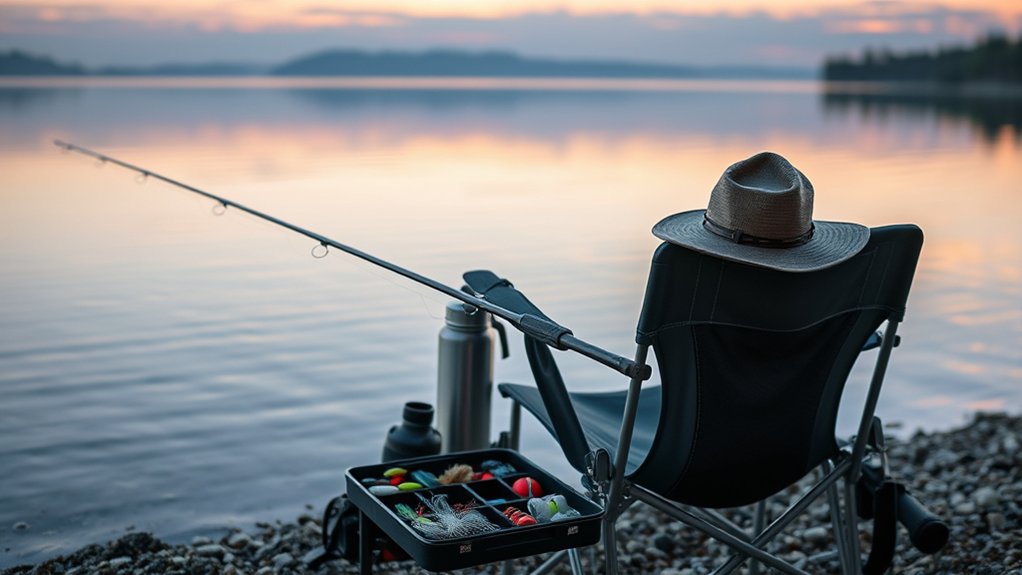
When you’re gearing up for a day on the lake, the right equipment can make your trip easier and safer. You do not need expensive gear to start, but you do need a balanced setup.
Start with a fishing rod and reel combo. A medium or medium-light spinning combo around 6 to 7 feet works well for many freshwater situations. A 6’6” rod offers a good mix of casting distance, control, and sensitivity.
Pair it with 8–10 lb monofilament or nylon fishing line for general freshwater use. Lighter line helps with Panfish and Trout, while heavier line may suit Bass, Catfish, Pike, thick weeds, or rocky cover.
For bait, worms and minnows work well across many lake species where live bait is legal. Lures like spinners, spoons, topwater plugs, soft plastics, jigs, and crankbaits can boost your chances when fish are chasing baitfish.
Don’t forget a well-stocked tackle box with hooks, bobbers, split shot weights, swivels, sinkers, needle-nose pliers, line clippers, extra line, and a small measuring tool.
To keep everything organized, consider an Urban Angler Backpack or any comfortable fishing backpack with compartments for tackle trays, baits, tools, snacks, and water. Organization helps you spend more time fishing and less time digging through gear.
Basic Lake Fishing Setup for Beginners
A simple beginner setup can catch many lake fish. Use a spinning reel, 8–10 lb monofilament line, a small hook, a split shot, and a float. Add a worm, cricket, small minnow, or approved bait. Cast near cover, let the bait settle, and watch the float for movement.
If the float twitches, dips, slides sideways, or disappears, reel in slack and lift the rod smoothly. Do not jerk too hard with small hooks or soft-mouthed fish.
Bait vs. Lures: Which Should You Use?
Natural bait works well when fish are cautious, inactive, or feeding slowly. Worms, minnows, leeches, insects, dough bait, and cut bait can attract fish through scent, movement, and taste.
Lures help you cover water faster. They work well when fish are active or when you need to find where they are holding. Spinners, spoons, crankbaits, soft plastics, jigs, and topwater lures each create a different look and action.
- Use bait when teaching kids, targeting Panfish, or fishing from one spot.
- Use lures when searching for Bass, Pike, Trout, Walleye, or active fish.
- Switch often if fish follow but do not bite.
Popular Fishing Lakes in the US
When you think about fishing in the U.S., several standout lakes come to mind. Each one offers different species, scenery, seasons, and access styles.
From the vast Great Lakes, where anglers target Salmon, Trout, Walleye, Bass, and Perch, to Florida’s Lake Okeechobee, known for Largemouth Bass, the variety is impressive.
Exploring popular fishing destinations can bring great catches, but local conditions matter. Before traveling, check current regulations, access rules, boat ramp status, invasive species rules, and seasonal closures.
Top Fishing Destinations
Across the United States, countless anglers seek out the thrill of fishing in some of the most iconic lakes known for productive waters and memorable scenery.
- The Great Lakes: Huge freshwater systems with Salmon, Trout, Walleye, Perch, Bass, and more.
- Lake Champlain: Known for Bass, Pike, Panfish, and seasonal Salmon and Trout opportunities.
- Lake Okeechobee: Florida’s largest lake and a major Largemouth Bass destination.
- Lake of the Woods: Celebrated for Walleye, Northern Pike, Perch, and winter fishing.
- Clear Lake: A well-known California lake with Bass, Catfish, Crappie, Bluegill, and family-friendly access.
These destinations can be exciting, but you do not need a famous lake to catch fish. Small local lakes, ponds, reservoirs, and state park waters often offer easier access and less pressure.
Species Diversity Overview
Exploring popular fishing lakes in the U.S. reveals an impressive variety of fish species, making each trip a unique adventure.
The Great Lakes include many habitats, from shallow bays to deep offshore water. Anglers may target Salmon, Trout, Walleye, Yellow Perch, Smallmouth Bass, and other species depending on location and season.
In Lake Champlain, you’ll find excellent Bass fishing, including Largemouth and Smallmouth Bass, along with opportunities for Trout, Salmon, Pike, Perch, and Panfish.
Florida’s Lake Okeechobee offers abundant Largemouth Bass and Panfish like Crappie and Bluegill. Its shallow vegetation makes it different from deep, clear northern lakes.
For anglers seeking ice fishing, Lake of the Woods is celebrated for Walleye and Northern Pike. Winter fishing can be productive, but safety and local guidance matter every day.
Finally, Clear Lake offers a family-friendly atmosphere with diverse species, giving beginners and experienced anglers many ways to fish.
Understanding Fish Behavior in Different Seasons
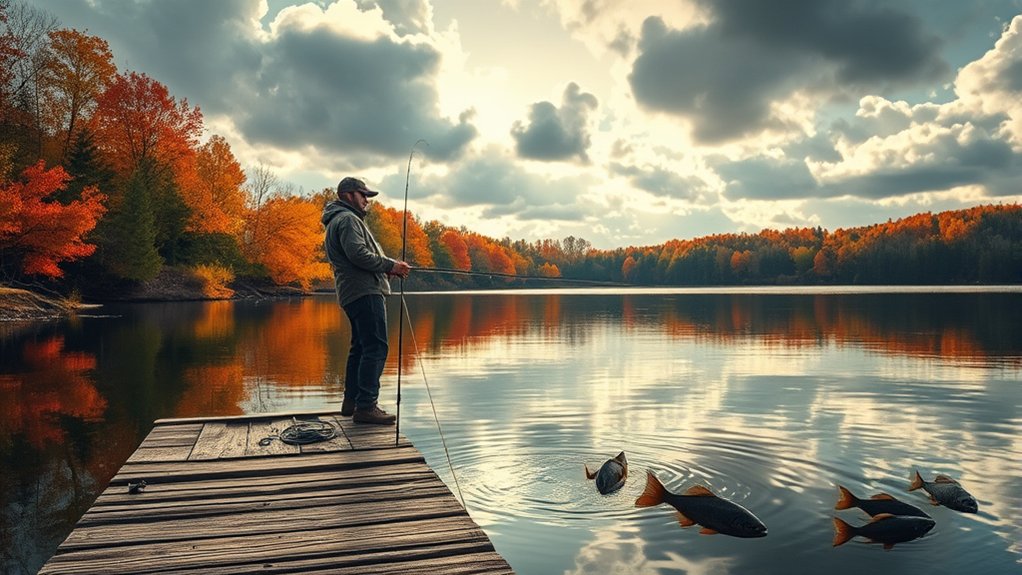
As water temperatures shift with the seasons, fish behavior changes. Understanding these patterns can help you choose better locations, depths, and baits.
- Spring: Many fish become more active as water warms. Bass, Crappie, Bluegill, and Catfish may move shallow for feeding or spawning.
- Summer: Heat can push fish deeper during midday. Early mornings, evenings, shade lines, weed edges, and deeper cover often produce better action.
- Fall: Fish may feed aggressively as they prepare for winter. Walleye, Bass, Pike, and Trout may follow baitfish toward shallower areas.
- Winter: Fish metabolism slows, but ice fishing and open-water winter fishing can still work. Focus on stable weather, deeper basins, and low-light windows.
- Rainy or overcast days: Lower light can increase fish movement. Trout, Bass, and Walleye may feed more freely when bright sunlight fades.
Seasonal behavior varies by region. A southern lake may stay warm while a northern lake freezes. Use local reports and recent weather to refine your plan.
Best Time of Day for Lake Fishing
Early morning and late evening are often the best times for lake fishing because lower light makes many fish more comfortable feeding near shore or near the surface.
Midday can still work, especially in spring, fall, winter, cloudy weather, or deeper water. During hot summer days, fish may hold under docks, in weeds, near springs, along drop-offs, or in deeper shaded areas.
Night fishing can be productive for Walleye, Catfish, Bass, and some Trout waters, but it requires extra safety planning. Bring a headlamp, backup light, warm layers, and a clear route back to your vehicle or launch.
Tips for Successful Still-Fishing
Successful still-fishing depends on your ability to adapt to the water’s conditions and the fish’s behavior.
When fishing mid-water, use a float to suspend your bait at the right depth. Adjust the distance from the float to target different feeding levels. Incorporate split-shot weights so your bait sinks below the float and looks natural.
Watch the float closely. A bite may look like a quick dip, a slow pull, a sideways slide, or a light twitch. Reel in slack before setting the hook so you connect with the fish instead of pulling loose line.
For bottom still-fishing, use a weight that rests on the bottom with bait nearby. This works well for Catfish, Carp, some Trout setups, and other bottom-oriented fish. Keep a slight bend in the rod tip so you can see or feel movement.
Don’t hesitate to experiment with different depths and bait types. Fish may feed near the bottom, mid-water, or just below the surface depending on season, sunlight, wind, water clarity, and food activity. Adaptability is key to your success.
Mastering Spoon and Spinner Fishing Techniques
When you want to catch fish effectively, mastering spoon and spinner fishing techniques can make a real difference. These lures flash, wobble, vibrate, and imitate injured baitfish, attracting species like Bass, Trout, Pike, and Walleye.
- Cast your spoon and let it sink to the right depth before retrieving at a steady pace.
- Vary your retrieve speed until you find what triggers bites.
- Use spinners to create vibration and flash in stained water, current, or low light.
- Adjust lure weight based on wind, depth, and casting distance.
- If fish follow but do not bite, pause your retrieve to imitate injured prey.
- Change lure size or color if fish keep swiping short or ignoring your lure.
Spoons often work well in deeper water or when fish chase baitfish. Spinners shine in streams, shorelines, weed edges, and clear casting lanes. Both can catch fish from shore or boat.
Simple Lake Fishing Rigs That Work
You do not need complicated rigs to catch lake fish. A few proven setups can handle most beginner situations.
Float Rig
A float rig uses a bobber or float to suspend bait above the bottom. It works well for Bluegill, Crappie, Trout, Perch, and Bass. Set the bait depth based on where fish are feeding.
Bottom Rig
A bottom rig uses a sinker to keep bait near the lake floor. It works well for Catfish, Carp, some Trout, and fish feeding near bottom structure. Keep the line fairly tight so you can detect bites.
Jig Rig
A jig pairs a weighted hook with soft plastic, hair, feathers, or live bait. You can hop it, swim it, drag it, or vertical jig from a boat or dock. Jigs catch Bass, Walleye, Crappie, Trout, and Panfish.
Drop Shot Rig
A drop shot keeps the bait above the weight, which helps when fish suspend just off the bottom. It is useful for clear water, pressured Bass, Perch, and Panfish.
Safety and Preparation for Lake Fishing Trips
Before you set off on your lake fishing adventure, make sure you have the right safety gear and a solid trip preparation checklist.
Pack essentials like life jackets, a first aid kit, sun protection, drinking water, snacks, and weather-appropriate clothing. Checking the forecast and local regulations helps you avoid unsafe conditions and surprise fines.
Essential Safety Gear
Safety gear is essential for a successful lake fishing trip. It protects your comfort, health, and ability to respond if something goes wrong.
- A properly fitted life jacket if you fish from a boat, kayak, canoe, dock, or steep bank
- A first aid kit with bandages, antiseptic wipes, tweezers, and personal medications
- Sunscreen, sunglasses, and a wide-brimmed hat for sun protection
- Bug spray, especially near weeds, marshes, and evening fishing spots
- A whistle, small flashlight, or signal mirror for emergencies
- A fully charged cell phone or marine radio in a waterproof case
- Drinking water and snacks to prevent dehydration and fatigue
- Pliers or hook removers for safer fish handling
With this gear, you’re not just fishing. You’re fishing smart.
Trip Preparation Checklist
Planning your lake fishing trip requires careful thought and preparation to keep the day smooth and enjoyable.
Start by checking the local weather forecast. Avoid lightning, strong wind, extreme heat, and sudden cold fronts when possible. If you fish from a boat or kayak, wind speed matters as much as rain.
Secure your fishing license ahead of time. You can often purchase one online, at a local tackle shop, or through your state fish and wildlife agency.
Review size limits, bag limits, bait rules, seasonal closures, boat rules, and invasive species cleaning requirements. Regulations can change by state, lake, species, and season.
Finally, create a checklist of your fishing gear. Include rods, reels, bait, tackle, pliers, net, license, water, snacks, sun protection, first aid supplies, and weather layers.
How to Handle and Release Fish Properly
Good fish handling protects both you and the fish. It also helps keep lakes healthy for future anglers.
- Wet your hands before touching fish to reduce damage to their slime coat.
- Use pliers or a hook remover when hooks are hard to reach.
- Keep fish in the water as much as possible if you plan to release them.
- Support larger fish horizontally instead of hanging them by the jaw.
- Cut the line if a fish is deeply hooked and cannot be released safely.
- Follow local harvest rules if you plan to keep fish for food.
If you take photos, prepare the camera first. Lift the fish briefly, take the photo quickly, and return it to the water.
Common Lake Fishing Mistakes to Avoid
Many beginners struggle because they make the same simple mistakes. Fixing these habits can improve your catch rate quickly.
- Fishing one spot too long: Move if you see no bites, baitfish, cover, or signs of activity.
- Using hooks that are too large: Small hooks often catch more Panfish, Trout, and cautious fish.
- Ignoring depth: Fish may feed shallow at sunrise and deeper during bright midday sun.
- Making too much noise: Stomping on docks or dropping gear can spook nearby fish.
- Skipping regulations: License, harvest, bait, and size rules vary by location.
- Using old line: Weak or curled line can break, twist, or reduce casting distance.
- Setting the hook too hard: A smooth lift works better for many small hooks and soft-mouthed fish.
Note: If you are not catching fish, change one thing at a time. Try a new depth, bait, lure speed, casting angle, or location so you can learn what made the difference.
Engaging With the Fishing Community
Engaging with the fishing community can open up a world of knowledge and camaraderie that enhances your fishing experience.
By connecting with fellow anglers, you’ll gain local insights that can transform your time on the water. Here are some ways to get involved:
- Join local fishing clubs: Learn from experienced anglers and discover productive fishing spots.
- Participate in community events: Enjoy friendly competition while building connections with other fishing enthusiasts.
- Use online forums and local reports: Share experiences, compare seasonal patterns, and learn what is working nearby.
- Volunteer for conservation efforts: Help protect fish habitats, clean shorelines, and support sustainable fishing.
- Share your stories: Inspire newcomers and build a stronger sense of belonging in the fishing world.
Local anglers can often teach you details that broad guides cannot, such as which shorelines are safe, which ramps get crowded, and which baits match the current hatch or forage.
Resources for Further Learning and Improvement
As you build connections within the fishing community, you’ll find numerous resources that can improve your skills and knowledge.
Online freshwater fishing blogs, state fish and wildlife pages, lake maps, fishing forums, and local reports can help you learn current techniques, seasonal patterns, and access rules.
Joining local fishing clubs can be especially valuable. You’ll gain shared experience, discover new fishing spots, and receive hands-on advice from seasoned anglers.
Instructional videos can help visual learners understand casting, knots, bait rigs, lure retrieves, and fish handling. Local fishing workshops or seminars can deepen your understanding of regulations, conservation, and species-specific tactics.
Books and beginner guides are still useful, especially when they focus on freshwater fishing, fish behavior, knots, tackle basics, and local species. With the right resources, you’ll build a solid foundation and become a more confident angler.
Frequently Asked Questions
What time of day is best for lake fishing?
Early morning and late evening are often best because fish are more active in lower light. Cloudy days, light rain, windy banks, and seasonal feeding periods can also produce strong action during the day.
Do I need a fishing license for lake fishing?
In most places, yes. You usually need a valid fishing license before fishing public lakes. Requirements vary by state, age, residency, species, and water body, so check your local fish and wildlife agency before you cast.
How do weather conditions affect lake fishing?
Weather affects light, water temperature, oxygen, baitfish movement, and fish comfort. Sunny days may push fish deeper or into shade, while overcast weather can bring them shallower. Wind can also push food toward one bank and increase feeding activity.
What should I wear for a comfortable fishing trip?
Wear lightweight, moisture-wicking clothing, a wide-brimmed hat, sunglasses, and sturdy shoes with good grip. Bring layers if temperatures may drop, and pack rain gear if storms or showers are possible.
Can I fish in lakes year-round?
You can fish many lakes year-round, but seasons, access, ice conditions, species behavior, and regulations vary. In warm months, focus on active feeding windows. In winter, check ice safety and local rules before fishing.
What is the easiest fish to catch in a lake?
Bluegill, Sunfish, stocked Trout, Crappie, and small Bass are often good beginner targets. They commonly live near shore, bite simple bait, and help new anglers practice casting, hooksets, and fish handling.
What bait works best for lake fishing?
Worms are one of the most reliable beginner baits for lake fishing. Minnows, leeches, crickets, dough bait, and cut bait can also work, depending on the species and local bait rules.
Conclusion
Lake fishing becomes easier when you understand the basics: target the right species, read the water, fish during active feeding windows, and keep your gear simple. Every cast teaches you something about depth, weather, structure, bait, and fish behavior.
Before you go, check your license, review local regulations, pack safety gear, and choose a technique that matches your access point. Whether you fish from shore, dock, boat, kayak, or ice, the goal is the same: stay safe, enjoy the water, and build your skills one trip at a time.
Sources
- Take Me Fishing — beginner fishing education, licenses, gear basics, and family fishing guidance
- U.S. Fish & Wildlife Service — conservation, fish habitat, and responsible angling resources
- National Weather Service Lightning Safety — weather and lightning safety for outdoor recreation
- U.S. Coast Guard Boating Safety Division — life jacket safety for boaters and paddlers
- Minnesota Department of Natural Resources Ice Safety — practical ice safety guidance for frozen lakes