Did you know that fishing seasons can vary by location, species, water temperature, and local rules? Each season brings different feeding patterns, holding areas, and safety concerns, so your spring bass plan may not work during a hot summer afternoon or a slow winter bite. Understanding these seasonal patterns helps you choose better times, lures, depths, and locations while staying within the rules for the water you plan to fish.
Quick Answer
Fishing seasons change with water temperature, spawning cycles, food supply, and local regulations. Spring and fall often bring strong shallow-water action, summer pushes many fish deeper during hot daylight hours, and winter rewards slow, careful presentations. Always check your state’s current rules before fishing.
Key Takeaways
- Spring usually brings rising fish activity as shallow water warms and many species prepare to spawn.
- Summer fishing works best early, late, or deeper because heat and bright light can push fish away from shallow cover.
- Fall is a prime feeding season because many fish chase baitfish and build energy before winter.
- Winter fishing often requires slower retrieves, smaller baits, deeper targets, and extra safety planning.
- Season dates, size limits, bag limits, and license rules can change, so check your state agency before every trip.
At a Glance
| Best Overall Seasons | Spring and fall often provide the most consistent action because fish feed actively in comfortable water temperatures. |
| Best Daily Timing | Fish early and late in summer, midday in cold weather, and adjust based on cloud cover, wind, and water clarity. |
| Main Tools Needed | A valid license, current regulations, water-temperature awareness, seasonal lure choices, polarized glasses, and safe weather planning. |
| Difficulty | Beginner-friendly, but success improves when you match your depth, retrieve speed, and bait size to the season. |
Understanding U.S. Fishing Seasons

When you look at U.S. fishing seasons, you’ll notice that they vary considerably based on region, species, water conditions, and local regulations. A lake in Minnesota, a trout stream in Colorado, and a saltwater bay in Florida can all follow different seasonal patterns.
Spring generally marks the opening of many fishing opportunities, with prime months often running from March through June in many areas. This period sees increasing fish activity as temperatures rise, insects hatch, baitfish move shallow, and many freshwater species prepare to spawn.
From June to August, summer is peak fishing season across many areas because warmer weather and longer daylight make it easier for anglers to spend time on the water. Still, hot water can push fish deeper during midday, especially in clear lakes and pressured ponds.
In the fall, from September to November, fish often feed aggressively to prepare for winter. This creates excellent conditions for anglers as baitfish school up, predators chase food, and cooling water brings fish back into reachable depths.
Winter fishing, spanning December to February, introduces unique challenges, particularly in northern states where ice fishing becomes popular. Southern states, however, often allow more year-round fishing because milder climates keep water open and fish active for longer periods.
Understanding these seasonal dynamics is essential for optimizing your fishing strategy and complying with local regulations. Instead of using the same lure, depth, and retrieve all year, adjust your approach to the season, water temperature, and species you want to catch.
Note: “Fishing season” can mean two things: the natural period when fish are most active and the legal season set by state or federal regulations. Always check both before planning a trip.
Spring Fishing Strategies
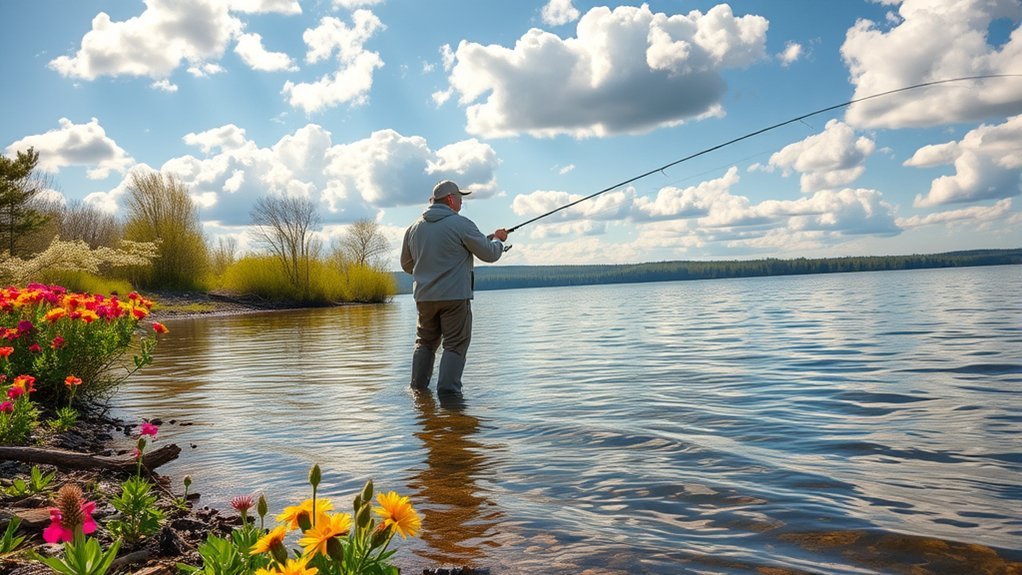
As temperatures rise in spring, fish become increasingly active, creating prime fishing opportunities for anglers. Fishing often improves after the thaw, but the best bite depends on your region, target species, water clarity, and recent weather.
Focus on shallow waters with vegetation, wood, rock, or dark bottom areas during late morning to early afternoon. These spots warm faster than deeper water, and fish often move into them to feed or prepare for spawning.
Utilize slow, subtle lures like soft plastics, jigs, suspending jerkbaits, small swimbaits, and live bait where legal. These presentations can mimic early-season forage such as minnows, crawfish, insect nymphs, and other emerging food sources.
The best fishing times often shift toward the afternoon and early evening in early spring because sunshine can warm shallow water during the day. As spring progresses and water temperatures rise, morning and evening bites can become more consistent again.
Slow, subtle lures like soft plastics and jigs are key for targeting active fish in warmer spring shallows.
Additionally, targeting downwind shorelines can enhance your catch. Wind pushes warmer surface water, plankton, and baitfish toward those banks, making them productive feeding areas for bass, panfish, walleye, trout, and other species.
Spring also calls for extra awareness around spawning fish. Some waters protect spawning areas with closed seasons, slot limits, or special harvest rules. Even where fishing is legal, handle fish gently, keep them in the water when possible, and release unwanted fish quickly.
Spring Gear and Lure Tips
- Use lighter line in clear water: Fish may be cautious after cold weather, so a lighter presentation can help.
- Start slow: Cold water slows fish metabolism, so pause jerkbaits and crawl jigs before speeding up.
- Watch for warming trends: Two or three mild days can move fish shallow fast.
- Look for life: Birds, baitfish, insects, and surface activity often point to feeding zones.
Summer Fishing Techniques

While summer brings warmer temperatures that can challenge your fishing success, understanding fish behavior during this season can lead to productive outings. Fish still feed, but they often avoid harsh light, low oxygen, and overheated shallow water.
During late morning to early afternoon, fish often retreat to cooler, deeper waters, shaded banks, current seams, submerged vegetation, docks, bridge pilings, and other protective cover. That makes early morning and late evening the prime times for fishing in many summer conditions.
To effectively target these fish, consider using deep-diving crankbaits, Carolina rigs, drop shots, jigging spoons, swimbaits, or live bait rigs that reach the depths where fish seek refuge from heat. In rivers and streams, moving water can remain productive because current carries oxygen and food.
Topwater lures shine during dawn and dusk when fish are more likely to rise in search of food. Poppers, walking baits, frogs, buzzbaits, and wake baits can all work when baitfish, insects, or frogs are active near the surface.
On overcast days, you’ll often find increased fishing success because reduced light levels encourage fish to roam and feed. Cloud cover can extend the shallow bite, especially around grass lines, points, riprap, docks, and windblown banks.
Keep an eye on water temperatures, as fish often hold near comfortable zones with enough oxygen and food. In many lakes, that may mean fishing near the thermocline, deeper weed edges, springs, current, or shaded structure.
Warning: Summer heat can create dangerous conditions for both anglers and fish. Bring water, use sun protection, watch for storms, and avoid keeping fish out of the water longer than necessary.
Summer Patterns to Watch
- Low-light feeding: Dawn, dusk, and night fishing can beat bright midday conditions.
- Shade lines: Docks, trees, bridges, and grass mats create cooler ambush spots.
- Deep structure: Points, ledges, humps, channels, and rock piles often hold fish in warm weather.
- Oxygen changes: Heavy algae, stagnant coves, or extreme heat can make some areas less productive.
Fall Fishing Opportunities
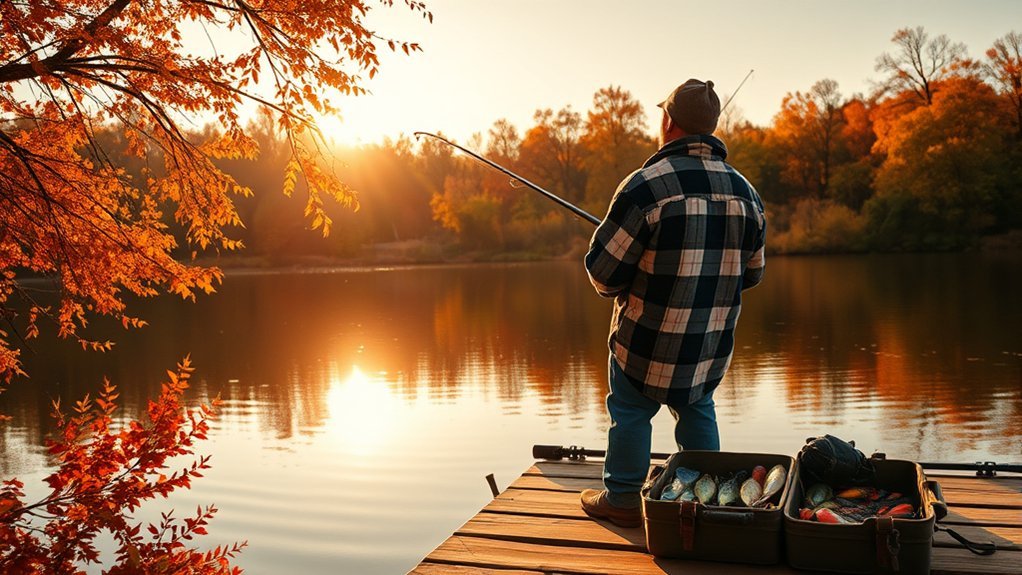
As the fall season approaches, you’ll find that fish are actively feeding to prepare for the winter months, making it an ideal time to target them. Cooling water often brings baitfish shallow, which can pull predators closer to banks, flats, points, and creek mouths.
Timing your fishing trips for the late morning and afternoon can greatly enhance your chances of success, especially on overcast days. During early fall, mornings and evenings can still be strong, while later fall may reward slower starts after the sun warms the water.
Utilizing effective baits like lipless crankbaits, spinnerbaits, jerkbaits, swimbaits, spoons, and streamers will help you mimic the abundant baitfish, increasing your likelihood of landing a catch.
Best Baits for Fall
When fall arrives, fish become increasingly aggressive in their quest to fatten up for winter, making it a prime time for anglers to capitalize on this feeding frenzy.
To maximize your success, consider using baits that mimic the natural prey fish are targeting during this season. Match the size of your lure to local baitfish when possible, and adjust color based on water clarity.
- Lipless crankbaits: Effective for imitating shad and other baitfish during aggressive feeding times.
- Jerkbaits: Ideal for late-afternoon fishing as fish become more active in cooler temperatures.
- Streamers and terrestrial insects: Essential as insect hatches decline, helping you match the hatch.
- Spinnerbaits: Useful around windblown banks, stained water, and shallow cover.
- Swimbaits: Strong choices when fish are chasing schools of bait in open water.
Timing for Successful Catches
Understanding the timing of your fishing trips can greatly enhance your success during the fall season. Cooler temperatures trigger increased fish activity, particularly in early mornings and late afternoons. As fish prepare for winter, they’re more aggressive and likely to strike at lures resembling baitfish and terrestrial insects. Overcast days are ideal, as fish venture into shallower waters.
| Time of Day | Conditions for Success |
|---|---|
| Early Morning | Cooler temps, high activity, and schooling baitfish near the surface |
| Late Afternoon | Aggressive feeding patterns as light fades and water stabilizes |
| Overcast Days | Shallow water feeding, longer reaction-bait windows, and roaming fish |
| Stabilized Temps | Increased activity levels after sharp fronts settle |
Pro Tip: In fall, search for bait before you search for game fish. Birds, surface flickers, jumping bait, and windblown pockets can reveal where predators are feeding.
Winter Fishing Insights

While winter fishing may seem challenging due to colder temperatures and reduced fish activity, it presents unique opportunities for dedicated anglers. During this season, fish often congregate in deeper waters, resulting in less competition for you. However, their activity levels drop, demanding more strategic approaches.
- Use slow, deliberate retrieves with smaller lures to entice bites.
- Target midday, when water temperatures peak, to increase your chances of success.
- Employ techniques like strike indicators and weighted flies to effectively reach less active fish.
- Look for deep holes, channel edges, warm-water discharges where legal, and areas with stable winter habitat.
Midge patterns can be particularly effective on clear, sunny afternoons, as fish are more likely to rise to the surface for these small insects. For bass, walleye, crappie, trout, and panfish, small jigs, blade baits, live bait, and slow presentations can also produce.
Ice fishing adds another layer of planning. You need proper clothing, safety picks, flotation support, a spud bar or auger, and local ice reports. Ice thickness can vary across the same lake, especially near current, springs, bridges, pressure cracks, and dark or honeycombed ice.
Warning: Never assume ice is safe because other anglers are on it. Check local guidance, test as you go, avoid moving water, and fish with a partner when possible.
Regional Variations in Fishing Seasons
Fishing seasons vary considerably across the U.S., influenced by regional climate and water conditions. In southern states, you often enjoy year-round fishing opportunities, while northern regions may enforce distinct seasonal openings and closures due to ice and temperature fluctuations.
These variations directly impact fish spawning and feeding behaviors, leading to different peak seasons. For instance, spring fishing for bass starts earlier in the south, while northern anglers must wait for ice melt to access waterways.
Regional variations in climate affect fish spawning and feeding, resulting in distinct peak seasons for anglers across the U.S.
Moreover, local regulations, including specific catch limits and seasonal restrictions, can vary widely. It’s essential to check state-specific guidelines before heading out.
In addition, certain migratory species may have federally regulated seasons that apply across multiple states, adding another layer of complexity. Saltwater species, anadromous fish, and protected species may fall under different state, interstate, or federal management rules depending on where you fish.
Understanding these regional variations is vital for maximizing your fishing success and ensuring compliance with regulations. A successful seasonal plan should include your region, target species, water type, and current rulebook before you choose gear or bait.
Northern States
In northern states, ice-out timing often controls spring access. Fish may stay sluggish until shallow bays warm, then move quickly into pre-spawn and spawning areas. Summer can bring strong deep-water or weedline patterns, while fall usually offers excellent feeding before winter.
Southern States
In southern states, mild winters can keep many species active all year. Spring may arrive early, summer heat can make night or deep-water fishing more productive, and fall often gives anglers a second shallow-water push as temperatures drop.
Coastal and Saltwater Areas
Coastal fishing seasons often follow tides, migrations, bait movement, water temperature, and federal or state harvest rules. Redfish, striped bass, flounder, tuna, snapper, grouper, and many other species may have specific size limits, bag limits, closures, or reporting rules.
Fishing Regulations You Should Know
Before casting your line, it’s vital to familiarize yourself with the fishing regulations that govern your area. Regulations can differ greatly from state to state, impacting your fishing experience.
Here are some key points to take into account:
- Fishing License: Most states require you to obtain a fishing license, with prices varying based on residency, age, and fishing type.
- Local Rules: Specific bodies of water may have local regulations, so make sure you check for any unique rules before fishing there.
- Federal Regulations: Certain migratory fish species fall under federal regulations, which may impose size and bag limits, as well as specific fishing seasons.
- Size and Bag Limits: Many waters limit how many fish you can keep and how large or small they must be.
- Closed Seasons: Some waters close during spawning periods or conservation windows.
- Gear Restrictions: Some areas limit hooks, bait types, nets, snagging, barbs, or the number of rods you can use.
Staying informed about current regulations is vital, as they can change annually or seasonally. Do not rely only on old blog posts, printed guides from past years, or advice from another angler at the ramp.
Understanding these rules promotes sustainable fishing practices and helps protect fish populations, guaranteeing future generations can enjoy this recreational activity.
Note: If you fish near a state border, in tidal water, or for migratory species, check both local and broader management rules before keeping fish.
Tips for Successful Seasonal Fishing
Understanding the seasonal behavior of fish can markedly enhance your fishing success. To enhance your efforts, consider adapting your tackle, monitoring water temperatures, and using appropriate lures. Here’s a quick reference table to guide you:
| Season | Tips |
|---|---|
| Spring | Use lighter gear; target warming shallow water; employ jerkbaits, jigs, and soft plastics. Ideal times: late morning to early afternoon in early spring. |
| Summer | Switch to heavier gear for deeper fishing; utilize deep-diving crankbaits, Carolina rigs, and shaded cover. Best fishing times: early morning and late evening. |
| Fall | Adjust tackle as temperatures drop; focus on afternoon to early evening fishing. Lures should mimic baitfish prevalent in the area. |
| Winter | Slow down your retrieve, downsize baits, target deeper stable water, and plan around midday warmth when conditions allow. |
| Year-Round | Stay updated with local fishing reports, weather conditions, water levels, and current regulations to refine strategies. |
Match Your Approach to Water Temperature
Water temperature often matters more than the calendar date. A cold spring can delay shallow activity, while a warm winter can keep fish feeding longer than expected. Carry a simple thermometer or use electronics to track surface temperatures during each trip.
When water is cold, slow down and use smaller offerings. When water warms into a comfortable range for your target species, speed up and cover more water. When water gets too hot, look for depth, shade, current, springs, or low-light feeding windows.
Watch Weather Fronts and Barometric Changes
Weather changes can affect fishing in every season. Stable weather often creates more predictable patterns, while sudden cold fronts can slow shallow bites. Wind can help by pushing bait into shorelines, but strong storms, lightning, and unsafe waves should always end a trip early.
Choose the Right Depth
Fish move vertically throughout the year. In spring and fall, shallow flats, points, and banks can shine. In summer and winter, deeper structure often holds more stable conditions. Use depth changes, contour lines, grass edges, and current breaks to narrow your search.
Keep a Seasonal Fishing Log
A simple fishing log can help you spot patterns faster. Record the date, weather, water temperature, water clarity, moon phase if useful, lure, depth, location type, and what you caught. Over time, your own records become more valuable than generic seasonal advice.
Common Seasonal Fishing Mistakes
Even experienced anglers can struggle when they fish the same way all year. Avoiding a few common mistakes can help you catch more fish and waste less time on unproductive water.
- Fishing too fast in cold water: Winter and early spring fish often need slower retrieves and longer pauses.
- Ignoring oxygen in summer: Hot, stagnant water can look good but hold fewer active fish.
- Staying shallow all day: Shallow bites can fade fast when light, heat, or pressure rises.
- Using only one lure: Seasonal changes often require different sizes, colors, depths, and actions.
- Skipping regulation checks: A legal fish in one lake may be protected in another.
Related Guides
Frequently Asked Questions
What is the 80/20 rule in fishing?
The 80/20 rule in fishing means that most of your success often comes from a small share of your decisions, spots, or techniques. Focus on the best seasonal locations, feeding windows, structure, and presentations instead of randomly covering water.
What determines fishing season?
Fishing season is determined by a mix of regional climate, water temperature, fish reproductive cycles, migration patterns, food availability, and legal regulations. These factors help managers protect fish populations and help anglers identify better times to target active species.
What is the 90/10 rule in fishing?
The 90/10 rule in fishing suggests that a large share of fish may hold in a small share of the water. Productive zones often include structure, vegetation, current seams, depth changes, baitfish schools, shade, or temperature breaks.
How does season work in fish?
Seasonal changes in water temperature, daylight, food supply, and spawning cycles affect fish behavior. In spring, many fish become active in shallows; summer may drive them deeper; fall triggers aggressive feeding; and winter slows them down, requiring careful presentations.
What is the best season to go fishing?
Spring and fall are often the best seasons for many freshwater anglers because fish feed actively and move into reachable areas. Summer and winter can also be excellent when you adjust your timing, depth, and lure speed to match conditions.
Do fishing seasons change every year?
Natural fishing patterns shift each year because weather, rainfall, ice-out dates, drought, water levels, and bait movement change. Legal seasons can also change, so check current state or federal rules before fishing.
Sources
- U.S. Fish & Wildlife Service: Fishing — supports general fishing access, conservation, and responsible angling context.
- NOAA Fisheries: Recreational Fishing — supports saltwater and federally managed recreational fishing context.
- National Park Service: Fishing — supports the need to check local rules and protected-area fishing regulations.
- Take Me Fishing: When to Fish — supports seasonal timing, weather, and fishing-condition planning.
Conclusion
In the grand tapestry of fishing seasons, each thread weaves its own story, guiding your angling journey. Spring’s awakening, summer’s peak, fall’s bounty, and winter’s patience symbolize the rhythm of nature.
By understanding these patterns and employing the right techniques, you can navigate the waters with confidence. Spring rewards careful shallow-water searching, summer rewards smart timing and depth control, fall rewards baitfish-focused tactics, and winter rewards patience.
Just as the seasons change, so should your strategies. Stay informed about regional variations and regulations, and you’ll transform each outing into a more productive adventure, casting your line with purpose, safety, and precision.