When it comes to lake trout fishing, understanding their cold-water habits is the key to catching more fish. Lake trout spend much of the year in cold, deep, well-oxygenated water, then shift locations as water temperature, baitfish movement, spawning season, and weather change. You’ll catch more fish when you match your gear, depth, lure choice, and presentation to those seasonal patterns.
Quick Answer
The best way to catch lake trout is to fish cold, oxygen-rich water with spoons, jigs, jerkbaits, or live bait near drop-offs, humps, shoals, and baitfish schools. In spring and fall, target shallower water. In summer, fish deeper, often below 30 feet, and adjust your depth with a fish finder.
Key Takeaways
- Lake trout prefer cold water, so depth matters more as surface temperatures rise.
- Spoons, tube jigs, swimbaits, bright jerkbaits, and live minnows all work when matched to the season.
- Use electronics to find baitfish, rocky structure, humps, ledges, and suspended trout.
- Check local license rules, size limits, bag limits, and seasonal closures before every trip.
- Handle trophy lake trout carefully, especially if you plan to release them.
At a Glance
| Best Seasons | Spring and fall are usually easiest; summer can be excellent when you fish deeper water. |
| Difficulty | Moderate. You need to manage depth, speed, structure, and lure choice. |
| Tools Needed | Medium to medium-heavy rod, 15- to 30-pound line, fluorocarbon leader, spoons, jigs, jerkbaits, net, pliers, and a depth finder if available. |
| Best Water | Cold, clear, deep, oxygen-rich lakes with baitfish, rocky points, shoals, ledges, and steep drop-offs. |
Understanding Lake Trout and Their Habitats
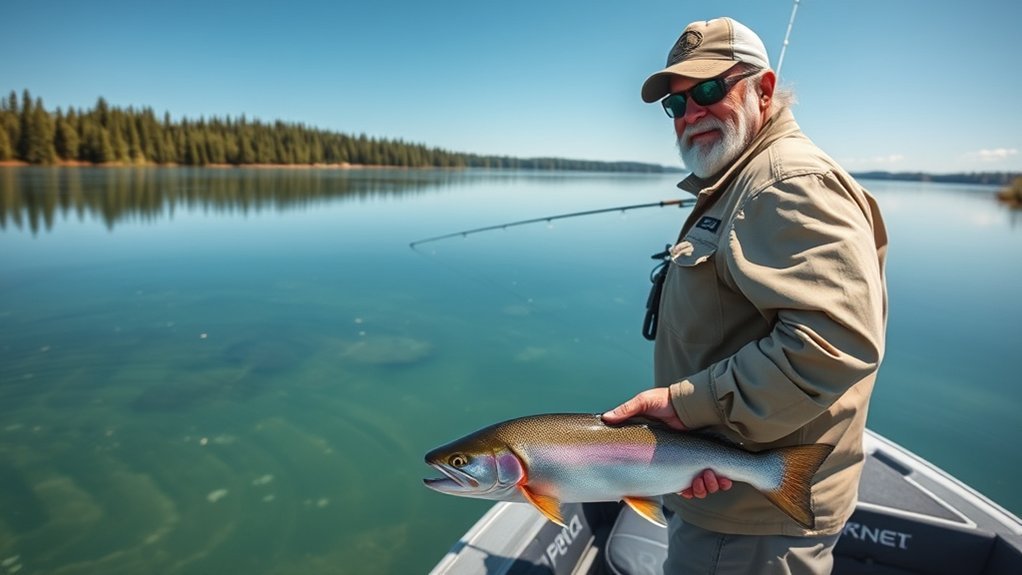
Understanding lake trout and their habitats is vital for any angler who wants to improve fishing success. These fish thrive in cold, deep, well-oxygenated waters, and they are common across Canada, Alaska, the northern United States, and the Great Lakes region.
Lake trout often prefer water near 50°F to 60°F when they can find enough oxygen and food. In spring and fall, they may move shallower. During summer, they often slide into deeper water as the surface warms.
Understanding lake trout habitat is one of the fastest ways to stop guessing and start fishing the right depth, structure, and season.
As apex predators, lake trout feed on smaller fish, ciscoes, smelt, suckers, sculpins, insects, and other aquatic life. In the right lake, they can grow to trophy size. Some lake trout exceed 50 pounds, and the long-standing all-tackle world record is commonly reported as 72 pounds from Great Bear Lake.
During the fall, many lake trout spawn over clean, rocky shoals, reefs, or rubble areas. Spawning depth varies by lake, but many anglers look for rocky structure from shallow water down to 100 feet or more.
Be mindful of their migratory patterns, too. As surface temperatures rise in warmer months, lake trout often move deeper or suspend near baitfish over open water.
Finally, protecting their habitats is essential. Lake trout grow slowly in many waters, and some populations face pressure from overharvest, invasive species, habitat changes, and hybridization with closely related non-native trout in certain regions. Understanding these elements can greatly improve your fishing experience while helping protect the fishery.
Note: Lake trout behavior changes from lake to lake. Water clarity, forage species, lake depth, fishing pressure, and local regulations can all affect where you should fish.
Essential Gear for Lake Trout Fishing
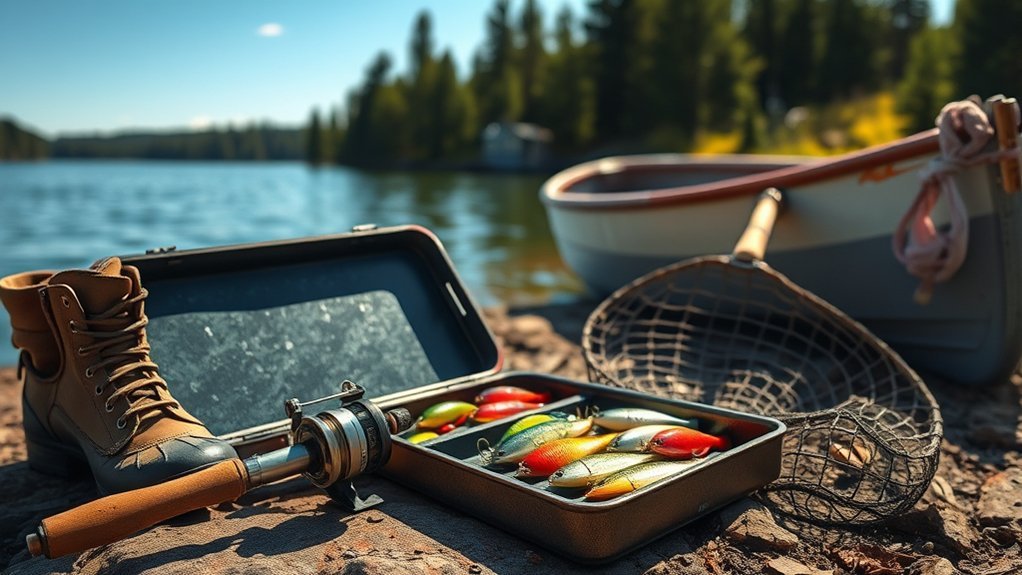
To successfully catch lake trout, you need gear that combines strength, sensitivity, and depth control.
A medium-heavy 7-foot rod paired with a robust 20-pound test line and a strong fluorocarbon leader is a practical setup for battling large fish. You can size down for smaller lakes or lighter jigging, but trophy fishing calls for stronger tackle.
Don’t forget effective lures like brightly colored jerkbaits, heavy spoons, tube jigs, swimbaits, and jigging spoons. These can make all the difference when you need to reach lake trout in deeper water or trigger fish that follow without striking.
[Amazon Products Picked for You]

BERKLEY POWERBAIT GLITTER TROUT BAIT DOUGH] BAIT: Featuring Berkley's irresistible PowerBait flavor, Berkley PowerBait Glitter Trout Bait is a great tool for anglers who want to catch more fish.

Versatile Kit for Every Water Condition: This 10-piece fishing spoons features 5 vibrant colors in two strategic weights (5g and 7g), providing the perfect solution for shifting weather and water depths. Use the 5g fishing lures for technical finesse in shallow creeks, or swap to the 7g metal spoon s for bombing long casts into deep reservoirs. It’s the ultimate variety pack that ensures you're never under-equipped at the lake.

Recommended Rod Specifications
When targeting trophy lake trout, selecting the right rod specifications can make all the difference in your fishing success. A medium-heavy 7-foot rod is ideal for many trolling, casting, and jigging situations because it gives you strength for larger fish while still letting you detect subtle bites.
Pair this with a 20-pound test line for durability, and consider using a strong 30+ pound fluorocarbon leader when fishing around rocks, deep structure, or large fish.
If you prefer faster-paced fishing, lighter options can be effective, especially in shallow waters during spring and fall. A medium-power spinning rod can work well for smaller spoons, jigs, and swimbaits.
Don’t hesitate to visit your local fishing store for guidance. Staff who fish your area can help you choose the right rod power, line strength, lure weight, and terminal tackle for your lake.
Essential Tackle and Lures
Whether you’re a seasoned angler or new to lake trout fishing, having the right tackle and lures can greatly impact your success on the water. For trophy hunting, use a medium-heavy 7-foot rod paired with at least 20-pound test line, and opt for 30+ pound fluorocarbon leaders when fishing deep water or rocky structure.
Effective lures include spoons, jigging spoons, tube jigs, paddletail swimbaits, blade baits, and bright jerkbaits in vibrant colors like blue, silver, orange, pink, white, and chartreuse. On clear, sunny days, natural baitfish colors often work well. In low light or stained water, brighter colors can help fish find your lure.
To boost your efficiency, consider using a depth finder to map underwater structures and locate trout schools. Carrying a variety of lures helps you adapt to changing water conditions and trout behavior.
| Tackle/Lure Type | Recommendation |
|---|---|
| Rod | Medium-Heavy 7-foot rod |
| Line | 20-pound test, 30+ pound fluorocarbon leader for trophy fish |
| Lures | Spoons, jigging spoons, tube jigs, swimbaits, bright jerkbaits |
Line, Leaders, and Terminal Tackle
Your line setup should match the way you fish. Braided line works well for deep jigging because it has little stretch and helps you feel light bites. Fluorocarbon works well as a leader because it resists abrasion and is less visible underwater.
For casting or trolling, many anglers use 12- to 20-pound monofilament, fluorocarbon, or braid with a fluorocarbon leader. For deep jigging or trophy water, step up to heavier line and stronger hooks.
- Main line: 15- to 30-pound braid, mono, or fluorocarbon depending on technique.
- Leader: 12- to 30+ pound fluorocarbon based on water clarity and fish size.
- Hooks: Sharp, strong hooks sized to the lure or bait.
- Swivels: Use quality ball-bearing swivels with spoons to reduce line twist.
- Net: Choose a rubber-coated net to protect fish slime if you release your catch.
Pro Tip: If lake trout follow your lure but refuse to strike, change speed before changing lures. A sudden pause, lift, drop, or faster retrieve often triggers a reaction bite.
Effective Fishing Techniques for Lake Trout

To maximize your success when fishing for lake trout, you need to understand ideal lure selection, water depth, water temperature, structure, and seasonal strategies.
You’ll want to experiment with different lures and adjust your tactics based on the current water temperature, baitfish location, and trout activity level.
Optimal Lure Selection
Selecting the right lure is essential for successfully targeting lake trout, as it can make all the difference between a slow day and a productive one.
Spoons are a top choice due to their flash and wobble, which work well across various depths and conditions. Heavy spoons also sink quickly, making them useful when trout hold deep.
For suspended trout, bright jerkbaits in colors like blue, silver, orange, and chartreuse shine, particularly when fish are feeding 10 feet down or deeper. For bottom-oriented trout, tube jigs, bucktail jigs, blade baits, and jigging spoons can be better choices.
To attract fish from greater distances, try bouncing the bottom with a durable 20- to 30-pound test line. The bottom contact creates puffs, flashes, and vibration that can pull curious lake trout toward your bait.
Remember to cast at least 40 feet from a trout school when fish are shallow or spooky, then let the lure sink to the right depth before starting your retrieve. Using depth finders, you can pinpoint swim patterns, bait clouds, underwater points, humps, and rocky structures where trout gather.
Depth and Water Temperature
Understanding the relationship between depth and water temperature can greatly enhance your lake trout fishing experience.
These fish thrive in cooler waters, often diving deeper as surface temperatures rise. To maximize your success, keep these techniques in mind:
- Fish below 30 feet during warmer months, as lake trout often seek cooler depths.
- Utilize overcast days with light winds; this can encourage trout to swim shallower.
- Use depth finders to pinpoint underwater structures and schools, particularly near shoals, points, humps, and drop-offs.
- Bounce the bottom with a strong line and fluorocarbon leader to create movement that attracts trout from a distance.
Jigging for Lake Trout
Jigging is one of the most effective ways to catch lake trout, especially when fish hold near bottom or suspend under baitfish. Drop a spoon, tube jig, or jigging bait to the depth where you mark fish, then work it with sharp lifts, pauses, and controlled drops.
Many strikes happen as the lure falls, so keep light tension on the line. If a lake trout rises on your fish finder, reel steadily upward instead of stopping. A chasing fish often strikes when the lure appears to flee.
- For bottom fish: Let the jig touch bottom, lift it 1 to 3 feet, then pause.
- For suspended fish: Drop slightly below the mark, then reel or jig up through the fish.
- For inactive fish: Use smaller lifts, longer pauses, and more natural colors.
Trolling for Lake Trout
Trolling lets you cover water and locate active fish. It works especially well on large lakes, reservoirs, and deep basins where trout spread out around baitfish.
Use spoons, plugs, crankbaits, or swimbaits behind downriggers, lead core line, diving planers, or weighted rigs. Keep your lure near the depth where you mark fish or bait. If you do not have electronics, troll along contour lines, points, drop-offs, and the edges of deep flats.
Speed matters. Start slow, then adjust until fish respond. If you get short strikes, try changing lure color, size, speed, or trolling direction.
Shore Fishing for Lake Trout
Shore fishing for lake trout can be productive in spring, fall, and early winter when cold water brings fish close to shore. Look for steep banks, rocky points, river mouths, harbor walls, deep-water access, and windblown shorelines.
Cast spoons, jerkbaits, swimbaits, or bait rigs where deep water sits close to the bank. Long casts help you reach the strike zone. Let your lure sink before retrieving, and vary the depth until you find fish.
Ice Fishing for Lake Trout
Ice fishing can be excellent when lake trout cruise flats, humps, saddles, and edges near deep water. Use a sonar unit if you have one, and drill several holes across different depths so you can move with the fish.
Heavy spoons, tube jigs, airplane jigs, and soft plastics all work through the ice. Start near bottom, then work up the water column if fish chase. Always check ice thickness and local safety guidance before stepping onto frozen water.
Warning: Deep-water lake trout can suffer barotrauma when pulled up quickly from great depths. If you plan to release fish, minimize fight time, handle them gently, and follow local guidance for deep-water release.
Seasonal Fishing Strategies
As water temperatures shift with the seasons, your approach to lake trout fishing should adapt accordingly to maximize your success. In spring and fall, target depths of 30 to 60 feet with vertical jigging using spoons, jigs, or swimbaits. During summer, troll or jig deeper water, focusing on the depth where baitfish and oxygen overlap.
Early mornings and late evenings are prime times because lake trout are often more active in lower light. Utilize depth finders to locate underwater structures and schools of fish for better efficiency.
| Season | Technique |
|---|---|
| Spring | Vertical jigging, casting, or trolling near shorelines, points, and 30-60 foot breaks |
| Summer | Trolling with jerkbaits, spoons, plugs, or downriggers near deeper trout and baitfish |
| Fall | Vertical jigging and casting around rocky shoals, reefs, and 30-60 foot structure where legal |
| All | Early morning and late evening fishing |
| All | Use depth finders for better targeting |
Seasonal Patterns and Best Times to Fish

When planning your lake trout fishing trips, keep in mind that these fish are often easiest to target during the cooler months of spring and fall. Water temperatures near 50°F to 60°F can put trout within reach of anglers who are casting, jigging, or trolling.
Here are some key patterns to consider:
- Summer Depths: In summer, lake trout often dive deeper, commonly below 30 feet, so you’ll need to adjust your tactics accordingly.
- Optimal Weather: Overcast days with light winds can push trout into shallower waters or make them more willing to feed.
- Best Times: Early morning and late evening are prime times for fishing, especially in summer when trout may feed higher in the water column.
- Winter Ice Fishing: Ice fishing can be productive too, particularly around underwater structures during early and late day hours.
Where to Find Lake Trout by Season
| Season | Likely Location | Best Approach |
|---|---|---|
| Early Spring | Cold shorelines, points, river mouths, shallow rocky areas | Cast spoons, jerkbaits, or swimbaits from shore or boat |
| Late Spring | Breaklines, humps, and baitfish edges | Jig or troll near marked fish |
| Summer | Deep basins, suspended baitfish, steep drop-offs | Troll with downriggers or jig deep structure |
| Fall | Rocky shoals, reefs, points, and spawning structure where open to fishing | Cast, jig, or troll slowly around structure |
| Winter | Humps, saddles, flats near deep water | Ice fish with spoons, tube jigs, and electronics |
Top Lake Trout Fishing Destinations
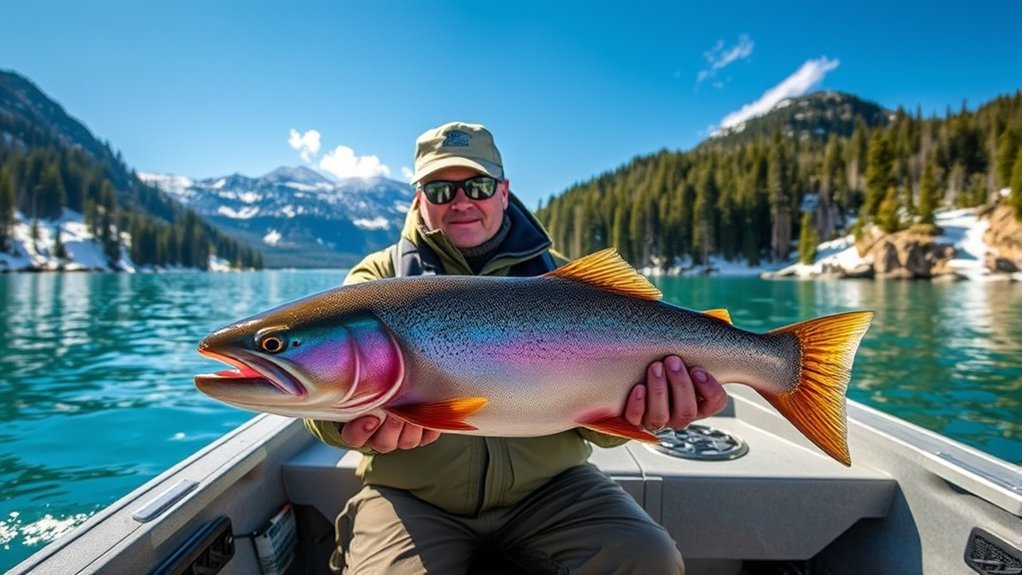
For anglers seeking thrilling lake trout experiences, choosing the right destination can make all the difference.
Consider Great Slave Lake in the Northwest Territories, where anglers pursue large lake trout in wild, remote water using vertical jigging, trolling, and casting methods.
Alternatively, Flaming Gorge straddles Utah and Wyoming, boasting depths over 400 feet and a strong reputation for large lake trout, especially during cooler months and deep-water summer patterns.
Wollaston Lake in Saskatchewan is famous for big northern fish, with many anglers targeting lake trout at depths of 25 to 40 feet during certain seasonal windows using trolling and jigging methods.
Great Bear Lake, the largest lake entirely within Canada, is legendary for lake trout and is tied to the famous 72-pound world-record fish. Its remote setting and low angling pressure make it a bucket-list destination.
Finally, Nueltin Lake in Manitoba and Nunavut Territory is popular for summer fishing, offering consistent lake trout action and the chance at large fish in a remote northern setting.
Each location promises unforgettable fishing adventures, but access, seasons, licensing, guide rules, and local conservation limits vary. Always check current regulations before booking or traveling.
[Amazon Products Picked for You]
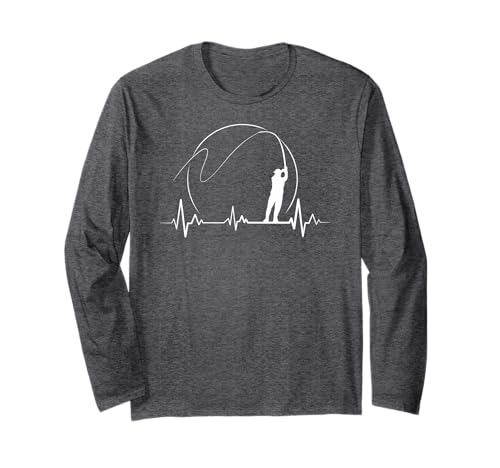
Love lake tuna or trout? Grab your tackle box, your family and get fishing! The only thing that makes fly fishing in your waders better is when you combine it with hiking, kayaking and canoeing!


The flash and action of these lures is truly legendary.
Popular Lake Trout Fishing Charters
When you’re looking for an unforgettable fishing experience, popular lake trout fishing charters offer a range of options tailored to different skill levels.
From guided tours that cater to beginners to seasonal fishing packages that maximize your chances of landing a trophy catch, there is something for many anglers.
Make sure to book in advance, as strong charters can fill quickly during peak seasons. A good guide can also teach you local depth patterns, safe boating practices, release methods, and the most effective presentations for that lake.
[Amazon Products Picked for You]
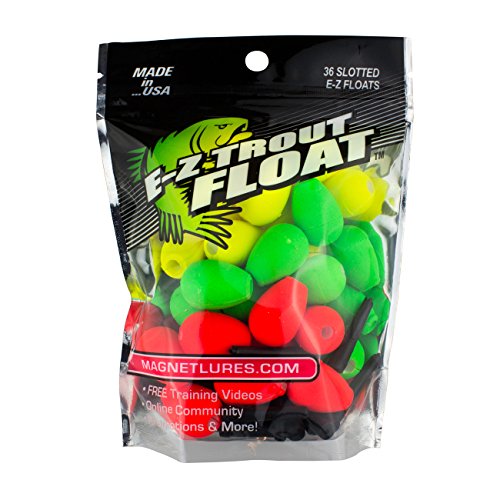
THE BEST QUALITY: The Trout Magnet E-Z Trout Floats are the ORIGINAL slotted float designed for trout and panfish! These are the perfect bobbers for floating small jigs (1/16th oz or less) or live baits . It's the perfect addition to your tackle box!


6-PIECE DEEP SEA PRO KIT — FULL DOWNRIGGER WEIGHT PROGRESSION — Includes 2 pieces of 8 oz, 2 pieces of 10 oz, 1 piece of 12 oz, and 1 piece of 16 oz cannonball downrigger balls — the complete heavy-trolling weight spectrum in one curated pack. Built for charter captains, tournament salmon anglers, and serious offshore trollers running multi-downrigger spreads across varying depths and speeds.
Charter Options Available
Exploring popular lake trout fishing charters can elevate your angling experience, whether you’re a novice or a seasoned pro.
These charters offer a range of options to suit your needs:
- Guided Trips: Many charters provide expert guides who assist with techniques and gear, helping you enjoy a more successful outing.
- Equipment Rentals: You can often rent or use high-quality fishing gear, so you don’t need to invest in specialized equipment right away.
- Seasonal Packages: Take advantage of trips tailored to prime fishing seasons, maximizing your chances of landing a trophy lake trout.
- Specialized Techniques: Some charters focus on unique methods like vertical jigging, trolling, downrigger fishing, or ice fishing.
Choose a charter that fits your style, and enjoy the thrill of the catch.
Guided Tours Offered
Many lake trout fishing charters provide guided tours that enhance your experience in some of the best fishing regions.
With local expertise, these charters can help you navigate the waters and find productive spots for catching lake trout.
Whether you’re a beginner or an experienced angler, guides can tailor fishing techniques and equipment to match your skill level, ensuring a more useful day on the water.
Most charters also include needed fishing and safety gear, making it easier for you to focus on the fun.
Customer reviews often highlight successful trips, showing how guided tours can improve catch rates and create memorable fishing adventures.
Join a charter and elevate your lake trout fishing experience.
Seasonal Fishing Packages
If you’re looking to make the most of your lake trout fishing adventure, seasonal fishing packages offered by popular charters can be an excellent opportunity.
These packages often include:
- Guided Experiences: Perfect for both beginners and seasoned anglers, ensuring you get personalized tips and techniques.
- Scenic Views: Enjoy breathtaking landscapes while fishing in renowned locations like Flaming Gorge.
- All-Inclusive Gear: Most charters provide all necessary fishing and safety gear, so you can focus on fishing.
- Flexible Scheduling: Morning and afternoon trips are typically available, and some charters advertise half-day trips around five hours for two people, with prices that can change by season, location, and operator.
You can reserve these packages by contacting your chosen charter directly, making it simple to plan around the best fishing conditions and your travel schedule.
Conservation Practices for Lake Trout
While fishing for lake trout can be an exhilarating experience, it is crucial to prioritize conservation practices to help keep their populations healthy for future generations. Lake trout often grow slowly, and large adults can be especially valuable to a fishery.
Here are some essential practices to keep in mind:
| Practice | Importance | Tips |
|---|---|---|
| Catch-and-Release | Maintains healthy populations | Use barbless hooks or pinch barbs to reduce injury |
| Size and Bag Limits | Protects juvenile fish and spawning adults | Check local regulations before fishing |
| Habitat Restoration | Improves water quality and spawning areas | Support local initiatives and projects |
| Educating Anglers | Preserves genetics and reduces accidental harm | Learn about hybridization risks and local species rules |
| Support Organizations | Promote sustainable fishing | Join or support groups like Trout Unlimited and local conservation groups |
How to Release Lake Trout Safely
If you plan to release a lake trout, prepare before the fish reaches the boat or shore. Keep pliers, a net, and a camera ready so the fish spends less time out of the water.
- Use the right net: A rubber-coated net helps protect fins, slime, and scales.
- Keep the fish wet: Wet your hands before touching the fish.
- Support the body: Hold large trout horizontally with one hand near the tail and one under the belly.
- Remove hooks quickly: Use pliers, and cut the line if the hook is deeply swallowed.
- Revive carefully: Face the fish into gentle current or move it slowly forward until it kicks away.
Tips for Catching Trophy Lake Trout
Wondering how to land that trophy lake trout? Follow these tips for a more focused fishing adventure.
- Use Vibrant Jerkbaits: Opt for colors like blue, silver, and chartreuse, especially in deeper waters of 10 feet or more. This enhances visibility and attracts lake trout.
- Choose the Right Equipment: A medium-heavy rod paired with a 20-pound test line is essential. This gear can handle the strength and size of trophy lake trout.
- Target Cooler Waters: Focus on well-oxygenated depths below 30 feet, particularly during warmer months. Lake trout thrive in cooler conditions.
- Utilize Depth Finders: These tools help locate schools of lake trout, allowing you to fish strategically around shoals, humps, baitfish, and drop-offs.
Also pay attention to forage. Trophy lake trout often follow large baitfish, so bigger spoons, swimbaits, plugs, and deep presentations can outperform small lures when you are hunting one big bite.
Common Mistakes to Avoid
Lake trout fishing can feel frustrating when you fish the wrong depth or move too quickly from spot to spot. Avoid these common errors:
- Fishing too shallow in summer: Warm surface water often pushes lake trout deeper.
- Ignoring baitfish: Trout often stay close to food, even when structure looks perfect.
- Using dull hooks: Lake trout have firm mouths, so sharp hooks matter.
- Retrieving too evenly: Mix pauses, drops, speed changes, and direction changes.
- Skipping regulations: Limits, seasons, slot sizes, and bait rules can change by waterbody.
Local Regulations and Best Practices
When you’re planning your lake trout fishing trip, understanding local regulations and best practices is key to a successful and responsible outing.
First, make certain you obtain a valid fishing license. For example, anyone aged 12 and older generally needs a Utah fishing license to fish in Utah waters. You can usually purchase licenses online or through approved local vendors.
Different lakes have specific size and bag limits, so always check local guidelines to avoid fines and promote sustainability. Many regions encourage catch-and-release practices to protect native fish populations, especially where hybridization or overharvest is a concern.
Stay informed about seasonal regulations, including closed fishing periods that protect spawning populations.
Using appropriate gear is essential as well. A 20-pound test line and strong fluorocarbon leaders can help you land fish efficiently and release them in better condition when required.
Following these guidelines not only enhances your fishing experience but also contributes to preserving the ecosystem.
Warning: Regulations can change by state, province, lake, season, and even by fish size. Always confirm the current rulebook before you fish.
Personal Experiences and Stories From Anglers
Fishing for lake trout isn’t just about the catch; it’s also about the stories and experiences that come along with it. You’ll find that each angler has a unique tale, often filled with thrilling moments and lessons learned.
Here are some common themes from their experiences:
- Trophy Success: Many share the thrill of landing lake trout over 50 pounds in legendary spots like Great Slave Lake and Flaming Gorge.
- Techniques That Work: Anglers frequently discuss the excitement of using vertical jigging or trolling, often leading to multiple catches in one trip.
- Patience Pays Off: Stories emphasize the need for patience, as early outings may yield little, but persistence is key to mastering the art.
- Scenic Wonders: The breathtaking views from remote fishing locations often enhance their fishing adventures, creating unforgettable memories in nature.
These narratives are what truly enrich the fishing experience. Every trip teaches you something, whether it is a new depth pattern, a better lure color, or the value of slowing down when fish are following but not striking.
Related Guides
Frequently Asked Questions
What months are best for lake trout fishing?
The best months for lake trout fishing are often April to June and September to November, depending on your region. During these cooler periods, trout are usually more active and may hold shallower than they do in midsummer.
What is the best way to fish for trout in a lake?
The best way to fish for trout in a lake is to match your presentation to the species, season, and depth. For lake trout, bright jerkbaits, spoons, tube jigs, and swimbaits work well. Since lake trout can hold deeper than 30 feet, target cooler water and use a fish finder when possible.
What is the best bait for lake trout?
Live minnows can work well for lake trout where legal because they resemble natural prey. Brightly colored jerkbaits, heavy spoons, tube jigs, and swimbaits also attract them, especially in deeper water. Experiment with size, color, and speed until you find what triggers strikes.
What is the best rig for trout fishing in lakes?
A drop shot rig can be effective for some trout because it keeps bait suspended above bottom. For lake trout specifically, jigging spoons, tube jigs, trolling rigs, downriggers, and slip-sinker bait rigs are often better choices when fish hold deep.
How deep should you fish for lake trout?
In spring and fall, lake trout may be shallow enough to catch near shorelines, shoals, and points. In summer, many fish move below 30 feet and may hold much deeper. Use temperature, baitfish marks, and structure to choose the right depth.
Can you catch lake trout from shore?
Yes, you can catch lake trout from shore, especially during cold-water periods in spring, fall, and early winter. Focus on rocky points, steep banks, river mouths, piers, and areas where deep water sits close to shore.
Conclusion
In the world of lake trout fishing, patience really is a virtue. As you gear up and head out, remember that every cast, troll, or jig drop could lead to that elusive trophy fish.
Whether you’re dropping a jig over deep structure, trolling with vibrant lures, casting from shore in spring, or ice fishing over a winter hump, the thrill of the chase is what keeps anglers coming back.
So, cast your line and embrace the adventure. Learn the lake, protect the fishery, follow the rules, and enjoy every moment at the water’s edge. Happy fishing!
Sources
- U.S. Fish & Wildlife Service: Lake Trout — species background and conservation context.
- National Park Service: Lake Trout — lake trout ecology and habitat information.
- Utah Division of Wildlife Resources: Fishing — Utah fishing licenses and regulation guidance.
- In-Fisherman: Lake Trout Fishing — lake trout fishing techniques and seasonal tactics.
- International Game Fish Association World Records Search — record-fish verification resource.