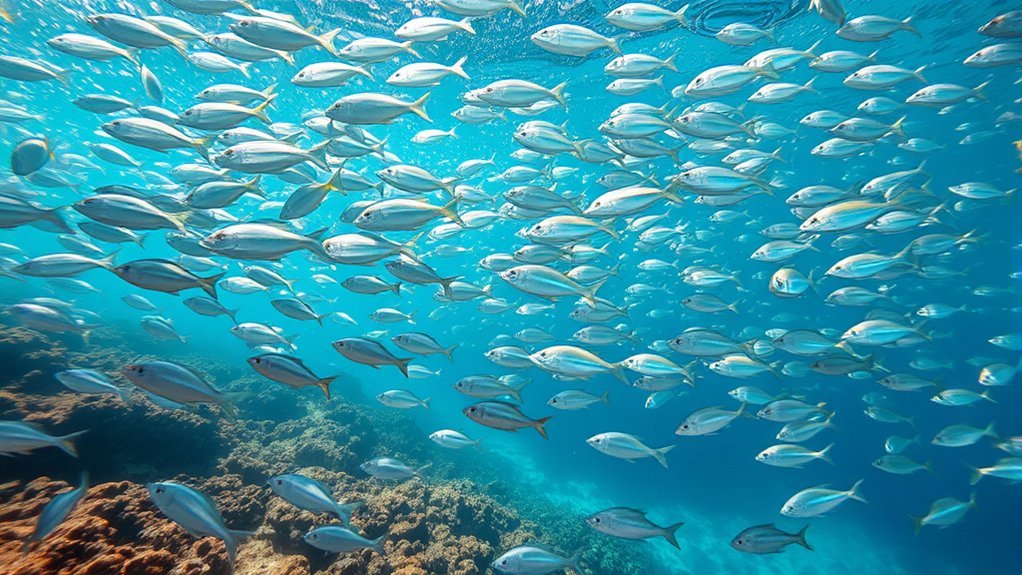
Understanding fish migration patterns helps you see how rivers, estuaries, and oceans connect. Fish move to find food, avoid harsh conditions, and reach the right spawning areas. These journeys respond to temperature, salinity, daylight, stream flow, currents, and habitat quality. When you understand the main migration types, you can better understand fish life cycles, conservation needs, and how climate change affects aquatic ecosystems.
Quick Answer
Fish migration patterns describe how fish move between feeding, nursery, overwintering, and spawning habitats. Oceanodromous fish migrate within saltwater, anadromous fish move from the ocean into freshwater to spawn, and catadromous fish grow in freshwater but return to the ocean to reproduce.
Key Takeaways
- Fish migrate for spawning, feeding, growth, temperature comfort, predator avoidance, and seasonal habitat changes.
- Oceanodromous fish stay in the ocean, while anadromous and catadromous fish move between saltwater and freshwater.
- Temperature, salinity, stream flow, ocean currents, daylight, and chemical cues all help guide migration.
- Dams, culverts, habitat loss, overfishing, pollution, and climate change can block or disrupt migration routes.
- Tracking tools such as tags, genetic sampling, sonar, and environmental DNA help scientists manage migratory fish more effectively.
Types of Migratory Fish
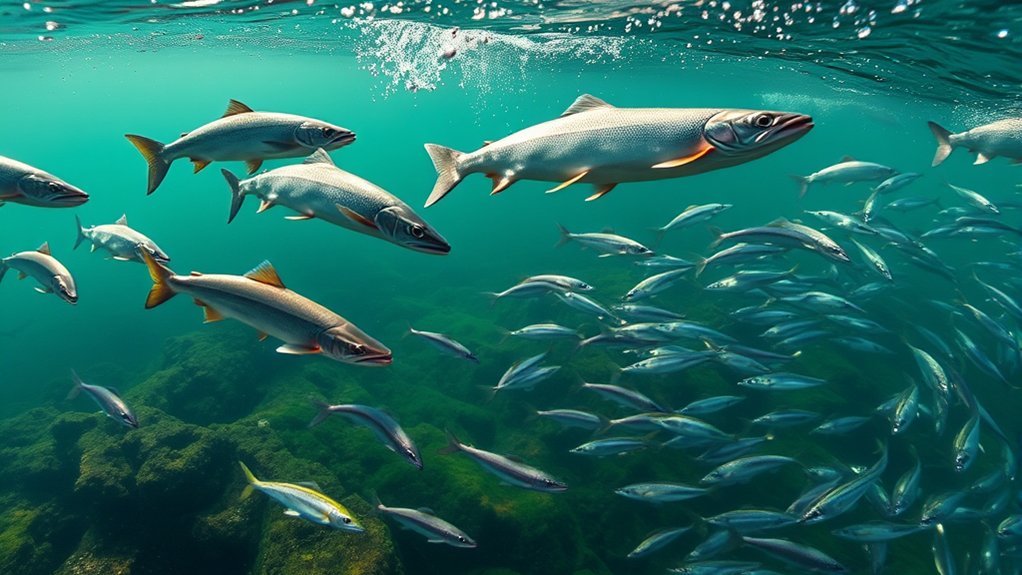
When you explore the diverse world of migratory fish, you’ll find they can be grouped into several migration types. The three most common categories are oceanodromous, anadromous, and catadromous. Each type describes where the fish lives, where it feeds, and where it reproduces.
Oceanodromous fish, such as herring, cod, tuna, and many mackerel species, migrate entirely within the ocean. Their movements often follow spawning seasons, feeding opportunities, water temperature, ocean currents, and prey availability. These fish may travel across large marine regions, but they do not need freshwater to complete their life cycle.
Anadromous fish, such as salmon, river herring, striped bass, American shad, and sturgeon, live much of their adult lives in saltwater but migrate into freshwater environments to spawn. Many use smell, stream chemistry, flow, and other cues to return close to their natal rivers. This behavior helps place eggs and young fish in habitats with suitable oxygen, cover, and food.
Catadromous fish, such as the American eel and European eel, follow the opposite pattern. They grow in freshwater, estuaries, or coastal habitats, then migrate to the ocean to spawn. The American eel, for example, is strongly associated with the Sargasso Sea as a spawning region. These long-distance movements require major physical changes, including shifts in body color, fat storage, and salt-balance control.
Note: Fish migration categories can overlap in real ecosystems. Some species use freshwater, brackish water, estuaries, and offshore habitats at different life stages, so migration is often more complex than one simple label.
Why Fish Migrate
Fish migration is not random. Most fish move because one habitat cannot meet every need throughout the year. A river may offer safer nursery habitat for young fish, while the ocean may provide more food for adults. A shallow bay may warm quickly in spring, while deeper offshore water may offer better temperatures during summer or winter.
The main reasons fish migrate include:
- Spawning: Many species travel to specific areas where eggs and larvae have the best chance of survival.
- Feeding: Fish often follow plankton blooms, baitfish schools, insects, or seasonal prey movements.
- Growth: Juvenile fish may use protected nursery areas before moving into deeper or more open water.
- Temperature control: Fish seek water temperatures that support feeding, digestion, and survival.
- Predator avoidance: Smaller fish may use shallow, vegetated, or turbid habitats to reduce predation risk.
- Oxygen and flow: River flow, dissolved oxygen, and water quality can trigger movement into or away from certain areas.
These movements connect habitats that may look separate on a map. A salmon returning from the ocean carries marine nutrients into a river. A river herring moving through an estuary feeds birds, larger fish, and marine mammals. A tuna chasing bait across open water links prey fields, currents, and commercial fisheries. That is why migration matters to both ecology and fisheries management.
Environmental Cues That Trigger Migration
Fish rely on a mix of environmental cues to decide when and where to move. These cues vary by species, but several patterns appear again and again across freshwater and marine systems.
| Migration Cue | How It Affects Fish Movement |
| Water temperature | Signals seasonal change, affects metabolism, and helps trigger spawning or feeding movements. |
| Day length | Provides a seasonal timing cue that many fish use before spawning migrations. |
| Stream flow | High or rising flows can open access to upstream habitats and help fish move through shallow areas. |
| Salinity | Guides fish moving between freshwater, estuaries, and saltwater, especially diadromous species. |
| Chemical cues | Help species such as salmon recognize home streams or suitable spawning routes. |
| Ocean currents | Shape open-ocean routes by moving food, larvae, and warm or cool water masses. |
Because these cues interact, fish rarely respond to only one factor. A spring migration may depend on warmer water, longer days, suitable river flow, and open passage. When one cue changes too early, too late, or too sharply, migration timing can fall out of sync with food availability or spawning conditions.
Oceanodromous Fish Migration
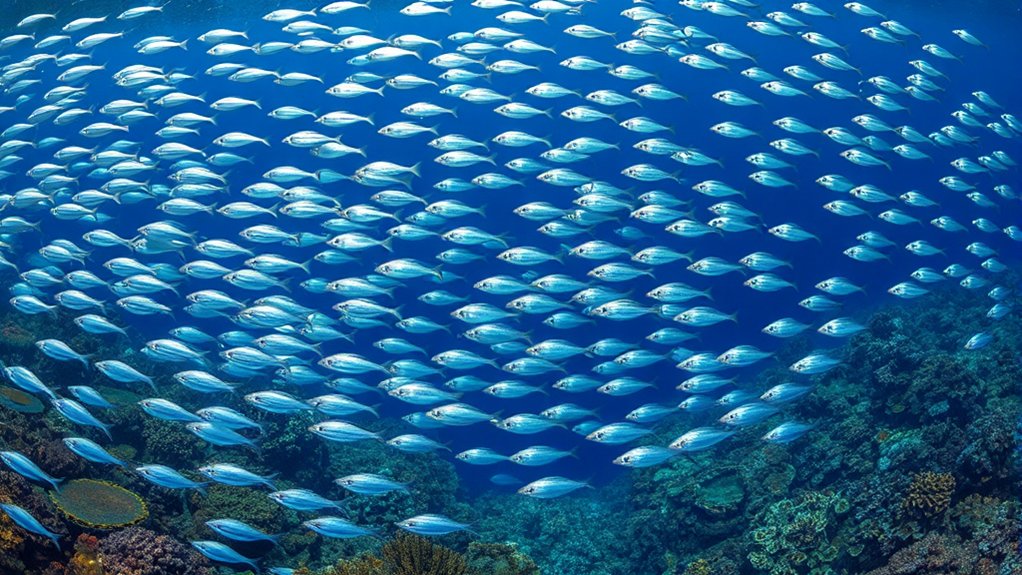
Oceanodromous fish, like herring, cod, and tuna, show complex migratory behaviors influenced by environmental conditions. You’ll notice that herring populations can follow distinct routes between spawning, nursery, and feeding areas. Similarly, cod and various tuna species move between spawning and feeding grounds, showing how strongly marine fish respond to prey, temperature, currents, and seasonal ocean conditions.
These migrations matter because many oceanodromous fish support commercial fisheries, recreational fishing, seabirds, marine mammals, and larger predators. When ocean conditions shift, these fish may arrive earlier, move farther north, feed in different areas, or become less predictable for fishing fleets.
Herring Migration Patterns
Herring migration patterns are tied to ecological needs, environmental conditions, and spawning timing. Atlantic herring and related stocks may move between offshore feeding areas and specific spawning grounds. Water temperature, plankton abundance, bottom habitat, and seasonal cycles all influence where herring gather.
Some herring groups have historically been described by regional spawning areas and seasons. Buchan herring have been associated with spawning off Scotland and movements toward Norwegian waters. Dogger Bank herring have been linked with North Sea movements after spawning. Downs herring have been associated with spawning later in the year in the southern North Sea and nearby waters. These patterns show why herring management often depends on stock structure, spawning areas, and year-to-year environmental change.
Understanding herring movement helps fisheries managers protect spawning aggregations, set seasonal rules, and reduce pressure during vulnerable periods. It also helps explain predator behavior, since tuna, cod, seabirds, whales, and other species often follow dense herring schools.
Cod and Tuna Movements
Cod and tuna both migrate, but they do it in different ways. Atlantic cod often move between feeding grounds and spawning areas across continental shelves and colder North Atlantic waters. Their movements can depend on bottom habitat, prey, water temperature, and local stock behavior. Some cod stocks remain relatively regional, while others move over larger seasonal ranges.
Albacore tuna, often called white tuna in market language, can make long-distance movements across temperate oceans in search of productive feeding areas. Atlantic bluefin tuna, sometimes called red tuna in older references, can travel thousands of miles between feeding grounds and spawning regions such as the Mediterranean Sea and the Gulf of Mexico. These large migrations reflect a need to match warm spawning conditions with rich feeding opportunities elsewhere.
The patterns of fish movement in cod and tuna vary greatly, reflecting adaptation to changing oceanographic conditions. These movements affect where fish appear for commercial and recreational fishing. They also create management challenges because a single fish population may cross many regional, national, and international boundaries.
Pro Tip: If you fish for migratory marine species, watch temperature breaks, bait concentrations, tide changes, current edges, and seasonal reports. Migrating fish often follow food first, not your favorite spot.
Anadromous Fish Characteristics
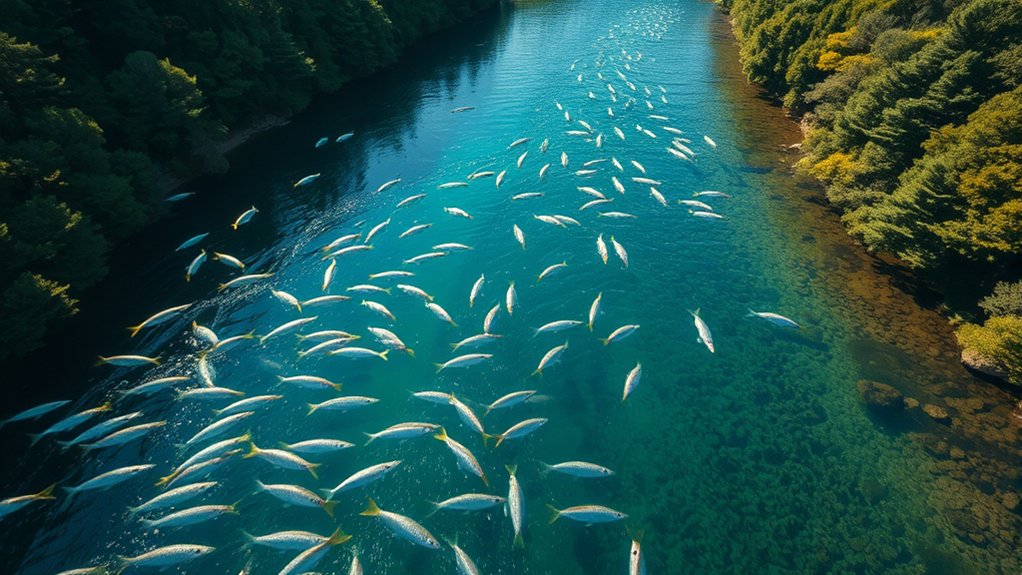
Anadromous fish show remarkable adaptability because they can live in both saltwater and freshwater environments. Species like Atlantic salmon (Salmo salar) migrate from the ocean to freshwater rivers to spawn. Many anadromous species spend their early life in freshwater, migrate to the sea to grow, then return to rivers as adults.
Atlantic salmon often spend one or more years in freshwater before heading to sea, where they feed and grow before returning to spawn. Exact timing varies by river, region, and population. This migration cycle is crucial for their life cycle and reproductive success. Their bodies must handle major salinity changes, shifting from freshwater regulation to saltwater regulation and back again.
Research has long shown that olfactory cues play a major role in salmon navigation. Young salmon imprint on chemical signatures in their home watershed, then use those cues later as adults. Ocean navigation may also involve magnetic cues, currents, temperature patterns, and broader environmental signals. When adults reach the coast, smell and river flow help guide them closer to their original spawning streams.
Tagging studies show that many salmon return to their natal rivers, although survival varies widely by species, region, ocean conditions, harvest pressure, barriers, and habitat quality. Some salmon species die after spawning, while Atlantic salmon may survive and spawn more than once. Anadromous fish have evolved reproductive strategies that place eggs in freshwater habitats with gravel, oxygenated flow, and lower exposure to many marine predators.
Examples of Anadromous Fish
Several familiar fish follow anadromous migration patterns:
- Atlantic salmon: Move from the ocean into rivers to spawn, with some adults surviving to repeat the migration.
- Pacific salmon: Include Chinook, coho, sockeye, chum, and pink salmon, which return to freshwater for spawning.
- River herring: Alewife and blueback herring move from coastal waters into rivers and ponds to spawn.
- American shad: Migrate from the Atlantic Ocean into rivers during spring spawning runs.
- Striped bass: Many populations move from coastal waters into rivers or estuaries to spawn.
- Sturgeon: Several species move upriver to spawn and depend on connected river systems.
These species often need open migration corridors. Dams, poorly designed culverts, low flows, and blocked fishways can prevent adults from reaching spawning habitat or stop young fish from moving downstream.
Catadromous Fish Overview
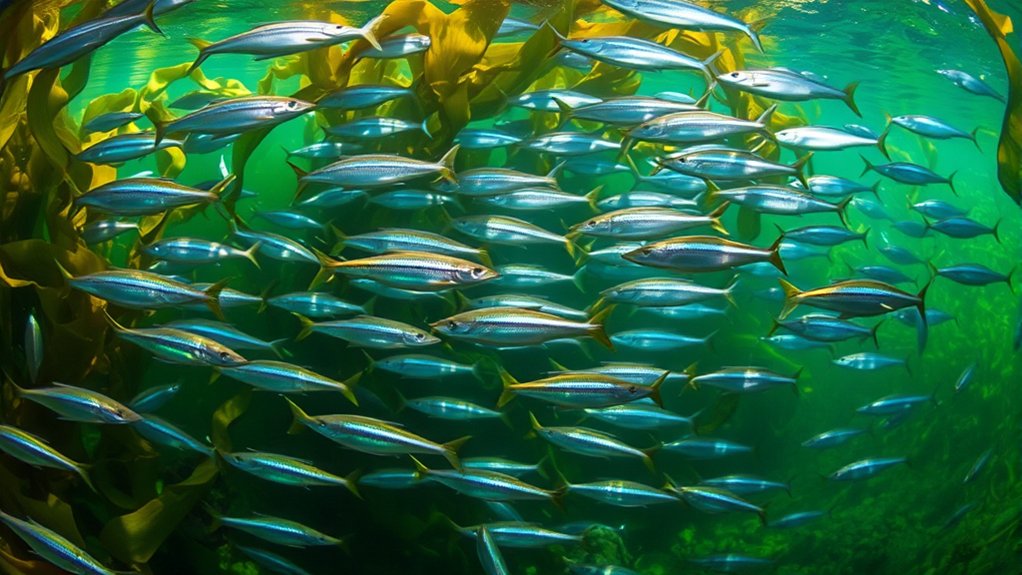
Catadromous fish, like the American eel, follow a unique migration pattern. They are associated with freshwater, estuaries, and coastal habitats during growth, but they migrate to the ocean for spawning. You’ll find that their complex life cycles depend on both inland and marine habitats, making their reproductive success sensitive to passage barriers, water quality, ocean conditions, and habitat access.
Catadromous Fish Definition
Catadromous fish are fish that grow mainly in freshwater or brackish habitats and migrate to saltwater to reproduce. This pattern sets them apart from anadromous fish, which spend much of adult life in saltwater and move into freshwater to spawn.
A prime example is the American eel (Anguilla rostrata). American eels hatch in the ocean, drift as larvae, enter coastal and inland waters as young eels, then grow for years before migrating back toward the Sargasso Sea region to spawn. In the Gulf of Mexico, Atlantic Coast rivers, estuaries, and inland waters, these fish can play a vital role as predators, prey, and nutrient movers.
Understanding catadromous migratory patterns is essential for effective conservation initiatives. Eels face many risks because they need access to rivers, wetlands, estuaries, coastal waters, and oceanic spawning regions during one life cycle.
Migration Patterns Explained
Understanding the complex life cycle of catadromous fish reveals the intricacies of their migration patterns. American eels may spend many years growing in rivers, streams, lakes, marshes, estuaries, or coastal areas. As they mature, they transform into silver eels, build fat reserves, change body color, and prepare for a long downstream and oceanward migration.
This journey is usually a one-time reproductive migration. Many eels die after spawning, which makes successful passage especially important. Their migration patterns are influenced by environmental factors such as water temperature, stream flow, lunar phase, salinity, and seasonal timing. Rain events and increased flow can help trigger downstream movement in some areas.
The reliance on specific habitats underscores the delicate balance these species maintain between freshwater environments and the open sea. If a dam, turbine, culvert, or degraded estuary blocks movement, the effects can follow the fish across its entire life cycle.
Notable Species Examples
Notable examples of catadromous fish include the American eel (Anguilla rostrata), European eel (Anguilla anguilla), and other freshwater eels in the genus Anguilla. These species show unusual adaptations that help them thrive in both freshwater and marine habitats.
The American eel primarily uses freshwater, estuarine, and coastal environments for growth before migrating toward the Sargasso Sea to spawn. The European eel also migrates toward the Atlantic spawning region after spending years in European and North African waters. These eels show physiological versatility, including the ability to regulate salt and water balance across very different habitats.
Unlike anadromous fish, which move from saltwater to freshwater for reproduction, catadromous fish complete their journey by spawning in saltwater. Their life cycles highlight the complexity and resilience of migratory species in fluctuating environments.
Other Fish Migration Patterns You Should Know
Oceanodromous, anadromous, and catadromous patterns are the best-known categories, but they are not the only ones. Fish can also move within freshwater, across depth zones, or between shallow and deep habitats without crossing between rivers and oceans.
Potamodromous Fish
Potamodromous fish migrate entirely within freshwater. They may move from lakes into rivers, from main river channels into tributaries, or from deep pools into shallow spawning areas. Many freshwater species, including some trout, carp, catfish, and suckers, make seasonal freshwater migrations.
Vertical Migration
Some fish move up and down in the water column during the day or night. This is called vertical migration. In lakes and oceans, fish may stay deeper during daylight and rise toward the surface at night to feed. These movements often follow light levels, oxygen, temperature, and prey behavior.
Seasonal Nearshore and Offshore Movement
Many coastal fish move closer to shore during certain seasons and back offshore during others. These movements may follow spawning windows, storms, water temperature, or baitfish. Anglers often notice this pattern when certain fish suddenly appear along beaches, jetties, piers, or inlets.
Climate Change and Its Impact on Fish Migration
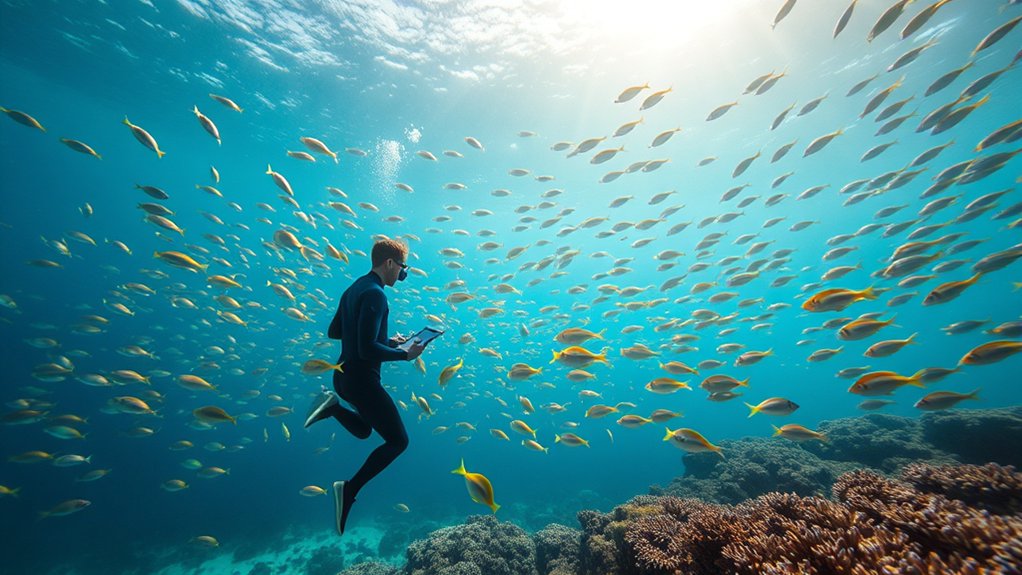
As climate change intensifies, its effects on fish migration patterns become increasingly visible. Warmer water, altered precipitation, stronger droughts, changing snowmelt, shifting ocean currents, and heavier stormwater runoff can all disrupt migratory fish habitats.
Rising temperatures can shift the suitable thermal range for many species. Fish that need cold water may move upstream, deeper, or farther north when conditions allow. Fish that prefer warmer water may expand into new areas. These shifts can change predator-prey relationships, fishing seasons, spawning success, and competition between species.
Changes in stream flow can also restrict access to essential spawning grounds. Low water can make riffles, culverts, or side channels too shallow to pass. Extreme floods can wash out eggs or alter habitat. For species like alewife, river herring, salmon, trout, and shad, the timing and strength of spring flow can strongly affect migration success.
Stormwater runoff creates another problem. Heavy rain can send warm water, sediment, nutrients, oil, road salt, and other pollutants into streams. These changes can reduce water quality and make migration harder, especially in urban watersheds.
To combat these challenges, vegetated riparian buffers can help maintain stream quality. Trees and plants along rivers shade the water, reduce erosion, filter runoff, and improve habitat. Restoring wetlands, reconnecting floodplains, replacing undersized culverts, and improving fish passage can also help migratory fish adapt to climate-driven change.
Warning: Even small barriers can block migration. A perched culvert, low-head dam, dry stream reach, or poorly timed water withdrawal can stop fish from reaching spawning habitat.
Human Threats to Fish Migration
Climate change is not the only threat. Many migration problems come from direct human changes to rivers, coasts, and oceans. These threats often stack together, making survival harder at every life stage.
- Dams and barriers: Block adult fish moving upstream and young fish moving downstream.
- Culverts: Poorly designed road crossings can create fast, shallow, or elevated flows fish cannot pass.
- Habitat loss: Wetland drainage, shoreline hardening, dredging, and development reduce nursery and spawning habitat.
- Overfishing: Harvest pressure can reduce the number of adults that complete migration and spawn.
- Pollution: Chemicals, excess nutrients, sediment, and low oxygen can harm eggs, larvae, juveniles, and adults.
- Water withdrawals: Irrigation, municipal use, and industrial withdrawals can reduce flows during critical migration windows.
- Bycatch: Migratory fish may be caught unintentionally in fisheries targeting other species.
Strong conservation plans usually address more than one threat at a time. For example, a river restoration project may remove a barrier, restore streamside vegetation, improve flow, and protect spawning gravel. Those combined actions give migratory fish a better chance than a single fix alone.
Importance of Migratory Fish for Ecosystems
The decline of migratory fish populations poses significant threats not only to these species but also to the ecosystems they inhabit. Migratory fish serve as essential links in the aquatic food chain. They provide food for larger fish, birds, reptiles, mammals, and people, supporting biodiversity across freshwater, estuarine, and marine habitats.
Anadromous species, like salmon, enhance nutrient cycling in freshwater ecosystems by returning from the ocean to spawn. After spawning, their bodies can add marine-derived nutrients to rivers, streams, riparian plants, insects, and wildlife. This nutrient transfer shows how one fish migration can connect ocean productivity to inland ecosystems.
The spawning migrations of river herring, American shad, salmon, and similar species are also critical for connecting freshwater and coastal habitats. Their eggs, larvae, juveniles, and adults support food webs at different times of year. Without healthy populations of migratory fish, ecosystem balance can shift, prey species may increase or decrease unexpectedly, and predators may lose a reliable seasonal food source.
Migratory fish also have cultural and economic value. Recreational fishing, commercial fisheries, Indigenous traditions, coastal tourism, seafood markets, and local river festivals can all depend on healthy fish runs. Protecting migration routes therefore supports both ecological and community health.
A migratory fish is more than one animal moving through water. It is a living connection between habitats, seasons, food webs, and communities.
Methods of Studying Fish Migration
Understanding fish migration patterns requires several research methods. Each method answers a different question. Some show where a fish was caught. Others reveal daily movement, depth, temperature, survival, or population origin. Together, these tools help scientists and managers understand how fish live and migrate.
Spaghetti tagging is one of the simplest approaches. A visible external tag is attached to a fish, and data come from later recaptures. This method is relatively low cost and useful for broad movement patterns, fishing pressure, and public reporting programs. Its main limitation is that it depends on someone catching, noticing, and reporting the tagged fish.
Acoustic tagging uses small transmitters placed inside or on fish. Receivers placed in rivers, estuaries, bays, or coastal waters detect tagged fish when they pass nearby. This method can show timing, route choice, survival past dams, estuary residence time, and repeated use of key habitats.
Satellite tagging is often used for larger marine fish such as tuna, billfish, sharks, and some highly migratory species. These tags can provide information on long-distance movement, depth, temperature, and broad ocean routes. Satellite tags cost more than simple external tags, but they can collect information from fish that may never be recaptured.
Genetic analysis of fin clips can identify stock relationships among fish populations. This helps managers determine whether fish from different rivers, regions, or spawning groups are mixing in the same fishery. Genetic tools are especially helpful when fish from several populations look similar but need different conservation rules.
Otolith chemistry is another powerful method. Otoliths are small ear stones inside fish. Their chemical layers can record changes in water chemistry as a fish grows, helping researchers reconstruct movements between freshwater, estuaries, and saltwater.
Environmental DNA, often called eDNA, detects genetic material fish leave behind in water. It can help show whether a species recently used a stream, lake, or coastal area. This method does not replace tagging, but it can support monitoring in places where fish are hard to capture.
| Method | Best Use | Main Limitation |
| Spaghetti tags | Broad recapture-based movement data | Requires fishers or researchers to report recaptures |
| Acoustic tags | River, estuary, dam, and coastal movement routes | Needs receiver coverage in the right places |
| Satellite tags | Long-distance ocean movements and depth use | Higher cost and better suited to larger fish |
| Genetic analysis | Stock identification and population mixing | Does not track one fish in real time |
| eDNA | Detecting recent species presence in water | Cannot show exact individual routes by itself |
Each method has strengths and limits, but even simple approaches contribute to understanding how fish live and migrate. Better movement data can guide fish passage projects, harvest rules, habitat protection, and climate adaptation planning.
Engaging in Fish Conservation Efforts
Engaging in fish conservation efforts plays an essential role in sustaining migratory fish populations and their ecosystems. You do not need to be a scientist to help. Local action can improve the freshwater, estuarine, and coastal habitats that migratory fish need.
By participating in stream cleanups, riparian planting, culvert surveys, or habitat restoration projects, you can directly improve freshwater environments used by young fish and spawning adults. These efforts reduce trash, sediment, heat, and runoff while building community awareness.
As an angler or charter captain, your volunteer commitments can contribute to data collection for fish migration studies. Reporting tagged fish, following harvest rules, using careful handling practices, and sharing observations with local agencies can improve science-based management. Non-governmental organizations often partner with scientists to raise funds and support research on recreationally important fish species.
Initiatives like satellite tagging for billfish tournaments, cooperative tagging programs, and citizen science monitoring can provide critical data on fish movements. When competitive fishing events emphasize ecological responsibility, they can inspire more people to support healthy fish populations.
You can also help by supporting barrier removal, fish-friendly culvert replacement, responsible water use, wetland protection, and native streamside vegetation. These actions improve migration routes while benefiting flood control, water quality, and wildlife habitat.
Frequently Asked Questions
What are the migration patterns of fish?
Fish migration patterns describe regular movements between habitats. Oceanodromous fish migrate within the ocean, anadromous fish move from saltwater to freshwater to spawn, catadromous fish grow in freshwater and spawn in saltwater, and potamodromous fish migrate only within freshwater.
How do scientists track fish migration?
Scientists track fish migration with spaghetti tags, acoustic tags, satellite tags, genetic analysis, otolith chemistry, sonar, and environmental DNA. Each method gives different information, such as route, timing, depth, stock origin, habitat use, or recent species presence.
What fish has the longest migration route?
Eels are among the most remarkable long-distance migrators. The European eel and American eel travel between inland or coastal growth habitats and Atlantic spawning regions associated with the Sargasso Sea. Large ocean fish, including some tuna and billfish, also make very long seasonal migrations.
What month do fish migrate?
Many fish migrate in spring, especially March through May in temperate regions, because warming water and higher flows trigger spawning runs. Others migrate in summer, fall, or winter. The exact month depends on species, location, water temperature, day length, and stream flow.
What is the difference between anadromous and catadromous fish?
Anadromous fish live mostly in saltwater and migrate into freshwater to spawn. Salmon, American shad, and river herring are common examples. Catadromous fish grow in freshwater or brackish water and migrate to saltwater to spawn. American eels are a common example.
Why is fish migration important?
Fish migration supports spawning success, food webs, nutrient movement, biodiversity, commercial fishing, recreational fishing, and cultural traditions. When migration routes fail, the effects can spread through rivers, estuaries, oceans, wildlife populations, and local economies.
Conclusion
Understanding fish migration patterns is vital for preserving aquatic ecosystems. These journeys connect rivers, lakes, estuaries, and oceans in ways you may not notice at first glance. Fish move to spawn, feed, grow, and survive, but they need clean water, open routes, healthy habitat, and the right seasonal cues to complete those movements.
As climate change, barriers, pollution, and habitat loss place more pressure on migratory species, conservation becomes more urgent. By supporting fish passage, stream restoration, responsible fishing, better monitoring, and watershed protection, you can help safeguard the future of migratory fish. Every effort helps keep these remarkable journeys alive for future generations.
Sources
- NOAA Fisheries — fish habitat, migratory species, fisheries management, and conservation context.
- U.S. Geological Survey — fish passage, aquatic ecosystems, stream flow, and migration research.
- U.S. Fish & Wildlife Service — migratory fish conservation, aquatic connectivity, and habitat restoration.
- Food and Agriculture Organization Fisheries and Aquaculture — global fisheries, fish biology, and aquatic resource management.
- NOAA Ocean Service — ocean conditions, estuaries, currents, and coastal ecosystem background.