As an Amazon Associate I earn from qualifying purchases.
The best thermal drones for inspection and search are enterprise models with a 640×512 thermal sensor, such as the DJI Matrice 4T and the Autel EVO II Dual 640T, EVO Max 4N and EVO Lite 640T. A higher-resolution sensor shows smaller heat sources from farther away. This guide compares those four models and one low-cost thermal camera, and explains radiometric sensors, flight time and the rules for flying at night.
US availability: DJI and Autel are on the FCC Covered List. New models cannot get FCC approval, but models approved earlier can still be sold, owned and flown, and stock varies by seller. Last checked: October 2026.
Top Picks
|
Category |
Product |
|---|---|
|
🏆 Best Enterprise |
|
|
🎯 Best Night Vision |
|
|
⭐ Best For Industrial Use |
|
|
💰 Best Mid-Range |
|
|
🔰 Budget Thermal Camera |
How to Choose Thermal Drones
Start with the thermal sensor. Resolution decides how small a heat source you can see and how far away: 160×120 is basic, 256×192 is a middle level, and 640×512 is what professionals use. Check whether the sensor is radiometric, which means each pixel carries a temperature value you can measure and export. A non-radiometric camera only shows a heat picture. Then compare flight time, transmission range, weight and software. We compared manufacturer specs and owner reviews and did not flight-test these drones. Keep US availability in mind, because no new DJI or Autel models can get FCC approval.
Autel EVO II
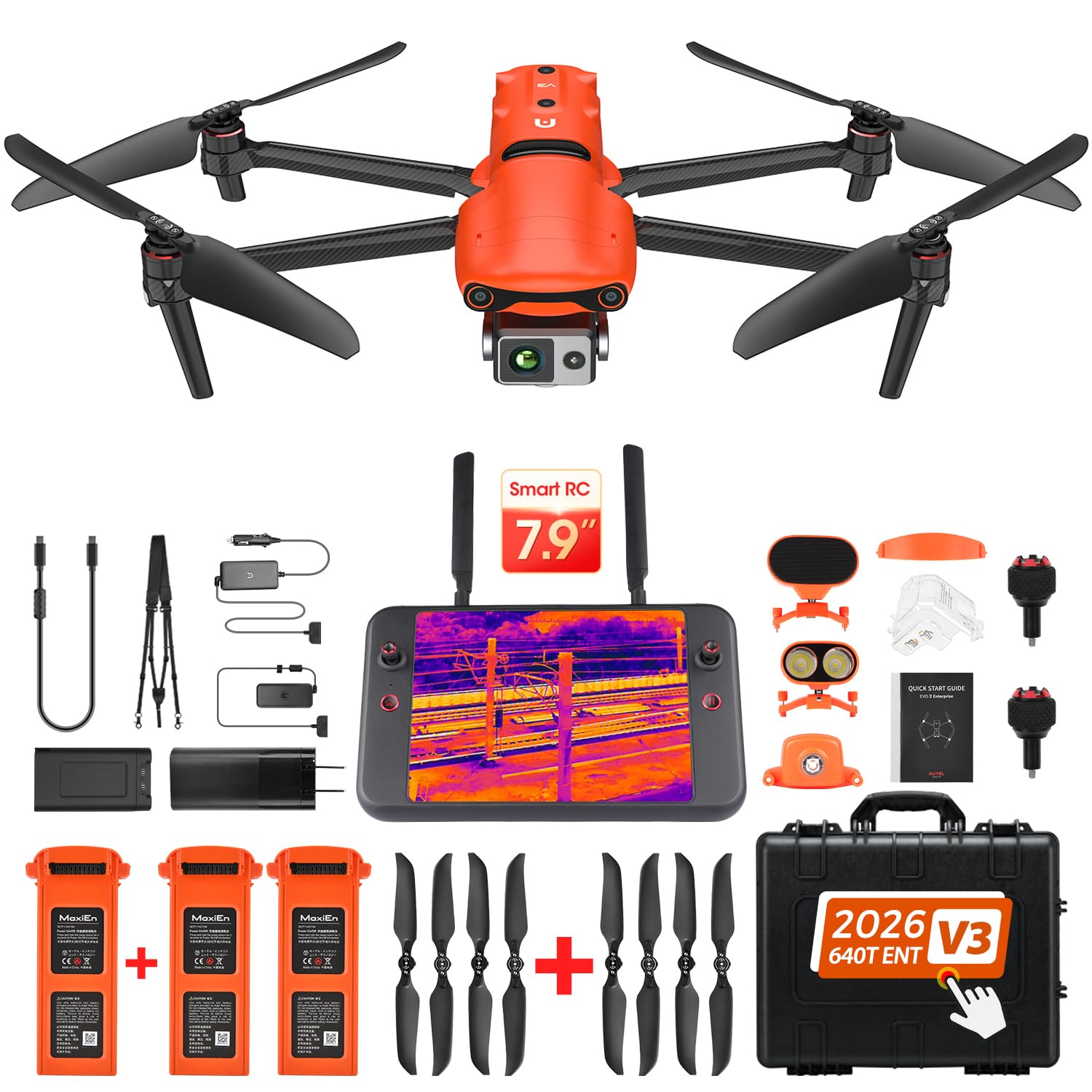
The Autel EVO II Dual 640T Enterprise V3 pairs a 640×512 radiometric thermal camera with a 50 MP visible camera. You can switch between the heat view and the normal view in the same flight. It suits inspection, public safety and search work, and it comes with a 7.9-inch Smart Controller V3.
The enterprise bundle also includes a loudspeaker, a spotlight and strobe lights, which are useful on search missions. Autel lists a flight time of up to about 40 minutes.
What People Say
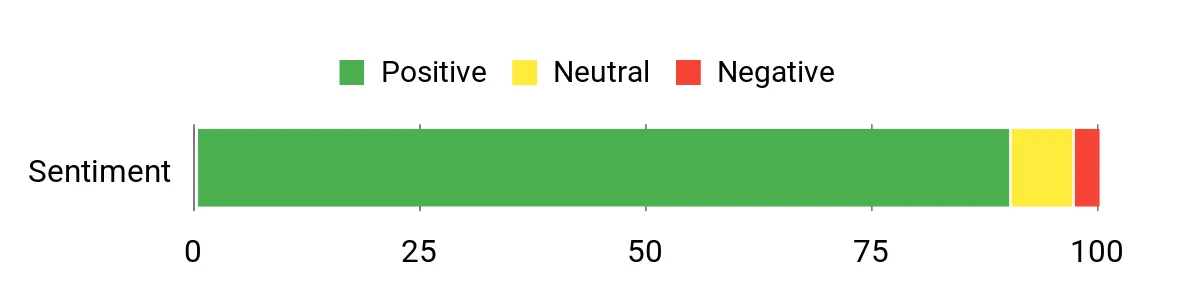
This listing has very few owner reviews, so there is little feedback to go on. Look to the specs and to professional reviews instead, and ask the seller what warranty and support you get.
Overall Sentiment: Positive
Long-Term Cost Benefits
A radiometric sensor lets you measure temperatures and spot faults on the first flight, which can save repeat visits. Check the warranty and software support before you buy.
Return on Investment
It makes sense if you fly inspection or search missions often and need a 640×512 sensor. For occasional jobs, hiring a service may suit you better.
Situational Benefits
|
Situation |
How It Helps |
|---|---|
|
Nighttime Search And Rescue |
Thermal sensor and integrated spotlight help you find heat signatures in low light while the loudspeaker supports on-scene communication. |
|
Power Line Or Solar Array Inspection |
High thermal resolution reveals small hotspots and failing cells so you can pinpoint issues without close physical inspection. |
|
Large Perimeter Surveillance |
15 km transmission and long endurance let you monitor wide areas from a safe distance while maintaining high-quality imagery. |
|
Incident Documentation |
Dual sensors capture visual context alongside thermal evidence, making reports clearer and reducing the need for separate capture devices. |
Versatility
You can use it for inspections, search and rescue, public safety and infrastructure surveys with the same camera. The dual cameras cover both the heat view and the normal view.
Safety Features
Autel lists Remote ID, 360-degree obstacle avoidance and an ADS-B receiver that warns you of nearby aircraft. The kit adds a spotlight, strobe and loudspeaker for on-scene use.
Durability
The controller has an IP43 weather rating, which covers light splashes only. Do not fly in heavy rain.
Problem Solving
It finds heat faults and warm bodies in low light and records the visible image next to them as proof.
Travel Friendliness
It weighs about 1.4 kg (3 lb) with the battery and folds for transport. It fits in a vehicle easily, but plan a hard case for air travel.
Key Benefits
- High-resolution 640×512 thermal lets you identify small hotspots and fine temperature gradients.
- Up to about 40 minutes of flight and a 15 km listed transmission range (open air, no interference).
- Enterprise accessories like spotlight, strobe, and loudspeaker expand mission versatility out of the case.
Drawbacks
- Heavier and bulkier than consumer drones.
- Autel is on the FCC Covered List, so US availability varies by seller.
Autel EVO Max

The Autel EVO Max 4N combines a starlight night-vision camera, a 640×512 thermal camera and a laser rangefinder. That lets you spot faint targets in the dark, see heat and measure distance in one flight. It also has 720-degree obstacle sensing.
It is aimed at professionals who work at night, such as search teams and inspectors. It weighs about 1.7 kg (3.62 lb) with the battery and gimbal, and Autel lists up to 42 minutes of flight and 20 km of transmission range.
What People Say
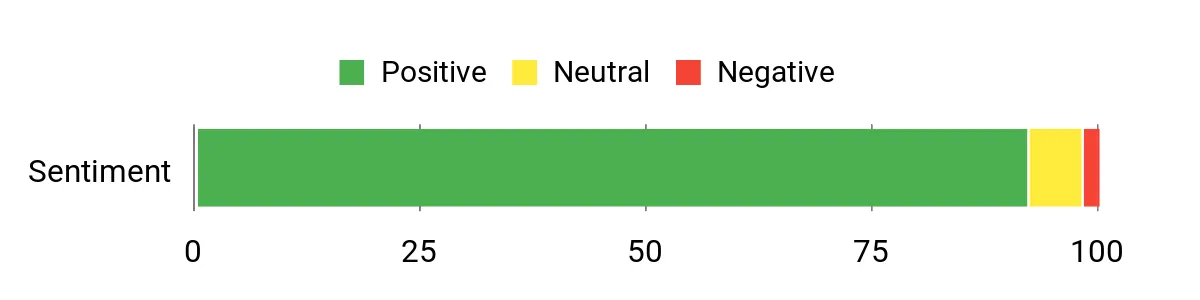
This listing has only a few owner reviews, so judge it on the specs and on professional reviews. Ask the seller about warranty and software support.
Overall Sentiment: Positive
Long-Term Cost Benefits
One airframe carries night vision, thermal and a rangefinder, so you need fewer separate payloads. That helps most on night work, where a second flight costs time.
Return On Investment
It pays off for regular night operations. For daytime inspections, a simpler thermal model may be enough.
Situational Benefits
|
Situation |
How It Helps |
|---|---|
|
Night Search And Rescue |
Starlight vision and thermal imaging help you locate subjects in near-dark conditions while laser ranging assists with accurate positioning. |
|
Border Or Perimeter Patrol |
Long transmission range and obstacle avoidance help you maintain surveillance in challenging environments. |
|
Critical Infrastructure Inspection |
Thermal imagery finds overheating components and the laser rangefinder documents distances for precise repair planning. |
|
Nighttime Wildlife Monitoring |
Low-light sensors allow observation with minimal disturbance, while thermal captures animals obscured by vegetation or darkness. |
Versatility
It covers night search, perimeter checks, inspections and distance measuring without swapping payloads.
Safety Features
720-degree obstacle sensing from about 0.2 to 50 m lowers the risk of collisions at night. We could not confirm Remote ID support from the sources we checked, so confirm it on the listing before you buy.
Durability
It has an IP43 weather rating, which covers light splashes only. Avoid heavy rain and dust.
Problem Solving
It finds targets in the dark, shows their heat and measures how far away they are, all in one flight.
Travel Friendliness
At about 1.7 kg it is heavier than the other models here and needs a hard case for transport.
Key Benefits
- Starlight night-vision for better low-light detection without relying solely on thermal.
- Integrated thermal imaging and laser ranging provide both detection and measurement in one pass.
- 720-degree obstacle sensing improves safety in complex environments.
Drawbacks
- Heavier than the other models here (about 1.7 kg).
- Very few owner reviews, and Autel is on the FCC Covered List, so US availability varies.
DJI Matrice 4T

The DJI Matrice 4T carries a wide camera, a 70 mm medium telephoto, a 168 mm telephoto and a 640×512 thermal camera on one gimbal. DJI says the thermal camera can reach 1280×1024 with super resolution, and it can measure temperatures. It has built-in Remote ID and an RTK module for precise positioning. It weighs about 1.2 kg (1,219 g), so it is a compact enterprise drone, not a heavy industrial one.
It suits utilities, emergency response, public safety and forest protection. DJI describes the series as intelligent, with AI-assisted tools, so check which ones your version supports.
What People Say
The Amazon listing shows no owner rating yet, so judge it on the specs and on professional reviews. Buy from an authorized dealer if you want warranty and support.
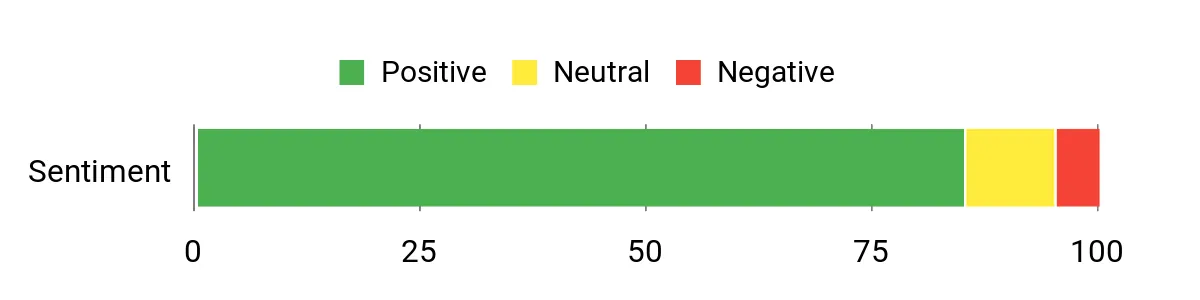
Overall Sentiment: Positive
Long-Term Cost Benefits
One flight can cover wide, zoom and thermal views, so you need fewer repeat visits. DJI lists a maximum flight time of 49 minutes (no payload, no wind), which also cuts battery swaps.
Return On Investment
It pays off for teams that fly inspections or search often and need zoom, thermal and RTK together. For simple heat checks, it is more drone than you need.
Situational Benefits
|
Situation |
How It Helps |
|---|---|
|
Power Line Inspection |
Hybrid zoom and RTK let you identify and document component faults without risky close approaches. |
|
Emergency Response |
AI-driven detection and multi-angle sensors give you faster situational awareness for search, damage assessment, and coordination. |
|
Forest Protection |
Wide and telephoto sensors help spot hotspots and map affected areas while RTK supports accurate perimeter mapping. |
|
Industrial Surveying |
Measurement-grade positioning and detailed imagery reduce manual measuring and speed up planning decisions. |
Versatility
You can switch between wide, zoom and thermal views in flight, so one drone covers inspection, search and survey work. The cameras cannot be used at the same time.
Safety Features
The M4T has built-in Remote ID and an RTK module for precise positioning.
Durability
DJI lists no standard ingress protection level for the gimbal, so keep it out of rain and dust. Use a case for transport.
Problem Solving
It lets you find a problem with thermal, zoom in on it with the telephoto and log its position in one flight.
Travel Friendliness
At about 1.2 kg it is lighter than the Autel EVO II and EVO Max 4N and easy to carry in a vehicle. Use a hard case for transport.
Key Benefits
- Multi-sensor imaging provides both broad situational context and high-detail zoom shots.
- RTK positioning and hybrid zoom deliver precise measurements for mapping and inspections.
- AI-assisted tools to help flag targets (check the exact features)
Drawbacks
- DJI is on the FCC Covered List, so availability varies by seller.
- No owner rating yet on the listing.
Rating: – (no ratings yet)
Autel EVO Lite

The Autel EVO Lite 640T Enterprise pairs a 640×512 radiometric thermal camera with a 48 MP visible camera that has up to 16x digital zoom in 4K. It weighs about 866 g, the lightest of the Autel and DJI models here.
It suits roof, solar array and perimeter checks where you want thermal and a good visible camera in a small drone. It has obstacle avoidance on the front, rear and bottom, AI recognition of people, vehicles and boats, and a Smart Controller SE V2 with a 6-inch screen. Autel lists up to 40 minutes of flight and a 12 km range.
What People Say
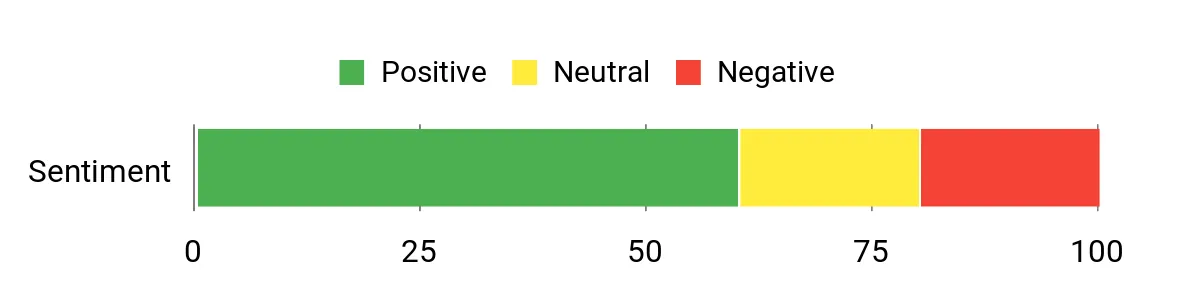
This listing has very few owner reviews and a mixed rating, so read recent reviews on software, setup and support before you buy.
Overall Sentiment: Neutral
Long-Term Cost Benefits
AI recognition can cut the time you spend watching footage. Autel ended its consumer EVO Lite line in 2025 but said the EVO Lite Enterprise line continues. Check support and warranty with the seller.
Return On Investment
It is a lower-cost enterprise option among the models here, but check software and support before you plan projects around it.
Situational Benefits
|
Situation |
How It Helps |
|---|---|
|
Solar Array Inspection |
Thermal resolution reveals hot cells and failing panels while the visible camera documents exact locations for repairs. |
|
Building Envelope Survey |
Thermal imaging finds insulation losses and moisture issues and the high-res camera records visual condition for reports. |
|
Perimeter Patrol |
Good transmission range and thermal detection let you monitor boundaries from a safe distance. |
|
Routine Infrastructure Checks |
AI target recognition speeds up identification of anomalies so you can prioritize follow-ups more efficiently. |
Versatility
It handles inspection, perimeter checks and documentation with one thermal and visible camera pair in a small airframe.
Safety Features
It has obstacle avoidance on the front, rear and bottom only, so fly with care near structures. We could not confirm Remote ID support from the sources we checked, so confirm it on the listing.
Durability
Autel sells it as an enterprise drone, but we found no weather rating for it. Avoid rain and use a protective case.
Problem Solving
It finds hot spots and heat leaks and records the visible image next to them, which reduces repeat site visits.
Travel Friendliness
At about 866 g it is the easiest to carry of the Autel and DJI models here.
Key Benefits
- Clear 640×512 thermal imaging for actionable temperature reads.
- High-resolution 48MP visible camera with 16x digital zoom for visual confirmation.
- AI target recognition speeds anomaly detection and reduces manual review.
Drawbacks
- Very few owner reviews and a mixed rating.
- Autel is on the FCC Covered List, so availability varies by seller.
RENOV C12
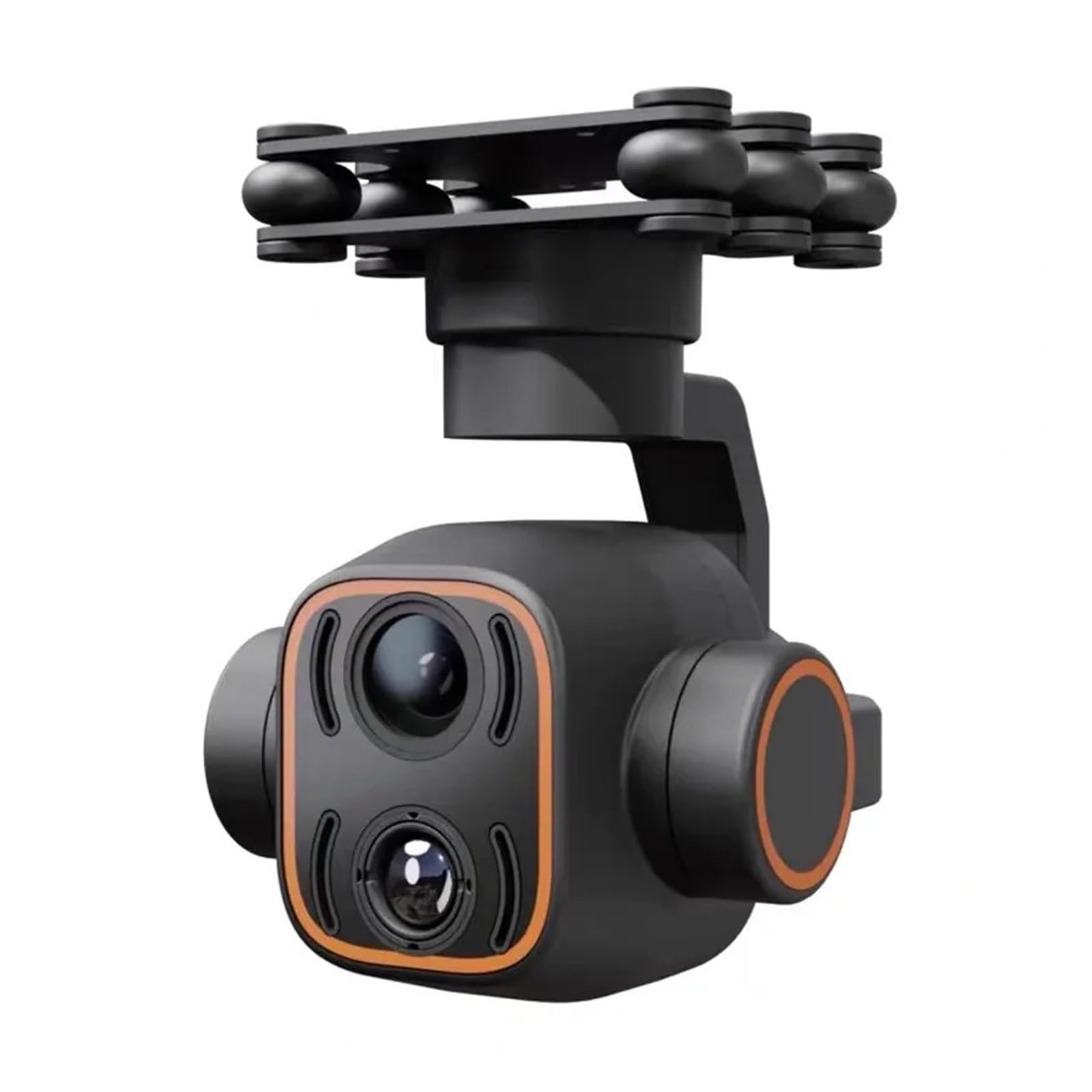
The RENOV C12 is an entry-level thermal option with a 2K visible camera, a thermal module and a three-axis gimbal. The Amazon link describes it as a camera with a gimbal, so we could not confirm it is a complete drone. Check the listing to see whether it includes an aircraft or must be mounted on a drone you already own.
We could not verify its thermal resolution or whether it is radiometric. Treat it as a basic heat-spotting tool, and compare it with the 640×512 models above before you rely on it for inspection work.
What People Say
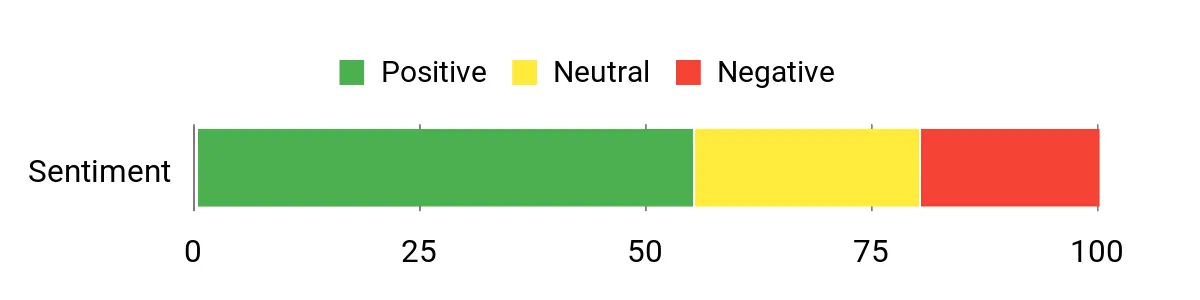
The listing shows no owner rating yet, so there is no real-world feedback to share. Wait for reviews, or ask the seller for the thermal resolution and sample footage.
Overall Sentiment: Neutral
Long-Term Cost Benefits
A low-cost thermal camera can be a way to learn the basics of thermal imaging. Without a verified thermal resolution or support details, it is hard to say how long it will stay useful.
Return On Investment
It may help with quick scouting and training. Do not use it where you need measured temperatures or fine detail.
Situational Benefits
|
Situation |
How It Helps |
|---|---|
|
Quick Site Scan |
A small camera lets you launch fast and capture thermal hotspots or visual issues with little setup. |
|
Training New Pilots |
Integrated thermal and visual views help trainees learn thermal concepts. |
|
Wildlife Or Field Observation |
Thermal imaging helps detect animals obscured by vegetation while the 2K camera provides context for location and condition. |
|
Preliminary Inspection |
Use it to identify areas that need a closer look by a more capable system, saving planning time before heavier deployments. |
Versatility
It is best as a starter tool for scouting and learning. It is not a replacement for the 640×512 sensors in the other models here.
Safety Features
A three-axis gimbal steadies the image. Safety features depend on the drone it flies on, so check obstacle sensing, return-to-home and Remote ID on that aircraft.
Durability
We found no weather rating or build details. Handle it with care and use a case.
Problem Solving
It can show warm areas so you can decide whether a closer inspection with a better sensor is needed.
Travel Friendliness
A small camera is easy to pack. Total weight and size depend on the drone you use it with.
Key Benefits
- Small camera that is easy to carry
- Three-axis gimbal and 2K camera add visual context to the thermal view.
- Low entry cost for people new to thermal imaging.
Drawbacks
- We could not verify its thermal resolution, and it may not be a complete drone.
- No owner ratings yet.
Rating: – (no ratings yet)
FAQ
What Should You Look For?
Start with thermal resolution. As a rough guide, 160×120 shows only large heat sources, 256×192 is a middle level, and 640×512 is the professional standard for finding small hot spots or people from a distance. Then check whether the sensor is radiometric, plus flight time, transmission range and the software you will use for reports.
Also check support and spare parts before you buy. In the US, no new DJI or Autel models can get FCC approval, so buy from a seller who can back the warranty.
How Accurate Is Thermal Imaging?
Thermal is good for finding heat, but exact temperatures depend on the sensor, calibration, the surface material and the distance. A radiometric sensor gives a temperature value for each pixel, so you can measure and export it. A non-radiometric camera only shows a heat picture, which is fine for search but not for measured reports. Even radiometric readings are only as good as the settings, so check them against a known reference.
For most search work, a clear thermal image plus a visible camera is enough. For repair reports, choose a radiometric sensor.
Do You Need Training Or Permissions?
In the US, flying for work, including paid inspections, needs a Part 107 remote pilot certificate and a registered drone with Remote ID. Recreational pilots must pass the free TRUST test. You may fly at night if the drone has an anti-collision light visible for 3 miles, and commercial night flights have extra Part 107 requirements. Public safety teams may fly under their own agency authority. Rules differ in other countries.
Practice reading thermal images before real missions, and keep firmware and maintenance up to date.
Customer Preferences
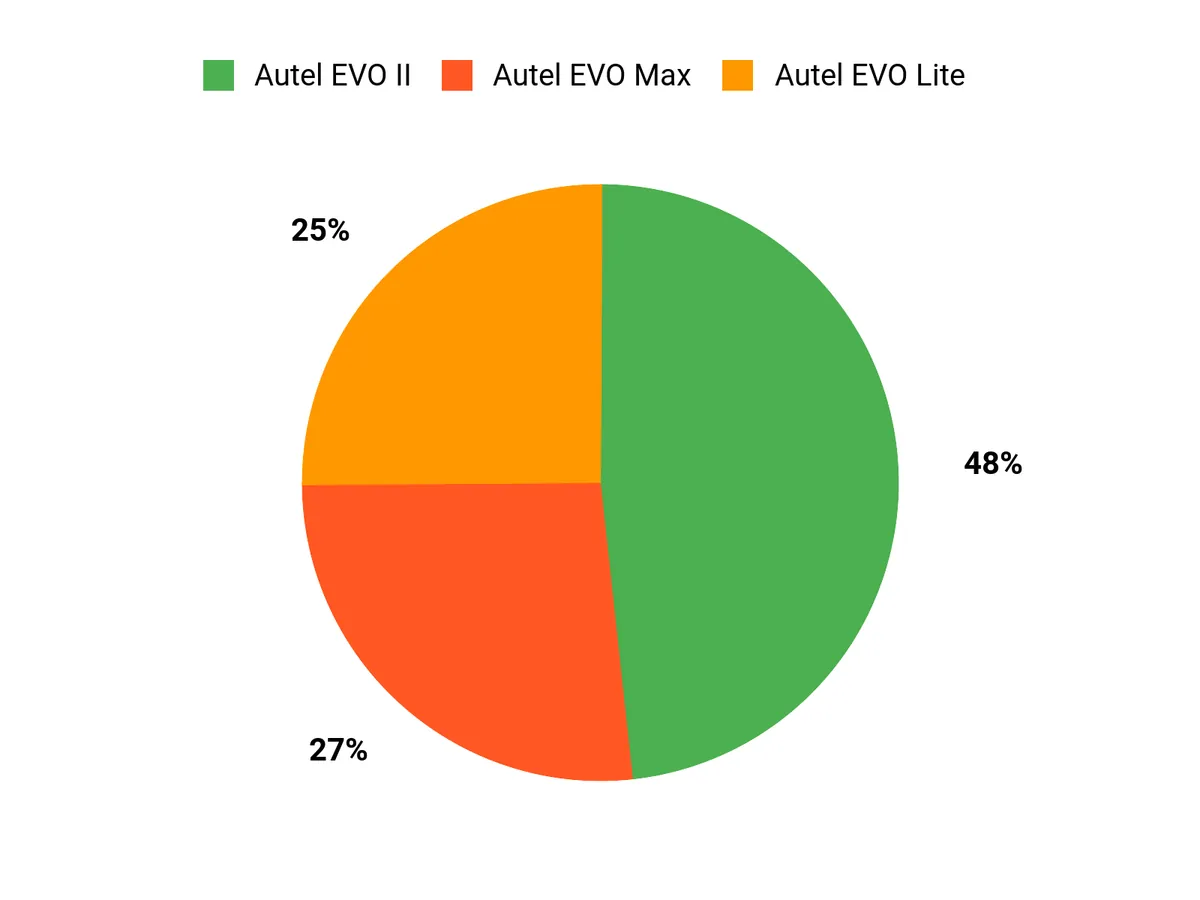
Choose the EVO Max 4N for night work and distance measuring, the EVO II for a balanced enterprise kit with a spotlight and loudspeaker, and the Matrice 4T for zoom, thermal and RTK positioning in a lighter airframe. Pick the EVO Lite 640T if you want a small, lower-cost enterprise thermal drone.
Wrapping Up
Match the drone to your mission. The Autel EVO II Dual 640T is a balanced enterprise choice with a 640×512 radiometric sensor, a long listed range and a spotlight and loudspeaker kit. Choose the Autel EVO Max 4N when starlight night vision and a laser rangefinder matter most.
The DJI Matrice 4T suits teams that want zoom, thermal and RTK positioning in a light airframe. The Autel EVO Lite 640T is a smaller, lower-cost enterprise option, but it has few reviews and a mixed rating.
The RENOV C12 is a basic, low-cost thermal camera. We could not verify its sensor or whether it is a full drone, so confirm both on the listing. Availability of all DJI and Autel models in the US varies.
| Product Name | Image | Rating | Maximum Range | Effective Still Resolution | Battery Life |
|---|---|---|---|---|---|
| Autel Robotics EVO II Dual 640T Enterprise V3 |
|
See reviews on Amazon | 15 km | 50 MP | 42 mins |
| Autel Robotics EVO MAX 4N V2 |
|
See reviews on Amazon | 20 km | 50 MP | 42 mins |
| DJI Matrice 4T Professional Drone |
|
N/A | 25 km | 48 MP | 49 min |
| Autel Robotics EVO Lite 640T Enterprise |
|
See reviews on Amazon | 12 km | 48 MP | 40 mins |
| RENOV C12 Gimbal Camera with 2K and Thermal |
|
N/A | N/A | – | N/A |
This Roundup is reader-supported. When you click through links we may earn a referral commission on qualifying purchases.

