You could catch a trophy with your eyes closed, but night fishing works best when you plan for darkness before you ever make a cast. You’ll learn how to pick safer spots, read tides and moonlight, choose baits fish can find without much visibility, and set up your boat or bank gear so you can move calmly on dark water. With a few smart habits, you can fish after sunset with more confidence, fewer surprises, and a better chance of success.
Quick Answer
Night fishing is best when you scout the area in daylight, fish around moving water or feeding windows, use safe lighting, and choose baits with scent, vibration, sound, or strong silhouettes. Start simple: wear a life jacket near deep water, carry backup lights, fish familiar spots, and work slowly from shallow water to deeper zones.
Key Takeaways
- Scout every night spot during daylight so you know the edges, drop-offs, boat traffic, casting lanes, and safe exit points.
- Fish are often easier to pattern after dark because they use predictable feeding lanes, light edges, current seams, docks, weed lines, and shallow structure.
- Use baits and lures that fish can detect through scent, vibration, sound, water movement, and a clear silhouette.
- Keep your setup simple, organized, and quiet so you spend less time fumbling and more time fishing.
- Safety matters more at night: wear a life jacket when appropriate, carry backup lights, check weather, and tell someone your plan.
At a Glance
| Time Required | 2 to 5 hours for a beginner-friendly trip, plus daylight scouting before your first night session. |
| Difficulty | Beginner to moderate, depending on boat traffic, current, shoreline hazards, weather, and how well you know the spot. |
| Tools Needed | Headlamp, backup flashlight, spare batteries, life jacket, pliers, landing net, phone or radio, basic first-aid kit, suitable rod, and bait or lures. |
| Cost | Low if you already own tackle. Budget extra for lighting, safety gear, bait, local permits, and weather-appropriate clothing. |
Why Try Night Fishing?

Why try night fishing? You’ll find freedom in the quiet. Night fishing strips away daytime noise, crowds, boat wakes, and shoreline pressure, so you can focus on feel, sound, and small changes in your line.
Many fish that avoid boats, bright sun, and heavy commotion during daylight become more comfortable after dark. Bass, catfish, snook, tarpon, trout, walleye, and other species may slide shallower or hunt around cover when light drops and baitfish move.
Cooler temperatures can also make long sessions more comfortable. On hot summer days, fishing after sunset helps you avoid midday heat while giving fish a chance to feed in lower-light conditions.
You’ll also access prime locations with less competition. A dock, pier, bridge, point, weed edge, channel mouth, or shoreline light that feels crowded at noon may become calm and fishable at night.
Start simple. Choose a well-known spot, pack safe lighting, and target species known to feed after dark. Trust your senses, adapt quickly, and celebrate small wins; the night rewards patience and boldness.
Night fishing isn’t just a technique. It’s a way to reclaim solitude, sharpen skills, and catch fish on your own terms while learning to read water with more attention.
Note: Your first night trip should be short and familiar. Pick a place you already know by day, keep your gear light, and avoid exploring new banks, ramps, or channels in the dark.
Best Times and Tides for Night Trips

Plan your night trip around prime moon phases, weather, water temperature, and tidal bite windows to boost your chances of action.
A good starting window is the hour or two after sunset through late evening. Some fisheries also produce well after midnight, especially when bait, current, or moonlight lines up with how your target species feeds.
Check local tide charts and weather before you leave. Calm, stable nights are easier for beginners, while strong wind, lightning risk, fog, or heavy current can make night fishing harder and less safe.
Prime Moon Phases
When you time night trips around the moon and tides, you’ll often see better action. Full moons can boost visibility and extend feeding activity. New moons can make fish rely more on sound, scent, vibration, and nearby cover. First and last quarters can also trigger movement because light levels shift through the night.
Do not treat any moon phase as a guarantee. Moonlight is one part of the pattern. Water clarity, bait movement, fishing pressure, weather, current, and local forage often matter just as much.
You’ll want to treat prime time as a mix of moon phase, available cover, water temperature, and tidal movements. Full moon nights can give you extended sight and activity. New moon nights may concentrate fish around lights, banks, and structure. Quarter moons offer opportunity between those extremes.
Use lunar calendars as a planning tool, not a rulebook. Focus your effort on the best windows, but keep notes from your own trips so you can learn what your local water does after dark.
Tidal Bite Windows
Timing matters in tidal water. A strong starting plan is to fish during the last two hours before high tide and the first two hours after, since those tidal movements can stir bait, flood ambush areas, and trigger feeding.
You’ll often catch more when you align night fishing with tidal changes and moving water. Monitor tide charts and plan trips between sunset and late evening when possible, then adjust based on what the fish show you.
- Scout points, drains, bridge pilings, cuts, docks, and channels where currents concentrate prey, because fish often feed more actively around moving water.
- Use brighter moon phases to extend sight and activity, but keep your casts focused on shadow lines, current seams, and structure.
- Target snook, redfish, striped bass, trout, and similar species during incoming or outgoing flows that move food into ambush zones.
You’ll gain freedom on the water by trusting tides, timing, and observation instead of guessing blindly.
Freshwater Timing Without Tides
If you fish lakes, ponds, reservoirs, or rivers without tides, focus on light changes, current, temperature, and bait movement instead. Sunset, moonrise, moonset, and the first few hours of darkness are often strong starting points.
In summer, fish may leave deep or shaded holding areas and move toward shallow flats, weed edges, docks, riprap, creek mouths, or points after dark. In cooler seasons, they may stay closer to stable depth changes and cover.
Rivers add another timing factor: current. Small changes in flow can position bait and predators along seams, eddies, bends, bridge supports, and sandbar edges. Work these areas slowly and listen for surface feeding.
Pro Tip: Keep a simple night-fishing log. Note moon phase, tide or flow, wind, water clarity, bait used, depth, and exact bite time. After a few trips, patterns become much easier to see.
Essential Safety Precautions for Fishing After Dark
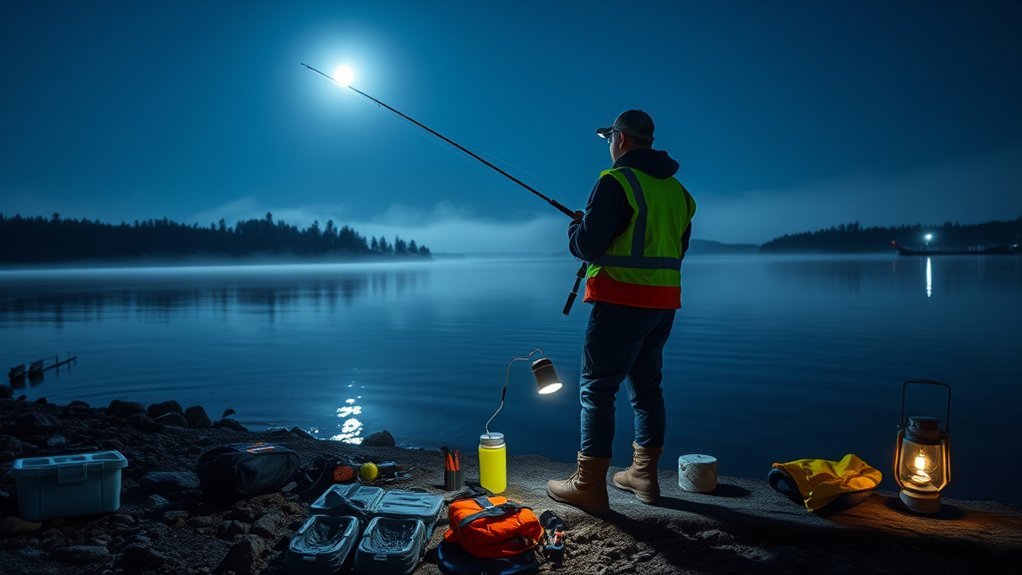
Because visibility is limited after dark, you should take a few straightforward safety steps before and during night fishing to keep yourself and others safe. Always wear a life jacket when you are boating, wading near deep water, fishing from rocks, or standing close to strong current.
Scout fishing spots in daylight so you know where hazards, slippery edges, low branches, loose rocks, sharp drop-offs, boat lanes, and safe paths are. Good preparation starts before sunset, not after your headlamp clicks on.
Tell someone your plan and expected return time. Pack backups like headlamps, flashlights, spare batteries, a charged phone, and a whistle. You’ll want multiple light sources to improve visibility in the dark and signal boats if needed.
| Before Night | During Night |
|---|---|
| Scout fishing spots in daylight | Wear a life jacket when boating, wading, or fishing near deep water |
| Tell someone your plan | Use a headlamp plus a backup flashlight |
| Check forecast, wind, tides, and water level | Keep batteries, phone, pliers, and first-aid basics handy |
Stay alert, move deliberately, and trust your prep. If conditions shift, fog rolls in, storms build, or visibility worsens, choose safety over stubbornness and head in. Night fishing can free you, but only when you respect the risks and prepare.
Warning: Never rely on one light source. A dead headlamp can turn a simple walk back to the truck, dock, or ramp into a dangerous situation.
Must-Have Night Fishing Gear

If you want to fish confidently after dark, pack gear that keeps you visible, dry, organized, and ready for subtle bites. You’re aiming for freedom on the water, so choose must-have night fishing gear that minimizes fuss and maximizes results.
Start with a reliable headlamp or flashlight for hands-free work without blinding other anglers. Use a lower setting when tying knots or handling fish, and avoid sweeping bright light across the water unless you need it for safety.
Wear waterproof clothing or at least weather-resistant layers to stay comfortable as temperatures drop. Bring sensitive rods and reels to pick up faint taps, and carry extra bait since nocturnal fish can feed in short bursts.
Consider underwater fish-attracting lights where legal and practical. These lights can draw plankton, insects, baitfish, and the predators that follow, especially around docks, boats, and calm water.
- Headlamp, backup flashlight, and spare batteries for visibility, knot tying, fish handling, and safe movement.
- Waterproof clothing, non-slip footwear, and warm layers so you can stay focused when the air cools.
- Sensitive rods and reels to detect subtle bites, especially when fish pick up bait softly.
- Underwater fish-attracting lights and extra bait to attract feeding activity and capitalize on short bite windows.
- Landing net, pliers, hook remover, line cutters, and a small first-aid kit to handle fish and hooks safely.
Follow these essential night fishing tips, pack smart, and you’ll feel more prepared to fish after dark with purpose.
[Amazon Products Picked for You]
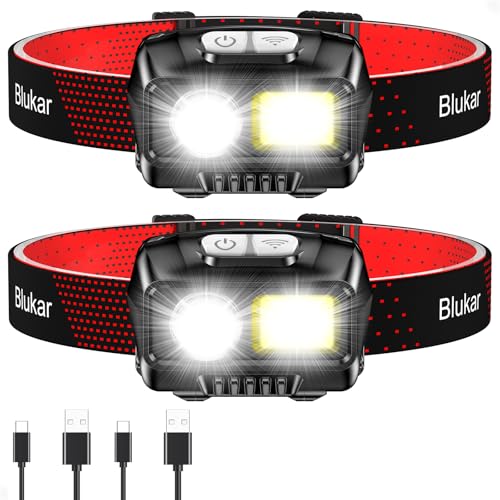
【Super Bright and Stepless Dimming】Adopts first-class LED chips, combined with advanced COB and XPG LED technology, the beam is brighter and more stable, and can easily illuminate everything around you. Long press the button to adjust the brightness from 100% to 30%, which can meet your different lighting needs.

230° Wide Beam & Long-Distance: WopkDupk LED headlamp with COB strip floodlight can provide 230° wide angle lighting, which allows you to light up the viewing area without moving the head. Equipped with super bright LED light on the side, headlamp rechargeable can be used as a spotlight to illuminate a distance of nearly 300 feet.

Super Bright & 5 Light Modes - 3 Levels of white light brightness (High/Low/Strobe) and two modes of red light (stay on/flash) illuminate up to 500ft away with the 300 lumen LEDs.
Bank Fishing Gear vs. Boat Gear
Your gear list changes depending on where you fish. From the bank, focus on safe footing, a compact tackle bag, bug protection, a rod holder, and a clear path back to your vehicle. A small lantern can help mark your base area, but keep it low and controlled.
From a boat, add navigation lights, an anchor light, a working bilge pump, a throwable flotation device where required, a charged phone or radio, and a clean deck. Loose tackle, open hooks, and clutter become bigger problems when you cannot see well.
Lighting That Helps Without Spooking Fish
Good lighting helps you move, tie knots, unhook fish, and stay visible, but too much light can hurt your focus. Use bright light for safety tasks and lower light for fishing tasks.
A headlamp with adjustable brightness works well because you can dim it when checking line or bait. Some anglers like red or green light settings because they feel less harsh at close range, but the main goal is simple: see clearly without blinding yourself or others.
Choosing Baits and Lures That Work at Night

When you’re choosing baits and lures for night fishing, prioritize live bait like minnows, worms, shrimp, cut bait, or local forage because scent and vibration help fish find your offering in low light.
Pair live options with scent-and-vibration lures or rattling surface baits to mimic prey and draw attention. At night, fish often respond to water movement before they ever see your lure.
Also keep dark-colored lures on hand so their silhouette shows up against the night sky. Black, dark blue, purple, and other dark profiles can work well on topwater plugs, spinnerbaits, swimbaits, worms, and jigs.
[Amazon Products Picked for You]


What You Will Receive: You can receive 50 fishing line beads they have a total of 4 different colors, plenty of quantity to meet your daily use needs, you can also share the use with fishing enthusiasts, also a good choice.
Live-Bait Advantages
Night fishing rewards baits that speak to a fish’s senses beyond sight, so you’ll want to favor live, scented options like minnows, worms, shrimp, leeches, or cut bait that give off smell and vibration in the dark.
You’ll free yourself from guesswork when you trust live bait. Fish follow scent, vibration, and natural movement more reliably than visual cues under the night sky.
Pair live bait with dark-colored lures or subtle glow options when visibility matters. You can also use slip floats, bottom rigs, Carolina rigs, or free-lined bait depending on depth and current.
Try these approaches:
- Use strong-scented minnows, worms, shrimp, or cut bait to trigger a fish’s sense of smell and encourage confident bites.
- Fish shallower when species move up after sunset, then adjust depth if the action slows.
- Add surface lures with rattles or reflective details to amplify vibrations and draw attention.
You’ll feel more confident, and catches will follow when your bait matches how fish feed after dark.
Scent-And-Vibration Lures
You’ve already seen how live bait gives fish the scent and vibration cues they rely on after dark, so let’s apply that same thinking to choosing artificial lures.
You’ll want scent-and-vibration options that mimic real prey: soft plastics infused with scent, vibrating paddletails, bladed jigs, spinnerbaits, wake baits, and surface lures with rattles. These create odor trails, pulses, thumps, and noise that attract fish when sight is limited.
Pair scented lures with glow-in-the-dark lures where they make sense, but do not overdo the glow. A subtle visual beacon can help in stained water or deep shade, while too much flash may look unnatural in clear, pressured water.
Favor movement and profile over flash. Dark-colored lures are not the only answer, but contrast, vibration, and steady action often matter more than bright color after sunset.
Stay mobile, adjust bait depth as fish move toward the surface, and trust your gear to give you freedom to fish confidently through the night.
Dark-Colored Silhouettes
Because fish often rely more on silhouette than color after dusk, you’ll want to favor dark-colored lures that present a clear outline against the night sky or nearby light.
You’ll free yourself from guessing by combining simple tactics: dark-colored silhouettes plus sensory cues. Use live bait like worms, minnows, shrimp, or cut bait to add scent and vibration that nocturnal fish track.
Surface lures with rattles help fish find you by sound and movement. Glow-in-the-dark lures add a subtle beacon where needed, especially when water is stained or fish are feeding close to lighted structure.
- Use dark-colored silhouettes on topwater and subsurface rigs to show a clean profile.
- Start with live bait near the surface, then work deeper if fish don’t respond.
- Pair surface lures and glow-in-the-dark lures when targeting active nocturnal fish.
Matching Bait to Water Clarity
Water clarity changes your night approach. In clear water, use natural movement, quieter presentations, and clean silhouettes. In stained water, choose stronger vibration, scent, and lures that push more water.
In muddy water, fish may need help finding your bait. Use rattles, scent, bulkier profiles, slow retrieves, and baits that stay in the strike zone longer. A slow bait near cover often beats a fast bait that leaves the fish behind.
Techniques for Working the Water Column After Sunset
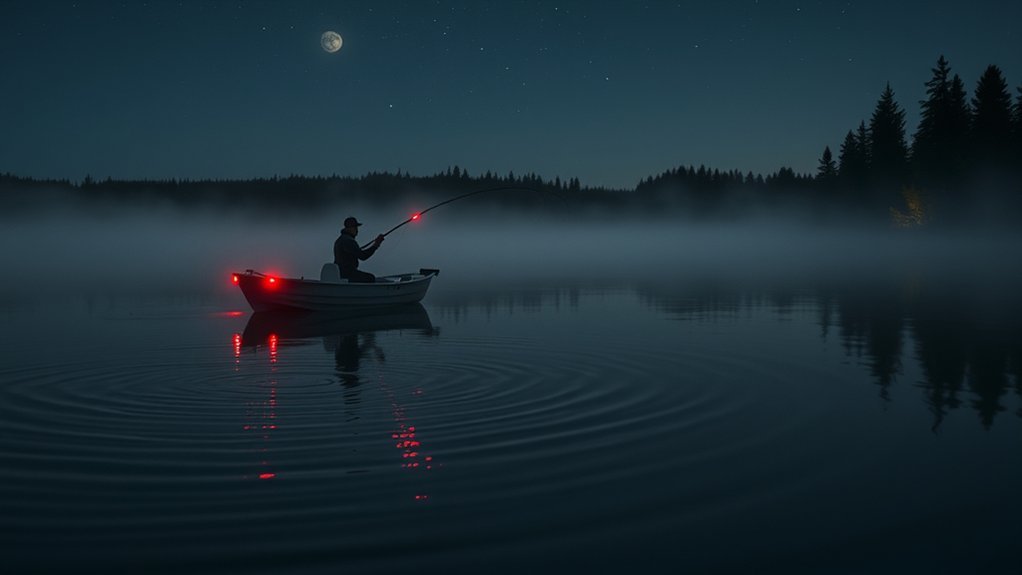
When the sun goes down, start in the top few feet of the water column since species like bass, crappie, trout, snook, and baitfish often move higher at night. That makes surface presentations a smart first bet.
You’ll want bait and surface lures that make noise. Rattles, wake baits, popping plugs, chugging plugs, buzzbaits, and paddletails help because in darkness fish use sound and vibration to locate meals.
Work the surface deliberately, vary your retrieval speed, and watch for subtle takes. Slower draws often trigger nocturnal predators that do not want to chase fast-moving prey.
If action is light, let your lure sink gradually and probe deeper layers of the water column. Adjust cadence, lure size, weight, and depth until you find what the fish respond to.
Try larger, vibration-heavy options when fish are active, then downsize if they swirl, bump, or follow without committing. A soft plastic, jig, or bait rig held close to cover can save a slow night.
Stay bold and adaptable. Switch between wake-makers and subsurface twitchers until you find the strike zone. You’re breaking free from daytime patterns, so own the night by reading depth changes, sound, and movement to put fish in the boat.
Retrieve Speed After Dark
Most beginners fish too fast after dark. Slow down enough that fish can track the bait. A steady retrieve, long pause, slow crawl, or gentle lift-and-drop often works better than fast jerks.
When fish strike short, pause longer after the bump. When they miss a topwater lure, avoid ripping it away. Let the lure sit, twitch it once, and give the fish a second chance.
Reading Bites You Cannot See
At night, you may feel bites before you see anything. Keep light contact with your bait, watch the line near your rod tip, and listen for surface swirls. A sudden slack line, heavy feeling, or sideways pull can all mean a fish has picked up the bait.
Use sharp hooks and avoid setting too early on topwater strikes. Wait until you feel weight before you drive the hook home. This small delay can turn missed blowups into landed fish.
Anchoring, Drifting, and Boat Setup for Night Angling
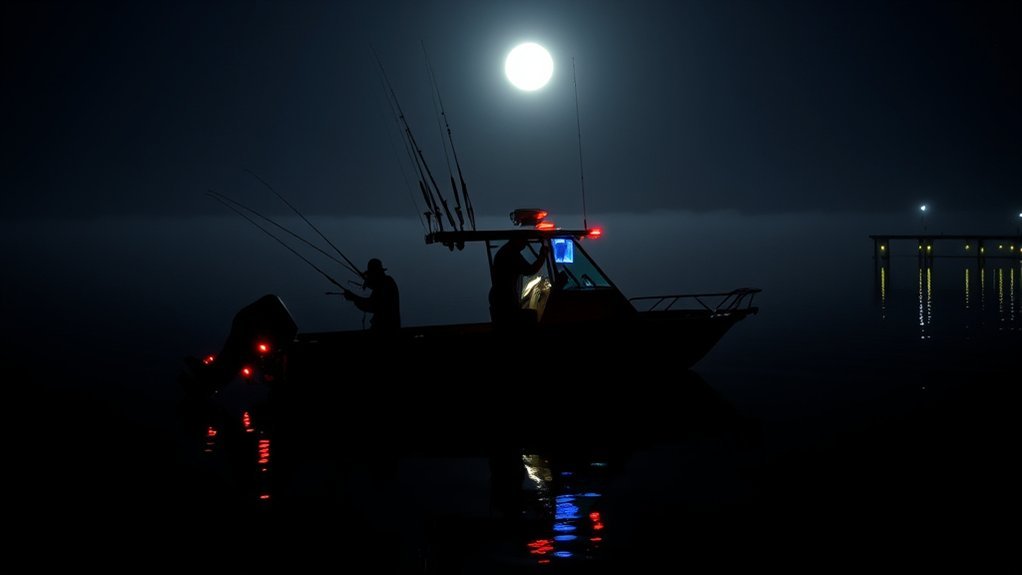
When you set up for night angling, pick an anchor suited to the bottom and place it where structure, current, or lights concentrate baitfish so you can stay put and fish with confidence.
Weigh the pros and cons of drifting versus staying anchored. Drifting can cover water, but anchored fishing gives steadier bait presentation, less noise, and better control for beginners.
Get your boat lighting right. A visible anchor light, working navigation lights, low-profile task lights, and rod tip indicators help keep you safe and ready to strike.
[Amazon Products Picked for You]
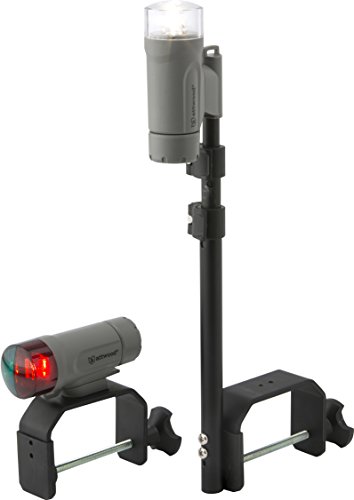
ULTIMATE NIGHTTIME VISIBILITY: Stay safe on small boats or tenders without 12V systems using these compact, high-intensity LED navigation lights

Superior Visibility for Night Safety: Maintain peak security with this high-bright boat navigation lights LED that provides 360° all round bright; ensures your boat remains clearly seen by other vessels in low light conditions

Dual Mounting Options for Easy Installation: Designed for bimini top mounting, this LED pontoon stern light can be installed on 1-inch round tubes using the included brackets, or mounted to square tubes or flat surfaces—perfect for any boat setup.
Anchor Choice and Placement
One solid anchor and a clear plan will make night fishing safer and more productive, so pick your spot, set up deliberately, and stay organized.
You’ll want to prioritize anchor choice and thoughtful placement when anchoring for fishing at night. Pick a grapnel, fluke, or mushroom-style anchor based on the bottom type, current, and boat size.
Keep your anchor light on when required and position the boat so your bow faces current, wind, or the likely fish approach. That gives you control and improved visibility.
- Choose: match the anchor to mud, sand, rock, vegetation, or mixed bottom instead of using one setup everywhere.
- Place: anchor near artificial lights, current seams, drop-offs, or structure, but stay far enough away to cast naturally.
- Organize: secure rode, clear the deck, and keep gear within easy reach so you can react fast and stay safe.
Drifting vs. Anchored
Although anchoring gives you steadiness and lets you concentrate on bites, drifting can still be useful for covering water or following a slick, so decide before dark which approach fits the lake, tide, and target species.
You’ll usually prefer anchoring for night fishing because it frees you to focus on rods and reduces collision risk. Test your anchor technique for the fishing location, use heavier gear in strong current, and make sure your anchor light works to alert others.
If you choose drifting, set a clear plan. Know wind and current, assign one person to the helm when needed, and keep frequent position checks so you do not slide into shallow water, docks, rocks, or other boats.
Organize your boat setup so rods, pliers, bait, net, and lights are within reach. That freedom reduces fumbling and keeps you fishing efficiently.
Boat Lighting Setup
Because night visibility shapes every decision on the water, you’ll want a simple, reliable lighting setup that keeps you visible to others without spooking fish or complicating tasks aboard.
Check that your running lights are operational and meet local rules so you can navigate confidently. Familiarize yourself with the boat’s layout by day so you move efficiently at night.
- Verify navigation lights: test red, green, and stern lights before launch, and keep lenses clean and visible.
- Deploy an anchor light: use a 360-degree white anchor light when stopped where required so other boaters can see you.
- Organize task lights and gear: keep low-intensity task lights within reach and store gear neatly to minimize movement.
Warning: Do not anchor in a marked channel, narrow traffic lane, or blind corner. After dark, other boaters have less time to see and avoid you.
Finding the Best Night Fishing Spots
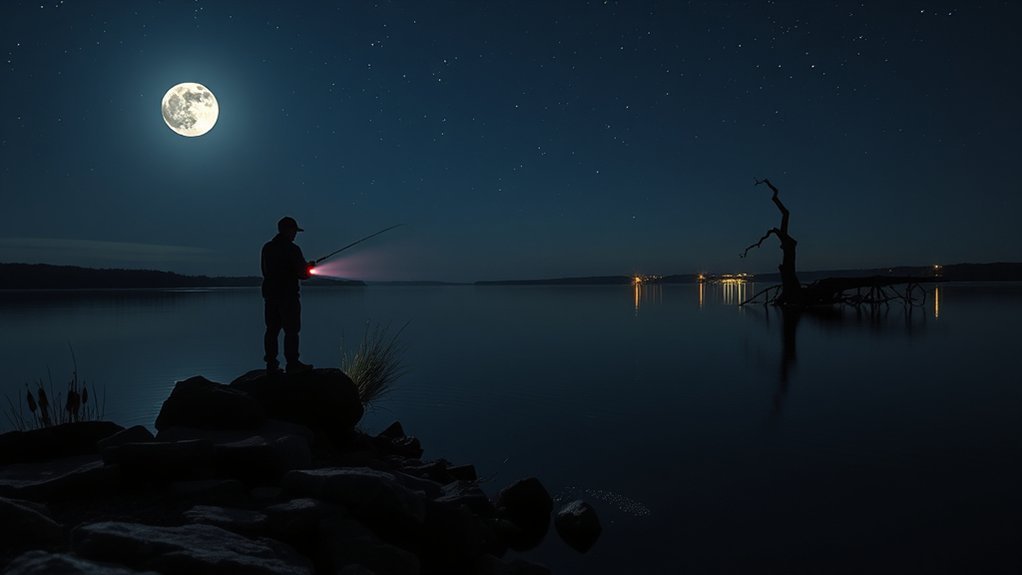
Looking for the best night fishing spots starts with thinking like a fish. Check bridges and docks with lights, seams where light meets dark, protected coves with little boat traffic, weed edges, points, riprap, and places you already know fish well by day.
You’ll want areas with artificial lighting that draws insects and baitfish. Those concentrated meals pull predators in. Scan shorelines for contrasts where illuminated water meets shadow; those seams are hunting lanes.
Pick sheltered pockets with areas with minimal boat traffic so sound and wake do not scatter fish. Consider moon phases, but let safety and bait movement guide your final decision.
Use daytime scouting to locate your bait presentation spots faster after dark. Mark safe parking, trails, ramps, rocks, docks, casting angles, weed edges, and shallow hazards before you need to move around with limited light.
When you arrive, move quietly, use low-profile lights, and test a few depths until you find activity. Cast past the target and bring your bait through the strike zone instead of landing directly on top of fish.
Night fishing frees you from crowds. Choose spots that feel safe and controlled, then tune into subtle signs until you own the rhythm of that water.
High-Percentage Night Fishing Locations
Some locations consistently produce after dark because they combine cover, food, and ambush lanes. Start with places where fish can feed without traveling far.
- Lighted docks and marinas: fish the edge of the light, not just the brightest water.
- Bridges and pilings: current, shade, and structure create strong ambush points.
- Weed edges and grass lines: bass, pike, panfish, and baitfish often use these areas after sunset.
- Points and drop-offs: predators can move shallow to feed and slide deep again when activity slows.
- Creek mouths and drains: moving water can carry bait into predictable feeding lanes.
- Riprap and rocky banks: rocks hold warmth, bait, crawfish, insects, and small fish.
How to Approach a Spot Quietly
Noise carries at night. Close tackle boxes gently, avoid stomping on docks, keep boat hatches from slamming, and reduce unnecessary light. If you fish from shore, stop short of the edge and make your first casts from a few steps back.
Let the spot settle before you move again. A quiet approach helps you catch fish that are already feeding close to the bank, dock, or boat.
Target Species and How They Behave at Night
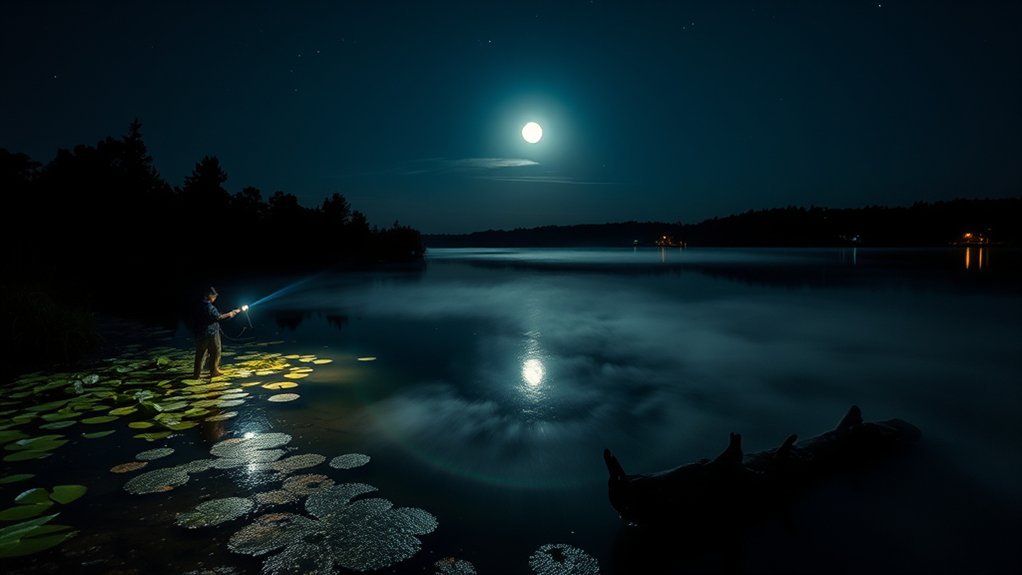
Once you’ve picked a quiet, well-lit stretch of water, the next step is matching your tactics to the species you’ll likely encounter at night. You’ll find different target species respond predictably after dark, so adapt and claim your freedom on the water.
- Tarpon and spotted seatrout: tarpon are often active at night and may rise near the surface; spotted seatrout can gather in shallow water and around lights that draw baitfish. Use topwater, soft plastics, live shrimp, or light presentations to provoke strikes.
- Snook and largemouth bass: snook ambush prey near docks, bridges, current seams, and mangroves; largemouth bass often shift shallow, lurking by weed edges, docks, laydowns, or drop-offs. Present baits near structure and depth changes.
- Catfish: they hunt heavily by scent and favor strong-smelling offerings like cut bait, worms, prepared bait, or chicken liver. For nocturnal angling, trust scent to bring bites.
If you’re fishing for the first time at night, focus on these behaviors and stay observant. Night fishing rewards bold, informed choices, but it also rewards patience and repeatable patterns.
Bass After Dark
Bass often move shallower at night to hunt around grass, docks, points, riprap, and wood. Start with topwater lures, spinnerbaits, bladed jigs, dark worms, or slow-rolled swimbaits.
Keep your retrieve steady and simple. A bass that cannot see every detail still needs time to track the lure through vibration, silhouette, and water movement.
Catfish After Dark
Catfish are one of the best beginner night-fishing targets because scent matters so much. Fish cut bait, worms, shrimp, prepared bait, or local natural bait near channels, flats, current seams, and deeper holes.
Give the bait time to work. Catfish may follow scent trails before biting, so constant recasting can hurt your odds.
Saltwater Predators After Dark
Snook, tarpon, seatrout, redfish, striped bass, and other saltwater predators often use current and light edges at night. Cast up-current or past the light line, then bring the bait naturally through the strike zone.
Live shrimp, baitfish, soft plastics, topwater plugs, and suspending lures can all work. The best choice depends on local forage, current speed, water clarity, and how active the fish are.
Practical Tips to Improve Night Fishing Success
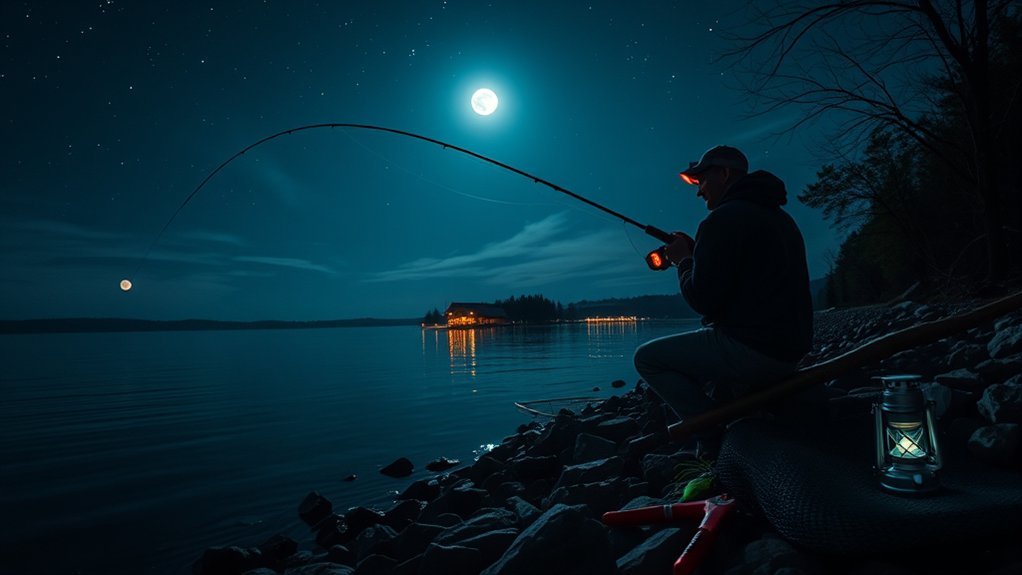
When you head out after dark, focus on a small set of practical moves that consistently boost your odds. Choose live bait when fish are keyed in on scent and natural movement, but keep artificial lures ready for covering water and triggering reaction strikes.
Start near the surface and work deeper slowly. Many fish feed upward after sunset, especially around lights, weeds, docks, and shallow structure.
Anchor instead of drifting when you find a promising spot and want a steady presentation. This helps you work the water carefully without rushing through the bite zone.
Target areas with artificial lighting like docks and bridges; lights gather baitfish and create concentrated feeding zones. Time your trip around peak feeding times, usually after sunset or around moving water, and consider fuller moons when visibility and activity improve.
Keep gear simple, watch silhouettes and line tension, and stay steady rather than chasing every ripple. These choices free you from overcomplication and put control back in your hands.
With focused habits and respect for nocturnal patterns, you’ll reclaim the water and boost your odds of consistent, successful night fishing.
Common Night Fishing Mistakes
Avoid the mistakes that make night fishing harder than it needs to be. The biggest one is arriving at a new spot after dark without scouting it first.
- Fishing too fast: slow down so fish can track your bait.
- Using too much light: bright light can ruin your night vision and distract nearby anglers.
- Bringing too much tackle: clutter causes tangles, lost gear, and unsafe footing.
- Ignoring weather: wind, fog, lightning, and falling temperatures matter more at night.
- Standing too close to the edge: fish may feed right against the bank, and your footing may be worse than it looks.
- Forgetting local rules: some waters have night closures, special boating rules, bait limits, or lighting requirements.
Simple Beginner Night Fishing Plan
Use a basic plan for your first few trips. Pick one familiar spot, one target species, two bait options, and one backup lure. Fish slowly for two or three hours instead of trying to cover an entire lake or shoreline.
- Scout the spot in daylight and choose safe casting positions.
- Arrive before sunset so you can set up while you can still see.
- Start with live bait or a slow-moving lure near shallow cover.
- Move slightly deeper if you get no bites after a fair test.
- Leave if weather, visibility, footing, or boat traffic feels unsafe.
The best night anglers are not the ones carrying the most gear. They are the ones who know the spot, stay quiet, move safely, and keep their bait in high-percentage water.
Frequently Asked Questions
How do you night fish for beginners?
Start by scouting your location in daylight, then fish a familiar spot for a short session after sunset. Use simple tackle, sensitive rods, live bait like worms or minnows, and safe lighting. Wear a life jacket when boating or fishing near deep water, carry backup lights, and tell someone when you expect to return.
What is the 80/20 rule in fishing?
The 80/20 rule in fishing means a large share of your catches often comes from a small share of the water. Instead of casting everywhere, focus on high-percentage spots like docks, weed edges, current seams, drop-offs, points, bridge lights, and areas where baitfish gather.
What is the 90/10 rule in fishing?
The 90/10 rule is a similar idea: most fish may hold in a small part of the available water. At night, that small part is often near food, cover, current, lights, depth changes, or temperature comfort. Your job is to find those zones and fish them carefully.
What fishing technique is best for night?
The best night fishing technique is usually a slow, controlled presentation that fish can detect through scent, vibration, sound, or silhouette. Live bait, rattling topwater lures, slow-rolled spinnerbaits, scented soft plastics, and cut bait all work when matched to the target species and location.
Is night fishing better on a full moon or new moon?
Both can be good. A full moon gives more natural light and can help fish feed across wider areas. A new moon makes artificial lights, scent, sound, and structure more important. The better choice depends on your target species, water clarity, tide, weather, and local fishing pressure.
What color lure works best at night?
Dark lures often work well at night because they create a strong silhouette against the sky or lighted water. Black, dark blue, purple, and other dark colors are useful for topwater and shallow presentations. In stained water, vibration, scent, and lure size may matter more than color.
Conclusion
You’ll get better every night you go out. My first night trip taught me that a single glowstick, a quiet approach, and a live shrimp could draw strikes while everyone else fumbled with flashlights. That lesson still holds: small, smart choices light the way.
Use the safety checks, gear tips, timing advice, and bait strategies here. Scout spots in daylight, keep your setup simple, move quietly, and trust slow adjustments instead of rushing from place to place.
Night fishing rewards patience and practice. Pack waterproof layers, respect weather and water, follow local rules, and enjoy the dark’s surprising rewards.
Sources
- National Weather Service Boating Safety — supports checking weather, wind, storms, and safe boating conditions before night trips.
- NOAA Tides and Currents — supports using local tide information when planning tidal night-fishing windows.
- U.S. Coast Guard Navigation Rules — supports the importance of visibility, navigation lights, and safe boating behavior after dark.
- U.S. Coast Guard Life Jacket Wear — supports life jacket guidance for boating and higher-risk fishing situations.