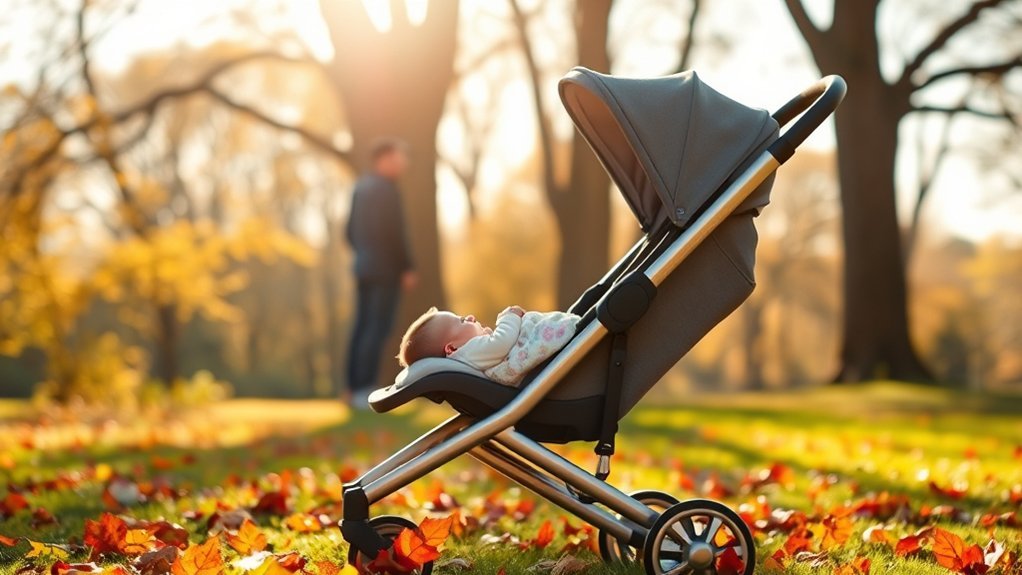
When you see a parent smoothly moving through a busy park with a stroller, it can look simple. Yet a stroller is more than a wheeled seat for a child. It reflects how families travel, how caregivers balance safety with convenience, and how baby gear has changed with modern life. Understanding what a stroller means, how it evolved, and how to use one safely helps you make better choices for your child and your daily routine.
Quick Answer
A stroller is a small wheeled carriage designed to transport babies and young children. Parents use strollers for walks, errands, travel, and daily outings. Modern strollers vary by age range, terrain, fold style, storage, safety features, and lifestyle needs.
Key Takeaways
- A stroller helps caregivers transport babies and young children safely and comfortably during everyday outings.
- Common stroller types include lightweight strollers, full-size strollers, travel systems, jogging strollers, double strollers, prams, and pushchairs.
- Important safety features include a secure harness, working brakes, locking parts, stable wheels, and proper weight limits.
- The right stroller depends on your child’s age, your daily routine, storage space, terrain, and travel needs.
Definition and Pronunciation of Stroller
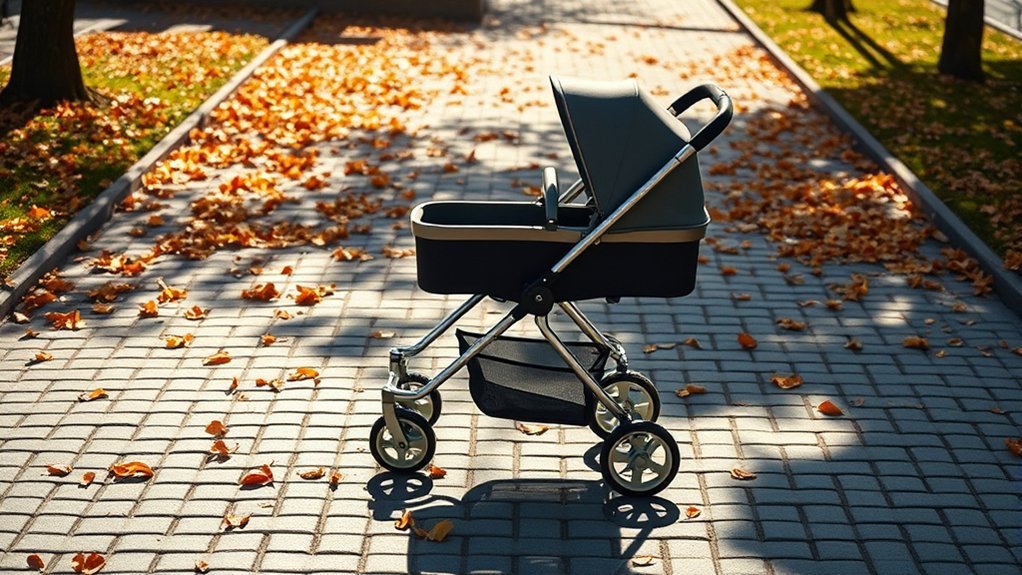
A stroller is a small carriage on wheels designed for transporting babies or young children. It gives parents and caregivers a practical way to move a child through parks, sidewalks, stores, airports, and other public spaces without carrying them the whole time.
Understanding the definition of a stroller also helps you compare different stroller types. A lightweight stroller may suit quick errands or travel. A full-size stroller usually offers more padding, storage, and comfort. A travel system combines a stroller with an infant car seat, so you can move a baby from the car to the stroller frame more easily.
The pronunciation varies slightly by region. In American English, “stroller” is commonly pronounced /ˈstroʊlər/. In British English, you may hear /ˈstrəʊlər/. The word comes from “stroll,” which connects directly to its purpose: helping caregivers take children along on walks and daily outings.
In everyday use, “stroller” is more common in the United States, while “pushchair,” “pram,” and “buggy” are more common in the United Kingdom and some other regions. These words can overlap, but they may describe slightly different designs depending on the child’s age and seating position.
Historical Context and Evolution
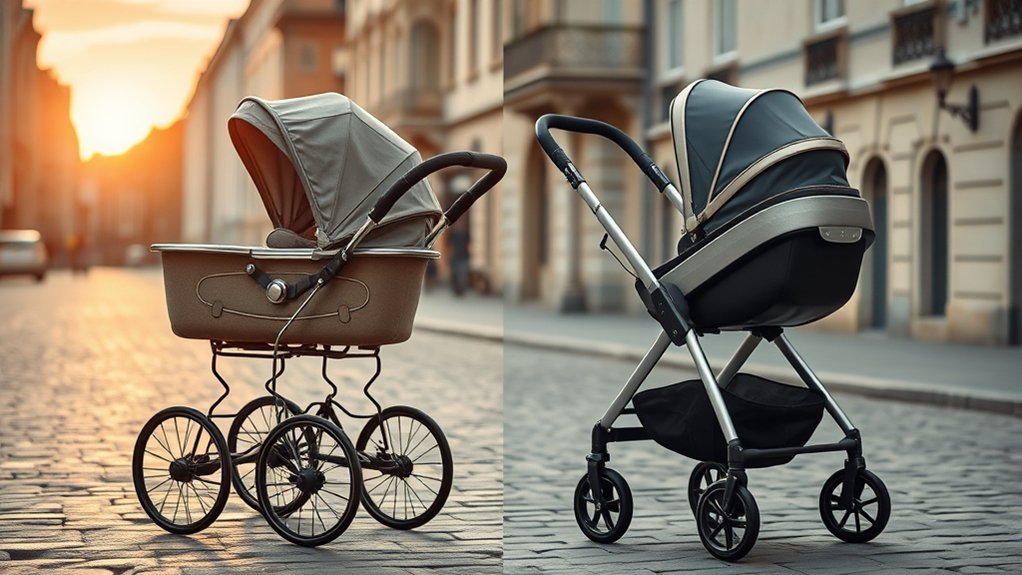
Understanding the meaning of “stroller” sets the stage for its larger history. Early child carriages were often designed for wealthy families and looked more like small decorative carts than the foldable strollers you see today. Over time, stroller design became more practical, portable, and available to everyday families.
The term connects to the idea of strolling, or walking at a relaxed pace. As cities grew and family routines changed, caregivers needed easier ways to bring babies and toddlers into public spaces. This demand helped push stroller design forward.
Collapsible and folding designs became especially important because they made strollers easier to store, carry, and transport. By the early 20th century, baby carriages and strollers had become common household items for many families. Advertising, catalogs, and department stores helped popularize them as practical child transport solutions.
By the late 20th and early 21st centuries, strollers became more specialized. Parents could choose jogging strollers, compact travel strollers, luxury strollers, all-terrain strollers, and double strollers. This shift shows how stroller design followed changes in parenting habits, urban living, fitness culture, and consumer expectations.
Note: Stroller names can vary by country. A product called a “pushchair” in one region may be called a “stroller” or “buggy” in another.
Cultural Significance and Usage
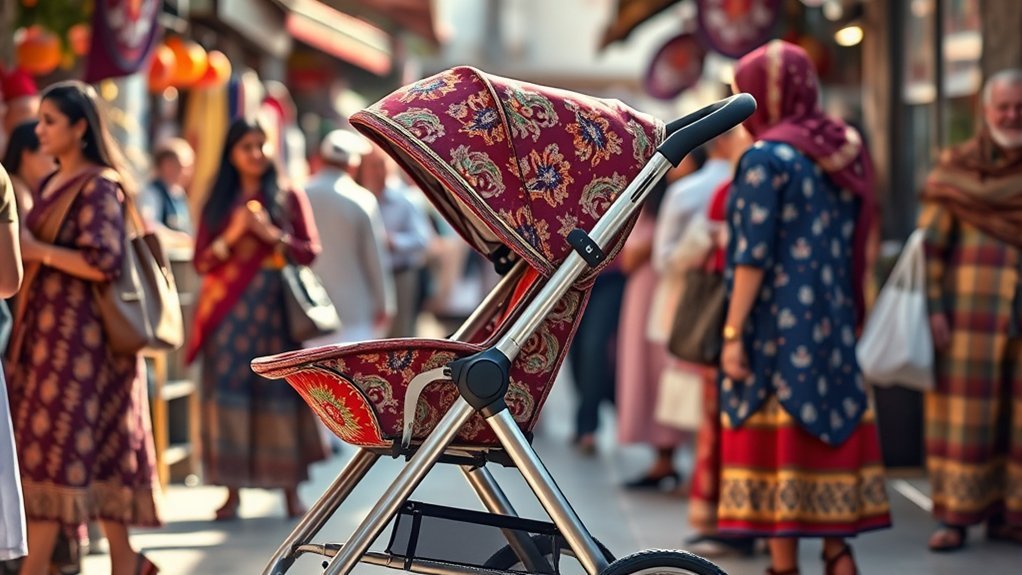
While strollers may seem like simple baby gear, their cultural meaning goes beyond transportation. They represent mobility, independence, and convenience for modern caregivers. A stroller can make it easier to stay active, run errands, visit friends, use public spaces, and include children in daily life.
Strollers also show how families interact with cities and communities. Wide sidewalks, accessible public transport, ramps, elevators, and stroller-friendly parks all affect how easy it is for caregivers to move around. When public spaces support stroller use, they also support families with young children.
Luxury and designer strollers also reflect consumer culture. Some parents choose a stroller based on comfort and safety alone, while others also consider style, brand reputation, fold size, materials, or premium features. This shows how baby gear can carry both practical and social meaning.
Here’s a visual representation of their cultural significance:
| Aspect | Symbolism | Community Impact |
|---|---|---|
| Mobility | Freedom for caregivers | Visibility of families |
| Consumer Trends | Investment in comfort and quality | More demand for family-friendly spaces |
| Safety Features | Child well-being as a priority | Better awareness of safe design |
| Social Dynamics | How caregivers appear in public life | Stronger inclusion of young families |
Understanding this deeper meaning helps you see a stroller not just as equipment, but as part of modern family life.
Main Types of Strollers
Choosing a stroller becomes easier when you understand the main categories. Each type serves a different need, and the best choice depends on your child’s age, your home, your car, your travel habits, and the places you visit most often.
- Full-size stroller: A sturdy everyday option with more comfort, storage, and features. It often works well for regular walks and errands.
- Lightweight stroller: A compact option that is easier to carry, fold, and store. It is useful for travel, quick trips, and small spaces.
- Travel system: A stroller and compatible infant car seat combination. It helps parents move a baby from the car to the stroller without disturbing them as much.
- Jogging stroller: A stroller made for faster movement and rougher paths. It usually has larger wheels and a more stable frame.
- Double stroller: A stroller designed for twins or two young children. It may use a side-by-side or tandem layout.
- Pram: A carriage-style design that often allows a newborn to lie flatter. It is usually most useful during early infancy.
- Umbrella stroller: A simple, lightweight stroller that folds slim. It is convenient, but may offer less padding and storage.
Pro Tip: Match the stroller to your real routine, not just the most popular model. A compact fold matters more in small apartments, while wheel quality matters more on uneven sidewalks.
[Amazon Products Picked for You]

SAFE & SECURE: Built with a 3-point harness to keep your toddler snug and locking back wheels for added stability on the go.

LIGHTWEIGHT - A lightweight stroller makes any outing a little easier; The Ingenuity 3D Mini Convenience Stroller has a durable steel frame that weighs 11 pounds and has a full-sized seat, plus auto-lock, anti-shock front wheels and lockable rear wheels

Lightweight & Travel-Friendly Design - Weighing just 7.2 pounds, the Dream On Me Aero Travel Light Stroller makes traveling with your little one easier. Ideal for families on the go — great for vacations, city strolls, and quick errands.
Safety Considerations and Practicality
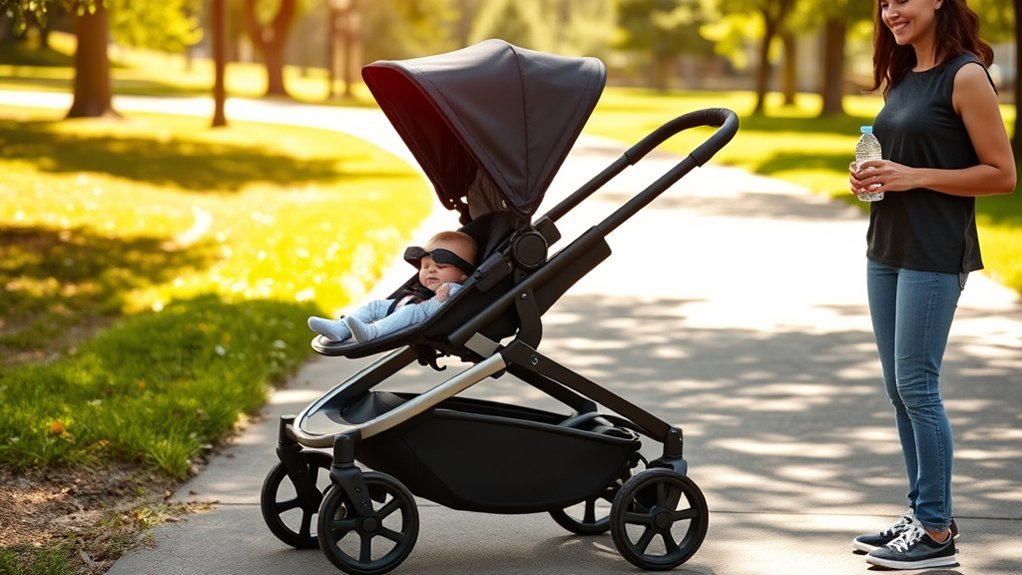
When considering stroller use, safety and practicality should come first. Modern strollers often include harnesses, brakes, locking mechanisms, canopies, and stable frames. These features help keep your child secure and make outings easier for you.
Always use the harness according to the stroller’s instructions. A five-point harness gives better support than a loose lap belt because it secures the shoulders, waist, and crotch area. You should also check that the brakes work before you stop on a slope, near traffic, or in a crowded area.
Regular stroller maintenance also matters. Check the wheels, frame, folding joints, brake parts, and harness straps for wear or loose components. If a stroller feels unstable, pulls to one side, or no longer locks correctly, stop using it until you can inspect or repair it.
In public spaces, unattended strollers can create safety risks. A stroller may roll away if the brake is not set, block walkways, or become a theft target if valuables are left inside. When using public transportation, elevators, or crowded sidewalks, plan ahead and ask for help when needed.
Warning: Never hang heavy bags from the stroller handle unless the manufacturer allows it. Extra weight on the handle can make some strollers tip backward.
[Amazon Products Picked for You]

3‑In‑1 Stroller, Ride, And Scooter - Baby Safety Alliance certified and ASTM-tested across all 3 modes, the Coast Rider converts from a full travel stroller to Ride and Scooter modes, giving your child more ways to ride as they grow. A versatile toddler stroller for family outings.
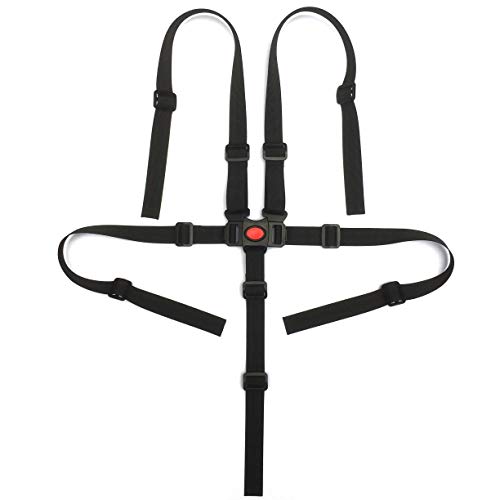
Replacement straps harness for most Baby Highchairs, baby stroller, Pram Buggy, pushchair baby seat(Pls note that it NOT suit for baby car seat)

Five-Point Safety Design, Flexible Conversion: using a convenient five-point safety belt, all-round protection of the baby's safety, to prevent slipping or turning out; can easily remove the two straps, the second into a three-point safety belt, to meet the needs of different scenarios, the use of more flexible.
How to Choose the Right Stroller
The right stroller should fit your child, your lifestyle, and your space. Start with your child’s age and size. Newborns need proper head and neck support, while older babies and toddlers often need a seat that lets them sit upright and see around them.
Next, think about where you will use the stroller most. Smooth city sidewalks may work well with smaller wheels. Gravel paths, parks, or uneven streets may call for larger wheels and stronger suspension. If you travel often, check the folded size and weight before buying.
Storage also matters. A large basket helps when you carry diapers, snacks, jackets, or shopping bags. A compact fold helps if you use a small car trunk, public transportation, or limited home storage.
Before choosing a stroller, check these practical details:
- Age and weight limits: Make sure the stroller supports your child now and as they grow.
- Harness type: Look for a secure harness that adjusts as your child grows.
- Brake system: Test whether the brake feels easy to engage and release.
- Fold style: Choose a fold you can manage while holding bags or caring for your child.
- Terrain: Match the wheels and suspension to the places you visit most.
- Storage space: Check the basket, pockets, and folded size.
- Cleaning needs: Removable or wipeable fabrics can make daily use easier.
[Amazon Products Picked for You]

SMOOTH RIDE: 12-inch front wheel and 16-inch back wheels with back brakes | Puncture-proof wheels| Shock absorbing frame | Tons of storage space with the included parent organizer with two cup holders and extra-large basket under the frame
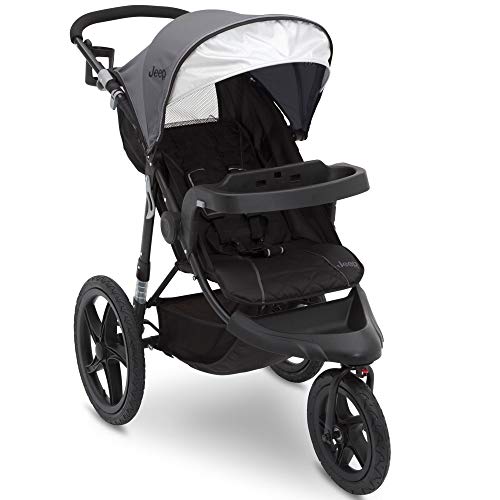
JOGGING STROLLER TRAVEL SYSTEM: Use as a standard jogging stroller or create a travel system with your infant car seat (car sear sold separately) ; SIZE/WEIGHT: 24.4”L x 44.9”W x 41.1”H ; 26 lbs.

Lockable front swivel wheel for ease of maneuverability
Related Vocabulary and Synonyms
Safety and practicality are important, but related vocabulary also helps you understand stroller options. The term “stroller” may be used with words such as “pram,” “pushchair,” “buggy,” and “carriage.” These terms can vary by region, age range, and design.
| Term | Meaning |
|---|---|
| Stroller Types | Different models designed for specific needs, such as travel, jogging, or multiple children |
| Stroller Features | Functions that improve safety, comfort, storage, folding, or handling |
| Strollering | The act of using a stroller for walks, errands, or daily mobility |
| Pram | A baby carriage often designed for infants who need a flatter resting position |
| Pushchair | A common UK term for a stroller-style seat, often used for older babies and toddlers |
| Buggy | A casual term for a stroller, often used for lightweight or compact models |
Knowing these words can help you compare products, read guides, and communicate more clearly when choosing baby gear.
Proper Stroller Maintenance and Cleaning
A stroller lasts longer and stays safer when you clean and inspect it regularly. Daily crumbs, spilled drinks, dust, mud, and outdoor debris can build up quickly. Simple maintenance helps protect the frame, wheels, fabric, and moving parts.
Start by checking the manufacturer’s care instructions. Some fabrics can be removed and hand-washed, while others should only be wiped clean. Use mild soap and water for most routine cleaning, and avoid harsh chemicals unless the instructions allow them.
For the frame and wheels, wipe dirt away with a damp cloth. Remove hair, string, or debris caught around the wheel axles. If the wheels squeak or feel stiff, check the manual before adding any lubricant because some parts require specific care.
Use this simple routine:
- After messy outings: Shake out crumbs and wipe spills before they dry.
- Weekly: Check brakes, wheels, straps, and folding locks.
- Monthly: Clean fabric, inspect screws or connectors, and test the stroller’s fold.
- Before travel: Confirm the stroller opens, locks, folds, and rolls smoothly.
Common Stroller Mistakes to Avoid
Even a good stroller can become unsafe or frustrating if you use it the wrong way. Many problems come from overloading, skipping the harness, using the wrong stroller for the terrain, or forgetting to lock the brakes.
- Skipping the harness: A child can lean, climb, or slip out if they are not secured.
- Overloading the handle: Heavy bags can change the stroller’s balance and increase tipping risk.
- Ignoring the weight limit: A stroller may become harder to steer or less stable when overloaded.
- Using the wrong terrain: Small wheels may struggle on gravel, grass, or broken sidewalks.
- Forgetting the brake: Always set the brake when stopped, especially on slopes.
- Leaving valuables inside: Stroller baskets and pockets are easy targets in public spaces.
These habits may seem small, but they can make daily stroller use safer, smoother, and less stressful.
Frequently Asked Questions
What age group is suitable for using a stroller?
Strollers are commonly used for infants through toddler age, but the exact range depends on the stroller’s design, recline, support, and weight limit. Newborns usually need a fully reclined seat, bassinet, or compatible infant car seat. Older babies and toddlers can often use upright stroller seats.
How do I choose the right stroller for my needs?
Choose a stroller by looking at your child’s age, your daily routine, your storage space, and the terrain you use most. Prioritize a secure harness, reliable brakes, easy folding, suitable wheels, and a weight limit that fits your child.
Can strollers be used for twins or multiple children?
Yes. Double strollers are designed for twins or two young children. Some use a side-by-side design, while others use a front-and-back tandem layout. The best option depends on door width, storage needs, child ages, and how often you travel or walk with both children.
What are the common features found in modern strollers?
Common modern stroller features include adjustable harnesses, brakes, reclining seats, sun canopies, storage baskets, folding frames, swivel wheels, cup holders, parent trays, and adjustable handles. Some models also include suspension, reversible seats, or car seat compatibility.
How do I properly maintain and clean a stroller?
Clean a stroller with mild soap and water unless the care label says otherwise. Wipe the frame, remove crumbs from the seat, clear debris from the wheels, and check brakes, straps, and folding locks regularly. Avoid harsh cleaners that could damage fabric or plastic parts.
What is the difference between a stroller, pram, and pushchair?
A stroller usually refers to a wheeled child seat used for babies or toddlers. A pram often refers to a carriage-style model for infants who lie flatter. A pushchair is a common UK term for a stroller-style seat, especially for older babies and toddlers.
When should I stop using a stroller?
Stop using a stroller when your child exceeds the stroller’s weight or height limit, no longer fits safely in the harness, or can walk longer distances without needing support. Many families still use a stroller during travel, long outings, or crowded events for older toddlers.
Conclusion
A stroller is more than a convenient way to move a child from one place to another. It represents the changing needs of families, the growth of child-focused design, and the importance of safe mobility in everyday life. From simple baby carriages to modern travel systems and jogging strollers, each design reflects how caregivers balance comfort, safety, style, and practicality.
When choosing a stroller, focus on your child’s age, your regular routine, the surfaces you use most, and the safety features you can rely on every day. A well-chosen stroller can make walks, errands, travel, and public outings easier for both you and your child.
