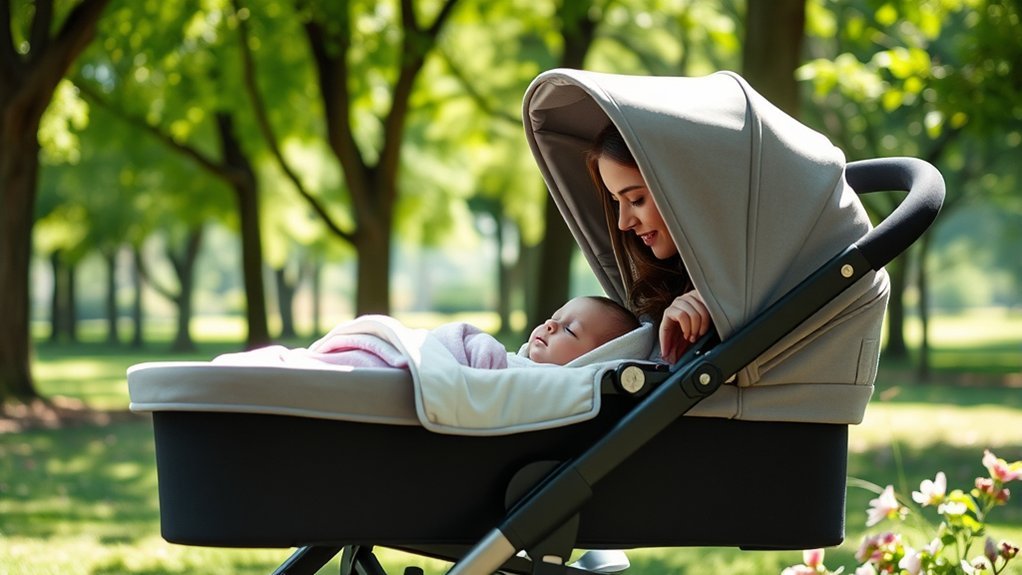
Taking a newborn out in a stroller can be a calm, healthy way to get fresh air, but the stroller must support your baby’s body safely. A newborn should not sit upright in a standard stroller seat. Instead, your baby needs a bassinet, a fully reclining stroller seat, or a compatible infant car seat that keeps the head, neck, and airway supported during short, supervised outings.
Quick Answer
Yes, you can use a stroller with a newborn if it is made for newborn use. Choose a bassinet stroller, a fully reclining seat, or a stroller that safely accepts an infant car seat. Avoid upright stroller seats until your baby has strong head and neck control, usually around 6 months.
Key Takeaways
- A newborn needs a stroller setup that lets them lie flat or stay securely supported in an approved infant car seat.
- Do not use a regular upright stroller seat for a newborn unless the seat fully reclines and the manufacturer allows newborn use.
- Look for a five-point harness, strong brakes, stable wheels, good suspension, and a large canopy.
- Keep early stroller walks short, check your baby often, and avoid letting your newborn sleep in a stroller for long, unsupervised periods.
- Always follow the stroller’s age, weight, and car seat compatibility limits before each outing.
At a Glance
| Best Newborn Setup | Bassinet, fully reclining stroller seat, or compatible infant car seat |
| Upright Seat Age | Usually around 6 months, once baby has steady head and neck control |
| Must-Have Safety Features | Five-point harness, reliable brakes, stable frame, lockable wheels, and sun canopy |
| First Walk Length | Start with 10 to 20 minutes, then adjust based on your baby’s comfort |
Understanding Stroller Options for Newborns
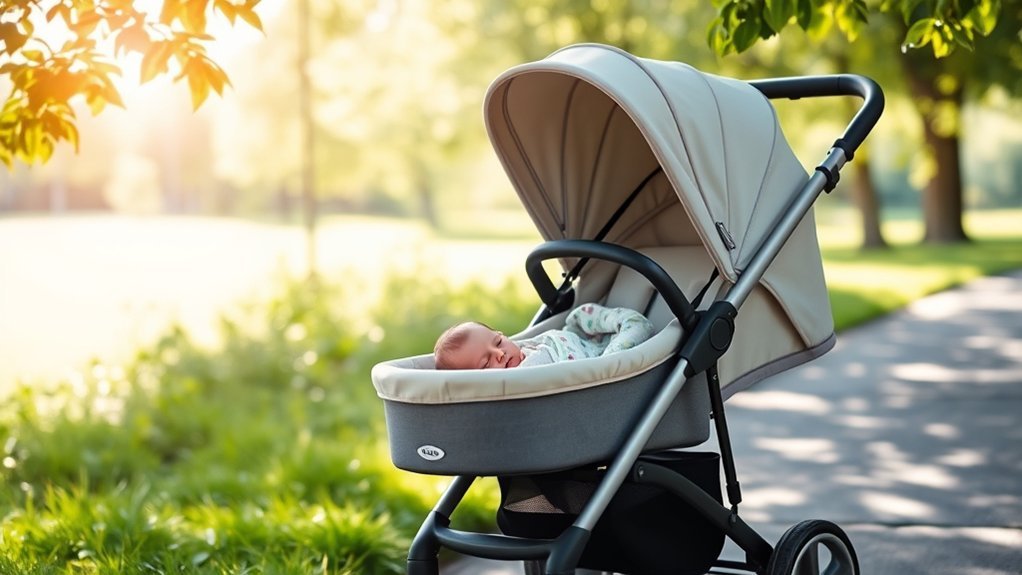
When you’re considering stroller options for your newborn, choose one that prioritizes safety, comfort, and proper body support. Newborns have limited head and neck control, so they need a stroller position that keeps them from slumping forward or sitting too upright.
The safest newborn-friendly options are usually bassinet strollers, travel systems with a compatible infant car seat, or strollers with a fully reclining seat approved by the manufacturer for newborn use. These designs help your little one lie flat or stay properly supported, which is especially important during the first few months.
A bassinet stroller is often the most comfortable option for relaxed walks because it gives your baby a flat sleep-like surface while you are supervising them. A stroller with an infant car seat attachment can be convenient for short errands because you can move the seat from the car to the stroller without waking your baby. A fully reclining stroller can also work if the recline is deep enough and the stroller’s manual clearly says it is safe from birth.
Warning: Do not place a newborn in an upright stroller seat that does not recline fully. If your baby’s chin drops toward their chest, their breathing can become less comfortable and their head and neck may not be supported well.
Additionally, check for car seat compatibility before using any travel system. Not every infant car seat fits every stroller, and adapters must be approved by the stroller or car seat manufacturer. Safety features like a five-point harness, reliable brakes, a stable frame, and lockable wheels are critical for peace of mind during outings.
Before introducing a stroller, verify your newborn meets the weight and age specifications outlined by the manufacturer. If your baby was born premature, has reflux, has breathing concerns, or has special medical needs, ask your pediatrician before using a stroller for longer outings.
[Amazon Products Picked for You]

Versatile 3-in-1 Stroller: Transforms from an Infant Car Seat Carrier to Infant Pramette and then to Toddler Stroller

3 strollers in 1: Infant Car Seat Carrier, Infant Pramette, and Toddler Stroller to stroll from infant to toddler
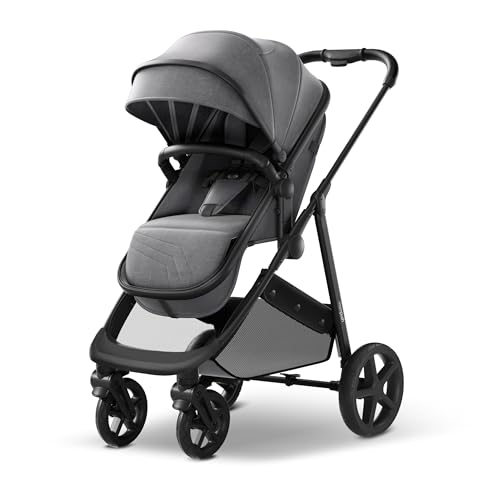
Room to Grow: Use from birth as a newborn stroller with easy conversion to infant pramette mode, allowing your baby to sleep comfortably on the go. This stroller adapts as your child grows, providing a secure ride from newborn to toddler stages. Compatible with Maxi-Cosi and Nuna car seats (car seat adapter sold separately).
When to Start Using a Stroller
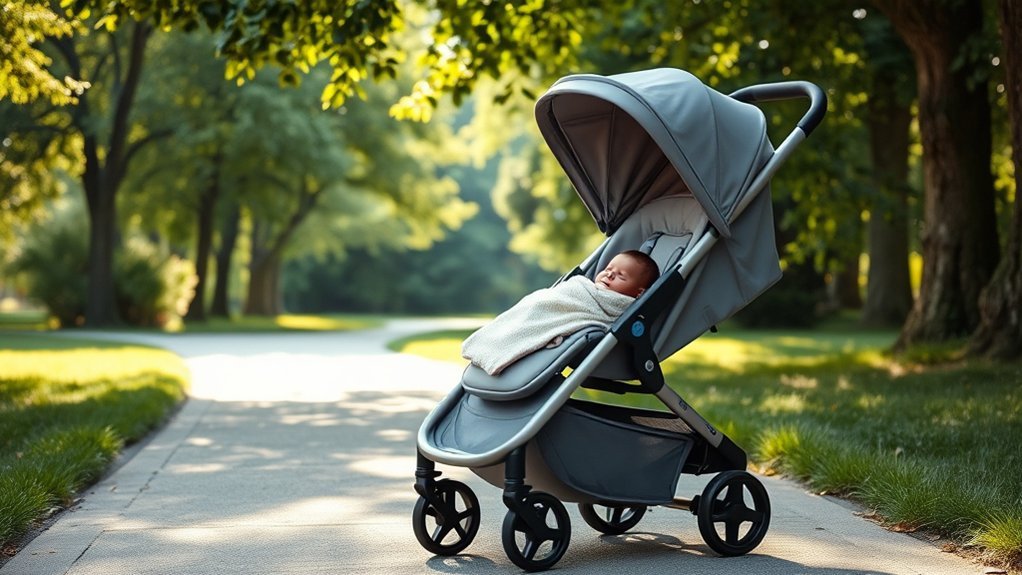
Although many parents are eager to take their newborns out for a stroll, the right time depends on the stroller style and your baby’s development. You can begin using a stroller soon after birth if it has a bassinet, a fully reclining seat approved for newborns, or a compatible infant car seat that provides proper support.
Traditional stroller seating, however, should wait until your baby is around six months old. This is when many babies develop the head and neck control needed to sit more upright without slumping. Some babies are ready a little earlier, and others need more time, so watch your child’s milestones instead of relying only on age.
Look for stroller readiness signs such as your baby being able to hold their head steady, sit with minimal support, and stay comfortable without sliding or folding forward. If your baby still needs full support to keep their head upright, continue using a bassinet, infant car seat setup, or full recline position.
Note: Short fresh-air walks are usually easier for newborns than long trips. Start with a short route close to home so you can return quickly if your baby becomes hungry, cold, overheated, or uncomfortable.
Always consult your pediatrician about your baby’s developmental milestones if you are unsure. Finally, make sure the stroller complies with current safety standards and check the age, weight, and recline limits before heading out.
Essential Safety Features for Newborn Strollers
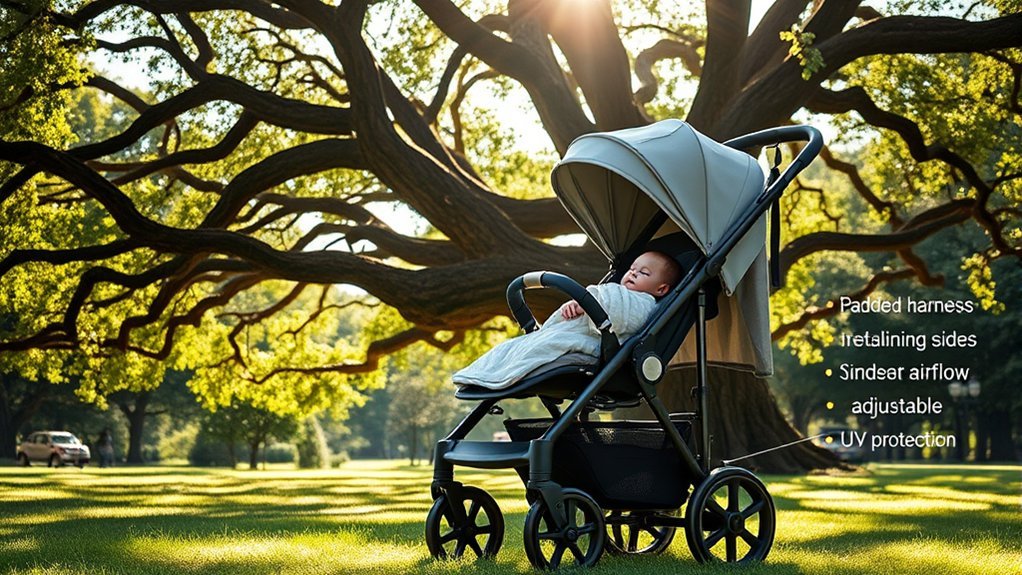
Choosing the right stroller for your newborn is important for their safety and comfort. Look for a fully reclining seat or bassinet option that supports your baby’s head, neck, back, and hips. The seat should feel stable, not flimsy, and your baby should not slide into a curled position.
A five-point safety harness is essential because it secures your baby at the shoulders, waist, and between the legs. This helps reduce the risk of slipping, leaning, or falling. The harness should fit snugly, but it should not press into your baby’s skin or restrict breathing.
Strollers should also feature sturdy designs and good suspension systems to provide stability and a smooth ride. Large wheels may help on uneven sidewalks or park paths, while smaller swivel wheels can make store aisles and tight spaces easier to manage.
Make certain the stroller materials are durable and meet safety regulations. Check that the frame locks fully open, the folding system does not pinch fingers, and the brakes hold the stroller firmly in place. An adjustable or large UV-protective canopy is also significant for shielding your baby from direct sun exposure during outings.
Finally, don’t forget the importance of regular safety checks. Inspect the wheels, brakes, buckles, straps, canopy, recline mechanism, and frame before use. If anything feels loose, cracked, jammed, or unstable, stop using the stroller until it is repaired or replaced.
[Amazon Products Picked for You]

Room to Grow: Use from birth as a newborn stroller with easy conversion to infant pramette mode, allowing your baby to sleep comfortably on the go. This stroller adapts as your child grows, providing a secure ride from newborn to toddler stages. Compatible with Maxi-Cosi and Nuna car seats (car seat adapter sold separately).

Room to Grow: Use from birth as a newborn stroller with easy conversion to infant pramette mode, allowing your baby to sleep comfortably on the go. This stroller adapts as your child grows, providing a secure ride from newborn to toddler stages. Compatible with Maxi-Cosi and Nuna car seats (car seat adapter sold separately).

Room to Grow: Use from birth as a newborn stroller with easy conversion to infant pramette mode, allowing your baby to sleep comfortably on the go. This stroller adapts as your child grows, providing a secure ride from newborn to toddler stages. Compatible with Maxi-Cosi and Nuna car seats (car seat adapter sold separately).
Selecting the Right Stroller for Your Lifestyle
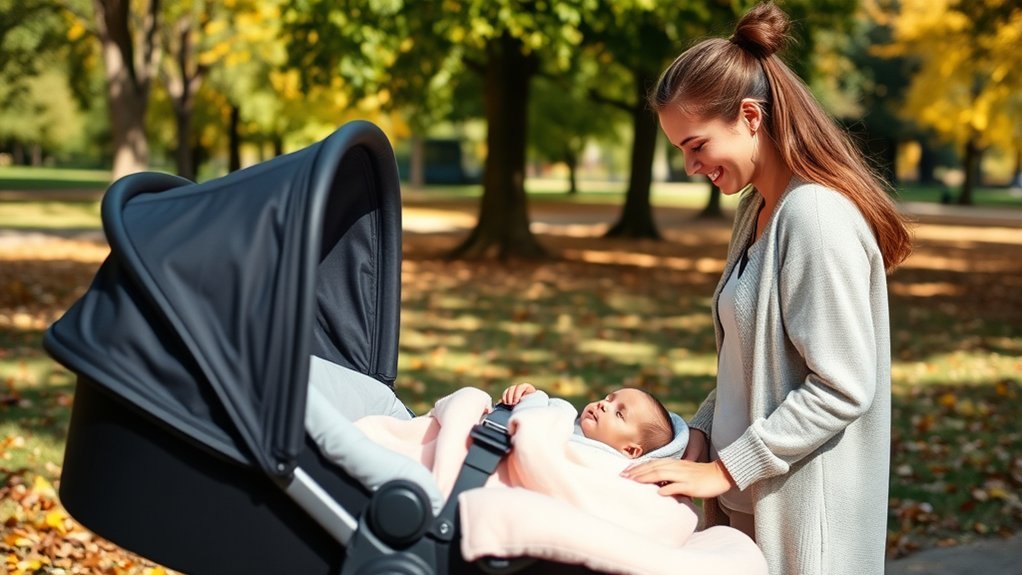
Finding the right stroller for your newborn goes beyond just safety features; it also needs to align with your lifestyle. Look for models that accommodate newborns, like those with a bassinet or fully reclining seat, to guarantee proper head and neck support.
If you live in a city or apartment, a lightweight stroller that folds easily may be more useful than a bulky model. If you walk on bumpy sidewalks, gravel paths, or parks, a stroller with stronger wheels, better suspension, and a stable frame may feel safer and smoother.
Pay attention to stroller weight. A lightweight model can make outings easier, especially if you need to lift it into a car trunk, carry it upstairs, or use public transportation. At the same time, make sure the stroller is sturdy enough for your baby’s size and daily use.
Handlebar adjustability is another key feature. It allows you to customize the height for comfort, whether you’re tall or petite. A comfortable handlebar can reduce wrist, shoulder, and back strain during longer walks.
Also consider the stroller’s storage options, portability, and maneuverability. A roomy basket can hold diapers, wipes, blankets, and feeding supplies, but never hang heavy bags from the handlebar because this can make the stroller tip backward.
Pro Tip: Before buying, practice folding the stroller, locking the brakes, adjusting the harness, and reclining the seat. A stroller that feels simple in the store is usually easier to manage when you are holding a baby and diaper bag.
Don’t forget to research and read reviews on various models to find the best fit for your needs, focusing on safety ratings, ease of use, and real parent feedback. Choosing the right stroller empowers you to enjoy your outings and embrace your new journey with confidence.
[Amazon Products Picked for You]

FOLDABLE INFANT STROLLER & REVERSIBLE BASSINET PRAM:In order to meet the different use needs, this stroller has special 2-in-1 design. As a landscape design toddler stroller, your baby can enjoy the outside scenery and also free from automobile exhaust pollution. As a bassinet pram, baby can immediately have a comfortable space. And our stroller is also reversible in both directions to meet your different needs.
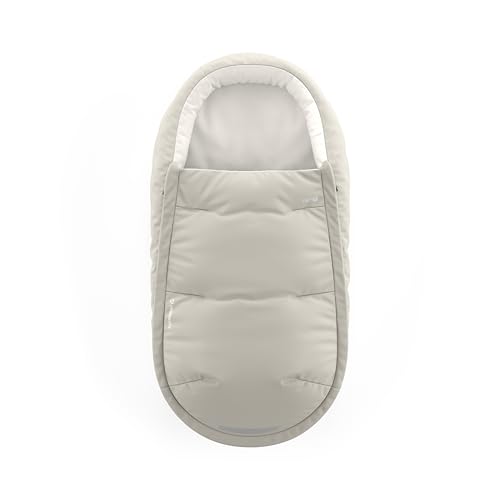
The performance shell is waterproof with a 10,000 mm water column and breathable with a more than 5,000 g/cubic meter/24h moisture vapor transmission rate

2-IN-1 CONVERTIBLE STROLLER: This baby stroller can switch between basket mode and seated mode. The footrest provides additional support for infant, and the reversible basket pram allows your toddler to face you. The handlebar adjusts to 4 different heights to accommodate parents of various statures.
Tips for a Safe and Comfortable Strolling Experience
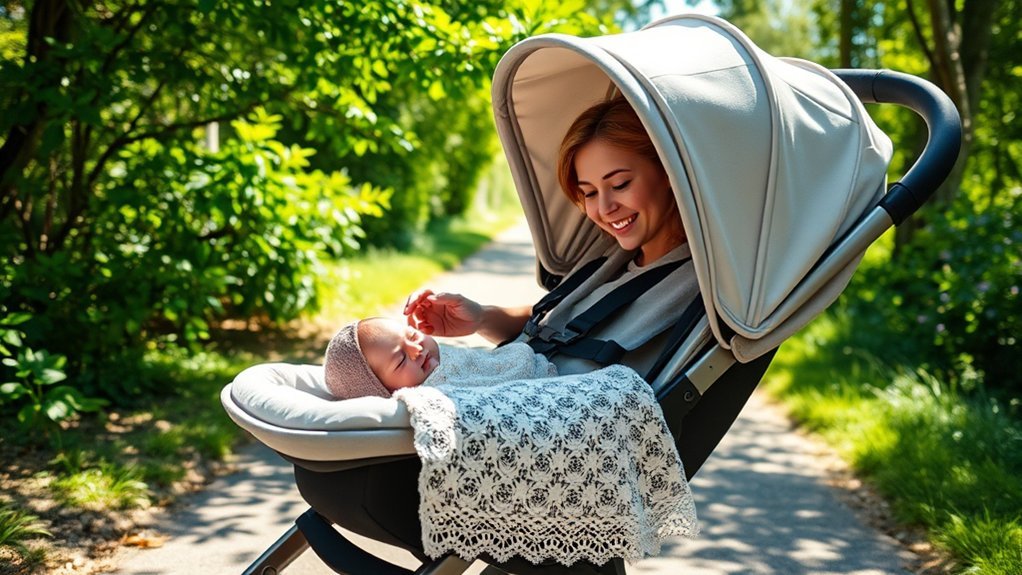
When you head out with your newborn in a stroller, prioritizing safety and comfort is essential for both of you. First, make sure your stroller has a fully reclining seat or a bassinet attachment, providing the necessary head and neck support for your little one.
Always use a five-point harness to securely strap your baby in, even during short walks. A newborn can shift position quickly, especially when the stroller moves over bumps or curbs. Keep the straps flat, snug, and properly placed over your baby’s shoulders and hips.
When you stop or leave your hands off the stroller, engage the parking brake to keep it from rolling away. Use extra caution on slopes, near roads, in parking lots, and around curbs. Never leave your baby unattended in the stroller.
Dress your baby for the weather, but avoid heavy blankets that can cover the face or cause overheating. In warm weather, use shade and breathable clothing. In cold weather, use layers and check your baby’s chest or back to make sure they are warm but not sweaty.
Consider investing in stroller accessories like a large UV-protective canopy, rain cover, or weather shield if they are approved for your stroller model. Avoid adding unapproved cushions, pillows, strap covers, or inserts because they may change how the harness fits or affect your baby’s position.
Regularly inspect the stroller for wear and tear, making certain all components function properly to maintain safety. By following these tips, you can create a safe and comfortable strolling experience that fosters connection and exploration for both you and your baby.
How Long Can a Newborn Be in a Stroller?
A newborn can usually handle short stroller walks when they are supported correctly, but long periods in one position are not ideal. For early outings, start with about 10 to 20 minutes and slowly increase the time if your baby stays calm, comfortable, and well supported.
If your baby is in an infant car seat attached to a stroller, keep the trip especially brief. Infant car seats are designed for safe travel in a vehicle, not for long, routine sleep outside the car. If your baby falls asleep during a walk, check their position often and move them to a safe sleep surface when you return home.
A stroller is useful for supervised outings, but it should not replace a firm, flat, safe sleep space for regular naps.
Common Newborn Stroller Mistakes to Avoid
Many stroller problems come from small habits that feel harmless in the moment. Avoid these common mistakes to make each outing safer and easier:
- Using an upright stroller seat before your baby has steady head and neck control.
- Skipping the harness because the walk is short.
- Hanging heavy bags from the handlebar, which can cause tipping.
- Leaving the stroller unlocked on a slope or uneven surface.
- Covering the stroller with a thick blanket that blocks airflow.
- Using pillows, loose blankets, or extra inserts that did not come with the stroller.
- Ignoring the stroller’s weight limit, recline rules, or car seat compatibility list.
Simple habits make a big difference. Buckle your baby every time, keep the stroller balanced, use the brake when stopped, and check your baby’s face, breathing position, and temperature often.
Related Guides
Frequently Asked Questions
Can I Use a Regular Stroller for My Newborn?
You can use a regular stroller for your newborn only if it has a fully reclining seat and the manufacturer says it is safe from birth. If the seat is upright or only slightly reclines, wait until your baby has strong head and neck control. A bassinet stroller or compatible infant car seat setup is usually better for the newborn stage.
How Long Can a Newborn Stay in a Stroller?
For early walks, start with 10 to 20 minutes and increase slowly based on your baby’s comfort. If your newborn is in an infant car seat attached to the stroller, avoid long periods because car seats are not meant for extended routine sleep outside the car. Check your baby’s position, temperature, and breathing comfort often.
Are There Specific Brands Recommended for Newborn Strollers?
Several brands make newborn-friendly strollers, including UPPAbaby, Baby Jogger, Graco, Chicco, Nuna, Bugaboo, and Mockingbird. The brand matters less than the exact model’s newborn features. Look for a bassinet option, full recline, approved infant car seat compatibility, a five-point harness, strong brakes, and clear age and weight limits.
Can I Jog With a Newborn in a Stroller?
No, you should not jog with a newborn in a stroller. Jogging creates bouncing and impact that a newborn’s head, neck, and body are not ready to handle. Wait until your baby is older, has strong head and neck control, and your pediatrician says jogging is safe. Use only a true jogging stroller when that time comes.
What Should I Do if My Newborn Cries in the Stroller?
If your newborn cries in the stroller, stop in a safe place and check the basics first. Make sure the harness is not too tight, your baby is not too hot or cold, and their head and neck are supported. They may also be hungry, tired, overstimulated, or ready to be held. Use gentle rocking, soft talking, or a shorter walk next time.
Can a Newborn Sleep in a Stroller Bassinet?
A newborn may fall asleep during a supervised stroller walk, especially in a bassinet-style stroller. However, a stroller should not replace a safe sleep space for regular naps or overnight sleep unless the bassinet is specifically approved by the manufacturer for that purpose. At home, move your baby to a firm, flat, safe sleep surface.
Should I Cover the Stroller With a Blanket for Shade?
Avoid covering the stroller with a thick blanket because it can trap heat and reduce airflow. Use the stroller’s canopy, a breathable sunshade made for your model, or choose shaded walking routes. Check your baby often for sweating, flushed skin, or fussiness, especially in warm weather.
Conclusion
In summary, choosing the right stroller for your newborn is essential for their safety and comfort. A bassinet option, a fully reclining seat, or a compatible infant car seat can give your baby the support they need during the earliest months. A regular upright stroller seat should wait until your baby has strong head and neck control.
Before every walk, check the five-point harness, brakes, recline setting, wheels, and manufacturer limits. Keep outings short at first, watch your baby’s position often, and avoid long unsupervised sleep in the stroller. With the right setup and safe habits, your first stroller walks can feel peaceful, simple, and enjoyable for both you and your little one.
