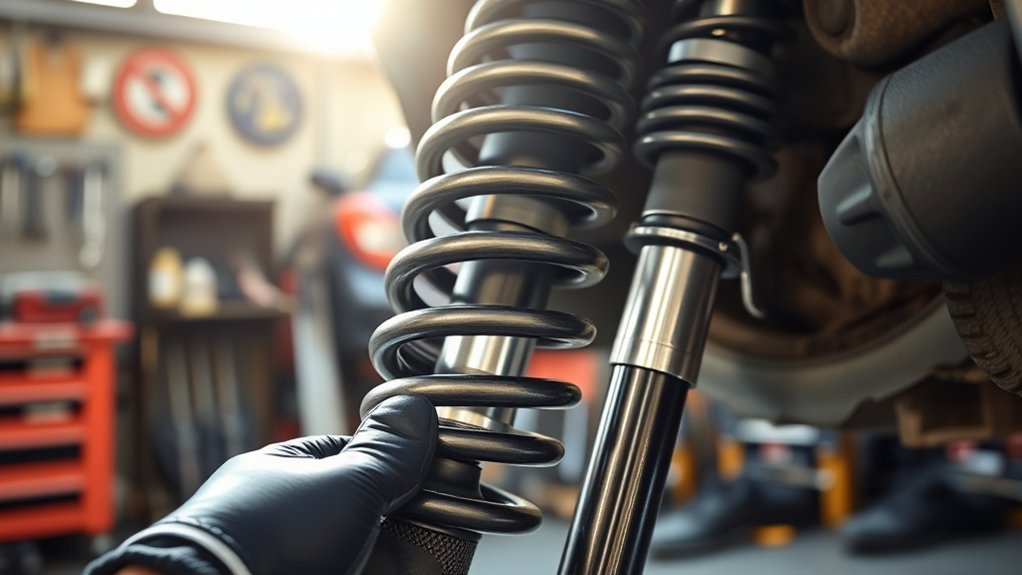
Toyota RAV4 struts do not wear out at one exact mileage. Many need attention between 50,000 and 100,000 miles, but road conditions, vehicle load, damage, and driving habits can shorten or extend their service life. You should replace them when a qualified inspection confirms weak damping, significant leakage, physical damage, or unsafe handling.
Last updated: July 13, 2026
Quick Answer
Toyota RAV4 front struts commonly need replacement somewhere around 50,000 to 100,000 miles, but mileage alone does not decide it. Toyota does not publish one universal replacement deadline. Replace them when inspection confirms leakage, weak damping, damage, or handling problems, and replace matching components on the same axle together.
Key Takeaways
- The 50,000-to-100,000-mile range is a common service window, not a fixed Toyota replacement schedule.
- Excessive bouncing, nose-diving, fluid leakage, clunks, unstable cornering, and uneven tire wear deserve inspection.
- Recent RAV4s use front struts and a different rear suspension design, so confirm the exact part by year and VIN.
- RepairPal’s June 2026 estimate lists an average RAV4 shock or strut replacement cost of $889 to $1,078 before added fees or related work.
- Replace matching dampers on the same axle together and check alignment after front-strut work.
At a Glance
| Time Required | About 10 to 15 minutes for a basic visual and driving check |
| Difficulty | Easy for screening; professional equipment is needed for a complete diagnosis |
| Tools Needed | Flashlight, clean rag, tire-pressure gauge, and a safe level parking area |
| Cost | No cost for a basic check; professional diagnosis and repair costs vary |
How Long Do Toyota RAV4 Struts Typically Last?
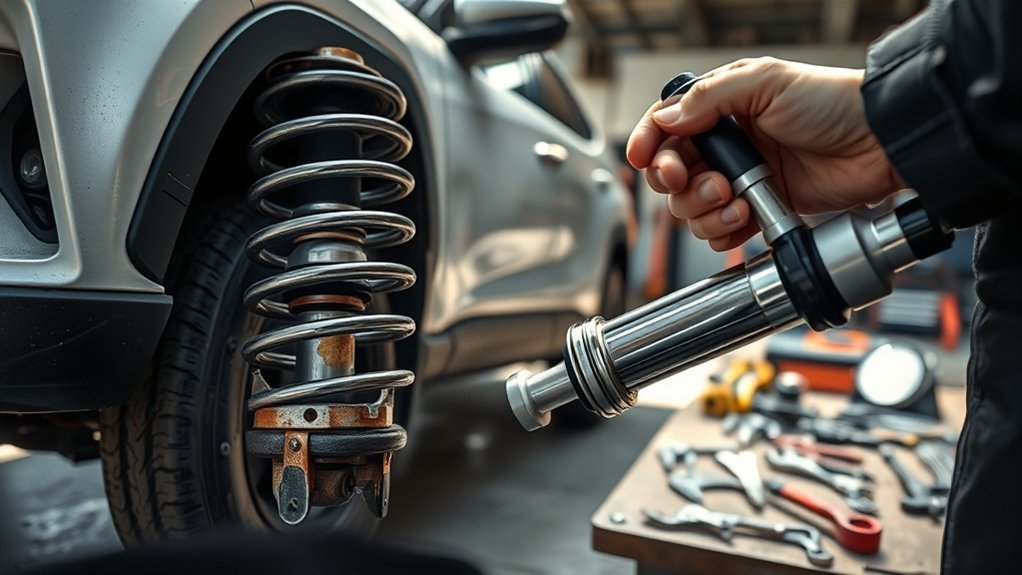
A common service range for suspension shocks and struts is about 50,000 to 100,000 miles. However, that range is not a required Toyota replacement interval.
Your RAV4 may need new dampers sooner after repeated pothole impacts, rough-road driving, heavy loading, collision damage, or exposure to severe road conditions. A vehicle driven mainly on smooth roads may retain acceptable damping for longer.
Use mileage as a reminder to inspect the suspension, not as proof that the parts are bad. Toyota provides year-specific owner and maintenance information through its Manuals and Warranties portal.
Mileage tells you when to pay closer attention. The condition of the parts tells you when replacement is necessary.
Front Struts vs. Rear Shocks on a RAV4
The word “struts” is often used loosely, but the parts can differ between the front and rear axles. Toyota describes the fifth-generation RAV4 as having a front-strut and rear multi-link suspension.
A front strut forms part of the wheel-locating suspension structure. A rear damper may control spring movement without serving the same structural role.
Note: Suspension layouts and part numbers vary by RAV4 generation, trim, drivetrain, and market. Confirm fitment with the model year, VIN, and exact axle position before ordering parts.
Signs of Worn Toyota RAV4 Struts
Worn struts usually decline gradually, so you may adjust to the softer ride without noticing the change. Compare the vehicle’s current behavior with how it handled previously.
Common warning signs include:
- Continued bouncing: The body keeps moving after a bump instead of settling quickly.
- Excessive nose-diving: The front drops more than expected during normal braking.
- Body roll or instability: The RAV4 feels loose, floaty, or less controlled through turns.
- Wet fluid streaks: Hydraulic fluid appears along the strut or shock body.
- Clunks or rattles: Worn mounts, bearings, links, bushings, springs, or loose hardware may be involved.
- Uneven tire wear: Cupping or irregular wear can accompany suspension, balance, tire-pressure, or alignment problems.
- Repeated bottoming: The suspension strikes its travel limit over ordinary dips or bumps.
These symptoms do not prove that the strut itself has failed. Tire problems, wheel imbalance, incorrect alignment, damaged springs, worn control-arm bushings, sway-bar links, ball joints, and wheel bearings can produce similar complaints.
Cost Breakdown for Strut Replacement on Your RAV4
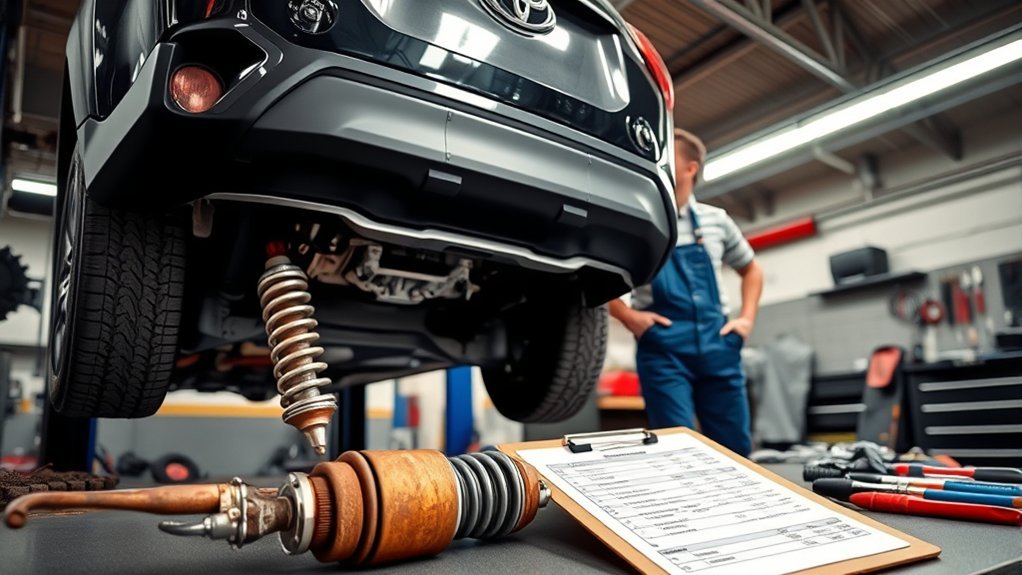
RepairPal’s estimate, updated June 18, 2026, lists the average Toyota RAV4 suspension shock or strut replacement at $889 to $1,078. Its published breakdown includes about $484 in parts and $405 to $594 in labor.
That range excludes taxes, fees, location differences, and related repairs. RepairPal lists estimates of roughly $1,078 to $1,319 for many 2019 through 2025 RAV4 model years.
Your final quote can change based on:
- The RAV4 model year, trim, and drivetrain
- Front-strut or rear-damper replacement
- One component versus a same-axle pair
- A bare strut versus a complete preassembled unit
- New mounts, bearings, bump stops, boots, springs, or hardware
- Local labor rates and parts availability
- Wheel-alignment inspection or correction
Ask the shop to identify exactly which parts and how many suspension corners the estimate covers. Compare written quotes that use the same repair scope.
[Amazon Products Picked for You]

APPLICABLE VEHICLES: For Toyota RAV4 ( 2.4L L4 ) 2006 2007 2008,for Toyota RAV4 ( 2.5L L4 ) 2009 2010 2011 2012 4WD AWD FWD 172276, 172275, 1331622L, 1331622R, 11253, 11254, 272276, 272275, 55S11253, 55S11254

【Fitment】Fit for 2006-2008 Toyota RAV4 2.4L, Fit for 2009-2012 RAV4 2.5L

FITS: Complete struts shock absorbers compatible for 2015 for Toyota for RAV4 XLE Sport Utility 4-Door 2.5L l4 Front Wheel Drive With CVT Automatic Transmission | 2018 for Toyota for RAV4 Adventure Sport Utility 4-Door 2.5L l4 | 2013-2018 for Toyota for RAV4 LE Sport Utility 4-Door 2.5L l4 | 2013-2018 for Toyota for RAV4 Limited Sport Utility 4-Door 2.5L l4 | 2017-2018 for Toyota for RAV4 Platinum Sport Utility 4-Door l4 2.5L | 2016-2018 for Toyota for RAV4 SE Sport Utility 4-Door 2.5L l4 | 2017-2018 for Toyota for RAV4 XLE Plus Sport Utility 4-Door 2.5L l4 | 2013-2018 for Toyota for RAV4 XLE Sport Utility 4-Door 2.5L l4
Factors Influencing Strut Longevity and Performance
No maintenance treatment can restore a worn sealed damper. However, careful driving, correct loading, healthy tires, and prompt suspension repairs can reduce unnecessary stress.
Driving Conditions Impact Longevity
Frequent potholes, broken pavement, washboard roads, and off-road use force the suspension through larger and faster movements. Repeated hard impacts can damage seals, mounts, springs, or internal valving.
Road salt, dirt, and moisture can also contribute to corrosion around mounting points and exposed suspension hardware. Inspect the suspension after a severe pothole strike or impact, even when the vehicle still drives normally.
Weight and Load Influence
Heavy cargo, towing, and accessories add work for the springs and dampers. Repeated overloading can increase suspension movement and heat while reducing available travel.
Follow the limits in your RAV4 owner’s manual and the Tire and Loading Information label. Distribute cargo securely and avoid carrying unnecessary weight for long periods.
Maintenance Practices Matter Most
Struts are usually sealed components and do not receive routine fluid changes. Useful maintenance focuses on the systems around them.
- Maintain the tire pressure listed on the driver’s door label.
- Correct pulling, steering-wheel misalignment, or irregular tire wear.
- Replace damaged boots, mounts, bearings, bump stops, or springs when required.
- Inspect the suspension after a collision, curb strike, or deep pothole impact.
- Address noises before loose or damaged parts affect nearby components.
How to Inspect Your RAV4 Struts for Damage
A driveway inspection can reveal obvious problems, but it cannot measure internal damping force. Use it to decide whether the vehicle needs professional diagnosis.
- Park safely. Use a level surface, select Park, set the parking brake, and keep clear of traffic.
- Check the tires first. Verify cold tire pressure and look for cupping, bald patches, or uneven edge wear.
- Inspect visible suspension parts. Use a flashlight to look for wet fluid streaks, dents, corrosion, torn boots, broken springs, or damaged mounts.
- Compare both sides. A visible difference in component position, leakage, damage, or ride height deserves closer inspection.
- Listen during a careful drive. Note clunks, rattles, repeated bouncing, steering pull, excessive body movement, or bottoming.
- Use the bounce test only as a clue. Continued movement may suggest weak damping, but a normal result does not rule out internal wear.
Pro Tip: Record when the noise occurs, such as during steering, braking, acceleration, or one-wheel bumps. That detail can help a technician separate strut problems from mounts, links, bushings, and bearings.
Never crawl beneath a vehicle supported only by a jack. Use correctly rated jack stands at approved support points when under-vehicle access is necessary.
Practical Tips for Prolonging the Life of Your RAV4 Struts
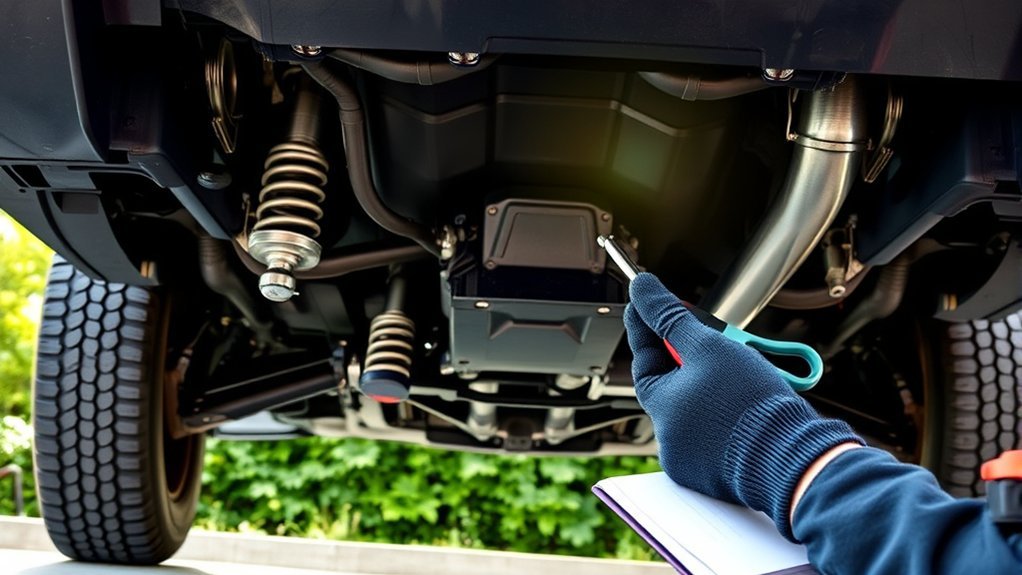
You cannot prevent normal internal wear, but you can reduce avoidable impacts and catch related problems before they worsen.
Regular Inspections and Maintenance
Start paying closer attention as mileage approaches 50,000 miles, especially when you drive on rough roads. Inspect sooner whenever handling, noise, tire wear, or ride quality changes.
Keep tires correctly inflated and have persistent pulling or irregular wear diagnosed. The NHTSA TireWise guide explains that proper inflation, balancing, and alignment support tire safety and service life.
Proper Loading Practices
Stay within the vehicle’s published passenger, cargo, axle, and towing limits. Place heavy cargo low, secure it against movement, and distribute it as evenly as practical.
Inspect the suspension after hauling an unusually heavy load or striking rough terrain. Remove unused cargo carriers and heavy accessories when you no longer need them.
When Should You Stop Driving?
Minor ride changes may allow a careful trip to a repair shop, but severe physical damage can make the vehicle unsafe. Arrange towing when you find any of the following:
- A bent, broken, or detached strut or shock
- A broken coil spring, especially when it contacts a tire
- A loose or damaged upper or lower mounting point
- Severe bouncing, bottoming, or loss of directional control
- A sudden drop at one corner of the vehicle
- Tire rubbing or another loss of safe tire clearance
Warning: Do not disassemble a strut assembly or remove its center shaft nut without the correct spring-compression equipment and training. A compressed coil spring stores enough energy to cause severe injury.
The Importance of Replacing Struts in Pairs
Replace matching struts or shocks on the same axle together unless a qualified technician documents a sound reason not to. A new damper and a heavily worn damper can respond differently during bumps, braking, and cornering.
Same-axle replacement supports more consistent damping and handling. It does not mean you must replace all four corners when only the front or rear pair is worn.
Ask for a wheel-alignment check after front-strut replacement. Correct the alignment when measurements fall outside specification or when the vehicle pulls, the steering wheel sits off-center, or the tires show irregular wear.
[Amazon Products Picked for You]
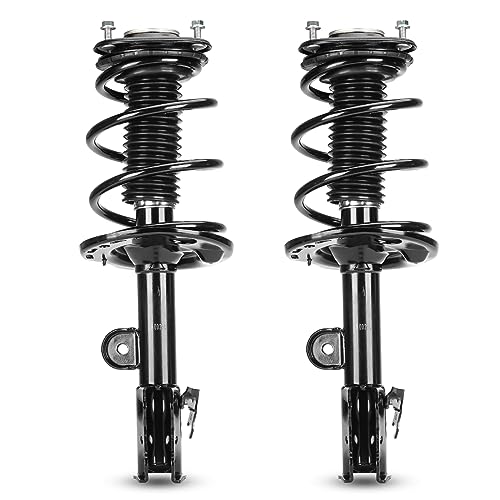
[Avoid Mistakes]: Does Not Fit (3.5 L) Models. Please Verify Your Model's Compatibility Before Purchasing

Applicable Information - 172276 172275 Struts for Toyota RAV4 ( 2.4L L4 ) 2006 2007 2008, for Toyota RAV4 ( 2.5L L4 ) 2009 2010 2011 2012

Applicable Vehicles:These front struts and shocks complete assembly compatible with 2006-2008 Toyota RAV4 L4 2.4L; 2009-2012 Toyota RAV4 L4 2.5L. Replace number: 172275 172276
Complete Strut Assemblies vs. Bare Struts
A complete or loaded strut assembly normally includes the damper, coil spring, upper mount, bearing, dust boot, and related hardware. It can reduce installation time and avoids transferring the old spring.
A bare strut replaces the damper while reusing serviceable components. This approach may preserve an original spring, but it requires safe spring compression and a careful inspection of every reused part.
Neither option is automatically best for every RAV4. Compare exact fitment, included parts, ride calibration, warranty, manufacturer reputation, and the condition of the original spring and mount.
[Amazon Products Picked for You]

Vehicle Fitment -- Front Struts for Toyota RAV4 ( 2.4L L4 ) 2006 2007 2008, for Toyota RAV4 ( 2.5L L4 ) 2009 2010 2011 2012, Front Passenger and Drive Side. for toyota rav4 front shock absorbers, toyota rav4 front struts,

Replacement for Toyota RAV4 (2006 2007 2008 2009 2010 2011 2012)

【Vehicle Fitment】 Compatible with Toyota RAV4 2.5L L4 2013-2018, RAV4 BATTERY EV (EV/BEV) nan 2013-2014
Common Mistakes to Avoid When Replacing Struts
- Ordering by appearance alone: Match the part to the exact year, trim, drivetrain, axle, and VIN information.
- Replacing only one worn side: Use a matched same-axle pair for consistent damping.
- Ignoring related parts: Inspect mounts, bearings, springs, boots, bump stops, links, bushings, and mounting hardware.
- Assuming every noise comes from the strut: Diagnose sway-bar links, ball joints, control-arm bushings, wheel bearings, and tires.
- Using unsafe spring tools: Do not improvise with clamps or unapproved compressors.
- Skipping torque procedures: Follow the correct model-year service information and replace single-use hardware when specified.
- Ignoring alignment symptoms: Check alignment after front-strut work and whenever pulling or irregular tire wear appears.
What to Expect When Replacing Your RAV4 Struts?
A successful replacement should improve control when the removed components were genuinely worn. You may notice less bouncing, reduced body movement, quieter operation, and more stable steering.
New parts may feel firmer than the worn components they replace. However, replacement will not correct noise or handling problems caused by damaged tires, wheel bearings, control arms, ball joints, or other suspension parts.
Before approving the work, ask the shop to explain:
- Which axle and components failed inspection
- Whether the quote covers one part or a same-axle pair
- Which mounts, bearings, springs, and hardware will be reused
- Whether an alignment check is included
- What parts and labor warranties apply
Related Guides
Frequently Asked Questions
Can I replace just one strut on my RAV4?
A single damaged component can technically be replaced, but matching struts or shocks should normally be replaced as a same-axle pair. Pair replacement helps maintain consistent damping during braking, bumps, and turns.
How do I choose quality struts for replacement?
Confirm the exact year, trim, drivetrain, axle position, and VIN fitment. Then compare the damping design, included mounts and springs, warranty, manufacturer support, and whether the part is intended to match the original ride or change it.
What are the best brands for RAV4 struts?
Toyota Genuine parts are one option. KYB, Monroe, Bilstein, Sachs, and other established manufacturers may offer compatible products for certain years. Exact fitment and the intended ride characteristics matter more than choosing a brand name alone.
Does driving style affect strut lifespan?
Yes. Repeated pothole impacts, high-speed travel on rough roads, abrupt curb strikes, heavy loading, and frequent off-road use can place more stress on dampers, mounts, springs, and related hardware.
Are aftermarket struts as good as OEM?
Quality varies. A reputable OE-equivalent aftermarket part with correct fitment may provide satisfactory performance, while a poorly matched part may change ride quality or durability. Compare specifications, included components, warranty coverage, and installer experience.
Can I drive with bad RAV4 struts?
Mild wear may allow a careful drive to a repair facility, but severe instability, a broken spring, a bent or detached strut, tire rubbing, or a damaged mounting point requires towing. Continued driving with severe damage can compromise control and harm nearby parts.
Conclusion
Toyota RAV4 struts often need closer inspection after about 50,000 miles, but no single mileage proves they require replacement. Watch for leakage, bouncing, instability, clunks, bottoming, and irregular tire wear.
Confirm the exact failed component before buying parts because front and rear suspension designs differ. When replacement is necessary, use matched components on the same axle, inspect the related hardware, and check wheel alignment after front-strut work.
Sources
- Toyota Manuals and Warranties — year-specific owner, warranty, and maintenance information.
- Toyota USA Newsroom: 2019 RAV4 Product Information — front-strut and rear multi-link suspension design.
- RepairPal Toyota RAV4 Shock or Strut Replacement Estimate — June 2026 cost, symptom, replacement-pair, and service-range information.
- NHTSA TireWise — tire pressure, alignment, maintenance, and irregular-wear guidance.
