Affiliate disclosure: This roundup is reader-supported. When you purchase through qualifying links, we may earn a referral commission at no additional cost to you.
Cold-weather camping can be one of the most intimate and memorable ways to spend time together, but choosing the right shelter requires more than finding a tent described as waterproof. You also need to consider its season rating, pole structure, fly coverage, ventilation, anchoring options, and ability to handle the specific wind and snow in your forecast.
This guide separates a winter-oriented alpine shelter from lighter three-season tents that are better suited to mild, sheltered, and snow-free cold-weather getaways. That distinction is important: a three-season backpacking tent may perform well in cold rain, but it should not automatically be trusted in accumulating snow, exposed winter winds, or severe alpine weather.
Quick Verdict
For genuine winter or alpine conditions, the Black Diamond Eldorado is the most relevant shelter in this group. For a mild, snow-free getaway, the NEMO Dagger OSMO 2P offers the strongest balance of weather protection and two-person livability. Choose the Big Agnes Copper Spur HV UL2 when carried weight matters most, the REI Co-op Half Dome for straightforward setup, or the Marmot Tungsten 2P for comfortable campground use.
Top Picks
|
Category |
Product |
Recommended Conditions |
|---|---|---|
|
🏆 Best True Winter Shelter |
Black Diamond Eldorado |
Experienced cold-weather and alpine users who need a compact, winter-oriented shelter and understand single-wall condensation management. |
|
⭐ Best Overall for Mild Cold Weather |
NEMO Dagger OSMO 2P |
Rainy, cool, snow-free backpacking trips where two people want useful interior room and vestibule storage. |
|
🎯 Best Lightweight Option |
Big Agnes Copper Spur HV UL2 |
Sheltered three-season backpacking when low packed weight matters more than heavy-duty winter protection. |
|
🔰 Easiest Setup |
REI Co-op Half Dome |
Beginners, established campgrounds, and mild shoulder-season trips where space and straightforward pitching are priorities. |
|
💰 Best Comfort and Value |
Marmot Tungsten 2P |
Car-accessible campsites and shorter carries in cool, rainy, snow-free weather. |
Important Cold-Weather Safety Note
Except for the winter-oriented alpine option, the tents above should be treated as three-season shelters. Do not use them in accumulating snow, severe wind, exposed alpine terrain, or conditions beyond the manufacturer’s stated limits. Check the exact model specification and weather forecast before every trip.
[Amazon Products Picked for You]

FOUR SEASON TENT: While other 3 season tents are only available for spring, summer and fall, this extreme weather tent is suitable for all seasons of the year. In winter, the snow skirt of this 2 person tent makes sure that it can keep snow away. The roll-able design makes it convenient when there is no snow around. In other seasons, the mesh design of the 4 season backpacking tent keeps bugs away while the double-layer door ensures ventilation
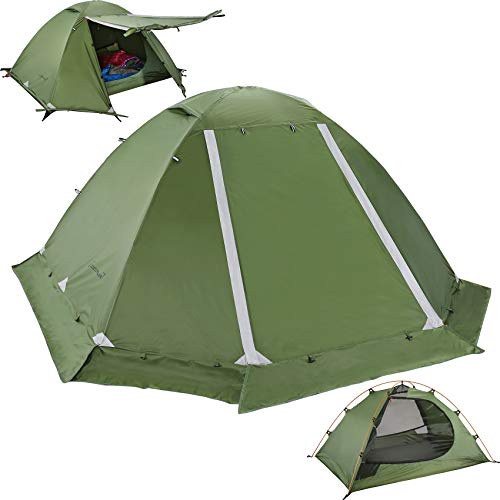
4 SEASON TENT: We offer a limited ONE-YEAR GUARANTEE. Polyester rain fly, groundsheet, and bathtub with PU 5000 coating are firmer than you expected. Weatherproof material with factory-sealed seams keeps you dry and comfortable in four seasons or cold weather! Better material but more affordable! You really need an appropriate lightweight 2-person tent for backpacking for ALL SEASON!

Lightweight and Durable: The OneTigris STELLA Camping Tent features a lightweight and durable 20D Nylon outer fabric with a single-layer silicone coating, making it both sturdy and easy to carry at only 4.4lb/2kg. Suitable for backpackers, bushcrafters, everyday campers, and families Waterproof: With a 3000mm waterproof rating, the STELLA camping tent is perfect for use in all weather conditions. The removable blackout outer tent allows for greater flexibility in use.
How the Recommended Tents Compare
[Amazon Products Picked for You]

【Total Blackout Sleep System】Enjoy peaceful rest day or night with advanced blackout fabric that creates near-darkness inside the blackout tent, even under bright sunlight. The heat-insulating layer helps maintain a comfortable temperature, so you can sleep in or nap during the day without being disturbed by sunrise or glare. Perfect for campers who value sleep quality and want a dark, cool blackout tent

【Upgraded Pop up Tent, Easier Fold Back】Throw the tent to the ground, and spread the pole then it will open up instantly in 3 seconds. Folding back is easier than tranditional popup tent, fold the easy setup tent like number "8" and repeat TWICE, please refer to the instructional video. Practice a few times, you'll get the method quickly

FOUR SEASON TENT: While other 3 season tents are only available for spring, summer and fall, this extreme weather tent is suitable for all seasons of the year. In winter, the snow skirt of this 2 person tent makes sure that it can keep snow away. The roll-able design makes it convenient when there is no snow around. In other seasons, the mesh design of the 4 season backpacking tent keeps bugs away while the double-layer door ensures ventilation
Black Diamond Eldorado: Best True Winter Shelter
The Black Diamond Eldorado is the clearest match for buyers planning a genuine winter or alpine trip. Its compact, protective design solves a different problem from roomy recreational tents: it prioritizes a secure shelter in demanding conditions rather than maximum interior comfort.
Who should buy it: Experienced winter campers, climbers, and cold-weather backpackers who understand careful site selection, anchoring, ventilation, and single-wall moisture management.
Who should avoid it: Casual campground users who want generous living space, easy condensation control, or a relaxed car-camping base.
NEMO Dagger OSMO 2P: Best Overall for Mild Cold Weather
The NEMO Dagger OSMO 2P is the most balanced choice for couples camping in cool rain or during a mild, snow-free shoulder season. Its two-person layout and vestibule space make it easier to keep damp boots and packs away from the sleeping area.
Who should buy it: Couples who want a comfortable three-season backpacking tent that balances weather protection, packability, ventilation, and interior room.
Who should avoid it: Anyone expecting accumulating snow, severe winter wind, or exposed alpine conditions.
Big Agnes Copper Spur HV UL2: Best Lightweight Option
The Copper Spur HV UL2 is best for couples who need to keep their shared backpacking load low without giving up a practical two-door layout. It solves the weight problem well, but its lightweight construction should be handled carefully and conservatively.
Who should buy it: Backpackers traveling on established routes in sheltered, three-season conditions.
Who should avoid it: Buyers who prioritize rugged fabrics, heavy snow protection, or a tent that will be exposed to repeated rough campground use.
REI Co-op Half Dome: Easiest Setup
The Half Dome is a practical choice for buyers who want an approachable setup and useful two-person space. It is especially appealing when a trip involves an established campsite and the tent does not need to be carried over long distances.
Who should buy it: Newer campers and couples who value simple pitching, interior room, and general three-season versatility.
Who should avoid it: Ultralight hikers or anyone planning to camp where snow loading and severe winds are realistic possibilities.
Marmot Tungsten 2P: Best Comfort and Value
The Marmot Tungsten 2P favors practical comfort and sturdy general-camping construction over minimum packed weight. It is a sensible option for car-accessible getaways and shorter approaches where a few extra ounces matter less than sleeping space.
Who should buy it: Couples camping at sheltered sites in cool, wet, but snow-free conditions.
Who should avoid it: Long-distance backpackers and winter campers who need a shelter specifically engineered for snow and extreme wind.
Before You Buy a Two-Person Cold-Weather Tent
[Amazon Products Picked for You]

TENTS FOR CAMPING 2 PERSON: With two D-Shaped doors and two vestibules to accommodate up to two people. Weight: 5.5lb(2.5kg). Interior floor dimensions: 88.6x53.1in(225x135cm), interior height: 43.3in(110cm).

Lightweight and Durable: The OneTigris STELLA Camping Tent features a lightweight and durable 20D Nylon outer fabric with a single-layer silicone coating, making it both sturdy and easy to carry at only 4.8lb/2.2kg. Suitable for backpackers, bushcrafters, everyday campers, and families Waterproof: With a 3000mm waterproof rating, the STELLA camping tent is perfect for use in all weather conditions. The removable blackout outer tent allows for greater flexibility in use.

【4 Season Tent】BISINNA all-season tent with snow skirt, it can keep inner dry and warm in snow or cold weather! And the rollable designe makes you can using this tent all season.Made from sturdy 210T tear-resistant polyester,with a PU 3000mm waterproof coating and offers excellent UV protection
Confirm the Season Rating
A waterproof rainfly does not make a tent suitable for winter. A three-season tent is generally intended for spring, summer, and fall conditions. A winter-oriented or four-season shelter uses a stronger structure and less exposed mesh to handle colder temperatures, wind, and potential snow loading.
Check the Exact Model Name
Tent families often contain several versions with different weights, fabrics, fly coverage, and intended seasons. Confirm the complete product name, capacity, and model generation before purchasing. Do not assume that two tents sharing a family name provide the same protection.
Allow Enough Space for Two People and Their Gear
A two-person capacity usually means two sleeping pads can fit side by side; it does not guarantee generous living space. Couples carrying bulky winter sleeping bags and insulated clothing may prefer a wide two-person floor, two doors, and two vestibules—or may decide that a three-person version offers a more comfortable getaway.
Evaluate Pole Structure and Anchoring
Look beyond fabric waterproofing. Aluminum poles, multiple guy-out points, secure fly attachments, and a shape that sheds wind and precipitation are important in cold weather. On snow, ordinary stakes may not hold, so you may need snow stakes or properly buried deadman anchors.
Prioritize Ground Insulation
A tent blocks wind and precipitation, but it provides very little insulation from the frozen ground. Use sleeping pads with enough combined R-value for the expected temperature and sleeping bags rated conservatively for the conditions.
Plan for Condensation
Two people produce substantial moisture overnight. Keep vents open, avoid pressing sleeping bags against wet tent walls, store soaked equipment in the vestibule when practical, and never sacrifice all airflow in an attempt to make the tent warmer.
Related Guides
FAQ
How Do I Choose the Right Waterproof Tent for a Cold-Weather Getaway?
Start with the conditions rather than the product label. For accumulating snow, exposed winds, alpine terrain, or a severe winter forecast, choose a winter-oriented shelter designed for those loads. For a sheltered campground with a stable, snow-free forecast, a well-pitched three-season tent with a full rainfly, sealed seams, a bathtub floor, and strong aluminum poles may be appropriate.
Also compare interior width, vestibule storage, packed weight, fly coverage, ventilation, guy-out points, and setup complexity. Confirm all specifications for the exact model because capacities and designs can change between generations.
Can I Use a Three-Season Tent During Winter?
Only in conservative conditions. “Winter” can mean anything from a calm, snow-free night near a maintained campground to a storm above the tree line. A three-season tent may be reasonable for the first situation when the forecast is stable and retreat is easy, but it should not be relied on for snow accumulation, severe wind, remote alpine terrain, or rapidly changing weather.
How Do I Prevent Condensation and Stay Warm Inside a Two-Person Tent?
Manage moisture instead of sealing the tent completely. Keep available vents open, maintain space between sleeping bags and tent walls, and place wet outerwear in a protected vestibule rather than spreading it around the sleeping area. Briefly increase ventilation if moisture begins collecting on the walls.
Warmth should come primarily from an insulated sleeping pad, a properly rated sleeping bag, dry base layers, adequate food and hydration, and protection from the wind. A securely closed hot-water bottle can add comfort inside the sleeping bag.
Can I Use a Stove or Heater Inside the Tent?
No ordinary backpacking tent should be treated as a cooking or heating enclosure. Do not operate a stove, grill, lantern, or fuel-burning heater inside the sleeping area or an enclosed vestibule. Carbon monoxide, fire, melted fabric, and oxygen depletion can become dangerous quickly. Use cooking equipment outdoors in a stable, well-ventilated location away from the tent fabric.
What Practical Tips Should I Know for Pitching a Tent on Snow?
Choose a location protected from prevailing wind, avalanche paths, falling branches, and areas where drifting snow may collect. Pack down soft snow and allow it to firm before pitching. Use every appropriate guy line and anchor the shelter with snow stakes or buried anchors when ordinary stakes will not hold.
Keep exits, vents, and vestibules clear. Remove accumulating snow before it places excessive pressure on the shelter, and inspect the guy lines as wind and temperature change. Practice pitching the tent with gloves before the trip and carry repair materials suitable for the poles, fabric, and guylines.
Wrapping Up
Choosing a two-person tent for a cold-weather getaway starts with an honest assessment of the forecast and terrain. The Black Diamond Eldorado is the most appropriate option in this group for experienced users facing genuine winter or alpine conditions. The other recommendations are better treated as three-season shelters for mild, sheltered, and snow-free trips.
For the best balance of room and packability in those milder conditions, consider the NEMO Dagger OSMO 2P. Choose the Big Agnes Copper Spur HV UL2 for lower carried weight, the REI Co-op Half Dome for straightforward setup, or the Marmot Tungsten 2P for campground comfort.
Whichever shelter you choose, verify the exact model specifications, inspect the seams and poles, practice pitching it before departure, and pair it with a sleeping system appropriate for the lowest expected temperature.
