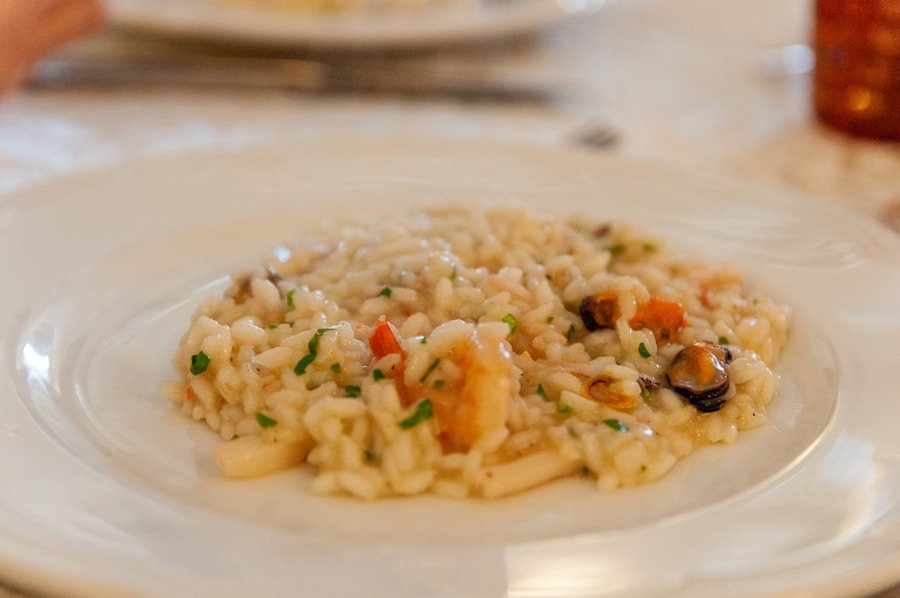
Risotto is a classic Italian rice dish known for its creamy texture, rich flavor, and simple technique. You do not need heavy cream to make it creamy. The right short-grain rice, warm broth, steady stirring, and a final finish with butter, cheese, olive oil, or vegetables can create the same smooth texture in a lighter way.
At its core, risotto is made with high-starch rice such as Arborio, Carnaroli, or Vialone Nano. As the rice cooks, it slowly releases starch into the broth. That starch is what gives risotto its signature creamy consistency without relying on heavy additives.
Quick Answer
Yes, you can make creamy risotto without heavy cream. Use high-starch rice, add warm broth gradually, stir often, and finish with Parmesan, butter, olive oil, or a vegetable puree. The rice starch creates the creamy texture naturally.
Key Takeaways
- Risotto gets its creaminess from rice starch, not heavy cream.
- Arborio, Carnaroli, and Vialone Nano rice work best because they release starch while staying tender.
- Warm broth, gradual liquid additions, and frequent stirring help create a smooth texture.
- Butter, Parmesan, olive oil, pureed vegetables, cashew cream, or yogurt can add richness without heavy cream.
- A light, cream-free risotto can taste fresher and let vegetables, herbs, seafood, or mushrooms stand out.
At a Glance
| Time Required | About 25 to 35 minutes |
| Difficulty | Easy to moderate |
| Tools Needed | Wide pan, saucepan for broth, ladle, wooden spoon or spatula |
| Cost | Low to moderate, depending on vegetables, cheese, seafood, or meat added |
The beauty of risotto lies in its versatility. You can customize it with seasonal vegetables, mushrooms, seafood, chicken, herbs, citrus, or cheese. Each region in Italy has its own version, from saffron-rich Risotto alla Milanese to seafood risotto made with cuttlefish ink.
This adaptability makes risotto more than a basic rice dish. It becomes a flexible cooking method that lets you build flavor slowly while keeping the texture soft, glossy, and comforting.
The Traditional Way to Make Risotto
Traditional risotto depends on patience, temperature control, and gradual liquid absorption. The process is simple, but each step helps the rice release starch and absorb flavor.
The Toasting Step
First, the rice is toasted in a pan with a little oil or butter. This step helps develop a light nutty flavor and prepares the grains to absorb liquid evenly.
Toast the rice for one to two minutes, stirring often. The grains should look slightly translucent around the edges, but they should not brown deeply or burn.
Sautéing and Coating the Rice
After toasting, finely chopped onions or shallots are often added to the pan and cooked until soft and translucent. The rice is then coated in this aromatic mixture so every grain picks up flavor.
Some cooks add a splash of white wine at this stage. The wine adds acidity, balances richness, and gives the risotto a deeper flavor. Let the wine mostly absorb before adding broth.
The Slow Cooking Process
The key is to add warm broth one ladle at a time. Let the rice absorb most of the liquid before adding more. This slow method encourages starch release, which creates the creamy texture risotto is known for.
Stir frequently, but you do not need to stir without stopping every second. Regular stirring keeps the rice from sticking, helps the starch move into the broth, and creates a smooth, glossy finish.
The cooking process usually takes about 18 to 25 minutes, depending on the rice variety and how firm you like the final texture. Proper risotto should be tender but not mushy, with a loose, flowing consistency.
Pro Tip: Keep your broth warm in a separate saucepan. Cold broth slows the cooking process and can make the rice cook unevenly.
Why You Don’t Need Heavy Cream

A common misconception about risotto is that it requires heavy cream to achieve its signature creaminess. Cream can add richness, but it is not necessary for a properly cooked risotto.
The starch released from the rice during cooking is enough to create a velvety texture. Many traditional risotto recipes do not include heavy cream. Instead, they rely on rice, broth, careful stirring, and a final enrichment step.
Using heavy cream can sometimes hide the delicate flavors of vegetables, herbs, mushrooms, seafood, or broth. A cream-free risotto often tastes brighter and more balanced because the main ingredients can stand out.
Heavy cream can also make risotto feel overly rich and heavy. By focusing on technique and quality ingredients, you can create a risotto that tastes creamy, satisfying, and lighter at the same time.
The creaminess in risotto comes mainly from the rice starch released during slow cooking, not from pouring in heavy cream.
Best Rice for Creamy Risotto Without Cream
The rice you choose matters more than cream. Long-grain rice will not give you the same texture because it does not release starch in the same way. Use short- or medium-grain rice designed for risotto.
- Arborio rice: The most common risotto rice. It releases plenty of starch and works well for beginners.
- Carnaroli rice: Often preferred by experienced cooks because it stays firmer while still becoming creamy.
- Vialone Nano rice: A smaller grain that absorbs liquid well and creates a delicate, creamy texture.
If you only have Arborio rice, you can still make excellent risotto. The bigger difference comes from using warm broth, adding it slowly, and stopping the cooking before the rice becomes mushy.
Alternative Ingredients for Creaminess
| Alternative Ingredient | Creaminess Rating (out of 10) | Best Use |
|---|---|---|
| Coconut Milk | 8 | Best for nontraditional, dairy-free risotto with squash, curry flavors, or sweet vegetables. |
| Cashew Cream | 9 | Best for vegan risotto when you want a rich, neutral, creamy finish. |
| Soy Milk | 7 | Best in small amounts for dairy-free risotto when using unsweetened plain soy milk. |
| Avocado | 9 | Best for modern green risotto, especially with lime, herbs, peas, or asparagus. |
| Plain Yogurt | 8 | Best for a tangy finish, added off the heat to prevent curdling. |
To achieve a creamy texture without heavy cream, you can use several alternative ingredients. A splash of white wine during cooking adds depth and acidity, while also helping balance the starchiness of the rice.
Pureed vegetables or legumes can also make risotto feel creamy. Butternut squash, cauliflower, peas, white beans, and spinach can blend into the rice and add body, flavor, color, and nutrients.
Nutritional yeast can give dairy-free risotto a savory, cheese-like flavor. A small amount of butter, Parmesan cheese, or high-quality olive oil added at the end can also enrich the dish while keeping it lighter than a cream-based version.
Note: If you use yogurt, avocado, or cashew cream, stir it in at the end and keep the heat low. High heat can make some creamy add-ins separate or lose their fresh flavor.
Tips for Achieving Creamy Risotto
Achieving creamy risotto requires attention to detail, but it does not require complicated cooking skills. A few simple habits can take your risotto from sticky or dry to smooth and restaurant-style.
Use the Right Type of Rice
Arborio rice is the most common choice because it has a high starch content and is easy to find. Carnaroli and Vialone Nano are also excellent choices because they absorb liquid well while keeping a pleasant bite.
Add Warm Broth Gradually
Warm broth helps the rice cook evenly. Add one ladle at a time and wait until most of the liquid is absorbed before adding more. This slow process gives the rice time to release starch.
Stir Frequently
Stirring helps prevent sticking and encourages starch to move from the rice into the liquid. You do not need to stir nonstop, but you should stay close and stir often.
Finish Off the Heat
Once the rice is tender, turn off the heat and stir in butter, Parmesan, olive oil, or another creamy add-in. This finishing step helps the risotto become glossy and smooth.
Let It Rest Briefly
Allowing risotto to rest for one or two minutes before serving can help it settle and thicken slightly. If it gets too thick, loosen it with a small splash of warm broth.
Common Mistakes That Make Risotto Less Creamy
Risotto can become dry, gluey, or uneven when the technique is rushed. Avoid these common mistakes if you want a creamy result without heavy cream.
- Using the wrong rice: Long-grain rice will not release enough starch for classic risotto texture.
- Adding all the broth at once: Gradual additions help the rice absorb liquid and release starch properly.
- Using cold broth: Cold liquid slows cooking and can lead to uneven texture.
- Overcooking the rice: Risotto should be tender with a slight bite, not mushy.
- Letting it sit too long before serving: Risotto thickens as it cools, so serve it soon after cooking.
Warning: Do not rinse risotto rice before cooking. Rinsing removes surface starch, which is exactly what you need for a creamy texture.
Recipes for Creamy Risotto Without Heavy Cream

One delightful recipe for creamy risotto without heavy cream features asparagus and lemon zest. Begin by sautéing finely chopped onions in olive oil until translucent, then add Arborio rice and toast it lightly.
Gradually add warm vegetable broth while stirring continuously. When the rice is nearly al dente, fold in blanched asparagus pieces. Finish with a squeeze of fresh lemon juice, lemon zest, olive oil, and grated Parmesan if you use dairy.
Another enticing option is mushroom risotto with thyme. Start by sautéing a mix of wild mushrooms in butter or olive oil until golden brown, then set them aside.
In the same pan, cook onions until soft before adding Arborio rice. Gradually incorporate warm chicken or vegetable broth while stirring frequently. Once the risotto is creamy and cooked through, fold in the sautéed mushrooms and fresh thyme.
Simple Cream-Free Risotto Formula
You can use this basic formula for many risotto variations:
- 1 cup Arborio, Carnaroli, or Vialone Nano rice
- 3 to 4 cups warm vegetable or chicken broth
- 1 small onion or shallot, finely chopped
- 1 to 2 tablespoons olive oil or butter
- Optional: 1/4 cup dry white wine
- Optional finish: Parmesan, olive oil, butter, cashew cream, or pureed vegetables
Cook the onion in oil or butter, toast the rice, add wine if using, then add warm broth gradually. Stir often until the rice is tender and creamy. Finish off the heat with your chosen creamy ingredient.
Health Benefits of Creamy Risotto Without Heavy Cream
Making creamy risotto without heavy cream can make the dish feel lighter while still keeping it satisfying. By skipping heavy cream, you reduce extra saturated fat and let the rice, broth, vegetables, and herbs carry more of the flavor.
This can be helpful if you want a comforting dish that does not feel too heavy. It can also make risotto easier to adapt for different dietary needs, including vegetarian or dairy-light meals.
Using fresh vegetables or legumes as creamy add-ins can boost nutrition. Pureed spinach, peas, squash, cauliflower, or white beans can add fiber, color, and important vitamins while improving texture.
A good broth can also add flavor without relying on excess fat. Choose a broth that tastes clean and balanced, because the rice absorbs that flavor throughout the cooking process.
Serving Suggestions for Creamy Risotto
When serving creamy risotto, presentation can make the meal feel more special. Use shallow bowls or wide plates so the risotto spreads slightly instead of sitting in a tight mound.
Garnish with fresh herbs such as parsley, basil, chives, or thyme. A small amount of lemon zest can brighten vegetable risotto, while cracked black pepper works well with mushroom or Parmesan risotto.
Pair risotto with a crisp green salad dressed with a light vinaigrette. The acidity gives a refreshing contrast to the richness of the rice.
You can also serve risotto with grilled chicken, fish, shrimp, roasted vegetables, or sautéed mushrooms. For extra texture, top it with toasted pine nuts, crispy shallots, or a small amount of shaved Parmesan.
Risotto stands as a testament to Italian culinary tradition because it celebrates simple ingredients and careful technique. By mastering the traditional method and choosing smart alternatives for creaminess, you can create a delicious risotto without relying on heavy cream.
If you’re looking to elevate your cooking game beyond just making creamy risotto without heavy cream, you may want to check out this article on 5 Most Useful Kitchen Technology Innovations. This article highlights some of the latest kitchen gadgets and tools that can help streamline your cooking process and make your time in the kitchen more efficient and enjoyable. Whether you’re a seasoned chef or just starting out, these innovations can help take your culinary skills to the next level.
Related Guides
Frequently Asked Questions
What is risotto?
Risotto is a traditional Italian rice dish made by slowly cooking high-starch rice with broth. It often includes vegetables, meat, seafood, herbs, butter, or cheese and has a creamy consistency.
Can risotto be made without heavy cream?
Yes, risotto can be made without heavy cream. The creamy texture comes from the starch in the rice and the gradual cooking process, not from cream.
What can be used instead of heavy cream in risotto?
You can use butter, Parmesan cheese, olive oil, cashew cream, pureed vegetables, plain yogurt, avocado, or a small amount of broth to make risotto creamy without heavy cream.
How do you make creamy risotto without heavy cream?
Start by sautéing onion or shallot, then toast the risotto rice in butter or olive oil. Add warm broth one ladle at a time, stirring often until the rice is tender and creamy. Finish with Parmesan, butter, olive oil, or another creamy add-in.
Is risotto without heavy cream still creamy?
Yes, risotto made without heavy cream can still be creamy. The starch in Arborio, Carnaroli, or Vialone Nano rice creates a naturally creamy texture when the rice is cooked slowly with warm broth.
Should you rinse rice before making risotto?
No, you should not rinse risotto rice before cooking. Rinsing removes surface starch, and that starch helps create the creamy texture.
Why did my risotto turn gluey?
Risotto can turn gluey if it is overcooked, stirred too aggressively, or cooked with too little liquid near the end. Aim for tender rice with a slight bite and a loose, flowing texture.
Sources
- MasterClass Risotto Rice Guide — supports the use of Arborio, Carnaroli, and Vialone Nano rice for risotto.
- La Cucina Italiana Risotto Guide — supports traditional risotto technique, gradual broth additions, and stirring.
- BBC Good Food Risotto Technique — supports practical cooking steps for creamy risotto.