Last updated: September 22, 2026
For Toyota Camry recirculation vs fresh air, use recirculation temporarily when you want faster A/C cooling or need to reduce incoming traffic exhaust, smoke, or strong outside odors. Use outside or fresh air when the windows fog, the cabin feels stale, or you are driving for longer periods in clean outdoor air. Your Camry may also change the intake mode automatically during defogging or automatic climate-control operation.
Quick Answer
Use recirculation mode in your Toyota Camry for faster cooling and temporary protection from dirty or unpleasant outside air. Use fresh outside air when the windshield or side windows fog, the cabin needs ventilation, or you are on a longer drive and outdoor air quality is acceptable. For windshield defogging, select the front defogger and outside-air mode; some Camrys make that intake change automatically.
Key Takeaways
- Use recirculation mode after venting an extremely hot cabin because reusing cooler cabin air reduces the cooling load.
- Use recirculation temporarily around traffic exhaust, tunnels, smoke, construction, or strong outside odors.
- Use fresh outside air with the windshield defogger when interior window fog reduces visibility; many Camrys switch the intake automatically.
- On longer drives, especially with several occupants, bring in outside air when conditions permit instead of treating recirculation as a permanent setting.
- Camry button behavior varies by model year and climate-control system, so your model-year Toyota owner’s manual takes priority.
- A clogged cabin air filter, blocked outside-air intake, or HVAC fault can make either mode feel ineffective.
At a Glance
| Time Required | One button press to change intake mode; fog-clearing time varies with humidity, temperature, airflow, and glass temperature. Do not drive until required glass is clear. |
| Difficulty | Easy |
| Tools Needed | Built-in Camry climate controls; your model-year owner’s manual for exact button behavior |
| Cost | No cost to use the controls; filter replacement or HVAC diagnosis may cost extra if airflow, cooling, or odors indicate a problem |
What Does the Toyota Camry Recirculation Button Do?

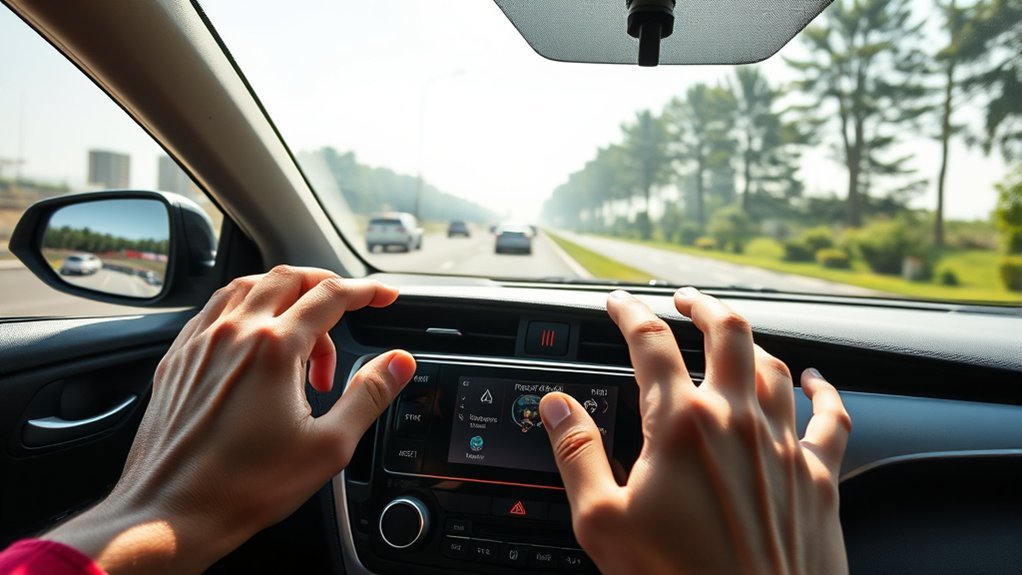
The air recirculation setting is normally identified by a car-and-looping-arrow symbol. When you turn it on, your Camry reduces outside-air intake and reuses air already inside the vehicle.
That is useful during cooling because the A/C can continue conditioning air that has already become cooler instead of repeatedly cooling hotter outside air. Toyota also recommends temporary recirculation in applicable Camry manuals to help cool the cabin when outside temperatures are high.
Recirculation can also reduce the amount of dirty or unpleasant outside air entering during traffic, tunnels, smoke, construction, or strong odors. It does not completely seal the cabin, and its effectiveness against airborne particles depends partly on the vehicle, ventilation system, cabin filter, fan setting, and outside conditions.
On many Camrys, an illuminated recirculation indicator means recirculated cabin air is selected; when recirculation is off, the system draws outside air. Exact symbols and automatic behavior vary by model year, so check the Toyota manual for your vehicle rather than assuming every Camry works identically.
Model-year note: Camry climate systems can change the intake mode automatically according to temperature, automatic climate-control operation, or windshield-defogging needs. If the recirculation setting changes by itself, that does not necessarily indicate a fault.
Recirculation vs Fresh Air: Quick Decision Table
| Driving Situation | Best Mode | Why |
| Very hot cabin after parking | Vent briefly, then recirculation | Lets trapped hot air escape before the A/C repeatedly cools cabin air. |
| Heavy traffic, tunnel, or nearby exhaust | Recirculation temporarily | Reduces the amount of outside air drawn into the cabin until conditions improve. |
| Fogged windshield or front side windows | Outside air with windshield defogger | Helps remove humid cabin air; the A/C or dehumidification function can help dry the airflow. |
| Clean outside air on a longer drive | Outside/fresh air | Provides ventilation and reduces buildup of occupant-generated humidity and carbon dioxide. |
| Smoke, construction, or strong outside odor | Recirculation temporarily | Limits outside-air intake while the poor-air area passes. |
Dust deserves one extra check: temporary recirculation can help when outside air is dirty, but Toyota has given additional instructions for some Camry model years when road dust continues entering despite closed windows. Follow the operating guidance in your exact owner’s manual if that happens.
When Should You Use Recirculation Mode in a Toyota Camry?
Use recirculation mode when your main goal is faster cooling or short-term reduction of unpleasant outside air. Toyota’s climate-control guidance recommends temporary recirculation to help cool the vehicle when outside temperatures are high and to reduce dirty outside air entering the cabin.
For a very hot parked Camry, let trapped heat escape first. Open the doors or windows briefly when safe, start the climate system, then close the windows and select recirculation. Once the cabin air becomes cooler than the outside air, repeatedly cooling that cabin air reduces the work needed to maintain a comfortable temperature.
Recirculation can also be useful in stop-and-go traffic, tunnels, construction zones, smoke, or locations with strong outside smells. The U.S. EPA identifies smoke and soot as forms of particulate pollution, but recirculation should not be treated as a complete barrier against pollution because outside air can still enter a vehicle and cabin-filter performance varies.
Pro Tip: If a sun-heated cabin is hotter than the outdoor air, release that trapped heat first. Then close the windows and use recirculation for stronger cooling.
When Should You Use Fresh Air Mode in Your Camry?
Fresh air mode, called outside-air mode in Toyota manuals, brings outdoor air through the HVAC system. Use it when the cabin needs ventilation, when several people are riding for an extended period, or when outdoor air is clean enough that there is no reason to isolate the cabin from it.
Fresh air is especially important when interior window fog develops. Moisture from breathing, wet clothing, damp mats, rain, or snow can raise cabin humidity. Toyota advises outside-air mode for windshield defogging on applicable Camrys, and the climate system may switch from recirculation automatically when the windshield defogger is selected.
Outside air can also help with odors that are already inside the cabin or HVAC system. Toyota specifically recommends outside-air operation as part of its ventilation and odor-control guidance on applicable models.
If outdoor air quality is poor, use judgment rather than following a fixed schedule. During heavy smoke or nearby exhaust, keep the windows closed and use recirculation temporarily. When outdoor conditions improve, outside-air ventilation becomes useful again. In the United States, AirNow’s Air Quality Index can help you assess current outdoor pollution.
How Do You Know When to Switch Air Modes?

Switch based on what matters most at that moment: cooling load, visibility, outside-air quality, or ventilation. There is no single setting that is best for an entire trip.
Use this simple pattern:
- Hot start: Vent trapped heat briefly, then use recirculation for faster cooling.
- Traffic exhaust or tunnel: Use recirculation temporarily, then return to outside air when conditions improve.
- Interior fog: Select the windshield defogger and outside air; let the climate system use its dehumidification function.
- Longer clean-air drive: Use outside air for ventilation rather than leaving full recirculation selected indefinitely.
- Bad smell inside: Use outside air to flush the cabin unless the odor source is outside the vehicle.
Warning: Do not continue driving when fog, frost, or condensation prevents a clear view through the windshield or front side glass. Clear the required viewing area before driving.
How Do You Clear Fogged Camry Windows Safely?
When moisture is on the inside of your Camry’s windshield, reduce cabin humidity and direct conditioned air toward the glass. Recirculating humid cabin air can make interior fogging worse.
- Press the front windshield defogger. This directs airflow toward the windshield and front side-glass area.
- Use outside air. If recirculation remains selected, switch it off unless your Camry changes the setting automatically.
- Allow A/C or dehumidification to operate. Air conditioning can remove moisture even while the selected outlet temperature is warm. At very low outside temperatures, operation can vary by model and conditions.
- Increase airflow. Raise the fan speed as needed to move more dry air across the glass.
- Choose a suitable temperature. Warm, dehumidified airflow is normally effective for interior fog.
- Use the rear defogger separately. On equipped Camrys, the rear-defogger control may also heat the outside mirrors.
If the haze is on the outside of the windshield, use the wipers and avoid over-cooling the glass. For a full inside-versus-outside procedure, see how to choose Toyota Camry defrost settings and front defrost vs rear defogger in a Camry.
If interior fog keeps returning, inspect wet floor mats, damp carpet, water leaks, a dirty windshield, restricted airflow, and the cabin air filter. Persistent fog despite correct settings can justify HVAC inspection.
[Amazon Products Picked for You]

✅Effortless Auto Glass & Windshield Cleaning – The XINDELL Windshield Cleaner Tool makes cleaning auto glass—inside and out—quick and easy. With its extendable handle and 180° pivoting head, you can reach every corner without strain, ensuring streak-free clarity for improved visibility and complete car care.🌟

Quickly and easily bonds defogger tab to grid on rear window

Instantly removes fog and condensation from auto windows and mirrors
When Should You Avoid Leaving Recirculation On?
Do not treat recirculation as a permanent default. It is particularly unsuitable when interior glass is fogging because recirculating humid cabin air can make visibility worse. Outside-air mode and the windshield defogger are the better combination for interior fog on applicable Camrys.
Long trips are another reason to switch strategically. Peer-reviewed vehicle-cabin research found that recirculation can reduce incoming roadway particles, but carbon dioxide exhaled by occupants can accumulate when outside-air exchange is restricted. The effect becomes more important with more occupants and longer trips. The practical takeaway is not a universal minute limit: use recirculation while outside air is poor, then introduce outside air when conditions permit.
If an odor is already inside the car—from food, smoke residue, damp carpet, pets, or the HVAC case—recirculation simply keeps moving that cabin air around. Use outside air when appropriate and fix the odor source rather than relying on the intake button alone.
Maintenance Tips for Your AC System: Keeping It Running Smoothly
Good HVAC maintenance makes both recirculation mode and fresh air mode more effective. A restricted cabin air filter can reduce vent airflow, while debris or moisture around the outside-air intake can contribute to odor or ventilation problems. Follow the maintenance information for your Camry model year rather than assuming one replacement interval fits every generation and driving environment.
Watch for weak airflow, slow cooling, musty smells, clicking noises behind the dash, or fog that returns despite correct defog settings. These symptoms can point to a dirty filter, blocked intake, wet HVAC case, drain problem, actuator fault, blower problem, or an A/C system that needs diagnosis.
Keep leaves and debris away from the cowl area near the base of the windshield because that area supplies outside air to the HVAC system. Do not force debris into the intake opening while cleaning it.
If your Camry has normal airflow but the air does not become cold, see Toyota Camry AC not blowing cold: causes and fixes. If odor is the main problem, see Toyota Camry cabin air filter odor causes.
Have a qualified technician inspect the system if cooling drops suddenly, refrigerant leakage is suspected, or normal airflow and temperature controls no longer respond correctly. Refrigerant-system work requires the proper equipment and service procedure.
[Amazon Products Picked for You]
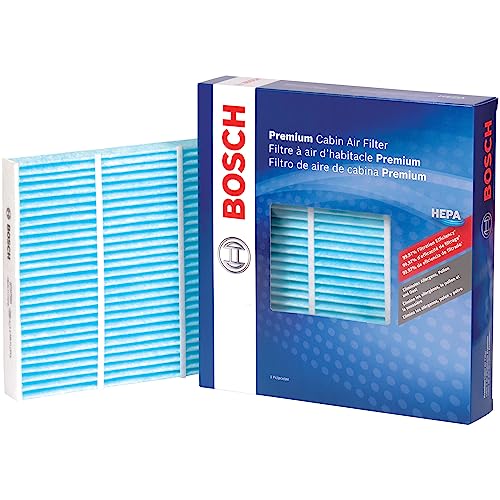
High Efficiency Particulate Cabin Air Filters Are Designed To Trap Microscopic Pollutants Including Pollen, Mold And Common Allergens

[Vehicle Fitment]: For Toyota: 4Runner (2010-2024), Avalon (2005-2018), Camry (2007-2017), Corolla (2009-2019), Corolla iM (2017-2018), Highlander (2008-2019), Land Cruiser (2008-2011,2013-2021), Matrix (2009-2014), Mirai (2016-2020), Prius (2010-2015), Prius C (2012-2019), Prius Plug-In (2012-2015), Prius V (2012-2018), RAV4 (2006-2018), Sequoia (2008-2022), Sienna (2011-2020), Tundra (2007-2021), Venza (2009-2016), Yaris (2007-2018).

[Vehicle Fitment]: Replacement for Toyota: Avalon (2019-2022), Camry (2018-2025), Corolla (2019-2025), Corolla Cross (2022-2025), CROWN (2023-2024), C-HR (2018-2022) [IMPORTANT: Fits Japan Built Models ONLY, VIN starts with 'J'],Highlander (2020-2025), Prius (2016-2025), Prius AWD-E (2019-2022), Prius Prime (2017-2024), RAV4 (2019-2025), RAV4 Prime (2021-2024), Sienna (2021-2025), Venza (2021-2024), Grand Highlander (2024-2025), GR Corolla (2023-2025).
Troubleshooting Bad Odors, Weak Airflow, or Fog
If one intake mode seems ineffective, the button itself may not be the problem. Match the symptom to the most useful first check.
- Weak airflow in both modes: Inspect the cabin air filter and make sure vents and intakes are not blocked.
- Bad smell mainly with outside air: Check for leaves, standing moisture, or debris near the cowl intake.
- Bad smell in recirculation: The odor may already be inside the cabin, filter, evaporator case, or ductwork.
- Fog returns quickly: Use outside air and the windshield defogger, then look for wet carpet, water leaks, or excessive cabin moisture.
- Cooling is weak in both modes: Diagnose the A/C system rather than repeatedly switching the intake setting.
- Mode will not stay where you selected it: Check your owner’s manual first because automatic climate control or defogging can intentionally change the air-source setting.
Use recirculation when the outside air or cooling load is the problem. Use outside air when visibility or cabin ventilation is the priority.
[Amazon Products Picked for You]

Compatible Auto List: Our cabin air filter is compatible with Toyota: 4Runner (2010-2024), Avalon (2005-2018), Camry (2007-2017), Corolla (2009-2019), Corolla iM (2017-2018), Highlander (2008-2019), Land Cruiser (2008-2011,2013-2021), Matrix (2009-2014), Mirai (2016-2020), Prius (2010-2015), Prius C (2012-2019), Prius Plug-In (2012-2015), Prius V (2012-2018), RAV4 (2006-2018), Sequoia (2008-2022), Sienna (2011-2020), Tundra (2007-2021), Venza (2009-2016), Yaris (2007-2018).
Bosch HEPA Premium Cabin Air Filters are designed and tested to meet High Efficiency Particulate Air (HEPA) standards based on ISO 29463-3:2011 and provide filtration efficiency of 99.97% at 0.3 microns

[Vehicle Fitment]: Replacement for Toyota: Avalon (2019-2022), Camry (2018-2025), Corolla (2019-2025), Corolla Cross (2022-2025), Crown (2023-2024), C-HR (2018-2022),GR Corolla (2023-2025),Grand Highlander (2024-2025),Highlander (2020-2025), Prius (2016-2025), Prius AWD-E (2019-2022), Prius Prime (2017-2024), RAV4 (2019-2025), RAV4 Prime (2021-2024), Sienna (2021-2025), Venza (2021-2024)
Related Guides
Frequently Asked Questions
When should I use fresh air vs recirculation in a Toyota Camry?
Use recirculation temporarily for faster cooling or when traffic exhaust, smoke, construction, or strong outside odors make outside air undesirable. Use outside air when the windows fog, the cabin needs ventilation, or you are driving for longer periods in clean outdoor air.
When should I not use air recirculation in my car?
Do not rely on recirculation when interior window fog reduces visibility or when an odor is already trapped inside the cabin. On a longer drive, bring in outside air when outdoor conditions permit instead of leaving full recirculation selected indefinitely.
How do I properly use recirculation in a Toyota Camry?
On a hot start, vent trapped cabin heat briefly, close the windows, turn on the climate system, and select recirculation. Use it temporarily around poor outside air, then switch to outside air when ventilation becomes more important and outdoor conditions are acceptable.
Should recirculation be on or off for defrost?
For interior windshield fog, recirculation should normally be off. Select the windshield defogger and outside-air mode and allow the climate system to dehumidify the airflow. Depending on the Camry model year, selecting the defogger may switch to outside air automatically.
Does recirculation save gas in a Camry?
It can reduce the air-conditioning load because the system is cooling already-conditioned cabin air instead of continuously cooling hotter outside air. Toyota notes for applicable Camrys that automatic recirculation can reduce A/C power consumption and may reduce fuel consumption. The practical reason to select the mode should still be cooling, ventilation, outside-air quality, and visibility.
Why does my Camry switch out of recirculation by itself?
Some Camry climate-control systems automatically change the intake mode according to temperature, automatic climate-control operation, or windshield-defogging needs. Check your model-year Toyota owner’s manual before assuming that an automatic change indicates a malfunction.
Can I leave recirculation on during a long drive?
Use recirculation as long as outside air is temporarily undesirable or extra cooling is useful, but do not assume it must stay on for the entire trip. Occupants add carbon dioxide and moisture to cabin air, so introduce outside air when conditions permit, especially on longer trips with several passengers.
Conclusion
For a Toyota Camry, neither recirculation nor fresh air is the permanent “best” setting. Use recirculation for faster cooling and temporary reduction of dirty or unpleasant outside air. Use outside air when you need windshield defogging, cabin ventilation, or fresher air during a longer drive.
Let visibility take priority over comfort. If interior glass fogs, select the windshield defogger, use outside air, and allow the climate system to remove moisture. If your Camry changes intake mode automatically, check the model-year owner’s manual before treating that behavior as a fault.
Sources
- Toyota Manuals and Warranties — model-year owner’s manuals for Camry climate-control and defogger operation.
- Toyota Canada: Know Your Toyota Videos — Toyota guidance on recirculation, cooling, dusty conditions, and window fogging.
- U.S. EPA: Particulate Matter Basics — definitions and sources of airborne particle pollution.
- AirNow: AQI Basics — U.S. Air Quality Index guidance for evaluating outdoor air quality.
- Hudda & Fruin, Science of the Total Environment — research on vehicle ventilation, recirculation, particulate exposure, and cabin carbon-dioxide accumulation.
- CDC Stacks: Vehicle Cabin Air Recirculation Study — research on balancing particulate reduction with fresh-air ventilation and cabin CO₂.
