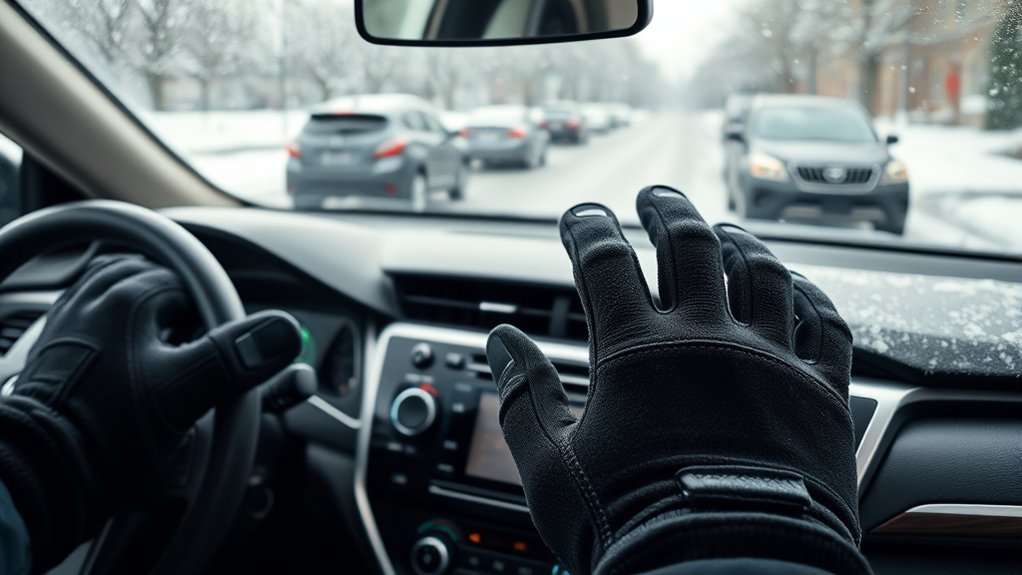
For Toyota Camry winter defrost settings, select the front windshield defogger and choose a warm temperature. Turn recirculation off, leave A/C available to remove moisture, and raise the fan until the windshield and front side glass are clear. Use the rear defogger separately for the back glass and, on equipped models, the outside mirrors. Exact button behavior varies by model year, so confirm the symbols and automatic functions in your owner’s manual.
Last updated: September 11, 2026
What changed: Verified current 2026 Camry climate-control and rear-defogger equipment, clarified current-versus-older model behavior, tightened the drive-mode FAQ, updated source links, and removed non-whitelisted schema.
Quick Answer
Press the front windshield defogger, choose a warm temperature, and use a medium-to-high fan speed. Keep recirculation off so outside air can enter, and allow the climate system to use A/C for moisture removal. Turn on the rear defogger separately, then wait until all required glass and mirrors are clear before driving.
Key Takeaways
- Use the dedicated windshield defogger with warm air and a medium-to-high fan speed.
- Use fresh outside air instead of recirculation unless your Camry changes the intake automatically.
- Allow the A/C system to remove moisture, even when you are asking the system for warm air.
- Use the rear-window defogger separately; on the 2026 U.S. Camry, Toyota lists the rear defogger and outside-mirror heater function with timer as standard across all trims.
- Loosen thick exterior ice with the defroster, then remove it with a proper ice scraper.
- Do not drive until the windshield, side windows, mirrors, lights, and other visibility areas are clear.
At a Glance
| Time Required | Varies with temperature, moisture, ice thickness, airflow, and engine or hybrid-system operation; drive only when visibility is fully restored |
| Difficulty | Easy |
| Tools Needed | Plastic ice scraper, snow brush, winter-rated washer fluid, and a clean microfiber cloth |
| Cost | No cost to use the built-in controls; winter supplies vary by product |
What Is Different on the 2026 Toyota Camry?
The current 2026 U.S. Camry uses dual-zone automatic climate control across the lineup. Toyota also lists a rear-window defogger and outside-mirror heater function with timer as standard on LE, SE, Nightshade, XLE, and XSE. For current trims, select the windshield defogger and let the automatic system manage airflow and A/C as needed. If fog persists, confirm outside-air mode. Use the rear defogger when the rear glass or mirrors need clearing.
Older Camrys can use different button layouts and different automatic recirculation behavior. Do not assume a 2005, 2015, or 2023 Camry reacts exactly like a 2026 model. Use the Toyota owner’s manual portal for the exact model year. For a focused comparison of the two systems, see front defrost vs. rear defogger in a Camry.
Common Defrosting Challenges in Winter
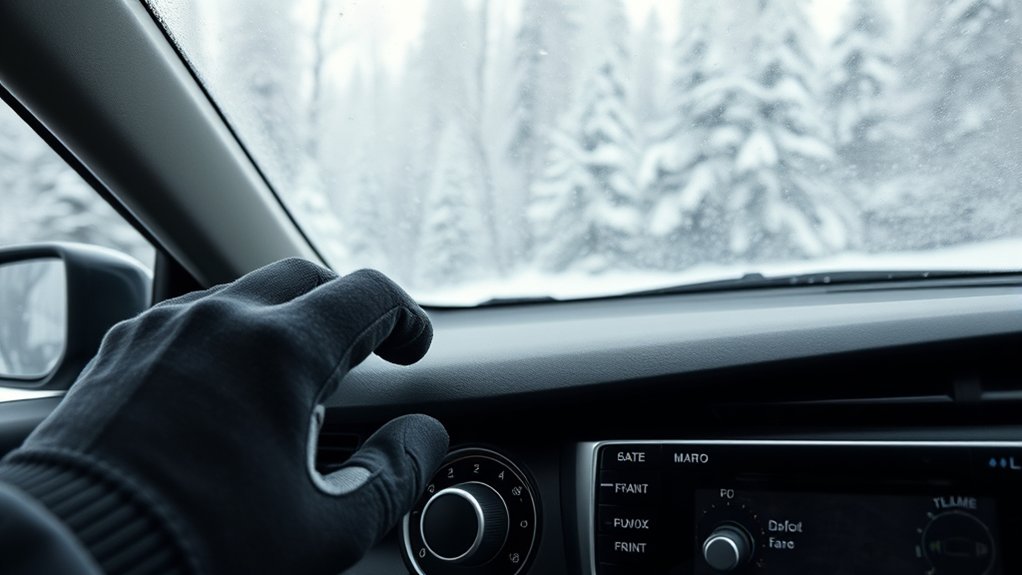
Winter visibility problems usually fall into two groups. Frost, snow, or ice forms outside the windshield, while fog forms inside when moisture in the cabin condenses on cold glass. Your Camry’s front windshield defogger helps with both, but thick exterior ice still needs to be removed with a plastic scraper after the glass begins to warm.
The best control sequence depends on which problem you are solving:
| Condition | Best Starting Setup | Additional Action |
|---|---|---|
| Interior fog | Front defogger, outside air, A/C available, warm temperature, medium-to-high fan | Remove wet items when practical and briefly crack a window if fog persists |
| Light exterior frost | Front defogger, warm temperature, high fan | Scrape once the frost loosens; free the wipers before operating them |
| Thick ice or packed snow | Brush away loose snow, then use the front defogger with warm air and strong airflow | Wait for the bond to soften and remove the remaining ice with a plastic scraper |
Controls and automatic behavior vary by model year. Some Camrys automatically adjust the air intake, fan, airflow direction, or A/C operation when the windshield defogger is selected. Use the Toyota owner’s manual portal to confirm the exact buttons, symbols, and automatic functions for your vehicle.
Understanding the Defrost Settings in Your Toyota Camry
Use this sequence when the windshield is fogged, frosted, or lightly iced:
- Operate the vehicle in a safe outdoor location. Do not leave the engine running or warm the car in an attached garage, even with the garage door open.
- Remove loose snow first. Clear the roof, hood, lights, glass, mirrors, and the outside-air intake near the base of the windshield.
- Select the front windshield defogger. Look for the symbol showing a curved windshield with rising or wavy arrows.
- Set a warm temperature. Warm air heats the glass and supports moisture removal after the climate system dehumidifies the air.
- Raise the fan speed. Use medium-high or high airflow when visibility is poor.
- Use outside air. Turn recirculation off unless the system changes the intake automatically when defogging is selected.
- Allow A/C-assisted dehumidification. Leave A/C available instead of switching it off. The compressor may cycle or may not operate in every low-temperature condition.
- Press the rear-window defogger. This controls the electric grid in the rear glass and may also heat the outside mirrors if your Camry is equipped with that feature.
- Remove softened ice. Use a plastic scraper and free the wipers before switching them on.
- Check the entire view. Do not move until the windshield, side windows, mirrors, and lights are clear enough for safe operation.
Warning: Never warm or defrost a Camry while it remains idling in a garage attached to a home, even if the garage door is open. The CDC warns against running a car or truck in an attached garage because carbon monoxide can build up without warning. Perform the defrost routine outdoors.
A windshield is ready when you have a complete, unobstructed view—not when a certain number of minutes has passed.
Warning: Never drive through a small cleared “porthole.” Clear the windshield, side windows, mirrors, lights, roof, hood, and trunk area so you can see properly and loose snow cannot slide or blow into traffic.
Why Proper Airflow Is Essential for Effective Defrosting
Defrosting and defogging depend on moving conditioned air across the glass. Correctly directed airflow warms the windshield, lowers condensation, and carries moisture away. A high temperature setting alone cannot clear the glass efficiently when the fan is off, the vents are blocked, or the outside-air intake is packed with snow.
Airflow Direction Matters
Select the dedicated windshield mode instead of relying on face-level vents. The front defogger gives priority to the windshield and usually directs some air toward the front side windows through the dashboard-edge demister vents. A floor-and-windshield split mode is useful after the glass is clear, but full windshield priority normally works faster at the beginning.
- Remove papers, phone mounts, dashboard covers, or other items blocking the defogger outlets.
- Brush snow and leaves away from the outside-air intake near the base of the windshield.
- Keep the inside of the glass free of smoke film, oily residue, and cleaner streaks that increase glare and make condensation appear worse.
Fan Speed Selection
Use a higher fan speed when the windshield is heavily fogged or iced. Once visibility is restored, reduce the fan to a comfortable level while keeping some airflow on the glass. Turning the fan off removes the airflow needed to carry moisture away and may allow fog to return.
How to Set Fan Speed for Optimal Defrosting
No single fan number works for every condition. Start with strong airflow when the glass is obscured, then reduce the fan after the windshield and front side windows clear. With automatic climate control, fan speed may remain low at first while the system waits for warmer air, especially during a cold start.
Optimal Fan Speed Selection
- Heavy interior fog: Use the front defogger, outside air, A/C available, and high fan speed.
- Fresh exterior frost: Use high fan speed and a warm temperature while the glass begins heating.
- Light fog: Medium fan speed with warm, conditioned outside air is usually sufficient.
- Clear glass during the drive: Use a lower fan speed or an automatic setting that maintains light windshield airflow.
Adjusting for Comfort Levels
After the windows clear, switch to a floor-and-windshield mode if you want more heat around your feet. Avoid changing immediately to recirculation when wet coats, snow-covered shoes, damp floor mats, pets, or several passengers are adding moisture to the cabin.
When High Fan Speed Still Produces Weak Airflow
If the fan sounds fast but little air reaches the windshield, check for a snow-packed outside intake, closed or blocked vents, and an overdue cabin air filter. A blower fault, electrical problem, or stuck HVAC mode door may require professional diagnosis.
Adjusting Temperature for Effective Ice Removal
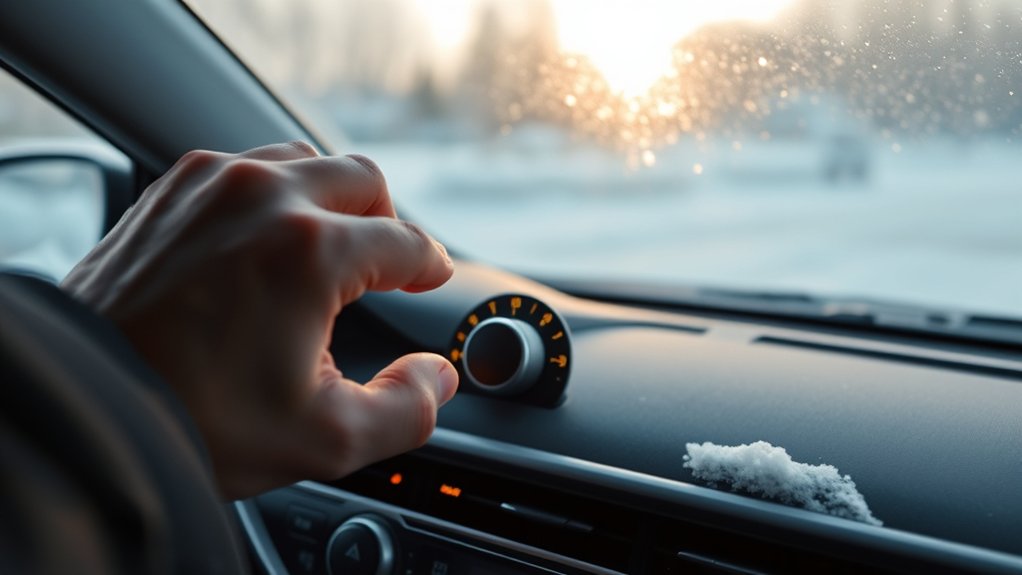
Choose a comfortably warm or hot setting for exterior frost and ice. A gasoline engine may need time to warm its coolant before the vents produce strong heat. Hybrid-system operation can also affect how quickly cabin heat becomes available, so cold air during the first moments after startup does not automatically indicate a fault.
For interior fog, the goal is warm, dry airflow rather than maximum heat alone. Allowing the A/C system to operate helps remove moisture before the air is directed across the glass. If the cabin becomes uncomfortable after visibility improves, lower the temperature gradually while maintaining windshield airflow.
Do not pour hot or boiling water on frozen glass. The rapid temperature change can crack a windshield, and runoff may refreeze around the wipers, doors, or pavement. In freezing weather, warm the windshield before using washer fluid so the liquid does not freeze across the viewing area. Use washer fluid rated for the expected outdoor temperature.
Pro Tip: Let the defroster weaken the bond between the ice and glass, then scrape with overlapping strokes from an edge toward the center. Free each wiper blade gently before operating the wipers.
How to Keep the Windshield Clear After It Defrosts
Once the main viewing area and front side windows are clear, you can reduce noise and cabin heat without giving up visibility. Keep some airflow on the windshield, leave the side-demister vents uncovered, and watch for fog returning around the glass edges or mirror area.
Move From Full Defog to Windshield-and-Floor Airflow
Use the windshield-only setting while visibility is blocked. After the glass clears, a windshield-and-floor mode can maintain the result while sending more heat toward your feet. If fog begins returning, switch back to the dedicated front defogger immediately.
Reduce Fan Speed in Stages
Drop from high to medium airflow after the glass is clear, then lower it further only if the windshield stays clear. Several passengers, wet clothing, melting snow, or damp carpeting can add moisture faster than a very low fan setting can remove it.
Lower Temperature Without Removing Windshield Airflow
If the cabin becomes too warm, reduce the temperature gradually while maintaining outside air and some windshield airflow. Turning the fan off or switching straight to recirculation can let condensation return even though the cabin feels comfortable.
The Role of Fresh Air Intake in Defogging
Outside-air mode replaces damp cabin air with fresh air. After the climate system warms and conditions that air, it can carry more moisture away from the glass. Recirculation can trap humidity from breathing, wet coats, damp carpeting, and melting snow, so the windows may fog again.
Toyota’s 2025 Camry Quick Reference Guide identifies outside air as the preferred intake setting for reducing window fogging. The current 2026 Camry uses dual-zone automatic climate control across all U.S. trims, but automatic behavior can still vary by model year and operating condition. If fog persists, confirm that the system is not staying in recirculation instead of repeatedly pressing the intake control without checking the indicator.
Brief recirculation may be useful when passing heavy exhaust, smoke, or another outside contaminant. Switch back to outside air as soon as practical. If fog persists, briefly opening a side window can release humid cabin air while the defogger continues operating.
What to Do If the Windshield Fogs While Driving
Fog can spread quickly when wet passengers enter the car, the outside temperature changes, or recirculation traps moisture. Take these steps immediately:
- Select the front windshield defogger.
- Increase the fan speed.
- Confirm that recirculation is off or allow the automatic system to select outside air.
- Leave A/C available so the system can dehumidify the air when operating conditions permit.
- Use a warm temperature and avoid wiping the windshield with your hand, which can leave an oily smear.
- Crack a side window briefly if the fog is not clearing.
- Pull over safely if you cannot maintain a clear view of the road.
Warning: Do not continue driving when condensation, frost, or a climate-control fault prevents a safe view. Slow smoothly, use your signals, and stop in a safe location until visibility is restored.
Common Defrosting Mistakes to Avoid
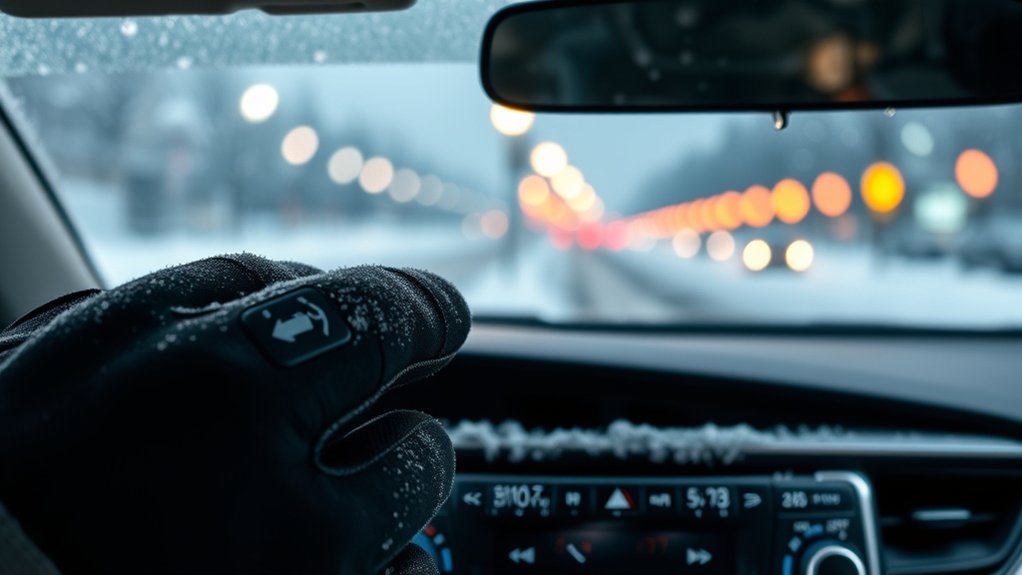
- Using recirculation for too long: This traps humid cabin air and can bring fog back.
- Turning A/C off: This may prevent the system from using its dehumidification function.
- Relying on heat without airflow: A high temperature setting cannot clear the glass efficiently when the fan is off.
- Pouring hot water on the windshield: Thermal shock can crack glass, and the water may refreeze.
- Running frozen wipers: Ice can tear the rubber, damage the linkage, or overload the wiper motor.
- Using a metal scraper: Metal edges can scratch the glass or damage nearby trim.
- Ignoring the outside intake: Snow near the cowl can restrict airflow into the climate system.
- Using washer fluid on extremely cold glass too soon: Fluid can freeze across the windshield if the product or glass temperature is unsuitable.
- Driving before all glass is clear: A small viewing hole does not provide adequate visibility.
- Leaving the vehicle warming in a garage: Exhaust can create a deadly carbon-monoxide hazard, including in an attached garage with the door open.
Aftermarket Solutions for Better Defrosting
Start with simple visibility products before considering powered equipment. Any remote-start or electrical heating accessory must be compatible with your exact Camry, installed according to the manufacturer’s instructions, and used within the vehicle’s electrical limits.
| Solution | Best Use | Important Caution |
|---|---|---|
| Winter-rated washer fluid | Helps resist freezing and can loosen light frost | Use a product rated below the lowest temperature you expect |
| Windshield cover | Reduces overnight frost, ice, and snow buildup | Remove it completely and store it before driving |
| Winter wiper blades | Reduce snow packing around exposed blade frames | Confirm the correct blade length and attachment for your model year |
| Compatible remote start | May begin climate operation before entry when properly configured | Use only a factory-supported or professionally installed system, operate outdoors, and verify how your climate settings behave |
Note: Do not use generic plug-in heaters, auxiliary fans, heated-wiper kits, or other high-draw devices unless they are specifically approved for automotive use and comply with the socket, fuse, wiring, and installation limits for your Camry. Remote start never makes garage operation safe.
Easy Tips to Get Your Car Ready for Winter
Visibility starts with preparation. The National Highway Traffic Safety Administration’s winter guidance recommends checking defrosters and wipers and filling the washer reservoir with winter-rated fluid before severe weather.
- Replace wiper blades that chatter, skip, crack, or leave heavy streaks.
- Clean the inside and outside of every window.
- Test the front defogger and rear defogger before the first freeze.
- Check whether the outside mirrors heat with the rear defogger, if equipped.
- Keep a plastic ice scraper and snow brush in the vehicle.
- Remove wet floor mats or excess cabin moisture when practical.
- Keep the outside-air intake at the windshield base clear of snow and leaves.
- Check coolant level only when the vehicle is cool and follow the owner’s manual.
- Check battery condition, lights, washer fluid, and tire pressure.
- Use the pressure on the driver-door label, not the maximum printed on the tire. Review NHTSA tire-safety guidance for more details.
If Defrosting Is Slow or Not Working
Slow clearing does not always mean the control settings are wrong. Use the symptoms below to narrow the cause:
- Little or no airflow: Check for a blocked outside intake, closed vents, a clogged cabin air filter, a blown fuse, or a blower fault.
- The fan runs but air does not reach the windshield: A mode-door or actuator problem may be preventing correct airflow direction.
- Air stays cold after the vehicle has warmed: The cooling system may be low on coolant, the thermostat may be faulty, or the heater circuit may need diagnosis. Never open a hot cooling system.
- The windshield fog returns: Turn off recirculation, remove wet items, dry damp carpeting, clean the glass, and inspect for rainwater or heater-core leaks.
- The glass develops a greasy film or sweet odor: Stop treating it as ordinary condensation and have the cooling and HVAC systems inspected.
- The rear glass does not clear: Confirm the indicator is on and inspect the grid for visible breaks. Do not use a sharp tool or abrasive cleaner on the inside of the rear glass.
- The mirrors do not clear: Confirm that your trim actually has heated mirrors and that they are linked to the rear-defogger switch.
- One side clears poorly: A blocked demister vent or malfunctioning blend or mode door may need professional diagnosis.
- Washer fluid does not spray: The reservoir may be empty, the fluid may be frozen, or a hose, nozzle, pump, or fuse may have failed.
Schedule service if the blower does not run or air will not reach the windshield. Also get help if the defogger cannot keep the glass clear, coolant keeps dropping, a sweet-smelling film forms on the glass, or electrical fuses keep failing.
Frequently Asked Questions
How do you turn on defrost in a Toyota Camry?
Press the front windshield defogger button or select the windshield airflow symbol. Choose a warm temperature, increase the fan, use outside air, and allow the system to use A/C. The rear window has a separate electric defogger button.
What settings should I use to defrost a Camry windshield?
Start with the dedicated windshield mode, a warm temperature, outside-air intake, A/C available for dehumidification, and a medium-to-high fan speed. Use a plastic scraper for exterior ice after it begins to loosen.
What should I do if the windshield fogs while I am driving?
Select the front defogger, raise the fan, turn recirculation off, and leave A/C available. Briefly crack a window if necessary. Pull over safely if the system cannot restore or maintain a clear view.
Do Camry drive modes or AWD change the defrost settings?
No. Drive modes and AWD affect vehicle response or traction, not the windshield defogger controls. Current Camry drive-mode choices vary by drivetrain and model year, so use the climate-control defogger separately and follow the exact owner’s manual for your vehicle.
Should the A/C be on when defogging the windshield?
Leave A/C enabled or allow the automatic climate system to manage it. The system can use the A/C circuit to remove moisture before sending warmer air to the glass. The compressor may cycle or remain off under some very cold operating conditions.
Why does the rear defogger turn off by itself?
The rear defogger normally uses a timed cycle to limit unnecessary electrical use. Press the button again if the glass still needs clearing. The exact cycle and whether the outside mirrors are also heated depend on the model year and equipment.
Why does my Camry defroster blow cold air at first?
A cold gasoline engine needs time to warm its coolant, and hybrid operation can affect when strong heat becomes available. Persistent cold air after the vehicle is fully warmed may indicate low coolant or an HVAC or cooling-system fault.
Is defrost the same as defog?
They describe different problems but often use the same front climate setting. Defrosting loosens exterior frost or ice by warming the glass. Defogging removes interior condensation with conditioned airflow. The rear window uses an electric heating grid for fog, frost, or dew.
Conclusion
For reliable Toyota Camry winter visibility, select the front windshield defogger and use a warm temperature. Increase the fan, keep recirculation off, and leave A/C available for moisture control. Use the rear defogger separately, clear heavy snow and ice with proper tools, and never rely on a fixed waiting time. On the 2026 U.S. Camry, dual-zone automatic climate control is standard, and the rear defogger is paired with outside-mirror heating and a timer. For older model years, confirm the exact symbols and automatic behavior in the owner’s manual.
Sources
- Toyota Manuals and Warranties — model- and VIN-specific owner’s manuals and control information.
- 2026 Toyota Camry Brochure — current U.S. climate-control equipment, rear-window defogger, outside-mirror heater function, and trim coverage.
- 2026 Toyota Camry — current U.S. model and standard dual-zone automatic climate-control information.
- 2025 Toyota Camry Quick Reference Guide — windshield defogger, outside-air intake, A/C, fan, rear defogger, and automatic climate-control layout.
- NHTSA Winter Weather Driving Tips — defroster checks, winter washer fluid, wipers, coolant, snow removal, tires, and winter preparation.
- NHTSA Tire Safety — tire-pressure, inspection, and maintenance guidance.
- CDC Carbon Monoxide Poisoning Basics — vehicle exhaust and attached-garage safety.
- AAA Windshield De-Icing Guidance — safe scraping and the risk of using hot water on frozen glass.
