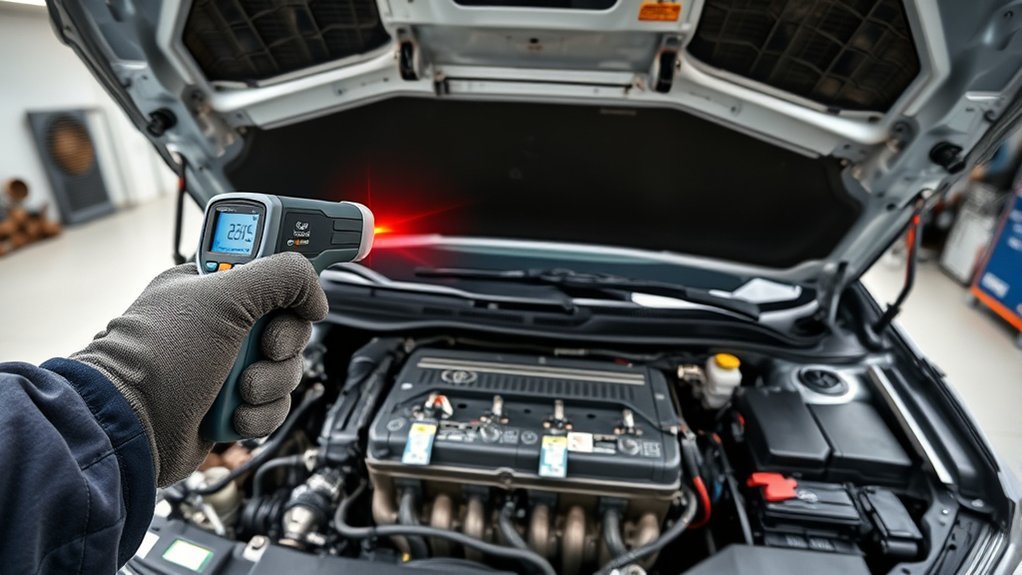
A Toyota Camry Hybrid traction battery is designed for long service, but there is no single mileage or age at which every pack fails. A practical planning range is often around 8–12 years and roughly 150,000–200,000 miles, while some batteries last longer and others need attention sooner. Climate, battery cooling, driving conditions, age, and the individual battery pack all matter. For U.S. Toyota hybrids from model year 2020 onward, the strongest manufacturer-backed benchmark is Toyota’s 10-year/150,000-mile hybrid-battery limited warranty, whichever comes first.
Quick Answer
A Toyota Camry Hybrid battery can often remain useful for many years and well into six-figure mileage, but Toyota does not promise a fixed service life. Model-year 2020 and newer U.S. Toyota hybrid batteries are covered for 10 years or 150,000 miles, and actual longevity depends on driving conditions, temperature, battery cooling, age, and maintenance.
Key Takeaways
- Toyota does not specify one guaranteed Camry Hybrid battery lifespan; real service life varies by vehicle and operating conditions.
- For U.S. Toyota hybrids beginning with model year 2020, the traction battery is covered for 10 years or 150,000 miles, whichever comes first.
- Keeping the hybrid-battery cooling intake clear is one of the most important owner maintenance tasks.
- Falling fuel economy, hybrid-system warnings, unusual charge-gauge swings, or a cooling fan that runs unusually hard can justify professional diagnosis.
- A no-start condition does not automatically mean the high-voltage battery has failed; the separate 12-volt auxiliary battery can also cause starting problems.
How Hybrid Technology Influences Battery Lifespan
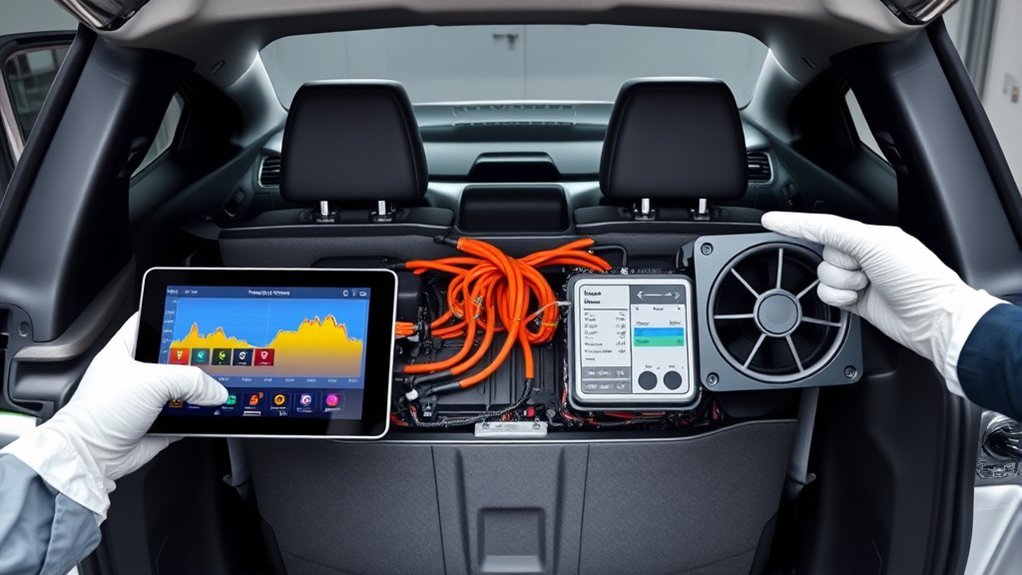
The Toyota Camry Hybrid combines a gasoline engine, electric motor-generators, power electronics, and a high-voltage traction battery. Unlike a plug-in hybrid or battery-electric vehicle, a regular Camry Hybrid does not need to be plugged into an external charger. The hybrid control system manages battery charge automatically while the engine and regenerative braking provide energy to the battery.
Regenerative braking converts some of the vehicle’s kinetic energy into electrical energy during deceleration. Toyota’s control system also keeps the traction battery within a managed operating range rather than asking the driver to charge it to 100% or discharge it completely. That automatic control is one reason normal Camry Hybrid ownership does not require the charging routines associated with plug-in vehicles.
Battery chemistry has also changed across Camry Hybrid generations and trims. Older Camry Hybrids used nickel-metal hydride batteries, and some later generations used lithium-ion batteries depending on model year and grade. The current 2025–2026 Camry generation uses a lithium-ion traction battery. Toyota identifies the 2026 Camry’s pack as a sealed lithium-ion battery in its current specifications.
Note: Battery chemistry alone does not tell you exactly how long a pack will last. Battery design, thermal management, operating conditions, age, mileage, and the condition of individual cells all affect service life.
Typical Lifespan of a Toyota Camry Hybrid Battery
A useful owner-planning estimate is roughly 8–12 years and around 150,000–200,000 miles, but that should not be treated as a Toyota guarantee or a fixed replacement interval. Toyota’s own manuals state that the traction battery has a limited service life and that its lifespan can change with driving style and driving conditions.
The more dependable manufacturer-backed number is the warranty period. In the United States, Toyota increased hybrid-battery warranty coverage beginning with model year 2020 to 10 years or 150,000 miles from the vehicle’s in-service date, whichever comes first. Older Camry Hybrids can have different coverage, and emissions-related warranty rules can also vary by vehicle and state, so owners should check the Warranty & Maintenance Guide for the exact VIN and model year.
| Item | What It Means |
|---|---|
| Broad planning range | Around 8–12 years or roughly 150,000–200,000 miles is a useful general expectation, not a guaranteed failure point. |
| 2020+ U.S. Toyota hybrid-battery warranty | 10 years or 150,000 miles, whichever comes first, subject to Toyota’s warranty terms. |
| Actual service life | Varies with climate, operating conditions, battery age, cooling airflow, driving pattern, and individual pack condition. |
A 10-year/150,000-mile warranty is a coverage limit, not a prediction that the battery will fail at 150,000 miles.
Average Battery Lifespan Expectations
Owners should think of traction-battery life as a range rather than a countdown. A Camry Hybrid with a clean cooling intake, moderate operating temperatures, and normal use may continue operating beyond the warranty period. Another vehicle exposed to severe heat, restricted cooling airflow, very high utilization, age-related cell imbalance, or other electrical problems may need diagnosis sooner.
Mileage alone also does not reveal battery health. A lower-mileage battery can still be old, while a higher-mileage vehicle may have accumulated its miles under relatively favorable conditions. When buying an older used Camry Hybrid, the battery’s current diagnostic condition and service history are more useful than mileage alone.
Factors Affecting Lifespan
Several factors influence how a Camry Hybrid traction battery ages:
| Factor | Potential Effect |
|---|---|
| Heat and climate | Sustained high temperatures can accelerate battery aging, making proper cooling airflow especially important. |
| Cooling-intake condition | Dust, lint, pet hair, luggage, or seat covers can restrict airflow and reduce battery cooling. |
| Driving pattern | Operating conditions affect battery cycling, temperature, and the amount of work handled by the hybrid system. |
| Age | Battery cells gradually lose capacity and can become less balanced as they age. |
| Maintenance | Following Toyota’s model-year maintenance schedule helps keep cooling and related vehicle systems operating as intended. |
Importance of Maintenance Practices
The traction-battery cooling system deserves particular attention. Toyota warns that a blocked hybrid-battery air intake can restrict battery charging and discharging and reduce battery output. Keep the intake unobstructed by luggage, seat covers, fabric, pet hair, or other debris.
For the 2025 U.S. Camry, Toyota’s maintenance log calls for the HV battery cooling intake filter to be inspected at 5,000-mile intervals and cleaned at 20,000-mile intervals. Maintenance requirements can differ by model year and market, so use the schedule in your own Warranty & Maintenance Guide rather than applying one interval to every Camry Hybrid.
Pro Tip: If you regularly carry pets or drive in dusty conditions, look at the traction-battery cooling intake more often. Visible lint, hair, or dust is a reason to follow the cleaning procedure in your model’s Owner’s Manual.
Warning Signs of a Failing Toyota Camry Hybrid Battery
A weakening traction battery does not always fail suddenly. Performance can deteriorate gradually, and many symptoms can also have causes unrelated to the battery. Watch for a combination of these signs rather than diagnosing the pack from one symptom alone:
- Hybrid-system warning lights or messages: Treat Toyota hybrid-system warnings as a reason for proper diagnostic scanning rather than guessing at the cause.
- A noticeable decline in fuel economy: If the engine must run more often because the battery contributes less electric assistance, fuel use may increase. Tire pressure, weather, driving conditions, engine problems, and other factors can also reduce MPG.
- Rapid swings in the battery charge display: A charge indicator that repeatedly moves from high to low unusually quickly can justify diagnostic testing.
- Engine operation that seems unusually frequent: A degraded battery may provide less electric assistance, although temperature, cabin heating, air conditioning, driving demand, and normal hybrid strategy can also make the engine run.
- Unusually loud or frequent battery-cooling fan operation: This can be associated with heat or restricted airflow and should prompt inspection of the cooling intake.
- Reduced hybrid performance: The vehicle may feel less responsive or rely more heavily on the gasoline engine if the traction battery cannot provide normal power.
Note: A Camry Hybrid that will not start or enter READY mode does not automatically have a failed traction battery. The separate 12-volt auxiliary battery powers computers and control systems and can cause a no-start condition when discharged.
Key Factors Influencing the Longevity of Your Hybrid Battery
The factors that matter most are the ones that change battery temperature, cycling, and cooling performance over time:
- Climate and heat exposure: Battery aging generally accelerates in hotter operating environments. Parking in shade when practical can reduce cabin and vehicle heat, although the car’s battery-management system handles battery operation automatically.
- Cooling airflow: Do not block the traction-battery air intake. Clean it according to the Owner’s Manual and maintenance schedule.
- Driving and usage pattern: High-utilization vehicles can accumulate battery cycles and heat much faster than lightly used private vehicles.
- Vehicle age: Chemical aging continues even when annual mileage is low.
- Long periods without use: Extended storage can affect both the 12-volt and hybrid systems. Follow Toyota’s model-specific storage guidance rather than attempting to manually charge or open the traction battery.
- Overall vehicle condition: Cooling-system problems, warning codes, electrical faults, and neglected maintenance can affect hybrid operation and should be corrected promptly.
How Driving Habits Impact Battery Health
Driving style influences energy use, battery cycling, heat generation, and fuel economy, but a modern Camry Hybrid is designed to manage normal city, highway, and stop-and-go driving automatically. You do not need to drive unnaturally slowly to protect the battery.
Smooth Acceleration Techniques
Progressive acceleration can reduce unnecessary energy demand and usually improves fuel economy. Avoiding repeated full-throttle acceleration when it is not needed can also limit unnecessary heat and power demand. The goal is efficient, predictable driving—not trying to keep the vehicle in electric mode at all times.
- Accelerate progressively when traffic conditions allow.
- Maintain a steady speed when practical.
- Anticipate traffic instead of repeatedly accelerating and braking.
- Allow the hybrid system to decide when to use the engine and electric motor.
Highway Speed Consistency
Consistent highway driving can reduce repeated acceleration demands, but highway driving is not automatically better for battery life than city driving. Battery temperature, vehicle load, speed, outside temperature, terrain, and total usage all matter. Focus on smooth operation and normal maintenance rather than trying to achieve a specific battery charge level while driving.
Avoiding Hard Braking
Gentle, early braking gives the regenerative system more opportunity to recover energy and can improve efficiency. During stronger braking, the vehicle can blend regenerative braking with the conventional friction brakes as needed. Hard braking should therefore be avoided primarily for safe, efficient driving and reduced brake wear—not because one hard stop is expected to damage the hybrid battery.
Why Regular Maintenance Is Key for Battery Efficiency
Regular maintenance helps the entire hybrid system operate as designed. For battery longevity, the most relevant owner task is keeping the traction-battery cooling intake and filter clean and unobstructed.
On the 2025 U.S. Camry maintenance schedule, Toyota lists the HV battery cooling intake filter for inspection every 5,000 miles and cleaning at 20,000-mile intervals. Toyota’s maintenance documentation also directs owners to the Owner’s Manual for the correct cleaning procedure.
Do not confuse the cabin air filter with the HV battery cooling intake filter. They are separate maintenance items. The cabin filter serves the vehicle’s heating and air-conditioning system, while the HV battery cooling intake is specifically associated with traction-battery airflow.
Other routine maintenance still matters because poor tire pressure, engine issues, brake problems, dirty filters, or warning faults can reduce fuel economy and make it harder to tell whether a change in MPG is actually related to the traction battery.
[Amazon Products Picked for You]
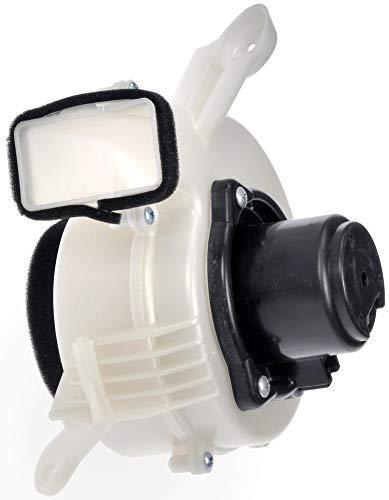
Direct replacement - this hybrid battery cooling fan matches the fit and function of the original fan on specific vehicle years, makes and models

【Vehicle Fitment】Compatible with 2010-2011 for Toyota for Camry 2.5L 2009-2016 for Toyota for Venza 2.7L
Best Practices to Extend Your Hybrid Battery Life
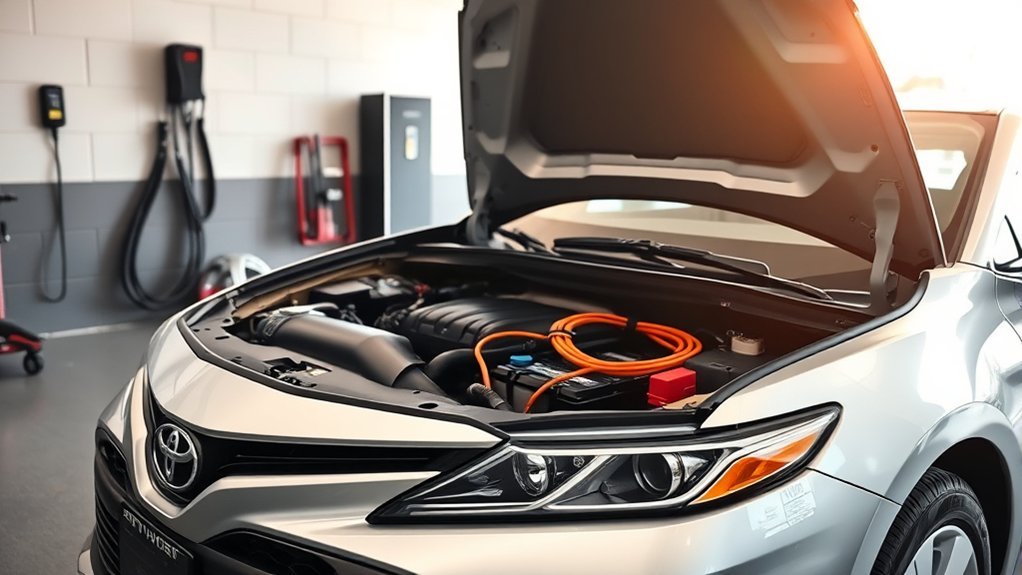
You cannot stop normal battery aging, but you can avoid several preventable problems:
Good hybrid-battery care is mostly about maintaining cooling airflow, following Toyota’s service schedule, responding to warning messages, and allowing the vehicle’s battery-management system to do its job.
- Keep the battery cooling intake clear. Do not cover it with bags, clothing, seat covers, or other objects.
- Inspect and clean the HV cooling intake/filter on schedule. Use the interval and cleaning method for your exact model year.
- Keep water away from the battery intake. Toyota warns that water or foreign material entering the intake can damage the traction battery.
- Respond to warning messages promptly. A diagnostic scan can identify whether a warning relates to the traction battery, cooling system, inverter, engine, 12-volt system, or another component.
- Use smooth, efficient driving habits. Progressive acceleration and anticipatory braking improve efficiency without trying to force the car into EV operation.
- Limit avoidable heat exposure when practical. Shade or covered parking can reduce overall vehicle heat in very hot weather.
- Follow the complete maintenance schedule. Maintaining the rest of the vehicle helps preserve efficiency and makes abnormal hybrid behavior easier to recognize.
Warning: The Camry Hybrid traction battery is a high-voltage component. Do not open, disassemble, remove, probe, or attempt to repair the battery pack or orange high-voltage wiring yourself. NHTSA recommends that hybrid high-voltage systems be serviced by qualified technicians with appropriate training, protective equipment, and diagnostic tools.
[Amazon Products Picked for You]

For 2007 2008 2009 Toyota Camry

[Vehicle Fitment]: Compatible with Lexus ES350 2007-2011 V6 3.5L (Sedan; fit for Type 2), ES350 2012 V6 3.5L (Sedan); Compatible with Toyota Avalon 2005-2012 V6 3.5L (Sedan), Camry 2007-2011 V6 3.5L (Sedan), Venza 2009-2015 V6 3.5L (Sport Utility)---For 2011 Toyota Camry it fit the model Without Towing Package; JAPAN BUILT
What to Consider When Replacing Your Hybrid Battery?
If diagnostics confirm that the traction battery needs replacement, compare more than the advertised battery price. There is no single nationwide installed price that applies to every Camry Hybrid, and exact cost can vary substantially with model year, battery type, supplier, labor, location, taxes, and core charges.
Before approving the repair, check the following:
- Warranty status: Verify the vehicle’s original in-service date and mileage before paying for a battery that may still qualify for Toyota coverage.
- Exact VIN compatibility: Camry Hybrid battery designs and chemistry vary across generations and model years.
- New vs. remanufactured pack: Ask whether the replacement uses new cells, rebuilt modules, reconditioned components, or a complete new assembly.
- Total installed price: Confirm labor, diagnostic fees, taxes, shipping, programming, and core charges rather than comparing battery-only prices.
- Replacement warranty: Compare warranty duration, mileage limits, transferability, labor coverage, and exclusions.
- Installer qualifications: High-voltage battery work should be performed by a technician trained to service hybrid high-voltage systems.
- Core return and recycling: Ask how the removed battery will be collected, returned, recycled, or remanufactured rather than discarded.
Do not replace the traction battery solely because fuel economy has dropped. First rule out tire-pressure changes, colder weather, engine faults, brake drag, 12-volt electrical problems, blocked battery cooling airflow, and other conditions that can imitate a weak hybrid battery.
[Amazon Products Picked for You]

Vehicle Compatibility: Compatible with 2025-2026 Toyota Camry hybrid models. Replacement for part number G92DH-33080. Verify the year, model, part number, and filter shape before ordering.

Replacement Batteries for a 2007-2011 Toyota Camry and Camry Hybrid Smart Key with a low or dead battery.

Replacement Batteries for a 2012-2024 Toyota Camry and Camry Hybrid Smart Key *Not Standard Key* with a low or dead battery.
Frequently Asked Questions
How Long Should a Toyota Camry Hybrid Battery Last?
There is no fixed Toyota replacement age. A broad planning range is around 8–12 years and roughly 150,000–200,000 miles, but actual service life can be shorter or longer. For U.S. Toyota hybrids beginning with model year 2020, the hybrid battery is covered for 10 years or 150,000 miles, whichever comes first.
How Can I Prolong Toyota Camry Hybrid Battery Life?
Keep the traction-battery cooling intake unobstructed, inspect and clean its filter according to your model-year maintenance schedule, respond promptly to hybrid warning messages, follow Toyota’s regular maintenance schedule, and avoid unnecessary heat exposure when practical. You do not need to manually charge or manage the traction battery.
What Affects Hybrid Battery Life?
Battery age, cell chemistry, climate, heat exposure, cooling airflow, driving and usage patterns, and overall vehicle condition can all affect service life. No single factor determines exactly when a Camry Hybrid battery will need replacement.
Why Does My Toyota Hybrid Battery Keep Dying?
First determine which battery is causing the problem. A weak 12-volt auxiliary battery can prevent a Camry Hybrid from starting or entering READY mode even when the high-voltage traction battery is healthy. If the vehicle shows hybrid-system warnings, rapid traction-battery charge swings, or abnormal hybrid operation, have the fault codes and battery data diagnosed professionally.
Does the Toyota Hybrid Battery Warranty Mean the Battery Will Fail at 150,000 Miles?
No. Warranty mileage is a coverage limit, not an expected failure point. A battery may remain serviceable beyond the warranty period, while a covered defect can occur earlier. Battery condition should be judged by diagnostics and vehicle performance rather than warranty mileage alone.
Can You Jump-Start a Camry Hybrid Traction Battery?
No. The high-voltage traction battery is not jump-started like a conventional 12-volt battery. The separate 12-volt auxiliary system may be jump-started when appropriate, using the procedure in the vehicle’s Owner’s Manual.
Conclusion
A Toyota Camry Hybrid battery does not have one fixed expiration date. Around 8–12 years and 150,000–200,000 miles can be a useful planning range, but actual life depends on the individual battery, climate, age, operating conditions, cooling airflow, and vehicle maintenance. For U.S. Toyota hybrids from model year 2020 onward, remember that Toyota’s 10-year/150,000-mile battery warranty is a coverage period rather than a predicted replacement mileage.
The most useful owner actions are simple: keep the traction-battery cooling intake clear, follow the maintenance schedule for your exact model year, investigate warning messages instead of guessing, and distinguish 12-volt starting problems from genuine high-voltage battery faults. If replacement is eventually required, compare VIN compatibility, total installed cost, replacement warranty, pack condition, and technician qualifications before choosing a battery.
Sources
- Toyota Camry Hybrid Manuals and Warranties — official Toyota hybrid-battery warranty and owner-documentation information.
- 2025 Toyota Camry Warranty & Maintenance Guide — hybrid-battery warranty and HV battery cooling-intake maintenance schedule.
- Toyota USA — 2026 Camry — current-generation hybrid-system and lithium-ion traction-battery information.
- National Highway Traffic Safety Administration — Electric and Hybrid Vehicle Safety — high-voltage servicing and battery safety guidance.
- U.S. Department of Energy Alternative Fuels Data Center — battery longevity factors including climate, usage patterns, chemistry, and thermal management.
