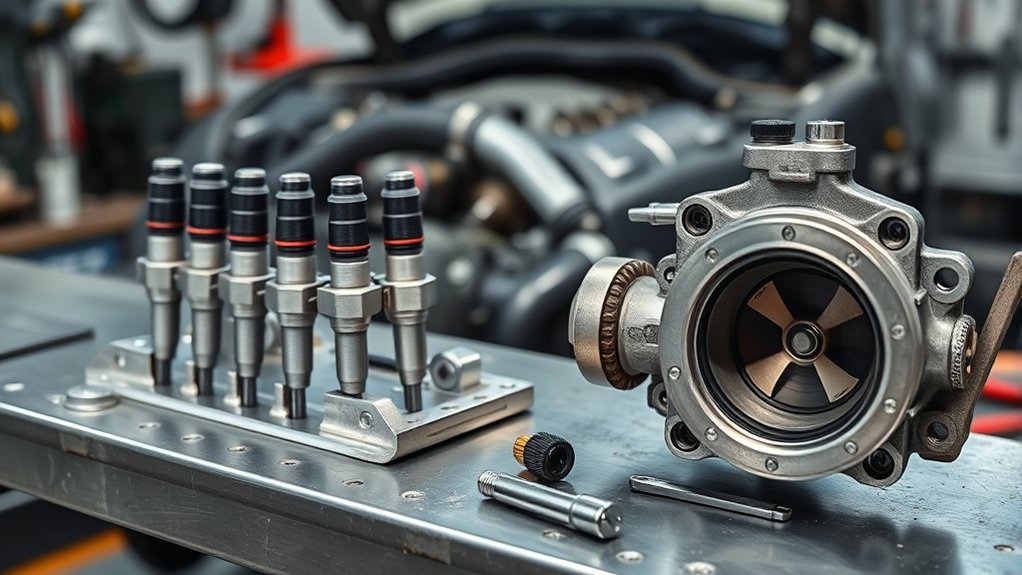
Fuel injector cleaning vs. throttle body cleaning comes down to fuel delivery versus airflow. Injector cleaning targets deposits that can disturb injector flow and spray pattern. Throttle body cleaning removes carbon, varnish, and gum around the throttle plate and bore. Choose neither service by mileage alone: first match the symptoms to the system, scan any check-engine codes, inspect the throttle body when accessible, and check the owner’s manual or service information.
Last updated: September 19, 2026. Author: [VERIFY: add the real author name and relevant automotive credentials in the CMS.]
Quick Answer
Choose fuel injector cleaning only when diagnosis points to injector deposits or restricted flow, such as a cylinder-specific misfire, poor spray/flow evidence, hesitation, or lost fuel economy. Choose throttle body cleaning when visible buildup around the throttle plate matches unstable idle, stalling, or poor off-idle response. On gasoline direct-injection (GDI) engines, remember that injector cleaning and intake-valve carbon cleaning are different services.
Key Takeaways
- Fuel injector cleaning targets fuel spray pattern, fuel flow, and injector deposits.
- Throttle body cleaning targets carbon, varnish, and gum buildup around the throttle plate and bore.
- Mileage rules are only rough guidance. Your owner’s manual, symptoms, and inspection matter more.
- Throttle body cleaner does not clean fuel injectors. Use the correct cleaner for the correct part.
- If the check engine light is on, scan for codes before cleaning anything.
At a Glance
| Time Required | DIY throttle body cleaning may take about 30 to 60 minutes on an easy-access vehicle. Diagnostic time and professional injector-cleaning time vary by vehicle and method. |
| Difficulty | Throttle body cleaning can be moderate DIY work. Fuel injector cleaning is usually better handled by a shop when symptoms are severe. |
| Tools Needed | OBD-II scanner, gloves, eye protection, clean rags, throttle body cleaner, basic hand tools, and the vehicle service information. |
| Cost | DIY throttle body cleaning is usually a low-cost supply job. Professional cleaning costs vary by vehicle, labor rate, and cleaning method. |
Fuel Injector Cleaning vs. Throttle Body Cleaning

Fuel injector cleaning removes deposits that can disturb fuel flow and spray pattern. When injectors spray poorly, the engine may run unevenly because each cylinder does not receive the right amount of atomized fuel.
Throttle body cleaning removes buildup from the throttle plate and throttle bore. A dirty throttle body can restrict or disturb airflow, especially at idle and during light acceleration.
Both services can improve drivability when the related part is actually dirty. However, neither service should be treated as a cure-all. A rough idle can also come from spark plugs, ignition coils, vacuum leaks, a dirty mass airflow sensor, low fuel pressure, or software-related idle relearn issues.
Key Differences You Should Know
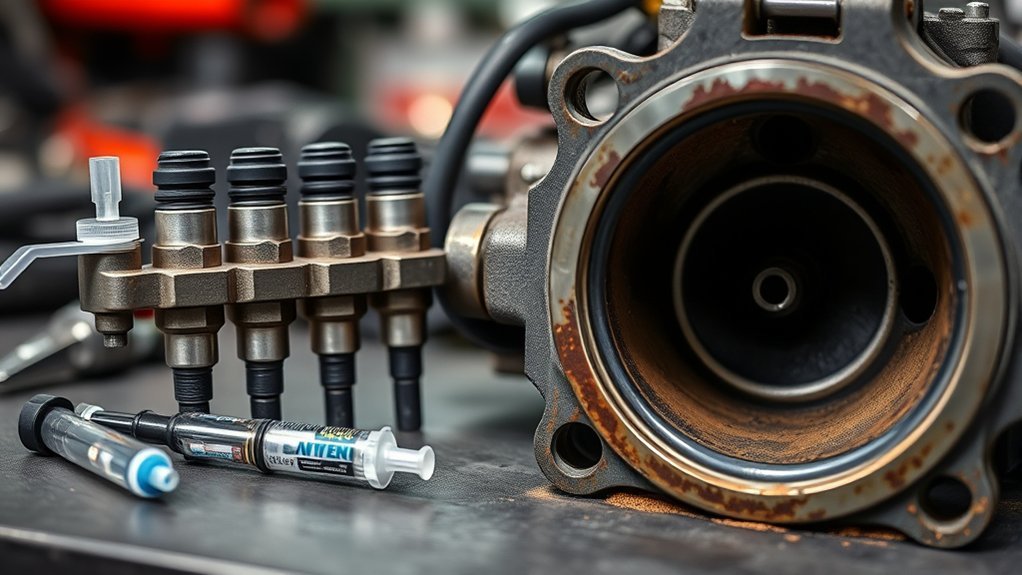
The easiest way to separate the two services is to ask what the engine is missing: clean fuel delivery or clean airflow.
| Service | What It Cleans | Common Symptoms | Best Next Step |
|---|---|---|---|
| Fuel injector cleaning | Injector tips, fuel passages, and fuel spray pattern | Misfires, rough idle, weak acceleration, poor fuel economy, hard starts | Scan for codes, check fuel trims, then clean if deposits are likely |
| Throttle body cleaning | Throttle plate, throttle bore, and air-intake buildup near the plate | Unstable idle, stalling, hesitation, sticky/off-idle response, poor throttle response | Inspect the throttle body and clean with the correct product if dirty |
Which Service Should You Choose First?
Use the symptom pattern and inspection evidence instead of treating either cleaning service as routine maintenance.
- Start with the throttle body when idle is unstable, the engine stalls or hesitates just off idle, and you can see deposits around the throttle plate or bore.
- Start with injector diagnosis when a misfire, hesitation, hard start, or fuel-delivery problem is supported by scan data, cylinder-balance testing, injector flow testing, or another fuel-system test.
- Do not confuse GDI intake-valve carbon with dirty injectors. A fuel additive or injector service does not directly wash the backs of intake valves on a direct-injection engine.
- Skip automatic mileage-based cleaning when the vehicle runs normally and the manufacturer does not call for the service. Ask what evidence supports the recommendation.
Signs Your Vehicle Needs Fuel Injector Cleaning
Dirty fuel injectors can change how fuel enters the cylinder. Instead of a fine, even spray, the injector may deliver too much fuel, too little fuel, or a poor spray pattern.
Watch for these signs:
- Rough idle: The engine shakes or feels uneven when stopped.
- Misfires: The check engine light may store P0300 or a cylinder-specific P030x code, but the code alone does not prove the injector is dirty.
- Poor acceleration: The engine hesitates or feels weak when you press the gas.
- Lower fuel economy: The engine may compensate for poor combustion by using more fuel.
- Hard starting: The engine cranks longer than usual before it starts.
- Fuel smell or rich running: A leaking or mechanically sticking injector can cause an overly rich mixture; that is an injector fault and may require testing or replacement rather than routine cleaning.
Note: Injector cleaning helps only when deposits or minor sticking are the problem. If an injector is electrically failed, leaking badly, or physically damaged, cleaning may not fix it.
Symptoms Indicating Throttle Body Cleaning Is Necessary
A dirty throttle body affects the air side of the engine. Carbon, oil vapor, varnish, and gum can collect around the throttle plate, making airflow less stable.
Common symptoms include:
- Rough or hunting idle: Idle speed rises and falls instead of staying steady.
- Stalling: The engine may shut off when coming to a stop.
- Hesitation: The vehicle pauses before responding to light throttle input.
- Poor throttle response: The engine feels slow to react.
- Sticky throttle feel: The pedal may feel less smooth if the throttle plate sticks.
- Check engine light: Airflow or idle-control faults may trigger a code.
These symptoms do not prove the throttle body is dirty, but they make inspection worthwhile. If the throttle plate has visible buildup, cleaning may help restore smoother airflow.
How Often Should You Clean Your Fuel System?
You should not clean the fuel system only because a generic mileage number says so. Start with your owner’s manual, then consider your fuel quality, driving conditions, engine type, and symptoms.
Use these practical guidelines:
- Follow the owner’s manual first. Some vehicles list fuel system service guidance, while others do not require routine injector cleaning.
- Clean when symptoms point to deposits. Rough idle, misfires, hesitation, and poor fuel economy deserve diagnosis before service.
- Separate GDI injector deposits from intake-valve deposits. GDI injector tips can develop deposits, but fuel is sprayed directly into the combustion chamber, so gasoline does not wash the backs of the intake valves the way it does in port-injected engines.
- Inspect before cleaning the throttle body. If the throttle body looks clean, the problem may be elsewhere.
There is no universal mileage interval that makes injector or throttle body cleaning automatically necessary. If the vehicle runs normally and the manufacturer does not list the service, ask what symptom, inspection finding, code, fuel-trim pattern, or flow test justifies the cleaning before approving it.
What to Expect From Fuel Injector Cleaning
Fuel injector cleaning can happen in several ways. The right method depends on how severe the deposits are and how the fuel system is designed.
[Amazon Products Picked for You]
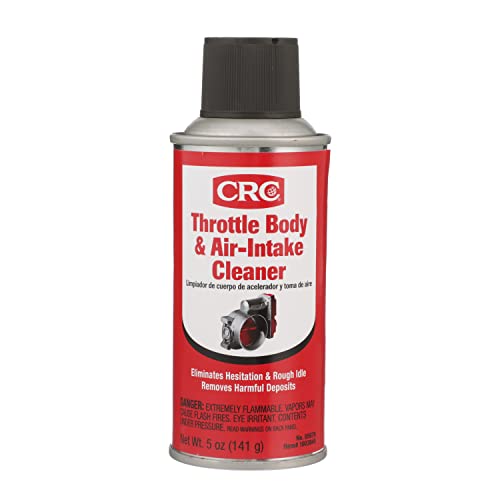
CRC INDUSTRIES: A market leader that offers impeccably designed chemical solutions to maintain, protect and repair different marine, heavy-duty motor vehicles, industrial-grade engines, household tools, and electrical equipment
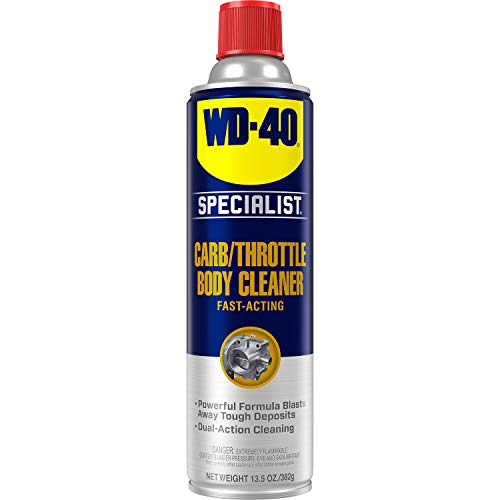
The only all-in-one carburetor cleaner spray you will need to clean your carburetor, throttle body, and unpainted metal parts
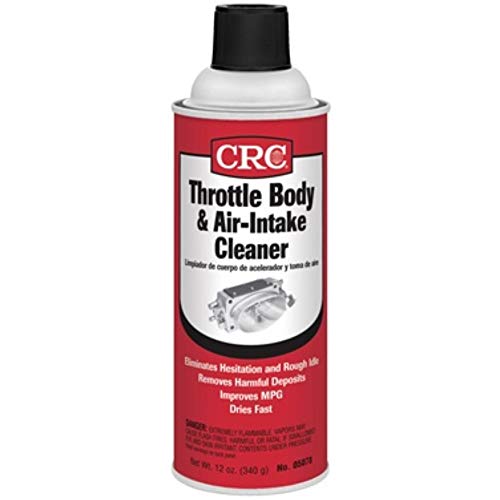
DEEP CLEANING: A top choice for cleaning throttle body build-up caused by harmful deposits of carbon; varnish; and gum.
In-Tank Fuel Cleaner
An in-tank cleaner mixes with gasoline and passes through the fuel system during normal driving. It may help maintain cleaner injectors, but it usually will not solve severe clogging, leaking injectors, or mechanical failures.
Pressurized Fuel System Service
A shop may isolate the normal fuel supply and run a concentrated cleaner through the fuel rail and injectors. That is different from an induction or intake cleaning service, which introduces cleaner through the air-intake side. Ask the shop which procedure it is selling and what deposit it is meant to reach.
Off-Car or Ultrasonic Cleaning
For stubborn injector issues, a technician may remove the injectors for bench testing and ultrasonic cleaning. This allows the shop to check spray pattern, leakage, and flow balance more directly.
GDI Injector Deposits vs. Intake-Valve Deposits
On a gasoline direct-injection engine, two deposit problems are easy to confuse. Injector deposits form on or inside the injector and can affect fuel delivery or spray quality. Intake-valve deposits form on the backs of the intake valves, where direct-injected gasoline does not provide the fuel-washing effect found in port-injected engines.
That means an in-tank additive or fuel-rail injector cleaning may help injector deposits, but it does not directly wash GDI intake valves. If a GDI engine has symptoms linked to intake-valve carbon, it may need a separate intake inspection and a vehicle-specific cleaning method. SAE research has documented the lack of fuel washing as a reason GDI intake-valve deposits can accumulate.
Pro Tip: If your check engine light is on, ask for the diagnostic codes, freeze-frame data, fuel trims, and any cylinder-balance or injector-flow evidence before approving cleaning. Scan data can support the diagnosis, but it does not prove deposits are the cause by itself.
Throttle Body Cleaning Techniques: Chemical vs. Manual Methods

Throttle body cleaning usually uses a throttle body and air-intake cleaner, a clean rag, and careful access to the throttle plate. The job may be simple on some vehicles and awkward on others.
Warning: Throttle body cleaners can be highly flammable. Work on a cool engine, avoid sparks and open flames, wear eye protection, and follow the cleaner label. Do not spray sensors, plastic parts, or electrical connectors unless the product label says it is safe.
Chemical Cleaning Benefits
Chemical cleaning helps dissolve gum, varnish, and carbon around the throttle plate. It works well for light to moderate buildup and can reduce rough idle or stalling when airflow restriction is the real cause.
The basic process is simple: expose the throttle body, spray the correct cleaner, let it loosen deposits, wipe carefully, and reassemble the intake duct. Some vehicles may need an idle relearn afterward.
Manual Cleaning Techniques
Manual cleaning uses a soft rag or approved brush to remove buildup after the cleaner loosens it. This method gives you more control, especially around the throttle plate edge where deposits often collect.
Be gentle with electronic throttle bodies. Forcing the plate on some vehicles can damage the mechanism or trigger calibration issues. When in doubt, use the vehicle service information instead of guessing.
Basic DIY Throttle Body Cleaning Steps
If your vehicle gives easy access and the throttle body has visible buildup, you can clean it carefully with the right supplies.
- Park safely and let the engine cool. Work in a ventilated area away from flame or sparks.
- Disconnect the intake duct. Remove only what you need to expose the throttle body.
- Protect nearby parts. Keep cleaner away from sensors, electrical connectors, painted surfaces, and plastics unless the label says it is safe.
- Spray the cleaner lightly. Let it soften the buildup instead of flooding the intake.
- Wipe the bore and plate edge. Use a clean rag and gentle pressure.
- Reassemble everything securely. Make sure clamps, hoses, and connectors are fully seated.
- Start the engine and let it stabilize. Some vehicles may idle high or rough briefly until the computer relearns airflow.
If the engine runs worse after cleaning, recheck every intake hose and connector. A loose duct or unplugged sensor can create new drivability problems.
[Amazon Products Picked for You]

DESIGNED TO EXCEED EXPECTATIONS: Red Line complete SI-1 fuel system cleaner is a premium fuel additive, providing an effective fuel treatment solution to clean and prevent corrosion in fuel systems.
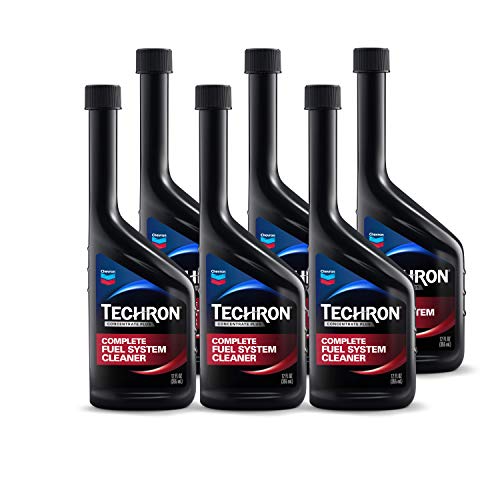
For best performance, follow the manufacturer's recommendations in your vehicle owner’s manual.

DESIGNED TO EXCEED EXPECTATIONS: Red Line complete SI-1 fuel system cleaner treatment for cleaning and preventing corrosion in fuel systems
The Role of Additives in Fuel System Maintenance
Fuel additives can help maintain cleaner injectors, but they are not magic repairs. They cannot fix bad spark plugs, broken sensors, vacuum leaks, failing fuel pumps, or heavily damaged injectors.
Fuel quality also matters. TOP TIER™ Approved Gasoline uses deposit-control performance standards intended to help limit deposits that can contribute to drivability and emissions problems.
In May 2026, TOP TIER announced the rollout of TOP TIER™+, an updated gasoline standard aimed at modern GDI engines. Its performance standards add a GDI fuel-injector cleanliness test. This supports using fuel quality as part of deposit prevention, but it does not create a universal cleaning interval.
When Cleaning Will Not Fix the Problem
Cleaning is useful only when dirt or deposits are the cause. If another part has failed, cleaning may waste time and money.
Look beyond cleaning if you have:
- Ignition faults: Worn spark plugs, weak coils, or damaged wires can mimic dirty injectors.
- Vacuum leaks: Cracked hoses or intake leaks can cause rough idle and lean codes.
- Bad sensors: A dirty or failing mass airflow sensor, oxygen sensor, or throttle position sensor can create similar symptoms.
- Low fuel pressure: A weak fuel pump or restricted fuel filter can look like injector trouble.
- Mechanical engine issues: Low compression, timing problems, or valve issues need repair, not cleaning.
When symptoms are severe, start with diagnosis. Cleaning should support a repair plan, not replace one.
What Happens If You Ignore Persistent Fuel or Airflow Symptoms?
Ignoring persistent fuel-delivery or airflow symptoms can make the vehicle harder to drive and more expensive to diagnose later. Poor combustion can increase fuel use, reduce power, and trigger check engine lights.
Dirty injectors may cause uneven cylinder fueling. A dirty throttle body may cause unstable airflow at idle. Either issue can make the engine feel rough, weak, or unpredictable.
Prompt diagnosis protects the engine and prevents unnecessary parts replacement. It also helps you avoid paying for cleaning when the actual issue is an air leak, ignition fault, or sensor problem.
[Amazon Products Picked for You]

Extra strength cleaning power: Specially formulated with solvents that effectively break down carbon, gum, and varnish deposits to restore cleaner and smoother engine operation

Powerful Throttle Body Cleaning Action: Specially blended formula removes performance-robbing grease, grime, gum, and baked-on varnish from air intake and throttle body components.

Increases horsepower and improves air/fuel ratio and MPG with 11 oz. of specially formulated mass air flow sensor cleaner.
Cost Considerations for Cleaning Services: Is It Worth It?
Fuel injector cleaning or throttle body cleaning can be worth it when symptoms and inspection point to deposits. The value depends on the vehicle, the cleaning method, and whether the service actually targets the problem.
DIY throttle body cleaning can be affordable if the throttle body is easy to reach and you use the correct cleaner. Professional service makes more sense when access is difficult, the vehicle needs an idle relearn, or you are not comfortable working near the intake system.
Fuel injector cleaning often costs more because it may require professional equipment, testing, or injector removal. If a shop recommends it, ask what method they use, what diagnostic evidence supports the service, whether the engine is port-injected or direct-injected, and what result they will compare before and after cleaning.
Related Guides
Frequently Asked Questions
Will throttle body cleaner clean fuel injectors?
No. Throttle body cleaner is made for the air-intake side of the engine, especially the throttle plate and bore. Fuel injectors need an in-tank fuel system cleaner, pressurized injector service, or off-car cleaning, depending on the problem.
Is throttle body cleaning really necessary?
It is necessary when the throttle body has enough buildup to affect airflow or idle quality. If the throttle body is clean and the engine still runs poorly, diagnose other causes such as vacuum leaks, ignition problems, or sensor faults.
Is fuel injection cleaning worth it?
Fuel injection cleaning is worth it when deposits are causing poor spray pattern, misfires, hesitation, or weak acceleration. It is less useful when the real problem is a failed injector, bad spark plug, weak fuel pump, or vacuum leak.
What are signs of dirty fuel injectors?
Common signs include rough idle, misfires, hard starting, sluggish acceleration, poor fuel economy, fuel smell, or a check engine light. These symptoms can also come from other problems, so scan for codes before paying for service.
Can I clean the throttle body myself?
Yes, if the throttle body is easy to access and you follow the product label and service information. Use throttle body cleaner, not carb cleaner unless approved. Avoid spraying sensors and electrical connectors.
Should I clean fuel injectors or the throttle body first?
Start with symptoms and inspection. If the throttle body is visibly dirty and the vehicle has unstable idle or stalling, clean the throttle body first. If the vehicle has misfires, poor acceleration, or fuel-delivery evidence, diagnose the injectors and fuel system first.
Can a dirty throttle body cause a rough idle?
Yes. Deposits around the throttle plate and bore can disturb the small amount of airflow the engine needs at idle, which may contribute to rough or hunting idle, stalling, or poor off-idle response. Because vacuum leaks, ignition faults, sensors, and injector problems can cause similar symptoms, inspect and diagnose before assuming the throttle body is the cause.
Can dirty fuel injectors cause a misfire?
Yes. A restricted injector or poor spray pattern can make a cylinder run too lean or unevenly and contribute to a misfire. However, a P0300 or cylinder-specific P030x code can also come from spark plugs, ignition coils, compression problems, vacuum leaks, or other faults, so the code should be diagnosed rather than treated as proof that cleaning is needed.
Conclusion
Fuel injector cleaning and throttle body cleaning both support smoother engine performance, but they are not the same service. Fuel injector cleaning targets fuel delivery. Throttle body cleaning targets airflow.
The best choice depends on symptoms, inspection, scan data, and your vehicle’s maintenance guidance. Inspect the throttle body when airflow symptoms point there; diagnose injector flow when fuel-delivery evidence points there; and treat GDI intake-valve carbon as a separate issue. Before spending money, ask what evidence shows the cleaning is needed and what result should improve afterward.
Sources
- TOP TIER™ About — supports detergent fuel, deposit control, and drivability claims.
- TOP TIER™ Performance Standards — supports GDI fuel injector cleanliness and fuel performance standards.
- TOP TIER™ Fuel Stations — supports checking for TOP TIER fuel and consulting the owner’s manual.
- CRC Throttle Body & Air-Intake Cleaner — supports throttle body cleaner use, symptoms, and product safety considerations.
- SAE International: Formation of Intake Valve Deposits in Gasoline Direct Injection Engines — supports the distinction between GDI injector cleaning and intake-valve deposits.
- TOP TIER™ Announces New TOP TIER™+ Standard — supports the May 2026 rollout of the updated gasoline standard for modern GDI engines.
- SAE International: Study of Deposit Control Additive Efficacy in Gasoline Direct Injection Engines — supports current GDI injector-deposit and detergent-additive context.
