
As an Amazon Associate I earn from qualifying purchases.
You want a camera that matches how you actually shoot, whether that means highly detailed stills, dependable autofocus, handheld stabilization, or serious video. This updated comparison focuses on two proven mirrorless cameras that remain relevant in 2026: the Fujifilm X-T5 and Sony A7 IV.
The X-T5 is the stronger fit for photographers who prioritize resolution, tactile controls, and a lighter APS-C system. The A7 IV is the more flexible all-around hybrid for buyers who want a full-frame sensor, dependable subject tracking, and advanced photo-and-video features in one body.
Quick Verdict
Choose the Fujifilm X-T5 if your priority is high-resolution still photography, a lighter body, strong in-body stabilization, and traditional exposure dials.
Choose the Sony A7 IV if you want the best overall balance of full-frame image quality, autofocus, video capability, and lens-system flexibility.
Before you buy: compare the complete system cost, including lenses, memory cards, spare batteries, microphones, and any required adapters. Also confirm whether the Amazon listing is body-only or a lens kit.
Top Picks
|
Category |
Product |
Main Strength |
|---|---|---|
|
🎨 Best for High-Resolution Stills |
40.2MP APS-C sensor, up to 7-stop IBIS, and 6.2K video |
|
|
🚀 Best Overall Hybrid |
33MP full-frame sensor, strong autofocus, and 4K video up to 60p |
How We Compared These Cameras
We focused on the differences that directly affect real-world buying decisions: sensor size and resolution, autofocus, stabilization, burst speed, video formats, body weight, controls, lens ecosystem, and the storage demands created by high-resolution files.
We also considered who each camera suits best and where each one asks you to compromise. Numerical scores were removed because the original article did not provide a transparent testing method that would make those scores meaningful or reproducible.
You get a camera built around detail and direct physical control. The 40.2MP sensor gives you generous cropping room and files suitable for large prints, while the stabilization system helps when shooting handheld at slower shutter speeds. Its three-way tilting screen and dedicated dials make it especially appealing to stills-first photographers who prefer working from behind the camera.
The X-T5 can also handle serious video, including 6.2K recording and 4K up to 60p, but its strongest appeal is still photography. High-resolution and high-bitrate recording can fill cards and drives quickly, so budget for fast UHS-II media and adequate storage.
Why You’ll Like It
The X-T5 solves a common problem for photographers who want high resolution without moving to a larger full-frame kit. It delivers detailed files, strong stabilization, fast mechanical bursts, and a lighter body with controls that keep important settings visible at a glance.
Who Should Buy This
Choose it for landscapes, travel, studio work, architecture, product photography, street photography, and mixed stills-and-video projects where resolution and portability matter more than full-frame depth of field.
Who Should Avoid This
Look elsewhere if you need the best possible high-ISO performance, a front-facing vari-angle screen for frequent self-recording, or a workflow that avoids large high-resolution files. Pixel Shift Multi-Shot is also best suited to static subjects and stable support rather than moving scenes.
Buyer Feedback Themes
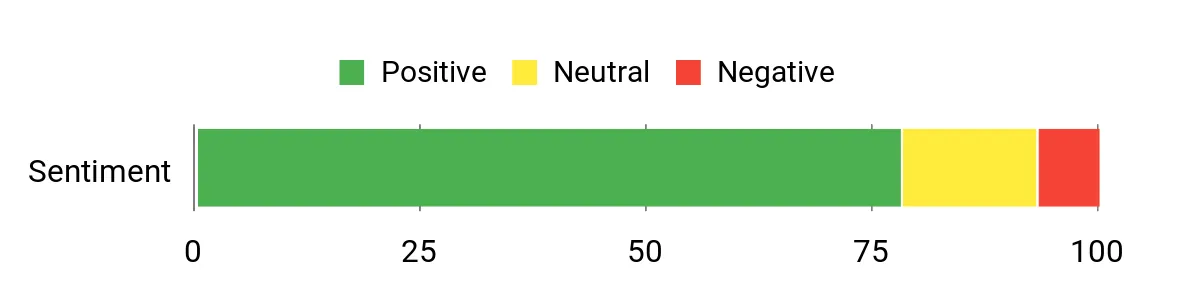
Commonly discussed strengths include image detail, color, in-body stabilization, and the tactile control layout. Common cautions include large files, the learning curve for advanced settings, and a screen design that is better suited to stills than self-facing video.
Feedback summary: Generally positive. The sentiment graphic below should be treated as an editorial summary rather than a live Amazon rating, verified review count, or independently audited dataset.
|
Pros |
Cons |
|---|---|
|
✅ Exceptional still-image resolution and strong color options |
❌ High-resolution files require more storage and faster cards |
|
✅ Five-axis IBIS rated up to seven stops |
❌ APS-C sensor does not match full frame for every low-light or shallow-depth-of-field use |
|
✅ 15 fps mechanical bursts for action and fleeting moments |
❌ Three-way tilting screen is less convenient for self-facing video |
|
✅ 6.2K recording and 4K up to 60p for hybrid work |
❌ Pixel Shift workflows work best with static subjects and stable support |
|
✅ Compact body with direct exposure dials |
❌ The linked listing may be a lens kit, so package contents should be checked carefully |
Versatility
You can rely on the X-T5 for landscapes and studio stills when you want maximum detail, travel and street work when you want a manageable kit, and hybrid projects that benefit from 6.2K or 4K capture. Its lens choice will determine whether the system stays compact or becomes a larger professional kit.
Durability
The X-T5 is designed for regular enthusiast and professional use, but no interchangeable-lens camera should be treated as waterproof. Use suitable protection in heavy rain, blowing dust, salt spray, or extreme temperatures, and pair the body with an appropriate weather-resistant lens when outdoor conditions demand it.
Key Benefits
- 40.2MP APS-C sensor for large prints and detailed crops
- Five-axis in-body stabilization rated up to seven stops
- 15 fps mechanical continuous shooting
- 6.2K recording up to 29.97p and 4K up to 60p
- Direct dial controls and a relatively lightweight body
Check Current Amazon Availability
You get a true hybrid body that balances detailed full-frame stills with a deep set of video tools. The 33MP sensor gives you useful cropping room without producing files as large as some higher-resolution cameras, while Sony’s subject-detection autofocus is well suited to events, portraits, wildlife, and other moving subjects.
For video, the A7 IV offers multiple 4K recording formats, 10-bit options, and 4K up to 60p. The important limitation is that 4K60 is recorded in Super 35/APS-C mode, so wide-angle shooters should plan their lens choice around the crop.
Why You’ll Like It
The A7 IV solves the problem of needing separate photo and video bodies for many assignments. It combines full-frame image quality, dependable autofocus, stabilization, dual-card flexibility, and a broad E-mount lens ecosystem in one adaptable camera.
Who Should Buy This
Choose it for weddings, events, portraits, documentary work, commercial content, streaming setups, and hybrid assignments where autofocus reliability and flexible recording formats matter more than having the lightest possible body.
Who Should Avoid This
Skip it if you need uncropped full-frame 4K60, the newest Sony generation, a built-in flash, or the smallest possible travel kit. The body is also heavier than the X-T5 before lenses are added.
Buyer Feedback Themes
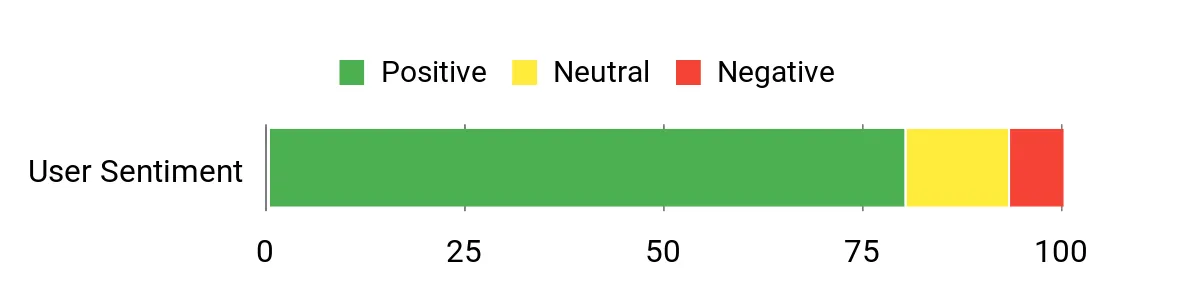
Commonly discussed strengths include autofocus, full-frame image quality, video flexibility, handling, and the depth of the Sony E-mount lens catalog. Common cautions include the 4K60 crop, complex menus for new users, storage demands, and the cost of building a full-frame lens kit.
Feedback summary: Generally positive. The sentiment graphic below should be treated as an editorial summary rather than a live Amazon rating, verified review count, or independently audited dataset.
|
Pros |
Cons |
|---|---|
|
✅ Strong full-frame performance for both photos and video |
❌ 4K60 recording uses a Super 35/APS-C crop |
|
✅ Reliable hybrid autofocus and subject detection |
❌ Heavier body than the Fujifilm X-T5 |
|
✅ Five-axis stabilization rated at 5.5 stops |
❌ Full-frame lenses can increase total system size and cost |
|
✅ 10-bit 4K options and flexible recording formats |
❌ Menus and setup options can feel deep for first-time users |
|
✅ Broad Sony E-mount lens ecosystem |
❌ It is not Sony’s newest generation in 2026 |
Versatility
You can use the A7 IV for studio and portrait work, weddings and events, travel and documentary assignments, interviews, streaming, and polished video projects. Its full-frame sensor and broad lens support make it the more adaptable choice when your work spans several genres.
Durability
The A7 IV is built for regular enthusiast and professional use, but it is not waterproof or indestructible. Protect it from heavy rain, blowing dust, salt spray, and impacts, and use appropriately sealed lenses and covers when shooting in difficult conditions.
Key Benefits
- 33MP full-frame sensor for detailed stills and flexible cropping
- Fast hybrid autofocus with dependable subject tracking
- 4K recording up to 60p with 10-bit format options
- Five-axis in-body stabilization rated at 5.5 stops
- Broad E-mount lens and accessory ecosystem
Check Current Amazon Availability
Before You Buy
- Choose the lens system first: compare the lenses you are likely to buy, not just the camera bodies.
- Check package contents: confirm whether the listing is body-only or includes a lens, battery, charger, or other accessories.
- Budget for storage: 40.2MP files, 6.2K footage, and high-bitrate 4K video can require fast cards and substantial backup space.
- Match the screen to your workflow: the X-T5’s three-way tilt favors stills, while the A7 IV’s vari-angle screen is more convenient for self-facing video.
- Consider total carry weight: full-frame lenses can make the A7 IV system considerably heavier even when the body difference seems modest.
FAQ
Which Camera Should I Choose?
Choose the Fujifilm X-T5 if you mainly shoot stills and value maximum detail, direct dials, strong stabilization, and a lighter APS-C kit. Choose the Sony A7 IV if you regularly balance stills with video and want full-frame image quality, dependable autofocus, and a broader hybrid workflow.
Do I Need Full Frame?
Full frame can provide advantages in low light, dynamic range, and shallow depth of field, but it usually comes with larger and more expensive lenses. APS-C can be the more practical choice for travel, wildlife reach, and photographers who want a smaller system without giving up professional-quality results.
Which Camera Is Better for Video?
The Sony A7 IV is the stronger all-around video choice because of its autofocus, vari-angle screen, and flexible 10-bit 4K formats. The Fujifilm X-T5 offers higher 6.2K resolution and capable 4K modes, but its screen design and stills-first handling may be less convenient for solo creators.
How Important Are Lenses?
Lenses strongly influence image quality, autofocus behavior, low-light capability, subject isolation, and total system weight. Check the available Fujifilm X-mount and Sony E-mount lenses that match your actual subjects before choosing a body.
Does the Amazon Listing Include a Lens?
Package contents can vary by listing and seller. The Fujifilm link may refer to a kit that includes the XF16-50mm lens, while the Sony link may be body-only. Confirm the product title, “what’s included” section, seller, and return terms before ordering.
Wrapping Up
The Fujifilm X-T5 and Sony A7 IV solve different problems. The X-T5 is the better match for photographers who prioritize fine detail, a compact APS-C system, stabilization, and direct controls. The A7 IV is the stronger all-around hybrid for buyers who want full-frame performance, dependable autofocus, flexible video, and access to a broad lens ecosystem.
For a stills-first workflow, choose the X-T5. For mixed professional photo and video work, choose the A7 IV. In both cases, the best purchase is the one that fits the lenses, storage, accessories, and shooting conditions you will actually use.
Side-by-Side Comparison
| Fujifilm X-T5 Mirrorless Digital Camera | Sony Alpha 7 IV Full-frame | |
|---|---|---|
 |
 |
|
| Sensor | 40.2MP APS-C X-Trans CMOS 5 HR | 33MP full-frame Exmor R CMOS |
| Video | 6.2K up to 29.97p; 4K up to 60p | 4K up to 60p; 4K60 uses Super 35/APS-C crop |
| In-Body Stabilization | Five-axis, rated up to 7 stops | Five-axis, rated at 5.5 stops |
| Continuous Shooting | Up to 15 fps with mechanical shutter | Up to 10 fps |
| Weight With Battery and Card | Approx. 557g | Approx. 658g |
| Best For | High-resolution stills, travel, landscape, and tactile controls | Full-frame hybrid shooting, events, portraits, and video |
| Check Price on Amazon | Check Price on Amazon |
Affiliate disclosure: This comparison is reader-supported. When you click an Amazon link and make a qualifying purchase, we may earn a referral commission at no additional cost to you. Product packages, sellers, prices, and availability can change, so verify the current listing details before ordering.
