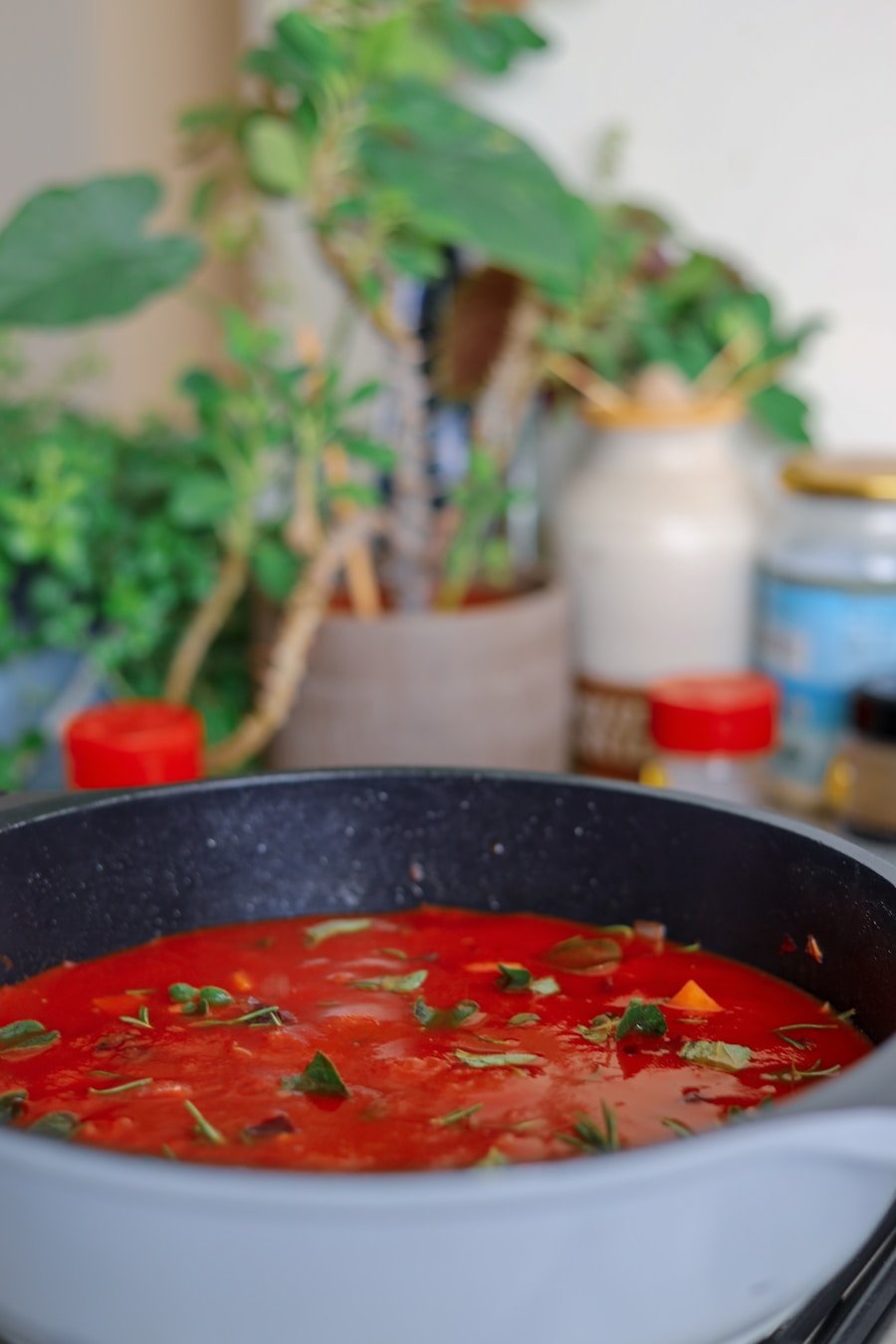
Homemade tomato sauce is one of the most useful recipes you can learn because it turns simple tomatoes into a flexible base for pasta, pizza, soups, stews, casseroles, and dipping sauces. When you make tomato sauce from scratch, you control the texture, salt level, sweetness, herbs, and final thickness, so the sauce fits your meal instead of forcing your recipe to fit a jar.
You do not need fancy equipment to make a good tomato sauce. You need ripe tomatoes, a large pot, a sharp knife, basic aromatics, and enough time to let the flavors cook down. This guide walks you through the full process, from choosing tomatoes and preparing them to cooking, seasoning, storing, freezing, and using the finished sauce.
Quick Answer
To make homemade tomato sauce, blanch and peel ripe tomatoes, remove the cores, chop or crush the flesh, then simmer it with olive oil, onions, garlic, salt, pepper, and herbs until thick. Taste as it cooks, adjust the seasoning, and refrigerate, freeze, or safely preserve the finished sauce.
Key Takeaways
- Homemade tomato sauce works for pasta, pizza, soups, stews, braises, and dipping sauces.
- Roma, plum, San Marzano-style, and ripe heirloom tomatoes are strong choices because they bring sweetness, body, and flavor.
- Blanching makes the skins easier to remove, while coring and seeding can create a smoother sauce.
- A gentle simmer helps the tomatoes thicken and lets the garlic, onions, herbs, and olive oil blend into the sauce.
- You can adjust the flavor with basil, oregano, red pepper flakes, sugar, balsamic vinegar, Parmesan, or anchovies.
- Use refrigerated sauce within several days, freeze it for longer storage, or follow tested canning guidance if you want shelf-stable sauce.
At a Glance
| Time Required | About 1 to 2 hours, depending on the tomato variety and desired thickness |
| Difficulty | Easy to moderate |
| Tools Needed | Large pot, sharp knife, cutting board, bowl, spoon, blender or food mill if you want a smoother sauce |
| Cost | Low to moderate, depending on whether you use garden tomatoes, market tomatoes, or premium canned tomatoes |
Selecting the Best Tomatoes for Sauce
The foundation of any great tomato sauce is the tomatoes themselves. Choose tomatoes that are ripe, fragrant, firm, and heavy for their size. Avoid tomatoes with deep bruises, mold, split skins, or large soft spots because damaged tomatoes can give the sauce a dull flavor and shorter storage life.
Roma tomatoes, also called plum tomatoes, are often favored for sauce because they have meaty flesh, fewer seeds, and less water than many round slicing tomatoes. That lower moisture level helps them cook down into a thick, rich sauce without needing hours of reduction.
San Marzano-style tomatoes are another popular choice because they are known for a sweet flavor, tender texture, and balanced acidity. True San Marzano tomatoes come from a specific region of Italy and are often sold canned. You can still make excellent sauce with fresh plum tomatoes, local paste tomatoes, or a mix of ripe tomatoes from your garden or farmers market.
Heirloom tomatoes can add complexity because they bring different levels of sweetness, acidity, color, and aroma. Their higher water content may require a longer simmer, but the flavor can be worth it. Mixing Roma tomatoes with a few ripe heirlooms is a good way to build both body and depth.
Note: If fresh tomatoes are out of season, high-quality canned whole peeled tomatoes can make a better sauce than pale, watery fresh tomatoes. Crush them by hand or with a spoon before simmering.
Preparing the Tomatoes for Sauce
Once you have selected your tomatoes, preparation controls the final texture. Start by washing the tomatoes thoroughly under cool running water. Pat them dry, then remove any stems, leaves, bruised areas, or damaged spots with a clean knife.

Blanching makes peeling easier. Bring a large pot of water to a boil and prepare a bowl of ice water nearby. Score a shallow “X” on the bottom of each tomato with a sharp knife. Lower the tomatoes into the boiling water for about 30 seconds, or until the skins begin to loosen. Transfer them to the ice bath, let them cool briefly, and slip off the skins.
After peeling, core the tomatoes by cutting out the firm stem end. Slice each tomato in half. If you want a smoother sauce, gently squeeze the halves over a bowl to remove many of the seeds and excess juice. If you prefer a rustic sauce with more texture, leave some seeds and pulp in place.
Chop the prepared tomatoes into small pieces if you want them to break down faster. You can also crush them by hand for a chunky sauce or run them through a food mill for a smoother texture. Keep the tomato juices because they add flavor, but expect a longer simmer if the tomatoes are very watery.
Pro Tip: Save the extra tomato juice in a bowl while seeding. If the sauce gets too thick later, stir a little juice back in instead of adding water.
[Amazon Products Picked for You]
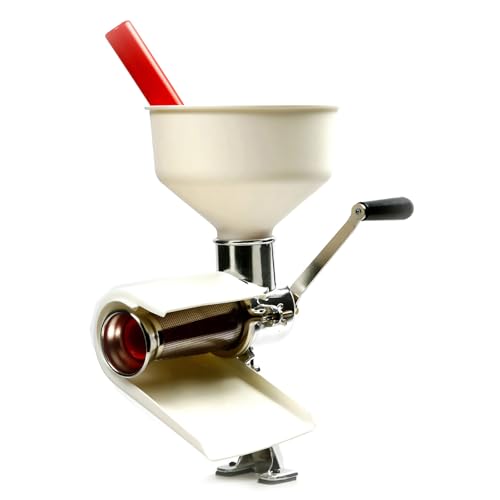
VERSATILE 3 QUART FOOD STRAINER – Process vegetables, fruits, and purees with ease using this multi-purpose strainer designed to separate juice and pulp in one simple operation.
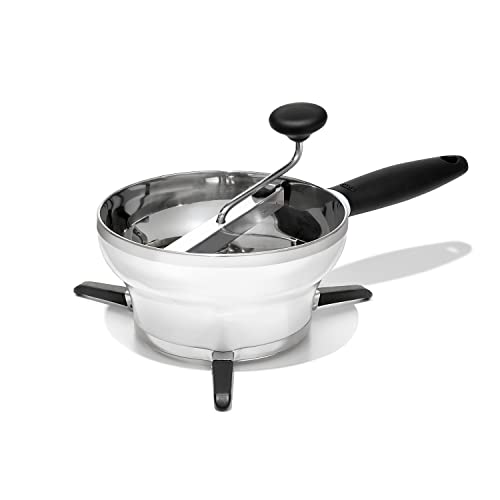
Stainless steel bowl is ideal for hot foods and prevents staining
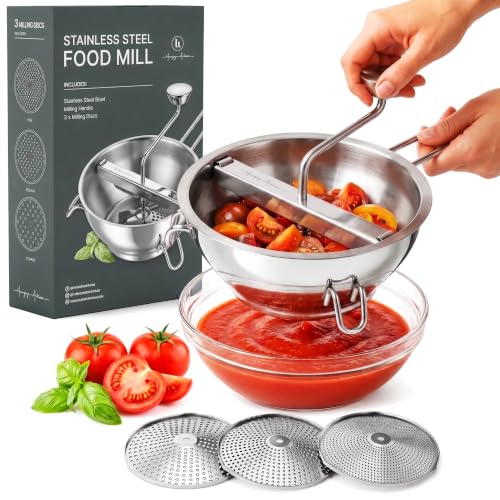
MAKE APPLESAUCE THE SIMPLE WAY: Load quartered apples in, turn the crank, and the mill separates smooth sauce from skins, seeds, and cores automatically.
Cooking the Tomato Sauce
| Metrics | Value |
|---|---|
| Tomatoes Used | 10 kg |
| Cooking Time | 2 hours |
| Ingredients | Tomatoes, Olive Oil, Garlic, Salt, Pepper, Basil |
| Calories per Serving | 50 kcal |
Cooking your tomato sauce is where the flavor develops. Begin by heating olive oil in a large, heavy pot over medium heat. Add finely chopped onions first if you are using them, then cook until they soften and turn lightly translucent. Add garlic after the onions soften so the garlic does not burn.
Sauté the aromatics until fragrant. This step builds a flavorful base for your sauce. The combination of onions and garlic is classic because it adds sweetness, depth, and a savory backbone that supports the tomatoes.
Add the prepared tomatoes and stir well. As the tomatoes heat, they release their juices and start to break down. Bring the mixture to a gentle simmer, then reduce the heat so the sauce bubbles slowly instead of boiling hard. A gentle simmer helps the sauce thicken without scorching the bottom of the pot.
Simmer the sauce for 30 minutes if you want a light, fresh flavor. Cook it for 1 to 2 hours if you want a thicker, deeper sauce. Stir every few minutes, especially as the sauce thickens. If it starts sticking, lower the heat and scrape the bottom of the pot with a wooden spoon.
A slow simmer is the difference between a watery tomato mixture and a sauce with body, sweetness, and balanced flavor.
Seasoning and Flavoring the Tomato Sauce
Seasoning is an essential step in crafting a delicious homemade tomato sauce. Tomatoes provide the base flavor, but salt, pepper, herbs, and small flavor boosters help the sauce taste complete. Add salt gradually, then taste again after the sauce reduces because flavors become stronger as water evaporates.
Fresh basil is a traditional choice that pairs beautifully with tomatoes. Add whole basil leaves near the end of cooking for a fresh aroma, or chop them finely if you want a stronger herbal note. Oregano adds an earthy flavor that works especially well for pizza sauce and baked pasta dishes.
For heat, add a small pinch of red pepper flakes while the sauce simmers. For sweetness, use a tiny pinch of sugar only if the tomatoes taste sharp or underripe. For brightness, add a splash of balsamic vinegar or a little lemon juice near the end, but keep it subtle so it does not overpower the tomato flavor.
You can also add umami-rich ingredients. A Parmesan rind can simmer in the pot and add savory depth. A small amount of anchovy can melt into the oil and create a richer taste without making the sauce taste fishy. Use these ingredients sparingly and taste as you go.
How to Adjust the Texture
Your sauce can be smooth, chunky, thin, or thick depending on how you plan to use it. For a chunky sauce, leave the tomatoes hand-crushed and simmer until the pieces soften. For a smooth sauce, blend it with an immersion blender or pass it through a food mill after cooking.
If the sauce is too thin, keep simmering it uncovered until the extra water evaporates. Stir often so it does not burn. If the sauce is too thick, add reserved tomato juice, a splash of water, or a little pasta cooking water when serving.
For pizza sauce, reduce the sauce until it is thicker than pasta sauce. A thicker pizza sauce spreads better and helps prevent soggy dough. For soups, stews, and braises, leave the sauce looser so it blends easily with broth, vegetables, beans, or meat.
[Amazon Products Picked for You]

High Quality - This is equipped with a high-speed 300-watt motor and its slim stick immersion shaft is made of food grade stainless steel that perfectly blends ingredients and fits most mixing bowls, pots and beakers for your everyday use.

No More Lumpy Chunks: Equipped with a strength 1100W full copper motor, providing for several times significantly stronger blending and chopping capabilities in seconds to create velvety smooth puree results

【POWERFUL SMOOTH BLENDING】Bonsenkitchen immersion blender equips with a high-speed 300-Watt motor and sharp blades, it quickly and seamlessly blends ingredients together to make delicious smoothies, pureed soups, marinades, sauces, juices, and much more. Say goodbye to lumpy sauces and batters and enjoy delicious meals every day.
Storing and Preserving Homemade Tomato Sauce
Once you have crafted your perfect tomato sauce, proper storage helps protect its freshness and flavor. If you plan to use your sauce within a few days, let it cool slightly, then transfer it to clean airtight containers and refrigerate it promptly.

For longer storage, freezing is the easiest option. Let the sauce cool completely before adding it to freezer-safe containers or resealable freezer bags. Portioning the sauce into smaller containers helps you thaw only what you need. Leave space at the top because liquids expand as they freeze.
Homemade tomato sauce can last up to six months in the freezer without significant loss of quality. Label each container with the date and portion size so you can use the oldest sauce first.
Warning: Do not guess when canning tomato sauce for shelf storage. Use a tested canning method and the correct acidification steps because tomatoes vary in acidity. When in doubt, refrigerate or freeze the sauce instead of storing it at room temperature.
[Amazon Products Picked for You]
![Freshware Food Storage Containers [24 Set] 32 oz Plastic Deli Containers with Lids, Slime, Soup, Meal Prep Containers | BPA Free | Stackable | Leakproof | Microwave/Dishwasher/Freezer Safe](https://m.media-amazon.com/images/I/51LkptMffAL._SL500_.jpg)
✅ LEAK-PROOF FOOD STORAGE CONTAINERS: Freshware deli containers will keep your food in place without ever creating a mess. Lids are airtight and leak proof. Great for both liquid and solid food. Enjoy your favorite food on the go!

PERFECT SET: The freezer trays with lids are made of BPA-free food-grade platinum silicone (lids included) and consist of four perfectly sized 2-cup trays and lids. The inside of the trays are marked with 250 ml/8 oz and 500 ml/16 oz scales for easy filling and portion control
![HOMETALL Freezer Storage Containers, [6 Pack-16 Oz] Airtight Plastic](https://m.media-amazon.com/images/I/51pcIxUzwAL._SL500_.jpg)
GREAT VALUE : Deli container set includes [6 Pack 16 oz] containers with lids. Food Containers Clear bottom With blue Top Twist on Lids. Reusable and Stackable Food Storage Freezer Container, Perfect for storing liquids and messy foods like soups, stews, sauces, flour, pasta, snack, overnight oats and cereal.
Using Homemade Tomato Sauce in Recipes
The versatility of homemade tomato sauce makes it an invaluable addition to many recipes. One of the most popular uses is as a base for pasta dishes. Whether you are preparing spaghetti with marinara, baked ziti, stuffed shells, or lasagna layered with meat sauce, homemade tomato sauce gives the dish a fresher flavor.
You can also use it as a pizza sauce. Spread a thin layer over pizza dough before adding cheese and toppings. If the sauce is thick and well-seasoned, it can give homemade pizza a bright, balanced tomato flavor.
Beyond pasta and pizza, homemade tomato sauce can serve as a foundation for soups and stews. Add it to vegetable soup, bean soup, minestrone, chili, or lentil stew for extra body. You can also use it as a braising liquid for chicken, beef, meatballs, sausage, eggplant, or peppers.
Homemade tomato sauce also works as a dipping sauce. Warm it gently and serve it with breadsticks, garlic bread, mozzarella sticks, roasted vegetables, or fried appetizers. If you want a smoother dip, blend the sauce before serving.
Troubleshooting Common Tomato Sauce Problems
If your sauce tastes too acidic, simmer it longer and add a small amount of olive oil, grated carrot, or a tiny pinch of sugar. Avoid adding too much sugar at once because it can make the sauce taste flat.
If your sauce tastes bland, it probably needs salt, time, or aromatics. Add salt gradually, then simmer for another 10 to 15 minutes. Fresh basil, oregano, garlic, black pepper, or a Parmesan rind can also help build flavor.
If your sauce tastes bitter, the garlic may have burned or the tomatoes may have been underripe. Add a small amount of olive oil and a little sweetness to balance it. Next time, cook the garlic gently and add it after the onions soften.
If your sauce is watery, keep simmering it uncovered. Wide pots reduce sauce faster than narrow pots because more surface area lets steam escape. Stir often as the sauce thickens.
Tips and Tricks for Perfecting Homemade Tomato Sauce
Perfecting homemade tomato sauce often comes down to small details that can significantly affect flavor and texture. One key tip is to allow your sauce to simmer longer than you might initially think necessary. Slow cooking helps develop deeper flavor as water evaporates and the ingredients blend together.
Taste frequently during cooking. Adjusting the seasoning at different stages allows you to control the balance of salt, sweetness, acidity, and herbs. A sauce that tastes slightly light at the start may taste rich after it reduces.
Experiment with additional ingredients that can enhance complexity. Grated Parmesan cheese, a Parmesan rind, or a small amount of anchovy can add umami richness without overwhelming the tomato flavor. If you enjoy trying different flavor profiles, spices like cumin or coriander can add a warm twist, especially when the sauce will be used in stews or braised dishes.
Lastly, customize your recipe based on seasonal ingredients and personal preference. The beauty of homemade tomato sauce lies in its adaptability. You can make it chunky or smooth, sweet or savory, mild or spicy, depending on how you plan to use it.
If you’re looking to upgrade your kitchen organization, check out this article on the 5 Top Desk Drawer Organizers for Snacks. Having a well-organized kitchen can make cooking homemade tomato sauce even more enjoyable. And once you’ve made your delicious sauce, you’ll want to serve it in style with the 5 Best Outdoor Dinnerware for Entertaining. And to keep your kitchen fresh and clean after cooking, consider using one of the 5 Best Garbage Disposal Cleaners recommended in another helpful article.
Related Guides
Frequently Asked Questions
What ingredients do I need to make homemade tomato sauce from scratch?
To make homemade tomato sauce from scratch, you need fresh tomatoes, olive oil, onions, garlic, salt, pepper, and herbs such as basil and oregano. You can also add red pepper flakes, sugar, balsamic vinegar, Parmesan, or anchovies if you want a more customized flavor.
How do I make homemade tomato sauce from scratch?
Start by blanching the tomatoes to loosen the skins, then peel, core, and chop or crush them. Sauté onions and garlic in olive oil, add the prepared tomatoes, season with salt, pepper, and herbs, then simmer gently until the sauce thickens.
How long does homemade tomato sauce last?
Homemade tomato sauce can be stored in the refrigerator for several days when kept in a clean airtight container. For longer storage, freeze it in portioned freezer-safe containers for up to six months. If you want shelf-stable sauce, use a tested canning method.
Can I customize the flavor of homemade tomato sauce?
Yes, you can customize homemade tomato sauce by adjusting the amount of herbs and seasonings. Add basil for freshness, oregano for an earthy note, red pepper flakes for heat, sugar for balance, or balsamic vinegar for brightness.
What can I use homemade tomato sauce for?
Homemade tomato sauce can be used as a base for pasta dishes, pizza, soups, stews, braised meats, casseroles, and dipping sauces. Make it thicker for pizza, smoother for dipping, or looser for soups and braises.
Do I have to peel tomatoes before making sauce?
You do not have to peel tomatoes, but peeling creates a smoother sauce. Tomato skins can become tough and noticeable after simmering. If you like rustic sauce, you can leave them on or blend the sauce after cooking.
Can I make tomato sauce with canned tomatoes?
Yes, canned whole peeled tomatoes work well, especially when fresh tomatoes are not in season. Crush the tomatoes by hand, simmer them with olive oil, garlic, onions, herbs, salt, and pepper, then adjust the thickness and seasoning to taste.
Sources
- USDA Complete Guide to Home Canning — supports the need for tested canning methods when preserving tomato products for shelf storage.
- U.S. Food and Drug Administration: Are You Storing Food Safely? — supports safe refrigerator and freezer storage habits.
- FoodSafety.gov Cold Food Storage Charts — supports general cold storage guidance for prepared foods.

1 thought on “Creating Homemade Tomato Sauce: A Step-by-Step Guide”