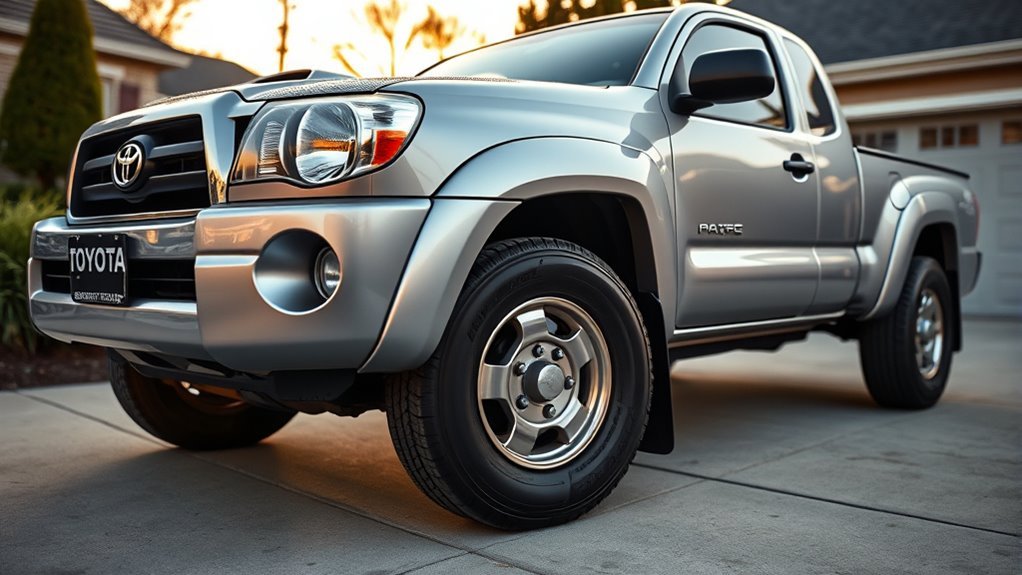
The 2006 Toyota Tacoma shows a soft brake pedal, and that usually points to a fault in the hydraulic system or a worn stopping component. Air in the lines, low fluid, weak pads, or a failing master cylinder can all change pedal feel. The rear drums and suspension can also play a part. The next inspection narrows the cause before the truck is put back on the road.
Why Your 2006 Tacoma Brakes Feel Soft
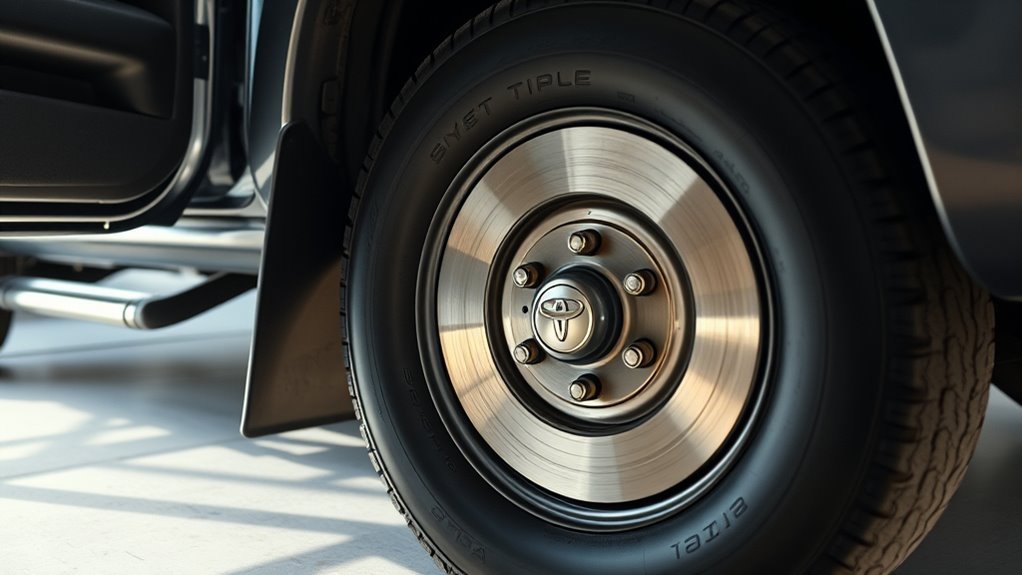
Soft brakes in a 2006 Toyota Tacoma are often traced to air in the brake lines, which lowers hydraulic pressure and creates a spongy pedal feel. In this condition, the pedal loses authority, and braking response becomes less precise.
Worn pads can lengthen pedal travel, while a failing master cylinder may allow internal bypass and weaken line pressure. A degraded vacuum brake booster can also reduce assist, forcing the driver to press harder for the same deceleration. These faults diminish control and should not be normalized.
Sticky caliper pins may add drag or uneven engagement, further distorting pedal feel and masking the root cause. The system should be inspected methodically, beginning with the hydraulic components and mechanical wear points.
Restoring firm braking returns confidence, preserves freedom of movement, and keeps the Tacoma responsive under load, in traffic, or on steep terrain.
Check Brake Fluid Level and Leaks
A firm diagnosis should begin with the brake fluid reservoir, since low fluid can cause a soft pedal and reduced stopping power in a 2006 Toyota Tacoma. The level should be checked against the marked range, and any drop should prompt inspection for external loss.
Brake fluid lines, the master cylinder, and the area around the calipers should be examined for wetness, staining, or dripping that signals hydraulic escape. Corroded lines deserve close attention, because age can weaken them and open a path for leaks.
Inspect brake lines, the master cylinder, and calipers for wetness, staining, or dripping that may reveal hydraulic escape.
Fluid condition also matters: clear or light amber brake fluid supports proper operation, while dark or contaminated fluid indicates degraded performance and possible replacement.
If the reservoir is full and no leaks are visible, the hydraulic circuit is likely intact, and the search for the soft pedal can move forward with discipline. This method keeps the driver free from guesswork and focused on mechanical truth.
Inspect Pads, Rotors, and Calipers
The next inspection should focus on the pads, rotors, and calipers, since worn or defective components can create a soft pedal in a 2006 Toyota Tacoma.
Inspect pads for remaining friction material; less than 3 mm suggests reduced clamping reserve and diminished control.
Examine rotor faces for warping, grooves, or scoring, because uneven contact can degrade braking response and make pedal effort feel muted.
Calipers should move freely and seal without seepage; sticking pistons or leaking housings can upset pressure balance and weaken stopping power.
Caliper pins need to be clean and properly lubricated so the assembly can slide without binding, preserving even pad contact and extending service life.
If these parts show heavy wear, replacement is the direct corrective action.
When the pedal remains spongy after mechanical inspection, trapped air in the hydraulic circuit should be suspected, but that diagnosis belongs to the bleeding procedure.
Bleed the Tacoma Brake Lines
Bleeding the brake lines is the next diagnostic step when a 2006 Toyota Tacoma still has a spongy pedal after component inspection. Before starting, the reservoir must be full so air is not drawn back into the system. To bleed the brake lines, follow the wheel sequence from farthest to nearest: rear passenger side, rear driver side, front passenger side, then front driver side.
| Step | Action |
|---|---|
| 1 | Fill reservoir with clean brake fluid |
| 2 | Pump pedal, then hold it down |
| 3 | Open bleeder, release air and fluid |
| 4 | Repeat until fluid runs clear |
A helper improves control during each cycle. The bleeder closes before the pedal is released, preserving hydraulic integrity. The process continues until only clear fluid without bubbles exits each line. Reservoir level should be checked frequently and topped off as needed. If it runs dry, air can enter again, delaying liberation from the soft pedal and reducing braking precision.
Check the Master Cylinder and Brake Booster
Inspecting the master cylinder and brake booster is the next logical step when a 2006 Toyota Tacoma still has a soft or spongy brake pedal after bleeding. The master cylinder must build firm hydraulic pressure; internal seal wear, bypassing, or external leaks can leave the pedal vague and unresponsive.
The brake booster should also be evaluated, because weak vacuum assistance can mimic hydraulic failure and reduce braking force.
- Check the master cylinder reservoir for proper fluid level and contamination.
- Inspect the master cylinder body, fittings, and brake lines for seepage or wetness.
- Verify the brake booster holds vacuum and responds consistently during pedal application.
Low fluid often signals a leak that undermines pressure and safety. A disciplined inspection supports mechanical integrity and preserves the driver’s control.
When these components function correctly, the Tacoma gains the firm, reliable brake feel required for confident road use.
Fix Rear Drum Brakes on a Tacoma
Restoring rear drum brake performance on a 2006 Toyota Tacoma starts with measuring the brake shoes for wear, since shoes below about 1/16 inch should be replaced.
The drums should then be inspected for scoring, heat spots, or oversize wear; any drum outside specification should be resurfaced or replaced to recover proper contact.
Brake adjusters must move freely and keep shoe-to-drum clearance within range. If the automatic mechanism is seized, manual adjustment may be needed after cleaning.
Wheel cylinders should be checked for wetness, torn boots, or seized pistons, because leaks or binding reduce hydraulic force and soften pedal feel.
The backing plate, springs, and related hardware should be cleaned of rust and debris so the shoes can return and apply evenly.
When these components are restored and adjusted correctly, the rear drums regain firm, consistent contribution to stopping power, supporting safer, more independent vehicle control.
Check Suspension Wear That Affects Brake Feel
Suspension wear can alter brake feel on a 2006 Toyota Tacoma by changing load transfer and alignment under deceleration.
Worn control arms, loose or damaged leaf springs, and weakened struts should be inspected for play, sag, rust, or fluid leakage.
Any defect in these components can contribute to nose dive and a softer brake pedal response.
Worn Control Arms
Worn control arms can alter suspension geometry and shift weight distribution during braking, creating a softer, spongy brake feel even when the hydraulic system is sound.
In a Tacoma, worn control arms and degraded bushings can let the wheel assembly move out of alignment under load, reducing brake consistency and steering control. A loose upper control arm may further disturb geometry, lowering braking efficiency.
- Inspect bushings for cracks, separation, and excess play.
- Check mounting points and joints for movement under brake application.
- Replace damaged arms to restore alignment and firmer pedal response.
Routine checks prevent premature wear and preserve stable, predictable stopping.
For a driver seeking freedom from uncertainty, corrected suspension geometry is a direct path to confident braking.
Loose Leaf Springs
Loose leaf springs can create a soft brake feel in a 2006 Toyota Tacoma by changing suspension geometry and shifting weight distribution during deceleration.
When loose leaf springs lose proper tension, the rear suspension settles too easily, reducing stability as the brakes load the chassis.
Inspection should focus on sagging, cracks, rust, distortion, and worn clamps or bushings that let the pack move excessively.
Overloading the truck accelerates sag and weakens support, making brake response feel vague and less controlled.
Because the Tacoma relies on a simple suspension layout, maintaining firm leaf spring condition preserves weight transfer and braking authority.
Routine checks help prevent deterioration from stealing road confidence and keep the truck free to stop with precision, balance, and predictable feel.
Strut Condition
Strut wear can quietly undermine brake feel in a 2006 Toyota Tacoma, especially when leaking fluid, damaged housings, or weak damping allow excess body roll and instability under deceleration.
In diagnostic terms, strut condition directly affects how firmly the truck settles under brake load. A soft pedal may feel worse when the front suspension rebounds too freely, reducing control and delaying weight transfer.
- Inspect for fluid seepage, dents, or cracked bodies.
- Test for excess bounce over bumps; poor damping signals wear.
- Verify strut mounts are tight, intact, and free of play.
Regular assessment preserves braking precision, handling stability, and the driver’s freedom to stop with confidence rather than restraint.
Prevent Soft Tacoma Brakes With Regular Maintenance
Routine brake maintenance helps prevent a soft pedal in a 2006 Toyota Tacoma by keeping caliper pins and pads clean, monitoring brake fluid condition, and replacing the fluid every two years to limit moisture contamination.
Inspection should also include the vacuum pump, master cylinder, and vacuum brake booster, since loss of assist or internal leakage can mimic hydraulic failure. Air in the brake lines must be ruled out; if pedal travel is excessive, bleed the system and verify a firm response.
Check the vacuum pump, master cylinder, and brake booster, and bleed any trapped air if pedal travel feels excessive.
Rear drum brakes deserve close attention because wear or misadjustment reduces total braking force and shifts load forward. Caliper slides should move freely, without corrosion or binding.
Fluid level drops warrant a search for leaks, not casual topping off. A disciplined maintenance schedule preserves predictable stopping power, reduces repair escalation, and supports driver autonomy through reliable, forceful brake action.
Frequently Asked Questions
What Can Cause Brakes to Go Soft?
Brakes go soft when air enters the hydraulic system, brake fluid leaks, or the fluid is contaminated with moisture or debris.
Worn pads, glazed rotors, or a failing master cylinder can also reduce pedal firmness and stopping force. A damaged hose, seal, or caliper may lower pressure.
Diagnosis should include checking fluid level, bleeding the system, and inspecting all components for leakage, wear, or internal bypass.
How Do I Bleed the Brakes on a 2006 Toyota Tacoma?
Bleeding the brakes on a 2006 Toyota Tacoma requires Brake Maintenance on level ground with the engine off, then topping the reservoir with fresh fluid.
The process starts at the passenger rear wheel, then passenger front, driver rear, and driver front. An assistant pumps and holds the pedal while the bleeder is opened, then closed before release.
The reservoir must stay full. Clear fluid without bubbles confirms liberated, responsive braking.
Why Does My Toyota Brake Pedal Feel Spongy?
A Toyota brake pedal feels spongy because hydraulic pressure is being lost or delayed.
Air trapped in the lines, low Brake Fluid, leaking hoses, worn pads, or a weak master cylinder can all reduce firmness.
Rear drum brake misadjustment may add travel.
A technician should inspect for leaks, verify fluid level, bleed the system, and confirm proper rear brake adjustment.
Restored pressure returns control, safety, and mechanical freedom.
Why Is My Brake Pedal Spongy Even Though There Are No Leaks?
A spongy brake pedal without leaks usually points to air in the lines, degraded Brake Fluid, or internal master cylinder bypass. Contaminated fluid compresses more easily, reducing hydraulic firmness.
Worn pads can increase pedal travel, and a weak booster may alter pedal feel. A full bleed, fluid inspection, master cylinder test, and booster check are the proper diagnostics.
Freedom from brake uncertainty begins with pressure, not guesswork.
Conclusion
To summarize, the 2006 Toyota Tacoma’s soft brake pedal is often a symptom of hidden faults rather than a single failure. By methodically checking fluid level, inspecting pads, rotors, calipers, and rear drums, bleeding the lines, and evaluating the master cylinder and booster, the root cause can be isolated. Suspension wear should also be considered. Like a chain with a weak link, braking performance depends on every component working correctly.
