A Toyota Tundra window that fails after wet weather often has moisture-related drag in the run channels, a weak switch signal, corroded connectors, or a binding regulator rather than a failed motor. The switch should be checked for 12v output and continuity, along with fuses, breakers, and wiring to the door module. Moisture intrusion and chafed insulation can interrupt operation. Direct motor testing confirms the fault. More detail can clarify the exact weak point.
Key Takeaways
- Wet weather can increase window resistance, causing skipping, hesitation, or auto-reverse in the Tundra’s auto-up system.
- Check the window switch, wiring, and driver’s control module for proper 12V power and continuity.
- Inspect fuses, circuit breakers, and connectors for corrosion, bent terminals, or moisture damage.
- Test the motor and regulator by applying direct 12V power and checking for binding, broken arms, or cable issues.
- Lubrication may help temporarily, but persistent problems often need dealer diagnosis and warranty documentation.
Why a Tundra Window Stops in Wet Weather
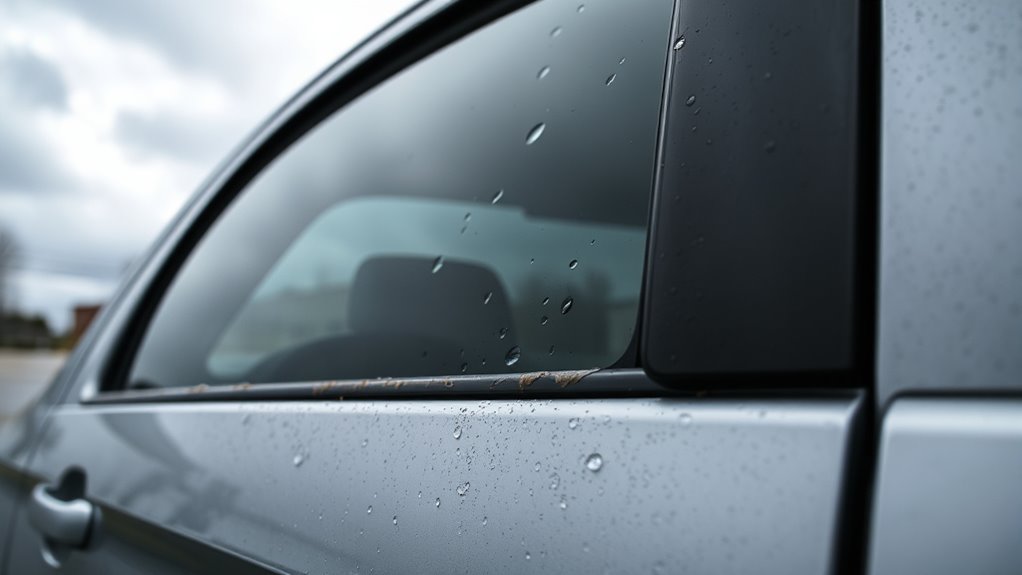
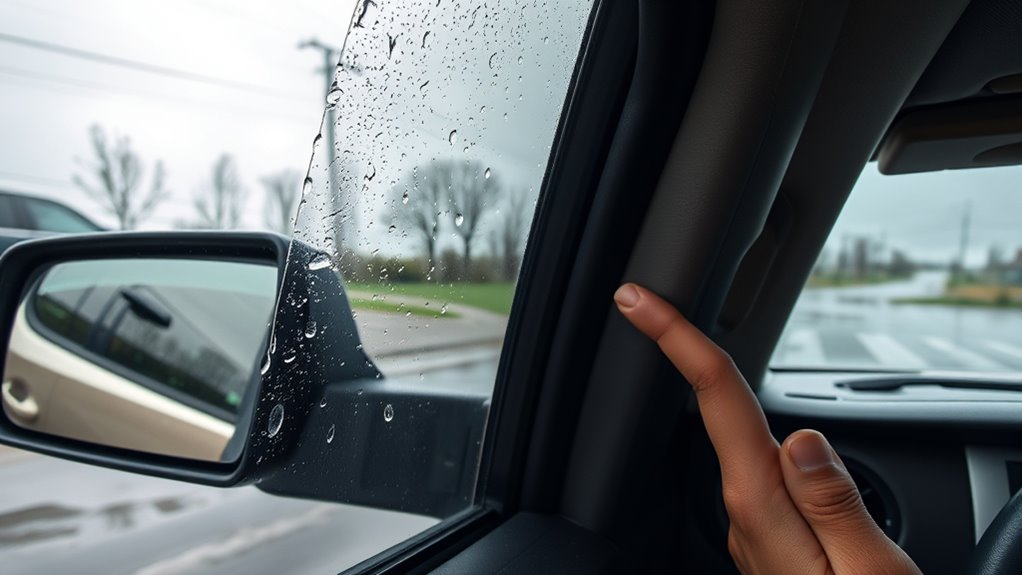
When the Tundra’s driver-side window begins to skip or stop in wet weather, moisture is often the immediate trigger, especially where the auto-up function is involved. In this condition, the driver side window may hesitate, reverse, or lose travel as water alters friction and sensor behavior.
Wet weather can trigger the Tundra’s driver window to skip, hesitate, or reverse as moisture affects friction and sensing.
Dry or frozen rubber strips can add resistance, making the glass bind during rain or snow. Reports show the issue is not isolated to Toyota; Ford, Chevy, and Chrysler owners describe similar skipping, pointing to a broader design and durability problem.
Many cases appear after months of use, suggesting wear can emerge well beyond delivery. The passenger side may remain normal, which helps narrow the fault to the affected door assembly.
For owners seeking accountability and freedom from repeated failure, detailed records matter. Photos, dates, weather notes, and service attempts strengthen warranty claims, especially if tint or other modifications invite dealer denial.
Check the Tundra Window Switch and Wiring
After wet-weather skipping or stoppage has been linked to added drag or moisture intrusion, attention should turn to the Tundra’s window switch and wiring circuit. The system depends on clean electrical signals from the window switch, through the wiring, to the module and motor.
A technician can verify 12v voltage at the Driver’s Control Module with a flat tip screwdriver, then confirm whether the command reaches the circuit. If the driver input is present but the window remains inert, continuity testing becomes decisive.
- Test the window switch for proper output on each command.
- Probe the wiring path for continuity to the rear power window module connector.
- Recheck all terminals after repair, ensuring firm reinstallation.
This method isolates a fault without guesswork and preserves the owner’s freedom from unnecessary parts replacement. If the switch and wiring prove sound, the issue lies elsewhere in the electrical chain.
Inspect Fuses, Connectors, and Moisture Damage
A systematic check should begin with the power window fuses, since a blown fuse can interrupt operation entirely after moisture exposure. Each fuse should be removed and examined for a broken element or discoloration, then replaced only with the specified rating.
The circuit breaker near the driver’s footwell should also be verified, because a weak or tripped unit can starve the window circuit of voltage.
The circuit breaker near the driver’s footwell should be checked, as a tripped unit can cut window power.
Connectors at the switch, harness, and door entry point should be inspected for corrosion, bent terminals, or green residue. Any damaged connector can create resistance or open circuits, especially after wet weather.
Wiring insulation should be checked for chafing or water intrusion. Signs of moisture damage around the internal motor or regulator housing should be noted, including rust, dampness, or swollen seals.
If these components show contamination, the electrical path may remain compromised until properly cleaned, dried, and restored.
Test the Window Motor and Regulator
With power supply confirmed at the driver’s control module and window switch, attention should shift to the internal motor and regulator assembly behind the door card. A quiet click, sluggish lift, or complete silence often indicates a failing window motor or regulator interface rather than an upstream electrical fault.
The assembly should be tested with a direct 12v feed while monitoring movement and current draw. If the window hesitates, binds, or stops mid-travel, the regulator track, gears, or actuator may be worn, corroded, or water affected.
- Apply power directly to the motor terminals and observe response.
- Check the regulator arms, cable, and guides for binding or breakage.
- Verify continuity through the wiring to the motor before condemning parts.
After replacement, reinstall the panel securely and confirm the window operates smoothly in dry and damp conditions, restoring reliable control and freedom of movement.
What Toyota Dealers and Owners Report
Toyota dealers have often recommended tightening clamps and greasing the window tracks as an initial remedy, yet many owners report little to no improvement after those service steps.
In practice, the same window issues can persist after routine lubrication, especially on the driver’s side of some Tundra models. Some owners report that dealer interventions have caused collateral problems, including grease staining or damaged upholstery, which increases repair dissatisfaction.
In more stubborn cases, Toyota dealers have replaced motors and regulators, suggesting a failure deeper than track friction alone.
Owner forums also indicate that similar failures appear in Ford and Chevy trucks, implying a broader industry condition rather than a single-brand defect.
The most effective response reported by owners is careful documentation of symptoms, dates, and weather conditions, then using warranty coverage to secure corrective work.
This approach preserves leverage and reduces exposure to repeat repair costs.
Frequently Asked Questions
Why Won’t My Windows Go up in My Toyota Tundra?
The Tundra’s windows may not go up due to power window issues, wet tracks, misaligned clamps, or failing regulators. Practical troubleshooting tips include checking fuses, drying seals, avoiding force, and documenting symptoms for warranty service.
What to Do if I Left My Car Window Open and It Rained?
Immediately, the soaked car must be treated as a miniature flood scene: inspect seats, carpets, and electronics, begin car interior drying with towels, vacuum, and fans, remove mats, then verify power windows and window seal maintenance.
How to Reset Toyota Power Window?
To reset a Toyota power window, fully close it, hold the switch five seconds, then open it fully and hold again. If a window malfunction persists, disconnect the battery briefly to clear electrical issues.
Can You Manually Push up a Power Window?
Generally not; manual operation of a power window can damage window mechanisms. “A stitch in time saves nine.” If stuck, ignition ON, apply gentle upward pressure while switching; otherwise, consult a professional.
Conclusion
When a Tundra window refuses to move after rain, the villain is often not mystery, but moisture—nature’s favorite way of exposing weak switches, corroded connectors, tired fuses, and motors already clinging to life. A careful inspection of wiring, regulator, and seals usually ends the drama faster than any hopeful button-mashing. Dealers and owners alike confirm the obvious lesson: electricity dislikes water, and windows, unlike optimism, require clean contacts and dry components to operate reliably.